Oiled Bamboo Charcuterie Board with Holder Suppliers and Manufacturers
Compare 27 verified suppliers offering Oiled Bamboo Charcuterie Board with Holder options from Anhui and Fujian. Review response times, lead times, and certifications like LFGB and FDA before requesting samples or custom quotes; review the available evidence before requesting comparable quotations from suitable candidates.
Suppliers List
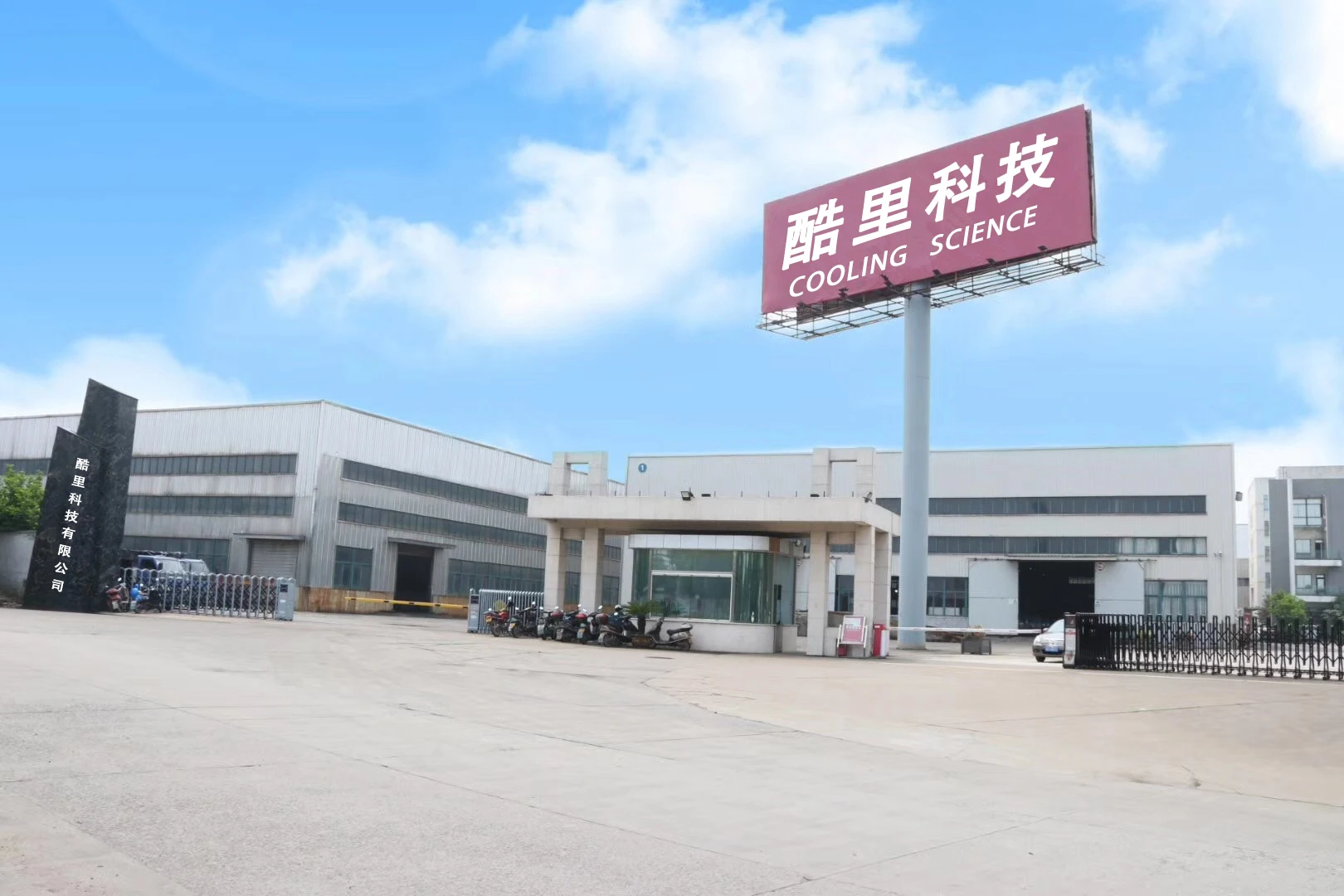
Hefei Cooling Science And Technology Co., Ltd.
- Manufacturer, Trading Company
- Anhui, China
- Lead time50 days
- Avg. response≤ 10h
Main productsTableware,Organizer,Home decoration,Kitchenware,Servingware
Main marketsEastern Europe(25.00%), Western Europe(15.00%), Southern Europe(15.00%), North America(12.00%), Northern Europe(11.00%), Central America(9.00%), Southeast Asia(8.00%), South America(5.00%)
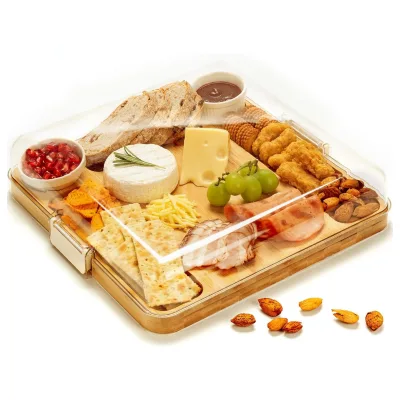
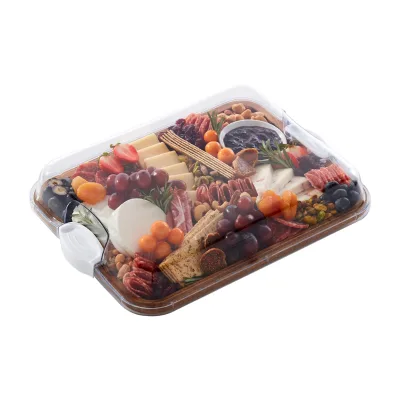
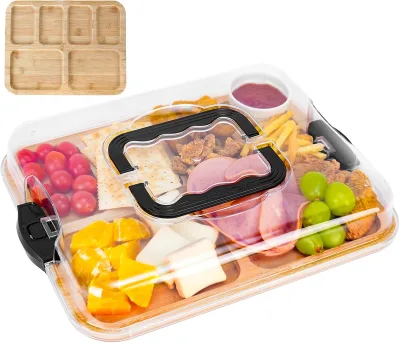
Bamboo Charcuterie Board with Buckle Locking Lid Cheese Board with Protective Cover
$7.50 - $8.00
MOQ: 200
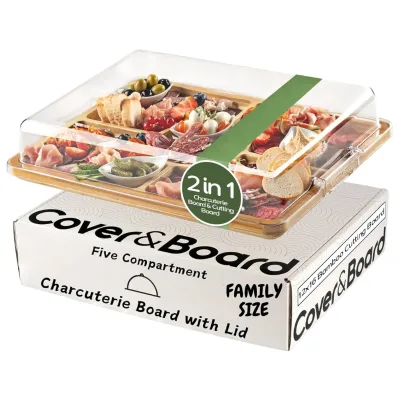
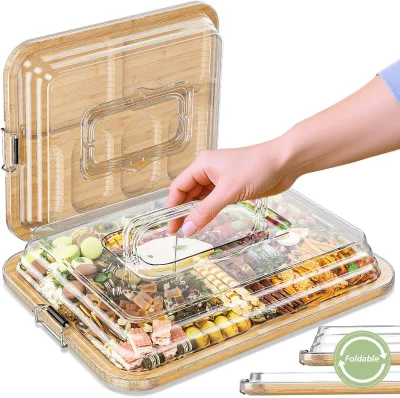

Bamboo Charcuterie Board Set with Clear Cover and Lid for Cheese Board Display
$16.00 - $16.50
MOQ: 200
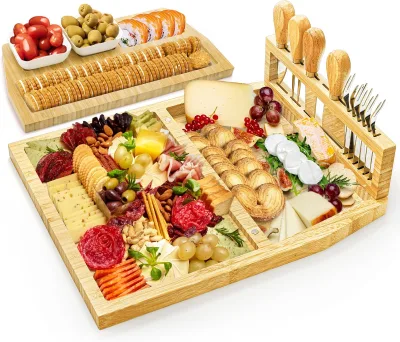

XIAMEN TWO CITY IMP AND EXP CO., LTD.
- Verified by SGS
- Trading Company
- China Fujian
- Lead time30 days
- Avg. response≤ 3h
Main productsBamboo Panel, Bamboo Plywood, Bamboo Cutting Board, Bamboo Chopping Board, Bamboo Products, Bamboo Kitchenware, Bamboo Tableware, Bamboo Furniture, Wood Product, Wood Root Carving Product
Main marketsSoutheast Asia/ Mideast,Europe,North America

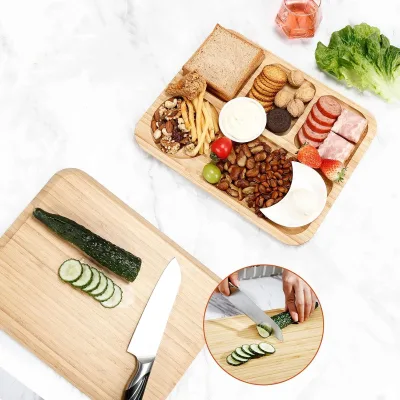
Wholesale Bamboo Cheese Board with Knife Set and Bowls Wood Charcuterie Platter
$4.88 - $8.22
MOQ: 500 Pieces

$4.18 - $13.18
MOQ: 500 Pieces


Collapsible Outdoor Picnic Bamboo Cheese Board Charcuterie Board with 4 Ceramics Bowls and Cutlery
$14.76 - $18.18
MOQ: 500 Sets

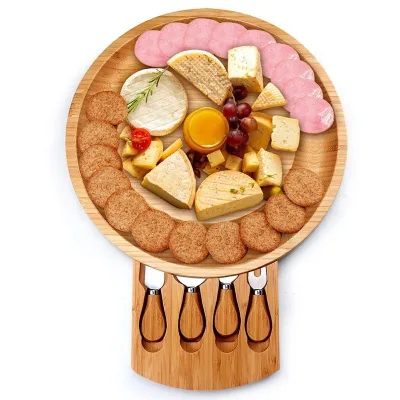
Cheap Price Bamboo Cheese Board Set Charcuterie Board with Drawer Serving Tray
$5.88 - $8.22
MOQ: 500 Pieces

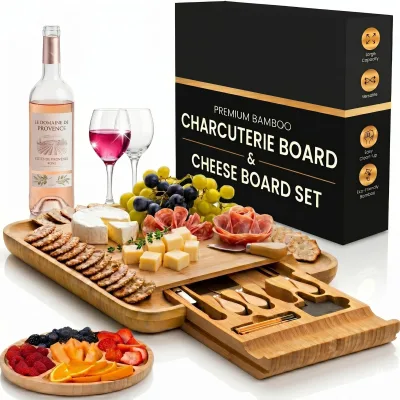
Wholesale Bamboo Charcuterie Board Set Large Cheese Board with 2 Slide-out Drawers
$8.19 - $19.18
MOQ: 500 Pieces

- Verified by BV
- Combined
- China Anhui
- Lead time15 days
- Avg. response≤ 4h
Main productsStorage Basket, Laundry Basket, Kitchen Rack, Storage Shelf, Storage Jar, RPET Tableware Set, Matcha Whisk, Handmade Storage Basket, Wall & Table Decoration, Hamper
Main marketsSouth America,Southeast Asia/ Mideast,North America

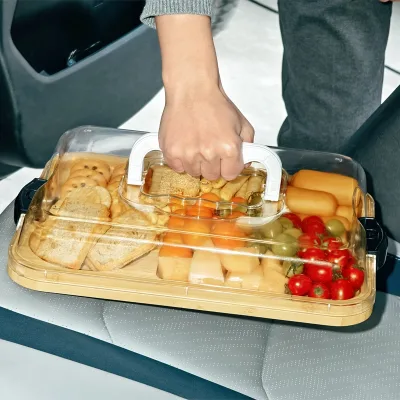
Custom Serving Tray Bamboo Serving Board with Plastic Lid Charcuterie Board with Lid
$6.51 - $6.99
MOQ: 10 Pieces

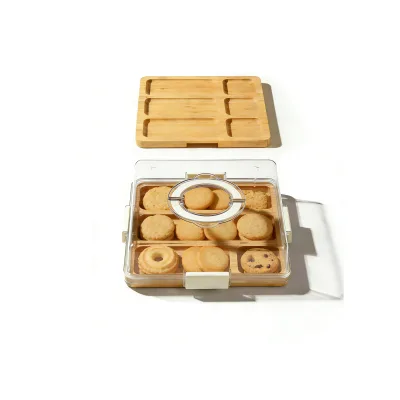
Cutting Board 6 Snacks Fruit Serve 6 Compartments Bamboo Charcuterie Board with Clear Locking Lid
$6.51 - $6.99
MOQ: 10 Pieces

$6.51 - $6.99
MOQ: 10 Pieces

Xiamen Ebei Import & Export Co., Ltd.
- Verified by CTI
- Trading Company,Manufacturer/Factory
- China Fujian
- Lead time45 days
- Avg. response≤ 2h
Main productsEco-Friendly Products, Bamboo Tableware, Bamboo Furniture, Bamboo Kitchenware, Bamboo Office Supply, Bamboo Fibre Products, Biodegradable Products, Bamboo Towel, Solar Energy Products, Bamboo Garden Products
Main marketsSouth America,Eastern Europe,Mid East,North America,Southeast Asia,Eastern Asia,Oceania,Western Europe,Africa

Natural Bamboo Hidden Drawers Food Serving Charcuterie Cheese Board with Knife Set
$2.90 - $3.90
MOQ: 500 Pieces


Rectangle Bamboo Cheese Charcuterie Board with Two Knives for Home Party Gift Wedding
$12.96 - $14.09
MOQ: 500 Pieces


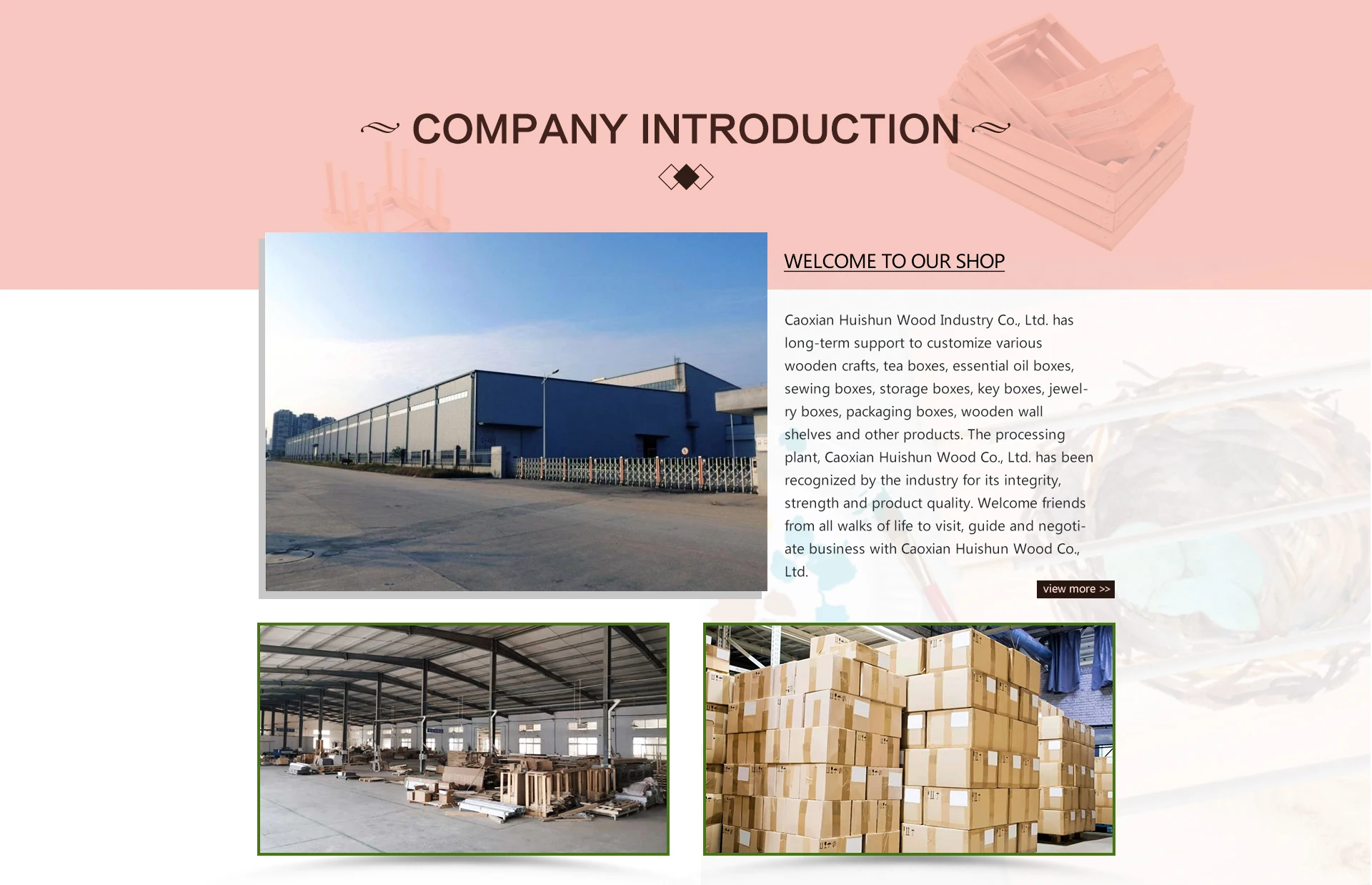
Cao County Huishun Wood Co., Ltd.
- Manufacturer, Trading Company
- Shandong, China
- Lead time15 days
- Avg. response≤ 5h
Main productsWooden Box,Wooden Pallet,Wooden Frame,Wooden Tray
Main marketsDomestic Market(80.00%), Western Europe(20.00%)
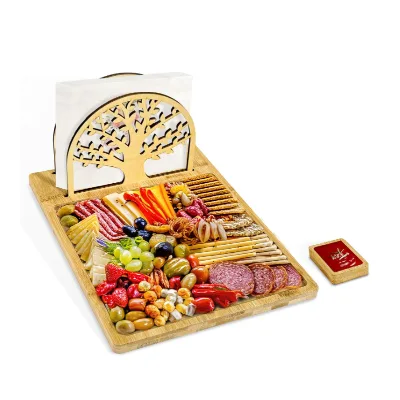
Eco-Friendly Durable Cheese Board Bamboo Charcuterie Serving Platter with Replaceable Napkin Holder
$5.60 - $6.01
MOQ: 200 pieces
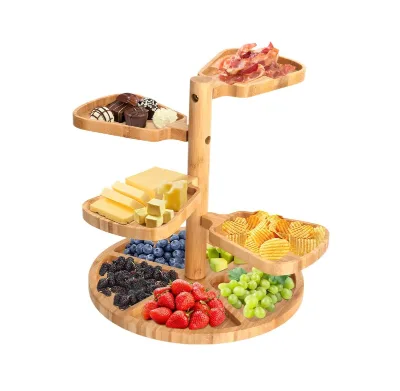
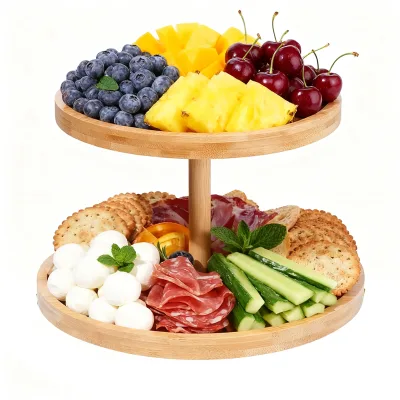
Premium Wood Tiered Charcuterie Boards Rotating Cheese Board Bamboo Cheese Platter
$6.46 - $7.01
MOQ: 200 pieces
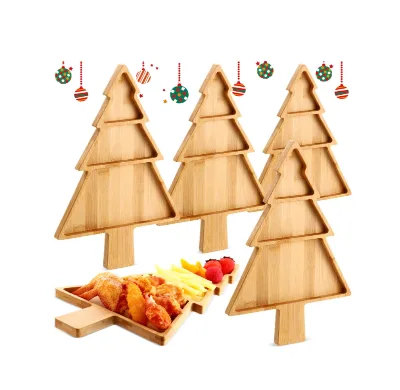
Christmas Bamboo Serving Platter Reusable Bamboo Plates Wooden Charcuterie Tray
$3.90 - $4.42
MOQ: 200 pieces
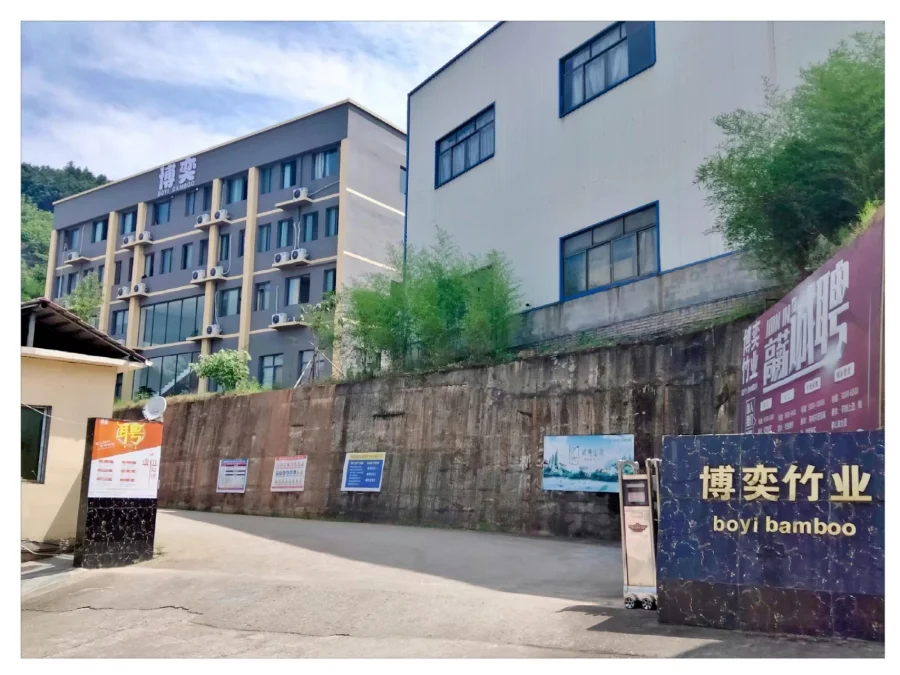
Fujian Zhenghe County Boyi Bamboo Industry Co., Ltd.
- Manufacturer, Trading Company
- Fujian, China
- Lead time30 days
- Avg. response≤ 2h
Main productsCheese Boards, Bamboo Tray, Bamboo Baby Plates, Salad Bowl, Tea Bag Storage Organizer
Main marketsDomestic Market(87.00%), North America(10.00%), Western Europe(2.00%), Mid East(1.00%)

Shaowu City Nafu Bamboo and Wood Industry Co., Ltd.
- Manufacturer
- China Fujian
- Lead time15 days
- Avg. response≤ 18h
Main productsBamboo and Wood Cutting Board Cheese Board, Bamboo and Wood Storage Box, Bamboo and Wood Plate, Bamboo and Wood Tray, Marble Wood Cheese Board, Bamboo and Wood Table, Bamboo and Wood Bathroom Products, Bamboo and Wood Shelf, Bamboo and Wood Kitchen Utensil, Bamboo and Wood Bowl
Main marketsEast Asia(Japan/ South Korea),Domestic,Europe,Australia,North America

Charcuterie Platter and Serving Meat Board Wooden Serving Platter Bamboo Cheese Board with Knife Set
$2.00 - $4.00
MOQ: 300 Sets


Bamboo Cheese Cutting Board Set with Handle Charcuterie Board Set with Knives
$2.00 - $4.00
MOQ: 300 Sets

Personalize Bamboo Charcuterie Board and Cheese Platter Board with Knife Set and Sauce Tray
$5.00 - $6.50
MOQ: 300 Sets

Xiamen Youlike Houseware Co., Ltd.
- Verified by TüVRheinland
- Trading Company
- Fujian, China
- Lead time25 days
- Avg. response≤ 3h
Main productsForklift and Forklift Attachment
Main marketsNorth America(55%), Western Europe(18%), Northern Europe(7%)
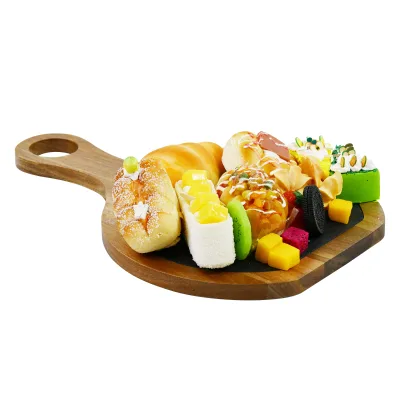
Charcuterie Serving Board Gift Set Folding Bamboo Large Acacia Wood Slate Board With Handle
$4.20 - $5.20
MOQ: 500 sets
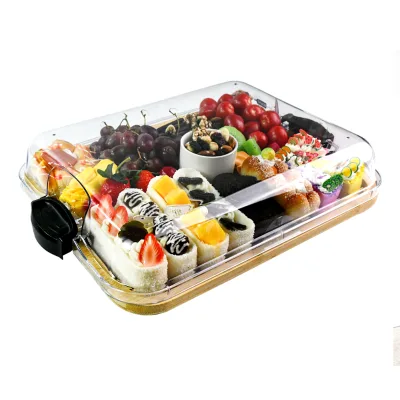
$5.39 - $6.90
MOQ: 300 sets
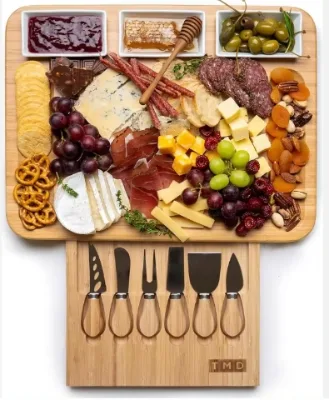
$12.15 - $13.65
MOQ: 500 sets
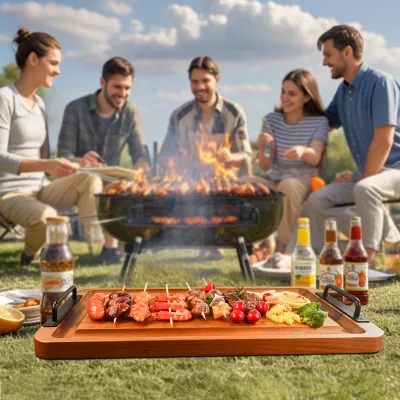
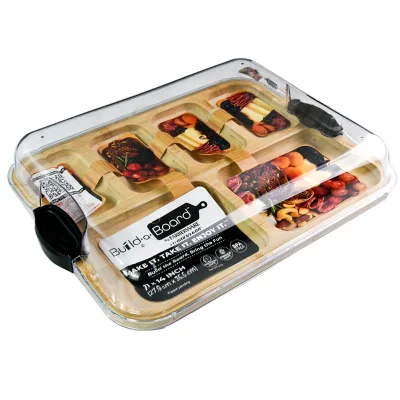
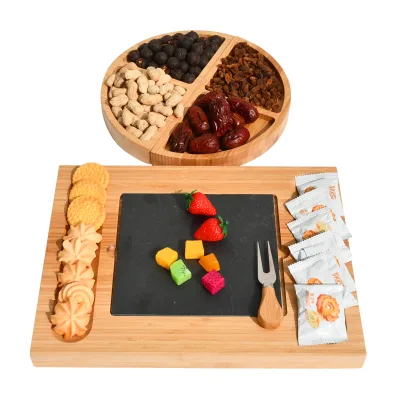
Shenzhen Nature Bamboo and Wood Co., Ltd.
- Verified by Intertek
- Trading Company
- Lead time30 days
- Avg. response≤ 3h
Main productsCutting Board, Shelf, Sport Product, Box, Tray
Main marketsNorth America(60%), Western Europe(35%), Southeast Asia(5%)
Fuzhou Anyo Houseware Co., Ltd.
- Verified by TüVRheinland
- Manufacturer, Trading Company
- Lead time30 days
- Avg. response≤ 3h
Main productsLaundry Bags & Baskets, Kitchen & Tabletop, Home Furniture, Pet Products
Main marketsNorth America(70%), Western Europe(30%)
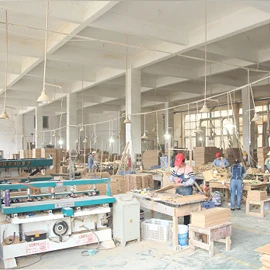
Xiamen Royal Trading Co., Ltd.
- Trading Company
- Fujian, China
- Lead time45 days
- Avg. response≤ 2h
Main productsLaundry basket,Shoe rack,Drawer storage organizer,Kitchen & Tabletop,kids furnite
Main marketsNorth America(70.00%), Western Europe(25.00%), Eastern Asia(3.00%), Southeast Asia(2.00%)

Fujian Hoyee Household Items Co., Ltd.
- Verified by BV
- Manufacturer/Factory
- China Fujian
- Lead time0 days
- Avg. response≤ 9h
Main productsBamboo Products, Cutting Board, Bathtub Caddy, Bath Mat, Bath Towel Rack, Shoes Rack, Office Organizer, Desk Organizer, Cheese Board, Serving Tray


$12.50 - $13.50
MOQ: 500 Pieces

Wooden Charcuterie Serving Tray Organizer for Cutlery and Slicers Bamboo Cheese Board and Knife Set
$14.00 - $15.80
MOQ: 500 Pieces

Acacia Pizza Cheese and Charcuterie Boards Fruit and Cheese Serving Tray
$6.00 - $7.00
MOQ: 500 Pieces

Shuifu Huiyang Agricultural Technology Co., Ltd.
- Verified by SGS
- Trading Company
- China Yunnan
- Lead time23 days
- Avg. response≤ 3h
Main productsBamboo Products, Bamboo Crafts, Bamboo Chopsticks, Bamboo Skewers, Bamboo Weaving, Bamboo Tray, Bamboo Box, Bamboo Placemat, Bamboo Fruit Bowl, Lamp Shades
Main marketsDomestic

Bamboo Charcuterie Board Setwith Cheese Knives Eco Friendly Serving Tray for Snacks
$9.98
MOQ: 1000 Pieces


Cao County Hengyu Woods Co., Ltd.
- Manufacturer, Trading Company
- Lead time旺季: "1 - 500":31,"501 - 1000":35,"> 1000":"To be negotiated", 淡季: "1 - 500":31,"501 - 1000":35,"> 1000":"To be negotiated"
- Avg. response≤ 2h
Main productsWood Gifts and Crafts
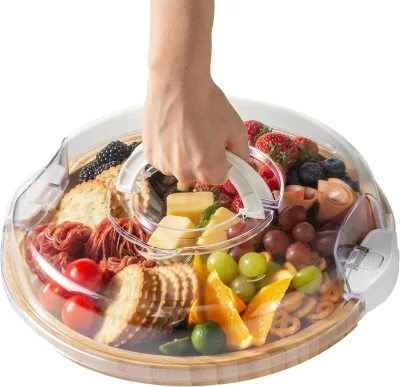
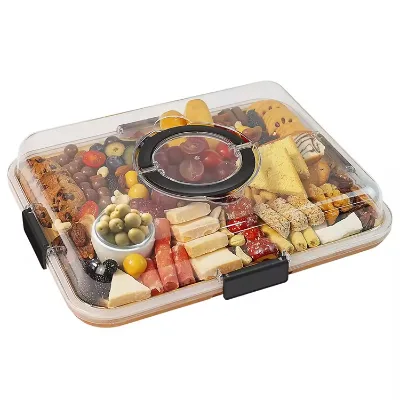
Wholesale Charcuterie Boards, Charcuterie Boards with Lid Cheese Board Serving Tray
$6.71 - $7.07
MOQ: 500 pieces

$6.82 - $6.95
MOQ: 1000 pieces
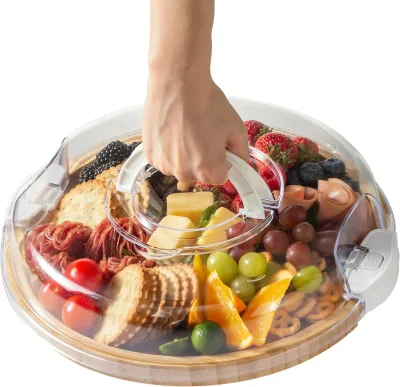
$9.79 - $10.20
MOQ: 500 pieces

Xiamen Chengfengxin Industry & Trade Co., Ltd.
- Verified by BV
- Trading Company
- China Fujian
- Lead time23 days
- Avg. response≤ 14h
Main productsBamboo Cutting Board, Bamboo Bathtub Rack Caddy, Bamboo Tablet Computer Desk, Bamboo Kitchenwares Holder Organization, Bamboo Home Storage, Home Office Collection, Eco-Friendly Kitchen Products, Bamboo Kitchen Tools, Bamboo Diffuser, Eco-Friendly Green Products
Main marketsSoutheast Asia/ Mideast,Europe,Australia,North America


Elegant Bamboo Charcuterie Board Set with Cheese Tools for Entertaining
$13.56 - $15.67
MOQ: 500 Pieces


- Verified by SGS Group
- Manufacturer, Trading Company
- Lead time30 days
- Avg. response≤ 2h
Main productsWood home decoration, Wood storage, Wood packaging, Wood crafts, Wood furniture
Main marketsNorth America(35%), Northern Europe(20%), Southern Europe(20%)
Fujian Bridge Style Furnishings Co., Ltd.
- Verified by TüVRheinland
- Manufacturer, Trading Company
- Lead time45 days
- Avg. response≤ 2h
Main productsCutting Board, Cheese Board, Bamboo Drawer Organizer, Bath Tray, Bamboo Storage Box
Main marketsNorth America(60%), Western Europe(40%)
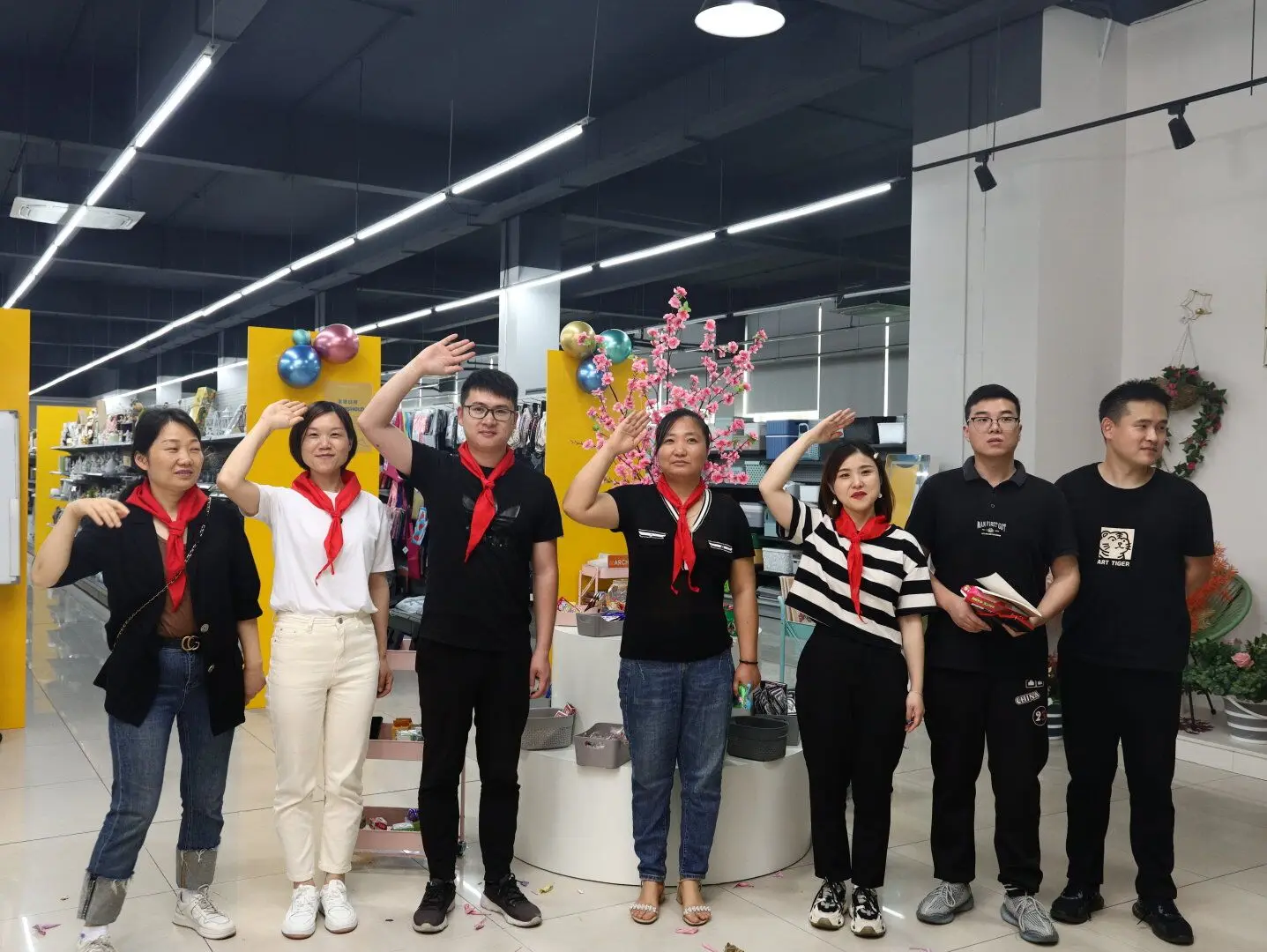
Ningbo Homecrest Imp.& Exp. Co., Ltd.
- Trading Company
- Zhejiang, China
- Lead time20 days
- Avg. response≤ 5h
Main productsKitchen Organizer, Home Organizer, Bathroom Organizer, Home Decor
Main marketsNorth America(40.00%), Northern Europe(40.00%), Oceania(10.00%), Eastern Asia(10.00%)

Yiyang Haixi Trading Co., Ltd.
- Trading Company
- China Hunan
- Lead time30 days
- Avg. response≤ 25h
Main productsBamboo Chopstick, Disposable Bamboo Chopsticks, Bamboo BBQ Sticks, Household Bamboo Chopsticks, Bamboo Toothpicks, Bamboo Craft
Main marketsEurope,Australia,North America


Bamboo Cheese Board and Charcuterie Boards Set & Serving Tray for Meat, and Wine
$5.50 - $7.80
MOQ: 500 Pieces
Fuzhou Bridge Trading Co., Ltd.
- Verified by TüVRheinland
- Manufacturer, Trading Company
- Lead time45 days
- Avg. response≤ 2h
Main productsCutting Board, Cheese Board, Bamboo Drawer Organizer, Bath Tray, Bamboo Storage Box
Main marketsNorth America(60%), Western Europe(40%)

Ningbo Onetree Import and Export Co., Ltd
- Verified by BV
- Trading Company
- China Zhejiang
- Lead time30 days
- Avg. response≤ 1h
Main productsBamboo Cutting Board, Silicone Utensils, Stainless Steel Water Bottle, Cosmetic Storage Box, Cleaning Brush, Plastic Spice Rack, Home Storage Organizer, Carbon Steel Bakeware, Glass Container, Acacia Wood Kitchen Utensils
Main marketsSouth America,Europe,Australia

XIAMEN SHUNSTONE HOMEWARE CO., LTD.
- Manufacturer/Factory
- China Fujian
- Lead time23 days
- Avg. response≤ 5h
Main productsWhiskey Box, Wine Box, Wooden Gift Box, Leather Gift Box, Gift Set with Box, Whiskey Decanter, Whiskey Glass, Cigar Box
Main marketsSouth America,Eastern Europe,Mid East,North America,Southeast Asia,Eastern Asia,Oceania,Western Europe,Africa


$7.80 - $8.80
MOQ: 500 Pieces

$11.90 - $13.80
MOQ: 500 Pieces

$10.50 - $12.80
MOQ: 500 Pieces

$7.86 - $8.50
MOQ: 500 Pieces

$16.50 - $17.99
MOQ: 500 Pieces
Xiamen Homex Houseware Co., Ltd.
- Verified by TüVRheinland
- Manufacturer, Trading Company
- Lead time60 days
- Avg. response≤ 5h
Main productsBamboo & Wood Bathroom Items, Bamboo & Wood Housewares, Bamboo & Wood Kitchenware, Bamboo & Wood Home Furniture, Bamboo & Wood Drawer Organizer
Main marketsNorth America(80%), Western Europe(20%)
Nanping Jianyang District Hejiale Bamboo Wood Household Supplies Co., Ltd.
- Verified by TüVRheinland
- Manufacturer, Trading Company
- Lead time40 days
- Avg. response≤ 2h
Main productsChopsticks
Main marketsDomestic Market(55%), Southeast Asia(25%), North America(10%)
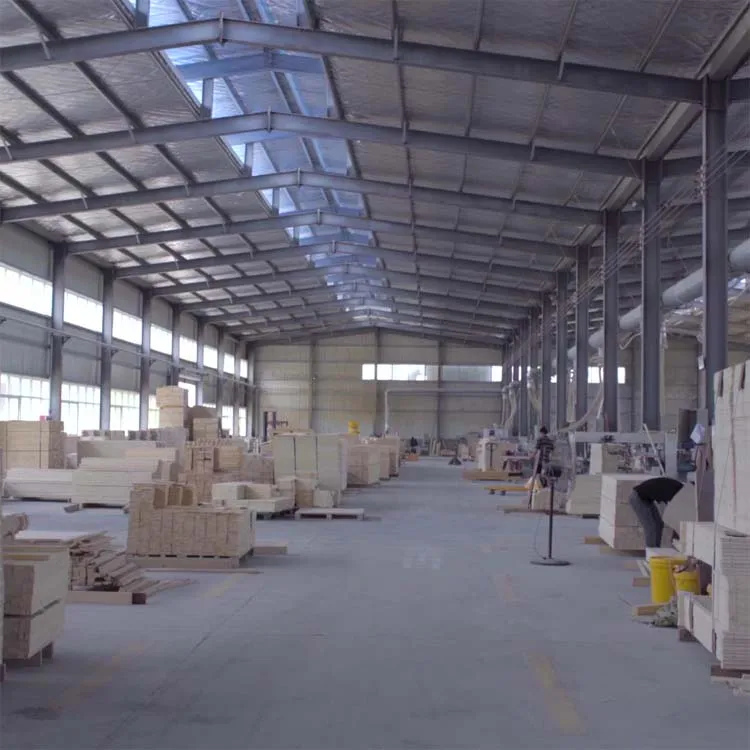
Cao County Mingrui Crafts Factory
- Manufacturer, Trading Company
- Shandong, China
- Lead time0 days
- Avg. response≤ 4h
Main productsWooden bird house,Wooden packing box,Wooden scraping board,Wooden pendant,Wooden base
Main marketsNorth America(30.00%), Western Europe(20.00%), Domestic Market(18.00%), South America(10.00%), Oceania(8.00%), Africa(5.00%), Northern Europe(5.00%), Southeast Asia(2.00%), Eastern Asia(2.00%)

Changzhou Sitan Imp. and Exp. Co., Ltd.
- Verified by BV
- Trading Company
- China Jiangsu
- Lead time15 days
- Avg. response≤ 10h
Main productsFitness Equipment, Barbell Series, Resistance Bands, Agility & Speed, Yoga Ball, Massage Series, Power Rack, Weight Ball, Charging Notebook, Custom Logo Goods
Main marketsSoutheast Asia/ Mideast,Domestic,Europe,North America

Reversible Charcuterie Board Bamboo and Slate with Handles for Entertaining Cheese Platter
$4.00 - $6.00
MOQ: 200 Pieces

Reversible Bamboo and Slate Charcuterie Board Set with Handles for Entertaining Gifts
$4.00 - $6.00
MOQ: 200 Pieces

Bamboo Slate Charcuterie Cutting Board Set Reversible Design with Handles Gift Idea
$4.00 - $6.00
MOQ: 200 Pieces

Henan Zlovy Enterprise Co., Ltd.
- Trading Company
- Henan, China
- Lead time1 days
- Avg. response≤ 7h
Main productsCoffee Pot,Coffee Tools,Water Bottle,Home Appliances,Baking Tools
Main marketsNorth America(35.00%), Western Europe(20.00%), Mid East(20.00%), Southeast Asia(15.00%), South America(10.00%)
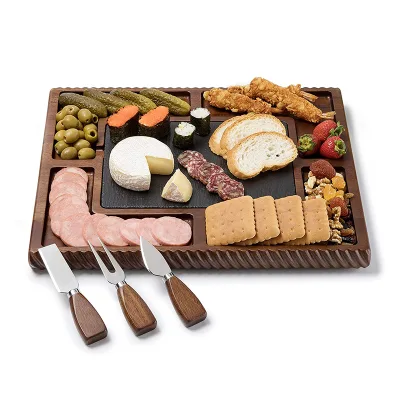
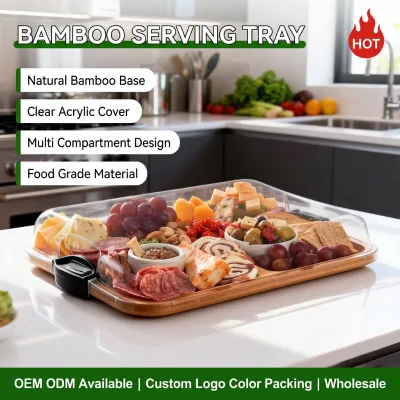
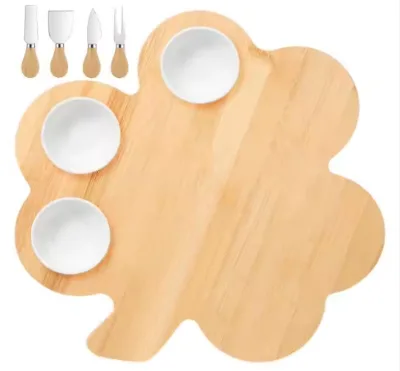
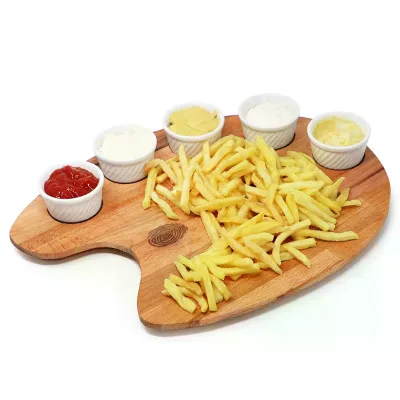

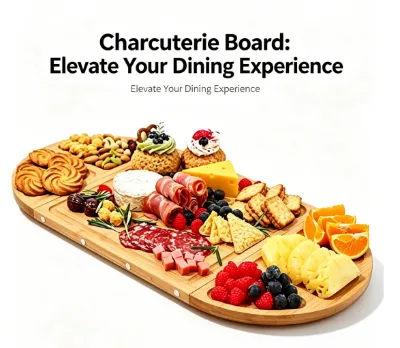
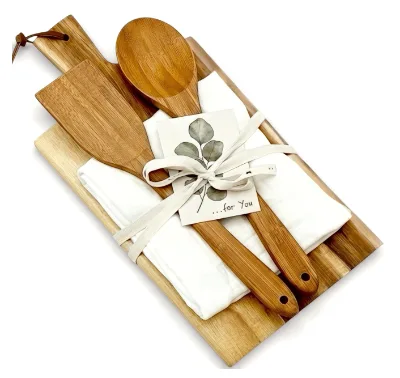
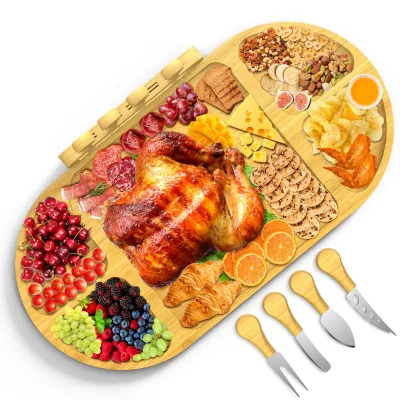
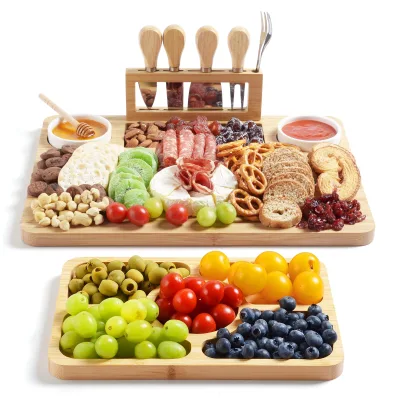




Comprehensive Sourcing Guide
Oiled Bamboo Charcuterie Board with Holder Supplier Concentration and Factory Types
Current data indicates supplier locations in Anhui, China, and Fujian, China, suggesting specific regional clusters for bamboo processing and kitchenware manufacturing. These regions often host facilities specializing in bamboo panel production, cutting boards, and related kitchenware items. Buyers should verify if a supplier's stated location matches their actual factory address, as some trading companies may list a different city than their production base. The presence of both manufacturers and trading companies in these results means buyers must distinguish between direct factory sources and intermediaries. A manufacturer typically offers more control over production processes, while a trading company might provide broader product ranges including organizers and home decorations.
When evaluating the company type, look for explicit labels indicating whether the entity is a Manufacturer or a Trading Company. Some suppliers list main products like bamboo plywood, wood root carving, and kitchenware, which helps confirm their operational focus. If a supplier claims to be a manufacturer but lacks specific production details, verify their capacity for ODM and OEM services. The data shows some suppliers offer customization, which is a strong indicator of manufacturing capability. However, without direct factory audits, buyers should treat all location claims with caution and request proof of physical operations. Understanding the distinction between these entity types is crucial for negotiating better terms and ensuring product quality consistency.
How to Verify Oiled Bamboo Charcuterie Board with Holder Suppliers
Verification begins with checking for specific certifications like LFGB and FDA, which are critical for food contact safety. Several product listings in the current results explicitly mention LFGB certification, confirming compliance with European food safety standards. Buyers should request valid certification documents directly from the supplier rather than relying solely on profile badges. Additionally, look for verification badges such as SGS, which indicate third-party validation of the supplier's business status. While some suppliers display these badges, the absence of a badge does not guarantee a lack of quality, but it does require deeper due diligence. Always ask for the certificate number and verify its authenticity with the issuing body before proceeding.
Response time and sample availability are also key verification metrics. The data shows response times ranging from 2.85 to 10 hours, indicating varying levels of operational efficiency. A faster response time often correlates with better communication and project management capabilities. Furthermore, check if samples are available, as most listings indicate "Avaliable" for bamboo charcuterie boards. Requesting a physical sample allows you to inspect the oil finish, the locking lid mechanism, and the overall build quality. Do not rely on product images alone, as they can be misleading. Confirming the sample's material composition, such as bamboo or wood, and its packaging details ensures the final product matches your expectations before placing a bulk order.
What to Compare Across Oiled Bamboo Charcuterie Board with Holder Suppliers
Comparing suppliers requires a detailed analysis of minimum order quantities (MOQ) and pricing structures. Current product evidence shows MOQs ranging from 200 pieces to 500 sets, with prices varying significantly based on features like compartments, knife sets, and packaging styles. Some listings offer prices as low as $4.18, while others with added accessories like ceramic trays or stainless steel tools reach up to $16.50. Buyers must calculate the total cost per unit, including shipping and any customization fees, to determine the true value. A lower MOQ might be preferable for testing the market, but a higher MOQ often results in a better unit price. Always request a detailed quotation that breaks down costs for materials, labor, and packaging.
Lead times and response speeds are equally important for supply chain planning. The observed lead times vary from 30 to 50 days, which can significantly impact your inventory management and time-to-market. Suppliers with shorter lead times may offer faster turnaround but could have higher production costs or limited capacity. Response times, ranging from under 3 hours to 10 hours, indicate how quickly a supplier can address inquiries or resolve issues. A supplier with a 2.85-hour response time is likely more responsive than one taking 10 hours. Additionally, compare the main products offered; some suppliers focus on bamboo panels and furniture, while others specialize in kitchenware and servingware. Aligning the supplier's core competencies with your specific product needs ensures a more reliable partnership.
Common Oiled Bamboo Charcuterie Board with Holder Sourcing Risks
One significant risk involves the inconsistency of material quality and finish. While many listings specify bamboo or wood materials, the actual finish, such as vegetable oil or lacquer, can vary between batches. Some products are described as "thickening" or having specific thicknesses like 2.0cm, but without physical inspection, these claims may not hold true. The risk of receiving substandard oil treatment is high if the supplier does not adhere to strict quality control protocols. Buyers should explicitly define the oil type and application process in the contract to prevent discrepancies. Additionally, the "Sustainable" or "Eco-Friendly" labels found in some product attributes require verification, as these terms are often used loosely without third-party backing.
Another risk is the discrepancy between the advertised product features and the actual delivered goods. Listings mention features like "buckle locking lids," "foldable lids," and "clear covers," but the quality of these mechanisms can differ. Some products include knife bowls or ceramic trays, while others do not, leading to potential confusion if the order specifications are not precise. The packaging style, such as brown boxes or color boxes, also affects the final presentation and protection during transit. If the packaging is insufficient, the boards may arrive damaged. Furthermore, the "Customized Logo" option requires clear artwork submission and approval processes to avoid branding errors. Always request a pre-production sample to confirm all features match the agreed specifications before mass production begins.
Oiled Bamboo Charcuterie Board with Holder Regional Sourcing and Logistics
Sourcing from regions like Anhui and Fujian in China offers access to established bamboo processing hubs, but logistics planning is essential. These locations are known for producing bamboo panels, cutting boards, and kitchenware, which can reduce lead times for raw material sourcing. However, the distance from the factory to the port of export can vary, affecting shipping costs and transit times. Buyers should verify the specific port of loading and the estimated transit time to their destination. The single package sizes, such as 31x23x5 cm or 36x13x13 cm, influence the container loading efficiency and overall shipping volume. Understanding these dimensions helps in calculating the optimal container size and minimizing freight costs.
Logistics also involve managing the packaging and handling of fragile items like bamboo boards with lids. The data indicates various packing styles, including single piece packages, brown boxes, and bulk cartons. Ensuring that the packaging is robust enough to protect the boards during long-distance shipping is critical. Some suppliers offer customized gift packing, which may add value but also increase the weight and volume of the shipment. Buyers should confirm the gross weight of the single package, which is listed as 2.0 kg for some items, to accurately estimate shipping fees. Additionally, consider the environmental impact of the packaging materials and whether they meet the destination country's regulations. Proper logistics planning ensures that the products arrive in perfect condition and on schedule.
Oiled Bamboo Charcuterie Board with Holder Commercial Terms and Order Planning
Commercial terms for these products often include specific payment structures and delivery conditions. The observed price ranges, from $4.18 to $16.50, suggest that payment terms may vary based on order volume and customization requirements. Buyers should negotiate clear terms regarding deposits, balance payments, and the use of escrow services to protect their funds. Some suppliers may offer flexible payment options, but it is crucial to agree on these details before placing an order. Additionally, the lead time of 30 to 50 days must be factored into the order planning timeline. Delays in production or shipping can disrupt inventory levels, so building a buffer into the schedule is advisable.
Order planning also requires careful attention to the minimum order quantities and customization capabilities. With MOQs ranging from 200 to 500 units, buyers need to assess their sales forecasts to avoid overstocking or understocking. Customization options, such as logos and specific packaging, add complexity to the order process and may extend the lead time. Buyers should provide detailed specifications and artwork well in advance to ensure the supplier can meet the deadline. Furthermore, consider the scalability of the supplier; can they handle increased order volumes if the product becomes popular? Establishing a long-term relationship with a reliable supplier can streamline future orders and improve overall efficiency. Always document all agreed terms in a formal contract to prevent misunderstandings.
FAQs
What certifications do the bamboo charcuterie boards have?
Many listed products carry LFGB certification, ensuring safety for food contact. Some items also include FDA approval for additional market compliance. These certifications verify that the bamboo materials meet strict international standards for kitchenware and serving boards used in commercial settings.
What is the typical minimum order quantity for these boards?
The minimum order quantity generally starts at 200 pieces or sets for standard bamboo charcuterie boards. Some specific wholesale sets may require a higher threshold of 500 units. Buyers should verify the exact MOQ per supplier before placing bulk orders for custom designs.
How long does production and delivery usually take?
Lead times for manufacturing these boards typically range from 30 to 50 days depending on order volume. Suppliers in Anhui and Fujian provinces offer varying schedules based on current capacity. Buyers should confirm specific timelines with the vendor to ensure timely delivery for their events.
Are samples available for quality inspection before bulk purchase?
Samples are available for most bamboo charcuterie board listings to allow quality verification. Buyers can request single piece packages to test the finish and locking lid mechanisms. This option helps ensure the product meets specific requirements before committing to larger wholesale quantities.
What materials are used to construct these serving boards?
These boards are primarily constructed from sustainable bamboo or wood materials. Some sets include stainless steel utensils and ceramic trays for complete serving functionality. The natural bamboo finish provides an eco-friendly aesthetic suitable for modern kitchenware and charcuterie presentations.
Can suppliers customize the logo and packaging for these boards?
Customized logos are acceptable upon design submission for many manufacturers and trading companies. Packaging options include brown boxes, color boxes, or customized gift packing for retail needs. Buyers should discuss specific branding requirements with the supplier to ensure the final product matches their brand identity.
Where are these bamboo charcuterie boards manufactured?
Manufacturing locations include Anhui and Fujian provinces in China. These regions specialize in bamboo processing and kitchenware production. The place of origin is consistently listed as China for the majority of the available charcuterie board listings found in the current search results.