Four Hole Egg Frying Pan Suppliers and Manufacturers
Explore 25 verified options for the Four Hole Egg Frying Pan with details on location, lead times, and MOQs. Compare response times and certifications to select a suitable factory for your kitchenware needs today; review the available evidence before requesting comparable quotations from suitable candidates.
Suppliers List
Ningbo Dazen Technology Co., Ltd.
- Trading Company
- Zhejiang, China
- Lead time45 days
- Avg. response≤ 12h
Main productsKitchen Supplies, Household Supplies, Children's Supplies, Cleaning Supplies, Bar Supplies
Main marketsWestern Europe(23.00%), North America(19.00%), South America(16.00%), Southern Europe(12.00%), Northern Europe(11.00%), Eastern Europe(11.00%), Eastern Asia(5.00%), Southeast Asia(3.00%)
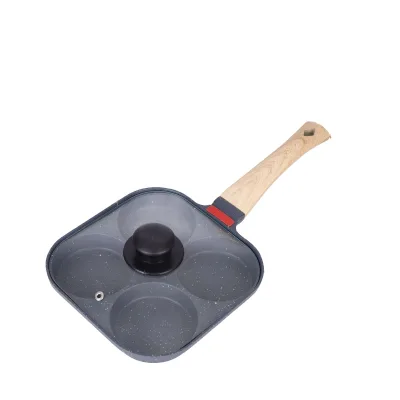
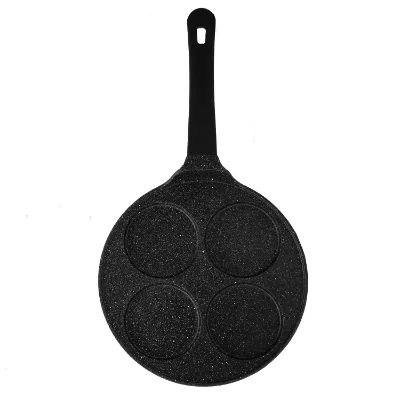
Egg Frying Pan 4 Hole square with Lid Non-stick Aluminum Fry Pan Multiple Fry Pan
$3.35 - $3.65
MOQ: 500 pieces
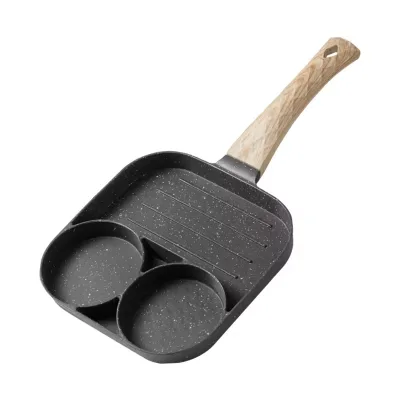
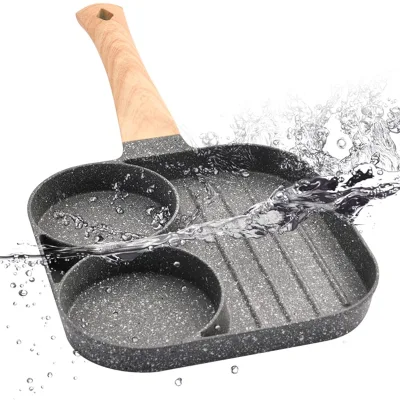

- Trading Company
- China Zhejiang
- Lead time30 days
- Avg. response≤ 11h
Main productsHome Appliance, Cookware Set, Thermos, Home Storage, Furniture, Pet Supplies, Garden Tools, Outdoor Supplies, Baby Supplies, Houesehold Items
Main marketsSouth America,Africa,Southeast Asia/ Mideast,East Asia(Japan/ South Korea),Domestic,Europe,Australia,North America

Hebei Bigking Cookware Co., Ltd.
- Manufacturer/Factory
- China Hebei
- Lead time23 days
- Avg. response≤ 10h
Main productsCast Iron Cookware, Cast Iron Dutch Oven, Cast Iron Skillet, Cast Iron Grill Pan, Cast Iron Casserole, Cast Iron Oven Dish, BBQ, Fondue Set, Teapot, Frying Pan
Main marketsSouth America,Eastern Europe,North America,Western Europe
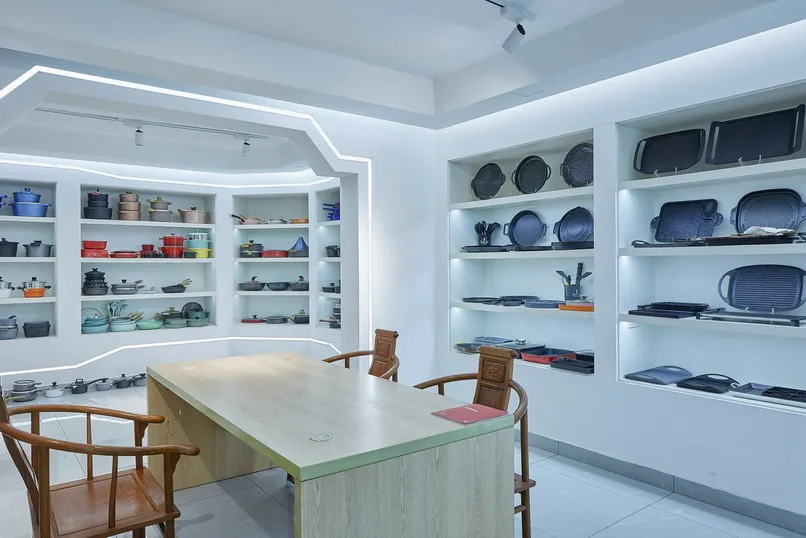
Jinhua Elyshine cookware Co., Ltd.
- Manufacturer, Trading Company
- Zhejiang, China
- Lead time20 days
- Avg. response≤ 9h
Main productsPancake Pan, Griddle Pan, Double Pan, Cookware Set, Casserole
Main marketsEastern Asia(40.00%), North America(15.00%), Eastern Europe(10.00%), Southeast Asia(10.00%), South America(5.00%), Oceania(5.00%), Western Europe(5.00%), Southern Europe(5.00%), Northern Europe(5.00%)

Changzhou Sitan Imp. and Exp. Co., Ltd.
- Verified by BV
- Trading Company
- China Jiangsu
- Lead time15 days
- Avg. response≤ 10h
Main productsFitness Equipment, Barbell Series, Resistance Bands, Agility & Speed, Yoga Ball, Massage Series, Power Rack, Weight Ball, Charging Notebook, Custom Logo Goods
Main marketsSoutheast Asia/ Mideast,Domestic,Europe,North America

Breakfast Non Stick Pan Frying Pan with 4 Holes Non Stick Camping Frying Pan
$1.20 - $2.80
MOQ: 50 Pieces

Fried Egg Burger Pan Nonstick Frying Pan Breakfast Pan 4 Holes Omelette Artifact
$1.20 - $2.80
MOQ: 50 Pieces


Yong Kang E-Jia Cookware Co., Ltd.
- Trading Company,Manufacturer/Factory
- China Zhejiang
- Lead time45 days
- Avg. response≤ 3h
Main productsCookware Set, Fry Pan, Electircal Wok, Grill Pan, Juicer, Kitchenware, Kitchen Electrical Appliances
Main marketsSouth America,Eastern Europe,Mid East,North America,Southeast Asia,Eastern Asia,Oceania,Western Europe,Africa

Yongkang Yuchen Hardware Products Factory
- Verified by SGS
- Combined
- China Zhejiang
- Lead time15 days
- Avg. response≤ 1h
Main productsBakeware, Pan
Main marketsEast Asia(Japan/ South Korea)


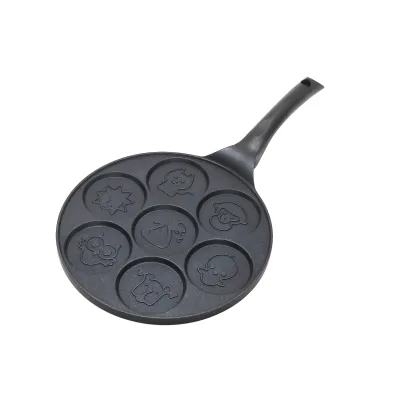
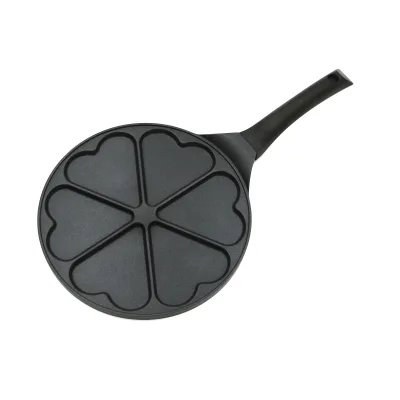
Flower Shape 5-Cavity Non-Stick Frying Pan Aluminum Alloy Breakfast Egg Cooking Pan
$5.70 - $5.90
MOQ: 2 Pieces
Guangzhou Dingling Kitchenware Co., Ltd.
- Trading Company
- Guangdong, China
- Lead time30 days
- Avg. response≤ 1h
Main productsKitchen Products,Cookware,Kitchen Ware,Pot,Pan
Main marketsDomestic Market(50.00%), Southeast Asia(15.00%), South America(13.00%), Western Europe(8.00%), Mid East(8.00%)
Caiyi Smart Home (chongqing) Co., Ltd.
- Verified by TüVRheinland
- Manufacturer, Trading Company
- Lead time15 days
- Avg. response≤ 2h
Main productsCookware, Small Kitchen Appliances, Cookware Sets, Soup & Stock Pots, Cookware Accessories
Main marketsDomestic Market(56%), North America(9%), South America(7%)
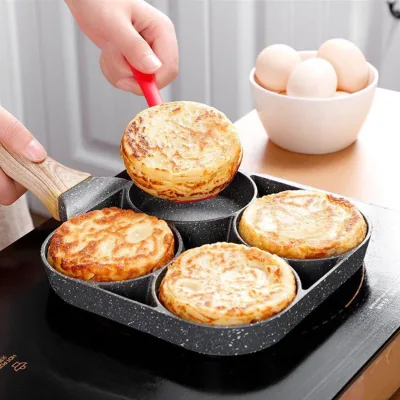
$4.62 - $7.42
MOQ: 10 Minimum
- Verified by TUVRHEINLAND
- Trading Company
- China Zhejiang
- Lead time15 days
- Avg. response≤ 5h
Main productsHome, Kitchen, Outdoors, Garden, Sports, Travel, Pet Supplies
Main marketsNorth America
Foshan Nanhai Sunleaf Metal Products Co., Ltd.
- Verified by SGS
- Combined
- China Guangdong
- Lead time30 days
- Avg. response≤ 1h
Main marketsEurope,North America


Heavy Duty Rust Proof Stainless Steel Frying Pan Quick Cooking Frying Pan
$20.00 - $23.00
MOQ: 1 Pieces


Eagle Catering Equipment Co., Ltd.
- Manufacturer/Factory
- China Guangdong
- Lead time30 days
- Avg. response≤ 9h
Main productsTrolleys, Gastronorm Containers, Table, Shelves, Sink, Barrier Post, Cookware, Buffetware, Barware, Kitchen Utensils
Main marketsSouth America,Eastern Europe,Mid East,North America,Southeast Asia,Eastern Asia,Oceania,Western Europe,Africa


Aluminum Frying Pan Cooking Pan with Iron Handle
MOQ: 1 Pieces
Xingtai Huaiyang Enamel Co., Ltd
- Verified by SGS
- Trading Company
- China Hebei
- Lead time30 days
- Avg. response≤ 1h
Main productsCast Iron Cookware, Enamel Casserole, Cast Iron Dutch Oven, Cast Iron Skillet, Cast Iron Casserole, Cast Iron Fry Pan, Cast Iron Fondue Set, Cast Iron Pissa Pan, Cast Iron Pot, CAS Iron Griddle
Main marketsDomestic

Xuzhou Sheng Ming Casting Co., Ltd
- Verified by SGS
- Combined
- China Jiangsu
- Lead time30 days
- Avg. response≤ 3h
Main productsManhole Cover, Ductile Iron Pipes, Valves, Water Meter Tank Cover, Iron Castings(Support Customization), Hardware Tools, Cast Iron Fireplace, Air Fryer, Kettle, coffee Machine
Main marketsDomestic


Premium Nonstick Stainless Steel Induction Frying Pan for Versatile Cooking
$13.00 - $28.00
MOQ: 200 Pieces

Eco-Friendly Stainless Steel Non-Stick Frying Pan for Versatile Cooking
$13.00 - $28.00
MOQ: 200 Pieces


- Verified by BV
- Trading Company,Manufacturer/Factory
- China Henan
- Lead time15 days
- Avg. response≤ 5h
Main productsOil Expeller, Oil Press Machine, Oil Refinery, Pellet Machine, Food Processing Machine, Animal Feed Machine, Packing Machine, Filling Machine, Briquette Machine, Brick Machine
Main marketsSouth America,Eastern Europe,Mid East,North America,Southeast Asia,Eastern Asia,Oceania,Western Europe,Africa
Hebei Dongchu Import And Export Trade Co., Ltd.
- Trading Company
- Hebei, China
- Lead time25 days
- Avg. response≤ 1h
Main productscast iron skillet & Pan,Cast iron Dutch oven,cast iron teapot,cast iron wok,Cast Iron Casserole
Main marketsNorth America(40.00%), Domestic Market(20.00%), Southern Europe(20.00%)
Taixing Chuanda Plastic Co., Ltd.
- Manufacturer
- Jiangsu, China
- Lead time5 days
- Avg. response≤ 24h
Main productsPTFE Tape, Silicone Cloth, Conveyors, Grill Mat
Main marketsDomestic Market(60.00%), North America(6.00%), Northern Europe(6.00%), Southeast Asia(6.00%), Western Europe(5.00%), South America(4.00%), Mid East(4.00%), Central America(2.00%), Africa(2.00%), Eastern Europe(2.00%), South Asia(1.00%), Eastern Asia(1.00%), Southern Europe(1.00%)

Hebei Debien Technology Co., Ltd.
- Verified by TUVRHEINLAND
- Trading Company
- China Hebei
- Lead time30 days
- Avg. response≤ 5h
Main productsCast Iron Pulley, Taper Lock Bush, Transmission Pulley, Casting Part, Cast Iron Cookware, Dutch Oven
Main marketsSouth America,Africa,Southeast Asia/ Mideast,East Asia(Japan/ South Korea),Europe,Australia,North America


Hot Oil Pan Mini Frying Pan Pancake Making Small Iron Cast Cookware Butter Sauce Pan Egg Frying Pot
$1.90 - $3.20
MOQ: 100 Pieces

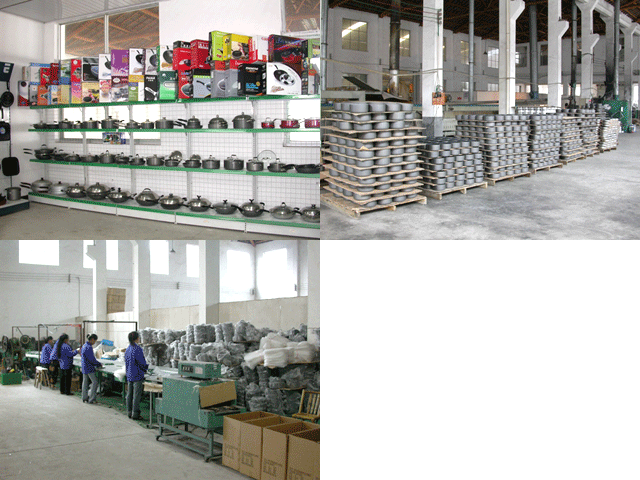
Wuyi Huakang Electric Appliance Co., Ltd.
- Manufacturer, Trading Company
- Zhejiang, China
- Lead time0 days
- Avg. response≤ 2h
Main productsCookware,fry pans,sauce pots,milk pots,casserole
Main marketsWestern Europe(11.11%), Eastern Asia(11.11%), Mid East(11.11%), Oceania(11.11%), Africa(11.11%), Southeast Asia(11.11%), Eastern Europe(11.11%), South America(11.11%), North America(11.11%)
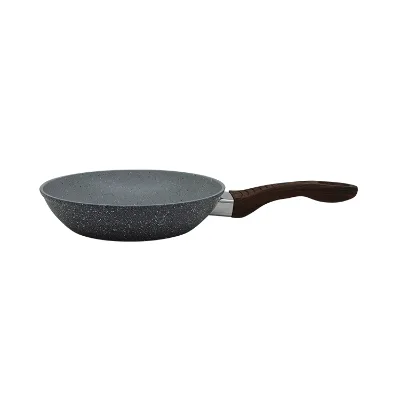
Classic Metal Egg Fry Pan for Baking and Soup Family Kitchen Use Baking Tools
$3.50 - $3.84
MOQ: 100 parcels
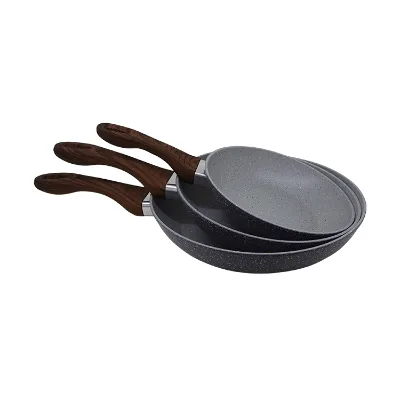
Good Looking Shape Gray Mini Egg Fry Pan with Wooden Handle for Soup & Stock Pots
$2.45 - $2.70
MOQ: 100 parcels
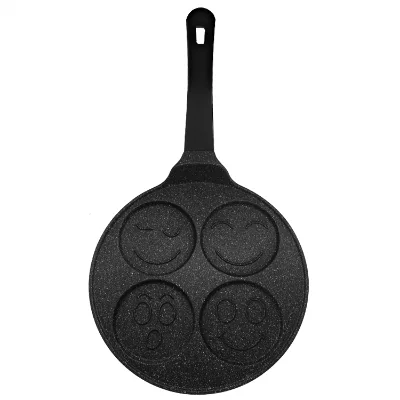
$4.96 - $5.52
MOQ: 100 pieces
Zensun Stainless Steel Products Co. , Ltd.
- Verified by SGS
- Trading Company
- China Guangdong
- Lead time30 days
- Avg. response≤ 10h
Main productsGn Pan, Chafing Dish, Food Tray, Stock Pot, Kettle, Cutlery, Kitchenware, Cookware, Restraurant and Hotel Supplies, Milk Pot
Main marketsDomestic

Jiangmen Xinhaohui Kitchenware Manufacturing Co., Ltd
- Verified by BV
- Combined
- China Guangdong
- Lead time15 days
- Avg. response≤ 3h
Main productsPot
Main marketsSoutheast Asia/ Mideast,Europe

Guangdong Tangshihoa Industry and Trade Co., Ltd.
- Verified by TUVRHEINLAND
- Combined
- China Guangdong
- Lead time23 days
- Avg. response≤ 11h
Main productsCake Decoration
Main marketsSoutheast Asia/ Mideast

Changsha Chengtong Technology Co., Ltd.
- Verified by SGS
- Trading Company
- China Hunan
- Lead time15 days
- Avg. response≤ 6h
Main productsCutting Board, Vegetable Chopper, Measuring Cup, Milk Frother, Measuring Spoon, Vegetable Peeler, Kitchen Scissors, Knife Sharpener
Main marketsSoutheast Asia/ Mideast

Factory Direct Sales Cast Iron Pan Uncoated Deep Egg Non Stick Flat Bottomed Frying Pan with Lid
$12.80 - $17.80
MOQ: 500 Pieces

$12.80 - $17.80
MOQ: 500 Pieces

- Verified by SGS
- Trading Company,Manufacturer/Factory
- China Guangdong
- Lead time45 days
- Avg. response≤ 2h
Main productsStainless Steel Cookware, Stainless Steel Untensil, Stainless Steel Kitchenware, Stainless Steel Colander Bowl, Stainless Steel G. N Pan, Stainless Steel Pressure Cooker, Stainless Steel Buckets, Stainless Steel Dishes Rack, Stainless Steel Chafing Dishes, Stainless Steel Fittings
Main marketsSouth America,Eastern Europe,Mid East,North America,Southeast Asia,Eastern Asia,Oceania,Western Europe,Africa

Non-Stick Frying Pans – for Eggs, Steak, Pancakes, Induction & Gas Stove
$0.90 - $1.40
MOQ: 100 Pieces


Guangzhou ola Machinery Equipment Co., Ltd.
- Verified by SGS
- Combined
- China Guangdong
- Lead time23 days
- Avg. response≤ 3h
Main marketsDomestic








Comprehensive Sourcing Guide
Four Hole Egg Frying Pan Supplier Concentration and Factory Types
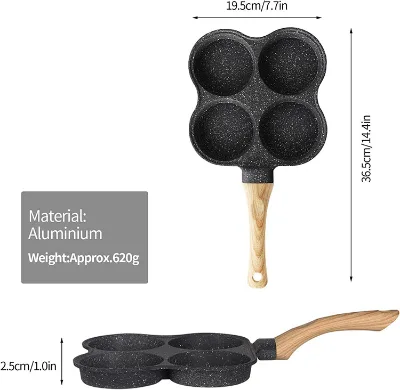
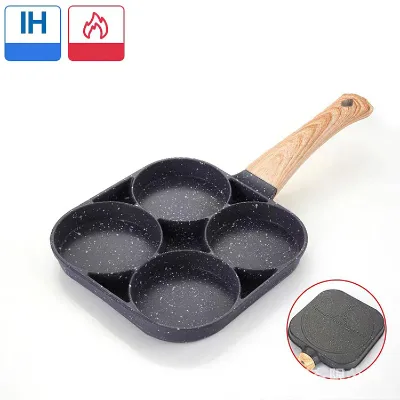
The available data indicates a significant concentration of suppliers for four hole egg frying pans within Zhejiang, China. This region appears to host a mix of trading companies and manufacturers specializing in kitchen supplies, household items, and cookware sets. When evaluating potential partners, buyers should look for entities explicitly listing Zhejiang as their location to ensure proximity to established manufacturing clusters. The presence of trading companies suggests a supply chain that may aggregate products from various factories, offering a broader range of options but potentially adding a layer of intermediation.
Factory types vary among the results, with some entities identified specifically as trading companies rather than direct manufacturers. This distinction is critical for buyers seeking direct factory pricing or custom manufacturing capabilities. Trading companies often provide value through product aggregation and logistics management, whereas factories may offer more flexibility in material selection and production customization. Buyers must verify the actual operational nature of the supplier to determine if they are dealing with a production facility or a reseller. The main product lists often include kitchen supplies and cookware, confirming the regional focus on these specific categories.
How to Verify Four Hole Egg Frying Pan Suppliers
Verification begins with checking for specific certifications that align with international safety standards. Some suppliers in the current results display ISO9001:2015 and ISO14001:2015 certificates, which indicate adherence to quality management and environmental standards. Additionally, product-specific certifications like CE/EU are visible on certain listings, suggesting compliance with European safety requirements for cookware. Buyers should request valid documentation for these certifications rather than relying solely on profile badges, as these documents provide concrete proof of compliance. The presence of such credentials helps mitigate risks related to product safety and regulatory adherence in target markets.
Response time and communication efficiency are also vital verification metrics. The observed data shows response times ranging from approximately 10 to 12 hours, which serves as a baseline for expected communication speed. A supplier with a slower response time might indicate operational bottlenecks or a lack of dedicated sales support. Buyers should test communication channels before placing orders to ensure the supplier can address technical queries regarding materials, coatings, or customization options promptly. Verifying the supplier's ability to provide detailed product attributes, such as handle materials and coating types, further confirms their technical competence and transparency.
What to Compare Across Four Hole Egg Frying Pan Suppliers
Comparing suppliers requires a detailed analysis of minimum order quantities (MOQ) and pricing structures. The data reveals significant variation in MOQs, with some suppliers requiring 500 pieces while others demand 1000 pieces. Pricing also fluctuates, with unit costs observed between roughly 2.99 and 4.16 dollars depending on the specific product configuration and order volume. Buyers must align these requirements with their inventory strategy, as higher MOQs may reduce unit costs but increase capital tie-up. It is essential to compare the total landed cost, including shipping, rather than focusing solely on the base product price.
Lead times and sample availability are other critical comparison points. Lead times in the current results range from 30 to 45 days, indicating the time required for production after order confirmation. Sample turnaround times are noted as 3 to 7 days, which is a standard metric for evaluating how quickly a buyer can validate product quality. Suppliers with shorter lead times may offer better flexibility for urgent orders, while those with longer lead times might provide more stable production schedules. Buyers should also compare the specific product attributes, such as the presence of lids, handle materials, and coating types, to ensure the product matches their specific market needs.
Common Four Hole Egg Frying Pan Sourcing Risks
One primary risk involves the discrepancy between product descriptions and actual manufacturing capabilities. Some listings mention specific features like copper exterior coatings or cast iron bottoms, while others specify aluminum alloy with non-stick coatings. Buyers must verify that the physical product matches the detailed specifications provided in the product attributes. Inconsistencies in material descriptions, such as "Alminum" versus "Aluminum Alloy," can signal a lack of attention to detail or potential quality control issues. Ensuring that the material composition aligns with safety standards and performance expectations is crucial to avoid receiving substandard goods.
Another significant risk relates to the variability in packaging and accessory inclusion. The data shows products listed with and without pot covers, and some specify "With None" for accessories. This inconsistency can lead to confusion regarding what is included in the final shipment. Buyers need to clearly define their requirements for packaging, such as color boxes or brown boxes, and confirm that the supplier understands these specifications. Failure to clarify these details can result in receiving products that do not meet retail presentation standards or lack necessary components like lids, leading to additional costs and delays in getting the product to market.
Four Hole Egg Frying Pan Regional Sourcing and Logistics
Sourcing from Zhejiang, China, offers logistical advantages due to the region's established infrastructure for export. The concentration of suppliers in this area facilitates efficient coordination of production and shipping. However, buyers must account for the specific logistics requirements associated with cookware, which can be heavy and bulky. The single package sizes listed as "XX cm" in some records indicate that precise dimensions need to be confirmed to calculate accurate shipping costs. Understanding the volume and weight of the final packaged product is essential for optimizing freight expenses and ensuring that the cargo fits within standard container limits.
Logistics planning also involves considering the lead time in the context of the supply chain. With lead times ranging from 30 to 45 days, buyers must factor in production duration alongside transit time to ensure timely delivery. Delays in production can ripple through the entire supply chain, affecting inventory levels and sales schedules. Buyers should establish clear communication channels to monitor production progress and anticipate any potential bottlenecks. Additionally, verifying the supplier's experience with international shipping and their ability to handle customs documentation is vital for a smooth import process into the destination country.
Four Hole Egg Frying Pan Commercial Terms and Order Planning
Commercial terms regarding customization and branding are key factors in order planning. Many suppliers offer customized logos and colors, which allows buyers to create a unique brand identity. However, the availability of these services often depends on meeting specific MOQ thresholds. Buyers must confirm the minimum order quantity required for custom branding to avoid unexpected costs or production delays. Understanding the specific requirements for logo placement and color matching is essential to ensure the final product meets brand guidelines. Clear agreements on customization details should be established before production begins to prevent misunderstandings.
Order planning must also account for the specific product models and their associated attributes. The data includes various model numbers, such as KT4729 and D2307805, each with distinct features like handle materials and coating types. Buyers should select models that align with their target market's preferences and price points. It is important to verify the compatibility of the pans with different stove types, such as induction or gas, as this affects the product's usability. By carefully selecting the right model and confirming all technical specifications, buyers can ensure a successful product launch and minimize the risk of returns or customer dissatisfaction.
FAQs
What is the typical lead time for four hole egg frying pans?
Manufacturers generally require 30 to 45 days to produce and ship these items. This timeframe allows for material sourcing, non-stick coating application, and quality checks. Buyers should confirm exact dates with suppliers before placing bulk orders to ensure timely delivery for their specific production schedules.
What is the minimum order quantity for these pans?
Minimum order quantities typically range from 500 to 1000 pieces per model. Some suppliers may require 1000 units for specific designs or custom colors. Buyers should verify the exact MOQ for their chosen product style, as smaller quantities might not be available for standard stock items.
Are these pans compatible with induction cookers?
Many models are designed for general use on gas, electric, and induction cookers. Specific products feature cast iron bottoms or aluminum alloy construction to ensure compatibility. Buyers should check the stove compatibility details for each item to confirm it works with their kitchen equipment before purchasing.
What certifications do these frying pans have?
Products often carry CE and EU certifications to meet safety standards. Suppliers may also hold ISO9001 and ISO14001 system certifications for quality and environmental management. Buyers should request valid certificates to ensure the cookware meets regulatory requirements for their target market.
What is the price range for these pans?
Prices generally range from $2.99 to $4.16 per unit depending on the model. Factors like coating type, handle material, and packaging affect the final cost. Buyers should request quotes for their specific quantity to get accurate pricing, as bulk orders often receive better rates.
Can I customize the logo and color of these pans?
Suppliers typically offer customized logo printing and color options for bulk orders. OEM services are acceptable for many manufacturers, allowing for brand-specific designs. Buyers should discuss customization requirements and any associated costs with the supplier before finalizing the order details.