Frosted Double-Headed Nail Liner Brush Suppliers and Manufacturers
Compare 24 suppliers offering frosted double-headed nail liner brushes with varying lead times, response speeds, and customization options. Review product specifications like brush material and handle type to select the right factory for your order; review the available evidence before requesting comparable quotations from suitable candidates.
Updated
Suppliers List

Nanchang GuYo Cosmetics Co., Ltd.
- Combined
- China Jiangxi
- Lead time23 days
- Avg. response≤ 18h
Main productsNail Brush
Main marketsSouth America,Europe,North America
Guangzhou Jieni Trading Co., Ltd.
- Manufacturer, Trading Company
- Lead time旺季: "1 - 500":31,"> 500":"To be negotiated", 淡季: "1 - 500":31,"> 500":"To be negotiated"
- Avg. response≤ 3h
Main productsNail Brush, Nail Tool, Nail Powder, Nail Machine, Makeup Brush
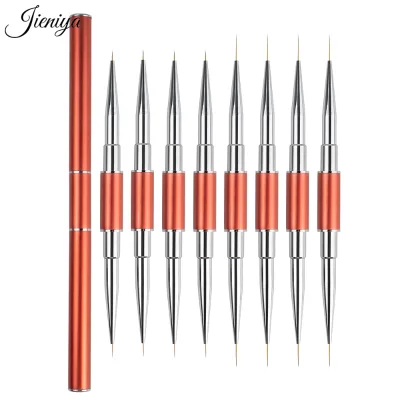
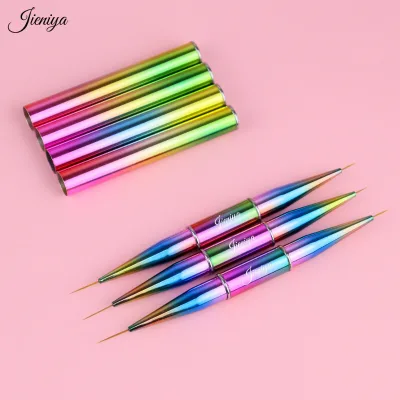
$1.2352 - $1.5425
MOQ: 500 pieces
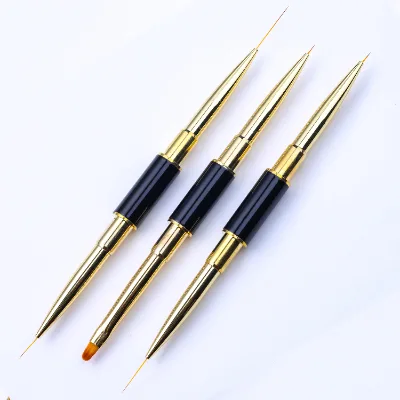
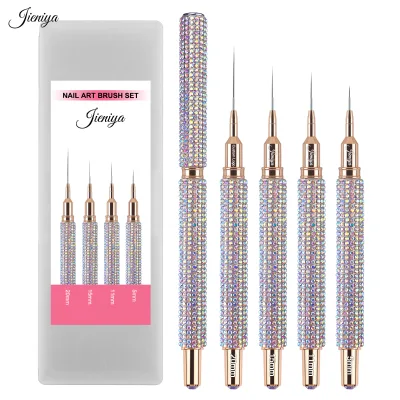
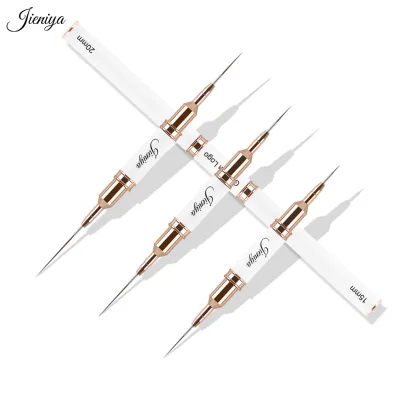
$1.10 - $1.40
MOQ: 500 pieces
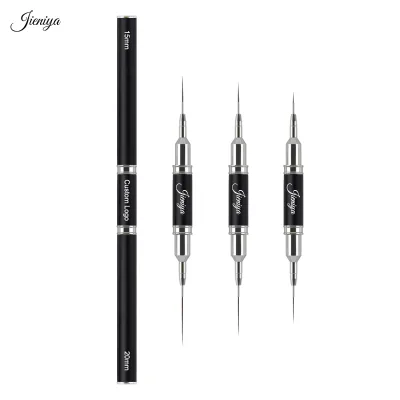
- Trading Company
- Jiagnxi, China
- Lead time3 days
- Avg. response≤ 2h
Main productsMassage Tables & Beds,Salon one-stop furniture,Barber Chairs,kolinsky Art Brushes,kolinsky nail brush
Main marketsNorth America(60.00%), Eastern Europe(20.00%), Domestic Market(10.00%), Central America(10.00%)

- Manufacturer, Trading Company
- Zhejiang, China
- Lead time7 days
- Avg. response≤ 5h
Main productsNail Gel Polish, Nail Brush, Nail Machine, Nail Tip, Nail Decoration
Main marketsWestern Europe(43.00%), North America(40.00%), Oceania(5.00%), Eastern Europe(5.00%), Southeast Asia(5.00%), Africa(2.00%)
Dongguan Olove Electronics Co., Ltd.
- Verified by TüVRheinland
- Trading Company
- Lead time3 days
- Avg. response≤ 3h
Main productsNail Lamp, Nail Drill, Nail Hand Rest, Nail Brushes, Nail Drill Bits
Main marketsNorth America(40%), Western Europe(15%), Northern Europe(15%)
Nanchang Faria Cosmetics Co., Ltd.
- Manufacturer, Trading Company
- Jiangxi, China
- Lead time7 days
- Avg. response≤ 4h
Main productsStationery,Cosmetic utensils,Beauty tools,Oil painting consumables
Main marketsNorth America(30.00%), Eastern Europe(20.00%), Western Europe(20.00%), Northern Europe(20.00%), Southern Europe(10.00%)
- Verified by SGS Group
- Manufacturer, Trading Company
- Lead time15 days
- Avg. response≤ 4h
Main productsNail Lamp, Nail Drill, Nail Dust Collector, Nail File, Nail Brush
Main marketsNorth America(30%), Eastern Europe(15%), Western Europe(15%)
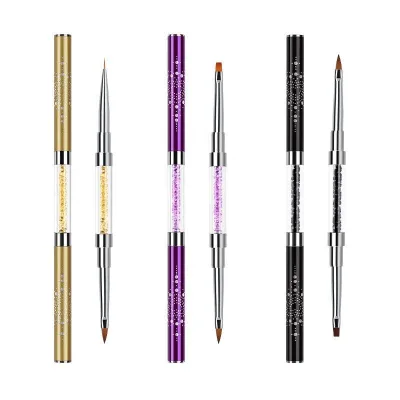
$1.0283 - $1.3881
MOQ: 30 pieces
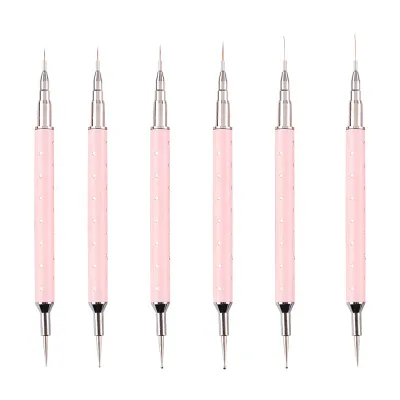
Single Double Ended Nail Art Brushes Pink Art Liner Brushes Nail Art Dotting Pen Nail Polish Tools
$0.65 - $0.85
MOQ: 30 pieces
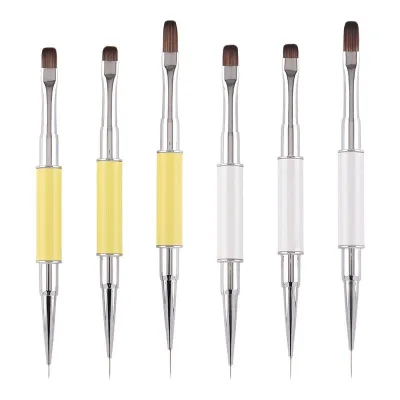
$0.8919 - $1.3116
MOQ: 20 pieces
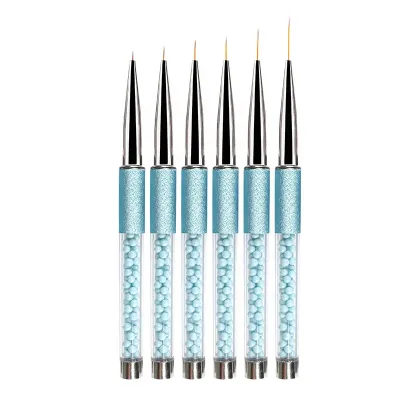
Yiwu Felice Cosmetic Co., Ltd.
- Manufacturer, Trading Company
- Zhejiang, China
- Lead time15 days
- Avg. response≤ 5h
Main productsNail Files, Nail Stickers, Nail Machine, Nail Tips, Nail Art Tools
Main marketsNorth America(30.00%), North America(30.00%), Eastern Europe(15.00%), Eastern Europe(15.00%), Oceania(10.00%), Southern Europe(10.00%), Northern Europe(10.00%), Mid East(10.00%), Oceania(10.00%), Southern Europe(10.00%), Northern Europe(10.00%), Mid East(10.00%), Western Europe(5.00%), Western Europe(5.00%), South America(4.00%), South America(4.00%), Central America(3.00%), Central America(3.00%), Eastern Asia(2.00%), Eastern Asia(2.00%), Africa(1.00%), Africa(1.00%)
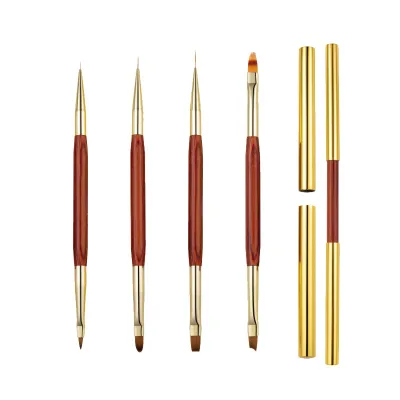
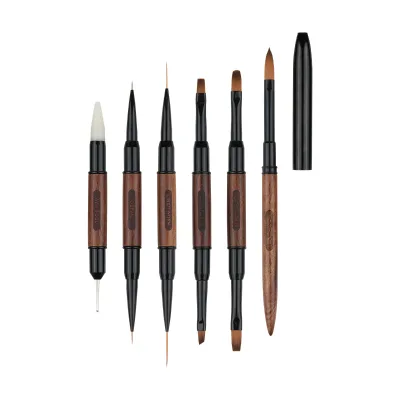
Wood Handle Double Ended Nail Art Brush Pen Uv Gel Polish Liner Brush Manicure Tool
$1.0553 - $1.6084
MOQ: 30 pieces
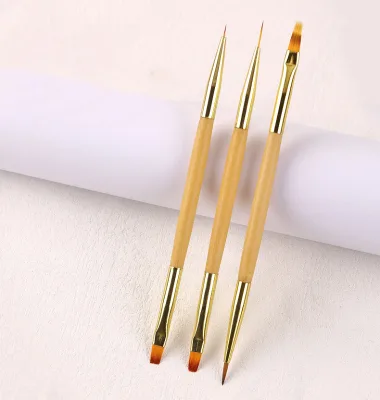
New Nail Liner Brush 3pcs/set Flower Painting Brush Nails Gel Liner Dual End Nail Art Brush Set
$1.0058 - $1.1617
MOQ: 30 sets
Dongguan Byoung Beauty Cosmetics Technology Co., Ltd.
- Verified by Intertek
- Trading Company
- Lead time20 days
- Avg. response≤ 3h
Main productsNail Lamp, Nail Drill, Nail Brush, Nail Drill Bits, Nail Dust Collector
Main marketsNorth America(57%), Oceania(17%), Western Europe(12%)
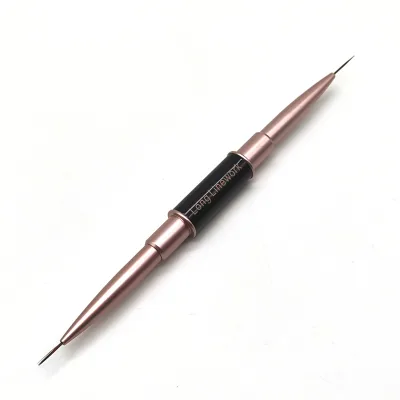
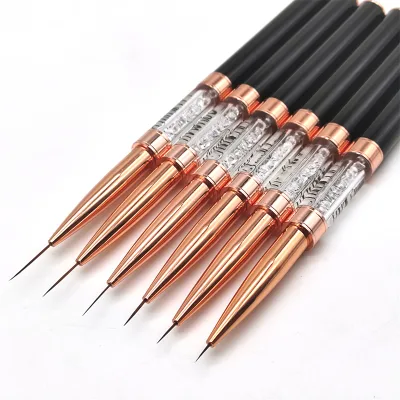
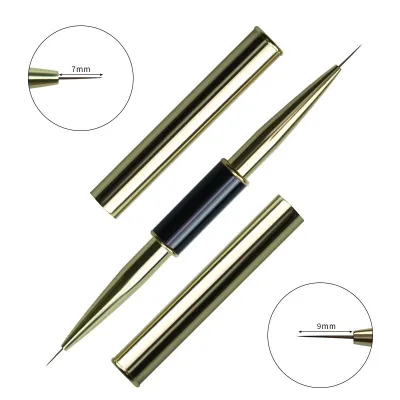
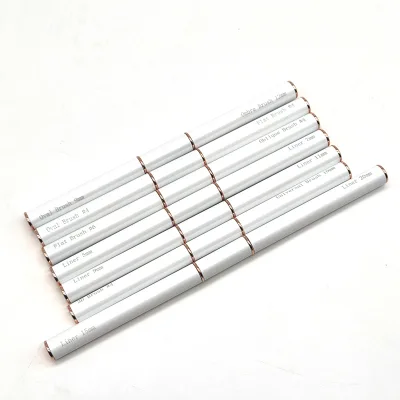
$1.0943 - $7.444
MOQ: 20 Minimum
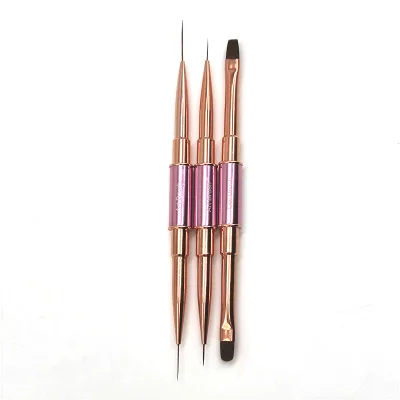
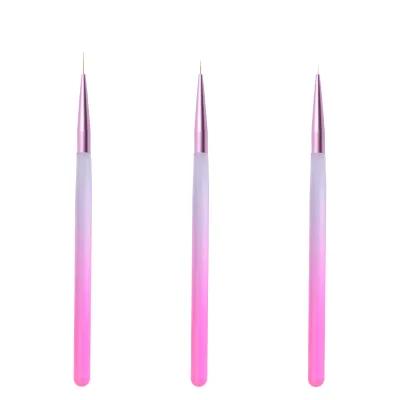

Ningbo Sunkin Electrical Co., Ltd.
- Verified by TUVRHEINLAND
- Trading Company
- China Zhejiang
- Lead time15 days
- Avg. response≤ 11h
Main productsLED Bulbs, LED Tube, LED Floodlight, LED Panel Light, LED Spotlight, G9 LED Lamp
Main marketsEurope,North America
Jiangxi Luoya Industrial Trade Co., Ltd.
- Trading Company
- Jiangxi, China
- Lead time0 days
- Avg. response≤ 7h
Main productsDifferent Brushes,Artist paint brush set,Nail brushes,Makeup brushes,Chalk brushes
Main marketsNorth America(40.00%), Northern Europe(20.00%), Domestic Market(10.00%), Eastern Europe(10.00%), Western Europe(7.00%), Oceania(5.00%), Southeast Asia(1.00%), South Asia(1.00%), Southern Europe(1.00%), South America(1.00%), Central America(1.00%), Africa(1.00%), Eastern Asia(1.00%), Mid East(1.00%)
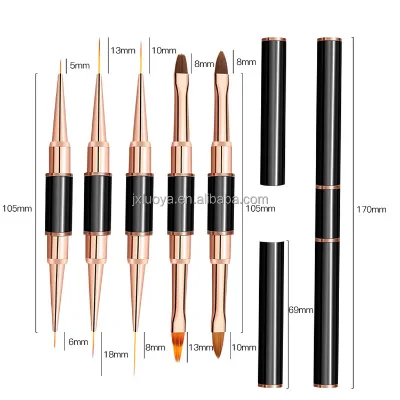
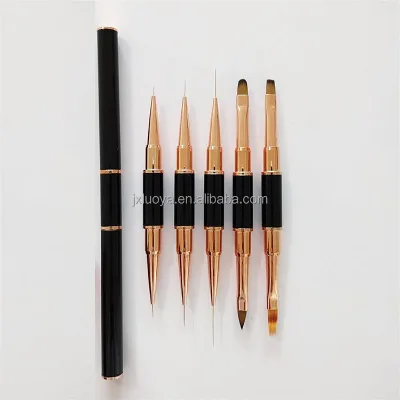
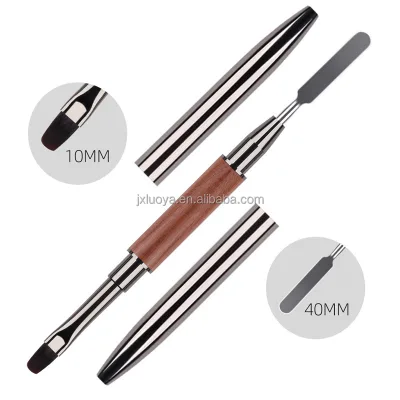
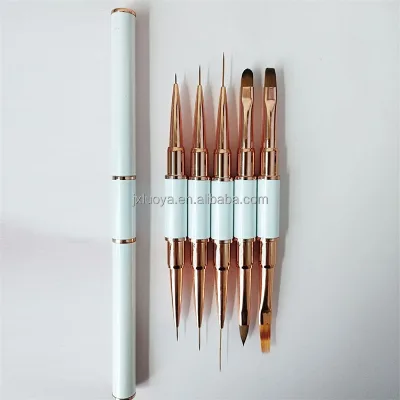
$1.2067 - $7.1487
MOQ: 10 Minimum
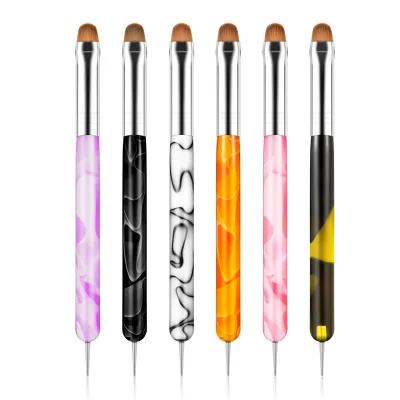
Jinhua Hanze Import & Export Co., Ltd.
- Verified by TüVRheinland
- Manufacturer, Trading Company
- Lead time0 days
- Avg. response≤ 9h
Main productsNail Supplies
Main marketsNorth America(57%), Western Europe(24%), Eastern Europe(7%)
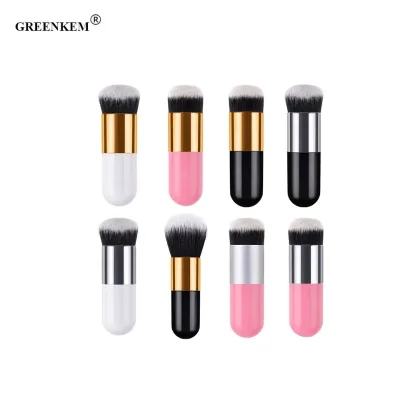
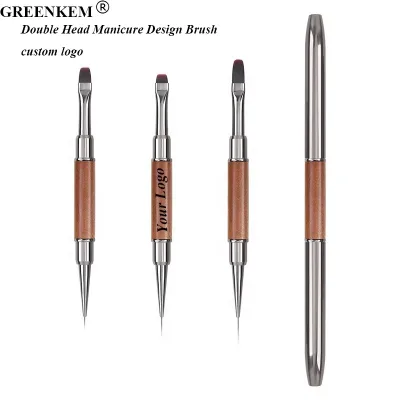
Single Plastic Handle Foundation Brush Beauty Nail Tool Spot Black Gold Powder Platinum Liner Brush
$0.40 - $0.60
MOQ: 15 Minimum
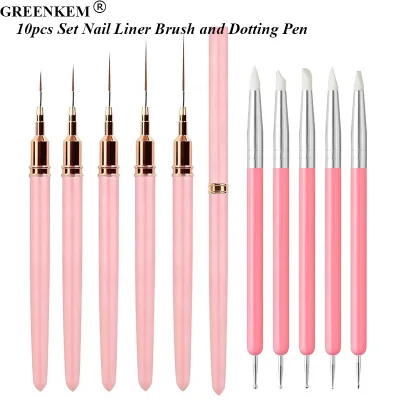
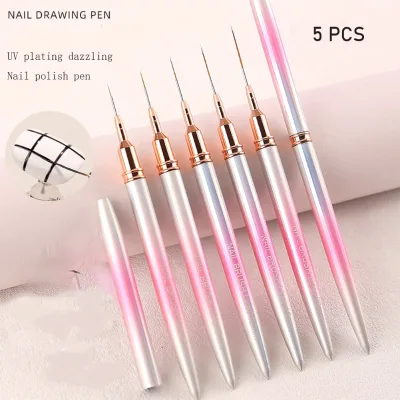
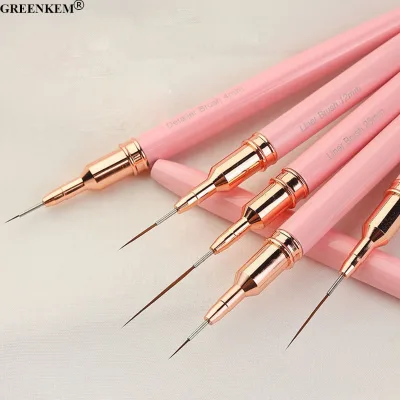
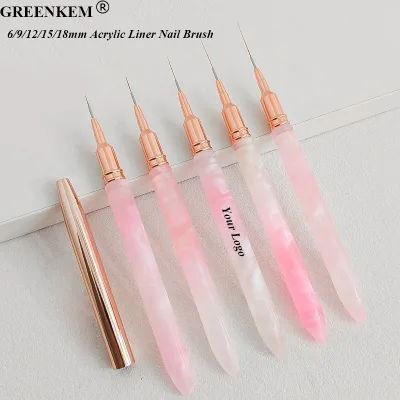
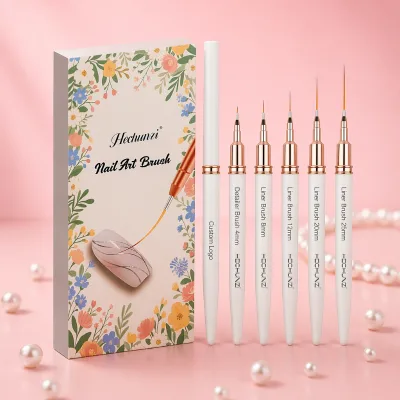
4/8/12/20/25 mm Nail Art Liner Brush Set Metal Pole's Liner Round Head Paint Pen Pink Nail Brushes
$0.72 - $1.05
MOQ: 10 pieces
Jiangxi Hechunzi Cultural Articles Co., Ltd.
- Verified by Intertek
- Manufacturer, Trading Company
- Lead time30 days
- Avg. response≤ 3h
Main productsNail Art Brush, Artist Brush Set, Makeup Brushes, Nail Tools
Main marketsNorth America(30%), Domestic Market(17%), Eastern Europe(15%)

FUZHOU LIWANG ELECTRONIC TECHNOLOGY CO., LTD.
- Combined
- China Fujian
- Lead time15 days
- Avg. response≤ 19h
Main productsMicromotor, Nail Drill, Jewelry Tools, Nail Drill Bits
Main marketsSouth America,Africa,Southeast Asia/ Mideast,East Asia(Japan/ South Korea),Europe,Australia,North America


12 PCS Metal Short Handle Thin Liner Nail Art Dotting Pen Brush Set Angled Head Nail Brush Nylon Set
$6.00 - $10.00
MOQ: 1 Pieces


Nanchang Guyue Cosmetics Co., Ltd.
- Manufacturer
- Jiangxi, China
- Lead time15 days
- Avg. response≤ 4h
Main productsNail Brush
Main marketsAfrica(100.00%), Oceania(100.00%), South Asia(100.00%), Central America(100.00%), Eastern Asia(100.00%), North America(45.00%), Domestic Market(20.00%), South America(15.00%), Southeast Asia(5.00%), Western Europe(5.00%), Mid East(3.00%), Southern Europe(3.00%), Northern Europe(2.00%), Eastern Europe(2.00%)

Jiangxi Orange Trading Co., Ltd.
- Trading Company
- Jiangxi Province, China
- Lead time15 days
- Avg. response≤ 1h
Main productsNail Art Brush,Makeup Brush,Paint Artist Brush
Main marketsNorth America(35.00%), South America(20.00%), Western Europe(13.00%), Central America(10.00%), Northern Europe(5.00%), Africa(3.00%), South Asia(2.00%), Southern Europe(2.00%), Oceania(2.00%), Southeast Asia(2.00%), Eastern Europe(2.00%), Eastern Asia(2.00%), Mid East(2.00%)
- Manufacturer, Trading Company
- Jiangxi, China
- Lead time15 days
- Avg. response≤ 5h
Main productsNail Brush,Makeup Brush,Artist Water Brush,Water Brush
Main marketsNorth America(35.00%), Domestic Market(30.00%), Eastern Asia(10.00%), South America(5.00%), Southern Europe(5.00%), Northern Europe(5.00%), Western Europe(5.00%), Eastern Europe(5.00%)
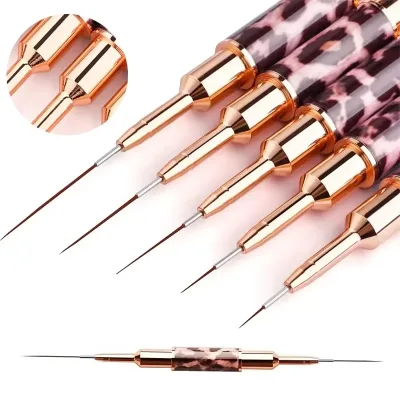
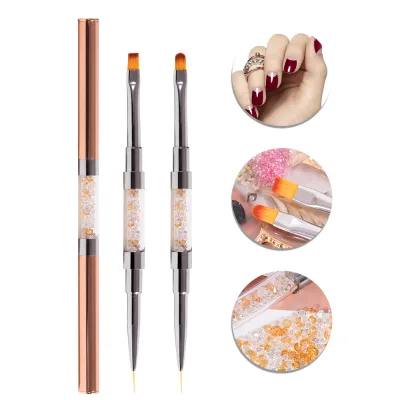
Wholesale Double-End Nail Liner Brush with Metal Handle Extra Thin Nylon-for Thin Nails
$0.9264 - $1.1317
MOQ: 100 pieces
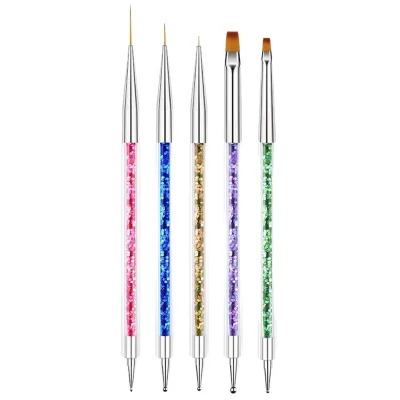
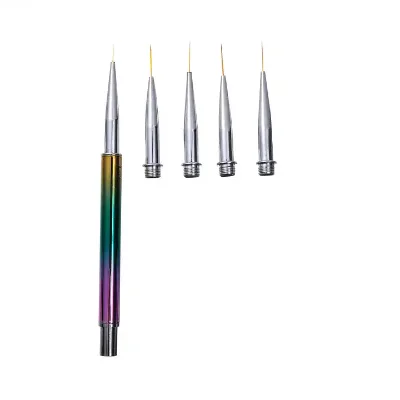
Wholesale High Quality Gradient Color Nail Liner Brush Set Customizable Logo Made from Durable Nylon
$1.7493 - $2.2635
MOQ: 50 sets

Guangzhou Aimeier Trading Co., Ltd.
- Trading Company
- Guangdong, China
- Lead time0 days
- Avg. response≤ 2h
Main productsNail brush,nail lamp,Nail tools,Beautiful eyelash pattern embroidery,nail drill machine
Main marketsMid East(20.00%), North America(15.00%), Eastern Asia(10.00%), South America(10.00%), Eastern Europe(10.00%), Domestic Market(5.00%), Northern Europe(5.00%), Western Europe(5.00%)
Shenzhen Landora Technology Co., Ltd.
- Manufacturer, Trading Company, Distributor/Wholesaler
- Guangdong, China
- Lead time0 days
- Avg. response≤ 5h
Main productsNail care,Beauty equipment,bath care,hair care,Sportswear
Main marketsNorth America(36.00%), South America(24.00%), Eastern Europe(15.00%), Western Europe(5.00%), Africa(5.00%), Southeast Asia(5.00%), Central America(3.00%), Domestic Market(1.00%), South Asia(1.00%), Southern Europe(1.00%), Northern Europe(1.00%), Mid East(1.00%), Oceania(1.00%), Eastern Asia(1.00%)

Foshan Fengdeli Nail Clippers Manufacturing Co., Ltd.
- Trading Company,Manufacturer/Factory
- China Guangdong
- Lead time45 days
- Avg. response≤ 4h
Main productsNail Clipper, Manicure Set, Tweezers, Pedicure Implements, Baby Gifts, Scissors, Beauty Set, Key Rings, Nail Files, Promotion Gifts
Main marketsSouth America,Eastern Europe,Mid East,North America,Southeast Asia,Western Europe,Africa
Shenzhen Jafon Beauty Co., Ltd.
- Manufacturer, Trading Company
- Guangdong, China
- Lead time15 days
- Avg. response≤ 3h
Main productsMakeup Brushes/Nail Brush,Nail brush,Makeup Tools,nail art brush,Makeup Sponge
Main marketsWestern Europe(40.00%), North America(40.00%), Southern Europe(10.00%), Northern Europe(10.00%)

- Verified by SGS
- Trading Company
- China Zhejiang
- Lead time15 days
- Avg. response≤ 16h
Main productsEyelashes, Makeup Brush, Cosmetic Brush, Eyelash Extension, Lipstick, Eyeshadow, Mascara, Nail Sticker, Nail Lamp, Mask
Main marketsEurope,Australia
Yiwu Esung Cosmetics Co., Ltd.
- Verified by TüVRheinland
- Manufacturer, Trading Company
- Lead time7 days
- Avg. response≤ 2h
Main productsKolinsky Hair Nail Art Crystal Brush, Nail Art Pen, Nail Tools
Main marketsNorth America(60%), South America(20%), Domestic Market(10%)

Guangzhou WIN-E International Co.,Ltd.
- Manufacturer
- Guangdong, China
- Lead time7 days
- Avg. response≤ 2h
Main productsNail clipper,Makeup brush,Manicure Set,Eyebrow tools,Manicure Tools
Main marketsNorth America(40.00%), Eastern Europe(20.00%), South America(15.00%), Southeast Asia(10.00%), Africa(8.00%), Oceania(2.00%)


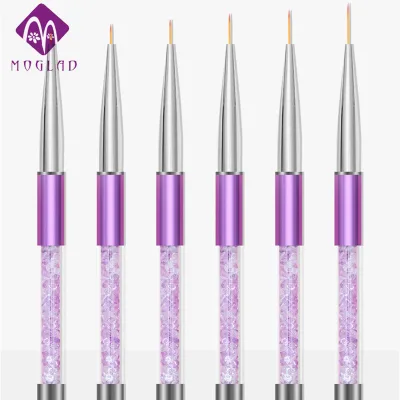
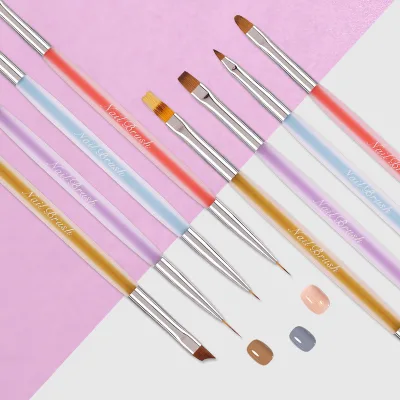
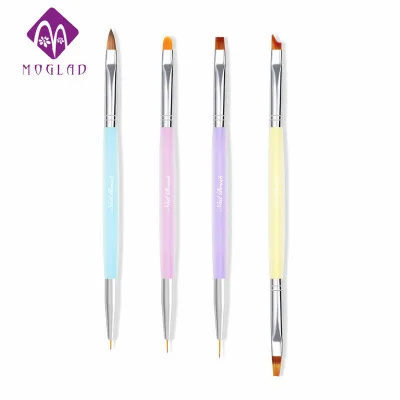
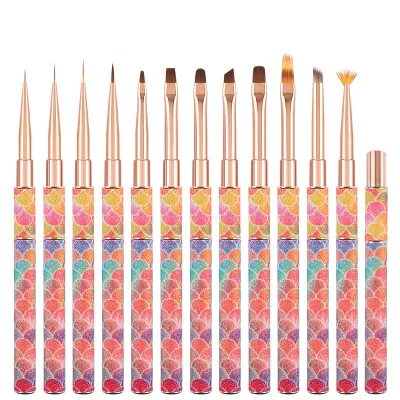
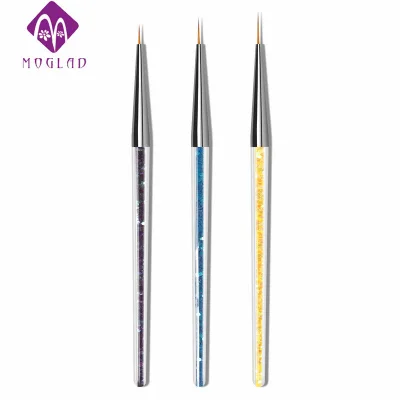
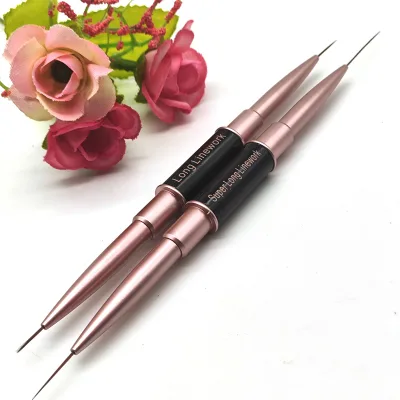
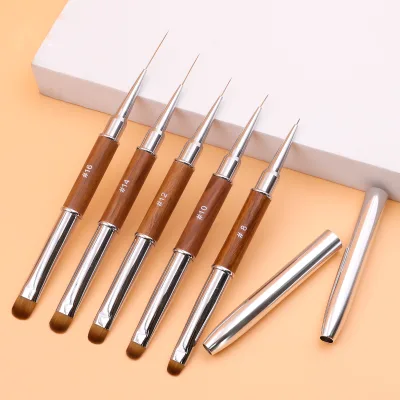
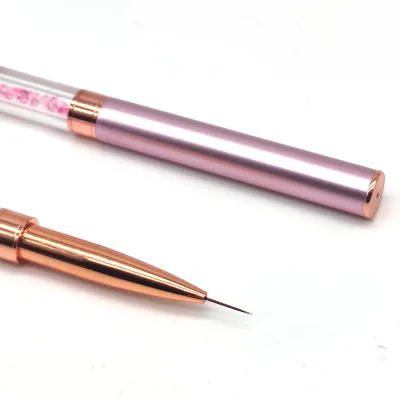
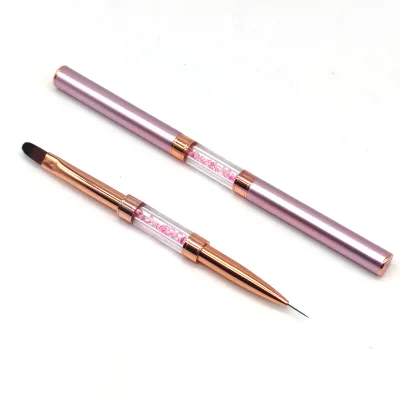
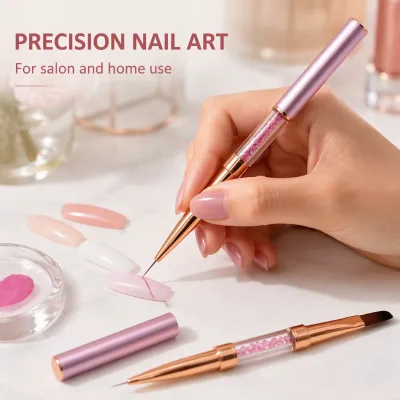
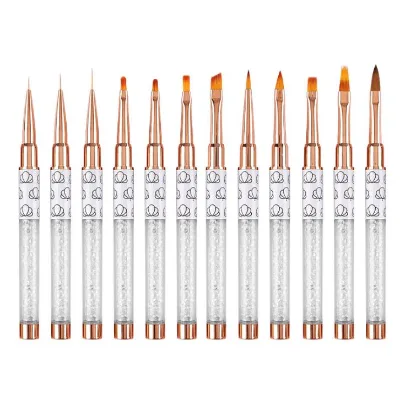
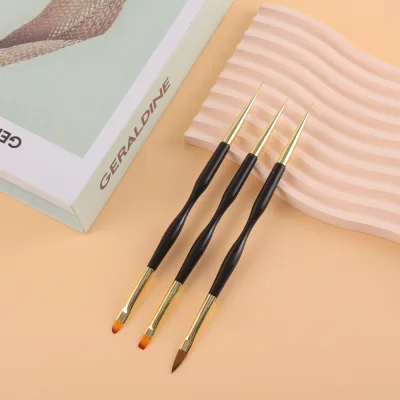


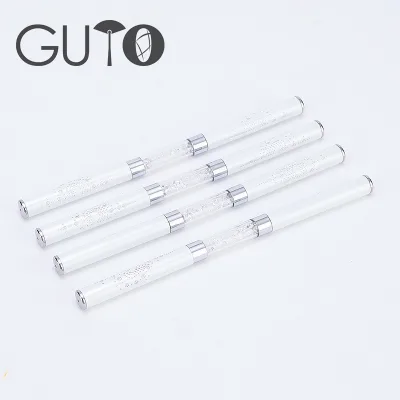
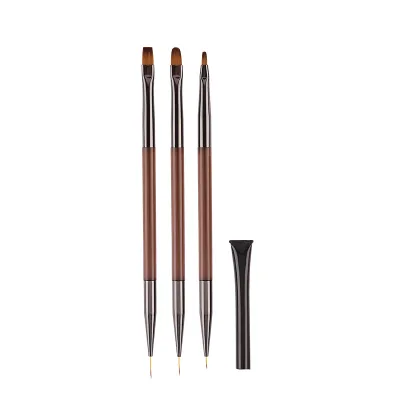
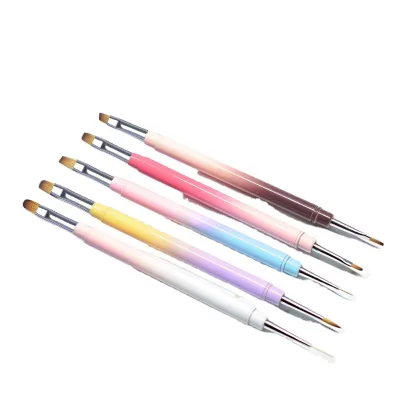
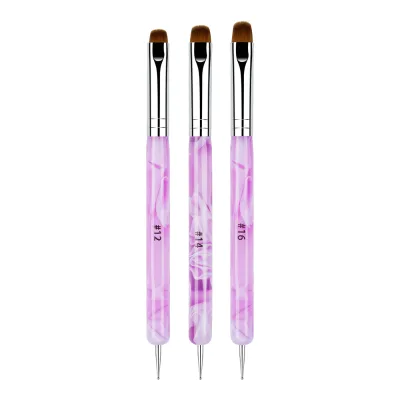
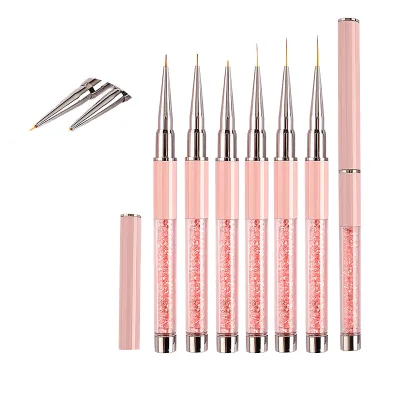
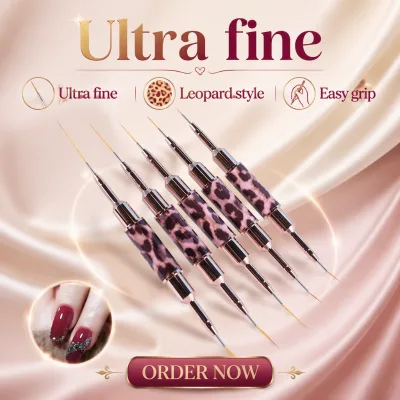
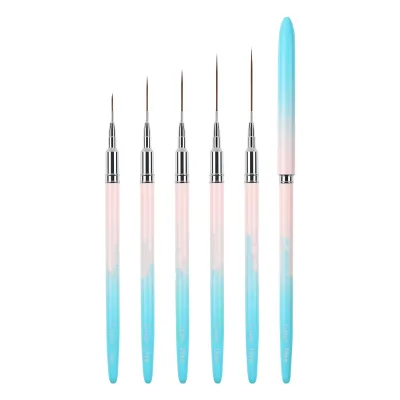
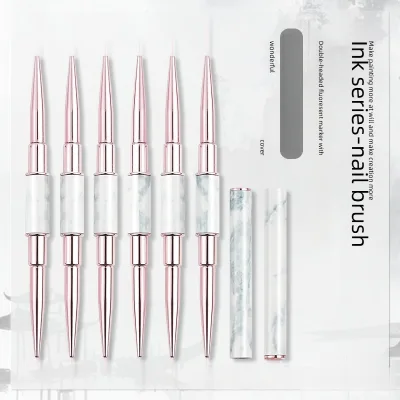
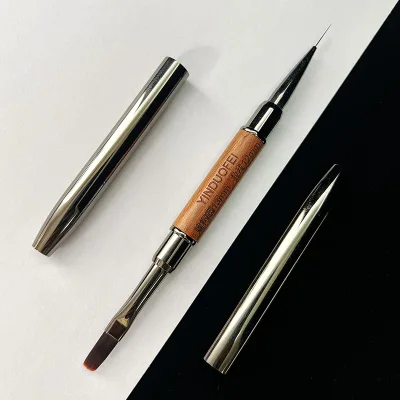
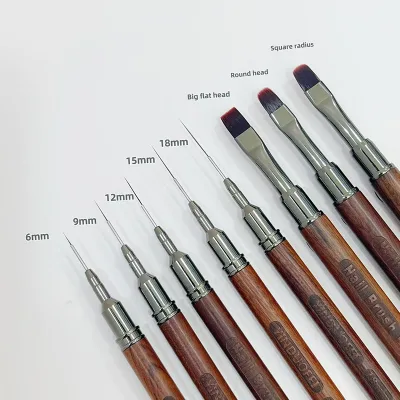
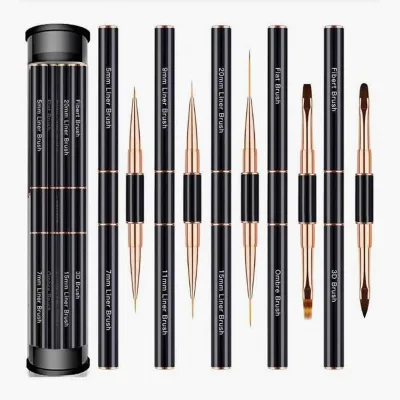
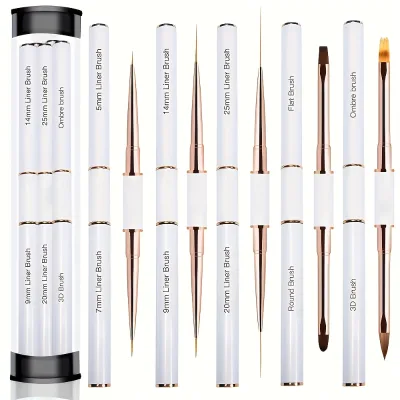




Comprehensive Sourcing Guide
Frosted Double-Headed Nail Liner Brush Supplier Concentration and Factory Types
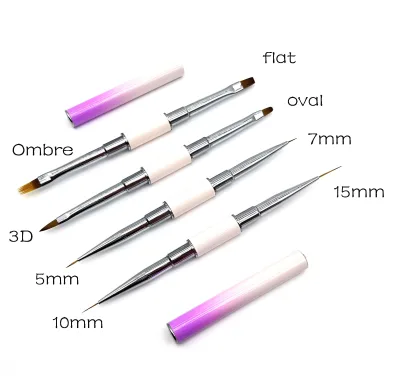
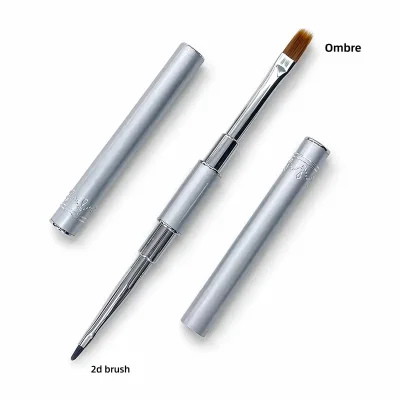
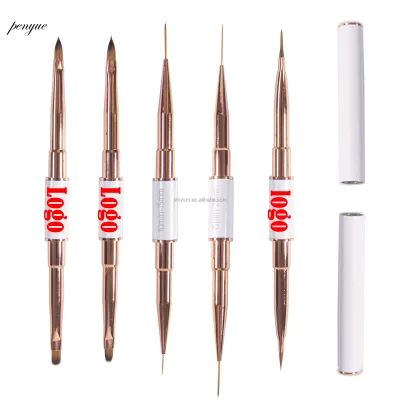
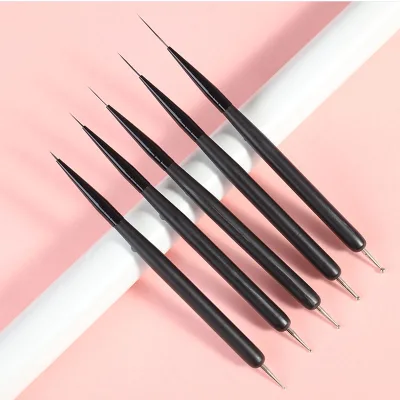
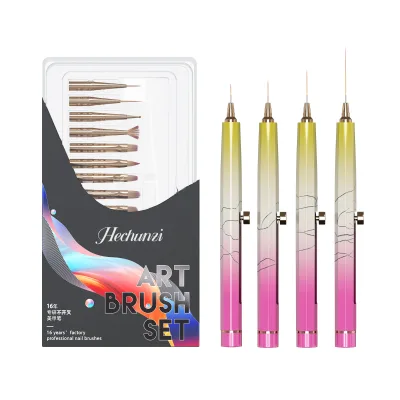
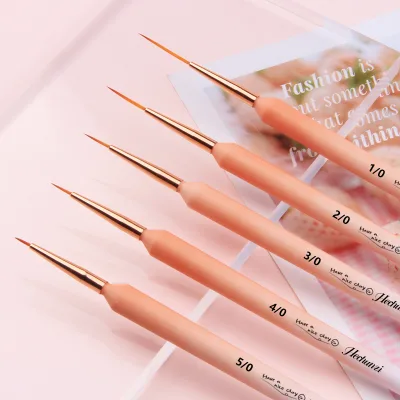
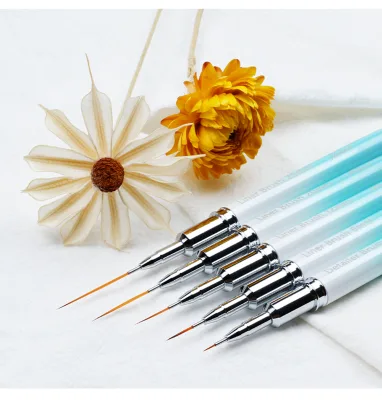
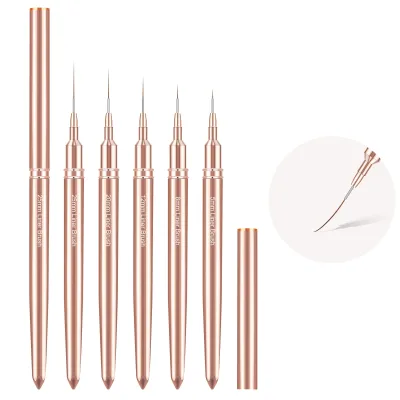
The current supplier landscape for nail art tools reveals a distinct geographic and operational structure that buyers must navigate carefully. Evidence from the search results indicates that a significant portion of suppliers are located in Jiangxi, China, with specific product origins listed as Jiangxi China for items like the Liquid Handle Nail Liner Brush. This concentration suggests a specialized manufacturing cluster in this region, likely driven by established supply chains for nylon bristles and plastic handle components. However, the data also highlights suppliers in Guangdong, China, particularly for products featuring metal handles or more complex dual-ended designs, such as the Jinieya New Style Dual Ended Nail Art Liner Brush. This geographic split implies that buyers seeking specific material qualities, such as the durability of metal handles versus the cost-efficiency of plastic, may need to look beyond a single province. The presence of suppliers in both regions indicates that while Jiangxi may dominate volume production for standard nylon brushes, Guangdong often hosts manufacturers capable of more intricate assembly and premium material integration.
Regarding company types, the results show a mix of Combined, Manufacturer, and Trading Company entities. This diversity offers flexibility but requires careful verification. Combined companies often blend manufacturing capabilities with trading services, potentially offering better communication and flexible order sizes compared to pure factories. Trading companies, while not owning the production lines, can aggregate products from multiple factories, which is useful for buyers needing diverse styles like the Pink Liquid Handle Nail Liner Brush alongside standard black options. Pure manufacturers, such as those producing the OEM Soft Nail Art Liner Brush, may offer lower unit prices for large volumes but might have stricter minimum order quantities. Understanding this mix is crucial because the factory type directly impacts lead times, customization options, and price negotiation power. Buyers should not assume that a lower price always indicates a direct factory, as trading companies may absorb margins to provide value-added services like quality control or consolidated shipping.
How to Verify Frosted Double-Headed Nail Liner Brush Suppliers
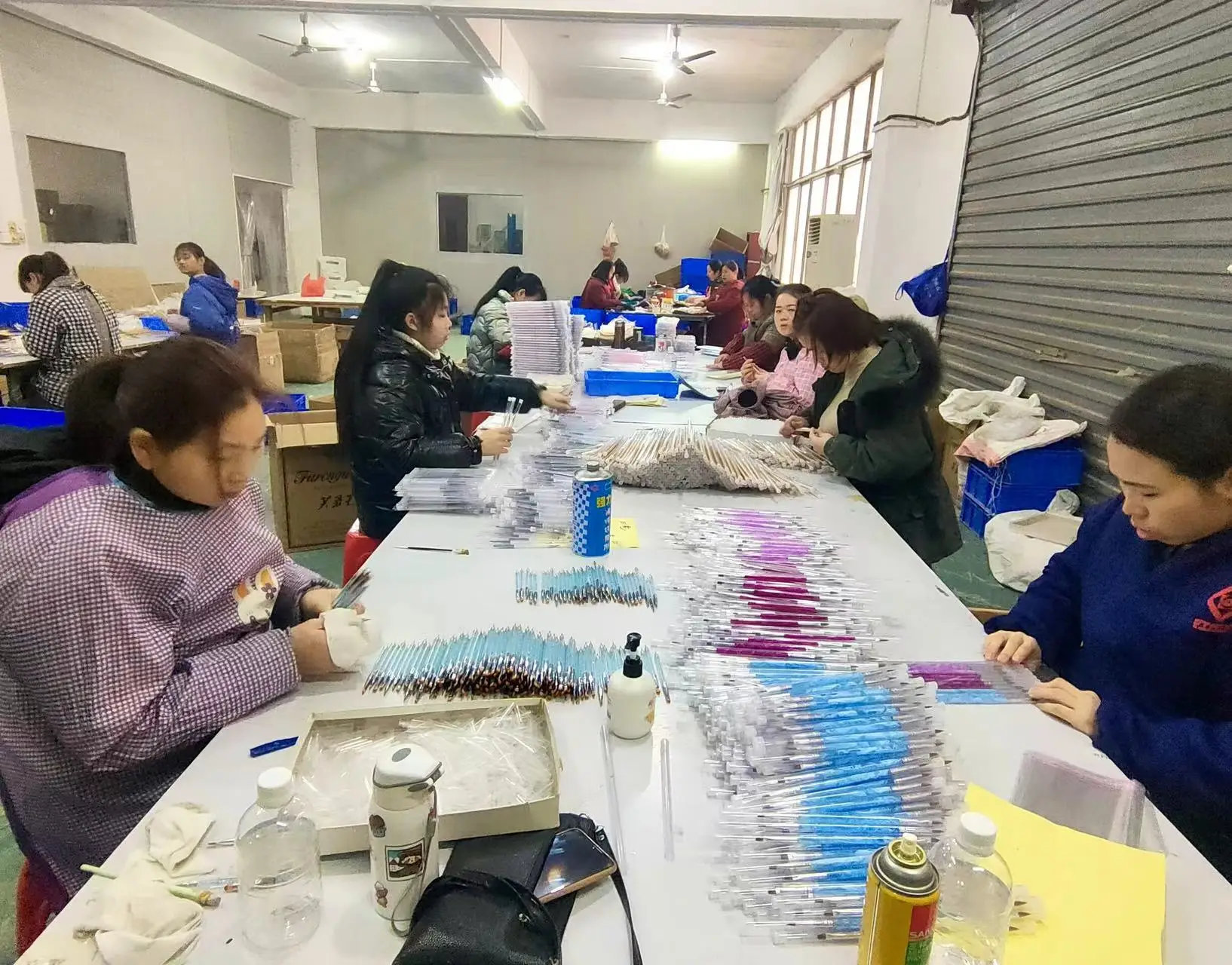
Verifying the legitimacy and capability of suppliers requires a multi-layered approach that goes beyond surface-level product listings. One critical step is to cross-reference the stated location with the product origin details. For instance, if a supplier claims to be a manufacturer in Jiangxi, buyers should check if the product attributes consistently list Jiangxi China as the place of origin. Inconsistencies between the supplier’s registered address and the product’s manufacturing location can signal a trading company misrepresenting itself as a factory. Additionally, buyers should scrutinize the company type designation. A supplier labeled as a "Combined" entity should be able to provide evidence of both production facilities and export licenses. For those labeled as manufacturers, requesting photos of the production line or factory audits can help confirm their actual capabilities. This verification process is essential because the nail brush industry often involves subcontracting, and knowing who actually holds the molds and machines is vital for long-term supply chain stability.
Another vital verification step involves assessing the supplier’s response time and communication efficiency. The data shows response times ranging from 3 hours to 17.15 hours, which can indicate the size and structure of the sales team. Faster response times often correlate with dedicated customer service teams, which is beneficial for complex orders involving customizations like private labeling or specific brush hardness requirements. Buyers should also verify the supplier’s certification status. While some suppliers list "Others" for system certification, others may have specific quality management certifications that are not explicitly displayed in the initial results. Buyers should proactively request these documents to ensure the supplier adheres to international quality standards. Furthermore, checking the product keywords and attributes for consistency is important. For example, if a product is described as having a "Soft Brush" and "Nylon" material, the supplier should be able to provide technical specifications or material safety data sheets upon request. This diligence helps mitigate the risk of receiving substandard products that do not meet the buyer’s quality expectations.
What to Compare Across Frosted Double-Headed Nail Liner Brush Suppliers
When evaluating multiple suppliers, buyers must compare key operational metrics to determine the best fit for their business needs. One of the most significant factors is the minimum order quantity (MOQ). The results show a wide range, with some suppliers offering an MOQ of just 10 units, while others require 500 units or more. This disparity is crucial for buyers who are testing new markets or have limited storage capacity. Suppliers with lower MOQs, such as those offering the Liquid Handle Nail Liner Brush with an MOQ of 10, are ideal for small businesses or initial market testing. In contrast, suppliers with higher MOQs may offer better unit prices but require a larger capital commitment. Buyers should align their MOQ choice with their sales forecast and cash flow capabilities. Additionally, comparing the price ranges is essential. Prices for similar products can vary significantly, from $1.10 to $3.19, depending on the materials, customization options, and order volume. Buyers should not solely focus on the lowest price but should consider the total cost of ownership, including shipping and potential quality issues.
Lead time and response speed are also critical comparison points. The data indicates lead times that can extend to 31 days for orders over 500 units, with some suppliers noting that larger orders are "To be negotiated." This variability means that buyers with tight deadlines need to prioritize suppliers with shorter, more predictable lead times. Response times, ranging from 3 to 17.15 hours, also impact the efficiency of the sourcing process. Faster responses can lead to quicker resolution of queries and smoother order placement. Buyers should also compare the customization options available. Some suppliers offer OEM and ODM services, allowing for private labeling and custom designs, while others may only offer standard products. The availability of customization can be a significant competitive advantage for brands looking to differentiate their products. Finally, buyers should compare the main products offered by each supplier. A supplier specializing in nail brushes may offer better quality and variety than a general trading company selling a wide range of unrelated items. This specialization often translates to better expertise and support throughout the sourcing process.
Common Frosted Double-Headed Nail Liner Brush Sourcing Risks
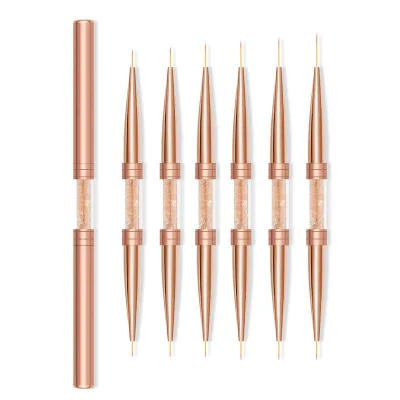
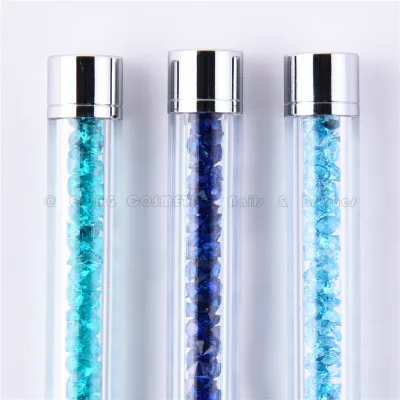
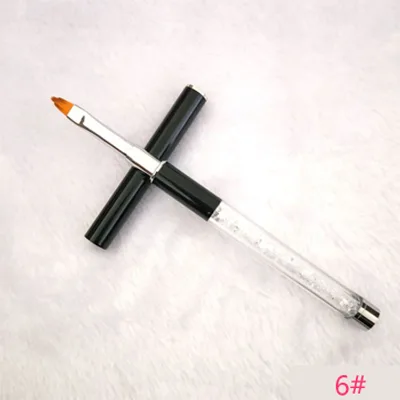
One of the primary risks in sourcing nail liner brushes is the inconsistency in material quality, particularly regarding the bristle hardness and material composition. The results show products described as having "Soft Brush" and "Nylon" materials, but without detailed technical specifications, buyers may receive brushes that are too stiff or too fragile for professional use. This risk is exacerbated when dealing with suppliers who do not provide clear product attributes or who use vague terminology. Buyers must ensure that the bristle material matches their specific application needs, whether for gel polish application or fine line art. Another risk is the discrepancy between the sample and the bulk production. Suppliers may provide high-quality samples but use inferior materials in mass production to cut costs. This is particularly common with products featuring decorative elements, such as the Blingbling Shiny AB Color Rhinestones Decoration Non-slip Handle Boxed Ultra-fine Striped Brushes, where the durability of the rhinestones and the handle finish may vary. Buyers should request pre-shipment inspections or third-party quality control services to mitigate this risk.
Packaging and labeling errors are another significant risk that can lead to customer dissatisfaction and returns. The results show various packaging options, including PVC Tube, OPP Bag, and Cartons, but inconsistencies in labeling or missing protective materials can result in damaged goods during transit. For example, the Jinieya New Style Dual Ended Nail Art Liner Brush is packed in an Opp bag, which may not provide sufficient protection for delicate brushes if not handled carefully. Buyers should verify the packaging standards with their suppliers and ensure that the packaging is suitable for international shipping. Additionally, there is a risk of intellectual property infringement if buyers use custom designs or logos without proper verification. Some suppliers may accept private labels, but buyers must ensure that the designs do not infringe on existing trademarks. This is particularly important for products with unique handle designs or branding. Buyers should conduct thorough due diligence on the supplier’s IP compliance and request written guarantees against infringement. Finally, the risk of delayed shipments due to supply chain disruptions or production bottlenecks cannot be ignored. Buyers should maintain open communication with their suppliers and have contingency plans in place to handle potential delays.
Frosted Double-Headed Nail Liner Brush Regional Sourcing and Logistics
Sourcing from China, particularly from regions like Jiangxi and Guangdong, offers logistical advantages but also presents specific challenges that buyers must manage. Jiangxi, as a identified manufacturing hub for many nail brushes, benefits from established infrastructure for plastic and nylon production. This concentration can lead to more efficient raw material sourcing and lower production costs. However, buyers should be aware that Jiangxi may not have the same level of international logistics infrastructure as coastal cities like Shenzhen or Guangzhou, which are closer to major ports. This can impact shipping times and costs, especially for smaller orders. Buyers should work with suppliers who have experience in international shipping and can provide reliable logistics solutions. Additionally, the proximity of Guangdong suppliers to major ports can result in faster shipping times and more frequent sailings, which is beneficial for time-sensitive orders. Buyers should compare the shipping options and costs offered by suppliers in different regions to determine the most cost-effective and efficient logistics strategy.
Customs clearance and import regulations are another critical aspect of regional sourcing. Buyers must ensure that their suppliers comply with all export regulations and provide the necessary documentation, such as commercial invoices, packing lists, and certificates of origin. This is particularly important for products that may be subject to specific safety standards or restrictions in the buyer’s country. Buyers should also consider the impact of tariffs and duties on the total cost of the products. Different regions may have different trade agreements or tariff rates, which can affect the final price. Buyers should consult with their customs brokers or freight forwarders to understand the specific requirements for importing nail brushes from China. Additionally, buyers should be aware of the potential for currency fluctuations and how they may impact the cost of goods. Working with suppliers who offer stable pricing and clear payment terms can help mitigate this risk. Finally, buyers should consider the environmental impact of their sourcing decisions and look for suppliers who adhere to sustainable manufacturing practices. This can enhance the brand’s reputation and appeal to environmentally conscious consumers.
Frosted Double-Headed Nail Liner Brush Commercial Terms and Order Planning
Effective order planning requires a clear understanding of the commercial terms offered by suppliers, including payment methods, pricing structures, and after-sales support. The results show price ranges that vary based on the product specifications and order volume. Buyers should negotiate for volume discounts if they plan to place large orders, as this can significantly reduce the unit cost. It is also important to clarify the payment terms, such as whether the supplier requires a deposit before production or offers credit terms for repeat customers. Buyers should avoid suppliers who demand full payment upfront without any escrow protection, as this increases the risk of fraud. Using secure payment methods and platforms that offer buyer protection can help safeguard the transaction. Additionally, buyers should inquire about the supplier’s return and refund policies in case of quality issues or shipping damages. A clear and fair policy can provide peace of mind and protect the buyer’s investment.
Lead time management is another critical component of order planning. The data indicates that lead times can vary significantly, with some suppliers offering 23 days and others up to 31 days or more for larger orders. Buyers should plan their inventory levels accordingly to avoid stockouts or excess inventory. It is also important to communicate any specific delivery deadlines to the supplier and confirm that they can meet these requirements. Buyers should also consider the impact of seasonal demand on lead times, as
FAQs
What is the price range for double-headed nail liner brushes?
Prices for these brushes typically range from $1.10 to $3.19 per unit. The final cost depends on specific features like handle material, brush hardness, and customization options. Buyers should check individual product listings for exact pricing tiers based on order volume and selected specifications.
What is the minimum order quantity for these brushes?
Minimum order quantities vary significantly by supplier and product type. Some listings accept orders as low as 10 pieces, while others require a minimum of 500 units. Buyers must verify the specific MOQ for each product model before placing an order to ensure it fits their procurement needs.
How long does production take for these brushes?
Lead times generally range from 23 to 31 days, depending on order volume and seasonality. For smaller orders under 500 units, production usually takes about 31 days. Larger orders may require negotiation for delivery schedules. Buyers should confirm current lead times with suppliers before finalizing purchase agreements.
Are these brushes available with custom branding or OEM services?
Yes, many suppliers offer customization and OEM services for these brushes. Buyers can often request private labeling, custom colors, and specific handle materials. Customization options are explicitly listed as available for many models. Buyers should contact suppliers directly to discuss specific branding requirements and any associated costs or minimums.
What materials are used for the brush heads and handles?
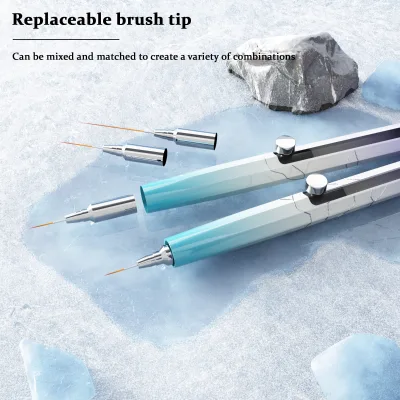
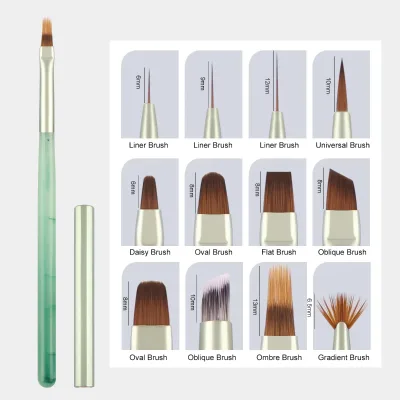
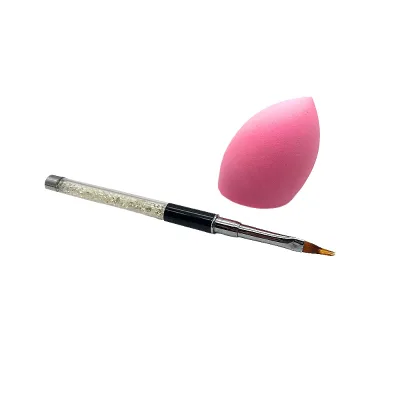
Brush heads are commonly made from soft nylon or synthetic fibers, with some options including Kolinsky hair. Handles vary widely, featuring metal, plastic, or decorative materials like rhinestones. Buyers should review product specifications to select the desired combination of brush hardness and handle material for their specific nail art applications.
Where are these nail brushes typically manufactured?
These brushes are primarily manufactured in China, with specific production hubs in Jiangxi and Guangdong provinces. Buyers can filter suppliers by these locations to align with logistics preferences. Origin details are clearly stated in product attributes, helping buyers assess shipping times and potential tariffs based on the manufacturing region.
How quickly do suppliers respond to inquiries?
Supplier response times vary, with some responding within 3 hours and others taking up to 17 hours. Faster response times often indicate higher availability and readiness to assist with urgent sourcing needs. Buyers should prioritize suppliers with quicker response metrics when seeking timely quotes or clarification on product details.