Source Non Hotfix Nail Jewelry for DIY, Salon, and Events
Compare 30 listings of Non Hotfix Nail Jewelry from verified suppliers. Explore 3D designs, glass and metal materials, and custom options with MOQs starting at 20 pieces. View detailed specifications including model numbers like NL5312 and EZ-x555, along with shipping methods and delivery times for global sourcing needs.
Updated
Key considerations
Products List
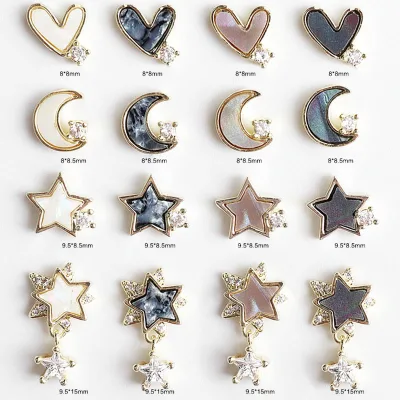
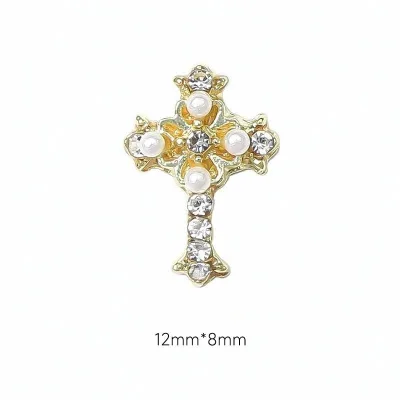
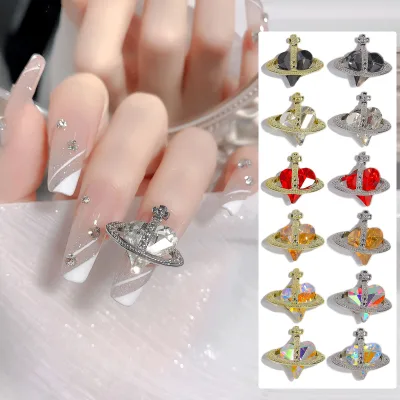
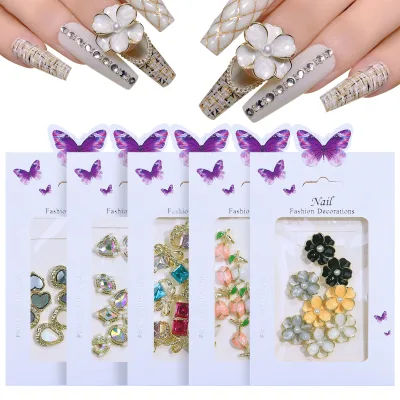
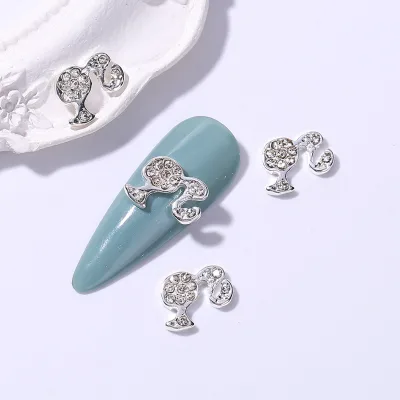
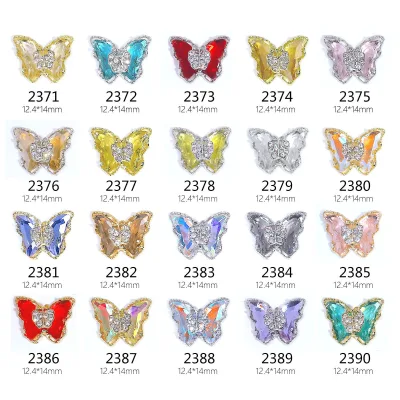
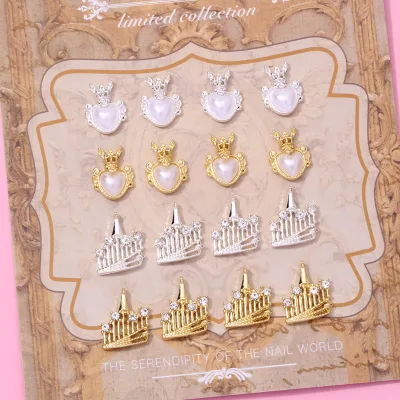


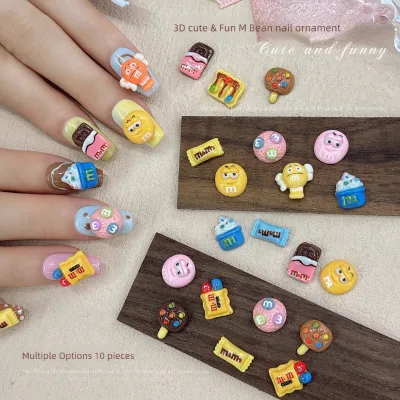
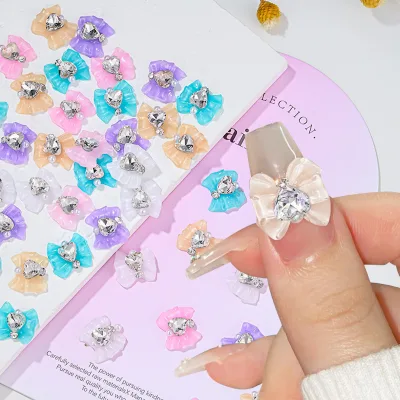
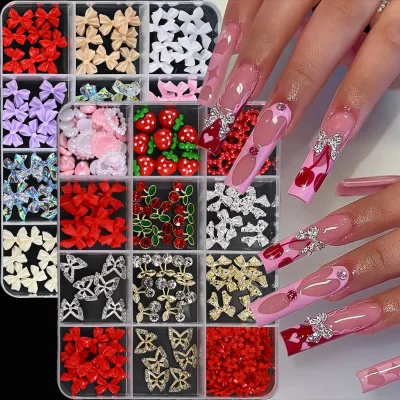


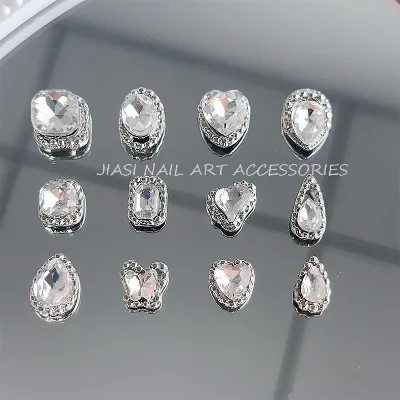
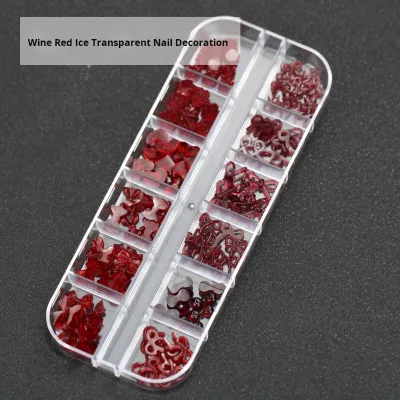
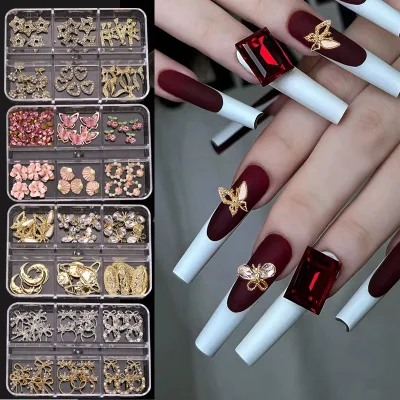
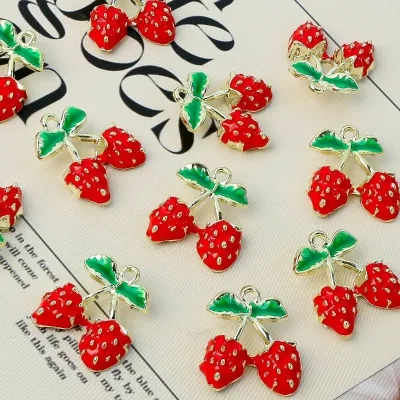
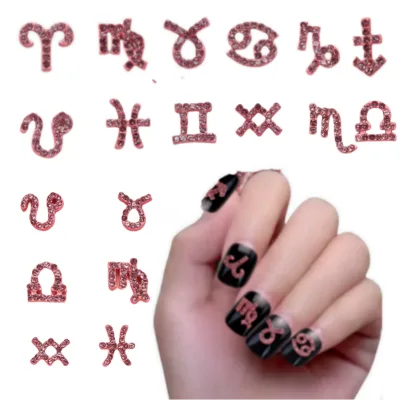
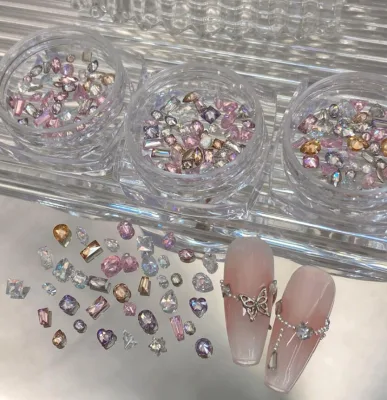
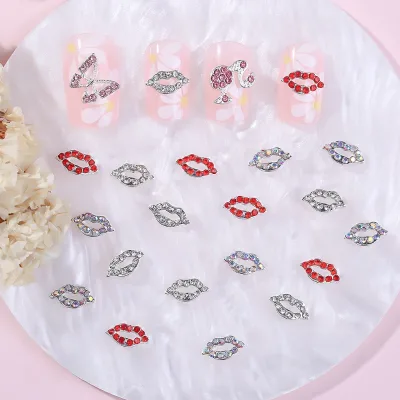
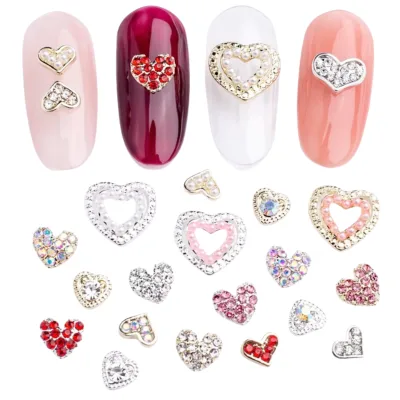
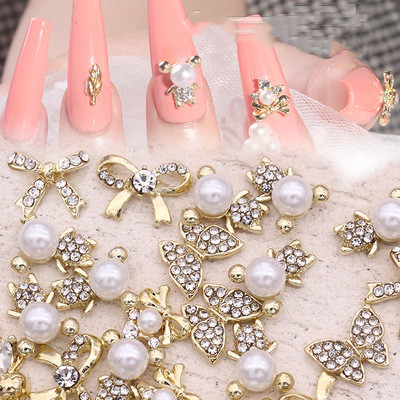
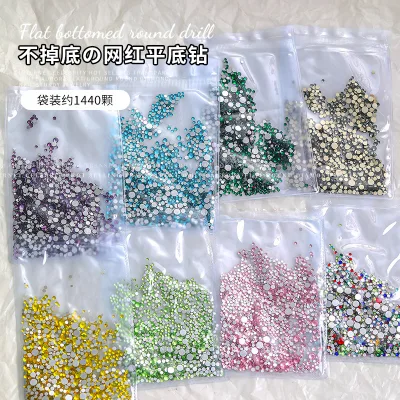
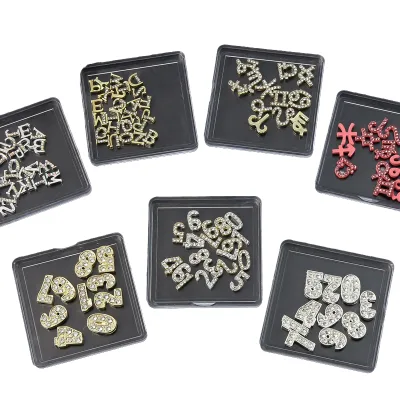
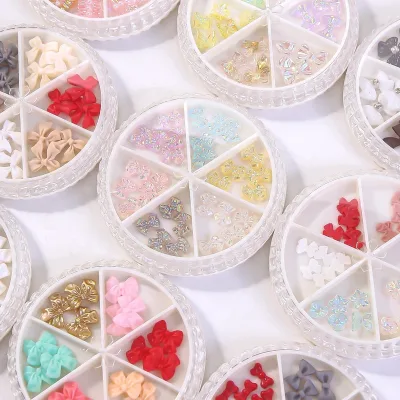
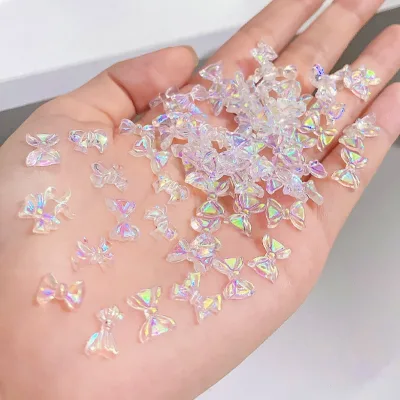
New Multi Size 1440 Pcs Mix Size 3D Zircon Nail Non Hotfix Flatbacks Decorations
$0.7825 - $1.0088
MOQ: 3 Minimum
Comprehensive Sourcing Guide
Non Hotfix Nail Jewelry Sourcing Guide
Sourcing non-hotfix nail jewelry requires a strategic approach to identifying suppliers who specialize in decorative embellishments that do not require heat activation for application. These products, often referred to as flat-back rhinestones or 3D nail charms, are designed to be adhered using nail glue, gel, or acrylic systems rather than thermal bonding. Buyers must distinguish between true non-hotfix items and those that may be mislabeled, ensuring the product specifications explicitly state the absence of a hotfix adhesive layer. This distinction is critical for nail technicians and salon owners who rely on specific application methods to achieve desired aesthetic results without damaging the natural nail plate through excessive heat.
The procurement process involves evaluating a wide range of design options, from simple geometric shapes to complex 3D structures featuring bling-bling effects. Suppliers often offer customized logos and OEM/ODM services, allowing brands to create unique product lines that stand out in the competitive beauty market. It is essential to verify the material composition, such as metal or glass, as these materials impact both the durability of the jewelry and the final look under UV or LED lamps. Understanding these material properties helps buyers select products that align with their brand’s quality standards and customer expectations for longevity and shine.
Product Scope and Observed Listing Signals
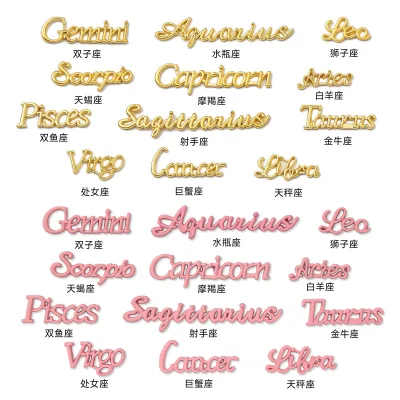
The current market landscape for non-hotfix nail jewelry includes a diverse array of products, with observed listings featuring items made from metal and glass materials. Specific model numbers such as NL5312 and EZ-x555 indicate a variety of designs available from manufacturers in Zhejiang, China. These products often come in multiple color options, with some listings offering up to sixteen distinct colors or specific two-color designs. The presence of "Photo Show" size specifications suggests that visual representation is a key factor in the purchasing decision, as the intricate details of 3D designs and bling effects are best evaluated through high-quality imagery rather than textual descriptions alone.
Observed minimum order quantities (MOQs) vary significantly, ranging from small batches of 20 pieces to larger orders of 1440 pieces, reflecting the flexibility of suppliers to accommodate both small boutique brands and large-scale distributors. Some suppliers accept customized logos and offer sample availability, which is crucial for buyers who need to verify the quality and appearance of the jewelry before committing to a large purchase. The packaging details, such as bag packing or opp bag packaging, indicate that individual protection is a priority, although buyers should still consider additional protective measures during transit to prevent damage to delicate 3D structures or glass components.
Technical Specifications to Verify
When evaluating technical specifications, buyers must pay close attention to the physical dimensions and structural integrity of the nail jewelry. Products like the EZ-0545 model feature specific size measurements, such as 18*19mm, and package sizes that impact storage and shipping efficiency. The back design is typically flat, which is essential for secure adhesion to the nail surface using standard nail adhesives. Buyers should verify the rhinestone technics to ensure they are indeed non-hotfix, as this determines the application method and compatibility with various nail enhancement systems. Additionally, the type of design, whether 2D or 3D, affects the visual impact and the amount of adhesive required for application.
Material composition is another critical technical aspect, with glass and metal being common materials observed in the market. Glass components, such as K9 glass, offer high clarity and brilliance, while metal parts provide durability and a unique aesthetic. Buyers should confirm the weight and density of the products, as heavier items may require stronger adhesives to prevent lifting. The supply ability of suppliers, often cited as 50,000 pieces per week, indicates production capacity, but buyers should also inquire about the consistency of material quality across large batches to ensure uniformity in color and finish.
Compliance and Safety Documentation
Compliance and safety are paramount when sourcing nail jewelry, as these products come into direct contact with the user’s body. Buyers should request documentation related to chemical safety, particularly regarding the presence of heavy metals or harmful substances in the metal and glass components. While some background information mentions certifications like REACH and CE, buyers must verify the current status and validity of these certifications with the supplier. These certifications indicate adherence to specific regulatory standards for chemical safety and product quality, which are essential for selling in regulated markets such as the European Union and North America.
In addition to chemical safety, buyers should consider the physical safety of the products, ensuring that edges are smooth and free from sharp points that could injure the user. Suppliers should provide clear instructions on proper application and removal to minimize the risk of nail damage. It is also important to verify that the packaging materials used by suppliers are safe and do not contain harmful substances that could leach into the products. By prioritizing compliance and safety, buyers can protect their brand reputation and ensure customer satisfaction.
Cost Drivers and Commercial Terms
Cost drivers for non-hotfix nail jewelry include material costs, manufacturing complexity, and order volume. Metal and glass materials have different price points, and 3D designs typically incur higher production costs due to the additional labor and tooling required. Buyers should negotiate based on the observed MOQ ranges, understanding that smaller orders may come with higher per-unit costs. The availability of customized logos and OEM/ODM services can also impact pricing, as these services require additional setup and quality control measures. Buyers should seek transparent pricing structures that clearly outline the costs associated with customization and bulk discounts.
Commercial terms such as payment methods and delivery times are also significant factors in the procurement process. Observed payment terms include T/T, which is common in international trade, but buyers should ensure that secure payment methods are used to protect their interests. Delivery times vary, with some suppliers offering 3-7 days and others 7-15 days, depending on the order size and customization requirements. Buyers should plan their inventory accordingly, considering the lead times and potential delays in shipping. Clear communication regarding shipping methods, such as air or sea freight, and port of dispatch, such as Shanghai or Ningbo, helps in estimating total landed costs.
Supplier Qualification and Quality Control
Supplier qualification is a critical step in ensuring the reliability and consistency of non-hotfix nail jewelry supplies. Buyers should verify the supplier’s production capabilities, including their supply ability and experience in manufacturing nail art decorations. Suppliers in Zhejiang, China, are known for their expertise in this sector, but buyers should still conduct due diligence to confirm their reputation and track record. Requesting samples is an essential part of the qualification process, allowing buyers to assess the quality of materials, finish, and packaging firsthand. Suppliers that offer sample availability demonstrate confidence in their products and a willingness to support buyer decision-making.
Quality control measures should be clearly defined and agreed upon before placing orders. Buyers should inquire about the supplier’s quality assurance processes, including inspection protocols and defect rates. Consistency in color and design across batches is crucial, especially for products with multiple color options. Buyers should also consider the supplier’s ability to handle custom requests, such as specific logo placements or unique design modifications. Establishing a strong relationship with a qualified supplier ensures a steady supply of high-quality products and reduces the risk of disruptions in the supply chain.
Long-Term Procurement Checks
Long-term procurement checks involve continuous monitoring of supplier performance and market trends to ensure ongoing value and quality. Buyers should regularly review supplier delivery times, product quality, and responsiveness to issues. Establishing key performance indicators (KPIs) for supplier evaluation helps in maintaining high standards and identifying areas for improvement. Buyers should also stay informed about emerging trends in nail art, such as new designs or materials, to keep their product offerings fresh and competitive. Regular communication with suppliers fosters a collaborative relationship and encourages innovation.
Additionally, buyers should periodically reassess their sourcing strategy to adapt to changes in the market, such as shifts in material costs or regulatory requirements. Diversifying suppliers can mitigate risks associated with single-source dependencies, ensuring business continuity. Buyers should also consider the environmental impact of their sourcing decisions, exploring options for sustainable materials and packaging where possible. By maintaining a proactive approach to procurement, buyers can build a resilient supply chain that supports long-term growth and success in the nail art industry.
FAQs
What is the minimum order quantity for these nail art shells?
The minimum order quantity varies by supplier, with observed values ranging from 20 to 30 pieces. Some listings specify 20 pieces as the standard threshold, while others require 30 pieces. Buyers should verify the specific MOQ with the vendor before placing an order to ensure compliance with their requirements.
How long does delivery take for these metal nail decorations?
Delivery times typically range from 3 to 15 days depending on the supplier and order specifics. Some vendors offer a fast turnaround of 3 to 7 days, while others require 7 to 15 days for production and shipping. The actual lead time depends on the specific manufacturer selected and their current production capacity.
Can I request a customized logo on these 3D nail jewelry items?
Yes, customized logos are accepted for these nail art shells by many suppliers. The product details explicitly state that customized logo services are available for buyers who need branding. This option allows businesses to personalize the metal or glass decorations for their specific marketing or retail needs.
Which materials are used to make these non-hotfix nail decorations?
These nail art decorations are primarily made from metal and glass materials. Specific listings indicate the use of K9 glass for certain designs and metal for others. The choice of material depends on the specific model number and design selected by the buyer from the available product range.
What is the supply capacity for weekly orders of these items?
Suppliers report a supply ability of 50,000 pieces per week for these nail art products. This capacity ensures that bulk orders can be fulfilled without significant delays. Buyers requiring large quantities can rely on this weekly production volume to meet their sourcing needs efficiently.
How are these 3D nail art shells packaged for shipment?
The items are typically packed in bags, with options for bag packing or custom requests. Some listings specify an OPP bag for individual packaging, while others allow for bulk bag packing. Buyers can often request specific packaging details to suit their distribution or retail requirements.