Dead Skin Remover Cuticle Pusher Suppliers and Manufacturers
Compare 28 verified suppliers offering Dead Skin Remover Cuticle Pusher tools with varying lead times, MOQs, and origins in Zhejiang or Guangdong. Review product specs like material and packaging before requesting quotes; review the available evidence before requesting comparable quotations from suitable candidates.
Updated
Suppliers List
- Trading Company
- Zhejiang, China
- Lead time15 days
- Avg. response≤ 20h
Main productsNail tool,Nail Decoration,Nail Sticker,Nail tip,Nail Lamp
Main marketsEastern Asia(10.00%), Mid East(10.00%), Oceania(10.00%), Africa(10.00%), Eastern Europe(10.00%), South America(10.00%), North America(10.00%), Western Europe(10.00%), South Asia(5.00%), Southeast Asia(5.00%), Southern Europe(5.00%), Northern Europe(5.00%)

- Trading Company
- Zhejiang, China
- Lead time35 days
- Avg. response≤ 5h
Main productsNail File,Foot file,Manicure Set,Beauty Scissors,Eyebrow Trimmer
Main marketsDomestic Market(56.00%), North America(18.00%), Southeast Asia(8.00%), Africa(5.00%), Eastern Europe(5.00%), Oceania(3.00%), South America(2.00%), Mid East(1.00%), South Asia(1.00%), Eastern Asia(1.00%)
Dongguan I-Believe Electronic Appliance Co., Ltd.
- Verified by SGS Group
- Manufacturer, Trading Company
- Lead time15 days
- Avg. response≤ 2h
Main productsNail Lamp, Nail Drill, Nail Dust Collector, Callus Remover, Nail Accessory
Main marketsNorth America(40%), South America(15%), Domestic Market(15%)
Dongguan Dongri Electromechanical Technology Co.,Ltd.
- Verified by TüVRheinland
- Manufacturer, Trading Company
- Lead time20 days
- Avg. response≤ 2h
Main productsNail Drill, Nail Lamp, Nail Dust Collector
Main marketsNorth America(30%), Eastern Europe(20%), Western Europe(15%)

Guangzhou Skyrann Electronic Tech Co., Ltd.
- Verified by TUVRHEINLAND
- Trading Company,Manufacturer/Factory
- China Guangdong
- Lead time15 days
- Avg. response≤ 17h
Main productsNail Lamps&Nail Dryers, UV Gel&Gel Polish, Nail Drills, Nail Tools, Nail Art Decoration, Nail Brushes, Nail Files&Buffers
Main marketsSouth America,Eastern Europe,North America,Southeast Asia,Eastern Asia,Western Europe,Africa


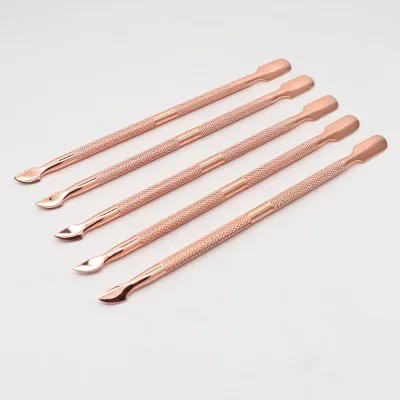
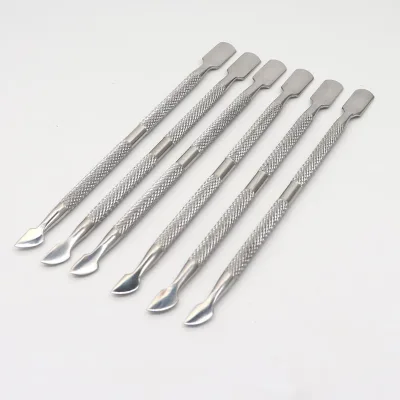
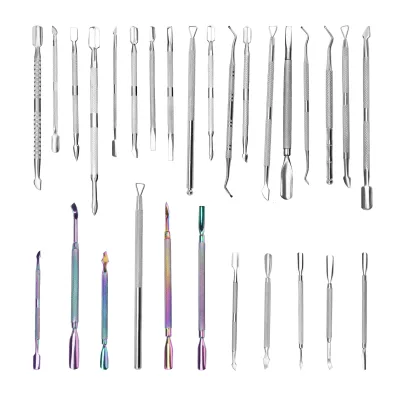
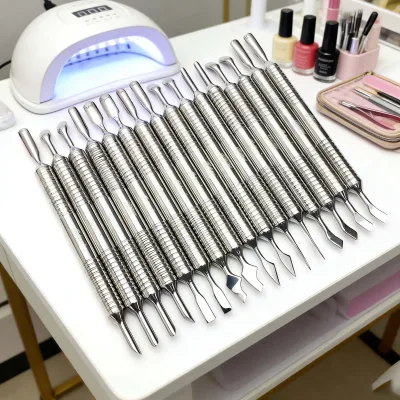
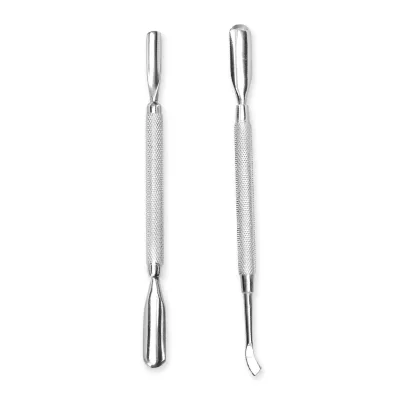
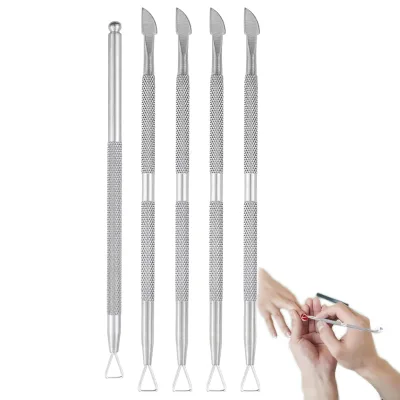
Wholesale Stainless Steel Manicure Cuticle Pusher Double End Nail Cuticle Pusher Remover Tool Kit
$0.65 - $7.14
MOQ: 20 Sets

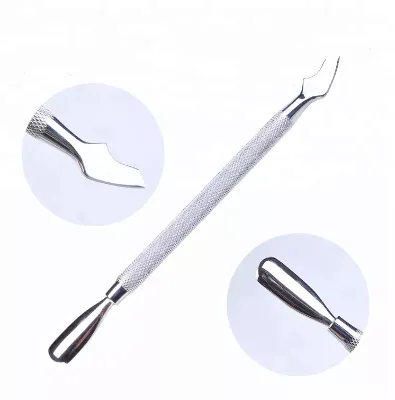
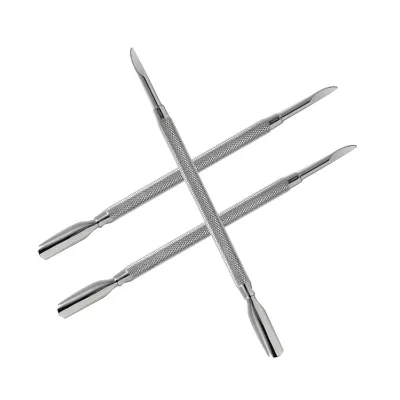
Stainless Steel 2-Head Nail Cuticle Pusher Dead Skin Cleaner Beauty Nail Care Manicure Tools
$0.52 - $0.62
MOQ: 20 Pieces

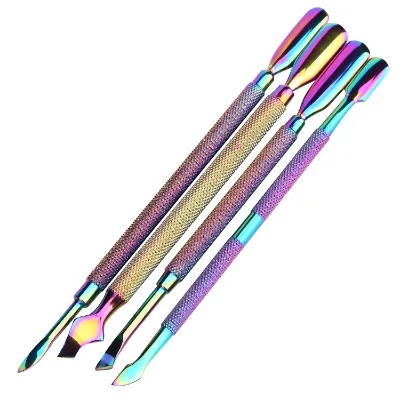
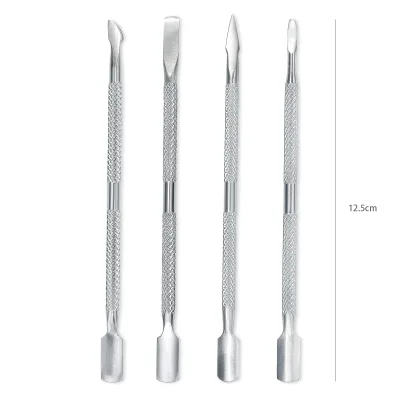
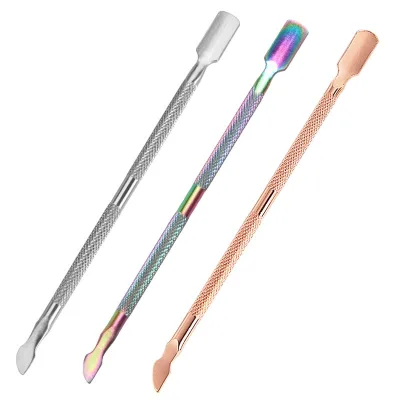
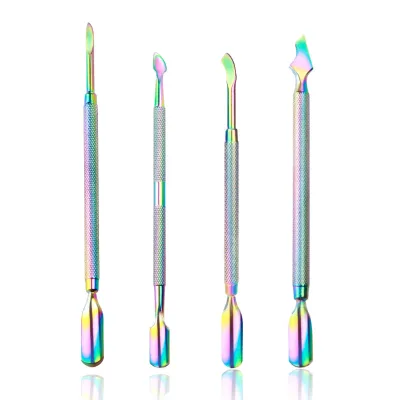
4 Styles Rainbow Nail Care Tool Stainless Steel Cuticle Pusher for Nail Salon Beauty
$0.83 - $0.95
MOQ: 30 Pieces


$0.67 - $0.75
MOQ: 20 Pieces

Foshan Elesecret Electronics Technology Co Ltd
- Verified by CTI
- Trading Company
- China Guangdong
- Lead time15 days
- Avg. response≤ 3h
Main productsNail Drill, Nail Lamp, Nail Dust Collector, Nail Drill Bits, Press on Nail, Gel Nail Polish
Main marketsSouth America,Southeast Asia/ Mideast,East Asia(Japan/ South Korea),Domestic,Europe,Australia,North America

Cuticle Knife Remover Dead Skin Practical Nail Art Tools Professional Cuticle Trimmer Pusher
$0.03 - $0.08
MOQ: 500 Pieces

$1.23 - $1.48
MOQ: 200 Pieces

Russian Style Dual-End Stainless Steel Nail Remover Tool Cuticle Pusher for Manicure Pedicure
$1.35 - $1.45
MOQ: 100 Pieces

2PCS Stainless Steel Manicure & Pedicure Set Cuticle Remover & Nail Art Pusher Dead Skin Cut Tool
$0.29 - $0.50
MOQ: 1000 Pieces



Yiwu Dehang Cosmetics Co., Ltd.
- Trading Company
- Zhejiang, China
- Lead time15 days
- Avg. response≤ 4h
Main productsCosmetics,Nail decoration,Nail tool,Nail machine
Main marketsEastern Europe(50.00%), North America(30.00%), Western Europe(20.00%)

- Verified by TUVRHEINLAND
- Trading Company
- China Guangdong
- Lead time15 days
- Avg. response≤ 3h
Main productsBeauty Tools, Tweezer, Eyelash Curler, Manicure Set, Cosmetic Mirror, Implement, Pedicure, Make up
Main marketsEurope

Beauty Care Nail Art Gel Remover Tools Stainless Steel Cleaner Cuticle Pusher
$0.30 - $0.50
MOQ: 100 Pieces

$0.40 - $0.58
MOQ: 100 Pieces


$0.30 - $0.42
MOQ: 100 Pieces

$0.16 - $0.29
MOQ: 100 Pieces

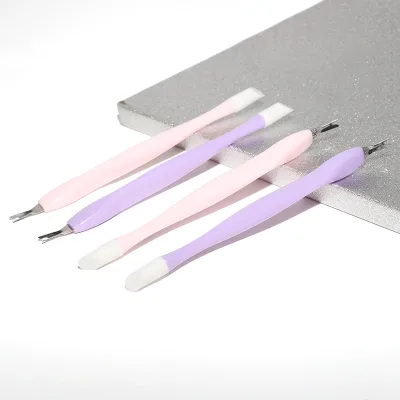
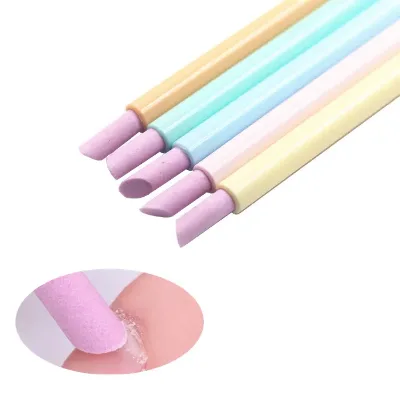
Silicone Colourful Nail Cuticle Pusher Remover Manicure Tools Nails Art Supplies Products
$0.40 - $0.58
MOQ: 50 Pieces

Yiwu Loboter Electrical Appliance Factory
- Manufacturer, Trading Company
- Zhejiang, China
- Lead time25 days
- Avg. response≤ 3h
Main productsnail lamp,Nail dust collector,nail drill,Sterilizer,na
Main marketsNorthern Europe(30.00%), North America(10.00%), Southern Europe(10.00%), Mid East(5.00%)

Xuzhou Tuosen Bamboo Wood Products Co., Ltd.
- Verified by CTI
- Combined
- China Jiangsu
- Lead time23 days
- Avg. response≤ 1h
Main productsIce Cream Stick
Main marketsSoutheast Asia/ Mideast


Nail Care Sticks-Cuticle Pusher & Remover Disposable Orange Wooden Nail Stick
$0.0014 - $0.0015
MOQ: 10000 Pieces
Jinhua Hanze Import & Export Co., Ltd.
- Verified by TüVRheinland
- Manufacturer, Trading Company
- Lead time0 days
- Avg. response≤ 9h
Main productsNail Supplies
Main marketsNorth America(57%), Western Europe(24%), Eastern Europe(7%)

Guangzhou Win Win Import and Export Co., Ltd.
- Verified by BV
- Trading Company,Manufacturer/Factory
- China Guangdong
- Lead time15 days
- Avg. response≤ 3h
Main productsBamboo Stick, Ice Cream Stick, Bamboo/Wooden Coffee Stick, Bamboo Barbecue Stick, Bamboo/Wooden Disposable Cutlery, Bamboo Toothpick, Bamboo Kitchenware, Bamboo Chopsticks, Bamboo Fruit Stick, Bamboo Cocktail Stick
Main marketsSouth America,Eastern Europe,Mid East,North America,Southeast Asia,Eastern Asia,Oceania,Western Europe,Africa

Hot Sales Nail Bamboo Stick Cuticle Pusher Remover Cuticle Pusher Remover Pedicure Manicure Tool
$23.00 - $24.00
MOQ: 100 Boxes

Wholesale High Quality Manicure Tool Cuticle Pusher Remover Nail Art Bamboo Sticks
$23.00 - $24.00
MOQ: 100 Boxes

$23.00 - $24.00
MOQ: 100 Boxes
Hefei Leyimei Trading Co., Ltd.
- Trading Company
- Anhui, China
- Lead time10 days
- Avg. response≤ 3h
Main productsnail lamp,nail drill,nail brush,nail file,nail tool
Main marketsNorth America(50.00%), Western Europe(15.00%), South America(10.00%), Eastern Europe(10.00%), Southern Europe(10.00%), Northern Europe(5.00%)

Jiangxi Orange Trading Co., Ltd.
- Trading Company
- Jiangxi Province, China
- Lead time15 days
- Avg. response≤ 1h
Main productsNail Art Brush,Makeup Brush,Paint Artist Brush
Main marketsNorth America(35.00%), South America(20.00%), Western Europe(13.00%), Central America(10.00%), Northern Europe(5.00%), Africa(3.00%), South Asia(2.00%), Southern Europe(2.00%), Oceania(2.00%), Southeast Asia(2.00%), Eastern Europe(2.00%), Eastern Asia(2.00%), Mid East(2.00%)

GANZHOU FUCHENG HOUSEHOLD PRODUCTS CO., LTD.
- Verified by BV
- Combined
- China Jiangxi
- Lead time15 days
- Avg. response≤ 8h
Main productsMasking Film, Pre Taeped Masking Film, PE Film, Plastic Film, Bamboo Sticks, Bamboo Skewer, Toothpick, Fiber Difuseer Stick, Diffuser Stick
Main marketsSouth America,Southeast Asia/ Mideast,Europe

Foshan Nanhai Xiqiao Zhengrong Nail Clipper Factory
- Verified by SGS
- Combined
- China Guangdong
- Lead time30 days
- Avg. response≤ 14h
Main productsNail Clipper
Main marketsDomestic,Europe,North America


Stainless Steel Beauty Nail Care Tools Mini Side Cuticle Pusher Manicure Tools
$0.238 - $0.243
MOQ: 10000 Pieces


Professional Beauty Nail Care Tools Double Side Cuticle Pusher Manicure Tools
$0.238 - $0.243
MOQ: 10000 Pieces

Jiujiang Xinling Trading Co., Ltd.
- Trading Company
- Jiangxi Province, China
- Lead time5 days
- Avg. response≤ 2h
Main productsNail File,Nail Drill,Nail Art,Nail Tool,Nail Lamp
Main marketsNorthern Europe(10.00%), Central America(10.00%), Southeast Asia(10.00%), Eastern Europe(10.00%), South America(10.00%), North America(10.00%), South Asia(8.00%), Western Europe(8.00%), Southern Europe(5.00%), Eastern Asia(5.00%), Africa(5.00%), Mid East(5.00%), Oceania(3.00%), Domestic Market(1.00%)
Guangzhou Langma Technology Co., Ltd.
- Manufacturer, Trading Company
- Guangdong, China
- Lead time5 days
- Avg. response≤ 3h
Main productsnail lamp,Nail drill machine,Nail Dust collector,Nail Cosmetic
Main marketsAfrica(20.00%), Southeast Asia(20.00%), Eastern Europe(20.00%), South America(20.00%), North America(20.00%)
Dongguan I-Believe Electronic Appliance Co., Ltd.
- Manufacturer, Trading Company
- Lead time旺季: "1 - 50":15,"> 50":"To be negotiated", 淡季: "1 - 50":15,"> 50":"To be negotiated"
- Avg. response≤ 2h
Main productsUV LED Nail Lamp, Nail Drill, Nail Tips, Nail Accessory, Beauty Instrument
$0.5232 - $0.6371
MOQ: 10 pieces
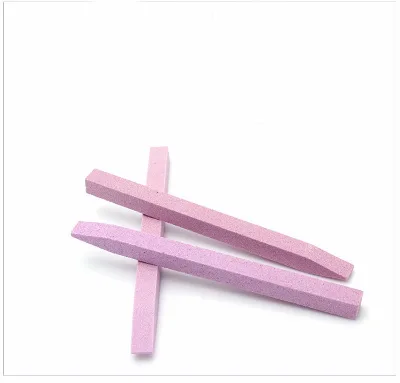
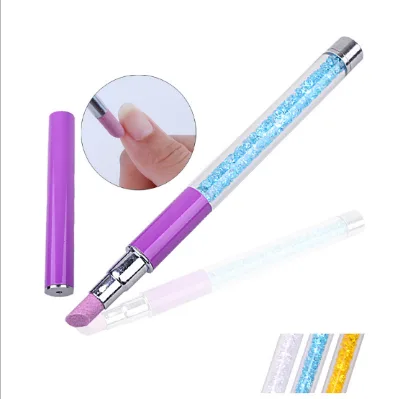
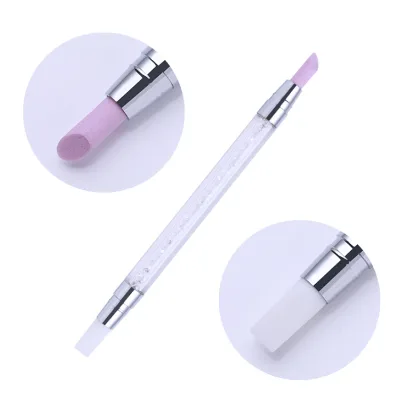
Newest Nail Care Tool Rhinestone Rubber Silicone Nail Cuticle Pusher for Wholesale
$0.10 - $2.00
MOQ: 50 Minimum

Yiwu Jianyue Toiletries Co., Ltd.
- Trading Company
- Zhejiang, China
- Lead time5 days
- Avg. response≤ 6h
Main productsmakeup,makeup brush,beauty tools,eyebrow comb,eye pads
Main marketsNorth America(30.00%), South America(20.00%), Southern Europe(15.00%), Western Europe(15.00%), Eastern Europe(15.00%), Northern Europe(5.00%)
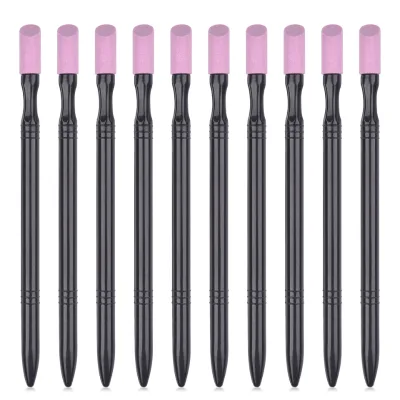
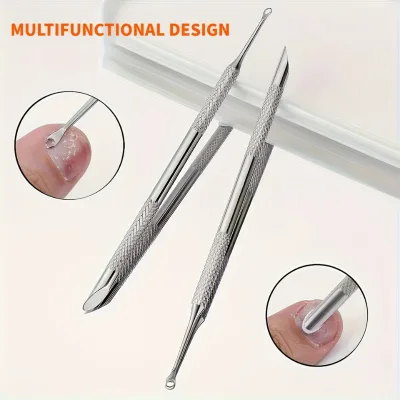
$0.0821 - $0.1335
MOQ: 50 pieces

Yiwu Jiaxiu Import And Export Co., Ltd.
- Trading Company
- Zhejiang, China
- Lead time0 days
- Avg. response≤ 7h
Main productsnail tips,nail sticker,nail decoration,nail drill,nail tools
Main marketsNorth America(80.00%), South America(10.00%), Southeast Asia(5.00%), Eastern Europe(5.00%)
Yiwu Felice Cosmetic Co., Ltd.
- Manufacturer, Trading Company
- Zhejiang, China
- Lead time15 days
- Avg. response≤ 5h
Main productsNail Files, Nail Stickers, Nail Machine, Nail Tips, Nail Art Tools
Main marketsNorth America(30.00%), North America(30.00%), Eastern Europe(15.00%), Eastern Europe(15.00%), Oceania(10.00%), Southern Europe(10.00%), Northern Europe(10.00%), Mid East(10.00%), Oceania(10.00%), Southern Europe(10.00%), Northern Europe(10.00%), Mid East(10.00%), Western Europe(5.00%), Western Europe(5.00%), South America(4.00%), South America(4.00%), Central America(3.00%), Central America(3.00%), Eastern Asia(2.00%), Eastern Asia(2.00%), Africa(1.00%), Africa(1.00%)
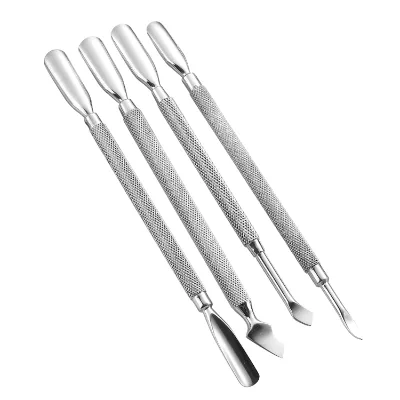
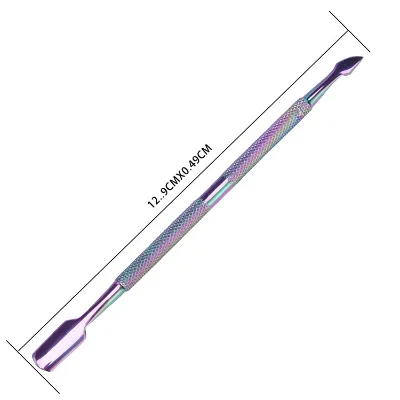
Professional Titanium Cuticle Pusher Double Sided Callus Skin Cuticle Pusher with Customized Logo
$0.3118 - $0.6536
MOQ: 50 Minimum

Hangzhou Charmcore Technology Co., Ltd.
- Trading Company
- Zhejiang, China
- Lead time1 days
- Avg. response≤ 3h
Main productsNail Tips/Nail Gel Polish/Nail Jewelry/Nail Tools/Nail Lamp
Main marketsNorth America(50.00%), Western Europe(10.00%), Eastern Asia(5.00%), South America(5.00%), Southern Europe(5.00%), Northern Europe(5.00%), Eastern Europe(5.00%), Oceania(3.00%), Mid East(3.00%), Southeast Asia(3.00%), South Asia(2.00%), Africa(2.00%), Central America(1.00%), Domestic Market(1.00%)

FUZHOU LIWANG ELECTRONIC TECHNOLOGY CO., LTD.
- Combined
- China Fujian
- Lead time15 days
- Avg. response≤ 19h
Main productsMicromotor, Nail Drill, Jewelry Tools, Nail Drill Bits
Main marketsSouth America,Africa,Southeast Asia/ Mideast,East Asia(Japan/ South Korea),Europe,Australia,North America

$3.50 - $5.10
MOQ: 100 Sets


Ningbo Sunkin Electrical Co., Ltd.
- Verified by TUVRHEINLAND
- Trading Company
- China Zhejiang
- Lead time15 days
- Avg. response≤ 11h
Main productsLED Bulbs, LED Tube, LED Floodlight, LED Panel Light, LED Spotlight, G9 LED Lamp
Main marketsEurope,North America
Dongguan Byoung Beauty Cosmetics Technology Co., Ltd.
- Verified by Intertek
- Trading Company
- Lead time20 days
- Avg. response≤ 3h
Main productsNail Lamp, Nail Drill, Nail Brush, Nail Drill Bits, Nail Dust Collector
Main marketsNorth America(57%), Oceania(17%), Western Europe(12%)
$0.3583 - $0.5726
MOQ: 20 Minimum
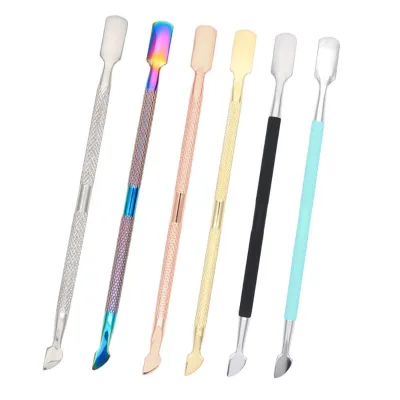
Yiwu City Lanbiao Art&Craft Co., Ltd.
- Trading Company
- Zhejiang, China
- Lead time15 days
- Avg. response≤ 11h
Main productsnail file,nail art tool,Nail Lamp,gel polish,Nail Arts
Main marketsSouthern Europe(8.00%), Northern Europe(8.00%), Central America(8.00%), Western Europe(8.00%), Eastern Asia(8.00%), Mid East(8.00%), Oceania(8.00%), Africa(8.00%), Southeast Asia(8.00%), Eastern Europe(8.00%), South America(8.00%), North America(8.00%), South Asia(2.00%)
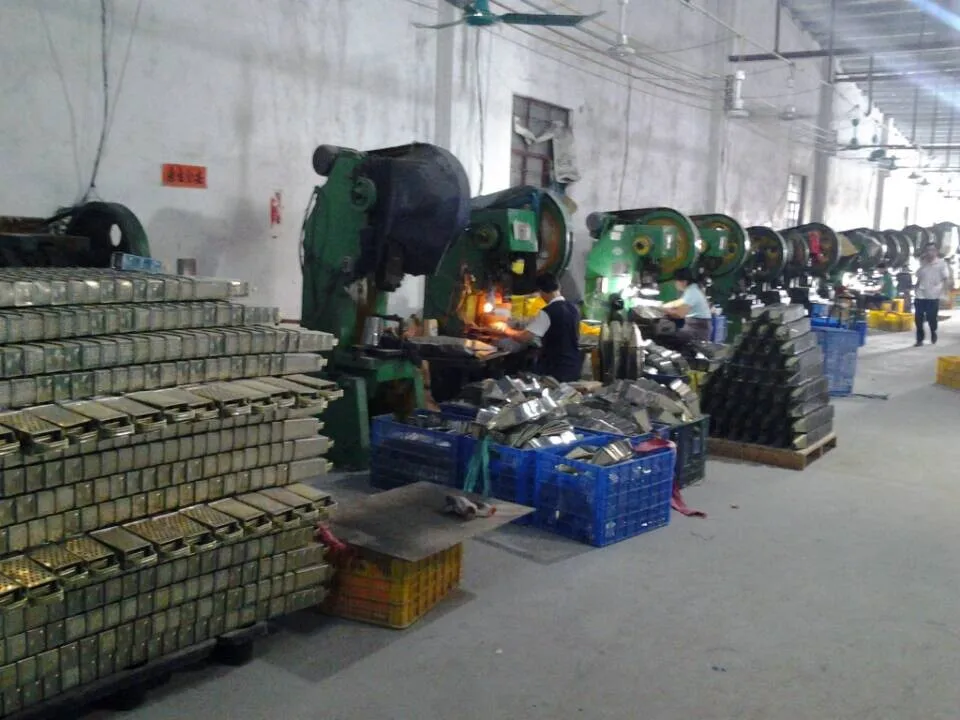
Huorun Import & Export Co., Ltd. (ASIA BEST BRANCH)
- Trading Company
- Guangdong, China
- Lead time30 days
- Avg. response≤ 11h
Main productsKitchen Knife & Scissor,Kitchen Tools,BBQ Tools,Wooden Cutting Boards,Manicure & Beauty Tools
Main marketsWestern Europe(45.00%), South America(20.00%), Eastern Asia(10.00%), Northern Europe(10.00%), Eastern Europe(5.00%), Central America(5.00%), North America(5.00%)
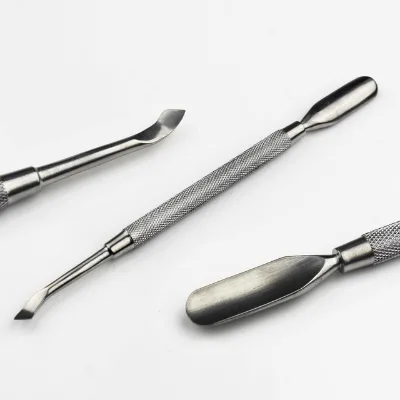
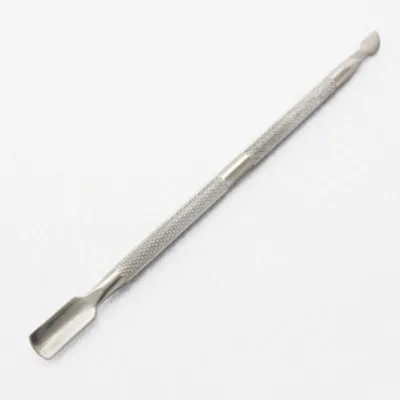
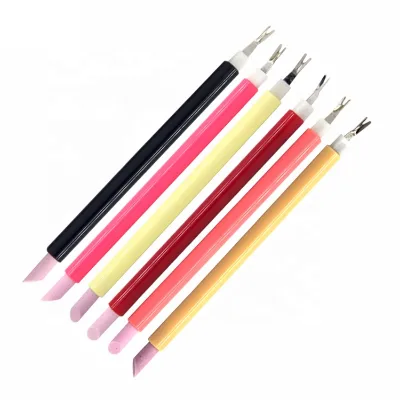
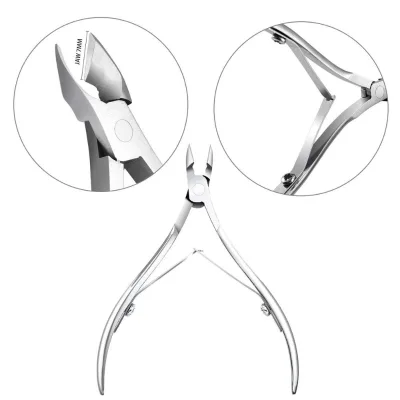
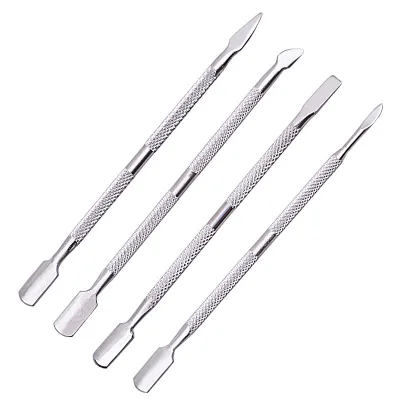
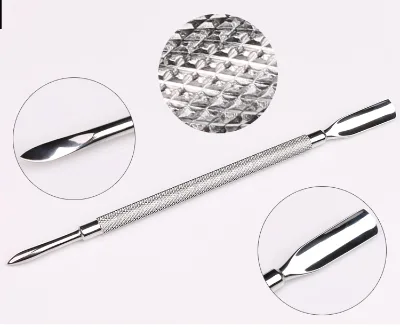
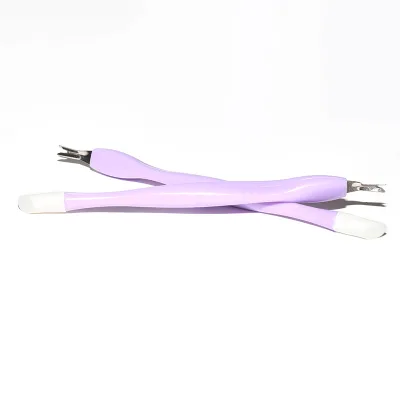
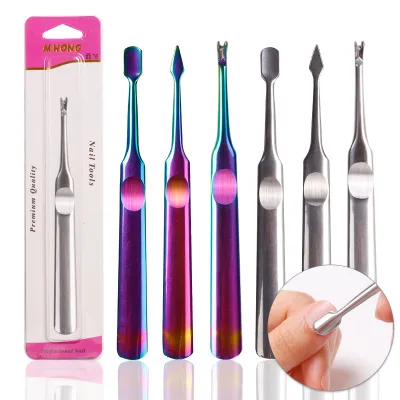
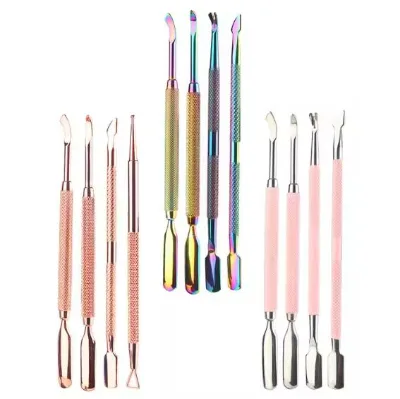
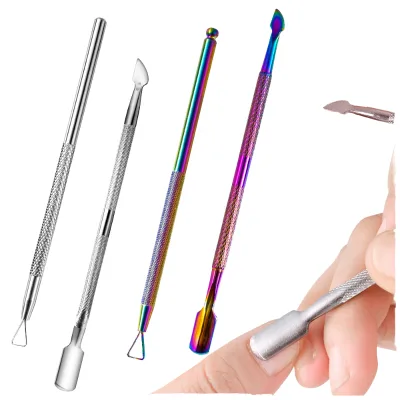
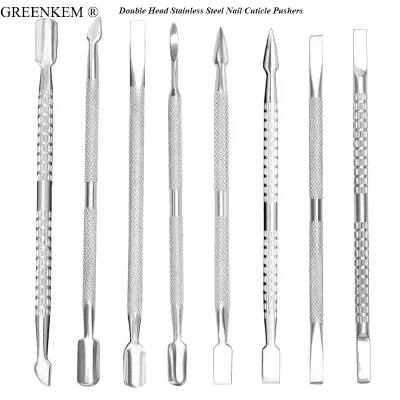
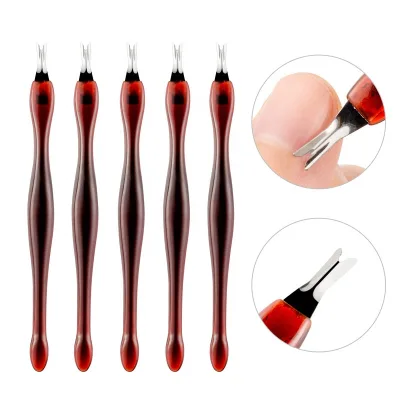
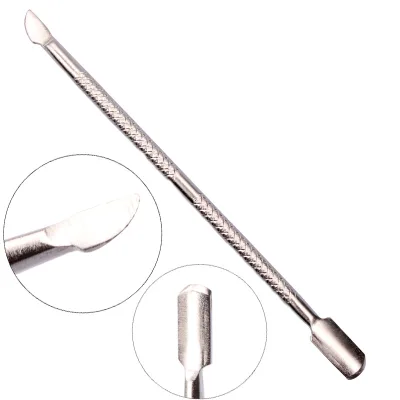
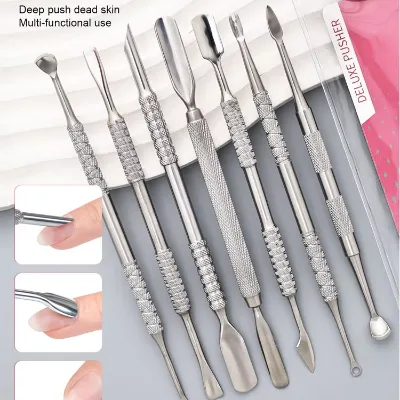


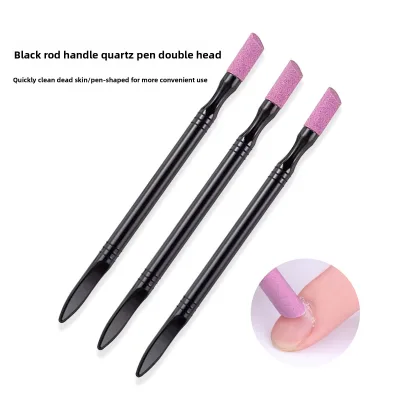
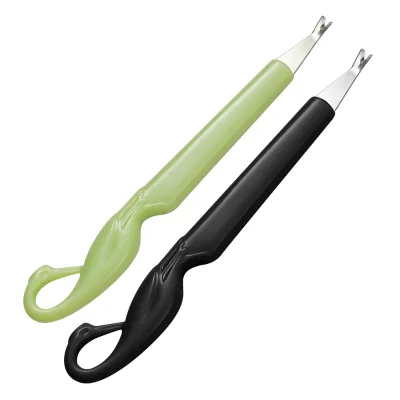
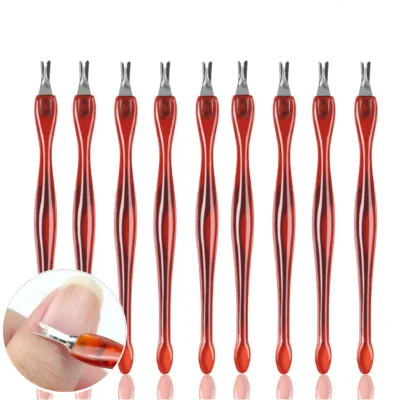
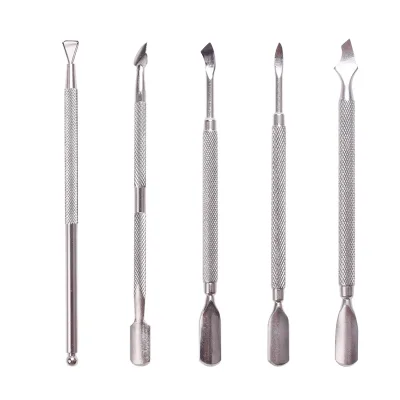
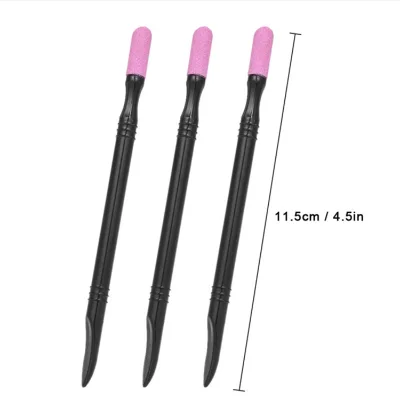


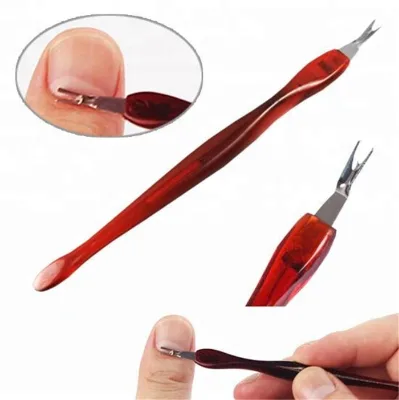
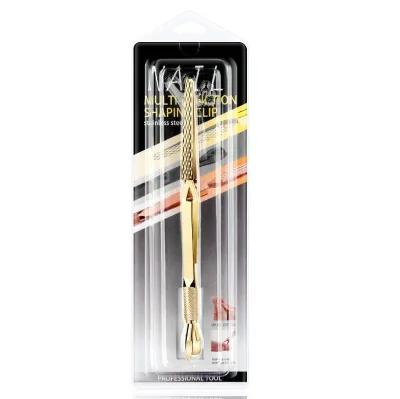
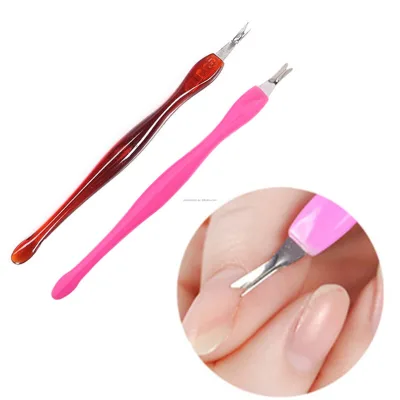
Comprehensive Sourcing Guide
Dead Skin Remover Cuticle Pusher Supplier Concentration and Factory Types
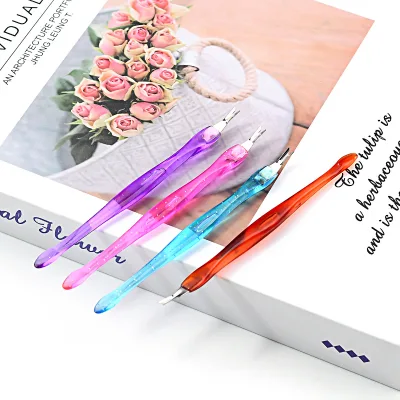
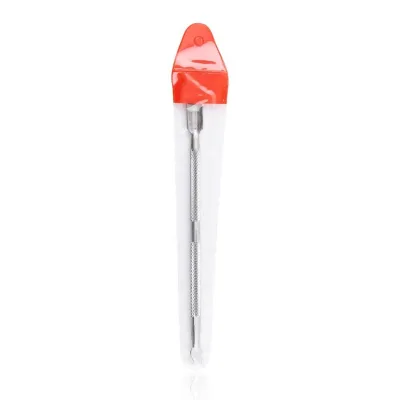
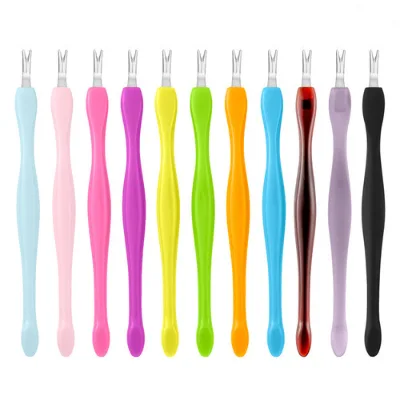
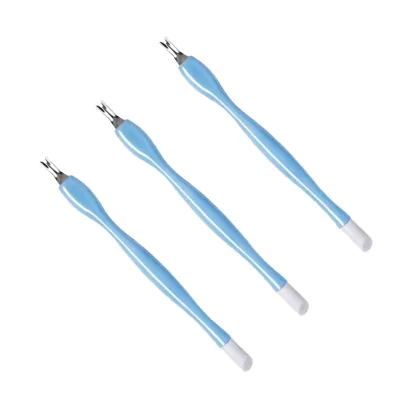
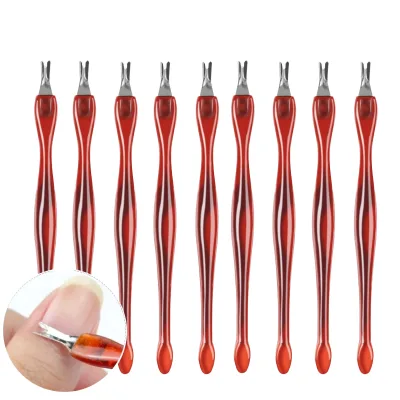
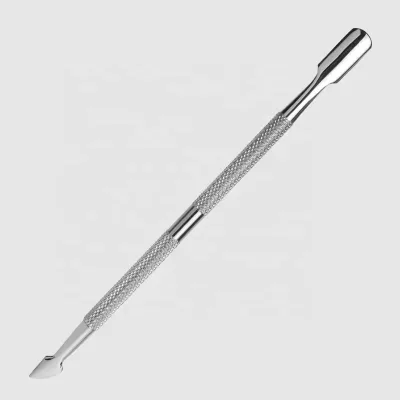
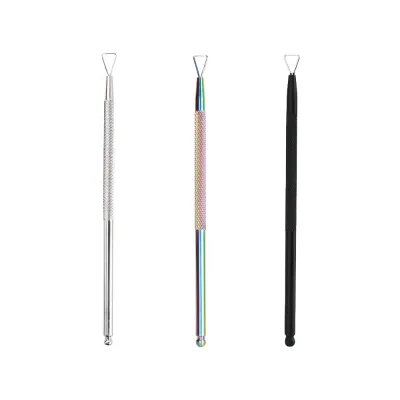
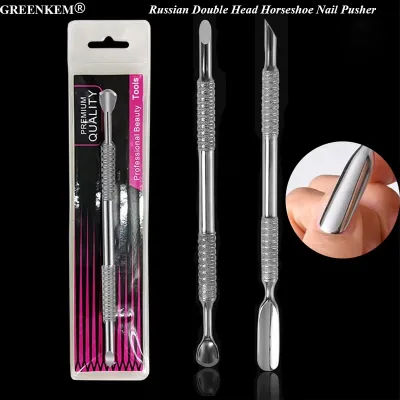
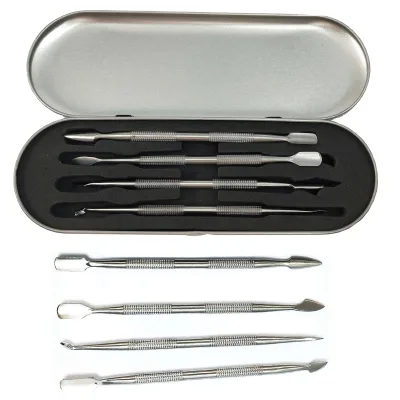
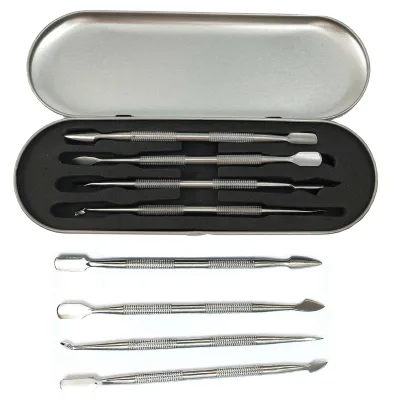
The sourcing landscape for dead skin remover cuticle pushers reveals a distinct concentration of manufacturing activity within specific Chinese provinces, with Zhejiang emerging as a primary hub for these beauty tools. Suppliers located in Zhejiang, China, often specialize in a broad array of nail supplies, including nail tools, nail decorations, nail stickers, nail tips, and nail lamps, indicating a mature ecosystem for nail care product manufacturing. This regional clustering suggests that buyers can find vendors with established supply chains for raw materials like stainless steel and plastic, which are essential for producing durable cuticle pushers and removers. The presence of trading companies in this region further diversifies the sourcing options, allowing buyers to access a wider variety of product designs and brands without necessarily dealing directly with the factory floor. These trading entities often aggregate products from multiple smaller workshops, providing a one-stop solution for buyers seeking diverse SKUs such as stainless steel cuticle removers, nail art cuticle spoons, and dead skin forks.
In contrast to the Zhejiang-centric model, other suppliers operate from Guangdong, China, offering a different manufacturing profile that may appeal to buyers looking for alternative production capabilities. These Guangdong-based entities often focus on specific product lines such as nail files, foot files, manicure sets, beauty scissors, and eyebrow trimmers, suggesting a specialization in metalworking and precision tooling that translates well to cuticle pusher production. The company types in this region vary, with some operating as trading companies and others potentially functioning as direct manufacturers, though the specific operational structure must be verified by the buyer. The diversity in location and company type means that buyers are not limited to a single sourcing corridor; instead, they can compare suppliers from Zhejiang and Guangdong to find the best fit for their quality, price, and volume requirements. Understanding these geographic and structural differences is crucial for identifying suppliers who can meet specific project needs, whether that involves high-volume standard items or customized branded tools.
How to Verify Dead Skin Remover Cuticle Pusher Suppliers
Verifying the legitimacy and capability of a Dead Skin Remover Cuticle Pusher supplier requires a close examination of their response times and communication efficiency, which serve as early indicators of operational reliability. Suppliers in this category display varying response speeds, with some indicating a response time of twenty hours while others boast a significantly faster five-hour response window. A quicker response time often correlates with a more active sales team and better customer service infrastructure, which is vital for resolving issues related to custom logos, packaging, or urgent order adjustments. Buyers should prioritize suppliers who demonstrate prompt communication, as this trait often extends to post-sale support and problem resolution. Additionally, the availability of samples is a critical verification step; many suppliers explicitly state that samples are available, allowing buyers to physically inspect the material quality, sharpness, and finish of the cuticle pushers before committing to a larger order. This hands-on verification helps ensure that the product meets the expected standards for durability and functionality, particularly for stainless steel items that must resist corrosion and maintain their edge.
Beyond communication and samples, buyers must scrutinize the detailed product attributes and certifications provided by the supplier to ensure compliance and quality. The product listings often include specific details such as the brand name, model number, material composition, and place of origin, which provide a baseline for verification. For instance, some products are made from stainless steel, while others may combine plastic and stainless steel, requiring buyers to confirm that the material matches their quality requirements. The presence of specific features, such as waterproof capabilities or sharp edges, should be validated through product descriptions and, if possible, third-party testing reports. Buyers should also look for evidence of OEM and ODM acceptance, which indicates the supplier's flexibility in customizing products with private labels or unique designs. While some suppliers may claim to offer one-stop services or customized logos, these claims must be backed by clear policies on minimum order quantities for customization and lead times for production. By systematically checking these attributes, buyers can build a profile of each supplier's strengths and weaknesses, ensuring they partner with vendors who can deliver consistent quality and reliable service.
What to Compare Across Dead Skin Remover Cuticle Pusher Suppliers
When evaluating multiple suppliers for dead skin remover cuticle pushers, comparing the minimum order quantities (MOQ) is essential for aligning supplier capabilities with your inventory strategy and cash flow. The market exhibits a wide range of MOQs, from as low as one hundred twenty pieces for certain plastic and stainless steel models to two hundred pieces for specific stainless steel cuticle removers, and up to twelve hundred pieces for bulk stainless steel nail cuticle pushers. Some suppliers also offer set-based MOQs, such as ten sets for double-ended cuticle pushers, which may be more suitable for buyers looking to test market response with smaller initial investments. Understanding these MOQ variations allows buyers to negotiate better terms or select suppliers that match their order size, whether they are small boutique retailers or large distributors. Additionally, the availability of sample orders, often marked as "ok" in product attributes, provides a low-risk entry point for buyers to assess quality before scaling up to larger MOQs. This flexibility in ordering thresholds is a key differentiator among suppliers, influencing the overall cost structure and risk profile of the sourcing relationship.
Lead times and pricing structures are another critical dimension for comparison, as they directly impact profitability and supply chain reliability. Suppliers in this category display lead times ranging from fifteen days to thirty-five days, reflecting differences in production capacity, inventory levels, and customization requirements. Buyers must weigh these lead times against their sales cycles to avoid stockouts or excess inventory, particularly for seasonal beauty products. Pricing also varies significantly, with some stainless steel cuticle pushers priced at approximately zero point one six dollars per unit, while others, such as dead skin forks, may be available for as low as zero point zero three dollars per unit. More complex items, like professional nail cuticle removers with combined materials, may range from zero point one five to zero point one eight dollars per piece. These price points are often tied to the material quality, packaging details, and included services, such as poly bag or PVC bag packaging. By comparing these financial and temporal metrics across suppliers, buyers can identify the most cost-effective and efficient partners for their specific business needs, ensuring that they secure the best value for their investment in dead skin remover cuticle pushers.
Common Dead Skin Remover Cuticle Pusher Sourcing Risks
One of the primary risks in sourcing dead skin remover cuticle pushers is the potential inconsistency in material quality and product durability, which can lead to customer dissatisfaction and returns. While many suppliers list their products as being made from stainless steel, the grade and thickness of the steel can vary significantly, affecting the tool's resistance to rust and its ability to maintain a sharp edge for dead skin removal. Buyers must be cautious of suppliers who do not provide detailed material specifications or who offer prices that seem unusually low, as these may indicate the use of inferior materials that compromise product performance. Additionally, the functional aspects of the cuticle pushers, such as the sharpness of the edges or the ergonomic design of the handles, must be verified through samples to ensure they meet professional standards. Products labeled with features like "sharp" or "waterproof" require physical inspection to confirm that these attributes are genuine and not merely marketing claims. Failure to verify these quality aspects can result in receiving batches of tools that are prone to breaking or failing to perform their intended function, damaging the buyer's brand reputation in the beauty market.
Another significant risk involves the reliability of supplier communication and order fulfillment, particularly when dealing with trading companies or suppliers with longer lead times. Suppliers with response times of twenty hours or lead times extending to thirty-five days may face challenges in managing urgent orders or providing timely updates on production status. This can lead to delays in receiving goods, which is particularly problematic for buyers with tight inventory schedules or seasonal demand peaks. Furthermore, the complexity of custom orders, such as those requiring customized logos or specific packaging, introduces additional risks if the supplier's OEM and ODM capabilities are not clearly defined. Buyers must ensure that the supplier has a robust process for handling customizations, including clear guidelines on minimum order quantities for custom items and accurate lead times for production. Without these safeguards, buyers may encounter issues such as incorrect branding, poor packaging quality, or unexpected delays, all of which can disrupt their supply chain and increase costs. Mitigating these risks requires thorough due diligence, including verifying supplier credentials, requesting detailed production timelines, and maintaining open lines of communication throughout the ordering process.
Dead Skin Remover Cuticle Pusher Regional Sourcing and Logistics
Sourcing dead skin remover cuticle pushers from Zhejiang, China, offers logistical advantages due to the region's well-established infrastructure for beauty and personal care products. Suppliers in this area often benefit from proximity to major ports and logistics hubs, which can facilitate faster shipping times and more competitive freight rates for international buyers. The concentration of nail tool manufacturers in Zhejiang creates a synergistic environment where raw materials, packaging supplies, and finished goods are readily available, reducing lead times and enhancing supply chain efficiency. Buyers sourcing from this region can expect a wide variety of product options, from basic stainless steel cuticle pushers to more intricate nail art tools, all produced within a cohesive manufacturing ecosystem. This regional specialization allows buyers to consolidate orders for multiple nail-related products, simplifying logistics and reducing the complexity of managing multiple suppliers across different locations. Additionally, the presence of trading companies in Zhejiang provides buyers with access to a broader network of manufacturers, enabling them to find specialized suppliers for niche products without the need for extensive market research.
In contrast, sourcing from Guangdong, China, presents a different logistical profile, often characterized by a focus on metalworking and precision tool manufacturing. Suppliers in this region may offer distinct advantages for buyers seeking high-quality stainless steel products, given the area's expertise in metal fabrication. However, buyers must consider the potential differences in shipping routes and transit times when sourcing from Guangdong compared to Zhejiang. The logistical considerations also extend to packaging and handling, as suppliers may use different packaging materials, such as poly bags or PVC bags, which can affect the protection of the products during transit. Buyers should work closely with their suppliers to ensure that packaging standards meet international shipping requirements, minimizing the risk of damage during transportation. Furthermore, the regional differences in manufacturing practices may influence the overall cost structure, with buyers needing to balance the potential savings from lower production costs against any additional logistics expenses. By understanding these regional nuances, buyers can make informed decisions about where to source their dead skin remover cuticle pushers, optimizing their supply chain for efficiency, cost, and reliability.
Dead Skin Remover Cuticle Pusher Commercial Terms and Order Planning
Effective order planning for dead skin remover cuticle pushers requires a strategic approach to managing minimum order quantities and production lead times to ensure inventory alignment with sales forecasts. Buyers should carefully analyze the MOQs offered by different suppliers, ranging from one hundred twenty pieces to twelve hundred pieces, to determine the most cost-effective order size for their business model. For smaller retailers or those testing new products, starting with lower MOQs and utilizing sample orders can help mitigate risk and gather market feedback before committing to larger volumes. It is also crucial to factor in the lead times, which can vary from fifteen to thirty-five days, into the order planning process to avoid stockouts or excess inventory. Buyers should establish a clear timeline for placing orders, accounting for production, quality control, and shipping durations, to ensure timely delivery of goods. Additionally, considering the availability of customized logo services, which often have higher MOQs, buyers can plan for branded product launches by aligning their order volumes with the supplier's customization thresholds. This proactive planning helps maintain a steady supply of products while optimizing
FAQs
What is the price range for stainless steel cuticle pushers?
Prices for stainless steel cuticle pushers typically range from $0.03 to $0.18 per unit. The lowest cost options are simple dead skin removers, while double-ended professional tools cost slightly more. Buyers should verify specific pricing based on order quantity and material specifications.
What is the minimum order quantity for these tools?
Minimum order quantities vary significantly by supplier and product type. Some manufacturers accept orders as low as 120 pieces or 10 sets, while others require 1200 pieces. Buyers must check individual product listings to confirm the exact MOQ applicable to their specific order volume.
Where are these nail tools primarily manufactured?
Most stainless steel cuticle pushers are manufactured in Zhejiang or Guangdong, China. These regions are known for producing high-quality beauty tools. Buyers should verify the specific place of origin listed on product pages to ensure alignment with their sourcing preferences and logistics requirements.
How long does production take for bulk orders?
Lead times for these tools generally range from 15 to 35 days. The duration depends on the supplier's current workload and the complexity of the order. Buyers should confirm the exact lead time with the supplier before placing bulk orders to ensure timely delivery.
Can I get samples before placing a large order?
Yes, many suppliers offer samples for quality verification. Some listings indicate that samples are available for review. Buyers should contact suppliers directly to request samples and confirm any associated costs or shipping fees before committing to a larger bulk purchase order.
What materials are used for cuticle pushers?
Cuticle pushers are primarily made from stainless steel for durability and hygiene. Some models combine plastic handles with stainless steel heads for better grip. Buyers should check product specifications to confirm the exact material composition and ensure it meets their quality and safety standards.