Source Gel Acrylic Nail Drill Bit for Manicure, Pedicure, and Acrylic Removal
Find 30 listings for Gel Acrylic Nail Drill Bit tools featuring tungsten carbide and stainless steel materials. Compare grit sizes, shapes, and MOQs from Jiangxi and Jiangsu suppliers for professional manicure and pedicure applications; compare the available evidence and request quotations based on your requirements.
Updated
Key considerations
Products List


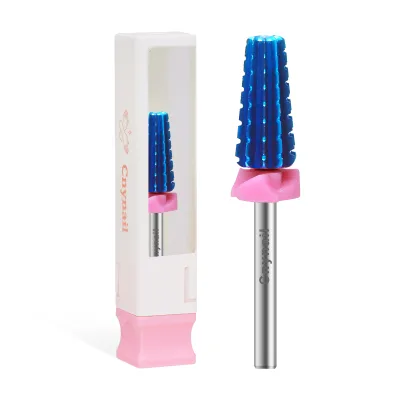
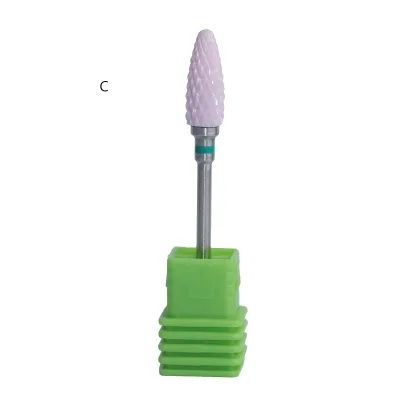
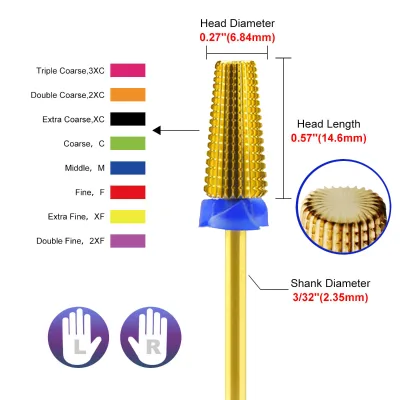
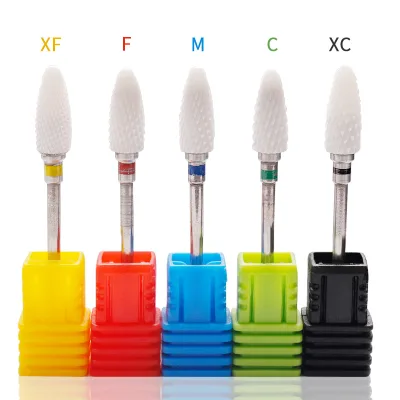




Comprehensive Sourcing Guide
Gel Acrylic Nail Drill Bit Sourcing Guide
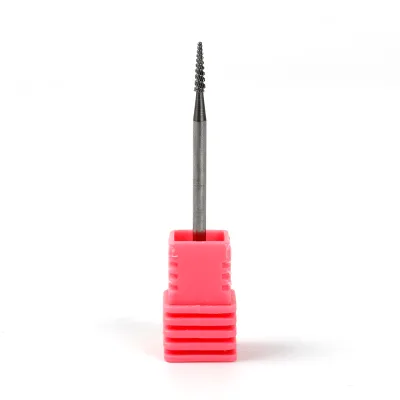
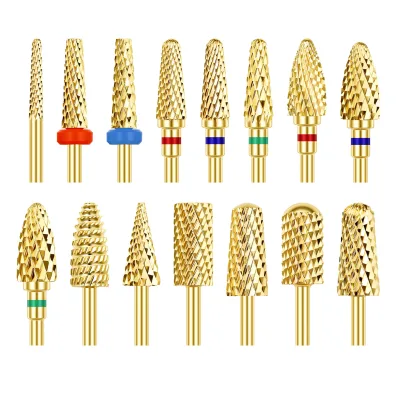
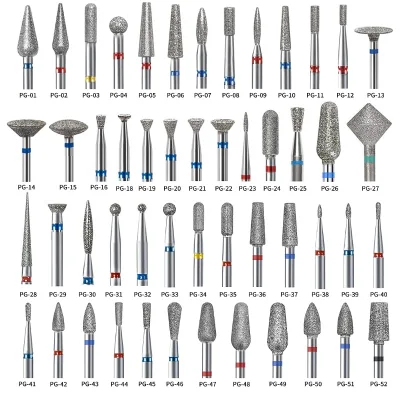
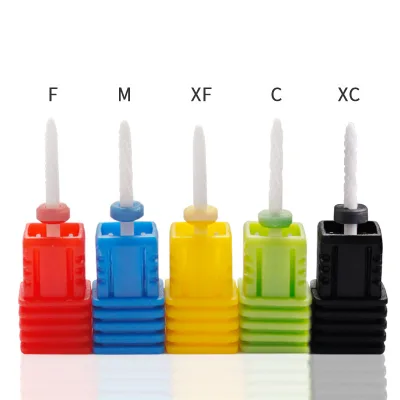
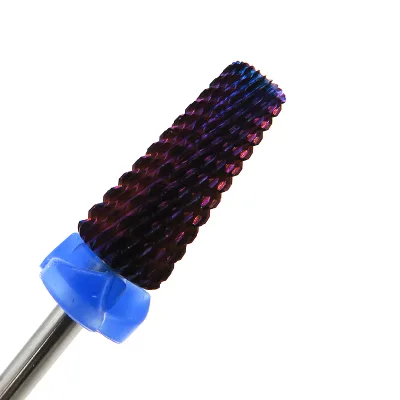
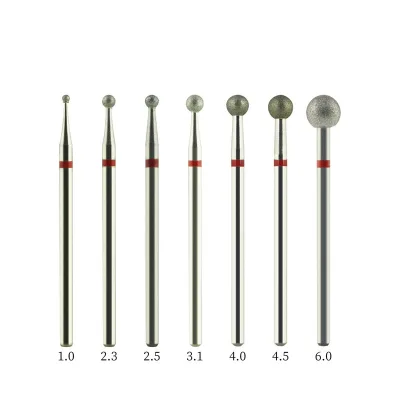
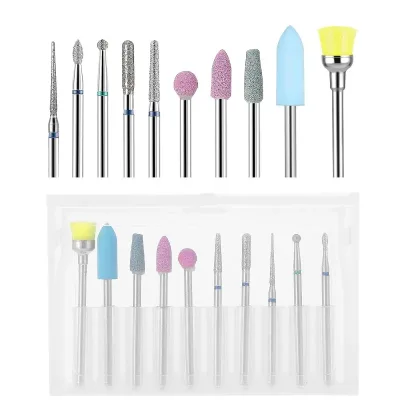
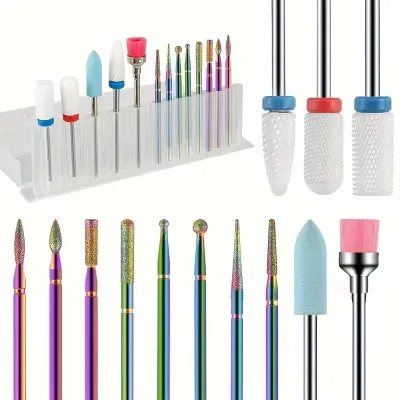
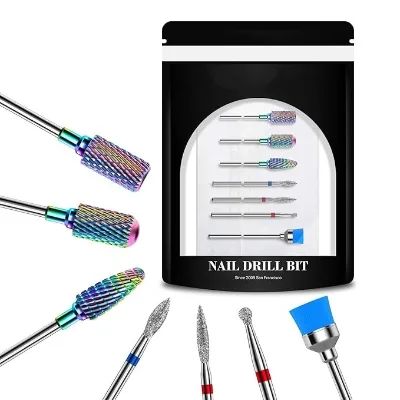
Sourcing gel acrylic nail drill bits requires a clear understanding of the diverse product landscape available from manufacturers, primarily concentrated in regions like Jiangxi and Jiangsu in China. Buyers must navigate a market where materials range from tungsten carbide and stainless steel to tungsten steel, each offering distinct durability and cutting characteristics. The observed listings indicate a wide variety of shapes, including umbrella-shaped, corn-shaped, spiral, and ball flame designs, which cater to specific manicure and pedicure tasks such as cuticle cleaning and acrylic removal.
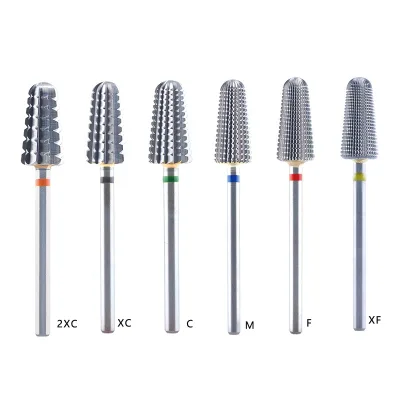
Procurement teams should recognize that these tools are often marketed with specific grit levels, such as coarse, medium, and fine, to address different stages of nail preparation and removal. The presence of OEM and ODM services suggests that brands can customize logos and packaging, provided they meet minimum order quantities that vary significantly across suppliers. Understanding these material and design variations is crucial for selecting the right tool for specific salon services, ensuring that the purchased bits align with the intended application and client expectations.
Product Scope and Observed Listing Signals
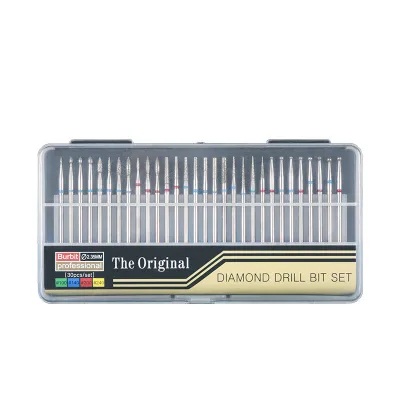
The current market signals reveal a broad spectrum of product attributes, with prices observed between 0.5 and 10 USD per unit, reflecting differences in material quality and manufacturing complexity. Minimum order quantities (MOQ) are flexible, ranging from as low as 1 piece to 500 pieces, allowing both small retailers and large distributors to find suitable entry points. Common specifications include shank sizes of 2.3 mm and single package weights that vary from 0.012 kg to 5.000 kg, depending on the packaging density and the specific bit design.
Shipping methods typically include major carriers like DHL, UPS, and Fedex, ensuring global reach for these small, lightweight items. Products are often packaged in plastic boxes or individual packs, with some suppliers offering customized logo printing for orders exceeding 500 pieces. The availability of samples is a key signal for buyer confidence, allowing procurement teams to test the grit consistency and shape accuracy before committing to larger bulk orders. These signals help buyers gauge the scalability and customization potential of their supply chain.
Technical Specifications to Verify
Verifying the shank size is critical to ensure compatibility with existing nail drill machines, as the observed listings frequently specify a 2.3 mm shank. Buyers must confirm that the drill bits match the collet size of their equipment to prevent slippage or damage during high-speed operation. Additionally, the shape of the bit, whether round, ball flame, spiral, or corn-shaped, must be validated against the specific tasks required, such as removing acrylic gel or cleaning cuticles, to ensure operational efficiency.
The grit level, categorized as coarse, medium, or fine, directly impacts the cutting speed and finish quality. Procurement teams should request physical samples to assess the grit uniformity and the sharpness of the cutting edges. Material composition, whether tungsten carbide, stainless steel, or tungsten steel, also needs verification to ensure durability and resistance to wear. Confirming these technical details prevents mismatches between the tool’s performance and the salon’s service standards, reducing the risk of product returns or customer dissatisfaction.
Compliance and Safety Documentation
While specific certification statuses are not detailed in the observed listings, buyers must ensure that all nail drill bits comply with relevant safety standards for cosmetic tools. This includes verifying that the materials used do not contain harmful substances that could pose risks during close contact with skin and nails. Suppliers should be asked to provide material safety data sheets (MSDS) or similar documentation to confirm the purity and safety of the tungsten carbide or stainless steel components.
Packaging and labeling must also adhere to local regulations, particularly regarding the clear identification of product specifications, origin, and care instructions. Buyers should verify that the packaging protects the drill bits from damage during transit, as broken or dull bits can compromise service quality. Ensuring that the supplier follows good manufacturing practices (GMP) for cosmetic tools can further mitigate risks associated with product quality and safety, providing an additional layer of assurance for end-users.
Cost Drivers and Commercial Terms
The cost of gel acrylic nail drill bits is influenced by several factors, including the material type, shape complexity, and packaging requirements. Tungsten carbide bits, for instance, may command a higher price due to their superior durability and cutting efficiency compared to standard stainless steel options. Customization services, such as logo printing or unique packaging designs, also add to the unit cost, especially when the order quantity does not meet the supplier’s threshold for cost-effective production runs.
Commercial terms, including MOQ and payment conditions, vary significantly among suppliers. Some suppliers offer low MOQs of 10 or 20 pieces, which is ideal for testing new products, while others require 500 pieces for customized orders. Buyers should negotiate clear terms regarding sample availability, shipping costs, and lead times to manage cash flow and inventory levels effectively. Understanding these cost drivers helps in budgeting accurately and selecting suppliers that offer the best value for specific procurement needs.
Supplier Qualification and Quality Control
Qualifying suppliers involves assessing their manufacturing capabilities, quality control processes, and ability to meet customization requests. Buyers should verify the supplier’s place of origin, with Jiangxi and Jiangsu being common hubs for these products, and inquire about their production capacity and lead times. Requesting references or case studies from other clients can provide insights into the supplier’s reliability and consistency in delivering high-quality nail drill bits.
Quality control measures should include regular inspections of the grit uniformity, shape accuracy, and shank dimensions. Buyers should establish clear acceptance criteria for incoming goods and consider implementing third-party inspection services for large orders. Additionally, suppliers should be evaluated on their responsiveness to issues and their willingness to provide replacements or refunds for defective products. A robust supplier qualification process ensures a stable supply chain and minimizes the risk of operational disruptions.
Long-Term Procurement Checks
Long-term procurement success depends on continuous monitoring of supplier performance and market trends. Buyers should regularly review supplier metrics, such as on-time delivery rates, product defect rates, and responsiveness to inquiries. Establishing a structured feedback loop with suppliers can help identify areas for improvement and foster a collaborative relationship that benefits both parties. Regular audits of the supply chain can also uncover potential risks and ensure compliance with evolving industry standards.
Staying informed about new product developments, such as innovative shapes or materials, can provide a competitive advantage in the market. Buyers should engage with suppliers to explore opportunities for product differentiation and cost optimization. Additionally, maintaining a diversified supplier base can mitigate risks associated with single-source dependencies. By proactively managing these long-term checks, buyers can ensure a resilient and efficient procurement process for gel acrylic nail drill bits.
FAQs
What materials are used for these nail drill bits?
The nail drill bits are primarily manufactured from tungsten carbide and stainless steel. Some variants are made from tungsten steel. These durable materials ensure effective removal of acrylic and gel nails while maintaining sharpness during manicure and pedicure procedures.
Can I customize the logo on the drill bits?
Yes, logo customization is available for these nail drill bits. The minimum order quantity for custom logos is 500 pieces. This allows businesses to brand their manicure tools effectively while meeting the specified production requirements for personalized packaging and product labeling.
What is the minimum order quantity for samples?
Samples are available for these nail drill bits. The minimum order quantity for samples is typically 10 pieces, though some listings indicate 20 pieces. This low MOQ allows buyers to test product quality and specifications before committing to larger bulk orders.
Which grit sizes are available for these drill bits?
The available grit sizes include coarse, medium, and fine options. These different grits cater to various nail care needs, from removing thick acrylics to smoothing gel surfaces. The specific grit size can be selected based on the desired finish and nail type.
Where are these nail drill bits manufactured?
These nail drill bits are manufactured in Jiangxi and Jiangsu, China. The products originate from these specific regions, ensuring consistent quality standards. Buyers can verify the place of origin to align with their sourcing preferences and supply chain requirements for nail care tools.
What packaging options are provided for the drill bits?
The drill bits are packaged in plastic boxes or individual packs. Each unit typically contains one piece per box or pack. The single package size varies, with dimensions around 25x23x15 cm for some items and smaller sizes for others, ensuring safe transport.