Washable Straight Nail File Suppliers and Manufacturers
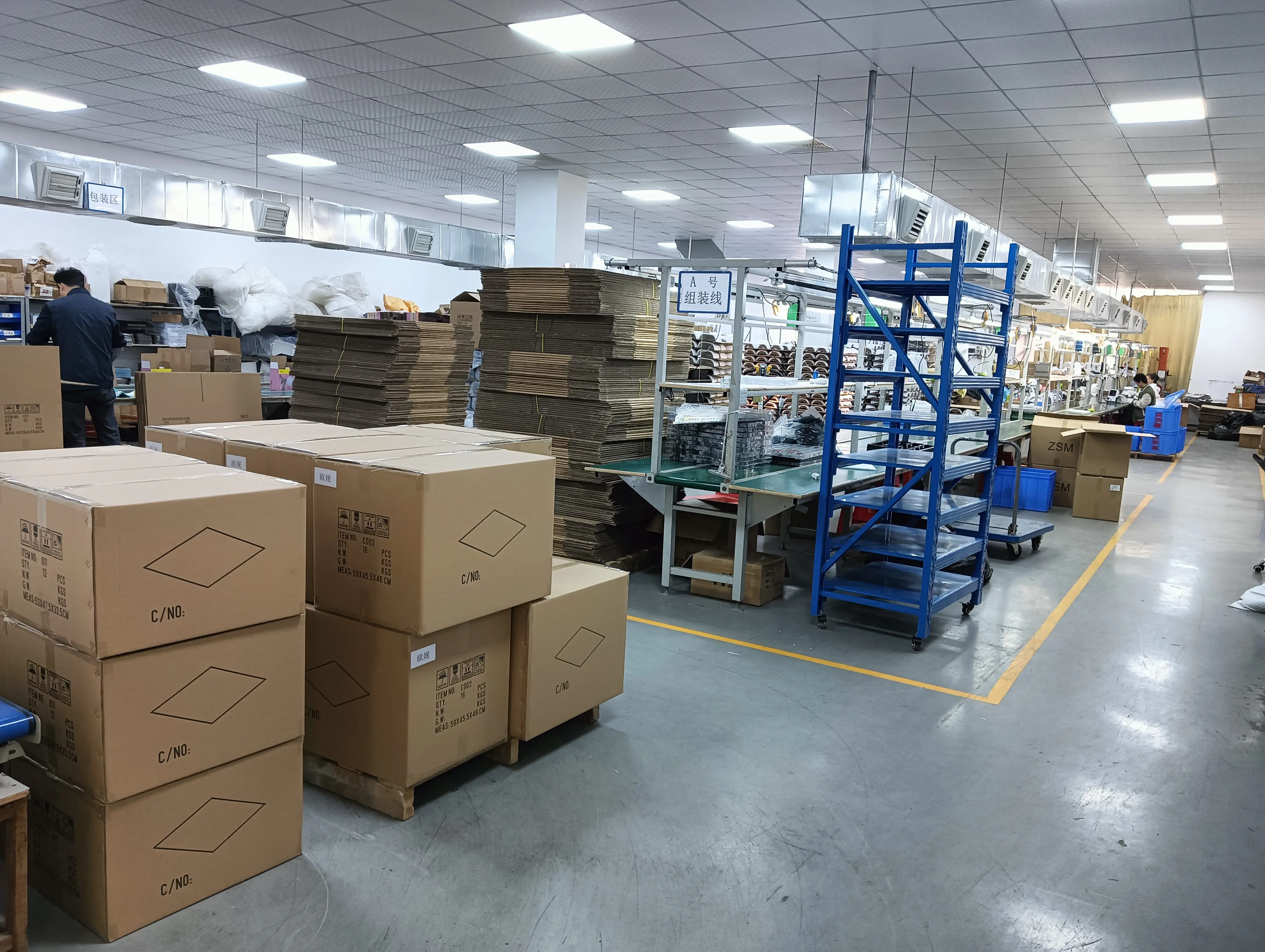
Compare 29 verified suppliers offering washable straight nail files with varying lead times, certifications, and customization options. Review response times and MOQs to select the right partner for your bulk orders; review the available evidence before requesting comparable quotations from suitable candidates.
Updated
Suppliers List

Ningbo Yoheng Imp & Exp Co., Ltd.
- Verified by SGS
- Trading Company
- China Zhejiang
- Lead time30 days
- Avg. response≤ 4h
Main marketsEurope
- Verified by SGS Group
- Manufacturer, Trading Company
- Lead time15 days
- Avg. response≤ 4h
Main productsNail Lamp, Nail Drill, Nail Dust Collector, Nail File, Nail Brush
Main marketsNorth America(30%), Eastern Europe(15%), Western Europe(15%)
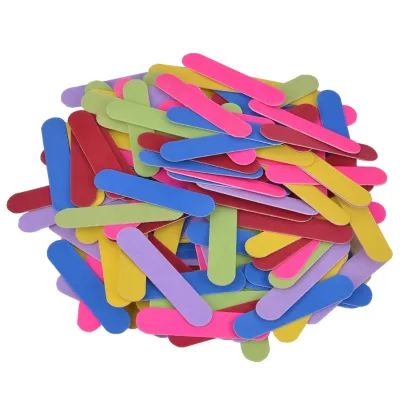
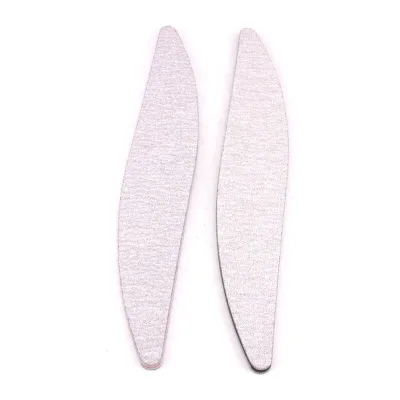
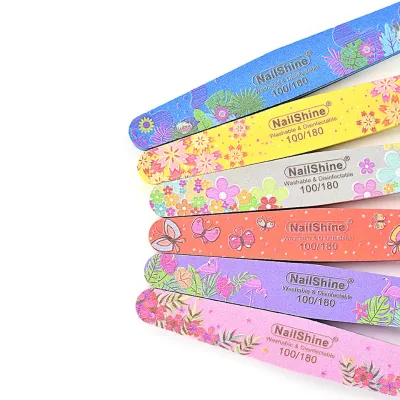
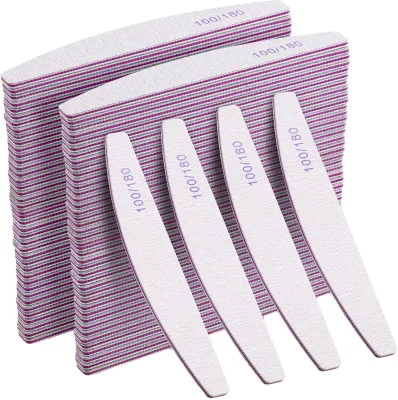
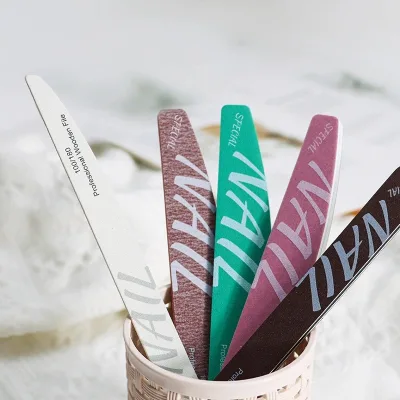
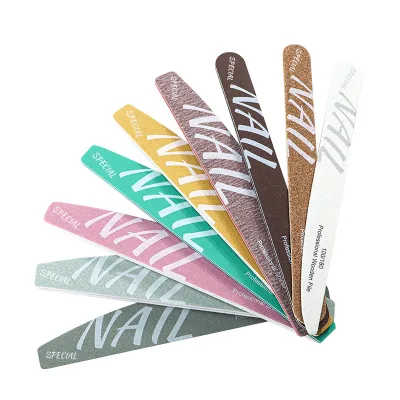
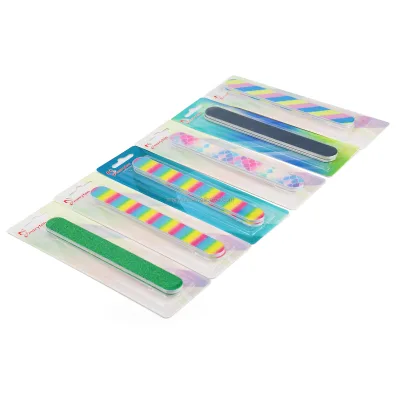
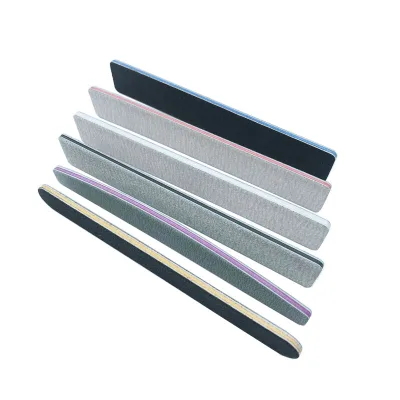
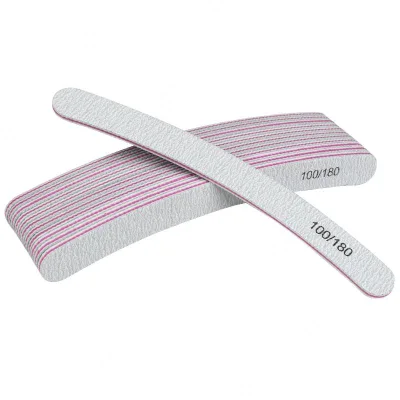
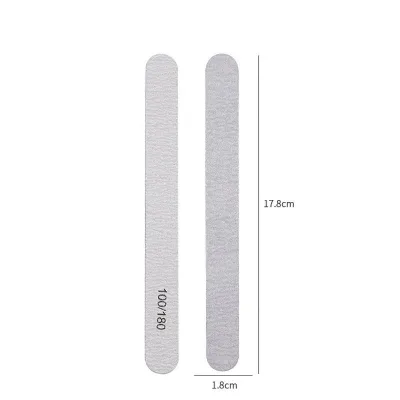
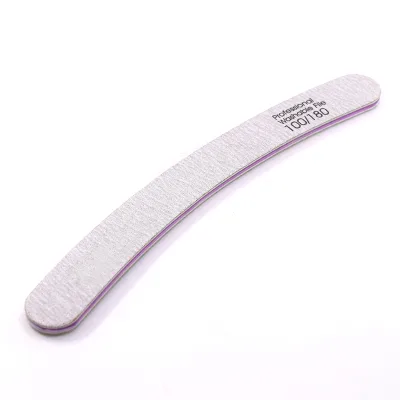
Professional Willow Nail Files Nail Art Sanding Files 100/180 Washable Zebra Nail File for Nail Care
$0.12 - $0.16
MOQ: 100 pieces
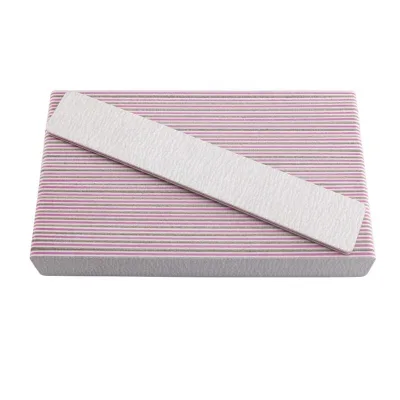
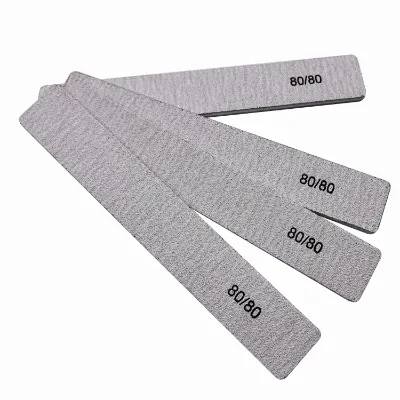
Hot Sale Professional 100/180 80/80 Sandpaper Zebra Nail Manicure File Washable Nail Files
$0.1035 - $0.1664
MOQ: 100 pieces
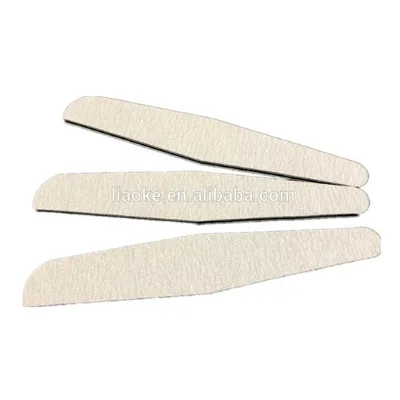
New Double Side 100/180 High Quality Custom Logo Professional White Nail File Washable Nail File
$0.0934 - $0.1452
MOQ: 1000 pieces
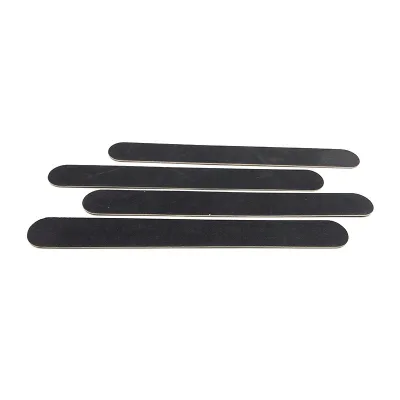
Disposable Thin Wood Nail File for Natural Nails OEM Custom Black Wood Nail File
$0.04 - $0.06
MOQ: 1000 pieces
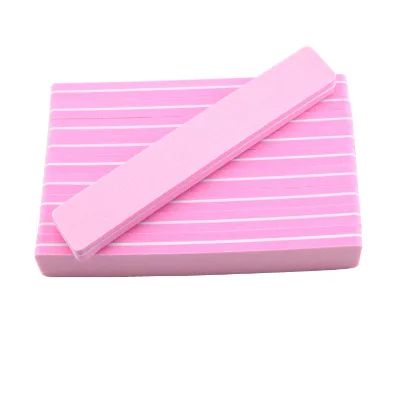

Hubei Zhongtai Abrasive Tools Co., Ltd.
- Verified by SGS
- Combined
- China Hubei
- Lead time30 days
- Avg. response≤ 8h
Main productsSand Paper, Sanding Sponge Block, Abrasive Cloth Roll
Main marketsSouth America,Southeast Asia/ Mideast,East Asia(Japan/ South Korea),Europe


Professional Custom Double Side Disposable Nail File 100/180 Sandpaper Nail File
$0.12 - $0.13
MOQ: 2000 Pieces
Xiamen Berous Pumice Co., Ltd.
- Manufacturer
- Fujian, China
- Lead time0 days
- Avg. response≤ 3h
Main productsPedicure&Manicure Kit,Nail File,PU Pumice,Nail Buffer,Pedicure Liner
Main marketsSouth America(25.00%), North America(25.00%), Central America(20.00%), Eastern Europe(7.00%), Northern Europe(5.00%), Southern Europe(3.00%), Eastern Asia(3.00%), Western Europe(3.00%), Africa(2.00%), Mid East(2.00%), Oceania(2.00%), Southeast Asia(2.00%), South Asia(1.00%)
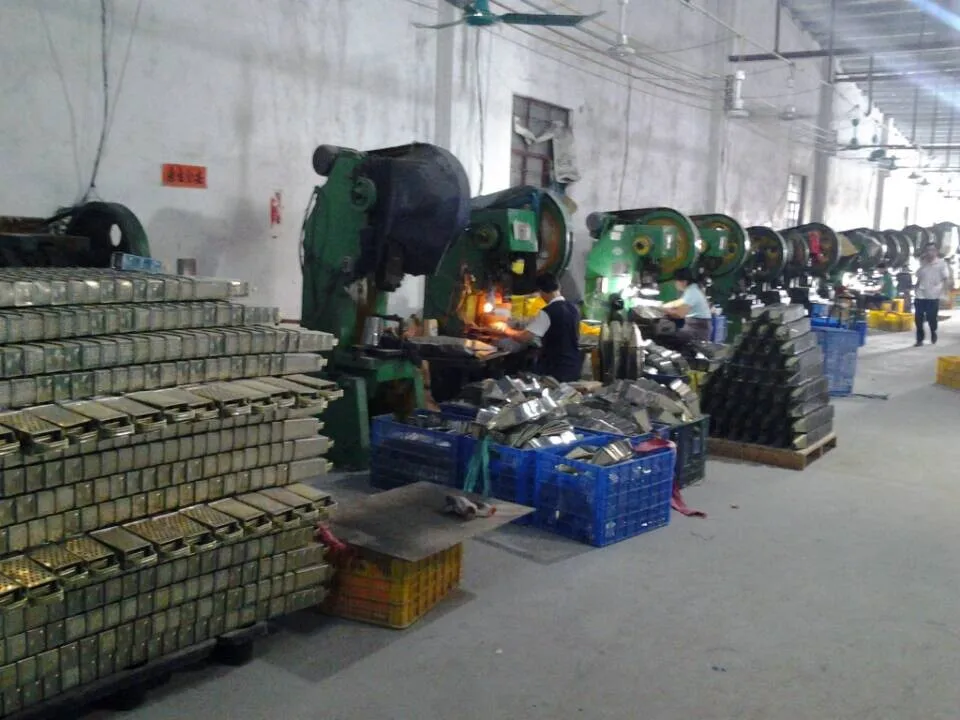
Huorun Import & Export Co., Ltd. (ASIA BEST BRANCH)
- Trading Company
- Guangdong, China
- Lead time30 days
- Avg. response≤ 11h
Main productsKitchen Knife & Scissor,Kitchen Tools,BBQ Tools,Wooden Cutting Boards,Manicure & Beauty Tools
Main marketsWestern Europe(45.00%), South America(20.00%), Eastern Asia(10.00%), Northern Europe(10.00%), Eastern Europe(5.00%), Central America(5.00%), North America(5.00%)

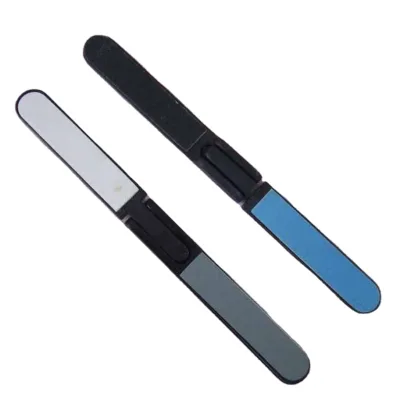
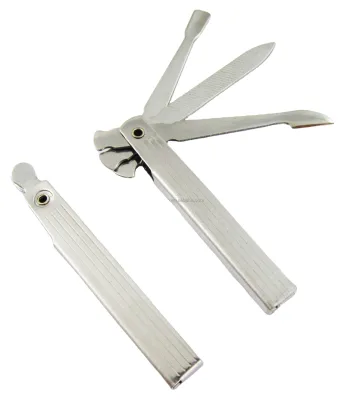
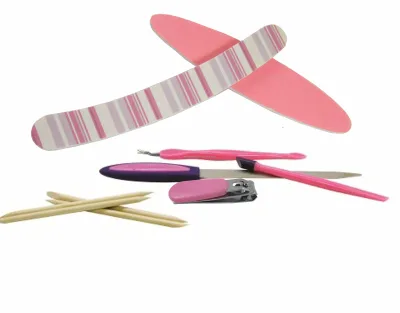
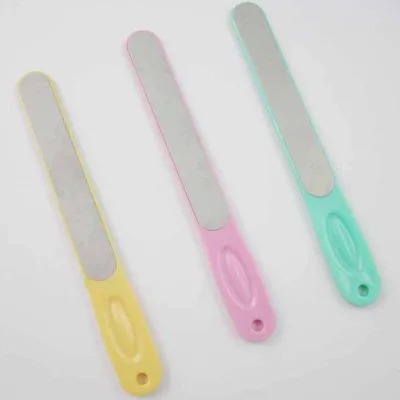
Convenient Single Side Personalized Baby Nail File
$0.10 - $0.16

Dalian Makeauty Technology Co., Ltd
- Verified by TUVRHEINLAND
- Trading Company
- China Liaoning
- Lead time30 days
- Avg. response≤ 7h
Main productsSalon Gel Nail Tips, Nail File Buffers, Gel Polish, Nail Stickers Wraps, Nail Manicure Tools, Nail Lamps, Press on Artificial Nails
Main marketsEurope,North America
Dongguan Dongri Electromechanical Technology Co.,Ltd.
- Verified by TüVRheinland
- Manufacturer, Trading Company
- Lead time20 days
- Avg. response≤ 2h
Main productsNail Drill, Nail Lamp, Nail Dust Collector
Main marketsNorth America(30%), Eastern Europe(20%), Western Europe(15%)

Yiwu Loboter Electrical Appliance Factory
- Manufacturer, Trading Company
- Zhejiang, China
- Lead time25 days
- Avg. response≤ 3h
Main productsnail lamp,Nail dust collector,nail drill,Sterilizer,na
Main marketsNorthern Europe(30.00%), North America(10.00%), Southern Europe(10.00%), Mid East(5.00%)
Nanchang Faria Cosmetics Co., Ltd.
- Manufacturer, Trading Company
- Jiangxi, China
- Lead time7 days
- Avg. response≤ 4h
Main productsStationery,Cosmetic utensils,Beauty tools,Oil painting consumables
Main marketsNorth America(30.00%), Eastern Europe(20.00%), Western Europe(20.00%), Northern Europe(20.00%), Southern Europe(10.00%)
- Trading Company
- Zhejiang, China
- Lead time35 days
- Avg. response≤ 5h
Main productsNail File,Foot file,Manicure Set,Beauty Scissors,Eyebrow Trimmer
Main marketsDomestic Market(56.00%), North America(18.00%), Southeast Asia(8.00%), Africa(5.00%), Eastern Europe(5.00%), Oceania(3.00%), South America(2.00%), Mid East(1.00%), South Asia(1.00%), Eastern Asia(1.00%)
Badi Industry Co., Ltd. Guangdong
- Manufacturer, Trading Company
- Lead time旺季: "1 - 500":10,"501 - 1000":12,"> 1000":"To be negotiated", 淡季: "1 - 500":10,"501 - 1000":12,"> 1000":"To be negotiated"
- Avg. response≤ 2h
Main productsMakeup Tools,Eyelash Extension Products,Nail Products,Tattoo Sticker,PMU Products

Foshan Fengdeli Nail Clippers Manufacturing Co., Ltd.
- Trading Company,Manufacturer/Factory
- China Guangdong
- Lead time45 days
- Avg. response≤ 4h
Main productsNail Clipper, Manicure Set, Tweezers, Pedicure Implements, Baby Gifts, Scissors, Beauty Set, Key Rings, Nail Files, Promotion Gifts
Main marketsSouth America,Eastern Europe,Mid East,North America,Southeast Asia,Western Europe,Africa


New Style Manufacturers Safety Nail File with Plastic Case for Makeup Products
$0.76 - $0.85
MOQ: 3000 Pieces


Fujian Nanan Maryton Commodity Co., Ltd.
- Manufacturer
- Fujian, China
- Lead time20 days
- Avg. response≤ 4h
Main productsSpa Liner,Pedicure Kit,Manicure Kit,Pumice Stone,Nail Buffer
Main marketsNorth America(70.00%), Western Europe(20.00%), Africa(5.00%), Mid East(5.00%)
Yiwu Jiaxiu Import And Export Co., Ltd.
- Trading Company
- Zhejiang, China
- Lead time0 days
- Avg. response≤ 7h
Main productsnail tips,nail sticker,nail decoration,nail drill,nail tools
Main marketsNorth America(80.00%), South America(10.00%), Southeast Asia(5.00%), Eastern Europe(5.00%)
Hefei Leyimei Trading Co., Ltd.
- Trading Company
- Anhui, China
- Lead time10 days
- Avg. response≤ 3h
Main productsnail lamp,nail drill,nail brush,nail file,nail tool
Main marketsNorth America(50.00%), Western Europe(15.00%), South America(10.00%), Eastern Europe(10.00%), Southern Europe(10.00%), Northern Europe(5.00%)

- Verified by BV
- Manufacturer/Factory
- China Fujian
- Lead time15 days
- Avg. response≤ 25h
Main productsWater Bottle, Kitchen Ware, Shoes, Plastic Product, Bag, Toy
Main marketsSouth America,Eastern Europe,Mid East,North America,Southeast Asia,Eastern Asia,Oceania,Western Europe,Africa
- Manufacturer
- Zhejiang, China
- Lead time10 days
- Avg. response≤ 3h
Main productsLED UV Lamp,UV Lamp,LED UV Gel,Nail UV Lamp
Main marketsEastern Asia(45.00%), Western Europe(20.00%), Oceania(10.00%), North America(10.00%), Eastern Europe(5.00%), Southeast Asia(5.00%), Mid East(5.00%)
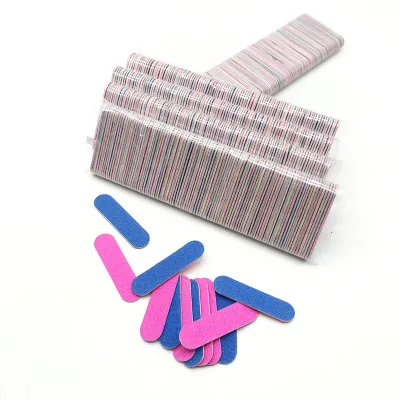
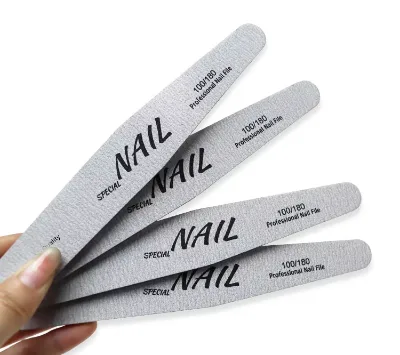
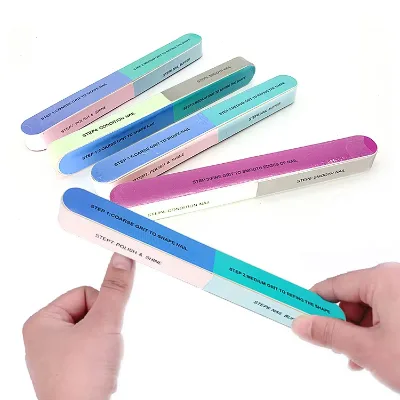
$0.1889 - $0.2084
MOQ: 10 pieces
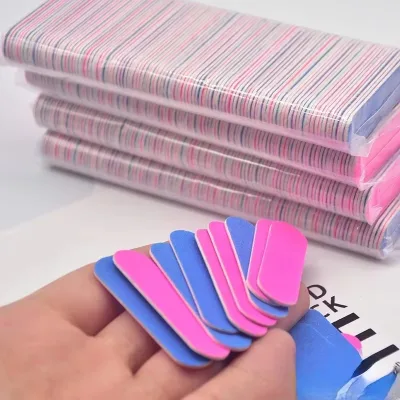
$0.8334 - $0.8859
MOQ: 100 pieces
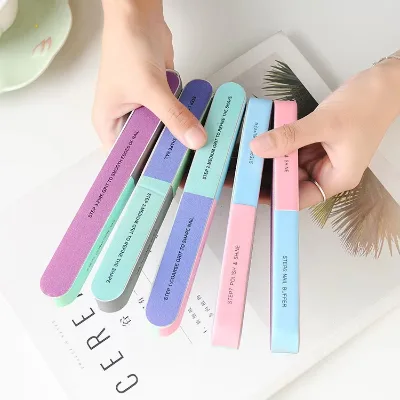

Jinjiang Lingyuan Suiquan Crafts Firm
- Verified by BV
- Trading Company
- China Fujian
- Lead time23 days
- Avg. response≤ 6h
Main productsPromotional Gift Products, Timing Belt, Diamond Tools
Main marketsSouth America,Eastern Europe,Mid East,North America,Southeast Asia,Eastern Asia,Oceania,Western Europe,Africa

Yangzhou Top Daily Chemical Co., Ltd.
- Verified by SGS
- Trading Company
- China Jiangsu
- Lead time30 days
- Avg. response≤ 3h
Main marketsSoutheast Asia/ Mideast,East Asia(Japan/ South Korea),Domestic,Europe,Australia


Professional Manufacturers Sell Custom Logo 3 Sides Nail File Nail Care Tool
$0.07 - $0.08
MOQ: 5000 Pieces


- Verified by TUVRHEINLAND
- Trading Company
- China Guangdong
- Lead time15 days
- Avg. response≤ 3h
Main productsBeauty Tools, Tweezer, Eyelash Curler, Manicure Set, Cosmetic Mirror, Implement, Pedicure, Make up
Main marketsEurope

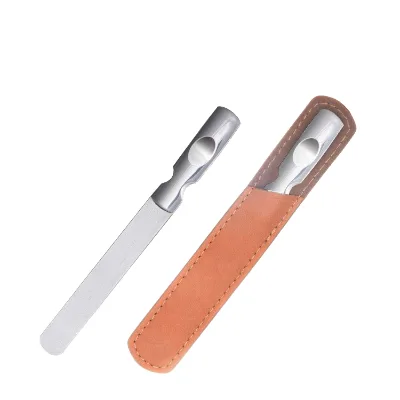
Stainless Steel Nail File Double Side Manicure Pedicure Supplies Nail Art Tools Nails File
$0.20 - $0.45
MOQ: 500 Pieces

Personal Care Foot Nail File Nails Art Buffer Pedicure Manicure Supplies Tool Kit
$0.38 - $0.50
MOQ: 1000 Pieces
Yiwu Felice Cosmetic Co., Ltd.
- Manufacturer, Trading Company
- Zhejiang, China
- Lead time15 days
- Avg. response≤ 5h
Main productsNail Files, Nail Stickers, Nail Machine, Nail Tips, Nail Art Tools
Main marketsNorth America(30.00%), North America(30.00%), Eastern Europe(15.00%), Eastern Europe(15.00%), Oceania(10.00%), Southern Europe(10.00%), Northern Europe(10.00%), Mid East(10.00%), Oceania(10.00%), Southern Europe(10.00%), Northern Europe(10.00%), Mid East(10.00%), Western Europe(5.00%), Western Europe(5.00%), South America(4.00%), South America(4.00%), Central America(3.00%), Central America(3.00%), Eastern Asia(2.00%), Eastern Asia(2.00%), Africa(1.00%), Africa(1.00%)

Jiangxi Orange Trading Co., Ltd.
- Trading Company
- Jiangxi Province, China
- Lead time15 days
- Avg. response≤ 1h
Main productsNail Art Brush,Makeup Brush,Paint Artist Brush
Main marketsNorth America(35.00%), South America(20.00%), Western Europe(13.00%), Central America(10.00%), Northern Europe(5.00%), Africa(3.00%), South Asia(2.00%), Southern Europe(2.00%), Oceania(2.00%), Southeast Asia(2.00%), Eastern Europe(2.00%), Eastern Asia(2.00%), Mid East(2.00%)

Yangjiang Baoyue Cosmetic Appliance Co., Ltd.
- Manufacturer, Trading Company
- Guangdong, China
- Lead time3 days
- Avg. response≤ 5h
Main productsNail File,Glass Nail File,Buffer Block,Toe Separators,Foot File
Main marketsEastern Europe(30.00%), Western Europe(30.00%), North America(20.00%), Mid East(10.00%), Eastern Asia(10.00%)
Shanghai Chiyan Abrasives Co., Ltd.
- Verified by SGS Group
- Trading Company
- Lead time3 days
- Avg. response≤ 3h
Main productsNail Brush, Nail Sanding Band, Nail Drill Bits, Nail Drill Machine, Nail Tool
Main marketsNorth America(50%), Western Europe(40%), Domestic Market(10%)
Foshan Huijiesi Technology Co., Ltd.
- Manufacturer, Distributor/Wholesaler
- Guangdong, China
- Lead time15 days
- Avg. response≤ 2h
Main productsnail drill,RF beauty machine,baby nasal aspirator,hair removal
Main marketsNorth America(30.00%), Eastern Europe(20.00%), Domestic Market(15.00%), South America(10.00%), Africa(5.00%), Southern Europe(5.00%), Northern Europe(5.00%), Western Europe(5.00%), Mid East(5.00%)
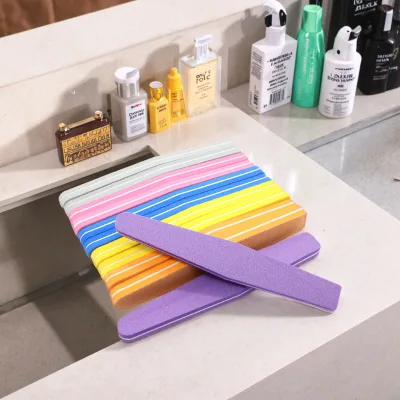
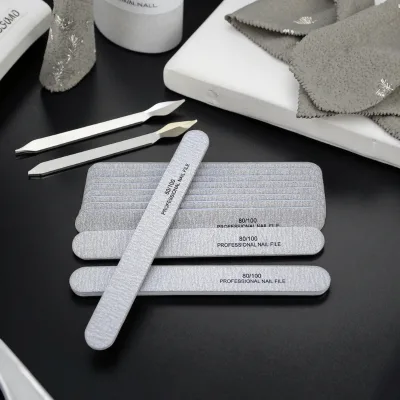
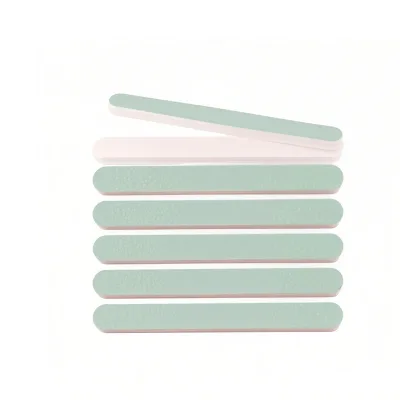
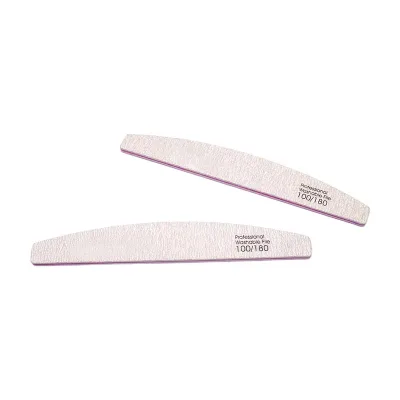
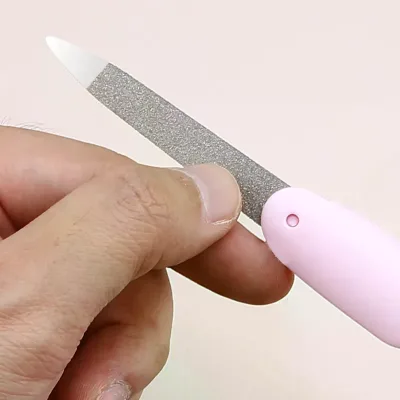
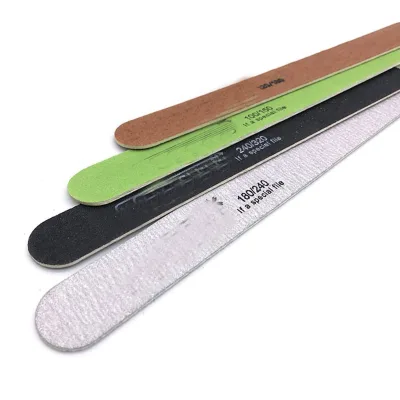
High-Grade Gray Sand Emery Nail File Washable 80/100/180/240 Chip Dual Side Type
$0.2578
MOQ: 1 Minimum
Guangzhou Langma Technology Co., Ltd.
- Manufacturer, Trading Company
- Guangdong, China
- Lead time5 days
- Avg. response≤ 3h
Main productsnail lamp,Nail drill machine,Nail Dust collector,Nail Cosmetic
Main marketsAfrica(20.00%), Southeast Asia(20.00%), Eastern Europe(20.00%), South America(20.00%), North America(20.00%)
$0.30 - $0.55
MOQ: 200 pieces
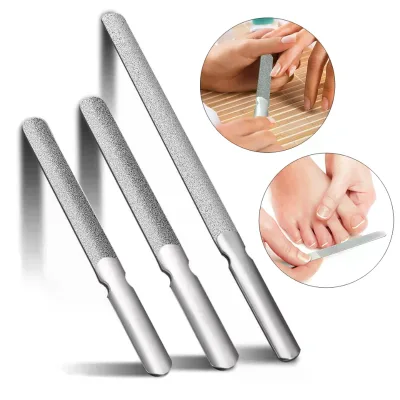
$0.9264 - $1.0853
MOQ: 188 Minimum
Guangzhou Hengyuntong Daily Necessities Co., Ltd.
- Manufacturer, Trading Company, Distributor/Wholesaler
- Guangdong, China
- Lead time0 days
- Avg. response≤ 2h
Main productsBeauty,Shoe accessories
Main marketsSouth Asia(30.00%), Southern Europe(30.00%), Northern Europe(30.00%), Central America(30.00%), Western Europe(30.00%), Eastern Asia(30.00%), Mid East(30.00%), Oceania(30.00%), Africa(30.00%), Southeast Asia(30.00%), Domestic Market(30.00%), South America(30.00%), North America(30.00%), Eastern Europe(3.00%)

Tianjin Hengsheng Technology Development Co., Ltd.
- Verified by SGS
- Combined
- China Tianjin
- Lead time30 days
- Avg. response≤ 17h
Main productsDiamond Tools, Diamond Band Saw Blade, Diamond Glass Grinder, Diamond Grinder Bit, Diamond Drill, Microwave Kiln, Diamond File, Diamond Hole Opener
Main marketsDomestic,Europe

YIWU BEAUTYPLUS ART NAIL CO., LTD.
- Verified by BV
- Trading Company
- China Zhejiang
- Lead time30 days
- Avg. response≤ 23h
Main productsNail Art, UV Lamp, Nail File, Nail Tips, Nail Care, Nail Tools, Acrylic Brush, Nail Drill, LED UV Lamp, Nail Decorations
Main marketsSouth America,Europe,Australia,North America


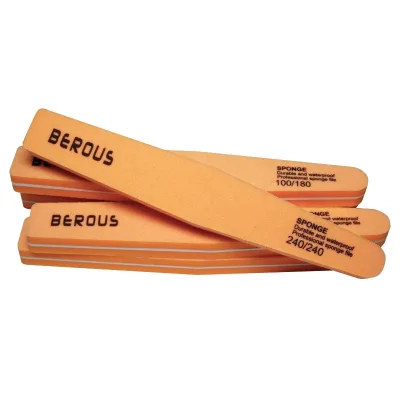
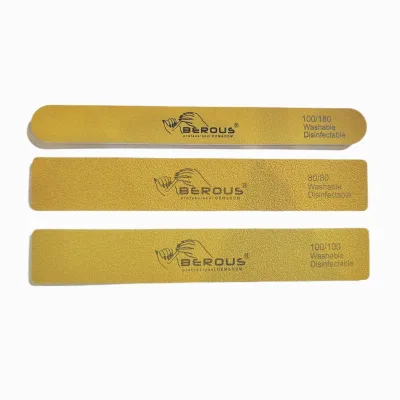


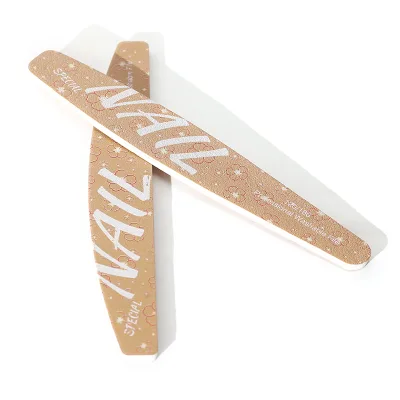
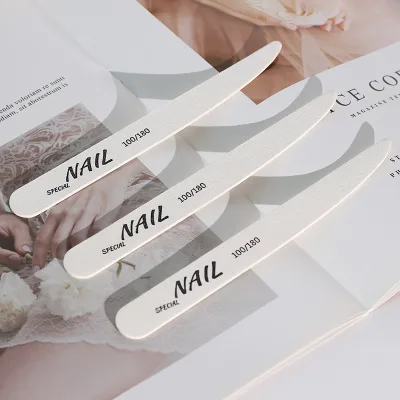





Comprehensive Sourcing Guide
Washable Straight Nail File Supplier Concentration and Factory Types
The sourcing landscape for washable straight nail files reveals a distinct concentration of manufacturing and trading entities within specific industrial regions in China. Current data indicates that suppliers are heavily clustered in Zhejiang province, with Yiwu emerging as a notable origin point for these specific beauty tools. This geographic concentration is not accidental; it reflects a mature supply chain ecosystem where raw material sourcing, mold manufacturing, and final assembly are integrated within close proximity. Buyers evaluating this category should recognize that a significant portion of available inventory originates from this region, which often correlates with competitive pricing structures due to economies of scale. However, the presence of suppliers in Zhejiang does not guarantee uniform quality or capability across all vendors. The cluster includes both pure trading companies and hybrid entities that combine manufacturing with direct sales. Understanding this mix is crucial because trading companies may offer broader product ranges and flexible order sizes, while manufacturers might provide deeper customization options for OEM requests. The concentration also implies that logistics infrastructure is optimized for these goods, potentially reducing shipping times and costs for international buyers. Nevertheless, buyers must verify the actual operational nature of each supplier, as some trading companies may simply be reselling goods from other factories within the same province. This distinction affects lead times, communication efficiency, and the ability to resolve quality issues. The dominance of Zhejiang-based suppliers suggests that buyers can expect a high volume of options, but it also necessitates rigorous due diligence to separate genuine manufacturers from intermediaries. The geographic focus provides a starting point for sourcing, but it should not be the sole criterion for selection. Buyers should use location data as one layer of verification, ensuring that the supplier’s stated location matches their operational reality. This approach helps mitigate the risk of engaging with shell companies or unverified resellers who may lack direct control over production quality. By acknowledging the regional concentration, buyers can better anticipate market dynamics and negotiate from a position of informed understanding.
How to Verify Washable Straight Nail File Suppliers
Verification of suppliers requires a multi-layered approach that goes beyond simple profile reviews, focusing on tangible evidence of capability and legitimacy. One critical step is to examine third-party verification badges, such as SGS, which indicate that an independent agency has assessed the supplier’s business operations. In the current dataset, several suppliers display SGS verification, providing a baseline level of trust regarding their business existence and basic compliance. However, verification badges alone do not guarantee product quality or production capacity. Buyers must also scrutinize the supplier’s company type, distinguishing between pure trading companies and those that list themselves as manufacturers or hybrid entities. This distinction is vital because it influences the level of control the buyer has over the production process. For suppliers claiming manufacturing capabilities, buyers should request evidence of their production lines, such as photos or videos of the factory floor, or details about their OEM/ODM capacities. The presence of OEM acceptance in product attributes is a strong indicator of manufacturing flexibility, allowing for custom branding and packaging. Additionally, buyers should verify the supplier’s response time, as a quick and professional reply often correlates with better customer service and operational efficiency. In the observed results, response times vary, with some suppliers responding within a few hours, which is advantageous for urgent inquiries. Buyers should also check for system certifications, although many nail file suppliers may not hold extensive electronic certifications like CE or FCC, which are more relevant to electric nail tools. For non-electric files, the absence of such certifications is normal, but buyers should still inquire about material safety standards and quality control processes. It is also prudent to request samples before placing bulk orders to physically assess the washability, durability, and finish of the nail files. This hands-on verification is the most reliable way to ensure the product meets specific quality expectations. By combining digital verification with physical sampling, buyers can build a more accurate picture of supplier reliability. This holistic verification strategy reduces the risk of partnering with unreliable vendors and ensures that the final products align with brand standards.
What to Compare Across Washable Straight Nail File Suppliers
When evaluating multiple suppliers, buyers should compare key operational metrics to identify the best fit for their specific business needs. Lead time is a critical factor, as it directly impacts inventory management and customer satisfaction. In the current results, lead times vary significantly, with some suppliers offering as little as fifteen days, while others require up to thirty days. This variance allows buyers to choose between speed and potentially lower costs, depending on their urgency. Minimum Order Quantity (MOQ) is another essential comparison point, as it affects cash flow and storage requirements. Some suppliers have MOQs as low as two hundred pieces, which is ideal for small businesses or testing new markets, while others require three thousand pieces or more. This range provides flexibility for buyers with different scale requirements. Pricing is also a major differentiator, with unit costs ranging from approximately four cents to ten cents per piece, depending on the material and complexity of the file. Buyers should compare these prices against the MOQ and lead time to calculate the total landed cost. Response time is another subtle but important metric, as faster responses often indicate better communication and problem-solving capabilities. In the dataset, response times are recorded in hours, with some suppliers responding in under four hours. This speed can be crucial for resolving issues quickly and maintaining a smooth supply chain. Additionally, buyers should compare the customization options available, such as logo printing, packaging design, and color variations. Suppliers that welcome OEM requests and offer customized packaging provide greater brand flexibility. The product attributes, such as grit size, material type, and dimensions, should also be compared to ensure they meet specific customer preferences. By systematically comparing these metrics, buyers can create a weighted scorecard to objectively evaluate suppliers. This data-driven approach reduces bias and ensures that the final selection is based on concrete performance indicators rather than subjective impressions. It also facilitates better negotiation by providing clear benchmarks for discussion.
Common Washable Straight Nail File Sourcing Risks
Sourcing washable straight nail files involves several inherent risks that buyers must proactively manage to ensure a successful procurement process. One significant risk is the discrepancy between sample quality and bulk production quality. Suppliers may provide high-quality samples that do not reflect the consistency of mass-produced items. This risk is particularly prevalent with suppliers who have high MOQs, as they may cut corners in material sourcing or production processes to maintain profitability. To mitigate this, buyers should include strict quality control clauses in their contracts and consider hiring third-party inspection services before shipment. Another risk is the misrepresentation of supplier capabilities, such as claiming to be a manufacturer when they are actually a trading company. This can lead to communication gaps, higher costs, and limited control over production schedules. Buyers should verify the supplier’s actual operational structure through site visits or detailed video calls. Additionally, there is a risk of intellectual property infringement if buyers provide custom designs or logos without proper legal protections. It is essential to have clear Non-Disclosure Agreements (NDAs) and Non-Circumvention Agreements (NCAs) in place to safeguard proprietary information. Another common risk is the delay in shipment due to unforeseen production issues or logistical bottlenecks. Buyers should maintain open communication with suppliers and request regular production updates to stay informed of any potential delays. Furthermore, there is a risk of receiving products that do not meet specified standards, such as incorrect grit sizes or poor durability. This can be mitigated by clearly defining product specifications in the purchase order and conducting pre-shipment inspections. Buyers should also be aware of the risk of currency fluctuation and shipping cost increases, which can impact the final landed cost. Hedging strategies and fixed-price contracts can help manage these financial risks. By identifying and addressing these common risks early in the sourcing process, buyers can build a more resilient supply chain and protect their business interests. Proactive risk management is key to long-term success in international procurement.
Washable Straight Nail File Regional Sourcing and Logistics
The regional concentration of suppliers in Zhejiang province offers distinct advantages and challenges for logistics and supply chain management. Sourcing from this region typically benefits from well-established export infrastructure, including proximity to major ports like Ningbo-Zhoushan, which facilitates efficient ocean freight. This geographic advantage often results in shorter transit times and lower shipping costs compared to sourcing from more remote industrial areas. However, buyers must also consider the potential for congestion during peak seasons, which can lead to delays in container availability and port handling. To mitigate these risks, buyers should plan their orders well in advance and maintain buffer stock to account for potential logistical disruptions. The concentration of suppliers also means that buyers can consolidate orders from multiple vendors within the same region, reducing overall shipping costs and simplifying customs clearance. This consolidation strategy is particularly effective for buyers sourcing a variety of nail tools, such as files, brushes, and lamps, from the same geographic area. Additionally, the presence of many trading companies in the region can offer flexibility in combining different products into a single shipment, further optimizing logistics. Buyers should also be aware of the environmental and regulatory differences in the region, which may impact production practices and compliance requirements. Ensuring that suppliers adhere to international environmental standards can help avoid potential issues with customs or customer complaints. Furthermore, buyers should consider the impact of local holidays and festivals on production schedules, as these can cause significant delays. Planning around these periods is essential for maintaining a steady supply chain. The regional focus also allows for easier communication and time zone alignment, which can improve collaboration and problem-solving. By leveraging the logistical advantages of the Zhejiang region while mitigating its challenges, buyers can create a more efficient and cost-effective supply chain. This strategic approach enhances overall operational resilience and supports long-term business growth.
Washable Straight Nail File Commercial Terms and Order Planning
Effective commercial terms and order planning are essential for managing the financial and operational aspects of sourcing washable straight nail files. Buyers should negotiate clear payment terms that balance risk and cash flow, such as using secure payment methods like escrow or letters of credit for initial orders. This approach protects both parties and ensures that funds are released only upon satisfactory delivery. Lead time commitments should be explicitly stated in the contract, with penalties for delays to incentivize timely production. In the current market, lead times range from fifteen to thirty days, so buyers should align their order planning with these timelines to avoid stockouts. MOQs vary widely, from two hundred to three thousand pieces, so buyers should choose suppliers that match their volume requirements to avoid excessive inventory costs. Pricing should be fixed for the duration of the order to protect against market fluctuations, and buyers should clarify whether prices include packaging, labeling, and shipping costs. Customization options, such as logo printing and custom packaging, should be agreed upon in advance, with clear specifications to avoid misunderstandings. Buyers should also plan for quality control inspections, budgeting for third-party services if necessary. This ensures that products meet specified standards before shipment. Additionally, buyers should consider the total landed cost, including shipping, insurance, and customs duties, to accurately assess profitability. Regular communication with suppliers is crucial for monitoring production progress and addressing any issues promptly. By establishing robust commercial terms and detailed order plans, buyers can minimize risks and ensure a smooth procurement process. This structured approach supports long-term supplier relationships and contributes to overall business success.
FAQs
What is the price range for washable straight nail files?
Prices for washable straight nail files typically range from $0.0137 to $0.1047 per unit. The final cost depends on the specific material, grit, and customization options selected. Buyers should verify exact pricing based on their order volume and packaging requirements with the supplier.
What is the minimum order quantity for these nail files?
Minimum order quantities vary by product type, ranging from 200 pieces for disposable wooden files to 3000 pieces for specialized waterproof or polishing files. Buyers must check the specific MOQ for their chosen model, as bulk discounts and customization availability often depend on meeting these thresholds.
How long does production take for custom orders?
Standard lead times are generally 15 to 30 days, depending on the supplier's current capacity and order complexity. Some manufacturers offer faster turnaround for sample processing or light customization. Buyers should confirm the exact production schedule with the supplier before finalizing their purchase agreement.
Are these nail files available with custom branding?
Yes, most suppliers welcome OEM customization, including logo printing and custom packaging. Options include individual packages or customized cartons. Buyers can request samples to verify the quality of the branding application before placing a larger order to ensure it meets their specific brand standards.
Where are these nail files manufactured?
These products are primarily manufactured in China, specifically in the Zhejiang province. Suppliers in this region are known for producing a wide variety of nail tools, including wooden, crystal glass, and plastic-handled files. Buyers can verify the exact place of origin for each specific product listing.
What certifications do these suppliers hold?
Suppliers are verified by SGS Group, ensuring product quality and reliability. Some manufacturers also hold certifications such as LVD, RoHS, FCC, CE, and EMC, particularly for electric nail tools. Buyers should request specific certification documents for the exact products they intend to purchase to ensure compliance.