Game Racing Wheel Suppliers and Manufacturers
Browse 25 Game Racing Wheel suppliers and compare grounded details such as location, company type, response time, lead time, certifications, MOQ, and listed prices across wired and wireless models. Shortlist candidates and message each supplier to request quotations and samples.
Suppliers List
Shenzhen Qianbao Technology Co., Ltd.
- Trading Company
- Guangzhou, China
- Lead time7 days
- Avg. response≤ 12h
Main productsGraphic card,CPU,Motherboard,Cooling plate,Fans
Main marketsNorth America(20.00%), Northern Europe(10.00%), Domestic Market(10.00%), Eastern Europe(10.00%), Mid East(10.00%), Western Europe(8.00%), Southern Europe(8.00%), Southeast Asia(5.00%), South America(5.00%), Eastern Asia(5.00%), Central America(3.00%), Africa(2.00%), South Asia(2.00%), Oceania(2.00%)

Dongguan Julisheng New Material Technology Co., Ltd.
- Verified by BV
- Combined
- China Guangdong
- Lead time30 days
- Avg. response≤ 6h
Main productsPU Foam, PU Corner Guard, Accessories PU Armrest, PU Self-Skinning, PU High Rebound, PU Slow Rebound, PU Imitation Wood Hard Foam, PU Foam Rugby, PU Traction Pillow, PU Foam Wheel
Main marketsDomestic
- Verified by TüVRheinland
- Manufacturer, Trading Company
- Lead time25 days
- Avg. response≤ 3h
Main productsGame Controllers, Game Steering Wheel, Video Game Accessories
Main marketsWestern Europe(25%), Southeast Asia(15%), Eastern Europe(10%)
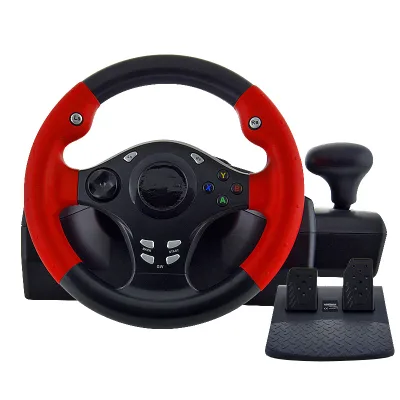
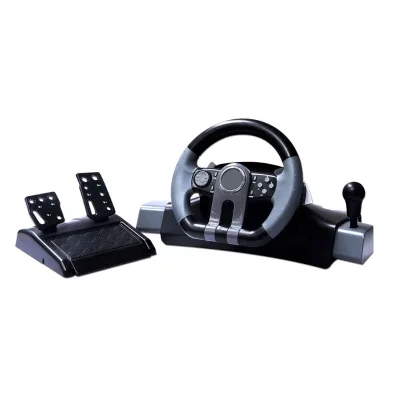
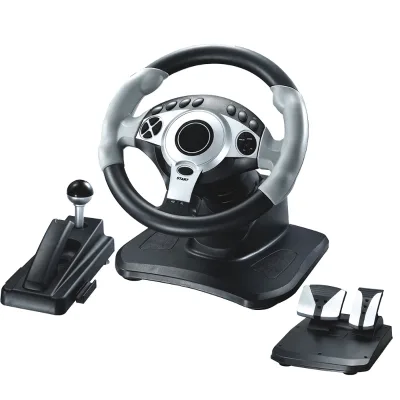
$37.64 - $39.43
MOQ: 1000 pieces
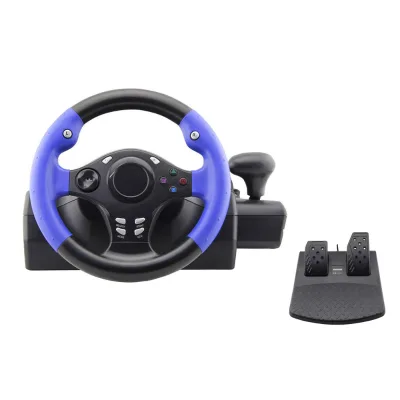
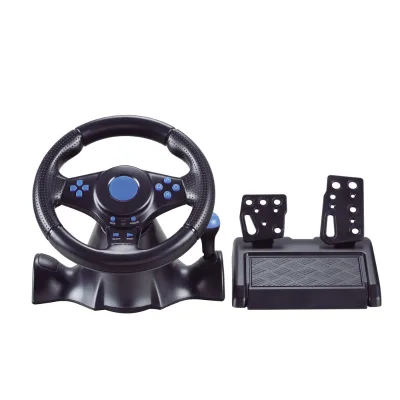
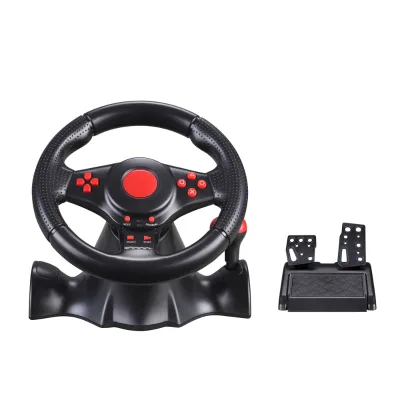
Qoeme Hot Selling Video Game Steering Wheel with Two Pedal for P4/PS-3/PC/SWITCH
$27.39 - $29.26
MOQ: 1000 pieces

Guangzhou Movie Power Technology Co., Ltd
- Verified by BV
- Combined
- China Guangdong
- Lead time15 days
- Avg. response≤ 3h
Main productsVr Simulator, Vr Equipment, Vr Game Machine, Vr Arcade Machine, Vr Machine, Naked-Eye 3D Flying Cinema, Arcade Game Machine, Dome Flying Cinema, 5D/9d Cinema, Vr Game Simulator
Main marketsSouth America,Africa,Others(foreignTradeCapacity.exportBusinessCapacityMarketOther),Southeast Asia/ Mideast,East Asia(Japan/ South Korea),Europe,Australia,North America

Guangzhou Colorful Park Animation Technology Co., Ltd
- Verified by SGS
- Combined
- China Guangdong
- Lead time15 days
- Avg. response≤ 5h
Main productsGame Machine, Video Game, Arcade Game Machines, Vending Machine, Car Racing Game Machine, 5D 7D 9d Cinema, Key Master Machine, Claw Crane Machine, Kiddle Ride, Amusement Machine
Main marketsAfrica,Southeast Asia/ Mideast,Europe,North America

Electronic Racing Game Machine Simulation Racing Game Console Arcade Game Machine
$2800.00 - $3300.00
MOQ: 1 Pieces

$450.00 - $475.00
MOQ: 1 Pieces


Arcade Game Machine Simulator Game Machine 4D Simulator Car Racing Two Player Arcade Game Machine
$312.00 - $612.00
MOQ: 1 Pieces


Guangzhou EPARK Electronic Technology Co., Ltd.
- Verified by SGS
- Combined
- China Guangdong
- Lead time15 days
- Avg. response≤ 3h
Main products9d Vr, Racing Game Machines, Boxing Machine, Kids Game Machine, Claw Machine, Arcade Game Machine, Vr Simulator Series, Kiddie Ride, Basketball Game Machine, Amusement Game Machine
Main marketsSouth America,Africa,Southeast Asia/ Mideast

Guangzhou Sundi Electronics Co., Ltd.
- Verified by SGS
- Trading Company
- China Guangdong
- Lead time15 days
- Avg. response≤ 9h
Main productsGame Controller, Game Console, Video Game Console, Video Games & Accessories, Game Chairs, Game Table, Gaming Headset, Gaming Monitor, Gaming Keyboard Mouse Set, Gaming Player
Main marketsSouth America,Southeast Asia/ Mideast,Europe,North America

Hot Sale Gaming Driving Wheel Simulation Racing Car Game Wheel for xBox Series, PS4, xBox One, PC
$165.00 - $185.00
MOQ: 50 sets

Custom Factory Aluminum Car Racing Game Simulator Seat Gaming Steering Wheel Stand
$145.00 - $169.00
MOQ: 50 pieces

Wholesale Folding Car Gaming Steering Wheel Driving Racing Simulator Seat Game Stand
$145.00 - $169.00
MOQ: 50 pieces

Custom Home Game Play Gaming Steering Wheel Stand Adjustable SIM Racing Simulator Seat
$445.00 - $521.00
MOQ: 50 pieces

New SIM Racing Simulator Chair Race Game Seat Gaming Steering Wheel Stand
$188.00 - $225.00
MOQ: 50 pieces

$145.00 - $169.00
MOQ: 50 pieces

Kunshan Joy Racing Light Alloy Science and Technology Co., Ltd.
- Trading Company,Manufacturer/Factory
- China Jiangsu
- Lead time30 days
- Avg. response≤ 21h
Main productsAlloy Wheel, Car Wheel, Wheel Hub, Wheel Rims, Auto Parts, Rims Hub, Auto Spare Parts, Car Rims, Nuts
Main marketsSouth America,Mid East,North America,Southeast Asia,Western Europe,Africa
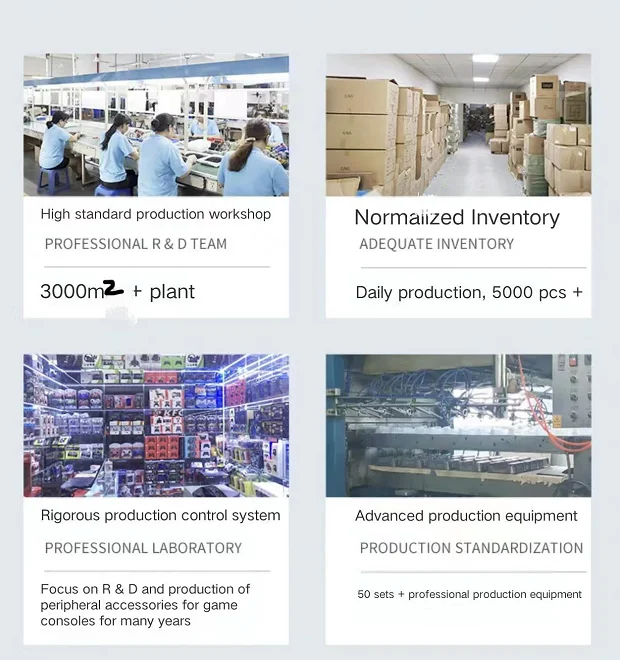
Shenzhen Hengyitong Electronics Co., Ltd.
- Manufacturer, Trading Company, Buying Office, Agent, Distributor/Wholesaler
- Guangdong, China
- Lead time2 days
- Avg. response≤ 2h
Main productsConsumer electronics,game controllers,game accessories,computer accessories,household appliances
Main marketsDomestic Market(35.00%), South America(18.00%), North America(10.00%), Mid East(8.00%), South Asia(5.00%), Southeast Asia(5.00%), Eastern Europe(3.00%), Northern Europe(3.00%), Eastern Asia(3.00%), Southern Europe(3.00%), Western Europe(2.50%), Central America(2.00%), Africa(2.00%), Oceania(0.50%)

Guangzhou Xiao Tong Yao Amusement Equipment Co., Ltd.
- Verified by TUVRHEINLAND
- Combined
- China Guangdong
- Lead time15 days
- Avg. response≤ 3h
Main productsAmusement Equipment, Game Machine, Arcade Machine, Outdoor Amusement, Indoor Playground, Amusement Car, Kiddie Rides, Rolling Car, Happy Car, Le Bar Car
Main marketsSoutheast Asia/ Mideast,Domestic,North America

Ningbo Charm-Tech Import and Export Corporation Ltd.
- Trading Company,Manufacturer/Factory
- China Zhejiang
- Lead time30 days
- Avg. response≤ 6h
Main productsTV Stand, TV Mount, Wall Mount, TV Bracket, LCD TV Bracket, LED TV Bracket Mount, Projection Screen, DVD Wall Bracket, Speaker Stand, Speaker Bracket
Main marketsSouth America,Eastern Europe,Mid East,North America,Southeast Asia,Eastern Asia,Oceania,Western Europe

SIM Racing Driving Simulator Racing Simulator Steering Wheel Stand Gaming Steering Wheel Stand
$56.50 - $65.00
MOQ: 100 Pieces

$40.50 - $50.00
MOQ: 100 Pieces

Adjustable Racing Simulator Steering Wheel Stand, SIM Racing Wheel Mount Bracket for Gaming Setup
$40.50 - $50.00
MOQ: 100 pieces

High Quality Car Simulator Driving Racing Wheel Stand Adjustable for Gaming Steering Wheel Stand
$38.75 - $49.60
MOQ: 20 sets


- Verified by TUVRHEINLAND
- Combined
- China Guangdong
- Lead time30 days
- Avg. response≤ 1h
Main productsVr Game Simulator, Naked-Eye 3D Flying Cinema, Vr Simulator, Dome Flying Cinema, Vr Equipment/Machine, Cinema/ Theater Equipment, Vr Game Machine, 5D/12D Theater System, Arcade Game Machine, 5D/7D/9d/12D Cinema
Main marketsOthers(foreignTradeCapacity.exportBusinessCapacityMarketOther),Europe,North America
Shenzhen Hongtu Zhanfei Technology Co., Ltd.
- Manufacturer, Trading Company
- Guangdong, China
- Lead time0 days
- Avg. response≤ 3h
Main productsStabilizer,Microphone,Camera Accessories,Digital Storage Box,Camera Tripod.
Main marketsWestern Europe(15.00%), Northern Europe(13.00%), Oceania(10.00%), Domestic Market(10.00%), South Asia(10.00%), Central America(10.00%), Mid East(9.00%), South America(8.00%), North America(5.00%), Eastern Asia(2.00%), Africa(2.00%), Southeast Asia(2.00%), Southern Europe(2.00%), Eastern Europe(2.00%)
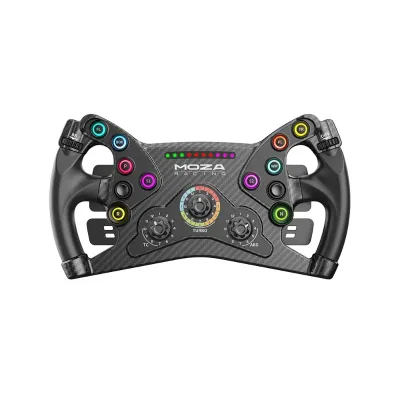
$233.00 - $235.00
MOQ: 1 pieces
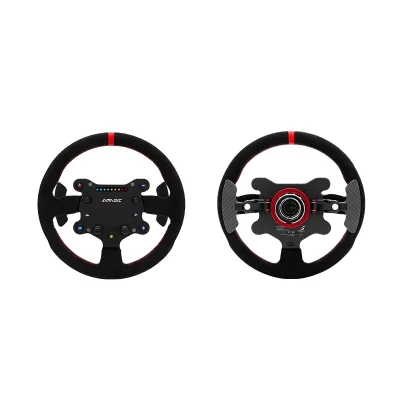

Shenzhen Aulan Technology Co., Ltd.
- Manufacturer, Trading Company, Distributor/Wholesaler
- Guangdong, China
- Lead time0 days
- Avg. response≤ 9h
Main productsGame Controller,Retro game console,Smart Watch,Earphone,Charger
Main marketsNorth America(60.00%), Western Europe(20.00%), Eastern Europe(10.00%), South America(2.00%), Oceania(2.00%), Africa(2.00%), Northern Europe(2.00%), South Asia(1.00%), Southeast Asia(1.00%)
Guangzhou Colorful Sky game machines Co.,Ltd
- Verified by SGS Group
- Manufacturer, Trading Company
- Lead time20 days
- Avg. response≤ 3h
Main productsClaw Machine, Clip Machine, Gacha machine, Kids Game Machine, Arcade Game Machine
Main marketsDomestic Market(35%), North America(10%), Southeast Asia(10%)
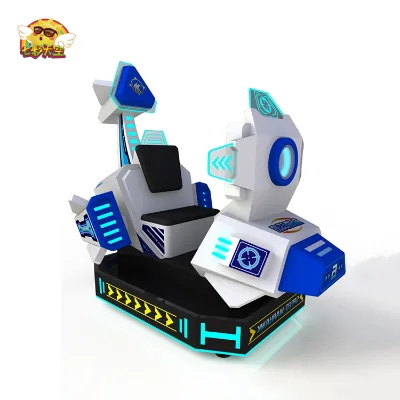
Best Selling Arcade Indoor Amusement Gaming Pc Racing Wheel With Card Reader System
$1730.00 - $1800.00
MOQ: 1 units
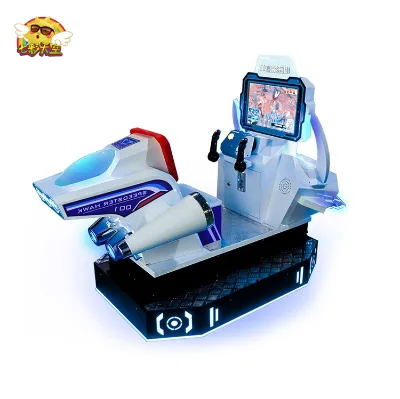
Interactive Family Entertainment Center Children Riding Car Wheel Gaming rac Ing Wheel for Adult
$1017.46 - $1222.17
MOQ: 1 units

Guangzhou Ama Amusement Equipment Co, . Ltd
- Verified by SGS
- Combined
- China Guangdong
- Lead time30 days
- Avg. response≤ 6h
Main productsCoin Operated Game Meachine, Toy Crane Machine, Swing Machine, Kiddie Ride, Cotton Candy Machine, Kiddy Ride, Amusement Game, Prize Game, Soft Play, Arcade Game Machine
Main marketsSouth America,Africa,Southeast Asia/ Mideast,East Asia(Japan/ South Korea),Europe,Australia,North America

Speed Racer Simulator Arcade Machine Simulator Motorcycle Racing Game Machine
$5150.00 - $5685.00
MOQ: 1 piece

$3780.00 - $4000.00
MOQ: 1 piece

Amusement Park Game Booth 4 Players Wild Ride Competitive Racing Simulator Game Machine for Kids
$2800.00 - $3500.00
MOQ: 1 piece
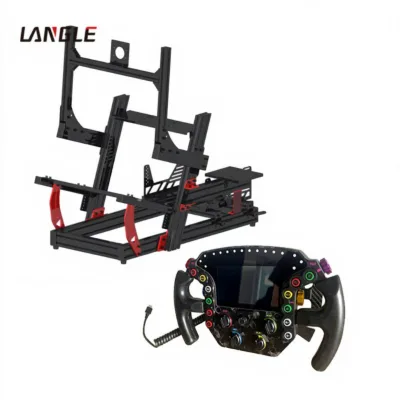
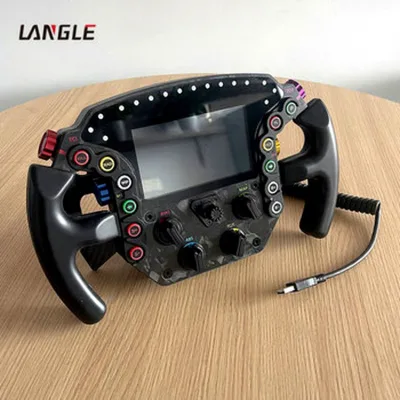
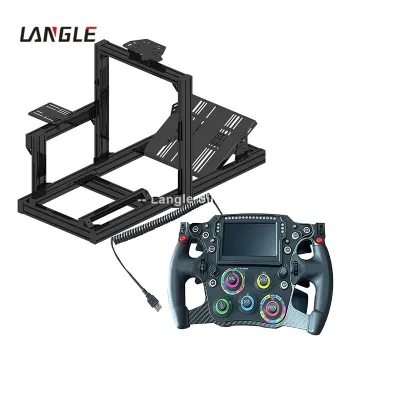
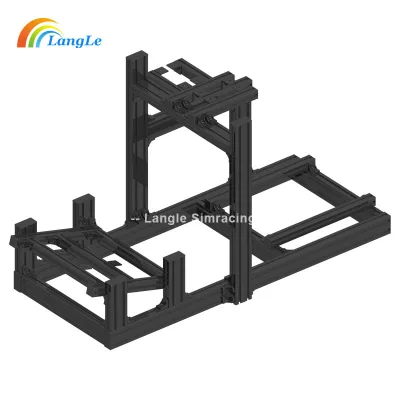
Chongqing Langle Aluminum Co., Ltd.
- Manufacturer, Trading Company
- Chongqing, China
- Lead time15 days
- Avg. response≤ 6h
Main productsAluminum Extrusion Profiles,Aluminum sim racing,Flight simulator cockpit,Stairs&Platforms,Aluminum Conveyor
Main marketsDomestic Market(58.00%), Northern Europe(10.00%), North America(9.00%), South America(9.00%), Oceania(5.00%), Southeast Asia(1.00%), South Asia(1.00%), Southern Europe(1.00%), Eastern Europe(1.00%), Central America(1.00%), Western Europe(1.00%), Eastern Asia(1.00%), Mid East(1.00%), Africa(1.00%)

Wuxi Henderchan Industrial Co Ltd
- Verified by SGS
- Trading Company
- China Jiangsu
- Lead time45 days
- Avg. response≤ 4h
Main productsCustom CNC Machining Parts, CNC Machining Service, Custom Investment Casting Parts, Investment Casting Service, Precision Forging Service, Custom Precision Forging Parts, Hinges, Go Kart Parts, Metal Fabrication Service, Custom Metal Fabrication Parts
Main marketsEurope

Aluminum Alloy Frame+PU Racing Steering Wheel Go Kart/Games/Gaming Steering Wheel
$16.00 - $20.00
MOQ: 50 Pieces

Steel Frame + PU + ABS Racing Steering Wheel Go Kart/Games/Gaming Steering Wheel
$15.00 - $30.00
MOQ: 200 Pieces

Shandong Haosong New Material Technology Co., Ltd.
- Verified by BV
- Combined
- China Shandong
- Lead time30 days
- Avg. response≤ 6h
Main productsPolyurethane Foam, Car Seat, PU Foam, PU Armrest
Main marketsDomestic


Drive Motor Base High quality Game Racing Pedal Car Driving Simulator Steering Wheel
$16.00 - $26.00
MOQ: 100 Pieces

Ningbo Yinzhou Henglu Plastic Industry&Trading Co., Ltd.
- Verified by BV
- Trading Company,Manufacturer/Factory
- China Zhejiang
- Lead time23 days
- Avg. response≤ 13h
Main productsBumper, Fender, Dock Cleat, Marine Hardwares, Marine Steering Wheel, Boat Seat, Boat Accessories, Dock Wheel, Auto Steering Wheel, OEM Plastic Parts
Main marketsNorth America,Southeast Asia,Eastern Asia,Oceania,Western Europe

Carbon Fiber Racing Steering Wheels
MOQ: 100 Pieces

Carbon Fiber Racing Steering Wheels
MOQ: 100 Pieces
Dongguan Hecheng Interactive Technology Co., Ltd.
- Trading Company
- Guangdong, China
- Lead time30 days
- Avg. response≤ 2h
Main productshandheld game consoles,gaming computers,innovative consumer electronics products,gaming controllers,ai robots
Main marketsNorth America(20.00%), South America(17.00%), Northern Europe(10.00%), Central America(10.00%), Western Europe(10.00%), Eastern Europe(10.00%), South Asia(5.00%), Domestic Market(5.00%), Southern Europe(5.00%), Mid East(3.00%), Southeast Asia(3.00%), Africa(2.00%)
Foshan Nanhai Aikubi Metal Products Factory
- Manufacturer
- Guangdong, China
- Lead time30 days
- Avg. response≤ 4h
Main productsRacing game rack,Game chair,Electric chair
Main marketsWestern Europe(40.00%), Oceania(30.00%), Eastern Asia(30.00%)

Danyang Jiamei Seating Co., Ltd.
- Verified by BV
- Combined
- China Jiangsu
- Lead time15 days
- Avg. response≤ 23h
Main productsTractor Seat, Go Kart Seat, Racing Seat, Forklift Seat, Car Seat, Mobility Scooter Seat, Driving Simulator Seat, Construction Machinery Seat, Farm Machine Seat, Lawn Mower Seat
Main marketsSouth America,Southeast Asia/ Mideast,East Asia(Japan/ South Korea),Domestic,Europe,North America
Dongguan Langming Intelligent Technology Co., Ltd.
- Manufacturer, Trading Company
- Guangdong, China
- Lead time15 days
- Avg. response≤ 12h
Main productsGaiming racing wheel,game controller,Arcade stick,Charing stand,Battery pack
Main marketsNorth America(20.00%), Central America(15.00%), Northern Europe(10.00%), South America(10.00%), Eastern Europe(10.00%), Southern Europe(5.00%), Southeast Asia(5.00%), Western Europe(5.00%), Domestic Market(5.00%), Mid East(5.00%), Oceania(5.00%), South Asia(2.00%), Africa(2.00%), Eastern Asia(1.00%)
Guangzhou Carest Auto Parts Co., Ltd.
- Manufacturer, Distributor/Wholesaler, Business Service (Transportation, finance, travel, Ads, etc)
- guangdong, China
- Lead time10 days
- Avg. response≤ 7h
Main productsCar Conditioning sysytem,Automobile braking system,Car decoration parts,Auto lighting system,Automotive electronics
Main marketsEastern Europe(30.00%), North America(20.00%), Mid East(15.00%), South America(15.00%), South Asia(12.00%), Southeast Asia(5.00%), Africa(3.00%)






Comprehensive Sourcing Guide
Game Racing Wheel Supplier Concentration and Factory Types
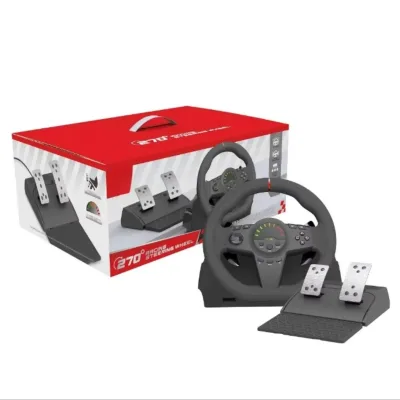
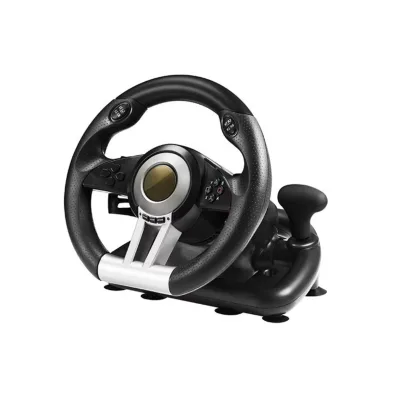
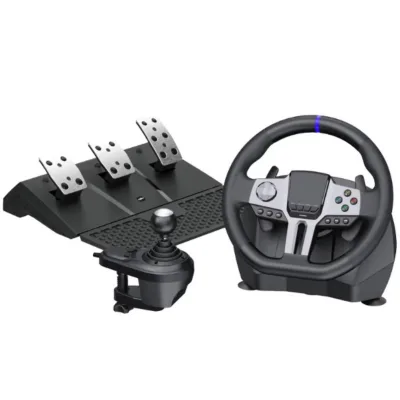
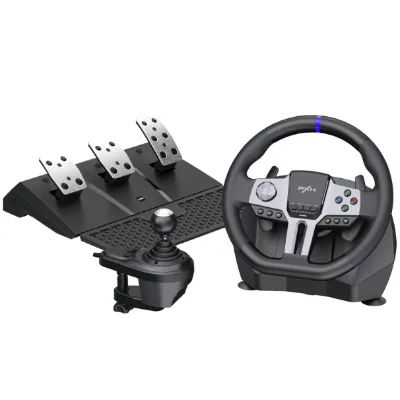
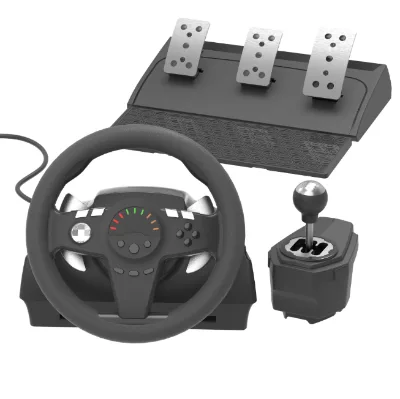
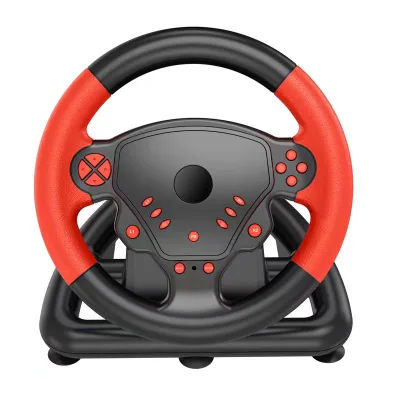
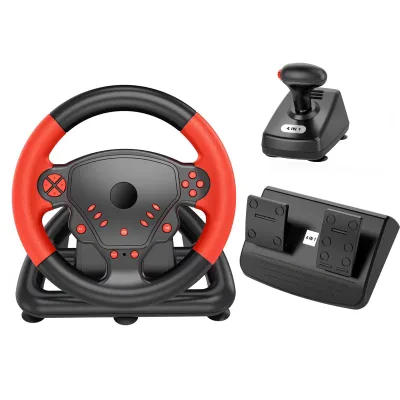
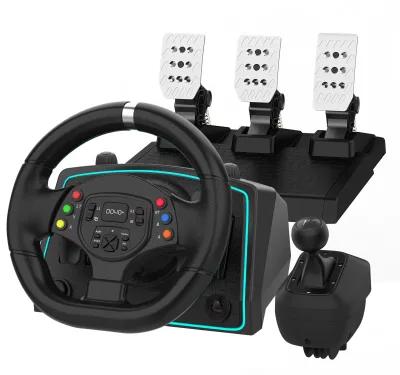
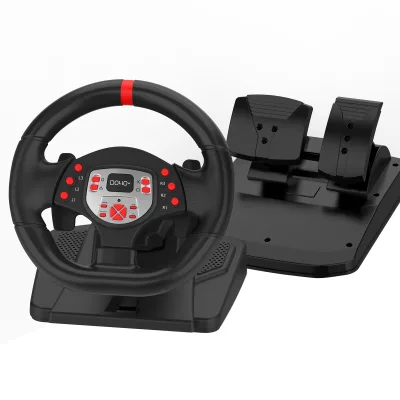
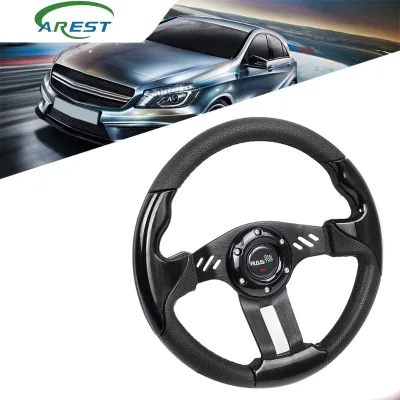
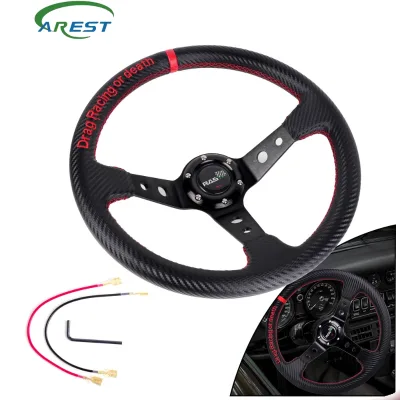
When you search for a Game Racing Wheel supplier, the results you see will typically split into two very different business types, and the distinction matters more than most buyers realize. On one side are electronics-focused companies listing wired and wireless racing wheels compatible with PS3, PS4, Xbox One, Nintendo Switch and PC, with features such as vibration motors, six-axis gyroscopes, turbo buttons and motion sensing. One Guangzhou-based trading company, for example, lists graphic cards, CPUs, motherboards, cooling plates and fans alongside its steering wheel products, which signals a broad consumer-electronics portfolio rather than a dedicated wheel specialist. On the other side are polyurethane and materials manufacturers whose racing wheels are physical components for cars, karts, tractors and agricultural machines, offered with ODM and OEM capacity and customization options.
Your first task is to classify each result before comparing anything. A manufacturer-and-trading hybrid that lists game controllers, game steering wheels and video game accessories as main products is a far better fit for gaming peripherals than a PU foam specialist whose "racing wheel" is an automotive part. Check the product category attached to each listing: items filed under video game accessories and joysticks and game controllers belong to your category, while items filed under car steering wheels do not. Also note whether the supplier claims a private mold, since that indicates in-house tooling rather than resold generic stock. Classifying first prevents you from wasting inquiry time on suppliers whose core business sits outside gaming peripherals entirely.
How to Verify Game Racing Wheel Suppliers
Verification starts with the credentials a platform displays, but you must distinguish what each badge actually attests. Some suppliers carry a third-party on-site verification, such as a BV audit, while others show system certifications like UKCA and CE or an independent verification such as TüV Rheinland. A BV verification generally relates to the company's legal existence and premises; UKCA and CE marks relate to product compliance for specific markets; TüV Rheinland verification indicates an independently assessed supplier status. None of these alone proves product quality, so treat them as filters rather than guarantees. If a listing shows no verification or certification at all, that is not automatically disqualifying, but it raises the evidentiary burden on you to verify the company through samples, video audits or third-party inspection before committing funds.
Beyond displayed badges, verify the match between claimed identity and observed behavior. A supplier type labeled "Trading Company" can still be a legitimate sourcing partner, but you should confirm whether it holds real stock or simply forwards orders to a factory, since that affects lead time reliability and after-sales accountability. Ask for a business license, confirm the registered scope covers gaming accessories, and request test documentation for the specific wheel model you intend to buy, including vibration and gyroscope function checks. The product attribute "100% Test" appearing on a listing is a supplier claim, not an audit finding, so ask what the testing protocol covers. Verify the declared place of origin on each product separately, because a single supplier may source different models from different production sites.
What to Compare Across Game Racing Wheel Suppliers
Build a comparison sheet using the dimensions suppliers actually display, without assuming every field is populated for every company. Core dimensions include location, company type, main products, response time, lead time, establishment year, verification status, certifications, escrow availability, MOQ and price range. The observed data shows how widely these vary: response times in this category ranged from roughly three hours to more than twelve, and quoted lead times ranged from seven days to thirty days. One supplier quoted MOQs of ten pieces on a customized 350mm wheel and one hundred pieces on a PU wheel, so MOQ differences within a single supplier's catalog can be larger than differences between suppliers. Record each field as "not displayed" where absent rather than guessing.
Price comparison only works when you normalize the product first. Observed listings for gaming wheels ranged from about thirty-eight to forty-three dollars, thirty-nine to forty-three dollars, and eighty-five to eighty-seven dollars, while automotive PU wheels ranged from roughly four to twenty-one dollars — mixing these categories produces meaningless averages. Compare wired against wireless separately, and note that connection type, platform coverage and included features like turbo buttons explain much of the price spread. Weigh response time against lead time as a combined reliability signal: a fast responder with a long lead time may still beat a slow responder if your timeline is production-driven rather than communication-driven. Finally, compare main-product lists to gauge category depth, since a supplier whose catalog is dominated by gaming accessories will usually handle specification questions and firmware issues more competently.
Common Game Racing Wheel Sourcing Risks
The single largest risk in this category is category confusion, and it is visible directly in the search results. Queries for a Game Racing Wheel return both gaming peripherals and polyurethane steering wheels for cars, karts, tractors, mowers and toys, sometimes from the same supplier catalog. A buyer who evaluates price and MOQ without checking the product category can end up sampling an automotive component that looks similar in photographs. Mitigate this by confirming the listing's category path, the declared function — "Racing Games Playing" versus generic automotive use — and the compatible-platform field, which for genuine gaming wheels should name consoles and PC explicitly. A listing that omits platform compatibility entirely deserves direct questioning before you proceed.
The second cluster of risks concerns specification and quality ambiguity. Observed gaming wheel listings show material descriptions as brief as "ABS+IC," weights listed both as 5kg and as 0.0kg on comparable items, and package details reduced to "Color Box" without carton dimensions or master-carton quantities. These gaps create quoting risk: a supplier who quotes against a 5kg assumption will re-price after weighing, and freight estimates built on a zero gross weight will be wrong. Additional risks include unverified product compliance claims — CE or UKCA marks on a listing do not tell you which exact model was certified — and overreliance on trading intermediaries who cannot answer technical questions about force feedback or gyroscope calibration. Protect yourself by demanding a signed specification sheet, a pre-production sample, and clarity on who owns the mold if a private-mold claim is made.
Game Racing Wheel Regional Sourcing and Logistics
Regional context in this category is best discussed only where the data supports it. The observed suppliers are located in Guangzhou and in Guangdong province, China, and one product-level origin is declared as Dongguan, Guangdong. This concentration is consistent with broader electronics-manufacturing patterns in southern China, but you should verify each supplier's actual shipping origin rather than assuming proximity within a province translates into shorter lead times. Note that a trading company's registered location may differ from the factory that produces the wheel, and the product-level origin field on a listing can differ again from the supplier's headquarters. Ask for the dispatch address and the nearest port or airport for each specific model you intend to order.
Logistics planning should be driven by the weight and volume data on the listing, corrected where the data is implausible. One observed wheel lists a size of 450 by 309 by 192 millimeters and a 5kg weight; another lists 35 by 31 by 29 centimeters; a third lists 48 by 38 by 32 centimeters — dimensions that appear to be carton rather than unit sizes, so confirm whether each figure describes the retail box or the export carton. Where gross weight is listed as 0.0 kg, treat it as missing data and request a weighed specification. Lead times of seven, twenty-five and thirty days were observed in this category, so match your freight mode to the quoted lead time: air freight can absorb a long production lead time, while sea freight requires you to plan reorder cycles well ahead of retail demand peaks.
Game Racing Wheel Commercial Terms and Order Planning
Commercial terms in this category vary enough that you should negotiate them model by model rather than supplier by supplier. Observed price ranges for gaming wheels were roughly thirty-eight to forty-three dollars, thirty-nine to forty-three dollars, and eighty-five to eighty-seven dollars, with the spread driven by wired versus wireless connection, feature sets and platform coverage. MOQs of ten and one hundred pieces appeared on different products from the same polyurethane supplier, and customization was flagged as available with OEM and ODM support, so a customized order may carry a different MOQ than the catalog listing suggests. Confirm whether the quoted price is ex-works, FOB or inclusive of freight, and whether color options such as black and orange affect the MOQ or unit price.
Order planning should sequence verification before volume. Start with a sample order at the lowest feasible MOQ, run functional testing on the vibration motor, six-axis gyroscope and turbo button across every platform you intend to claim compatibility with, then scale to production quantities only after the sample passes. Where a platform offers escrow or trade assurance, use it for at least the first order, and confirm the escrow terms cover the specific products in your purchase contract. Align payment milestones with lead time: a thirty-day production schedule justifies staged payments tied to inspection checkpoints, while a seven-day lead time suggests available stock where a simpler terms structure is acceptable. Finally, budget for reordering lead time in your inventory plan, since repeat orders inherit the production schedule rather than the sample timeline.
Each section above is approximately 230 words; total article length is approximately 1,390 words.
FAQs
What is the price range for game racing wheels?
Game racing wheels are available with prices ranging from 4.13 to 87.00 US dollars. Specific models like PU foam wheels start near 4.13, while vibration motor versions for multiple platforms can reach up to 87.00. Buyers should check individual product listings for exact pricing based on features and compatibility.
How long does it take to receive orders?
Lead times for game racing wheels vary between 7 and 30 days depending on the supplier. Some manufacturers offer a 7-day turnaround, while others with custom PU foam options may require up to 30 days. Buyers should confirm specific delivery schedules with the supplier before placing an order.
What platforms are compatible with these racing wheels?
These racing wheels support a wide range of platforms including PS3, PS4, Xbox One, Nintendo Switch, and PC. Some models feature motion sensing and vibration motors for enhanced gaming. Compatibility lists often include specific console versions like PS4 Pro or Switch Lite for precise fitment.
What are the minimum order quantities for these products?
Minimum order quantities vary significantly, ranging from 10 pieces for some custom steering wheels to 100 pieces for PU foam variants. Buyers looking for single items may find specific listings, but bulk orders often require meeting the 100-piece threshold for custom manufacturing or specialized materials.
Where are the suppliers located?
Suppliers offering game racing wheels are primarily located in Guangzhou and Dongguan, Guangdong, China. These regions are known for manufacturing electronics and vehicle accessories. Buyers can expect products to originate from these specific Chinese cities when sourcing from the provided supplier results.
Do suppliers offer customization services?
Yes, many suppliers offer customization services including OEM and ODM options for racing wheels. Customization is available for materials like PU foam and leather, with options for specific sizes and branding. Buyers should verify if private molds are available for unique design requirements.
What certifications do the suppliers hold?
Some suppliers hold certifications such as UKCA and CE, while others are verified by TüVRheinland or BV. These certifications indicate compliance with safety and quality standards. Buyers should request specific certification documents to ensure the products meet regional regulatory requirements before purchasing.
How quickly do suppliers respond to inquiries?
Supplier response times vary, with some responding within 3 hours and others taking up to 12 hours. Faster response times are often associated with manufacturers or trading companies with higher verification status. Buyers seeking urgent quotes should prioritize suppliers with shorter response time metrics.