Glasses Case Suppliers and Manufacturers in China
Source 25 verified Glasses Case suppliers from Zhejiang, Hebei, and Jiangsu. Compare pricing, lead times, and certifications like FDA and CE ISO standards. Contact suppliers directly to request samples and confirm MOQs for your specific packaging needs; review the available evidence before requesting comparable quotations from suitable candidates.
Suppliers List

Yiwu Baokai Import And Export Co., Ltd.
- Trading Company
- Zhejiang, China
- Lead time5 days
- Avg. response≤ 1h
Main productsglass,Sunglasses,glass box,glass tissue,Eyewear
Main marketsNorth America(20.0%), Eastern Europe(18.0%), Africa(14.000000000000002%), Western Europe(10.0%), Southeast Asia(5.0%), Southern Europe(5.0%), Mid East(5.0%), Northern Europe(5.0%), South America(5.0%), South Asia(4.0%), Central America(4.0%), Eastern Asia(3.0%), Domestic Market(1.0%), Oceania(1.0%)

- Trading Company
- China Zhejiang
- Lead time0 days
- Avg. response≤ 4h
Main productsOptical Glasses, Reading Glasses, Sunglasses, Blue Light Blocking Glasses, Eyeglasses Frames, Kid's Sunglasses, Titanium Optical Frame, Women Reading Glasses, Mens Spectacles Frames, Fashion Sunglasses
Danyang Chanxin Glasses Cases Factory
- Manufacturer, Trading Company
- Jiangsu, China
- Lead time5 days
- Avg. response≤ 4h
Main productsContact Lens Cases/Glasses Cases/Contact Lens Cases/Glasses Cases/Eyeware Accesories,eyeweare case
Main marketsDomestic Market(48.0%), Southeast Asia(15.0%), North America(15.0%), Eastern Asia(10.0%), Eastern Europe(7.000000000000001%), South Asia(1.0%), Southern Europe(1.0%), Western Europe(1.0%), Oceania(1.0%), Mid East(1.0%)

Xiamen Top Packing Industry Co., Ltd.
- Trading Company,Manufacturer/Factory
- China Fujian
- Lead time23 days
- Avg. response≤ 3h
Main productsPackaging Box, Kids Toy, Puzzle, Bag, Casino Supplies, Books/Magazine, Board Game/Playing Card, Office Supply, Photo Frame, Daily Supplies
Main marketsSouth America,Eastern Europe,Mid East,North America,Southeast Asia,Eastern Asia,Oceania,Western Europe,Africa
Custom Glasses Case Leather Eyeglasses Case Sunglasses Case Eyeglasses Storage Bag
$1.88 - $5.98
Moq: 1000

Wenzhou Higo Optical Co., Ltd.
- Combined
- China Zhejiang
- Lead time45 days
- Avg. response≤ 15h
Main productsEyeglass, Optical Frames, Eyewear, Optical Frame, Spectacle Frame
Main marketsDomestic,Europe

Danyang Chanxin Glasses Cases Factory.
- Trading Company,Manufacturer/Factory,Other
- China Jiangsu
- Lead time23 days
- Avg. response≤ 11h
Main productsContact Lens Case, Glasses Cases, Lens Cases, Optical Cases, Contact Lens, Lens
Main marketsSouth America,Eastern Europe,Mid East,North America,Southeast Asia,Eastern Asia,Oceania,Western Europe,Africa
Good Quality Colored Plastic Optical Case/Pocket Glasses /Storageeyewear Glasses Case
$0.10 - $0.20
Moq: 1000
Good Quality Colored Plastic Optical Case/Eyewear Glasses Case/Glasses Storage
$0.20 - $0.26
Moq: 1000
High Quality Colored Plastic Optical Case/Glasses Storage/Eyewear Glasses Case
$0.19 - $0.26
Moq: 1000

Xiamen Le Young Imp. & Exp. Co., Ltd
- Verified by BV
- Trading Company,Manufacturer/Factory
- China Fujian
- Lead time23 days
- Avg. response≤ 3h
Main productsLeather Folder, Trave Wallet, Leather Notebook, Leather Compendium, Leather Portfolio, Leather Diary, Leather Journal, Hotel Supply, Leather Card Holder, Leather Wallet
Main marketsSouth America,Eastern Europe,Mid East,North America,Southeast Asia,Eastern Asia,Oceania,Western Europe,Africa
Sunglasses Storage Display Box Leather Organizer Glasses Cases Eyeglass Holders
$3.49 - $7.56
Moq: 300

Wenzhou Ouyuan Optical Co., Ltd.
- Verified by SGS
- Trading Company
- China Zhejiang
- Lead time60 days
- Avg. response≤ 4h
Main productsSunglasses, OEM ODM Sunglasses, Custom Sunglasses, Glasses, Eyeglass, Glasses Case, Estuche Para Gafas, Reading Glasses, Polarized Lens, Gafas De Sol
Main marketsEurope,North America
Jinhe (dongguan) Technology Product Co., Ltd.
- Verified by TüVRheinland
- Manufacturer, Trading Company
- Lead time15 days
- Avg. response≤ 1h
Main productsEVA Products, Protective Gears, Foam Products, Electronic Accessories, EVA Bags
Main marketsNorth America(38%), Eastern Europe(15%), Southeast Asia(8%)

- Trading Company,Manufacturer/Factory
- Hongkong_China Hongkong
- Lead time23 days
- Avg. response≤ 6h
Main productsCustom Paper Puzzle, Packaging Box, Books/Magazine, PU Album, Plastic Ziplock Bag, Paper Bag, Photo Frame, Board Game
Main marketsSouth America,Eastern Europe,North America,Southeast Asia,Eastern Asia,Oceania,Western Europe,Africa
Portable Storage Glasses Bag Sunglasses Case Factory Sells Customizable Glasses Case
$0.98 - $1.85
Moq: 500
Danyang River Trading Co., Ltd.
- Verified by SGS Group
- Manufacturer, Trading Company
- Lead time20 days
Main productsMicrofiber Cloth, Cases, Optical Equipment, Lens Cleaning Spray, Paper Bags
Main marketsDomestic Market(27%), Western Europe(18%), Southeast Asia(12%)
$0.31 - $0.36
River Hot Sale Leather Optical Glass case
$0.38 - $0.44

Fuzhou Whole Line Trading Co., Ltd.
- Verified by BV
- Trading Company,Manufacturer/Factory
- China Fujian
- Lead time23 days
- Avg. response≤ 7h
Main productsCustomized Products, Lanyard Short Strap, Lanyard, Bandana, Pen, Bags, T-Shirt, Pillow Case, Socks, Promotional Gifts
Main marketsSouth America,Eastern Europe,Mid East,North America,Southeast Asia,Eastern Asia,Oceania,Western Europe,Africa
New Eyeglasses Box Popular Eco Eyewear Cases Custom Glasses Case and Microfiber
$0.47 - $0.57
Moq: 100

- Verified by TUVRHEINLAND
- Trading Company
- China Zhejiang
- Lead time15 days
- Avg. response≤ 5h
Main productsReading Glass, Sunglasses, Optical Frame, Glasses Case &Accesories; Cord, Display, Promotion Sunglasses, Kids Sunglasses, Fashion Sunglasses, Hot Sale Sunglasses, New Sunglasses
Main marketsSouth America,Europe,North America

- Verified by SGS
- Trading Company
- China Zhejiang
- Lead time0 days
- Avg. response≤ 14h
Main productsTents, BBQ Grill, Luggage, Kids Toy, Fitness Equpments, Cookware, Kitchen Utensils and Gadgets, Yoga Mat, Bathroom Rugs, Pets Items
Main marketsSouth America,Eastern Europe,Mid East,North America,Southeast Asia,Eastern Asia,Oceania,Western Europe,Africa
Shenzhen Botaihua Packing Co., Ltd.
- Manufacturer
- Guangdong, China
- Lead time40 days
- Avg. response≤ 5h
Main productsGlasses case,Eyewear case,Glasses display,soft case,lens cloth
Main marketsSouth Asia(15.0%), Western Europe(10.0%), Eastern Asia(10.0%), Southern Europe(10.0%), Northern Europe(10.0%), Eastern Europe(10.0%), North America(5.0%), Mid East(5.0%), Southeast Asia(5.0%)
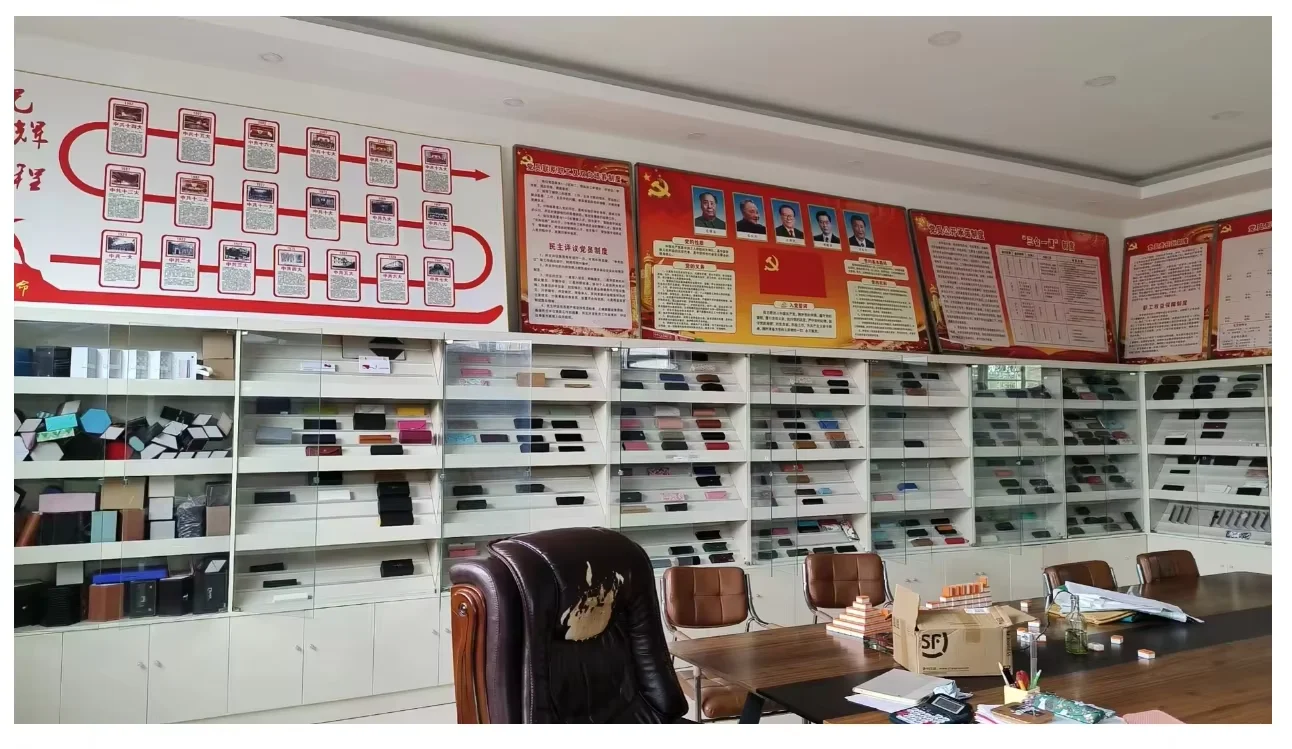
Yiwu Hongchuan Trading Firm (individual Business)
- Trading Company
- Zhejiang, China
- Lead time0 days
- Avg. response≤ 2h
Main productsGlasses case,Glasses cloth,Glasses box,Home decoration product,glass ware
Main marketsNorth America(35.0%), Central America(25.0%), South America(20.0%), Northern Europe(15.0%), Eastern Europe(5.0%)

Beijing Ulike Technology Co., Ltd.
- Trading Company,Manufacturer/Factory
- China Beijing
- Lead time23 days
- Avg. response≤ 8h
Main productsHome Storage, Laundry and Kitchen Products
Main marketsSouth America,Mid East,North America,Southeast Asia,Eastern Asia,Western Europe
Portable Felt Eyeglasses Case Sunglasses Storage Case Pouch Bag Soft Felt Glasses Case
$0.35 - $0.40
Moq: 1000

Innovation Plastic Industry Co., Ltd.
- Combined
- China Jiangsu
- Lead time30 days
- Avg. response≤ 12h
Main productsGlasses Case, Eyewear Case, Metal Case, Aluminum Case, Handmade Case, Lens Cleaning Cloth, Glasses Pouch, Plastic Case, Eyewear Cords
Main marketsAfrica,Europe,North America
Simple and Elegant, Matte-Finished Reading Glasses Case; Magic Matting Eyeglasses Case
$0.43 - $0.46
Moq: 1000
Beijing Huali International Trade Co., Ltd.
- Trading Company
- Beijing, China
- Lead time30 days
- Avg. response≤ 3h
Main productsEyeglasses Case,Eyeglasses Pouch,Eyeglasses Cloth,Eyeglasses Package,Lens Cleaner Spray
Main marketsNorth America(40.0%), Southern Europe(15.0%), Northern Europe(10.0%), Western Europe(10.0%), Oceania(10.0%), South America(10.0%), Eastern Europe(5.0%)

Wuxi Dongtian Textile Science and Technology Co., Ltd.
- Verified by TUVRHEINLAND
- Trading Company,Manufacturer/Factory
- China Jiangsu
- Lead time0 days
- Avg. response≤ 8h
Main productsMicrofiber, Microfiber Glasses Cloth, Microfiber Cleaning Cloth, Microfiber Pouch, Microfiber Towel, Microfiber Mouse Pad, Eyeglasses Case, Microfiber Glove, Microfiber Cooling Cloth, Cleaning Liquid Kit
Main marketsSouth America,Eastern Europe,Mid East,North America,Southeast Asia,Eastern Asia,Oceania,Western Europe,Africa
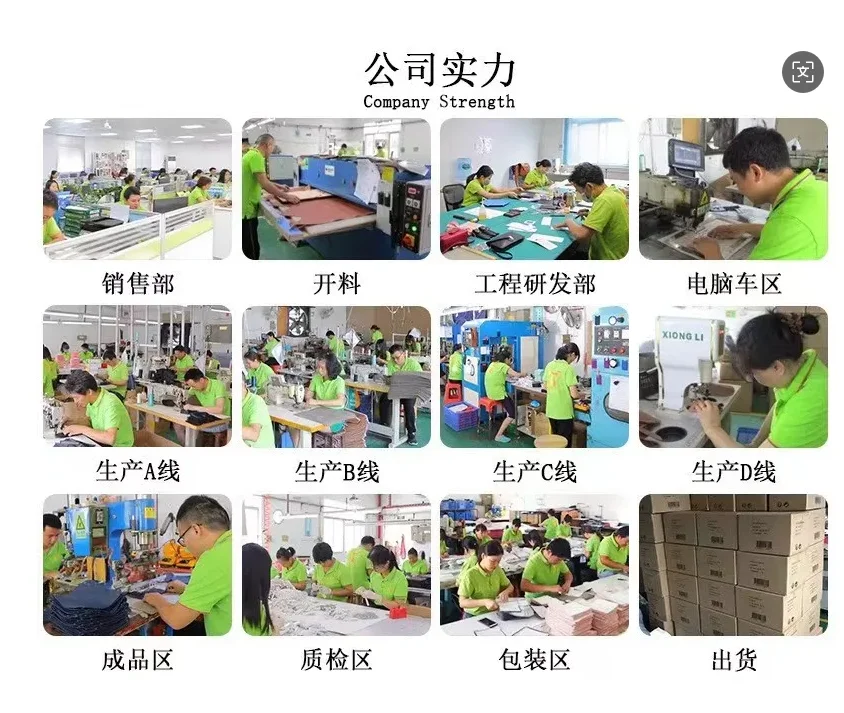
Hebei Zhiyun Import and Export Co., Ltd.
- Trading Company
- Hebei, China
- Lead time20 days
- Avg. response≤ 3h
Main productsGauze Swab,Cotton Swab,glass bottle,plastic bottle,metal boxes
Main marketsSoutheast Asia(40.0%), Africa(20.0%), Mid East(10.0%), South America(10.0%), Northern Europe(10.0%), North America(5.0%)
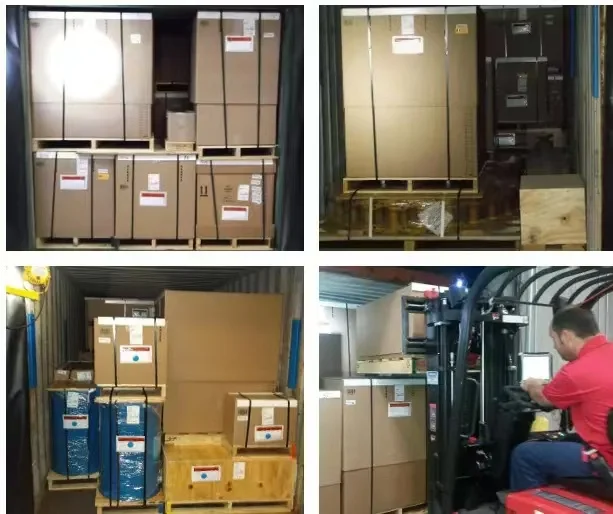
Xinhe County Fumei Packaging Products Co., Ltd
- Manufacturer, Trading Company
- Hebei, China
- Lead time15 days
- Avg. response≤ 2h
Main productsGlasses case,Glasses cloth
Main marketsEastern Europe(25.0%), Oceania(18.0%), South America(15.0%), Southeast Asia(15.0%), Mid East(12.0%), North America(10.0%), Africa(5.0%)
Guangzhou Yibaba Trading Co., Ltd.
- Manufacturer, Trading Company, Distributor/Wholesaler
- Guangdong, China
- Lead time0 days
- Avg. response≤ 2h
Main productsglasses case,Glasses accessories
Main marketsNorth America(50.0%), Central America(30.0%), Southeast Asia(10.0%), South Asia(5.0%), Mid East(5.0%)

Sky & Sea Optical MFY Co., Ltd.
- Verified by SGS
- Combined
- China Zhejiang
- Lead time60 days
- Avg. response≤ 3h
Main productsOptical Frame, Sunglasses, Reading Glasses, 3D Glasses, Blocking Pad, Eyeglasses, Optical Frames, Glasses Case, Safety Glasses, Lens Cleaner
Main marketsSouth America,Europe,North America
Glasses Case Rainbow Color Sequins Spetacle Case for Kids Portable Fashion Box
$1.40 - $1.50
Moq: 1000

Wuxi Kingda Microfiber Fabric Co., Ltd.
- Combined
- China Jiangsu
- Lead time15 days
- Avg. response≤ 6h
Main productsBeach Towel, Microfiber Cloth
Main marketsEast Asia(Japan/ South Korea),Domestic,Europe,North America
Comprehensive Sourcing Guide
Glasses Case Supplier Concentration and Factory Types
When sourcing glasses cases, the first structural question is whether a supplier actually manufactures or merely trades. Supplier results commonly show three labels: Manufacturer, Trading Company, or a combined "Manufacturer, Trading Company" designation. A trading company can still be valuable for buyers who want breadth across related eyewear accessories and consolidated shipping, but a manufacturer label usually suggests tighter control over tooling, molding, and finishing quality. In the current results, one supplier lists both manufacturing and trading roles, which typically means the company makes core items in-house while outsourcing complementary SKUs. Ask each candidate directly which portions of the production process it owns, since the displayed label alone does not prove where a specific case design will be made.
Location data in the supplied results points to several Chinese provinces active in this category, including Zhejiang, Hebei, and Jiangsu. Rather than treating these as fixed clusters, use them as a prompt to verify regional strengths yourself: ask suppliers which province their own factory sits in, and whether their case suppliers, printing partners, and hardware vendors are nearby. A supplier in Zhejiang listing glass, sunglasses, and eyewear among its main products may be positioned differently than a Jiangsu manufacturer focused on contact lens and glasses cases. Map main-product lists against your target assortment — hard shell cases, pouches, or storage boxes — and shortlist companies whose existing catalog already overlaps with what you intend to buy.
How to Verify Glasses Case Suppliers
Verification starts with documents that tie a legal entity to the products it sells. Request a business license and cross-check the registered name against the invoice header you would actually pay. For glasses cases specifically, ask whether the company holds or can obtain test reports covering the materials in the case lining and shell, since adhesives, dyes, and foam inserts are the usual points of chemical compliance scrutiny. One supplier result references product-level standard claims such as FDA and CE references, but you should treat any displayed standard string as a claim to verify against the actual certificate, not as proof. Never accept a screenshot; request the original report with a laboratory name you can confirm.
Second, verify production capability through evidence rather than promises. Ask for a short video of the case assembly line, photos of the mold for any hard shell design you intend to order, and references from one or two export customers in a similar market. Check consistency between supplier attributes: if a company lists a response time of one hour, send a technical question and see whether the answer arrives within that window and with substance. Compare the place of origin shown on product listings — the current results show both Zhejiang and Hebei origins for different case models from different suppliers — and confirm which location would actually produce your order before committing to sample shipments.
What to Compare Across Glasses Case Suppliers
Build a comparison sheet using the dimensions that appear on supplier results: location, company type, response time, lead time, main products, and product-level details such as material, model number, and price range. Response time is a practical proxy for account management; the current results range from roughly one hour to about four hours, which you can test yourself before ordering. Lead time entries in these results vary from zero displayed value to five days, so never assume a listed number applies to your quantity, customization level, or destination. Record each attribute with its verification status: displayed, claimed verbally, or documented.
Then compare the product evidence itself. The supplied listings span PU, metal, leather, plastic, and PVC case constructions, with unit prices shown from about 0.10 to 1.20 USD and MOQs from 200 to 1,000 pieces where displayed. That spread is a useful template: compare suppliers on the same construction type at the same customization level, not across categories. Weigh main-product fit heavily — a supplier whose primary products are contact lens and glasses cases is structurally different from one whose main products are optical frames and sunglasses, even if both list glasses cases. Establish year, escrow availability, and whether customization is explicitly offered should also be captured where shown, while noting that absence of a displayed attribute is not evidence the attribute is unfavorable.
Common Glasses Case Sourcing Risks
The most frequent risk in this category is material substitution between sample and production. Cases look similar in PU, PVC, and genuine leather at low price points, and a supplier under price pressure may swap lining fabric, foam, or hinge hardware after the sample is approved. Mitigate this by specifying the material in writing using the model numbers shown in listings — the current results include model identifiers such as b72, 222-415, SCL-63, and 222-420 — and requiring a golden sample retained by both parties. Photograph the sample, record its weight, and state that production must match weight within an agreed tolerance, which is a simple detection method for shell material changes.
A second risk cluster concerns specification drift and packaging surprises. Some listings show a single gross weight around 0.100 kg per case and precise package dimensions; verify that your freight quotes use the actual production carton, not the listing figures, because carton size drives landed cost more than unit price in bulk cases. Other common issues include logo placement errors on customized cases, color variance in dyed leather or velvet finishes, and quantity shortfalls compensated with defective units. Address these with a written AQL sampling plan, agreed color standards under specified lighting, and a rule that shortfalls are filled from conforming stock only. Finally, confirm origin consistency: a company listing products from multiple provinces should state clearly which origin appears on shipping documents.
Glasses Case Regional Sourcing and Logistics
The supplied evidence anchors this category firmly in Chinese export provinces: Zhejiang, Hebei, and Jiangsu each appear in supplier locations and product origins. Zhejiang results combine eyewear products such as glass, sunglasses, and eyewear accessories with case SKUs; Hebei listings show PU, metal, and leather cases with per-unit package weights and dimensions; Jiangsu appears with a manufacturer-trading company focused on contact lens and glasses cases. Use this as a working hypothesis rather than a conclusion: verify the actual factory address of any candidate, and ask whether the case production site is co-located with the trading office, because distance between the two affects your ability to conduct unannounced inspections.
Logistics planning should start from the physical properties visible in the results. Cases are rigid or semi-rigid, lightweight per unit — around 100 grams in several listings — but bulky relative to value, which makes carton cube efficiency and container utilization the dominant cost variables. Compute cost per cubic meter from the confirmed master carton dimensions rather than catalog data. For delivery timing, note that displayed lead times in these results range from five days to no displayed value at all, so confirm a schedule that includes material procurement, customization, and inspection before final payment. For international buyers, ask each supplier which nearby port or air hub it ships from and whether it can consolidate cases with other eyewear products already ordered from the same region.
Glasses Case Commercial Terms and Order Planning
Commercial terms in this category reward precision about quantities and tiers. Displayed MOQs in the current results include 200 pieces and 300 units and 1,000 pieces depending on supplier and product, so treat MOQ as product-specific and renegotiate it against your realistic first-season volume rather than accepting headline numbers. Price ranges shown span roughly 0.10 to 1.20 USD per unit across plastic, PU, leather, and metal constructions, which illustrates how construction choice, not negotiation alone, sets the cost baseline. Confirm whether quoted prices include your logo, a printed inner card, and an individual polybag — one listing specifies oppbag packing — since these line items move unit cost noticeably at low case prices.
Order planning should sequence payment protection, sampling, and inspection deliberately. Ask whether the platform transaction can be placed under escrow-style protection where offered, and note that escrow availability is a supplier-specific attribute to verify, not a given. Structure deposits so the balance is payable only after a third-party or in-person inspection against the golden sample and the agreed AQL plan. Confirm lead time in writing with defined milestones: material in stock, molds or printing plates ready, bulk finished, inspection passed, and goods released. Finally, plan reorders early — request that tooling, colorants, and logo plates be held for an agreed period, and record the model number of each approved case, because the model identifiers shown in supplier listings are your reference point for consistent repeat orders.
FAQs
What is the price range for glasses cases?
Prices vary by material and customization. PU cases range from $0.37 to $0.38. Metal options cost $0.41 to $0.45. Leather models are priced between $0.55 and $0.60. Plastic cases start at $0.10. Handmade options range from $1.00 to $1.20. Always verify final costs with the supplier.
What materials are used for glasses cases?
Suppliers offer diverse materials including PU, metal, leather, plastic, and PVC. PU cases are popular for cost-effective options. Metal cases provide durability. Leather models offer a premium feel. Plastic cases are lightweight and affordable. PVC options provide soft protection. Select the material that best fits your brand requirements and budget constraints.
What are the minimum order quantities?
MOQs vary significantly by product type. Some suppliers require a minimum of 200 pieces for custom leather cases. Others set the MOQ at 300 units for handmade options. Plastic cases may require 1000 pieces. Always confirm the specific MOQ with the supplier before placing an order to ensure it meets your volume needs.
Where are these glasses cases manufactured?
Manufacturing locations include Zhejiang, Hebei, and Jiangsu in China. Zhejiang suppliers often produce PU and plastic cases. Hebei is a hub for metal and leather options. Jiangsu manufacturers specialize in PU storage cases. Origin affects shipping logistics and lead times. Verify the specific production location to align with your supply chain strategy.
How fast do suppliers respond?
Response times vary among suppliers. Some respond within one day. Others take approximately three to four days. Faster response times indicate active sales teams. Quick replies help resolve customization queries efficiently. Check the supplier profile for current response metrics. Prompt communication ensures smoother negotiations and faster order processing for your business.
What certifications are available?
Some products meet FDA, CE, ISO, and EN 14889:2003 standards. These certifications ensure quality and safety compliance. Not all cases carry these marks. Verify specific product listings for certification details. Compliance is crucial for certain markets. Request documentation from the supplier to confirm adherence to required standards for your target regions.