MSDS Melatonin Sleep Patch Suppliers and Manufacturers
Compare 19 verified suppliers offering MSDS Melatonin Sleep Patch with varying lead times, certifications, and MOQs. Review response times and customization options to select the right partner for your needs; review the available evidence before requesting comparable quotations from suitable candidates.
Suppliers List

Ningbo ALPS MEDICAL Technology Co., Ltd.
- Verified by TUVRHEINLAND
- Combined
- China Zhejiang
- Lead time30 days
- Avg. response≤ 3h
Main productsAcne Patch, Hydrocolloid Dressing, Eye Patch, Facial Mask, Hydrocolloid Patches, Heel Post
Main marketsSouth America,Southeast Asia/ Mideast,East Asia(Japan/ South Korea),Europe,Australia,North America


New Custom Size Natural Ingredients Melatonin Body Patch Sleep Support Patch
$0.61 - $0.71
MOQ: 100 box


on Sale Custom Size Body Patch with Natural Melatonin Transdermal Sleep Patch
$0.61 - $0.71
MOQ: 100 box


LUOYANG WEIERJIAN BIOTECHNOLOGY CO., LTD.
- Verified by BV
- Manufacturer/Factory
- China Henan
- Lead time30 days
- Avg. response≤ 2h
Main productsPain Relief Patch, Ointment, Topical Care Products, External Use, Nutritional Supplements, Pet Products, Pet Chews, Personal Care Products
Main marketsSouth America,Eastern Europe,Mid East,North America,Southeast Asia,Eastern Asia,Oceania,Western Europe,Africa


Premium Sleep Patch for Better Sleep and Stress Relief Melatonin Supplement Patch
$0.12 - $0.16
MOQ: 9999


Natural Sleep Patches Contains Herbal Melatonin to Support Sleep Patches
$0.12 - $0.16
MOQ: 9999 pieces
Henan Huainan Hall Biotechnology Co., Ltd.
- Verified by TüVRheinland
- Manufacturer, Trading Company
- Lead time25 days
- Avg. response≤ 1h
Main productsMicroneedle Patch, Pain Relief Patch, Slimming Patch, Scab Patch, Vitamin Chewable Tablets
Main marketsDomestic Market(50%), North America(20%), Africa(12%)
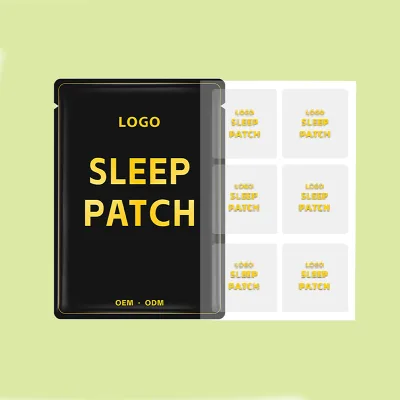
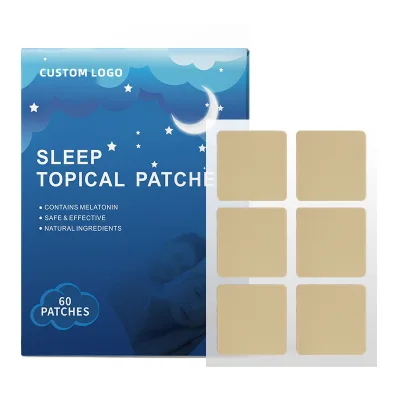
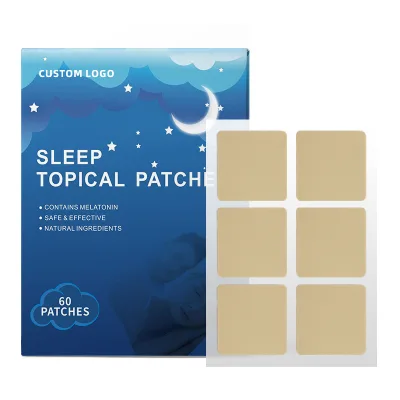
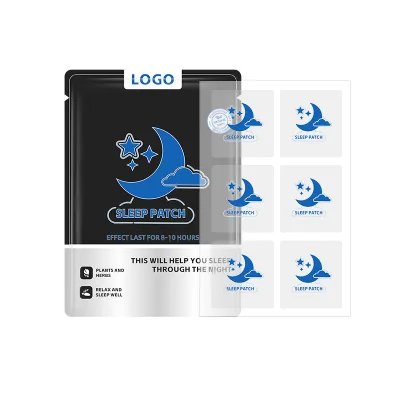
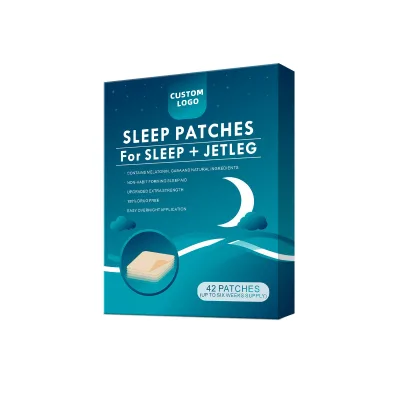
$2.37 - $2.71
MOQ: 5000 boxes
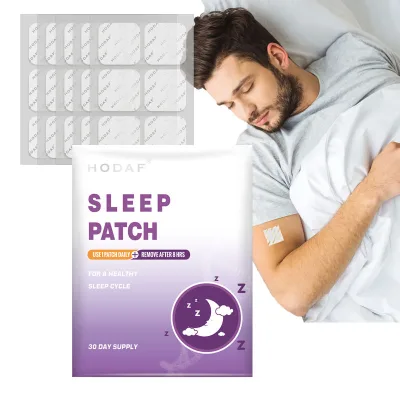
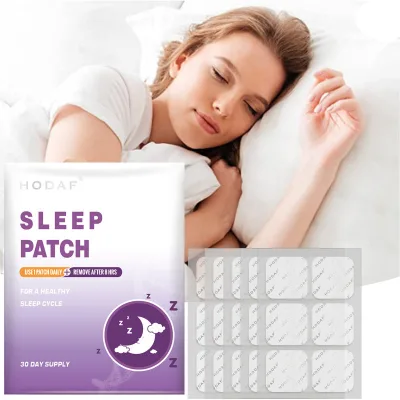
Tianjin Hodaf Technology Co., Ltd.
- Verified by SGS Group
- Manufacturer, Trading Company
- Lead time5 days
- Avg. response≤ 2h
Main productsVitamin Tablets, Gummy, Drops, Pre Mix powder
Main marketsNorth America(25%), Eastern Europe(25%), Southeast Asia(20%)
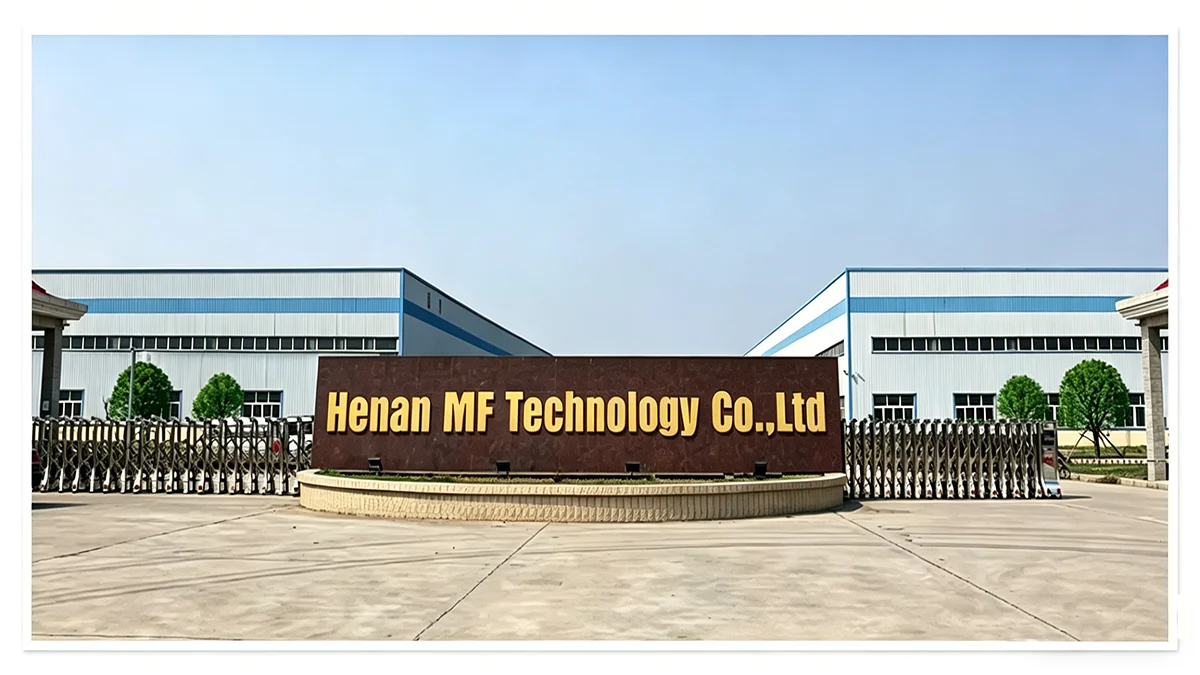
- Trading Company
- Henan, China
- Lead time15 days
- Avg. response≤ 3h
Main productsSlimming Patch,Pain Relief Patches,Detox Foot Patches,Smoke Patches,Ear Candles
Main marketsNorth America(30.00%), Domestic Market(10.00%), Africa(10.00%), Oceania(10.00%), Western Europe(6.00%), Southeast Asia(5.00%), South Asia(5.00%), Central America(5.00%), Eastern Europe(5.00%), Eastern Asia(5.00%), South America(5.00%), Southern Europe(2.00%), Northern Europe(2.00%)
Guangzhou Feishi Cosmetics Co., Ltd.
- Verified by TüVRheinland
- Trading Company
- Lead time0 days
- Avg. response≤ 3h
Main productsEssential Oil, Face Cream, Oral Care, Body Care, Foot Care
Main marketsNorth America(30%), South America(10%), Oceania(10%)

Henan Xinyongtai Medical Technology Co., Ltd.
- Manufacturer, Trading Company
- Henan, China
- Lead time20 days
- Avg. response≤ 4h
Main productsHealthcare Products,Beauty Care Products,Foot Patch,Functional Patch,Medical Gauze
Main marketsNorth America(20.00%), Southern Europe(10.00%), Eastern Europe(10.00%), Western Europe(10.00%), Domestic Market(5.00%), South Asia(5.00%), Southeast Asia(5.00%), Northern Europe(5.00%), Central America(5.00%), South America(5.00%), Eastern Asia(5.00%), Mid East(5.00%), Oceania(5.00%), Africa(5.00%)
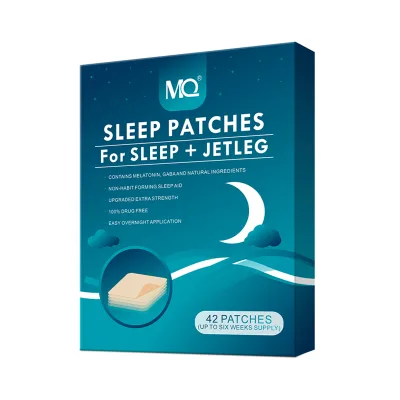
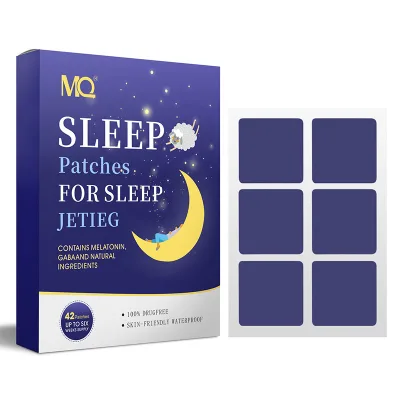
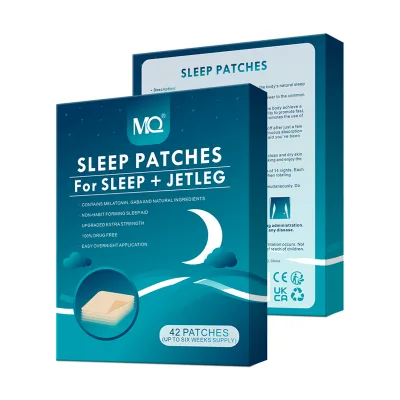
Factory Private Label OEM ODM PU Sleep Patch Melatonin Help Sleeping Aid Patch
$0.96 - $1.19
MOQ: 100 boxes
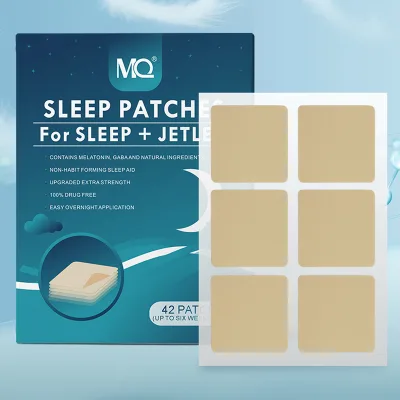
CE Melatonin Sticker Anti Insomnia Cure Skin Transdermal Wellness Good Breath Sleeping Aid Patch
$0.72 - $0.92
MOQ: 10 boxes
Tianjin Hodaf Technology Co., Ltd.
- Manufacturer, Trading Company
- Lead time旺季: "1 - 100000":16,"> 100000":"To be negotiated", 淡季: "1 - 100000":16,"> 100000":"To be negotiated"
- Avg. response≤ 2h
Main productsFoot Mask, Foot Patch, Under Eye Pad, Heat Pack, Steam Eye Mask
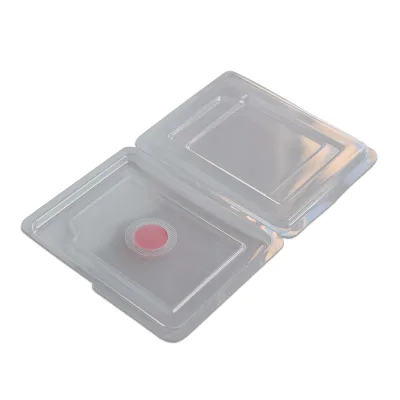
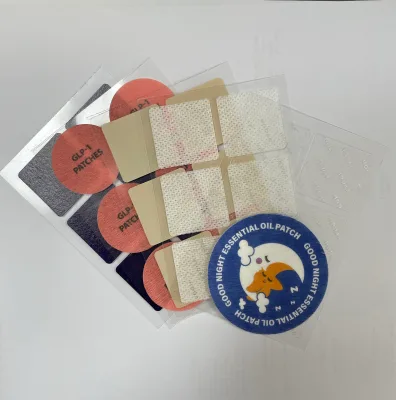
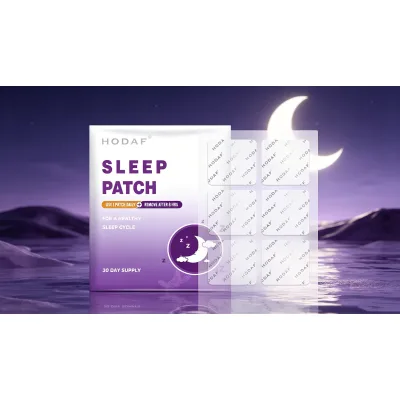
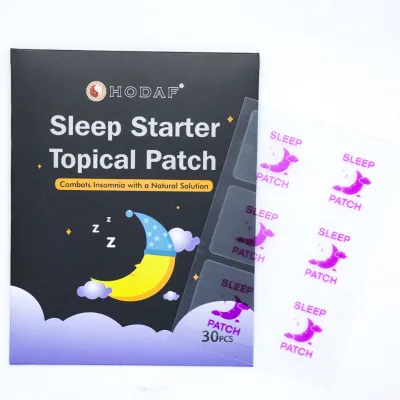
OEM ODM Microcrystal Melatonin Sleep Patch Microcrystal Sleeping Stickers Dissolving Odm Sleep Patch
$0.37 - $0.52
MOQ: 1000 pieces
Hebei Yuanrun Medical Devices Co., Ltd.
- Verified by TüVRheinland
- Manufacturer, Trading Company
- Lead time7 days
- Avg. response≤ 2h
Main productsNasal Strip, Warm Patch, Mouth Tape, Vitamin Patch, Acne Patch
Main marketsDomestic Market(57%), North America(8%), Mid East(8%)
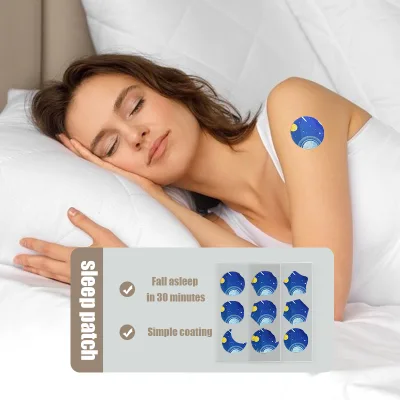
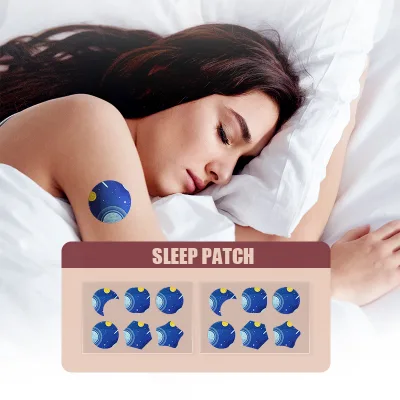
New Arrival Body Sleep Patch for Adults Sleep Support Patch With Melatonin Customized Sleep Patch
$0.05 - $0.10
MOQ: 100 pieces
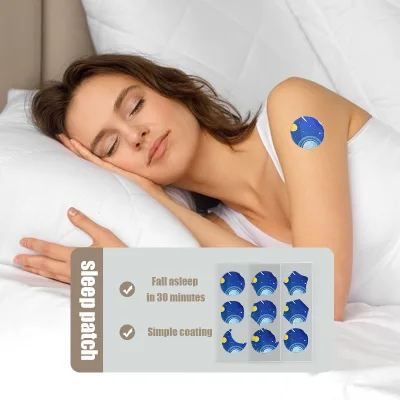
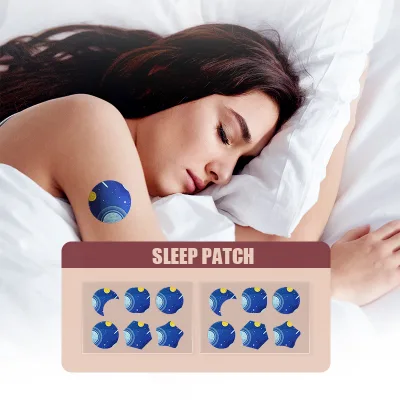
OEM/ODM Good Night Patch Dream Patch Melatonin Sleep Patch for Relaxation Strong Adhesive Sticker
$0.05 - $0.10
MOQ: 100 pieces
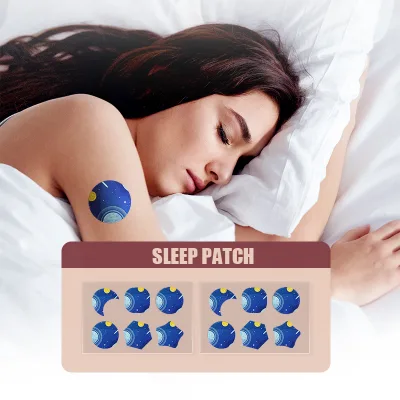
$0.05 - $0.10
MOQ: 100 pieces
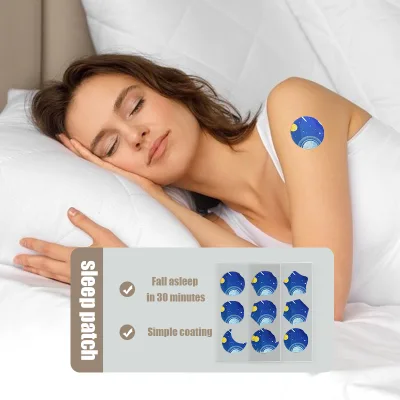
New Product Dream Sleep Aid Patch Breathable Good Night Patch Sleep Patch for a Better Night's Sleep
$0.06 - $0.10
MOQ: 1 pieces
$0.06 - $0.10
MOQ: 1 pieces
OEM Brand Natural Ingredient Melatonin Essential Oil Sleep Transdermal Patches Factory Wholesale
$0.05 - $0.10
MOQ: 100 pieces
Hebei Houde Hanfang Medical Devices Group Co., Ltd.
- Trading Company
- Lead time旺季: "1 - 10000":10,"> 10000":"To be negotiated", 淡季: "1 - 10000":10,"> 10000":"To be negotiated"
- Avg. response≤ 1h
Main productsFoot Patch, Hydrogel Patch, Scar Removal Patch, Non Woven Fabric Patch, Beauty Personal Care Products
Zhengzhou Zhongsheng Enterprise Marketing Planning Co., Ltd.
- Trading Company
- Henan, China
- Lead time0 days
- Avg. response≤ 1h
Main productsHealthcare Supplements,Vitamins,Mushroom/Enzyme,Food & Beverage Beverages Tea Slimming Tea
Main marketsNorth America(35.00%), Southern Europe(25.00%), Eastern Asia(15.00%), Mid East(15.00%), Africa(10.00%)
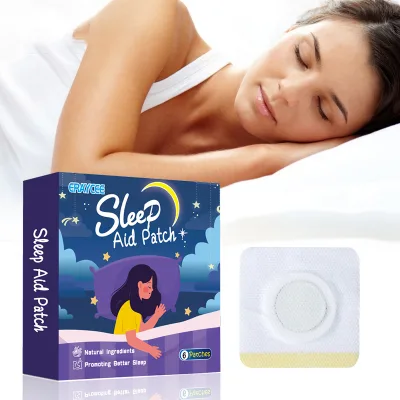
OEM ODM Non Melatonin Sleep Patch Comfortable Sleep Patch Calm Patch to Promote Sleep Quality
$0.85 - $1.00
MOQ: 100 pieces
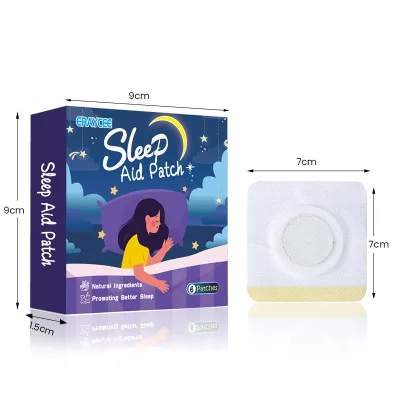
Sleep Patches Melatonin Free Promote Quality Sleep and Reduce Tiredness Sleep Patches 6 Patch/bag
$0.87 - $1.02
MOQ: 100 pieces
Hangzhou Houde Fuze Technology Co., Ltd.
- Verified by SGS Group
- Manufacturer, Trading Company
- Lead time10 days
- Avg. response≤ 1h
Main productsFoot Mask, Steam Eye Mask, Acne Patch, Collagen Eye Mask, Body Warmer Patch
Main marketsSouth America(17%), Eastern Europe(15%), Western Europe(15%)
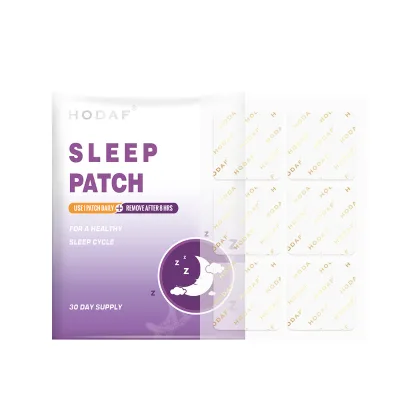
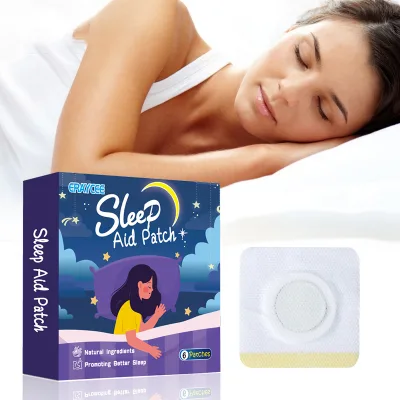
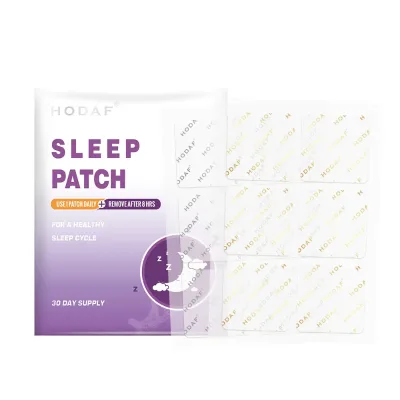
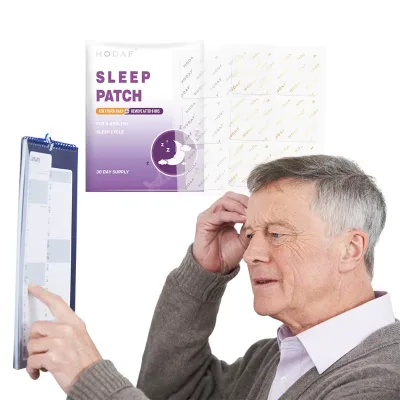
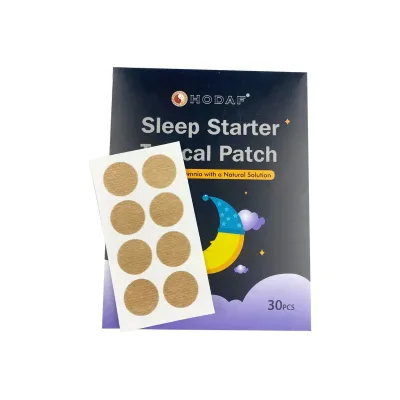
Hot Sale Transdermal Sleep Patch Natural Ingredient Sleep Aid Patch Melatonin Sticker
$0.06 - $0.08
MOQ: 1000

Ningbo Homegu Industry And Trade Co., Ltd.
- Verified by TüVRheinland
- Manufacturer, Trading Company
- Lead time15 days
- Avg. response≤ 3h
Main productsEssential Oil, Functional patch, Charcoal Bamboo Bag, Air Freshener Bag, Plug-In Air Freshener
Main marketsNorth America(21%), Eastern Europe(12%), Western Europe(10%)
Henan Xianyou Pharmaceutical Technology Co., Ltd.
- Verified by Intertek
- Manufacturer, Trading Company
- Henan, China
- Lead time20 days
- Avg. response≤ 3h
Main productsHealth Care Patch
Hebei Houde Hanfang Medical Devices Group Co., Ltd.
- Verified by SGS Group
- Manufacturer, Trading Company
- Hebei, China
- Lead time10 days
- Avg. response≤ 1h
Main productsTransdermal Nutrition, Non Woven Fabric Patch, Sleep & Respiratory, Warmer Heating Pad, Body Contouring
Main marketsDomestic Market(60%), North America(11%), Eastern Europe(9%)

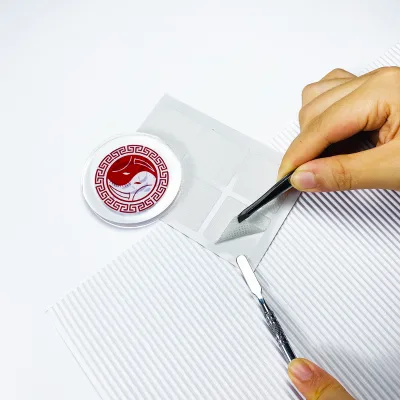
Transdermal Melatonin Patches Can Be More Effective at Helping People Remain Sleeping
$0.06 - $0.09
MOQ: 1000 bags
Shijiazhuang Healthy Medical Devices Co., Ltd.
- Verified by Intertek
- Trading Company
- Lead time20 days
- Avg. response≤ 2h
Main productsBreathing Strips, Transdermal Patch, Pain Relief Patch, Capsule, Tablets
Main marketsNorth America(40%), South America(20%), Oceania(20%)

Henan Geesion Medical Devices Co., Ltd.
- Verified by BV
- Trading Company
- China Henan
- Lead time15 days
- Avg. response≤ 6h
Main productsPain Relief Patch, Cooling Gel Patch, Detox Foot Patch, Slimming Patch, Capsicum Plaster, Stop Smoking, Nasal Strips, Dental Mouthguard, Cough Relieve Patch, Wormwood Knee Patch
Main marketsSouth America,Africa,Southeast Asia/ Mideast,East Asia(Japan/ South Korea),Europe,Australia,North America


Sleep Aid Patches Wellness Health Products Health Care Products Transdermal Patch Price
$0.06 - $0.10
MOQ: 500 piece

Vitamin Patch Natural Sleep Aid Vitamin Patch Energy Hypoallergenic Improve Sleep
$0.10
MOQ: 1000 Pieces

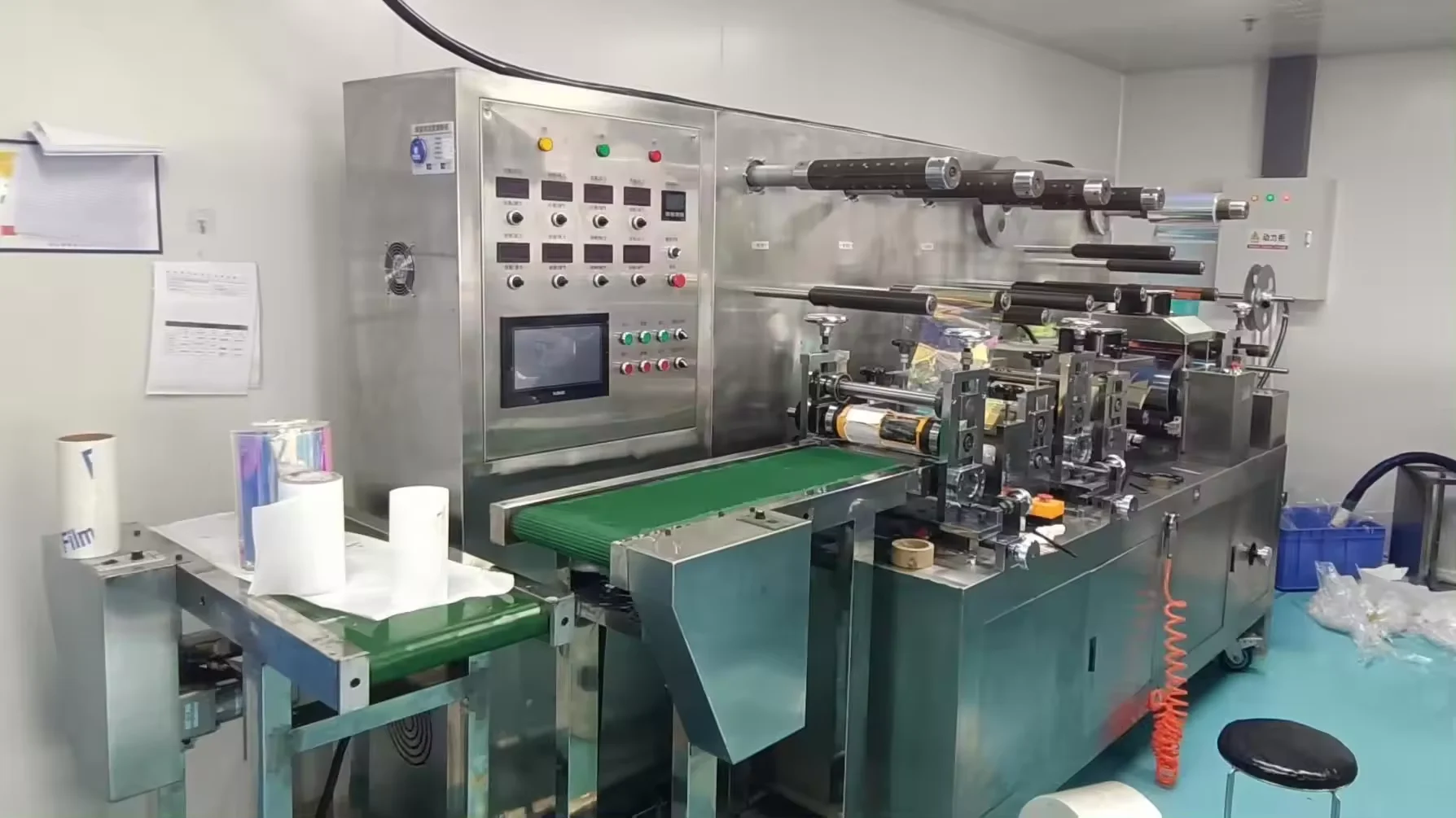
Ningbo Baiji Biological Technology Co., Ltd.
- Manufacturer, Trading Company
- Zhejiang, China
- Lead time14 days
- Avg. response≤ 4h
Main productsPimple Patch,Hydrocolloid Patch,Body patch,Skin Care,Protective Patch
Main marketsNorth America(15.00%), Eastern Europe(12.00%), South America(12.00%), Southeast Asia(10.00%), Oceania(9.00%), Africa(9.00%), Eastern Asia(8.00%), Mid East(8.00%), Domestic Market(1.00%), South Asia(1.00%), Southern Europe(1.00%), Northern Europe(1.00%), Central America(1.00%), Western Europe(1.00%)
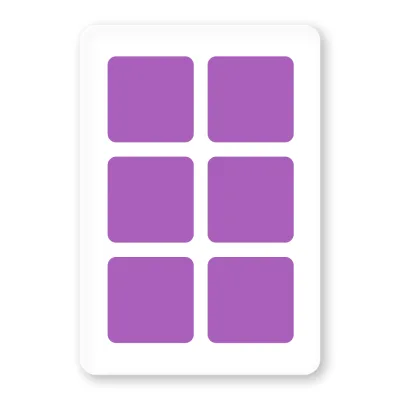
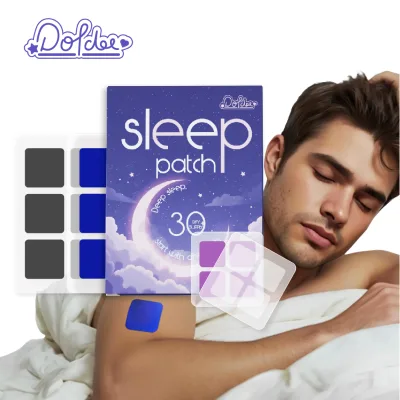
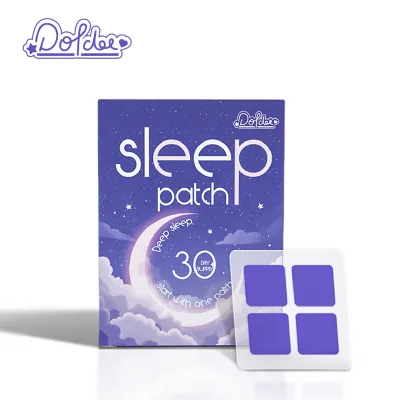
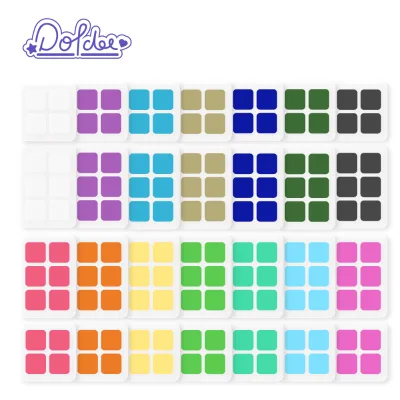
Rushed Custom Size Sleep Private Label Hypoallergenic Relaxing Patch,sleep Aid Patch
$0.19 - $0.31
MOQ: 100
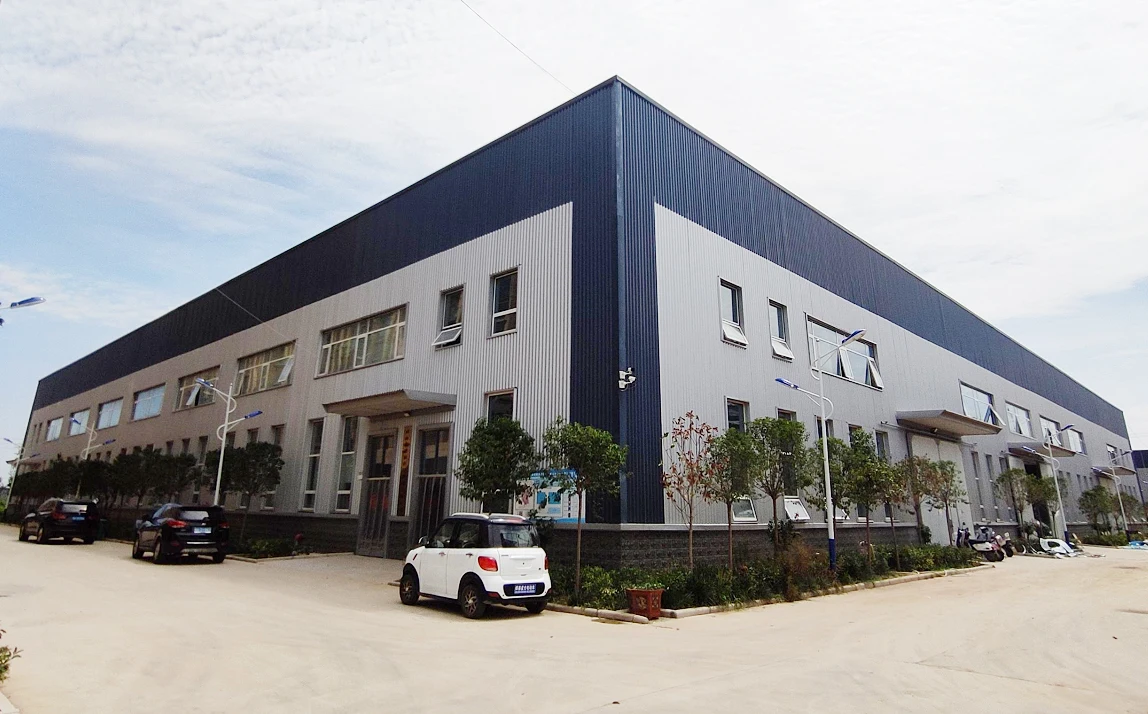
Zhengzhou Yupintang Medical Instrument Co., Ltd.
- Manufacturer, Trading Company
- Henan, China
- Lead time7 days
- Avg. response≤ 4h
Main productsPain Relief Patch,Cooling Gel Patch,Wormwood pain relief patch,Pain Relief Cold Gel Patch,Capsicum Plaster
Main marketsDomestic Market(70.00%), North America(5.00%), Southeast Asia(5.00%), Western Europe(5.00%), Mid East(5.00%), South Asia(2.00%), Africa(1.00%), Oceania(1.00%), Southern Europe(1.00%), Northern Europe(1.00%), Central America(1.00%), Eastern Europe(1.00%), Eastern Asia(1.00%), South America(1.00%)
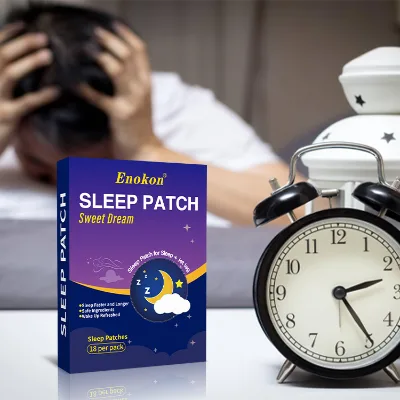
$0.06 - $0.10
MOQ: 10000 Minimum
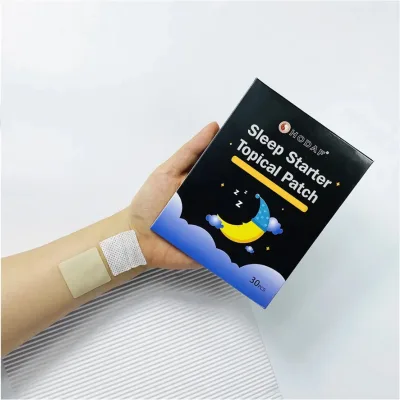
$0.06 - $0.10
MOQ: 10000 Minimum
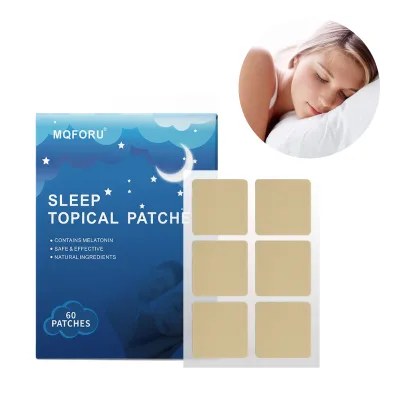
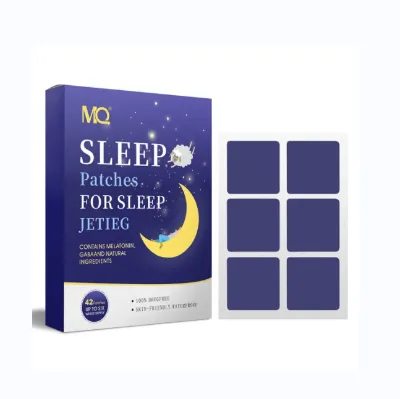
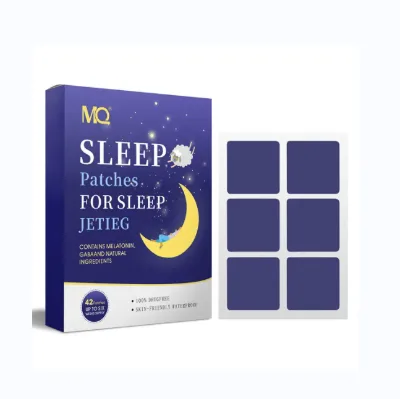
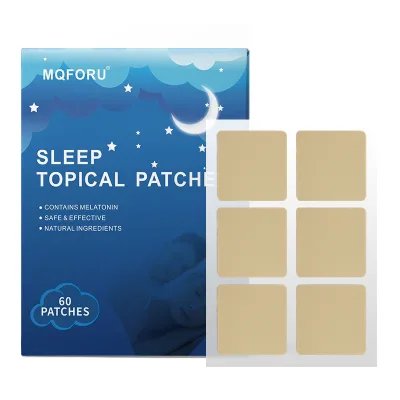
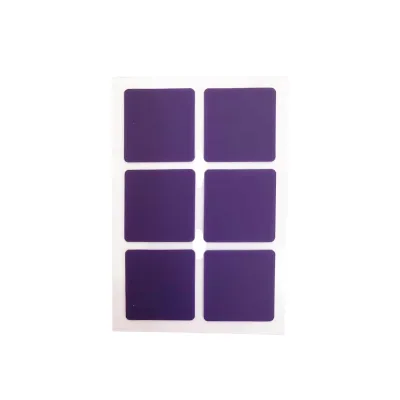
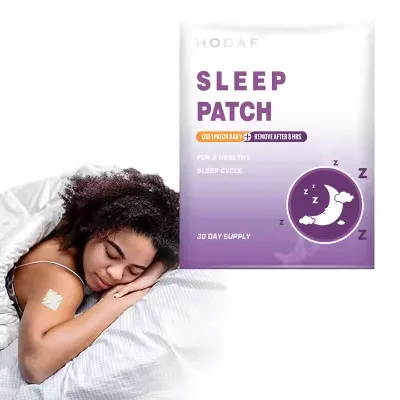
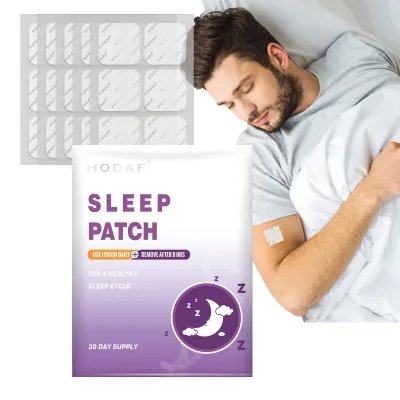
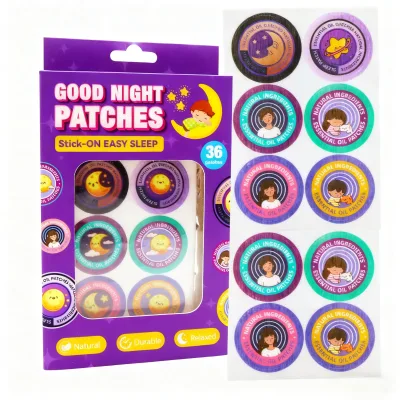
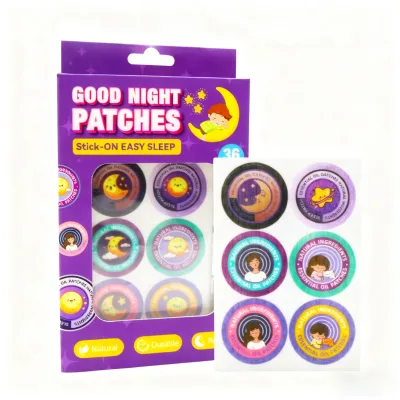

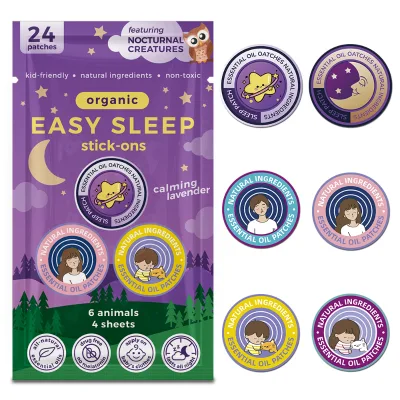
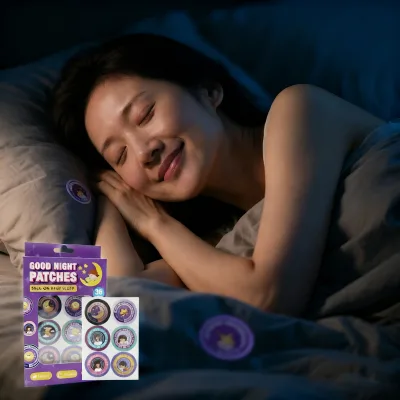
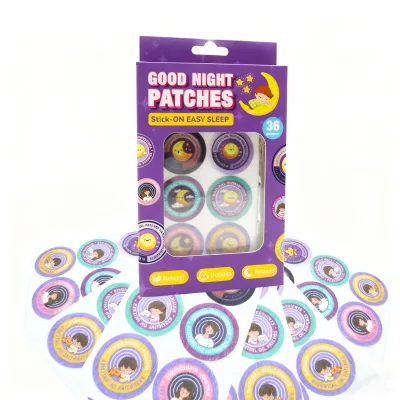
Comprehensive Sourcing Guide
MSDS Melatonin Sleep Patch Supplier Concentration and Factory Types
Current data indicates a concentration of manufacturing activity in China, specifically within the Zhejiang and Henan provinces. Suppliers in these regions list diverse main products ranging from acne patches and hydrocolloid dressings to pain relief patches and nutritional supplements. This clustering suggests that facilities often operate as combined entities or manufacturers capable of handling multiple healthcare supply categories. Some suppliers explicitly state an "Own brand" capacity, while others offer OEM and ODM services, indicating a flexible production environment. The presence of specific product models like "Dotdot-Sleep" and "Insomnia patch" confirms that these factories are actively producing transdermal sleep aids with melatonin as a core ingredient.
When evaluating factory types, buyers should distinguish between pure manufacturers and combined trading companies. The available facts show company types labeled as "Combined," "Manufacturer/Factory," and "Manufacturer, Trading Company." This distinction is critical because a combined entity might manage both production and sales, whereas a pure manufacturer focuses solely on output. Some suppliers list "sample processing" and "graphic processing" as part of their R&D capacity, which is a strong indicator of in-house customization capabilities. Buyers must verify if the facility handling the order is the actual production site or a trading intermediary, as this impacts quality control and communication speed. The diversity in main products suggests these factories are not specialized solely in sleep patches but operate within a broader health care equipment ecosystem.
How to Verify MSDS Melatonin Sleep Patch Suppliers
Verification of supplier credentials is a primary step in ensuring product safety and compliance. Several suppliers in the current results display verification badges from recognized bodies such as TÜV Rheinland and BV. These third-party validations provide a baseline of trust regarding the supplier's business legitimacy and operational standards. Additionally, specific product listings mention certifications like GMP, ISO 9001, ISO 13485, and MSDS. The presence of MSDS certification is particularly relevant for chemical-based transdermal patches, as it confirms the safety data of ingredients like melatonin and lavender. Buyers should cross-reference these claims with the supplier's profile to ensure the certifications apply to the specific sleep patch product line being sourced.
Beyond external verification, buyers must examine the internal quality management systems listed by the supplier. Some factories claim adherence to ISO 45001 for occupational health and safety, alongside ISO 14001 for environmental management. These standards indicate a mature operational framework that often correlates with consistent product quality. The "is_verified" status combined with specific system certifications like CCC and CE further strengthens the supplier's profile. However, buyers should not assume all listed certifications apply to every product variant. It is essential to request specific test reports or certificates for the exact model number, such as "SMT526" or "Dotdot-SleepPatch," to confirm that the safety data matches the physical goods. This due diligence prevents reliance on generic company credentials that may not cover the specific transdermal formulation.
What to Compare Across MSDS Melatonin Sleep Patch Suppliers
Comparing suppliers requires a detailed analysis of operational metrics such as lead time, minimum order quantity, and response speed. The data reveals significant variation in these areas; for instance, lead times range from 25 to 30 days, while response times vary between 1.0 and 2.03 hours. These differences can drastically impact inventory planning and market responsiveness. Buyers should prioritize suppliers with faster response times if they require urgent order adjustments or customizations. Similarly, the minimum order quantity (MOQ) varies widely, with some suppliers requiring as few as 100 pieces while others demand 5,000 or even 9,999 units. This disparity allows buyers to select partners that align with their current volume needs and financial constraints.
Price and customization capabilities are equally critical comparison points. Unit prices for melatonin sleep patches range from approximately $0.09 to $0.71, reflecting differences in packaging, ingredient concentration, and order volume. Some suppliers offer customized colors, shapes, and logos, which is vital for branding strategies. The availability of "Customized Package" and "Individually Packing" options suggests flexibility in presentation. Buyers must also compare the shelf life, which is listed as 2 to 3 years across different suppliers. A longer shelf life reduces the risk of inventory obsolescence. Additionally, the main product focus of each supplier should be evaluated; those specializing in health care equipment may offer more expertise than general trading companies. A holistic comparison ensures the selected partner balances cost, speed, and quality effectively.
Common MSDS Melatonin Sleep Patch Sourcing Risks
One significant risk in sourcing melatonin sleep patches is the inconsistency in ingredient specifications and product claims. While many listings highlight "100% Natural" ingredients or specific blends like lavender and melatonin, the actual formulation can vary between batches or suppliers. Some products are described as "Disposable" while others are marketed as "Transdermal Relief," which may imply different application methods or efficacy levels. Without rigorous testing, buyers risk receiving products that do not meet the advertised "Assist Sleep" or "Improving Sleep" claims. The variation in shelf life, ranging from two to three years, also introduces uncertainty regarding product stability and storage requirements. Buyers must ensure that the supplier provides batch-specific quality reports to mitigate these formulation risks.
Another major risk involves the reliability of supply chain commitments, particularly regarding lead times and capacity. Although some suppliers list a lead time of 25 days, others indicate 30 days, and capacity claims like "Own brand" or "sample processing" may not guarantee immediate availability for large orders. The high MOQs found in some results, such as 9,999 units, can create financial strain if the product does not sell as expected. Furthermore, the distinction between "Manufacturer/Factory" and "Trading Company" can obscure the true source of production, potentially leading to communication gaps or quality control issues. If a trading company intermediates the order, the buyer may lose direct oversight of the manufacturing process. Verifying the actual production capacity and understanding the supply chain structure is essential to avoid delays and quality failures.
MSDS Melatonin Sleep Patch Regional Sourcing and Logistics
Sourcing from China, specifically the Zhejiang and Henan provinces, offers access to a dense network of manufacturers specializing in health care supplies. These regions host a variety of facilities producing everything from hydrocolloid dressings to melatonin patches, creating a competitive environment that can drive down costs. The concentration of suppliers in these areas facilitates easier logistics coordination, as many factories are likely located near major shipping hubs. However, buyers must account for the specific location of each factory, as shipping times and costs can vary based on whether the facility is in Zhejiang or Henan. Understanding the geographic distribution helps in estimating delivery timelines and selecting the most efficient shipping routes for international orders.
Logistics planning must also consider the packaging standards and product dimensions provided by suppliers. Listings indicate packaging formats such as "Carton," "Box," and "Individually Packing," with specific dimensions like "15X12X1.5 cm" for single packages. These details are crucial for calculating freight costs and optimizing container space. Some suppliers offer "Customized Package" options, which may alter the shipping volume and weight. Buyers should verify the "prod_standard" and "prod_packing" details to ensure the packaging meets destination country regulations. Additionally, the "Main Product" lists often include other items like pet chews or ointments, suggesting that suppliers may offer consolidated shipping for mixed orders. This flexibility can reduce overall logistics costs but requires careful coordination to ensure all items are shipped together and arrive on time.
MSDS Melatonin Sleep Patch Commercial Terms and Order Planning
Commercial terms for melatonin sleep patches vary significantly based on the supplier's capacity and product specifications. Minimum order quantities (MOQ) are a primary factor, with some suppliers accepting orders as low as 100 pieces, while others require volumes of 5,000 to 9,999 units. This variation allows buyers to start with smaller test orders or commit to larger volumes for better pricing. Unit prices range from $0.09 to $0.71, influenced by factors such as customization, packaging, and order size. Buyers should negotiate based on these tiers, understanding that higher volumes often yield lower per-unit costs. Additionally, the availability of OEM and ODM services means buyers can often secure private labeling, which adds value but may require higher MOQs or longer lead times.
Order planning must also account for response times and production lead times to ensure timely delivery. Response times in the current data range from 1.0 to 2.03 hours, indicating a generally responsive supplier base. However, lead times of 25 to 30 days require careful scheduling to avoid stockouts. Buyers should factor in the time needed for sample approval, especially when customizing colors, shapes, or logos. The "Customization: Available" attribute suggests that design changes are possible but may extend the production timeline. Furthermore, the shelf life of 2 to 3 years provides a buffer for inventory management, but buyers should plan orders to ensure products are sold before expiration. Clear communication regarding these terms and timelines is essential for a successful procurement process and long-term supplier relationship.
FAQs
What is the minimum order quantity for melatonin sleep patches?
The minimum order quantity varies by supplier and product model. Some listings show an MOQ of 100 pieces for custom sizes, while others require 5000 or 9999 units. Buyers should verify the specific MOQ for their chosen patch type before placing an order.
How long does it take to receive melatonin sleep patches?
Lead times for these patches typically range from 25 to 30 days depending on the supplier. Some manufacturers in Zhejiang and Henan report a 30-day production window, while others may offer a 25-day turnaround. Confirm the exact delivery schedule with the vendor.
Are these patches certified with MSDS and ISO standards?
Yes, several suppliers list MSDS, ISO 9001, ISO 13485, and CE certifications for their melatonin sleep patches. Some products also carry GMP or CCC certifications. Buyers should request the specific certification documents to ensure compliance with their local safety regulations.
Can I customize the size and logo on these sleep patches?
Customization is widely available for size, shape, color, and logo on many melatonin sleep patch listings. Suppliers offer customized packaging and private labeling services. Buyers can request specific dimensions and branding details, though minimum order quantities may apply for custom runs.
What is the price range for bulk melatonin sleep patches?
Prices for melatonin sleep patches generally range from 0.09 to 0.71 USD per unit based on the supplier and order volume. Lower prices often correspond to higher minimum order quantities. Buyers should compare unit costs across different suppliers to find the best value for their needs.
Where are the manufacturers of these melatonin patches located?
Manufacturers of these patches are primarily located in China, specifically in the Zhejiang and Henan provinces. These regions host suppliers offering various types of health care patches. Buyers can filter search results by these locations to find nearby or specific regional vendors.
How quickly do suppliers respond to inquiries about sleep patches?
Supplier response times for melatonin sleep patch inquiries are typically fast, averaging around 1 to 2 hours. Some verified suppliers report response times as low as 1 hour. Buyers can expect prompt communication when contacting manufacturers with established verification status.