Green Fiber Keratin Hair Mask Suppliers and Manufacturers
Source 25 verified trading companies offering Green Fiber Keratin Hair Mask products with GMPC and CE certifications. Compare grounded dimensions including lead times, MOQs, and response speeds to identify suitable partners. Review detailed product attributes and pricing to streamline your procurement process.
Suppliers List
Guangzhou Aining Technology Co. LTD
- Verified by TüVRheinland
- Trading Company
- Lead time5 days
- Avg. response≤ 2h
Main productsHair Fiber, Hair Vitamin Capsule, Hair Care Oil, Beard Care, Hair Styling Product
Main marketsNorth America(30%), Northern Europe(10%), Southern Europe(10%)
$1.37 - $1.98
MOQ: 500 pieces
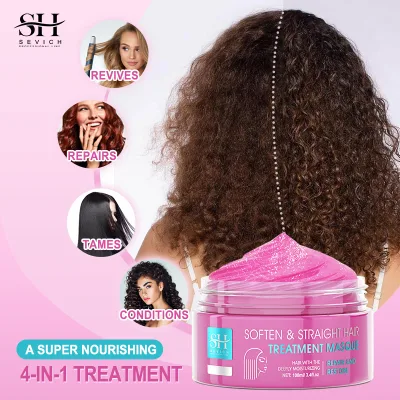
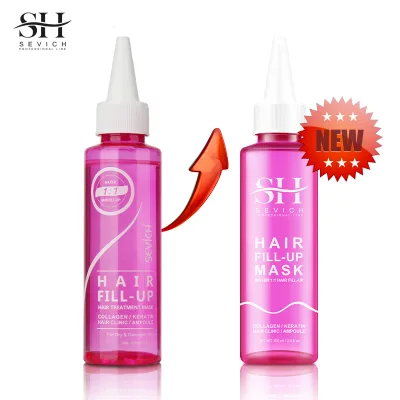

Guangzhou Tinsun Biotechnology Company Limited
- Combined
- China Guangdong
- Lead time15 days
- Avg. response≤ 8h
Main productsSkin Care
Main marketsEast Asia(Japan/ South Korea),Australia,North America


Wholesale Price Professional Salon Ginger Coconut Oil Treatment Hair Care Collagen Keratin Hair Mask
$1.26 - $2.29
MOQ: 100 Pieces

Guangzhou Qiaoyangzi Cosmetics Technology Co., Ltd.
- Trading Company
- Guangdong, China
- Lead time7 days
- Avg. response≤ 5h
Main productsHair Dye Shampoo, Hair Essencial Oil, Hair Mask, Hair Shampoo, Hair Wax
Main marketsNorth America(60.00%), Western Europe(10.00%), Eastern Europe(10.00%), Southern Europe(5.00%), Northern Europe(5.00%), Oceania(3.00%), South Asia(1.00%), Eastern Asia(1.00%), South America(1.00%), Africa(1.00%), Domestic Market(1.00%), Mid East(1.00%), Southeast Asia(1.00%)

Guangdong Boda Cosmetics Co,.Ltd.
- Verified by BV
- Manufacturer/Factory
- China Guangdong
- Lead time23 days
- Avg. response≤ 6h
Main productsHair Bleaching Powder, Hair Dye, Hair Care, Shampoo, Hair Conditioner, Hair Bleach Cream, Silver Shampoo, Olaplex, Hair Perm, Hair Mask
Main marketsSouth America,Eastern Europe,Mid East,North America,Southeast Asia,Eastern Asia,Oceania,Western Europe,Africa

High Quality Hair Care Treatment Mask Moisturizing Repairing Protein Keratin Hair Mask
$2.55 - $2.80
MOQ: 100 Pieces

OEM Professional Keratin Hair Treatment Repair Hair Mask Nourishing Damaged Hair Mask
$2.70 - $2.90
MOQ: 24 Pieces

Best Natural Protein Keratin Hair Mask Treatment Smoothing and Repairing 400ml Hair Care Mask
$1.71 - $2.45
MOQ: 24 Pieces

Factory Offer Hair Care Keratin Hair Mask Collagen Repairing Argan Oil Hair Mask
$2.50 - $2.80
MOQ: 100 Pieces

$2.55 - $2.80
MOQ: 100 Pieces


Guangzhou Kanglixin Medical Biotechnology Co, Ltd.
- Verified by TUVRHEINLAND
- Manufacturer/Factory
- China Guangdong
- Lead time23 days
- Avg. response≤ 9h
Main productsSkin Care Products, Body Care, Hair Care Products, Makeup, Men's Care Products, Ferminine Care Products, Serum, Facial Mask, Face Cream, Scrub
Main marketsSouth America,Eastern Europe,Mid East,North America,Southeast Asia,Eastern Asia,Oceania,Western Europe,Africa

Natural Protein Keratin Hair Mask Treatment Smoothing and Repairing Hair Care Mask
$2.00 - $2.80
MOQ: 1000 Pieces

OEM Professional Natural Collagen Repairing Hair Care Product Nourishing Smooth Keratin Hair Mask
$2.00 - $2.80
MOQ: 1000 Pieces

Wholesale Hair Mask Natural Collagen Repairing Hair Mask Sulfate Free Keratin Hair Mask
$2.00 - $2.80
MOQ: 1000 Pieces


$2.00 - $2.80
MOQ: 1000 Pieces

Private Label with Pure Argan for Hair Smoothing Keratin Hair Mask for Moisture Repair Damaged Hair
$2.00 - $2.80
MOQ: 1000 Pieces

Guangzhou Mebamy Cosmetics Co., Ltd.
- Verified by TUVRHEINLAND
- Manufacturer/Factory
- China Guangdong
- Lead time15 days
- Avg. response≤ 5h
Main productsFace Serum, Soap, Face Cream, Sunscreen, Eyelash Growth Serum, Teeth Whitening, Face Mask, Facial Cleanser, Essential Oil, Hair Care Series
Main marketsNorth America,Western Europe


Premium Keratin Hair Mask Professional Treatment Hair Repair Nourishing Mask
$2.08 - $2.65
MOQ: 3000 Pieces


Keratin Collagen Hair Mask for Curly Hair Treatment Dry Damaged & Frizzy
$1.78 - $2.28
MOQ: 3000 Pieces


Guangzhou Gaoyou Cosmetics Co., Ltd.
- Verified by BV
- Combined
- China Guangdong
- Lead time15 days
- Avg. response≤ 2h
Main marketsAfrica,Southeast Asia/ Mideast,East Asia(Japan/ South Korea),Australia,North America
Guangzhou Mingkou Cosmetic Co., Ltd.
- Manufacturer, Trading Company
- Guangdong, China
- Lead time20 days
- Avg. response≤ 3h
Main productsHair Shampoo, Hair Conditioner, Hair Mask, Hair Color Products, Hair Styling Products
Main marketsDomestic Market(50.00%), Southeast Asia(25.00%), Eastern Europe(5.00%), Africa(4.00%), South Asia(3.00%), Oceania(3.00%), North America(2.00%), South America(2.00%), Eastern Asia(1.00%), Western Europe(1.00%), Southern Europe(1.00%), Central America(1.00%), Northern Europe(1.00%), Mid East(1.00%)
Guangzhou Gatase Cosmetics Co., Ltd.
- Verified by TüVRheinland
- Trading Company
- Lead time0 days
- Avg. response≤ 2h
Main productsShampoo, Hair Conditioner, Styling Products, Hair Care Product, Hair Treatment
Main marketsNorth America(30%), Mid East(30%), South America(10%)
Guangzhou Fantesy Biotechnology Co., Ltd.
- Manufacturer, Trading Company
- Lead time旺季: "1 - 1000":30,"> 1000":"To be negotiated", 淡季: "1 - 1000":30,"> 1000":"To be negotiated"
- Avg. response≤ 4h
Main productsSoap, Serum, Body Care Product, Hair Care Product, Bath Product
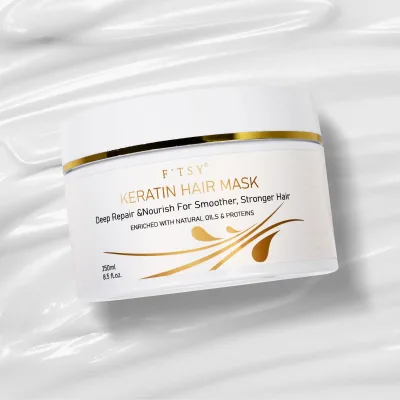
$2.29 - $2.70
MOQ: 1000 pieces
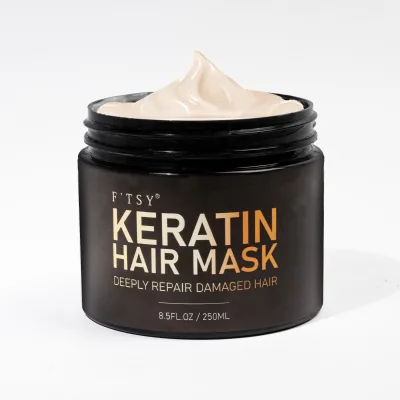
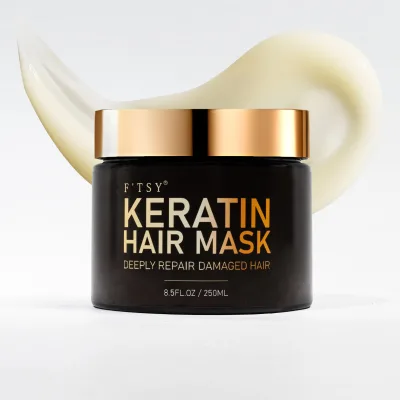

Guangdong Cangty International Cosmetics Co., Ltd.
- Verified by SGS
- Combined
- China Guangdong
- Lead time15 days
- Avg. response≤ 6h
Main productsShampoo, Hair Wax, Hair Conditioner, Hair Serum, Hair Essence, Hair Mousse, Hair Spray, Hair Styling Cream, Hair Shampoo, Wax Sticker
Main marketsOthers(foreignTradeCapacity.exportBusinessCapacityMarketOther),Domestic
Guangzhou Keyin Biotechnology Co., Ltd.
- Verified by SGS Group
- Trading Company
- Lead time15 days
- Avg. response≤ 2h
Main productsFace Serum, Face Cream, Body Scrub, Eye Cream, Facial Mask
Main marketsNorth America(80%), Western Europe(15%), South America(3%)
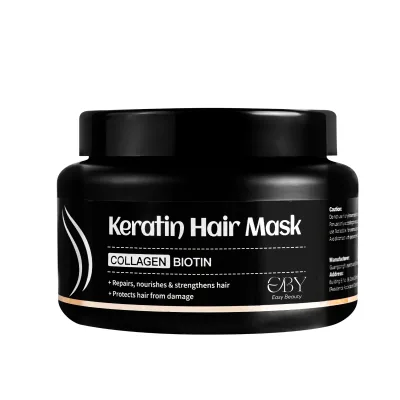
Factory Oem Keratin Hair Mask Deeply Nourishing Hydrating Smooth Repair Dry Damaged Hair Mask
$2.88 - $3.60
MOQ: 300 pieces
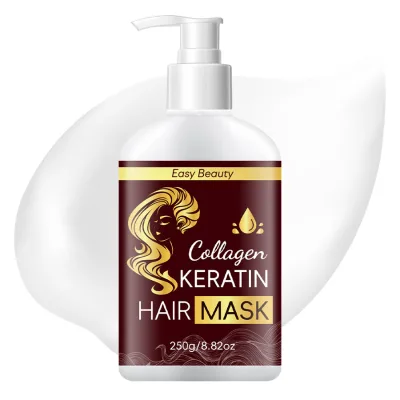
$2.20 - $2.60
MOQ: 300 pieces
Guangzhou Jianyuan Biotechnology Co., Ltd.
- Manufacturer, Trading Company
- Lead time旺季: "1 - 5000":7,"5001 - 10000":15,"10001 - 50000":25,"> 50000":"To be negotiated", 淡季: "1 - 5000":7,"5001 - 10000":15,"10001 - 50000":25,"> 50000":"To be negotiated"
- Avg. response≤ 5h
Main productsHair Wax, Hair Styling Products, Hair Care Products, Shampoo, Volume Powder
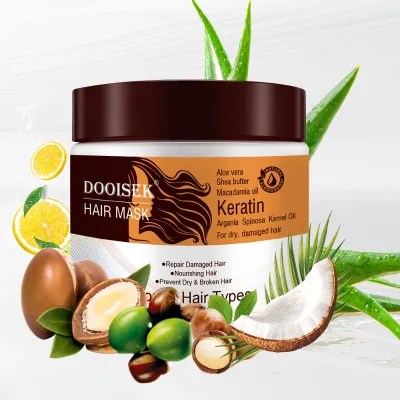
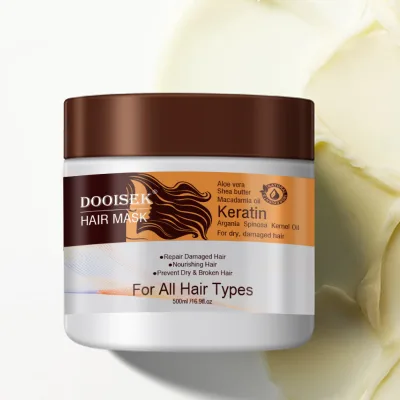
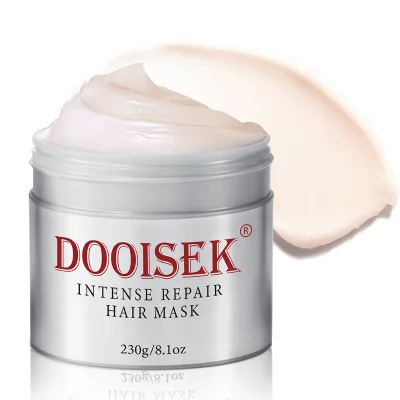
$1.20 - $1.85
MOQ: 5000 pieces

Guangzhou Sevich Biology Technology Co., Ltd.
- Verified by SGS
- Trading Company
- China Guangdong
- Lead time15 days
- Avg. response≤ 5h
Main productsHair Building Fibers, Hair Fiberes, Keratin Hair Fibers, Keratin Fiber Powder, Hair Fibers Building, Hair Loss Treatment, Hair Loss Concealer, Hair Loss Men, Hair Loss Women
Main marketsSouth America,Southeast Asia/ Mideast,East Asia(Japan/ South Korea),Europe,Australia,North America


Professional Salon Keratin Herbal Smoothing and Repairing Hair Mask for Damaged Hair
$1.57 - $2.32
MOQ: 1000 Pieces

Hair Loss Collagen Moisturizing Dry Damaged Hair Conditioner Growth Mask
$1.95 - $2.65
MOQ: 500 Pieces

Dry Hair Treatment Natural Hair Mask Salon Protein Moisturizing Hair Steam Mask
$1.42 - $1.92
MOQ: 32 Pieces

Guangzhou Aoyi Cosmetic Co., Ltd.
- Guangdong, China
- Lead time0 days
- Avg. response≤ 4h
Foshan Jecko Biotechnology Co., Ltd.
- Verified by TüVRheinland
- Manufacturer, Trading Company
- Lead time0 days
- Avg. response≤ 2h
Main productsHair Shampoo, Hair Mask, Hair Wax, Body Care, Hair Conditioner
Main marketsNorth America(18%), South America(15%), Southeast Asia(12%)
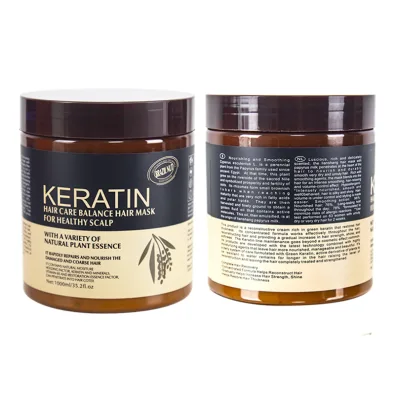
Daily Use Keratin Hair Care Mask for All Hair Types Brazil Oil Scalp Concerns Hair Mask
$0.97 - $1.28
MOQ: 2 pieces
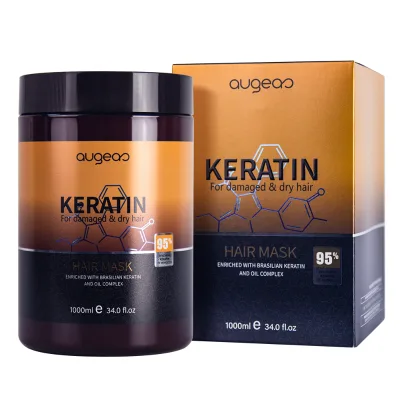
Professional Salon Repair Hair Mask for Dry Dyed Damaged Frizzy Hair Nourish Hair Shine Smooth
$1.17 - $1.54
MOQ: 2 pieces
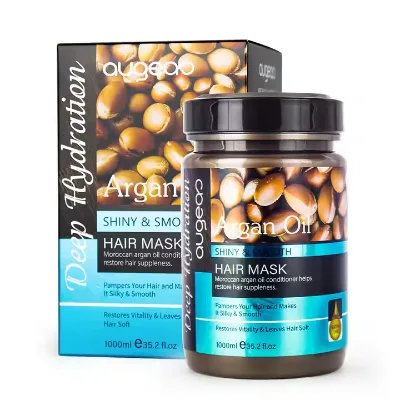

Guangdong Boda Cosmetics Co, . Ltd.
- Verified by CTI
- Combined
- China Guangdong
- Lead time23 days
- Avg. response≤ 7h
Main productsHair Bleach Powder, Hair Color, Hair Bleach Cream, Hair Color Conditioner, Semi-Permanent Hair Color, Hair Shampoo, Hair Conditioner, Hair Mask, Hair Treatment
Main marketsSouth America,Africa,Southeast Asia/ Mideast,East Asia(Japan/ South Korea),Domestic,Europe,Australia,North America
Guangzhou Nongcai Cosmetics Co., Ltd.
- Verified by SGS Group
- Manufacturer, Trading Company
- Lead time25 days
- Avg. response≤ 2h
Main productsHair Color Cream, Hair Color Shampoo, Hair Shampoo, Hair Wax, Hair Mask
Main marketsNorth America(30%), Southeast Asia(20%), Mid East(20%)
Guangzhou Baytiful Cosmetics Co., Ltd.
- Verified by TüVRheinland
- Trading Company
- Lead time15 days
- Avg. response≤ 4h
Main productsHair Mask, Shampoo, Conditioner, Hair Oil, Keratin
Main marketsNorth America(30%), South America(10%), Eastern Europe(10%)

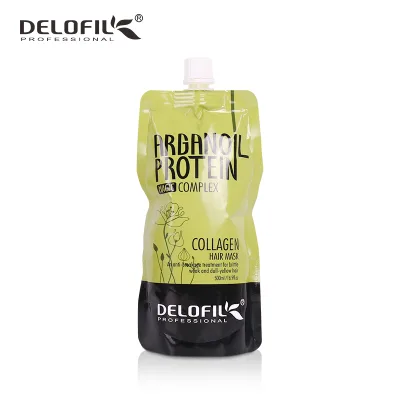
Wholesale OEM Natural Hair Mask for Dry Damaged Hair Deep Conditioning Treatment Mask
$2.89 - $3.50
MOQ: 240 pieces
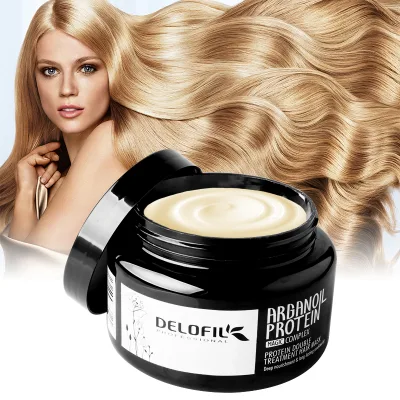

Zhaoqing Kaijoe Technology Co., Ltd.
- Verified by TUVRHEINLAND
- Combined
- China Guangdong
- Lead time23 days
- Avg. response≤ 6h
Main productsHair Shampoo, Hair Conditioner, Hair Gel, Hair Color, Bleaching Powder, Hair Dye, Bleching Powder, Hair Treatment, Hair Serum
Main marketsSoutheast Asia/ Mideast

Best 2016 Moisturizing Hair Treatment Mask with Keratin Hair Mask for Salon Use.
$2.00 - $2.50
MOQ: 1000 Pieces

$2.00 - $2.50
MOQ: 1000 Pieces

2016 Professional Hair Mask Salon Brands Collagen Hair Mask for Damage Hair
$2.06 - $2.07
MOQ: 100 Pieces


Guangzhou Aixin Cosmetic Co., Ltd.
- Verified by TUVRHEINLAND
- Trading Company
- China Guangdong
- Lead time15 days
- Avg. response≤ 5h
Main productsSkin Care, Cosmetic, Face Mask, Beauty, Body Scrub, Face Care, Body Care, Skin Care Product, Mask, Cream
Main marketsDomestic

Beauty Cosmetics Keratin Hair Mask Hydration & Deep Repair Hair Treatment Mask
$2.00 - $3.00
MOQ: 100 Pieces

Beauty Cosmetics Keratin Hair Membrane Natural Moisturizing Deep Cuticle Care Hair Mask
$2.00 - $3.00
MOQ: 100 Pieces

Beauty Cosmetics Hair Care Maintenance and Brightening Smooth-Repaln Hair Mask
$2.65 - $3.20
MOQ: 50 Pieces

Guangzhou Boyan Meet Package Co., Ltd.
- Manufacturer, Trading Company
- Lead time旺季: "1 - 1200":15,"> 1200":"To be negotiated", 淡季: "1 - 1200":15,"> 1200":"To be negotiated"
- Avg. response≤ 4h
Main productsHair Color, Hair Care, Hair Styling, Keratin Treatment
Guangzhou Yunmei Cosmetic Co., Ltd.
- Verified by SGS Group
- Manufacturer, Trading Company
- Lead time35 days
- Avg. response≤ 10h
Main productsAnti Wrinkle Cream, Hair Removal Cream, Face Serum, Body Lotion, Lipstick
Main marketsDomestic Market(55%), North America(10%), Western Europe(10%)
Guangzhou Elechic Cosmetic Co., Ltd.
- Manufacturer, Trading Company, Distributor/Wholesaler
- Guangdong, China
- Lead time20 days
- Avg. response≤ 3h
Main productsKeratin treatment,Hair care,Face care,Body care,Body massage oil
Main marketsDomestic Market(55.00%), Africa(10.00%), Mid East(10.00%), Central America(5.00%), Southeast Asia(5.00%), Northern Europe(3.00%), South Asia(3.00%), Eastern Asia(3.00%), Western Europe(2.00%), North America(2.00%), Eastern Europe(1.00%), South America(1.00%)
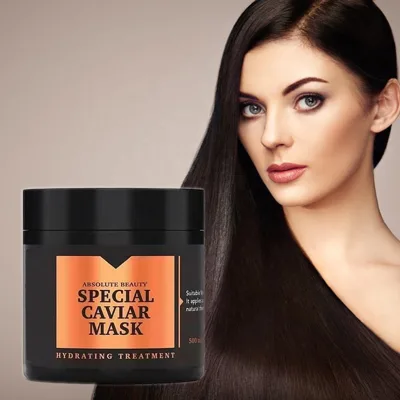
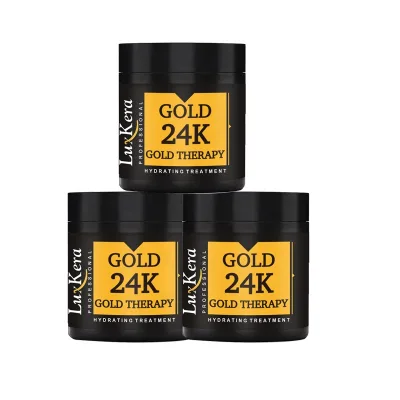
Private Label Hair Mask Manufacturer High Grade Collagen Hair Mask Sulfate Free
$2.20 - $2.60
MOQ: 1000
Guangzhou Baytiful Cosmetics Co., Ltd.
- Trading Company
- Lead time旺季: "1 - 100000":30,"> 100000":"To be negotiated", 淡季: "1 - 100000":30,"> 100000":"To be negotiated"
- Avg. response≤ 2h
Main productsHair Styling Products,Hair Sprays
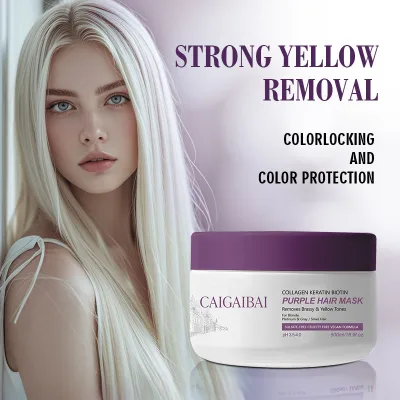
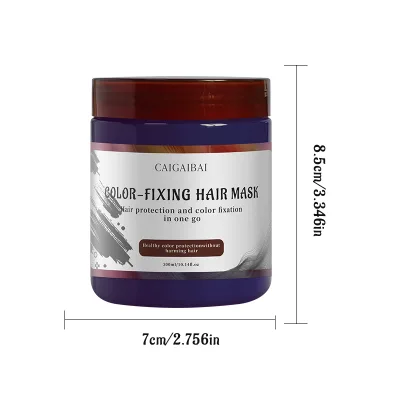


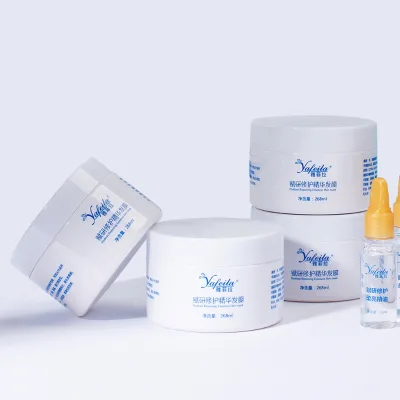
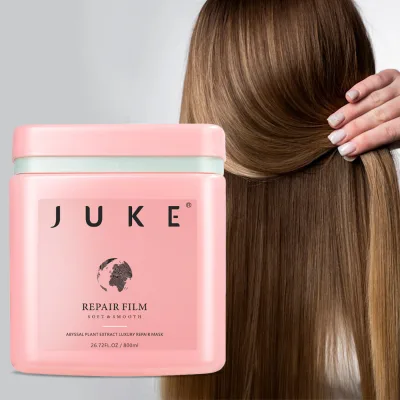

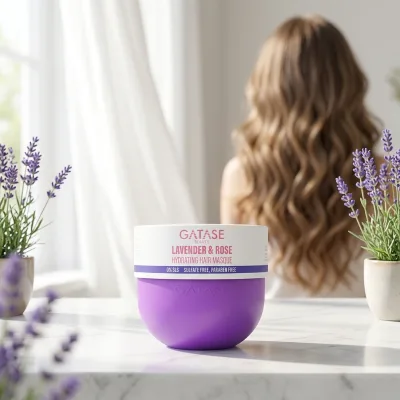


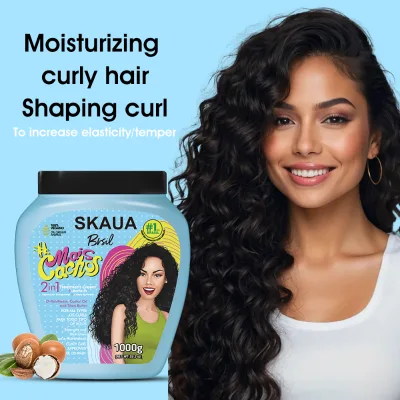


Comprehensive Sourcing Guide
Green Fiber Keratin Hair Mask Supplier Concentration and Factory Types
When you begin sourcing a Green Fiber Keratin Hair Mask, the first structural question is where suppliers actually concentrate. The product evidence in this category points to Guangdong, China as the place of origin for the hair mask listings shown, which tells you that at least part of the supply base for keratin treatment masks sits in southern China's cosmetics manufacturing corridor. That is a location fact you can use: filter or shortlist by that region first, then confirm that any additional candidates also disclose a verifiable place of origin before you request quotes. Where a supplier does not display an origin, treat that as a gap to close rather than assuming they share the cluster.
Supplier type matters just as much as geography. The companies behind these listings present themselves as trading companies rather than manufacturers, with main product lines spanning hair fiber, hair vitamin capsules, hair care oil, beard care and styling products alongside hair masks. A trading company can be a practical choice for a niche SKU like a green fiber keratin mask because it aggregates formula, packaging and filling resources you may not reach directly. The trade-off is transparency: ask each candidate to state whether they manufacture, fill, or purely trade, and request the name of the producing facility. Also note which suppliers carry third-party verification, such as TüV Rheinland verification, and which list system certifications like GMPC and CE, since these labels indicate a baseline of documented quality management.
How to Verify Green Fiber Keratin Hair Mask Suppliers
Verification should start with credentials that are actually displayed, then move to what you must confirm yourself. On the visible side, check for third-party verification badges — one listed supplier type is verified by TüV Rheinland — and for system certifications such as GMPC and CE, which relate to cosmetic good manufacturing practice and conformity. Note that not every supplier in the results displays these marks, so treat their presence as a differentiator, not a baseline. Request the certificate numbers behind any claimed GMPC or CE listing and confirm scope covers hair mask or cream-type cosmetic production, not just general trading.
Next, verify operational reality. The results show a response time of about 2 hours for the sampled supplier, and a lead time of around 5 days; use those figures as benchmarks when you test new candidates — send an identical RFQ to several suppliers and compare how fast and how specifically they answer. Ask for a sample, since at least one argan oil keratin mask listing states a sample is available, and evaluate texture, scent and keratin claim consistency against your spec. For the formula itself, request the ingredient declaration — the listings reference ingredients such as argan oil, hydrolyzed keratin, biotin, rosemary oil and coconut oil — and confirm which of those your green fiber variant actually contains. Finally, verify the origin claim: listings cite Guangdong, China, so ask for business licenses and, ideally, a factory address you can audit or have inspected before committing volume.
What to Compare Across Green Fiber Keratin Hair Mask Suppliers
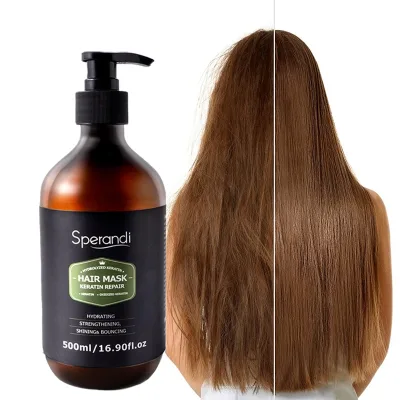
Build a comparison grid from the attributes suppliers actually disclose. The results show meaningful spread: hair mask listings carry MOQs as low as 2 pieces for one curl masque SKU and 500 pieces for a custom-brand argan keratin mask, with unit price ranges from roughly one dollar to over five dollars depending on format and size. Record each supplier's MOQ, price band, and whether private label or OEM/ODM customization is accepted — several listings state customized labels are acceptable or welcomed. If your launch quantity is small, the difference between a 2-piece and 500-piece MOQ determines which suppliers are even viable at your order size.
Beyond commercial basics, compare capability signals. One supplier lists research and development capacity covering sample processing, graphic processing and customization on demand — useful if your green fiber mask needs bespoke color, fragrance or packaging artwork. Compare company type (trading company versus factory), main products, and whether the catalog breadth covers hair masks plus complementary items like hair oils or serums, which matters if you plan a line. Also compare verification and certification labels, response time, and stated lead time where displayed — one supplier shows roughly 5 days — and note that establishment year and escrow support are common comparison dimensions that may or may not appear on a given profile. Where an attribute is missing, contact the supplier and ask rather than assuming the worst or the best; a supplier that answers attribute questions precisely is itself a positive signal.
Common Green Fiber Keratin Hair Mask Sourcing Risks
The most common risk in this category is formula misrepresentation. Listings advertise keratin, biotin, collagen, argan oil and organic or herbal ingredient claims, and a "green fiber" positioning adds natural-look marketing on top. The risk is that the bulk shipment does not match the approved sample or that premium-sounding ingredients are present only in trace amounts. Mitigate by locking the ingredient declaration, batch formula and INCI list into your purchase agreement, and by retaining golden samples from the approved production run for later comparison.
A second risk cluster involves compliance and logistics details that are easy to overlook. Cream and gel-form masks — the formats shown in the listings — can face cosmetic import registration requirements in your destination market, so confirm regulatory responsibility in writing before ordering. Packaging data also deserves scrutiny: one listing reports a single gross weight of 0.020 kg against a 60g product weight, and others show widely differing package dimensions, so errors in declared weights or carton specs can distort freight quotes and customs declarations. Add risks around brand protection — several listings run under Sevich or OEM branding, so confirm you are not buying someone else's trademarked stock — and around capacity: a trading company juggling hair fiber, vitamins and beard care may deprioritize your mask reorder. Finally, beware treating displayed certifications as universal; only some suppliers in the results show GMPC, CE or TüV verification, so verify each supplier individually rather than assuming category-wide compliance.
Green Fiber Keratin Hair Mask Regional Sourcing and Logistics
Because the visible listings cite Guangdong, China as place of origin, logistics planning can reasonably start from that province's export infrastructure: major container ports, dense freight-forwarder networks, and established cosmetic export documentation practice. That said, your shortlist may include suppliers elsewhere, so make origin confirmation a required field in every quote request. Ask each candidate for the actual shipping origin address — a trading company in one city may ship from a contract factory in another, which changes pickup costs, consolidation options and lead time accuracy.
For freight, match mode to order size. Trial orders at low MOQ — the results include a mask SKU with a 2-piece MOQ and package sizes around 20–25 cm cubes — can move by air or express, while 500-unit custom-brand orders typically justify sea freight. Confirm carton quantities, single gross weights and palletization before booking, because the listings show gross weights ranging from 0.02 kg to 1 kg per unit across SKUs, and that spread materially affects volumetric pricing. Build a lead-time budget in layers: one sampled supplier reports roughly 5 days of production lead time, but add sampling rounds, formula confirmation, quality inspection and port cut-off times on top. For a keratin hair mask, also plan temperature and stacking considerations for cream formulations, ask whether cartons are suitable for container transit, and confirm who handles export customs clearance. Keep a written record of each supplier's stated lead time so you can measure actual performance against it on the first order.
Green Fiber Keratin Hair Mask Commercial Terms and Order Planning
Structure your first order to limit exposure while generating real information. A sensible pattern is a small paid sample order, then a pilot batch sized just above the supplier's stated MOQ — with listed MOQs of 2 and 500 pieces across mask SKUs, most suppliers' true minimums will fall in a range you can probe directly. Negotiate price against the displayed bands: mask listings run from roughly one dollar to over five dollars per unit, so quote multiple suppliers against an identical spec sheet and ask what drives the deltas — size, keratin content, packaging or simply margin.
Then formalize terms. The results show OEM/ODM and customized label acceptance on multiple listings, so specify artwork ownership, plate or mold fees, and whether custom branding raises the MOQ. Confirm payment structure explicitly; escrow or platform-protected payment is a standard comparison point in this category, so ask each supplier which protected payment options they support rather than transferring funds unprotected on a first order. Plan reorders around the supplier's own speed indicators: a response time near 2 hours and a lead time near 5 days, as seen in one profile, suggest responsiveness you can benchmark others against. Put lead time, quality tolerance, packaging specs and remedy terms in writing, and schedule your second order before peak season constraints tighten capacity. Finally, revisit commercial terms after the first shipment: if inspection results and delivery matched the agreement, consolidate volume with your best performer and negotiate price breaks on the next tier of quantity.
FAQs
What is a Green Fiber Keratin Hair Mask used for?
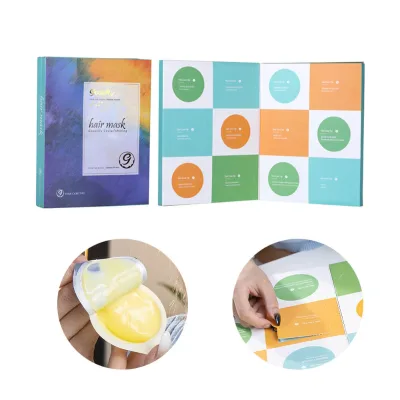
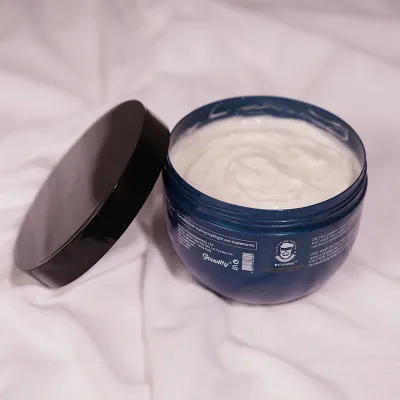
A Green Fiber Keratin Hair Mask is a cream or gel treatment that nourishes and repairs damaged or dry hair using keratin and botanical ingredients. It is applied after shampooing, left on for several minutes, and rinsed out. Buyers commonly source it for home-use retail lines, salon programs, or private label hair care ranges.
Can suppliers provide private label or custom logo packaging for these masks?
Yes, the listed suppliers advertise OEM and ODM services with customized label options and one-stop service support. Customization typically covers logos, label design, and formulation preferences. Before ordering, confirm which packaging formats, artwork file requirements, and sample approval steps apply, since customization scope and related fees can vary between individual suppliers and product lines.
What is the typical minimum order quantity for keratin hair masks?
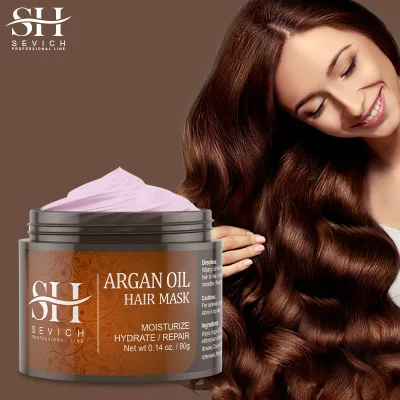
Minimum order quantities vary by product; observed listings range from as low as 2 units for one curl masque item to 500 units for an argan oil hair mask. Low MOQ items often suit sample testing or small retail trials, while wholesale custom-branded products usually carry higher thresholds. Always confirm the MOQ tied to your chosen formula and packaging before committing.
How much does a keratin hair mask cost per unit?
Observed unit prices for keratin and related hair masks on this page range roughly from about 1.01 to 5.50 US dollars, depending on formula, size, and customization level. Basic collagen or keratin cream masks sit at the lower end, while larger 500ml purple treatment masks cost more. Request quotes reflecting your exact volume, size, and branding requirements.
What ingredients are commonly found in these hair mask products?
Listed products feature keratin, hydrolyzed keratin, biotin, collagen, argan oil, coconut oil, rosemary oil, mint, herbal and organic ingredients, and shea butter. Formulas target repair, moisturizing, color protection, smoothing, and anti-breakage benefits. Review full ingredient declarations and safety documentation for each SKU, since ingredient lists differ between products even within one supplier's range.
Do these masks suit curly, dry, or color-treated hair?
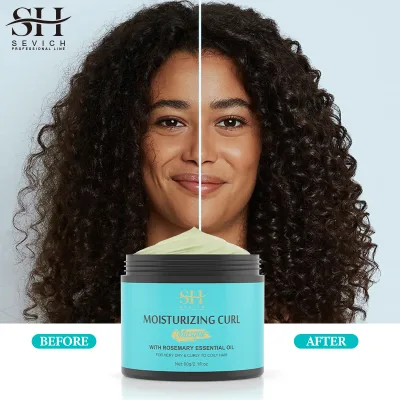
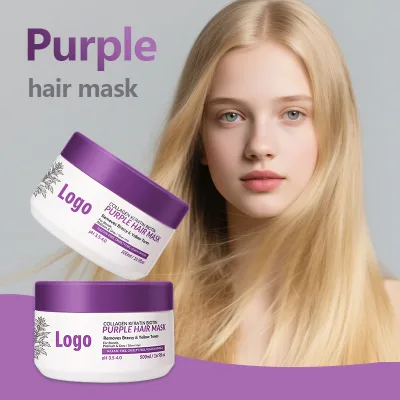
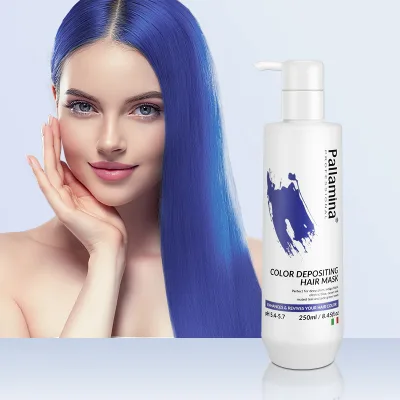
Yes, the listed products cover multiple hair types. One moisturizing curl masque targets curly and dry hair specifically, while an argan oil mask suits all hair types and a purple mask addresses dry, silver, blonde, and yellow-toned hair for color repair. Match the product's stated hair type and function, such as color repair or dry hair repair, to your customer base.
How fast can buyers expect production and supplier responses?
The supplier results show a response time of about 2 hours and a lead time of around 5 days, though these figures reflect one trading company listing. Actual production timelines depend on order size, customization, and current capacity. Confirm current lead times in writing, especially for customized labels or formulations, before placing a purchase order.
What certifications should buyers verify when sourcing hair masks?
One listed supplier holds GMPC and CE system certifications and is verified by TüV Rheinland, which supports quality management expectations. For cosmetics, also ask each candidate for ingredient compliance documents, safety assessments, and any market-specific registrations required in your destination country. Verify certificate validity directly with the issuing body rather than relying on listing badges alone.