Mulberry Silk Hair Scrunchies Suppliers and Manufacturers
Source Mulberry Silk Hair Scrunchies from 23 verified suppliers in China. Compare response times, lead times, certifications, and MOQs to find the right partner. Contact suppliers directly to request samples and quotes; review the available evidence before requesting comparable quotations from suitable candidates.
Suppliers List

Hangzhou Zhigeng Silk Co., Ltd.
- Verified by BV
- Trading Company,Manufacturer/Factory
- China Zhejiang
- Lead time45 days
- Avg. response≤ 13h
Main productsSilk Scarf, Silk Tie, Wool Scarf, Silk Sleepmask, Silk Pillowcase, Silk Scrunchies, Silk Sleepwear, Cotton Linen Tote Bag
Main marketsSouth America,Eastern Europe,North America,Western Europe
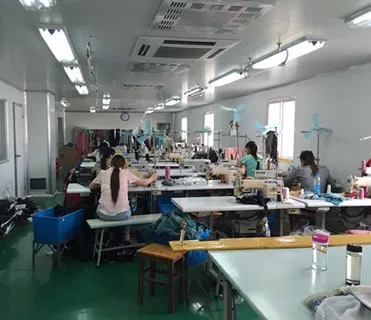
- Trading Company
- Jiangsu, China
- Lead time7 days
- Avg. response≤ 2h
Main productsSilk Scarf,Silk fabric,Silk Pillowcase,Silk eye mask,Silk Scrunchies
Main marketsNorthern Europe(15.00%), Western Europe(15.00%), Southern Europe(15.00%), North America(15.00%), Eastern Asia(10.00%), Southeast Asia(5.00%), Central America(5.00%), Eastern Europe(5.00%), South Asia(5.00%), South America(5.00%), Mid East(3.00%), Africa(2.00%)
Xiamen Fancy Accessory Co., Ltd.
- Manufacturer, Trading Company, Distributor/Wholesaler
- Fujian, China
- Lead time0 days
- Avg. response≤ 3h
Main productshair scrunchies,headband,hair claw clip,hair bow,hair clip
Main marketsNorth America(60.00%), Eastern Europe(10.00%), Western Europe(10.00%), Domestic Market(5.00%), Southern Europe(5.00%), Northern Europe(3.00%), South America(2.00%), Africa(1.00%), Southeast Asia(1.00%), Oceania(1.00%), Mid East(1.00%), Eastern Asia(1.00%)

Hangzhou Sangcai Technology Co., Ltd.
- Trading Company
- China Zhejiang
- Lead time23 days
- Avg. response≤ 15h
Main productsSilk Sleepwear, Silk Eye Mask, Silk Pillowcase, Silk Robe, Silk Pajamas Set, Silk Scarves, Silk Tie
Main marketsSouth America,Eastern Europe,North America,Oceania,Western Europe

- Manufacturer/Factory
- China Zhejiang
- Lead time45 days
- Avg. response≤ 9h
Main productsSilk Scarf, Silk Eye Mask, Silk Pillowcase, Silk Sleepwear, Silk Fabric, Silk Tie
Main marketsSouth America,Eastern Europe,Mid East,North America,Southeast Asia,Eastern Asia,Oceania,Western Europe,Africa


100% Mulberry Natural Real Hair Ties Women Silk Scrunchies with Custom Label
$3.00 - $5.00
MOQ: 100 Pieces


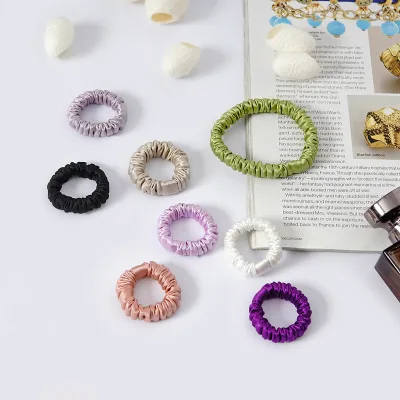
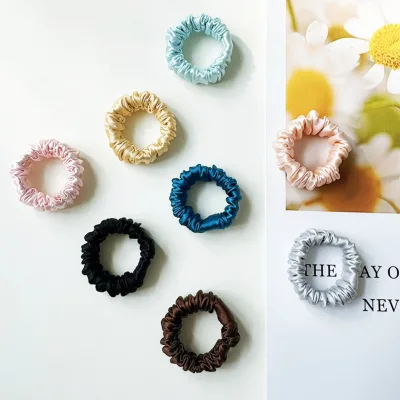
100% Silk Fabric Light Luxury Hair Ring Hair Band Skinny Silk Scrunchies
$1.00 - $1.80
MOQ: 100 Pieces


Shenzhen Kingyard Int'l Trading Co., Ltd.
- Verified by SGS Group
- Trading Company
- Lead time30 days
- Avg. response≤ 4h
Main productsHair Accessories, Sport Accessories, Fashion Jewellery, Beauty Tools, Cosmetic Bag
Main marketsNorth America(40%), Western Europe(30%), Oceania(10%)
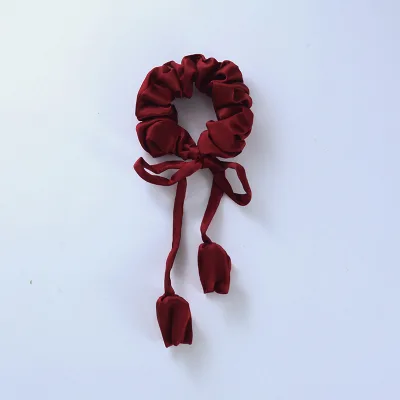
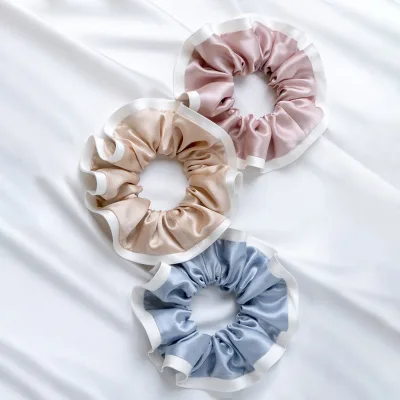
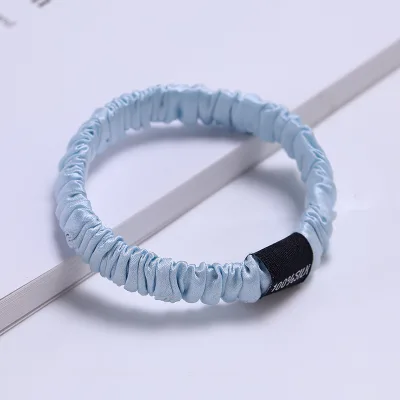
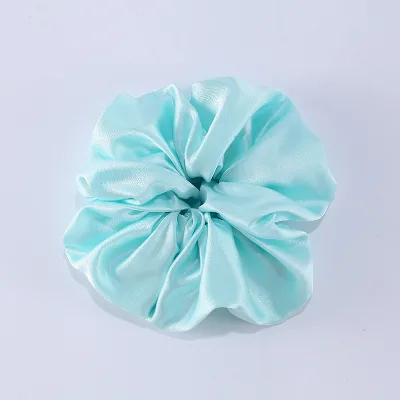
$1.33 - $1.53
MOQ: 500 pieces
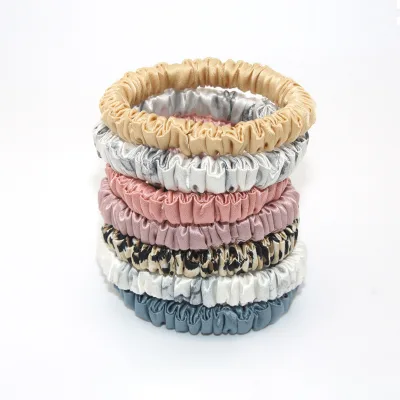
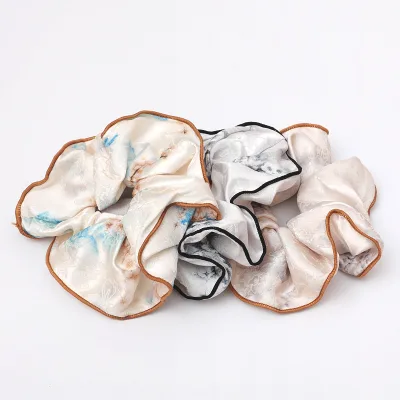
Jiangxi Kingyuan Commodity Co., Ltd.
- Verified by SGS Group
- Manufacturer, Trading Company
- Lead time15 days
- Avg. response≤ 3h
Main productsHair Turban, Headbands, Aprons, Bonnets, Shower Caps
Main marketsNorth America(32%), Western Europe(15%), Oceania(10%)

Jiangxi Westar Lighting Technology Co., Ltd
- Verified by TUVRHEINLAND
- Manufacturer/Factory
- China Jiangxi
- Lead time15 days
- Avg. response≤ 5h
Main productsAuto LED Lights, LED Strip, LED Warning Light, Car USB Chargers Sockets, Connectors, LED Rock Light, Electronic Products, Car LED Bulbs, Auto LED Headlight, Working LED Light
Main marketsSouth America,Eastern Europe,Mid East,North America,Southeast Asia,Eastern Asia,Oceania,Western Europe,Africa

Silk Pillow Scrunchies, Mulberry Silk Filled Hair Ties, 6cm Large Scrunchies
$3.50 - $4.00
MOQ: 50 Pieces

Double-Layer Silk Scrunchies - 100% Mulberry Silk Oversized Hair Ties & Wrist Corsages
$4.50 - $5.80
MOQ: 2 Pieces


22 mm Double-Layer Silk Windmill Hair Ties - 100% Mulberry Silk Square Hair Accessories, Scrunchies
$4.50 - $5.80
MOQ: 2 Pieces

Acetate Comb Pure Mulberry Satin Scrunchies Silk Heatless Curls Headband Silk Bonnets
$9.49 - $9.85
MOQ: 50 Pieces

Yiwu Boutique Accessory Jewelry Co., Ltd.
- Trading Company
- Zhejiang, China
- Lead time15 days
- Avg. response≤ 3h
Main productsUSB Cable,Keychain,Bags,Jewelry
Main marketsNorth America(70.00%), South America(10.00%), Southern Europe(5.00%), Northern Europe(5.00%), Western Europe(5.00%), Eastern Europe(5.00%)
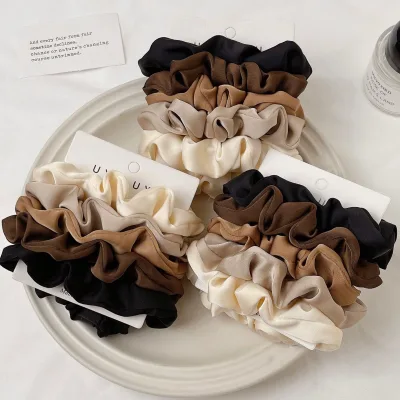
5 Pcs/set Girls Hair Accessories Mulberry Silk Hair Scrunchies Set Hair Band Women Scrunchies
$0.58 - $0.78
MOQ: 20 sets
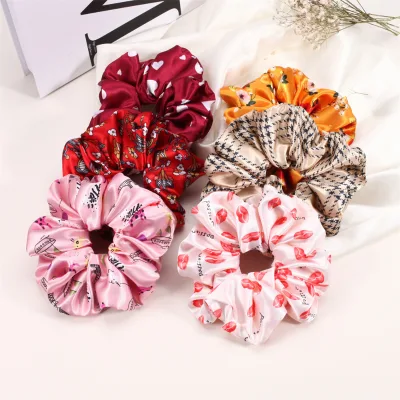
$0.29 - $0.59
MOQ: 20 pieces

Yiwu Zhuola Accessories Co., Ltd.
- Verified by CTI
- Combined
- China Zhejiang
- Lead time15 days
- Avg. response≤ 17h
Main productsHair Accessories, Hair Ornaments, Elastic Hair Bands, Hair Band, Hair Tie, Ponytail Holder, Hair Clips, Headband, Hair Decoration, Rubber Hair Band
Main marketsAfrica
Yiwu Glory Hair Accessories Co., Ltd.
- Verified by SGS Group
- Manufacturer, Trading Company
- Zhejiang, China
- Lead time30 days
- Avg. response≤ 2h
Main productsHair Clips, Headbands, Scrunchies, Hair Combs
Main marketsNorth America(23%), Western Europe(22%), Oceania(18%)
Hangzhou Pangli Import And Export Co., Ltd.
- Trading Company
- Zhejiang, China
- Lead time0 days
- Avg. response≤ 16h
Main productsHair Claw,Hair Clips,Hair Comb,Hair Accessorries,Headband
Main marketsNorth America(80.00%), Northern Europe(10.00%), Eastern Europe(10.00%)
Shenzhen Jindao Industrial Development Co., Ltd.
- Trading Company
- Guangdong, China
- Lead time0 days
- Avg. response≤ 2h
Main productsmakeup pad,facial cloth,eye mask,spa headband,beauty tool
Main marketsNorth America(50.00%), Western Europe(10.00%), Mid East(10.00%), Eastern Europe(10.00%), Northern Europe(10.00%), South Asia(5.00%), South America(5.00%)
- Manufacturer, Trading Company
- Lead time旺季: "1 - 2000":11,"> 2000":"To be negotiated", 淡季: "1 - 2000":11,"> 2000":"To be negotiated"
- Avg. response≤ 3h
Main productsSilk Pillowcase, Silk Bedding, Silk Scrunchies, Silk Bonnet, Silk Scarf
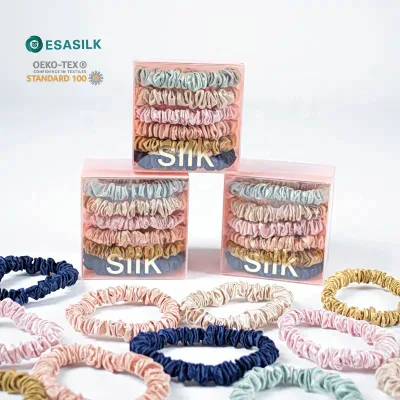
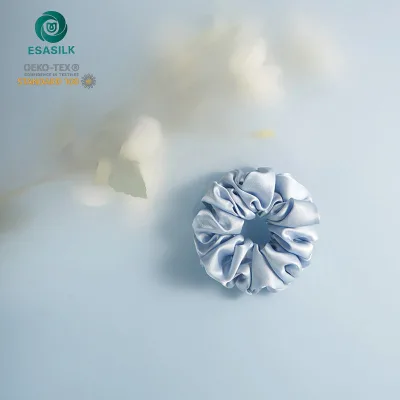
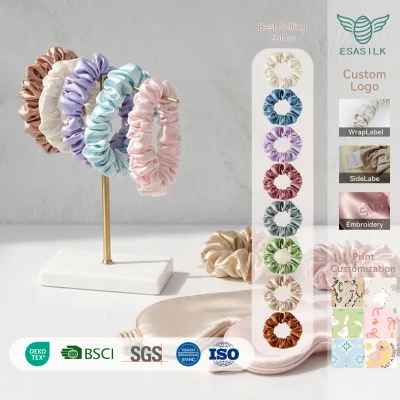
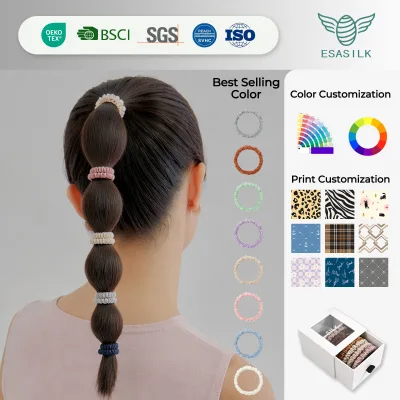
Wholesale Customized Printed Different Size Girls 6a Mulberry Big Silk Scrunchie
$1.90 - $2.80
MOQ: 50 pieces

Xiamen Folover Import &Export Co., Ltd.
- Verified by TUVRHEINLAND
- Trading Company
- China Fujian
- Lead time23 days
- Avg. response≤ 3h
Main productsCoaster, Cork Bulletin Board, Cork Furniture, Cork Toys, Cork Houseware, Cork Fitness, Cork Package, Cork Coasters
Main marketsEurope

Custom 5PCS/Set Hair Accessories Mulberry Silk Hair Scrunchies Set Hair Band Women Scrunchies
$1.48 - $1.99
MOQ: 100 Pieces

Custom Logo 100% Mulberry Silk Scunchies Pure Color Hair Ties Women Hair Accessories
$1.48 - $1.99
MOQ: 100 Pieces

High End Solid Color Satin Silk Hair Scrunchies for Woman Wholesale Custom Silk Crunchies Hair Ties
$1.48 - $1.99
MOQ: 100 Pieces

$1.48 - $1.99
MOQ: 100 Pieces

Silk Hair Scrunchies Large Elastic Fashion Solid Color Girls Elastic Hair Tie Hairband Women
$1.48 - $1.99
MOQ: 100 Pieces

Wujiang First Textile Co., Ltd.
- Verified by CTI
- Combined
- China Jiangsu
- Lead time23 days
- Avg. response≤ 6h
Main productsSilk Pillow Silk Pillowcase Silk Bonnet, Silk Garment Silk Pajama Silk Dress, Silk Eye Mask Silk Mask Silk Sleeping Cap, Silk Scarf Silk Hair Band, Silk Fabric Silk Jacquard Fabric, Silk Knitted Silk Jersey Fabric, Viscose Rayon Fabric, Loycell Acetate Curpro Fabric, Polyester Fabric Recycled Fabric, Velvet Fabric Burnout Velour Fabric
Main marketsSouth America,Africa,Southeast Asia/ Mideast,Domestic,Europe,Australia,North America


$2.23 - $2.61
MOQ: 50 pieces


Luxury and Silky 100% Pure Natural Women Custom 16mm Silk Scrunchies for Hair Care Silk Scrunchies
$2.12 - $2.50
MOQ: 50 pieces
Jiangxi Binqing Import And Export Trading Co., Ltd.
- Trading Company
- Jiangxi, China
- Lead time0 days
- Avg. response≤ 2h
Main productsHair Accessories,Hair Claw,Hair Clip,Hairband,Hair scrunchies
Main marketsNorth America(45.00%), Mid East(15.00%), South America(10.00%), Southeast Asia(5.00%), Eastern Asia(3.00%), South Asia(3.00%), Northern Europe(3.00%), Africa(3.00%), Central America(2.00%), Domestic Market(2.00%), Western Europe(1.00%), Eastern Europe(1.00%), Southern Europe(1.00%), Oceania(1.00%)
- Manufacturer, Trading Company
- Jiangsu, China
- Lead time0 days
- Avg. response≤ 2h
Main productsSilk Pillowcases,Silk Duvet,Silk Bedding Set,Silk Eye Mask,Silk Scrunchies
Main marketsNorth America(40.00%), Oceania(15.00%), Western Europe(10.00%), Mid East(10.00%), Southeast Asia(10.00%), South America(5.00%), Eastern Asia(5.00%), Eastern Europe(5.00%)
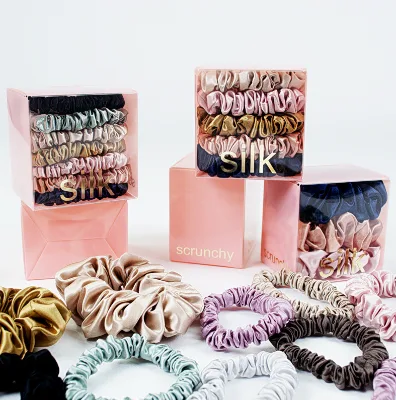
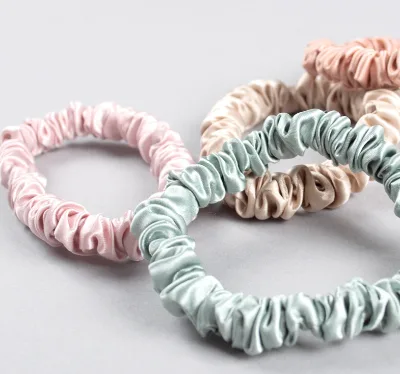
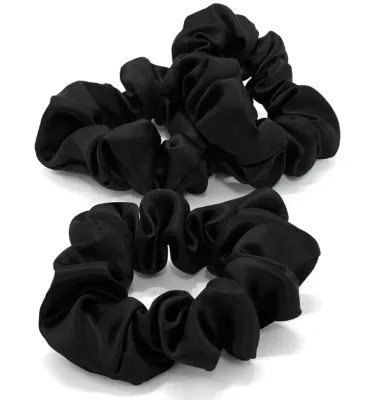
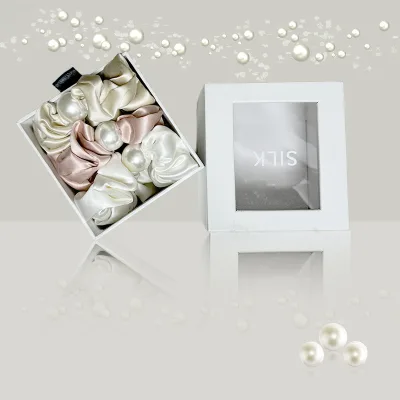
19mm 3.5cm Oversized Fashion Lovely Jumbo Ribbon Pure Silk Scrunchies Set in Gift Box
$3.50 - $4.40
MOQ: 5 pieces
Zibo Daranfang Silk Group Co., Ltd.
- Verified by TüVRheinland
- Manufacturer, Trading Company
- Lead time45 days
- Avg. response≤ 2h
Main productsSilk Bedding, Silk Products, Silk Pajamas
Main marketsNorth America(30%), Western Europe(20%), Oceania(10%)
- Verified by SGS Group
- Manufacturer, Trading Company
- Lead time25 days
- Avg. response≤ 5h
Main productsHair Accessories, Earrings, Necklaces, Rings, Bracelets
Main marketsEastern Asia(50%), Western Europe(20%), North America(15%)
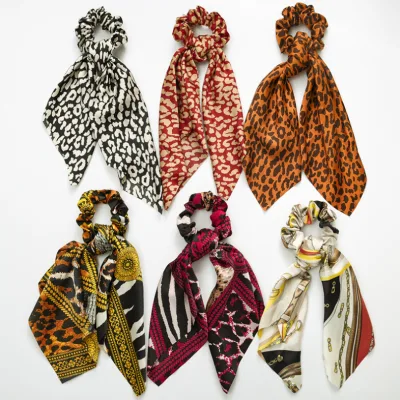
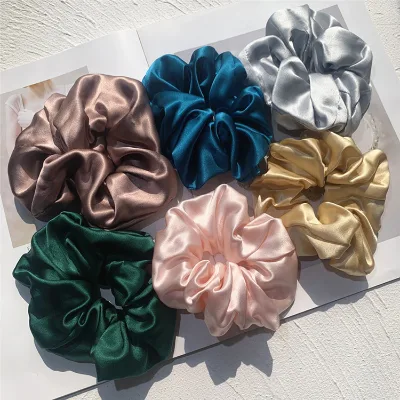
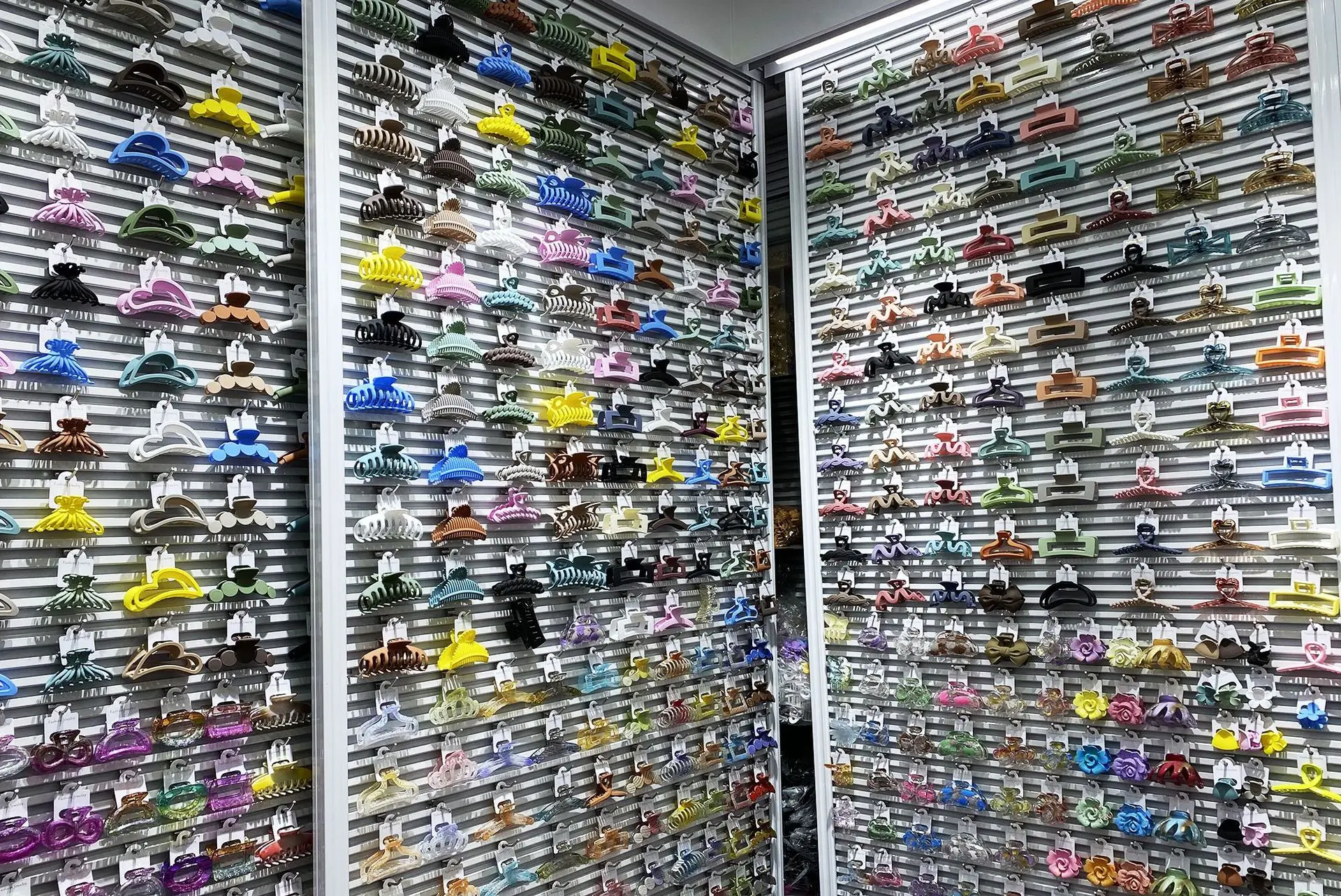
Hot Sale Premium Decorative Bowknot Elastic Scarf Silk Satin Hair Scrunchies for Women
$0.70 - $1.01
MOQ: 30 pieces
- Trading Company
- Zhejiang, China
- Lead time0 days
- Avg. response≤ 2h
Main productshair clip,hair tie,charm&pendant,bracelet,jewelry accessories
Main marketsNorth America(35.00%), Western Europe(30.00%), Mid East(10.00%), Southern Europe(5.00%), Eastern Europe(5.00%), South America(5.00%), Africa(3.00%), Eastern Asia(2.00%)
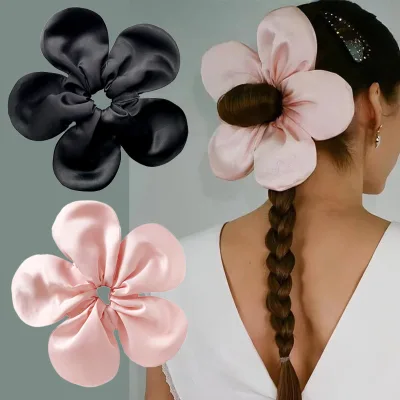
Fashion Creative Girls Simple Hair Tie Solid Color Large Flower Hair Scrunchies
$1.05 - $1.15
MOQ: 12 pieces
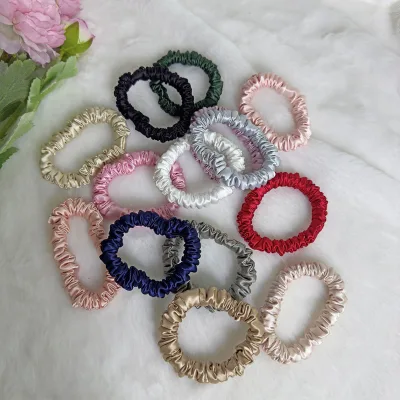
- Trading Company
- Zhejiang, China
- Lead time30 days
- Avg. response≤ 1h
Main productsgift products,promotion products,bags,accessories,jewelry
Main marketsNorth America(25.00%), Southern Europe(12.00%), South America(10.00%), Northern Europe(10.00%), Western Europe(10.00%), Eastern Europe(10.00%), South Asia(5.00%), Southeast Asia(3.00%), Mid East(2.00%), Oceania(2.00%), Africa(2.00%), Central America(2.00%), Eastern Asia(2.00%)
- Manufacturer, Trading Company
- Zhejiang, China
- Lead time35 days
- Avg. response≤ 2h
Main productsheadbands,hair bows,scrunchies,hair scarfs,children hair styles
Main marketsNorth America(40.00%), Southern Europe(20.00%), Western Europe(20.00%), Eastern Europe(20.00%)


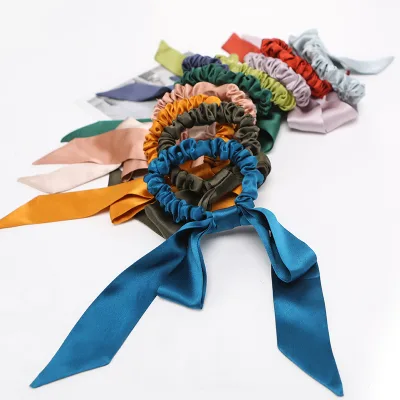
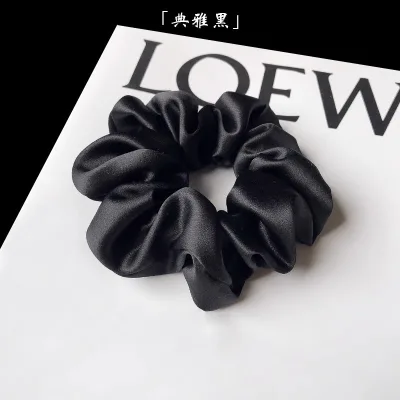
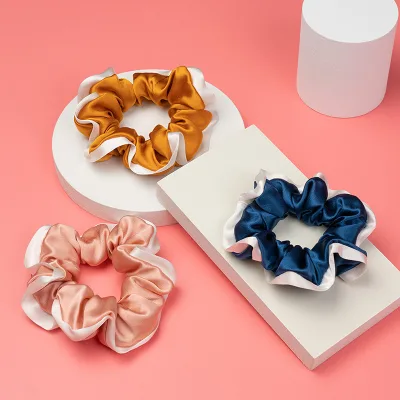
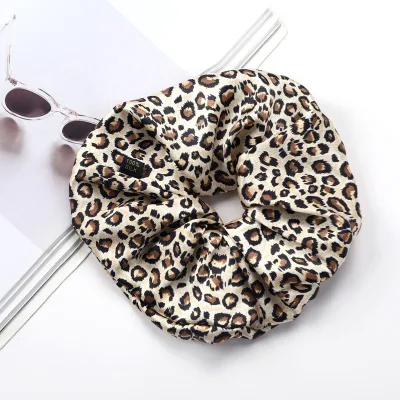


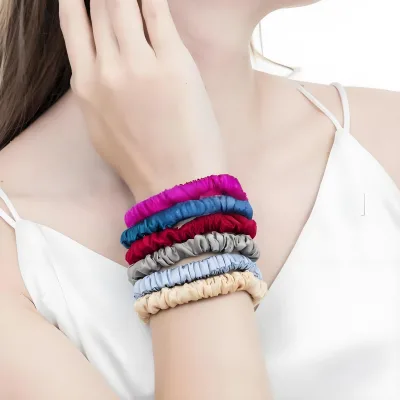
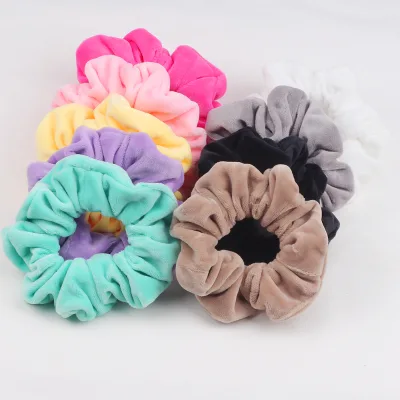


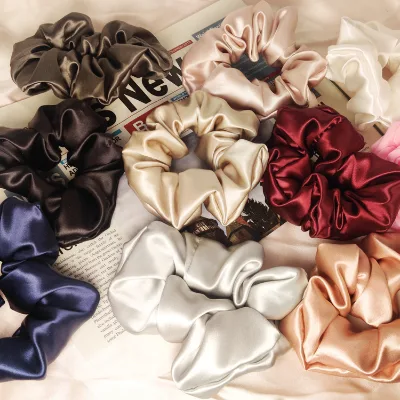
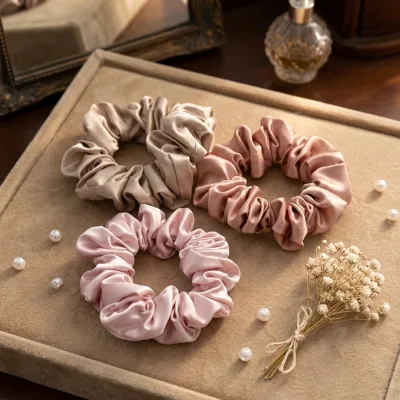
Comprehensive Sourcing Guide
Mulberry Silk Hair Scrunchies Supplier Concentration and Factory Types
Supplier results for Mulberry Silk Hair Scrunchies cluster around a few Chinese provinces, and this concentration is visible in the data itself. Zhejiang appears with Hangzhou noted as a product origin, and one supplier there lists silk scrunchies alongside scarves, ties, sleepwear and pillowcases, operating as both a trading company and manufacturer/factory with BSCI, ISO 9001 and SEDEX system certifications plus BV verification. Jiangsu appears with a trading company focused on silk scarves, silk fabric, pillowcases, eye masks and scrunchies. Fujian appears with a manufacturer, trading company and distributor/wholesaler whose main products are hair scrunchies, headbands, claw clips, bows and clips. When results do not confirm a location for a supplier, treat that field as unknown rather than assuming a cluster.
The factory-type distinction matters for this category. A manufacturer with OEM/ODM capacity can handle custom momme weights, printed designs and bespoke sizing, while a trading company may aggregate from multiple workshops and offer faster communication but less control over production details. Some suppliers span both roles, and a distributor/wholesaler may be reselling rather than producing. Check the main-products list against your needs: a silk-goods specialist will likely understand momme, mulberry grade and digital printing, whereas a general hair-accessory maker may offer broader hardware options but thinner silk expertise. Ask each candidate directly whether scrunchies are produced in-house or subcontracted, and request evidence of silk sourcing before committing to sampling.
How to Verify Mulberry Silk Hair Scrunchies Suppliers
Verification starts with the credentials actually displayed in supplier results, then moves to what is missing. One Zhejiang supplier in the results carries BSCI, ISO 9001 and SEDEX system certifications plus a BV verification mark, and states OEM and ODM capability with a stated lead time of 45 days. These are verifiable claims you can request certificates for and check against issuing bodies. Where a supplier shows no certification, no verification mark or no stated lead time, do not assume the attribute exists; ask for documents and note the response. Verification is also about consistency: a supplier claiming 100% mulberry silk at 22 momme should be able to name its fabric composition, thickness options and weaving method in writing, as one listed product does with silk satin fabric in 16, 19 and 22 momme options.
Practical verification steps for this category should include requesting a fabric composition test from an independent lab on a sample, since "mulberry silk" claims are difficult to confirm visually. Confirm the origin claim in writing: one listed product states Hangzhou, China as origin, which you can compare against the supplier's registered location. Ask whether the supplier is a manufacturer, trading company or both, and request a production photo or video of scrunchie sewing specifically, since some suppliers list scrunchies among many product lines. Finally, test responsiveness before ordering; measured response times in the results range widely, and slow pre-sale replies usually worsen after payment.
What to Compare Across Mulberry Silk Hair Scrunchies Suppliers
Build a comparison table using only attributes suppliers actually display, and leave blanks where data is absent. Useful dimensions from the current results include: lead time, where stated values range from 7 days to 45 days; response time, with observed figures of roughly 2, 3 and 12.7 hours; location, across Zhejiang, Jiangsu and Fujian; company type, spanning manufacturer, trading company and distributor/wholesaler; and system certifications, where BSCI, ISO 9001 and SEDEX appear for at least one supplier. Main products also matter for fit: a supplier whose catalog is entirely silk goods differs from one selling assorted hair clips and bows. Do not assume every supplier publishes every field; request missing data rather than guessing.
Price and MOQ comparisons need care because listed products differ substantially. Observed product-level figures include scrunchies at roughly $1.50–2.00 with a 100-piece MOQ, others at $10–20 with a 50-piece MOQ, a set at $11.68–13.68, and a 22mm solid-silk scrunchie at $2.66–2.86 with a bulk MOQ of 30 pieces per design and sample MOQ of one piece per color. These differences reflect momme weight, size, sets versus singles and customization level, so compare like with like: same momme, same dimensions, same print method. Also compare capability dimensions such as whether customization, make-to-order supply and printed designs are explicitly supported, and whether packing details, model numbers and standards are documented per product.
Common Mulberry Silk Hair Scrunchies Sourcing Risks
The most common risk in this category is fabric misrepresentation. A supplier may describe scrunchies as 100% mulberry silk when the actual fabric is blended, lower momme, or polyester satin. The results show genuine thickness variation — products listing 16, 19 and 22 momme and 22mm pure silk — which means buyers must pin down the exact momme in the purchase contract, not just the word "silk." A related risk is scope confusion: some suppliers list scrunchies among many hair accessories, and one product even lists plastic as the material for a scrunchie-style headband, so material claims must be checked per product, not per supplier.
Operational risks follow from undisclosed attributes. Suppliers with no stated lead time, no certifications or no verification mark carry higher uncertainty, and response-time gaps — from around 2 hours to nearly 13 hours in the observed data — hint at uneven communication capacity. Minimum order quantities also create risk in both directions: a 100-piece MOQ ties up stock in unproven designs, while very low MOQs may signal a reseller with limited quality control. Customization claims should be tested with a paid sample before bulk commitment, since make-to-order supply means your design, not a catalog item, is what gets produced. Finally, packing is often overlooked: listed products specify one piece per polybag or PP bag, but retail-ready packaging, labeling and barcode requirements must be agreed in writing, or you may receive plain bulk packing that cannot ship directly to customers.
Mulberry Silk Hair Scrunchies Regional Sourcing and Logistics
The supplier results support three working regions: Zhejiang, with Hangzhou cited as a product origin and a supplier offering both trading and factory roles; Jiangsu, with a trading company listing silk scarves, fabric, pillowcases, eye masks and scrunchies; and Fujian, with a multi-role supplier centered on hair accessories. Zhejiang and Jiangsu suppliers in this data lean toward silk-goods specialization, while the Fujian supplier leans toward broader hair-accessory manufacturing. Regional choice therefore affects more than shipping distance: it shapes which supplier type, product breadth and customization depth you can realistically access within one sourcing trip or RFQ round.
Logistics planning should use the lead-time and response-time data that suppliers actually state. One Zhejiang supplier declares a 45-day lead time, while a Jiangsu trading company declares 7 days — a spread wide enough to change your ordering calendar entirely, especially for seasonal assortments. One Jiangsu product separately lists production time of 7–10 working days for solid-silk scrunchies, which you can treat as a data point to confirm rather than a general promise. Response times of roughly 2 to 13 hours affect how quickly sampling issues get resolved. For shipping terms, note that at least one product specifies FOB, meaning you arrange main carriage from that point; confirm the actual port with each supplier. Silk scrunchies are light and non-fragile, so air freight is viable for samples and small replenishment runs, but confirm packing dimensions and weights — one listed pack is 5×5×3 cm at 0.3 kg gross — before quoting freight.
Mulberry Silk Hair Scrunchies Commercial Terms and Order Planning
Commercial terms should be locked before sampling money moves. Use displayed product data as your negotiating baseline: observed MOQs span 50 to 100 pieces per listing, with one product specifying a bulk MOQ of 30 pieces per design and a sample MOQ of one piece per color, so low-volume trial orders are realistic in this category. Prices observed range from roughly $1.50 to $20 depending on momme, size, sets and customization, which makes it essential to define the specification — momme weight, dimensions, print method, elastic type — in writing and price that exact spec. Confirm whether quotations are FOB or another incoterm, since at least one listed product states FOB shipment terms, and agree who bears freight, insurance and export documentation costs.
Order planning should reflect the lead times actually stated: a 45-day declared lead time from one supplier versus 7 days from another means your reorder points differ dramatically by partner. For make-to-order custom scrunchies, add sampling time, approval cycles and production queuing to any stated lead time, and build in buffer before retail seasons, since these accessories sell year-round but peak around gifting periods. Payment structure deserves explicit negotiation: prefer staged payments tied to sample approval and pre-shipment inspection, and ask whether secure payment or escrow options are available rather than assuming them. Finally, plan quality checks at two points — incoming fabric verification against the agreed momme, and finished-goods inspection for stitching, elastic tension and print alignment — and put both in the contract with clear remedies.
Mulberry Silk Hair Scrunchies Supplier Concentration and Factory Types
Supplier results for Mulberry Silk Hair Scrunchies cluster around a few Chinese provinces, and this concentration is visible in the data itself. Zhejiang appears with Hangzhou noted as a product origin, and one supplier there lists silk scrunchies alongside scarves, ties, sleepwear and pillowcases, operating as both a trading company and manufacturer/factory with BSCI, ISO 9001 and SEDEX system certifications plus BV verification. Jiangsu appears with a trading company focused on silk scarves, silk fabric, pillowcases, eye masks and scrunchies. Fujian appears with a manufacturer, trading company and distributor/wholesaler whose main products are hair scrunchies, headbands, claw clips, bows and clips. When results do not confirm a location for a supplier, treat that field as unknown rather than assuming a cluster.
The factory-type distinction matters for this category. A manufacturer with OEM/ODM capacity can handle custom momme weights, printed designs and bespoke sizing, while a trading company may aggregate from multiple workshops and offer faster communication but less control over production details. Some suppliers span both roles, and a distributor/wholesaler may be reselling rather than producing. Check the main-products list against your needs: a silk-goods specialist will likely understand momme, mulberry grade and digital printing, whereas a general hair-accessory maker may offer broader hardware options but thinner silk expertise. Ask each candidate directly whether scrunchies are produced in-house or subcontracted, and request evidence of silk sourcing before committing to sampling.
How to Verify Mulberry Silk Hair Scrunchies Suppliers
Verification starts with the credentials actually displayed in supplier results, then moves to what is missing. One Zhejiang supplier in the results carries BSCI, ISO 9001 and SEDEX system certifications plus a BV verification mark
FAQs
What momme weight should I choose for Mulberry Silk Hair Scrunchies?
Most buyers choose 19 or 22 momme mulberry silk for a premium, durable scrunchie, while 16 momme offers a lighter, lower-cost option. Listings in this category commonly offer 16, 19, and 22 momme silk satin made from 100% mulberry silk. Heavier weights hold shape better through repeated use, so confirm the momme rating in writing before placing a bulk order.
What is the typical minimum order quantity for custom silk scrunchies?
MOQs vary widely by supplier and design complexity. Published listings in this category range from around 30 pieces per design for solid-color scrunchies to 50 or 100 pieces for custom styles, with sample orders sometimes allowed at one piece per color. Ask each supplier to confirm MOQ per design, per color, and whether mixed designs can share a minimum.
How long does production take for bulk mulberry silk scrunchies?
Lead times differ significantly between suppliers. Some Jiangsu suppliers list around 7 days, with individual product pages citing 7 to 10 working days for production, while a Zhejiang trading company and factory lists about 45 days. Faster times usually apply to simple solid-color orders; printed or bespoke designs take longer. Confirm the timeline for your specific customization before ordering.
Can I get custom printed or branded silk scrunchies made to order?
Yes, customization is widely available in this category. Many Hangzhou-based listings support digital printing, solid colors, and custom sizes, operating as OEM or ODM suppliers with make-to-order supply types. Typical options include your artwork printed on 19 momme mulberry silk, custom dimensions, and individual polybag packaging. Provide print files early and request a pre-production sample to check color accuracy.
How quickly do silk scrunchie suppliers usually respond to inquiries?
Response times vary by supplier. In the current results, a Jiangsu trading company lists an average response time of about 2 hours, a Fujian manufacturer and wholesaler around 3 hours, and a Zhejiang company approximately 12.7 hours. Faster responders are easier to work with during sampling, so message several suppliers at once and compare actual reply speed before committing.
Where are most mulberry silk scrunchie suppliers located in China?
The suppliers in these results are concentrated in eastern and southeastern China. Zhejiang, including Hangzhou, is a major hub with trading companies and factories offering silk scrunchies alongside scarves and pillowcases. Jiangsu suppliers focus on silk products with faster lead times, while Fujian suppliers manufacture a broader range of hair accessories including scrunchies, headbands, and clips. Regional choice affects logistics and specialization.
What certifications should I look for when sourcing silk scrunchies?
Relevant credentials include quality management and social compliance audits. Some suppliers in this category list ISO 9001, BSCI, and SEDEX system certifications, and verification through third-party inspection bodies is also present. Certification matters most for retail buyers in regulated markets. Always request current certificate copies directly, confirm scope covers your product, and verify authenticity with the issuing organization rather than relying on listing claims.
What price range can I expect for wholesale mulberry silk scrunchies?
Prices in current listings range widely. Simple 100% mulberry silk scrunchies start around 1.50 to 2.00 dollars at higher volumes, 22 momme large scrunchies sit near 2.66 to 2.86 dollars, and non-marking 19 momme styles list at 2.00 to 5.00 dollars. Premium or pearl-decorated designs can reach 10 dollars or more. Momme weight, size, and decoration drive the final unit price.