Ionic Carbon Hair Comb Suppliers and Manufacturers
Explore 21 verified options for Ionic Carbon Hair Comb from manufacturers and trading companies in China. Compare response times, lead times, certifications like ISO 9001 and SGS, and product specifications to source effectively. Contact suppliers directly to request samples or custom orders.
Suppliers List
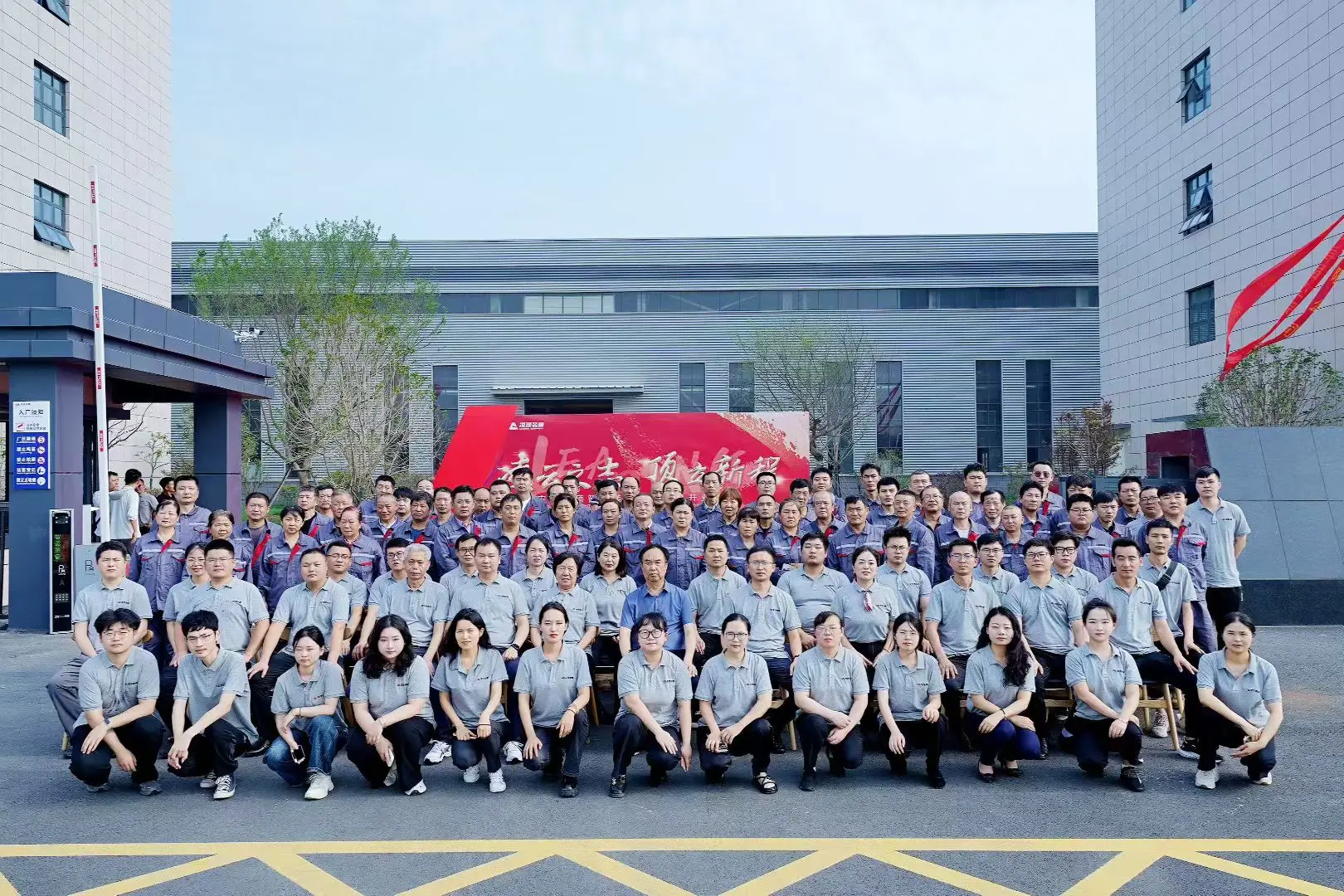
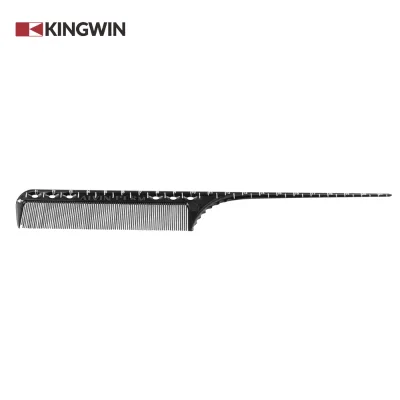
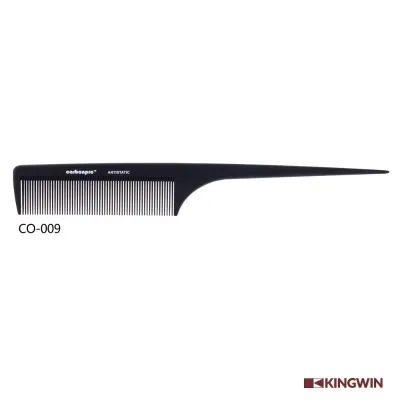
Kingwin Salon Equipment Co., Ltd.
- Verified by TüVRheinland
- Manufacturer, Trading Company
- Lead time30 days
- Avg. response≤ 10h
Main productsSalon Equipment
Main marketsNorth America(45%), Western Europe(9%), Eastern Europe(5%)

Guangzhou Mackay Hair Tools Products Co., Ltd.
- Verified by SGS
- Manufacturer/Factory
- China Guangdong
- Lead time0 days
- Avg. response≤ 5h
Main productsHair Brush, Hair Combs, Hair Scissors, Hair Cape & Apron, Salon Jacket, Hair Color Brush with Bowl, Acetate Comb, Hair Clip, Hair Ring & Hair Band, Hair Salon Tools Accessories
Main marketsSouth America,Eastern Europe,Mid East,North America,Southeast Asia,Eastern Asia,Oceania,Western Europe,Africa


Acetic Acid Hair Comb Professional Hot Selling Household Carbon Detangling Hair Styling Comb
$0.38 - $0.80
MOQ: 1200 Pieces
Guangzhou Eshine-Star Hair Beauty Products Co., Ltd.
- Verified by SGS Group
- Manufacturer, Trading Company
- Lead time25 days
- Avg. response≤ 7h
Main productsHair Brush, Hair Clip, Hair Comb, Dyeing Brush, Dyeing Bowl
Main marketsDomestic Market(14%), North America(10%), South America(10%)

DONGGUAN HUI TAI TONG TECHNOLOGY CO., LIMITED
- Manufacturer/Factory
- China Guangdong
- Lead time23 days
- Avg. response≤ 2h
Main productsPlastic Toy, Children Toy, Educational Toy, Action Figure, PVC Figure, Promotional Gift, Sport Figure
Main marketsNorth America,Eastern Asia,Western Europe

- Verified by SGS
- Trading Company
- China Guangdong
- Lead time15 days
- Avg. response≤ 13h
Main productsRespirator
Main marketsSouth America,Southeast Asia/ Mideast,Domestic,Europe,North America
Guangzhou Bairui Hair Products Co., Ltd.
- Verified by TüVRheinland
- Manufacturer, Trading Company
- Lead time0 days
- Avg. response≤ 8h
Main productsCape, Hair Brush, Comb, Hair Clip, Tint Bowl And Dye Brush
Main marketsNorth America(53%), Mid East(14%), Western Europe(14%)

Qingtian Minghui Electronics Co., Ltd
- Verified by SGS
- Combined
- China Zhejiang
- Lead time23 days
- Avg. response≤ 7h
Main marketsAfrica,Southeast Asia/ Mideast,Europe,North America


Durability Straight Hair Styling Comb Infrared Hair Products Fluffy Curly Hair Comb
$7.20
MOQ: 1000 Pieces


Durable Straight Hair Styling Comb Gentle Drying Hair Comb Smoothness Hair Comb
$7.00
MOQ: 1000 Pieces

Convenient Straight Hair Styling Comb Easy Styling Hair Comb Smoothness Hair Comb
$6.80
MOQ: 1000 Pieces

Guangzhou Eshine-Star Hair Beauty Products Co., Ltd.
- Manufacturer, Trading Company
- Lead time旺季: "1 - 600":31,"601 - 5000":35,"> 5000":"To be negotiated", 淡季: "1 - 600":31,"601 - 5000":35,"> 5000":"To be negotiated"
- Avg. response≤ 5h
Main productsHair Brush, Comb, Clip, Tint Brush, Bowl

Jinjiang Jiaxing Supply Management Co., Ltd.
- Verified by TUVRHEINLAND
- Trading Company
- China Fujian
- Lead time30 days
- Avg. response≤ 1h
Main productsEVA Clogs, Flip Flop, Shoe Charms, Shopping Bags, Wristbands, Gifts, Promotional Gifts, Slipper, Sport Cap, Ball
Main marketsNorth America

Hubei YJT Intelligent Technology Group Co., Ltd.
- Verified by SGS
- Combined
- China Hubei
- Lead time15 days
- Avg. response≤ 1h
Main productsLaser Treatment Instrument, Physiotherapy Rehabilitation, Medical Laser Physical Therapy, Rehabilitation Therapy Equipment, Low Level Laser Therapy, Home Healthcare, Laser Acupuncture, Cold Laser Treatment Instrument, Health Care, Health Care Cold Laser Therapeutic
Main marketsSoutheast Asia/ Mideast,East Asia(Japan/ South Korea),Domestic,Europe,Australia,North America


Professional Laser Hair Loss Comb
MOQ: 10 Pieces

- Trading Company
- China Zhejiang
- Lead time30 days
- Avg. response≤ 11h
Main productsHome Appliance, Cookware Set, Thermos, Home Storage, Furniture, Pet Supplies, Garden Tools, Outdoor Supplies, Baby Supplies, Houesehold Items
Main marketsSouth America,Africa,Southeast Asia/ Mideast,East Asia(Japan/ South Korea),Domestic,Europe,Australia,North America

Straight Hair Comb, Negative Ion Straightener, Electric Curling Hair Comb
$3.87 - $4.87
MOQ: 500 Pieces

Plastic Hair Comb, Portable Hair Comb, Anti-Static Massage Comb, Non-Knotted Lip Comb
$1.21 - $1.41
MOQ: 2000 Pieces

Anhui Bliss International Trade Co.,Ltd
- Trading Company
- Anhui, China
- Lead time20 days
- Avg. response≤ 3h
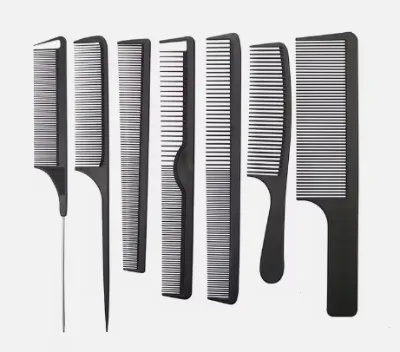
Main productsComb,Hair Brush,Hair Comb,Hair Accessories,Salon Tools
Main marketsNorth America(40.00%), Western Europe(25.00%), Southeast Asia(15.00%), Mid East(10.00%), Oceania(7.00%), Eastern Europe(3.00%)

- Verified by BV
- Trading Company
- China Zhejiang
- Lead time30 days
- Avg. response≤ 8h
Main productsElectric Kettle, Massager, Hair Dryer, Heater, Electric Grill, Humidifier, Hair Straightener, Mixer, Beauty Instrument, Electronics
Main marketsAfrica,Southeast Asia/ Mideast,Europe,North America

- Verified by SGS
- Trading Company,Manufacturer/Factory
- China Guangdong
- Lead time23 days
- Avg. response≤ 3h
Main productsBeauty Devices, Skin Care Instrument, LED Face Masks, Makeup Tools, Beauty Instrument (OEM/ODM), OEM / ODM Electronics, Beauty Device, Home Air Care Appliances, Furniture, Electric Bakhoor Burners
Main marketsSouth America,Eastern Europe,Mid East,North America,Southeast Asia,Eastern Asia,Oceania,Western Europe,Africa

Shanghai Touch Industrial Development Co., Ltd.
- Verified by TUVRHEINLAND
- Combined
- China Shanghai
- Lead time15 days
- Avg. response≤ 5h
Main productsInstant Hot Pack, Hot Cold Pack, Gel Eye Mask, Gel Ice Pack, Gel Bottle Cooler, Instant Ice Pack, Hand Warmer, Heat Pack, Cooling Scarf, Gel Beads
Main marketsSouth America,Others(foreignTradeCapacity.exportBusinessCapacityMarketOther),Southeast Asia/ Mideast,East Asia(Japan/ South Korea),Domestic,Europe,Australia,North America

UNIQUE ROYAL INDUSTRIES LIMITED
- Trading Company
- China Jiangsu
- Lead time23 days
- Avg. response≤ 7h
Main productsPet Tennis Balls Pet Toys, Drink Ware Mugs Bottle Opener, Apparel and T Shirt Apron, Children Toys, Backpack Lunch Bag Tote Pouch, Lanyards Keychain Luggage Strap, Advertising Products, Caps Hats Sunglasses, Kitchen Ware Home Products, Promotional Products
Main marketsEurope,North America

- Trading Company
- China Zhejiang
- Lead time0 days
- Avg. response≤ 11h
Main productsHousehold, Personal Care, Kitchenware, Fitness, Car Items, Tools, Health Care, Paint Brush, Magic Mesh, Beauty


Electric Straight Hair Comb Hair Straightener
MOQ: 500 Pieces
Guangzhou Jianyuan Biotechnology Co., Ltd.
- Verified by Intertek
- Manufacturer, Trading Company
- Lead time0 days
- Avg. response≤ 5h
Main productsHair Styling, Hair Care, Beard Care, Hair Growth, Hair Fiber
Main marketsNorth America(25%), South America(12%), Mid East(10%)

Changsha Fusheng Electronic Technology Co., Ltd.
- Trading Company
- China Hunan
- Lead time15 days
- Avg. response≤ 2h
Main productsElectronic Product
Main marketsSoutheast Asia/ Mideast,Europe,North America


Direct Mini Hot Comb Electric Heat Resistant Hair Combs with Factory Price
$7.89 - $9.99
MOQ: 50 Pieces
Shenzhen Baiyisen Health Technology Co., Ltd.
- Verified by SGS
- Trading Company
- China Guangdong
- Lead time30 days
- Avg. response≤ 4h
Main productsHigh-Speed Hair Dryer Curling Irons Styler, Multi-Function Hair Dryer Hairdryer, Secador De Cabello Air Wrap, Blower Hair Secador De Pelo Blow Dryer
Main marketsDomestic
Dongguan Sunkiss Technology Co., Ltd.
- Verified by CTI
- Trading Company
- China Guangdong
- Lead time23 days
- Avg. response≤ 6h
Main productsHair Curler, Hair Straighteners, Hair Dryer, Ionic Hair Dryer, Hair Brush, Travel Hair Dryer, Hair Styling Tools, Flat Irons with Floating Plate, Hair Styler, Curling Iron
Main marketsSoutheast Asia/ Mideast,North America

High-Quality Sks005 Negative-Ion Electric Heating Hair Curler Comb for Salon
$10.93 - $12.42
MOQ: 100 Pieces

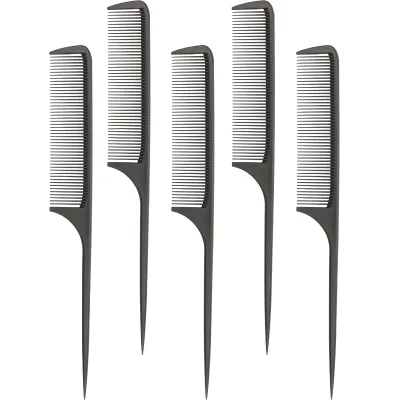


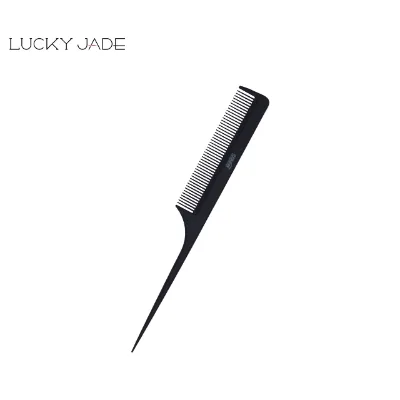
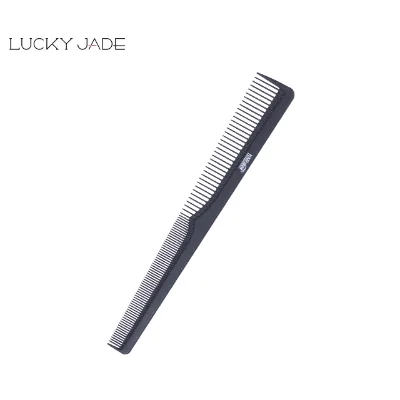
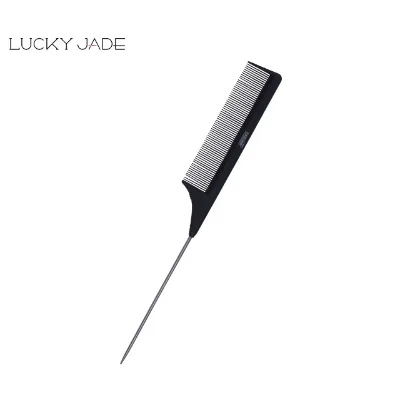






Comprehensive Sourcing Guide
Ionic Carbon Hair Comb Supplier Concentration and Factory Types
The current supplier landscape for ionic carbon hair combs reveals a mix of manufacturer and trading company entities operating within the personal care and household cleaning sector. Evidence indicates that primary production capabilities are concentrated in specific regions, with Guangdong, China, appearing as a verified place of origin for multiple product listings. This regional concentration suggests a mature supply chain ecosystem where raw material sourcing, specifically for carbon fiber and plastic components, is optimized for mass production. Buyers should note that while some entities list themselves as manufacturers, others function as trading companies, which may impact direct communication with the production floor and the flexibility of custom engineering requests.
Factory types vary significantly in their stated capabilities, ranging from standard mass production to specialized sample processing and graphic design services. Some suppliers explicitly advertise OEM and ODM capacities, indicating they can handle custom branding and specific design modifications for the Ionic Carbon Hair Comb. Others focus on customized on-demand processing, which is critical for buyers requiring unique tooth materials or handle designs. When evaluating potential partners, it is essential to distinguish between a pure manufacturer and a trading company, as the former typically offers more control over the production timeline and material quality, while the latter may provide a broader range of product variations from different factories.
How to Verify Ionic Carbon Hair Comb Suppliers
Verification of supplier credentials is a critical step before engaging in any transaction for ionic carbon hair combs. The available data shows that several suppliers have undergone third-party verification processes, with entities like TüVRheinland and SGS Group appearing as verification bodies. These certifications, such as ISO 9001, BSCI, RoHS, and CE, serve as indicators of adherence to specific quality management systems and safety standards. Buyers must confirm that the specific supplier they are considering holds these active certifications, as the presence of a general certification on a platform does not guarantee that a specific product line meets the required safety or quality benchmarks.
Beyond certifications, the response time and verification status provide immediate insights into supplier reliability. Data points indicate response times ranging from approximately 4.9 hours to 10 hours, which can be a proxy for operational efficiency and customer service readiness. A supplier with a verified status and a rapid response time is generally better positioned to handle urgent inquiries or custom sample requests. Buyers should prioritize suppliers who display clear verification badges and maintain consistent communication channels. It is also advisable to cross-reference the listed certifications with the specific product attributes, such as the use of carbon fiber or anti-static properties, to ensure the claims are substantiated by the supplier's actual production capabilities.
What to Compare Across Ionic Carbon Hair Comb Suppliers
When comparing suppliers, key operational metrics such as lead time, minimum order quantity (MOQ), and pricing structures must be analyzed side by side. The observed data reveals a wide variance in lead times, with some suppliers indicating a 30-day production window while others list zero days, suggesting immediate availability or drop-shipping capabilities. Similarly, MOQs can differ significantly, with some listings requiring orders of 1,200 pieces, while others may offer single-item purchasing options for samples. These differences directly impact inventory planning and cash flow, making it essential for buyers to align supplier constraints with their own business volume and storage capacity.
Pricing and product specifications also require careful comparison to ensure value alignment. Price ranges for ionic carbon hair combs have been observed between $0.38 and $1.00 per unit, depending on the material composition, such as carbon fiber versus plastic, and the complexity of the design. Buyers should scrutinize the product attributes, including tooth material, handle material, and specific features like heat resistance or anti-static properties. Additionally, the availability of customization options, such as logo printing or private labeling, varies by supplier. A comprehensive comparison should weigh the unit cost against the flexibility of customization, the reliability of the lead time, and the robustness of the supplier's quality certifications to determine the most suitable partner.
Common Ionic Carbon Hair Comb Sourcing Risks
One significant risk in sourcing ionic carbon hair combs involves the discrepancy between advertised materials and actual product composition. While many listings specify carbon fiber or carbon materials, others indicate plastic or acetate compositions, which may affect the performance and durability of the final product. Buyers must verify the exact material specifications, such as the tooth material and handle material, to ensure they match the intended application, whether for professional salon use or home styling. Misalignment in material quality can lead to product failure, customer dissatisfaction, and potential returns, making it crucial to request physical samples before committing to large orders.
Another risk pertains to the reliability of lead times and the consistency of production capacity. Some suppliers list lead times as zero days, which may indicate a lack of actual manufacturing capacity or a reliance on third-party fulfillment. Conversely, a 30-day lead time might reflect a more stable production schedule but could delay market entry. Buyers should be cautious of suppliers who do not clearly define their production capabilities or who offer unrealistic delivery promises. Additionally, the absence of clear information regarding sample availability or the specific testing standards applied to the combs can obscure potential quality issues. Mitigating these risks requires thorough due diligence, including requesting detailed product specifications and verifying the supplier's track record through independent reviews or third-party audits.
Ionic Carbon Hair Comb Regional Sourcing and Logistics
The primary sourcing region for ionic carbon hair combs is identified as Guangdong, China, based on the available product origin data. This region is known for its extensive manufacturing infrastructure and specialized supply chains for personal care and beauty tools. Buyers sourcing from this area should be aware of the logistical implications, including shipping times and customs procedures associated with importing from China. The concentration of suppliers in this region often leads to competitive pricing and a wide variety of product options, but it also necessitates careful planning for freight and inventory management. Understanding the specific logistics requirements of the region can help buyers optimize their supply chain and reduce overall costs.
Logistics planning must also account for the packaging and shipping dimensions provided by suppliers. Product data indicates specific package sizes, such as 23x4x1 cm for individual items, and bulk packing configurations like 600 pieces per carton. These dimensions are critical for calculating shipping costs and determining the most efficient freight method, whether by air or sea. Buyers should verify the single gross weight and volume of the products to ensure accurate freight quotes and to avoid unexpected charges upon delivery. Additionally, the availability of custom packaging options, such as OPP bags or cartons, can influence the final cost and the presentation of the product to end consumers. Proper logistics planning ensures that the ionic carbon hair combs arrive in optimal condition and on schedule.
Ionic Carbon Hair Comb Commercial Terms and Order Planning
Commercial terms for ionic carbon hair combs often include specific requirements regarding payment, customization, and order volume. Many suppliers offer acceptable OEM and private label services, allowing buyers to brand the combs with their own logos. However, these customization options may come with higher minimum order quantities, such as the 1,200-piece threshold observed in some listings. Buyers must carefully review the commercial terms to understand the financial implications of customization, including any additional costs for mold creation or design changes. Clear communication regarding these terms is essential to avoid misunderstandings and ensure that the final product meets the buyer's branding and quality expectations.
Order planning should also consider the sample availability and the process for transitioning from sample to bulk production. Some suppliers explicitly state that samples are available, which is a crucial step for verifying product quality before placing a large order. Buyers should plan for the time and cost associated with obtaining and evaluating these samples, as well as the lead time required for bulk production once the sample is approved. Additionally, the response time of the supplier, which can range from under 5 hours to 10 hours, should be factored into the overall project timeline. Efficient order planning involves aligning the supplier's production capacity and response speed with the buyer's market launch schedule to ensure a smooth and timely delivery of the ionic carbon hair combs.
FAQs
What is the price range for carbon fiber hair combs?
Prices for these styling tools typically range from $0.38 to $1.00 per unit. The final cost depends on the specific material composition, such as standard carbon versus carbon fiber, and the order volume. Buyers should check the minimum order quantity to secure the best tiered pricing available from manufacturers.
Are samples available for custom carbon hair combs?
Yes, samples are available for many of the listed products. Manufacturers often provide sample processing capabilities to verify quality before bulk production. Buyers should confirm sample availability and any associated costs directly with the supplier to ensure the product meets their specific salon or retail requirements.
What certifications do these hair comb suppliers hold?
Suppliers hold various certifications including ISO 9001, BSCI, RoHS, CE, UKCA, LVD, and EMC. These credentials indicate compliance with international quality and safety standards. Buyers should verify specific certification documents relevant to their target market to ensure the products meet local regulatory requirements for import and sale.
What is the typical lead time for these orders?
Lead times vary, with some suppliers listing 30 days and others 25 days. Some entries show zero days, which may indicate stock availability or a placeholder. Buyers must confirm the exact production schedule with the supplier, as lead times can fluctuate based on order size and customization needs.
Can I get a custom logo on these combs?
Yes, most suppliers accept custom logos and private labeling. OEM and ODM services are available for branding these styling tools. Buyers can request custom packaging and logo placement to align with their brand identity, ensuring the final product meets their specific marketing and retail requirements.
Where are these hair comb manufacturers located?
Manufacturers are primarily located in Guangdong, China. This region is a major hub for hair care tool production. Buyers can verify specific factory locations and shipping logistics to ensure efficient delivery. The concentration of suppliers in this area often allows for competitive pricing and streamlined supply chain management.
What is the minimum order quantity for these items?
Minimum order quantities vary by product, with some items requiring 1200 units. Other products may have different thresholds depending on the customization level. Buyers should check the specific MOQ for each model to plan their inventory and budget effectively, ensuring they meet the supplier's production requirements.