Driving Gloves Suppliers and Manufacturers in China
Compare 27 verified Driving Gloves suppliers in China by location, response time, and lead time. Review product specifications like material and customization options before contacting factories for quotes. Check certifications and standards to ensure quality compliance for your specific needs.
Suppliers List
Hebei Dishixiao Gloves Manufacture Co., Ltd
- Verified by BV
- Trading Company
- China Hebei
- Lead time15 days
- Avg. response≤ 5h
Main productsCap, Apron, Gloves
Main marketsSouth America,Europe,North America


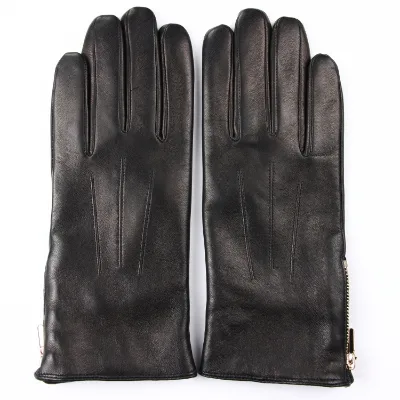
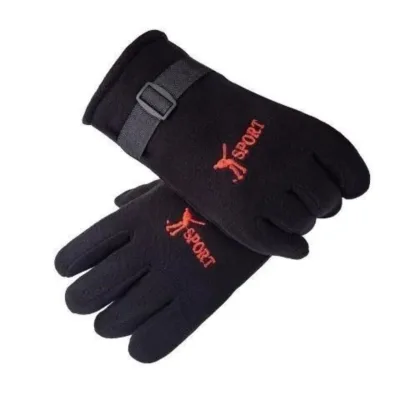
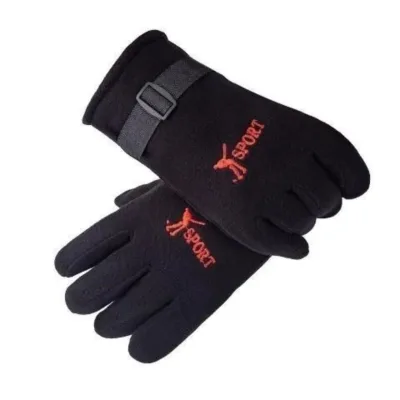
Winter Waterproof Zipper Car Driving Gloves Men Motorcycle Cycling Gloves Full Finger
$1.50 - $2.20
MOQ: 2 Pieces
Jinhua Toper Safety Equipment Co., Ltd.
- Combined
- China Zhejiang
- Lead time15 days
- Avg. response≤ 17h
Main productsSafey Helmet, Safety Glasses, Safety Goggle, Welding Helmet, Welding Goggle, Face Shield, Dust Mask, Half-Face Respirator, Earmuff, Earplugs
Main marketsDomestic
SHANDONG DONGTIE LABOUR SUPPLIES CO., LTD.
- Verified by BV
- Combined
- China Shandong
- Lead time30 days
- Avg. response≤ 2h
Main productsCowhide Gloves, Goatskin/Pigskin Golve, Garden Glove, Driver Glove, Winter Glove, Security & Protection Production, General Work Gloves, Cut Resistant Gloves, Leather Gloves, Working Gloves
Main marketsDomestic


Work Gloves Leather Workers Work Sports Motorcycle Driver Wear-Resistant Gloves
$2.50 - $2.90
MOQ: 5000 Pairs


Shijiazhuang Runlei Labour Protection Supplies Co., Ltd.
- Verified by CTI
- Manufacturer/Factory
- China Hebei
- Lead time0 days
- Avg. response≤ 13h
Main productsLeather Ski Gloves, Heat Resistance Gloves, Leather Firefighter Gloves, Leather TPR Gloves, Fishing Wader
Main marketsSouth America,Eastern Europe,Mid East,North America,Southeast Asia,Eastern Asia,Western Europe,Africa


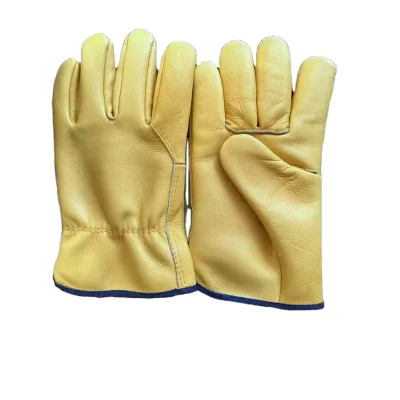
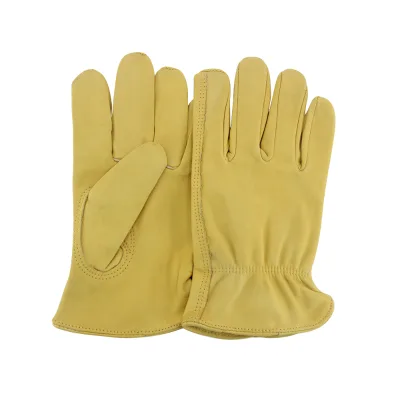
Wear-Resisting Safety Work Soft Wrist Lace-up Yellow Leather Driving Gloves
$1.20 - $2.60
MOQ: 2400 Pairs

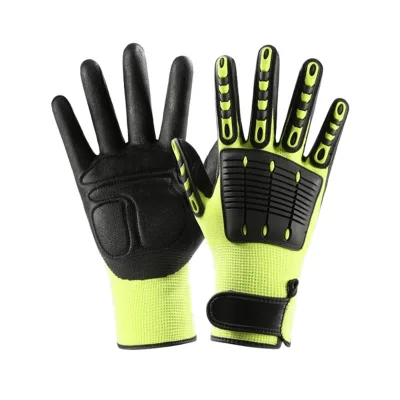
Hand Protection Resistance Driving Microfiber Anti Shock Construction Gloves
$1.10 - $3.40
MOQ: 1000 Pairs

- Verified by CTI
- Trading Company
- China Anhui
- Lead time23 days
- Avg. response≤ 1h
Main productsFurniture, Home Furniture
Main marketsSoutheast Asia/ Mideast
Yiwu Hongyue Leather Goods Factory
- Trading Company
- Zhejiang, China
- Lead time0 days
- Avg. response≤ 4h
Qingdao Meiji Labor Products Co., Ltd.
- Trading Company,Manufacturer/Factory
- China Shandong
- Lead time0 days
- Avg. response≤ 4h
Main productsSafety Gloves, Work Gloves, Safety Shoes, Safety Glasses, Other PPE
Main marketsSouth America,Eastern Europe,Mid East,North America,Southeast Asia,Eastern Asia,Oceania,Western Europe,Africa


Gloves Safety Cutting Gloves Safety Gloves Cut Resistant Latex Safety Gloves
$0.60 - $0.65
MOQ: 5000 Pairs
Xiamen Le Young Imp. & Exp. Co., Ltd
- Verified by BV
- Trading Company,Manufacturer/Factory
- China Fujian
- Lead time23 days
- Avg. response≤ 4h
Main productsLeather Folder, Trave Wallet, Leather Notebook, Leather Compendium, Leather Portfolio, Leather Diary, Leather Journal, Hotel Supply, Leather Card Holder, Leather Wallet
Main marketsSouth America,Eastern Europe,Mid East,North America,Southeast Asia,Eastern Asia,Oceania,Western Europe,Africa

Winter Gloves Touchscreen Warm Driving Glove Lambskin Gloves for Woman
$10.65 - $10.87
MOQ: 500 Pieces

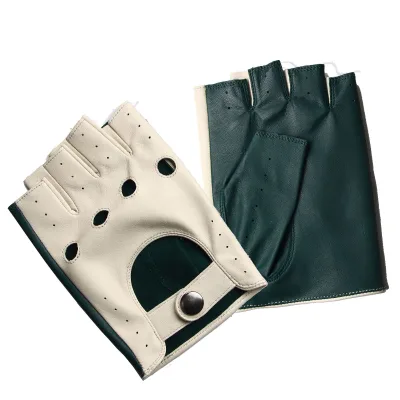
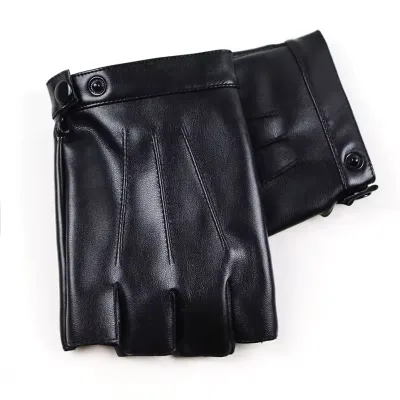
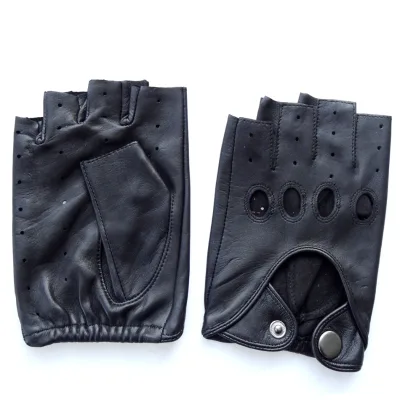
Fingerless Leather Gloves Driving Gloves Outdoor Half Finger Glove for Travel
$10.95 - $11.25
MOQ: 500 Pieces
- Manufacturer
- China Guangxi
- Lead time30 days
- Avg. response≤ 2h
Main productsNeck Warmer, Outdoor Belt, Leather Handbag, Gardening Gloves, Woman Handbag, Outdoor Gloves, Equestrian Gloves, Work Gloves, Cycling Gloves, Swagger Bag
Main marketsSouth America,East Asia(Japan/ South Korea),Europe,North America

YIWU GREAT FUTURE TECHNOLOGY CO.,LTD
- Verified by SGS
- Trading Company
- China Zhejiang
- Lead time15 days
- Avg. response≤ 2h
Main productsGlue, Adhesive, Silicone Sealant, Wood Glue, Contact Glue, Spray Paint, Rain Boots, Safety Shoes, Gloves, Washing Powder
Main marketsDomestic
QINGDAO DINGANDA MACHINERY CO., LTD
- Verified by SGS
- Combined
- China Shandong
- Lead time23 days
- Avg. response≤ 9h
Main productsGlass Machine, Glass Laminating Machine, Glass Processing Machine, Glass Storage Rack, Glass Vacuum Lifter, Glass Edging Machine, Glass Moving Tools
Main marketsSouth America,Southeast Asia/ Mideast,East Asia(Japan/ South Korea),Europe,North America


Anti Cuting Gloves Top Sale Gloves Working Glove Anti-Cutting Hand Protect Gloves
$0.50 - $3.50
MOQ: 20 Pairs

FBYL LEATHER CORPORATION LIMITED
- Verified by TUVRHEINLAND
- Trading Company,Manufacturer/Factory
- China Jiangsu
- Lead time45 days
- Avg. response≤ 16h
Main productsBags, Gloves, Wallet, Scarf, Hat, Boots
Main marketsEastern Europe,North America,Western Europe

Wholesale Vintage Leather Driving Gloves Anti-Slip Grip for Car Driving
$6.68 - $8.88
MOQ: 1000 Pieces

High Quality Driving Gloves Made with Nylon & Leather Combined for Protection of Driver (JYG-JS2237)
$7.48 - $7.98
MOQ: 1000 Pairs

Good Quality Driving Gloves Made with Fabric and Real Leather for Protection Driver (JYG-JS2240)
$7.48 - $7.98
MOQ: 1000 Pairs

Spandex Nylon Driving Gloves with Good Breathable and Sweat-Absorbing Function (JYG-JS2239)
$4.58 - $4.98
MOQ: 1000 Pairs

High Quality motorcycle Driving Gloves Made with Genuine Leather (JYG-JS2235)
$13.28 - $13.98
MOQ: 500 Pairs

Henan Bering Industries Co., Ltd.
- Trading Company
- Lead time旺季: "1 - 99":14,"100 - 100":31,"> 100":"To be negotiated", 淡季: "1 - 99":14,"100 - 100":31,"> 100":"To be negotiated"
- Avg. response≤ 2h
Main productsGloves and Mittens, Fur Rug, Sheepskin for Garments and Shoes Lining, Hat and Cap, Sheepskin Boots and Slippers
Linyi Golden Dragon Source Safety Technology Co., Ltd.
- Verified by CTI
- Combined
- China Shandong
- Lead time60 days
- Avg. response≤ 7h
Main productsWork Glove, Latex Gloves, Nitrile Gloves, Cotton Gloves, PVC Dots Gloves, Cut Resistant Gloves, PU Gloves, Industrial Gloves, Washing Gloves
Main marketsSouth America,Africa,Southeast Asia/ Mideast,Domestic,Europe,North America
- Manufacturer, Trading Company
- Guangdong, China
- Lead time20 days
- Avg. response≤ 3h
Main productsIron Nail,Screws,Iron wire,Welding Electrode,Labor Protection products
Main marketsMid East(20.00%), Africa(20.00%), Southeast Asia(10.00%), South Asia(10.00%), Domestic Market(5.00%), Eastern Europe(5.00%), Southern Europe(5.00%), Northern Europe(5.00%), Western Europe(5.00%), South America(5.00%), Oceania(5.00%), North America(5.00%)
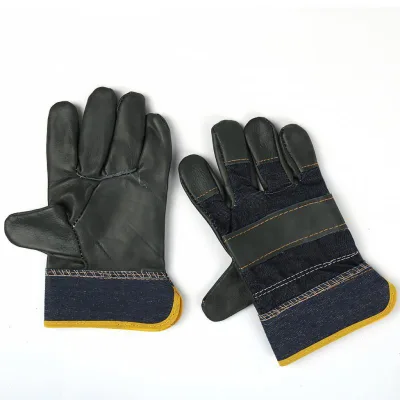
Fashion Style Motorcycle Leather Material Driver Safety Gloves for Cycling
$0.65 - $0.70
MOQ: 500 pairs
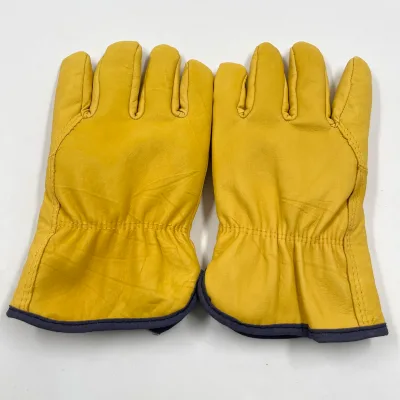

Shanghai J&D International Co., Ltd.
- Trading Company
- China Shanghai
- Lead time23 days
- Avg. response≤ 25h
Main productsShirts, Necktie, Ties, Scarves, Waistcoat, Cufflink, Neckwear, Accessories
Main marketsSoutheast Asia/ Mideast,Domestic,Europe,Australia,North America

MOQ: 5000

MOQ: 5000

MOQ: 1000
NANJING EMBOSON SAFETY PRODUCTS CO., LTD.
- Verified by SGS Group
- Manufacturer, Trading Company
- Jiangsu, China
- Lead time60 days
- Avg. response≤ 1h
Main productsMechanic Gloves, Working Gloves, Gardening Gloves, Sports Gloves, Reflective Vests
Main marketsNorth America(36%), Northern Europe(16%), Mid East(14%)

HEBEI GABION HARDWARE AND MESH CO., LTD.
- Verified by SGS
- Combined
- China Hebei
- Lead time15 days
- Avg. response≤ 5h
Main productsWire Mesh Fence, Gabion, Concrete Wire Mesh, Expanded Mesh, Chain Link Fence, Screen Mesh, Aluminium Mesh, Woven Wire Mesh, Fence, Temporary Fence
Main marketsOthers(foreignTradeCapacity.exportBusinessCapacityMarketOther),Southeast Asia/ Mideast,Domestic

- Trading Company
- China Jiangsu
- Lead time15 days
- Avg. response≤ 9h
Main productsX-ray Film Processor, Lead Glass, Operating Table, Developer Fixer, Lead Apron, X-ray Film Viewer, Bedsore Mattress, X Ray Film Cassette, Lead Door, Lead Rubber
Main marketsSouth America,Africa,Others(foreignTradeCapacity.exportBusinessCapacityMarketOther),Southeast Asia/ Mideast
Yingkou Yuanmech Machinery Co., Ltd.
- Verified by SGS
- Combined
- China Liaoning
- Lead time23 days
- Avg. response≤ 6h
Main productsTire Changer, Tyre Changer Machine, Wheel Balancer, Wheel Balancing, Car Lift, Automotive Tire Service Tools
Main marketsSouth America,Southeast Asia/ Mideast,East Asia(Japan/ South Korea),Domestic,Europe,Australia,North America
Xinxiang Haotian Leather Products Co., Ltd.
- Manufacturer, Trading Company
- Henan, China
- Lead time45 days
- Avg. response≤ 6h
Main productsLeather gloves,PU gloves,Golf gloves,Riding gloves,Sports gloves
Main marketsDomestic Market(60.00%), North America(15.00%), Western Europe(11.00%), Southern Europe(6.00%), Eastern Europe(4.00%), Northern Europe(3.00%), Oceania(1.00%)
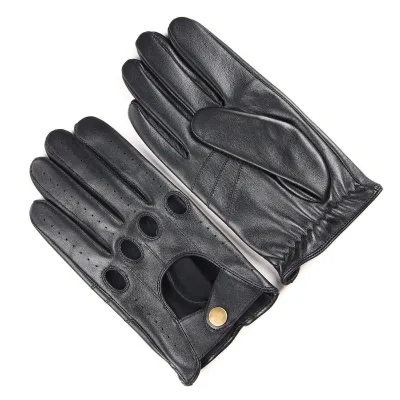
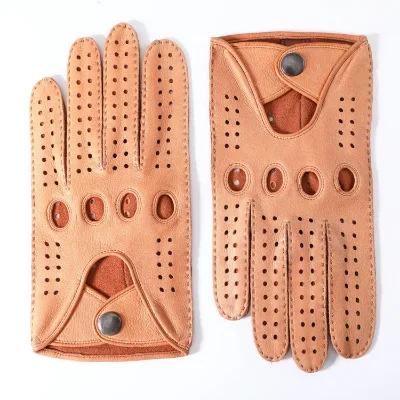
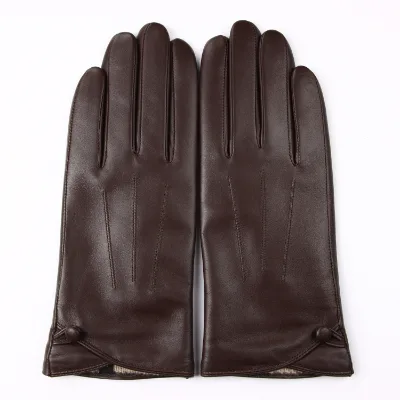
Men's Brown Deerskin Leather Driving Gloves Fashionable for Outdoor Daily Travel Use
$15.35 - $16.37
MOQ: 50 pairs

HANGZHOU JIN TIAN YIN TECH CO LTD
- Trading Company,Manufacturer/Factory
- China Zhejiang
- Lead time23 days
- Avg. response≤ 1h
Main productsSafety Glove, Face Mask, Work Gloves, Vinyl Gloves, Household Gloves, Rubber Gloves, Nitrile Gloves, Guante, Protection Gloves, Guants
Main marketsSouth America,Eastern Europe,Mid East,North America,Southeast Asia,Eastern Asia,Oceania,Western Europe,Africa


Smooth and Soft Skin Driver Glove, Without Lining. Straight Thumb, Elastic Back.
$2.00 - $2.60
MOQ: 2400 Pairs


LIZHUO INTERNATIONAL CO., LTD.
- Verified by SGS
- Trading Company
- China Guangdong
- Lead time23 days
- Avg. response≤ 3h
Main productsEmbroidery Patch, Woven Label, Embroidery Lace, Hangtag, Printing Label, School Bag, Embroidery Fabric, String
Main marketsEast Asia(Japan/ South Korea)

Shandong Xingyao Labor Gloves Co., Ltd.
- Verified by TUVRHEINLAND
- Combined
- China Shandong
- Lead time15 days
- Avg. response≤ 10h
Main productsWork Glove, Safety Gloves, PU Gloves, Latex Gloves, Nitrile Glove, PVC Gloves, Glove, Work Gloves, Nitrile Gloves, Gloves
Main marketsSoutheast Asia/ Mideast
Huarui Protective Products (Guangxi) Co., LTD.
- Verified by SGS Group
- Trading Company
- Guangxi, China
- Lead time15 days
- Avg. response≤ 2h
Main productsProtective Mask, Safety Helmet, Protective Clothing, Safety Gloves, Safety Shoes
Jiangsu Ankailong Fire Equipment Industrial Co., Ltd
- Verified by BV
- Combined
- China Jiangsu
- Lead time15 days
- Avg. response≤ 19h
Main productsFirefighting Clothing
Main marketsDomestic

ANPING HUANSI WIRE MESH PRODUCTS CO., LTD.
- Verified by SGS
- Combined
- China Hebei
- Lead time15 days
- Avg. response≤ 4h
Main productsStainless Steel Wire Mesh, Decorative Metal Mesh, Conveyor Belt, Chain Conveyor, Wire Mesh Fence, Perforated Metal, Water Ripple Sheet, Steel Grating, Copper Wire Mesh, Stainless Steel Wire Rope Mesh
Main marketsNorth America










Comprehensive Sourcing Guide
Driving Gloves Supplier Concentration and Factory Types
Current data indicates a concentration of driving glove manufacturers and trading entities within specific Chinese provinces, notably Hebei, Zhejiang, and Shandong. These regions host a mix of trading companies and combined operational models that specialize in leather goods, safety equipment, and automotive accessories. Suppliers in Hebei often list products such as genuine leather winter gloves and touch-screen compatible Driving Gloves, while Shandong-based entities frequently focus on industrial safety gloves with features like anti-scratch and heat insulation. Zhejiang suppliers appear to concentrate on broader personal protective equipment, including safety helmets and goggles alongside Driving Gloves. This geographic clustering suggests established supply chains for raw materials like cowhide and goatskin, which are essential for producing durable Driving Gloves. Buyers should verify if a supplier's stated location matches their actual factory operations, as trading companies may list a different address than their manufacturing partners.
The company types observed range from pure trading companies to combined entities that manage both sourcing and limited production capabilities. Some suppliers explicitly state ODM and OEM capacities, allowing for custom branding and design modifications, while others focus on standard inventory items. It is critical to distinguish between a trading company that aggregates products from multiple factories and a manufacturer that controls the production line. For Driving Gloves, the distinction affects quality control and lead time reliability. Suppliers claiming ODM capabilities often provide customization options for materials, such as genuine leather or cotton blends, and may offer specific features like anti-slip textures or waterproof zippers. Buyers must confirm whether the supplier's stated capacity aligns with their specific order volume and customization needs before proceeding with negotiations.
How to Verify Driving Gloves Suppliers
Verification of driving glove suppliers relies heavily on third-party audit reports and platform-specific trust indicators rather than self-declared claims. In the current dataset, some suppliers display BV verification status, which serves as a baseline indicator of business legitimacy. However, the absence of a specific certification label, such as ISO or BSCI, does not automatically disqualify a supplier but requires deeper due diligence. Buyers should request copies of recent factory audit reports that specifically cover the production of leather gloves and safety equipment. It is essential to confirm that the audit scope includes the specific manufacturing processes relevant to Driving Gloves, such as leather tanning, stitching, and assembly of safety features like anti-scratch coatings.
Response time metrics provide another layer of verification regarding supplier reliability and operational efficiency. Data shows response times varying significantly, with some suppliers responding within two hours while others take over sixteen hours. A rapid response time often correlates with a dedicated sales team and active inventory management, which is crucial for driving glove orders that may require urgent delivery. Buyers should test communication channels before placing an order to ensure the supplier can handle technical queries about glove specifications, such as material thickness or size ranges. Additionally, checking the supplier's main product list against the driving glove category ensures they are not a generalist trading company with limited expertise in this specific niche.
What to Compare Across Driving Gloves Suppliers
When evaluating multiple suppliers, buyers must compare key operational metrics including lead times, minimum order quantities, and pricing structures. Lead times in the observed data range from fifteen to thirty days, which directly impacts inventory planning and market responsiveness. Suppliers with shorter lead times may be better suited for urgent restocking needs, while those with longer lead times might offer more competitive pricing for bulk orders. Minimum order quantities also vary widely, with some suppliers accepting orders as low as two pairs, while others require a minimum of one thousand pairs. This disparity affects the feasibility of small-batch testing versus large-scale distribution strategies. Buyers should align their order volume with the supplier's MOQ to avoid unnecessary capital tie-up or rejection of smaller orders.
Pricing and customization capabilities are equally critical comparison points for driving glove sourcing. Unit prices observed range from approximately $1.10 to $6.00, depending on material quality, such as genuine leather versus cotton blends, and feature complexity like touch-screen compatibility or waterproofing. Suppliers offering customization services may charge higher unit prices but provide value through brand differentiation and tailored product specifications. Buyers should request detailed price breakdowns to understand the cost drivers, including material costs, labor, and packaging. Furthermore, comparing the packaging standards, such as individual bagging versus carton bulk packing, helps assess the supplier's readiness for retail distribution. Ensuring that the supplier's customization options match the buyer's design requirements is essential for maintaining product consistency and brand integrity.
Common Driving Gloves Sourcing Risks
One significant risk in sourcing Driving Gloves involves the discrepancy between claimed material quality and actual product specifications. While some suppliers list genuine leather as the outer material, others may use synthetic alternatives that do not meet the durability expectations for driving applications. Buyers must verify material composition through physical samples and third-party testing reports to ensure the gloves meet safety and performance standards. The absence of specific certification labels for leather quality or chemical safety increases the risk of receiving substandard products that may degrade quickly or fail to provide adequate protection. This risk is particularly acute when dealing with suppliers who do not provide detailed material specifications or who rely solely on product descriptions without supporting documentation.
Another critical risk is the inconsistency in product standards and safety features across different suppliers. Driving Gloves often require specific attributes such as anti-slip properties, heat insulation, or puncture resistance, which are not universally standardized. Some suppliers list features like "Anti-Static" or "Fireproof" without providing clear evidence of compliance with recognized safety standards. Buyers should demand test reports that validate these specific claims, especially for gloves intended for industrial or high-risk driving environments. Additionally, the variability in sizing and fit, such as the difference between L and XL sizes, can lead to customer dissatisfaction if not properly managed. Ensuring that the supplier has a robust quality control process for sizing and feature consistency is vital to mitigate these risks.
Driving Gloves Regional Sourcing and Logistics
Sourcing Driving Gloves from China involves navigating regional logistics networks that vary by province. Suppliers in Hebei, Zhejiang, and Shandong each have distinct logistical advantages and challenges based on their proximity to major ports and transportation hubs. Hebei-based suppliers may benefit from proximity to northern ports, while Zhejiang and Shandong entities often have access to eastern coastal shipping routes. Buyers should consider the impact of regional logistics on shipping costs and delivery times, as these factors can significantly affect the total landed cost of the product. Understanding the specific shipping routes from the supplier's location to the destination port is essential for accurate cost estimation and timeline planning.
Logistics planning also requires attention to packaging standards and handling requirements for leather and safety gloves. Different suppliers utilize varying packaging methods, ranging from individual bags to bulk cartons, which influence how the goods are loaded and shipped. Some suppliers specify carton packing with specific quantities per box, which can streamline the loading process and reduce damage risks during transit. Buyers should verify that the packaging is robust enough to protect the gloves from moisture and physical damage, especially for leather products that may be sensitive to environmental conditions. Coordinating with the supplier on packaging specifications ensures that the goods arrive in optimal condition, minimizing the risk of returns or quality complaints upon delivery.
Driving Gloves Commercial Terms and Order Planning
Commercial terms for driving glove orders must be carefully negotiated to align with the buyer's financial and operational goals. Key terms include payment methods, escrow availability, and warranty provisions, which vary by supplier. While some suppliers may offer escrow services to protect buyer funds, others may require direct bank transfers or letters of credit. Buyers should verify the availability of escrow options to mitigate financial risks, especially when dealing with new suppliers or large order volumes. Additionally, understanding the supplier's policy on order modifications and cancellations is crucial for managing unexpected changes in demand or design requirements. Clear communication of these terms prevents misunderstandings and ensures a smooth transaction process.
Order planning for Driving Gloves requires a strategic approach to inventory management and production scheduling. Given the variability in lead times and minimum order quantities, buyers should develop a flexible ordering strategy that balances stock levels with cash flow constraints. For suppliers with longer lead times, such as those requiring thirty days, buyers must plan orders well in advance to avoid stockouts. Conversely, suppliers with shorter lead times and lower MOQs offer more agility for testing new designs or responding to market trends. Buyers should also consider the impact of seasonal demand on production capacity, as winter Driving Gloves may experience higher demand during colder months. Effective order planning ensures that the supply chain remains responsive to market fluctuations while maintaining cost efficiency.
FAQs
What is the price range for Driving Gloves?
Driving Gloves typically range from $1.10 to $6.00 per pair depending on material and features. Basic winter cycling gloves start around $1.50, while premium genuine leather options with touch-screen capabilities cost between $5.50 and $6.00. Prices vary based on customization needs and order volume.
What is the minimum order quantity for Driving Gloves?
Minimum order quantities vary significantly by supplier and product type. Some manufacturers accept orders as low as two pairs for standard winter gloves, while others require 100 pairs for fashion leather styles. Industrial safety gloves often have higher thresholds, such as 500 or 1000 pairs.
How long does production take for Driving Gloves?
Lead times generally range from 15 to 30 days depending on the supplier and order complexity. Suppliers in Hebei and Zhejiang often report faster turnaround times around 15 days, while those in Shandong may require up to 30 days for production and packaging completion.
Are Driving Gloves available with customization options?
Yes, many suppliers offer customization services including OEM and ODM capabilities. Buyers can request specific materials like genuine leather, custom colors, and tailored sizes. Some manufacturers also provide logo printing and packaging customization to meet specific brand requirements for retail or corporate distribution.
What materials are used in Driving Gloves?
Driving Gloves are commonly made from genuine leather, cotton, or synthetic blends. Leather options provide durability and anti-slip features, while cotton blends offer breathability. Some specialized gloves include heat insulation or anti-static properties for industrial use, ensuring safety and comfort during extended wear.
Where are Driving Gloves manufactured?
Most Driving Gloves are manufactured in China, specifically in provinces like Hebei, Zhejiang, and Shandong. These regions host numerous trading companies and combined manufacturers specializing in apparel accessories and safety equipment, offering diverse sourcing options for international buyers seeking quality and competitive pricing.