Hand Painting Ceramic Flower Pot Suppliers and Manufacturers
Explore 16 verified options for Hand Painting Ceramic Flower Pot sourcing with dimensions like location, lead time, and MOQ. Compare supplier response times and customization capabilities to select the right partner for your needs; review the available evidence before requesting comparable quotations from suitable candidates.
Suppliers List

ZHANGZHOU XIANGCHENG GREENHOME HORTICULTURE CO., LTD
- Trading Company,Manufacturer/Factory
- China Fujian
- Lead time15 days
- Avg. response≤ 15h
Main productsOrchid, Live Plants, Seedlings, Indoor Plants & Outdoor Plants, Flowerpot
Main marketsSouth America,Eastern Europe,Mid East,North America,Southeast Asia,Eastern Asia,Oceania,Western Europe,Africa

Taizhou Shengerda Plastic Co., Ltd.
- Combined
- China Zhejiang
- Lead time30 days
- Avg. response≤ 9h
Main productsPlastic, Plastic Flower Pot, Plastic Tray, Plastic Bucket, Plastic Trash Can, Plastic Basin
Main marketsSouth America,Europe,Australia
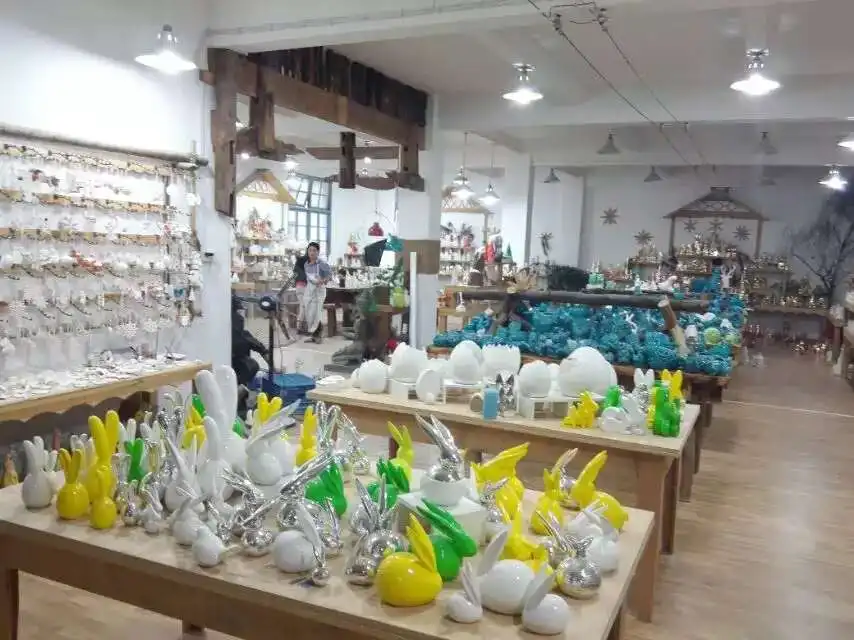
Dehua Beauty Rich Arts & Crafts Co., Ltd.
- Manufacturer, Trading Company
- Fujian, China
- Lead time30 days
- Avg. response≤ 9h
Main productsPolyresin crafts,Ceramic crafts,PVC crafts,Home decoration,Garden decoration
Main marketsEastern Europe(15.00%), North America(15.00%), South America(12.00%), Mid East(5.00%), Oceania(5.00%), South Asia(3.00%), Southern Europe(3.00%), Northern Europe(3.00%), Central America(3.00%), Western Europe(3.00%), Eastern Asia(3.00%), Domestic Market(3.00%), Southeast Asia(3.00%), Africa(2.00%)

Golden Ace Industrial Co., Ltd.
- Verified by BV
- Combined
- China Shandong
- Lead time60 days
- Avg. response≤ 8h
Main productsGlassware, Kitchenware, Houseware, Glass Vase, Giftware
Main marketsAfrica,Southeast Asia/ Mideast,Europe,Australia,North America

Flowers Pot Vase Ceramic Plant Flower Pot
MOQ: 300 Pieces

Ceramic Mini Ceramic Plant Flower Pot
MOQ: 300 Pieces

Cheap Mini Ceramic Plant Pot Flower Pots
MOQ: 300 Pieces

Cute Ceramic Flower Pots for Small Plants
MOQ: 1000 Pieces

Terracotta Ceramic Plant Flower Pots Vases
MOQ: 300 Pieces

Mini Ceramic Flower Pot Wholesale
MOQ: 1000 Pieces

Foshan Kingmake Industry Co., Ltd.
- Verified by SGS
- Manufacturer/Factory
- China Guangdong
- Lead time23 days
- Avg. response≤ 4h
Main productsOutdoor Furniture, Rattan Furniture, Aluminum Furniture, Rope Furniture, Teak Wood Furniture, Outdoor Umbrella, Outdoor Flower Pot, Outdoor Pergola, Outdoor Artificial Plants
Main marketsSouth America,Eastern Europe,Mid East,North America,Southeast Asia,Eastern Asia,Oceania,Western Europe,Africa

Garden Decoration Handmade Vase for Home Decor Planter Ceramic Garden Pot Flowerpot
$2.99 - $19.90
MOQ: 1 Pieces


Foshan Tanfly Furniture Co., Ltd.
- Verified by BV
- Manufacturer/Factory
- China Guangdong
- Lead time23 days
- Avg. response≤ 6h
Main productsSwing Chair, Patio Furniture, Outdoor Furniture, Garden Furniture, Outdoor Sofa, Pergola, Sun Lounger, Fire Pit Table, Dining Table, Rattan Chair
Main marketsEastern Europe,Mid East,North America,Eastern Asia,Western Europe

Ningbo H&G Home Decoration Limited
- Combined
- China Zhejiang
- Lead time60 days
- Avg. response≤ 9h
Main productsMetal Candle Lantern, Wood Candle Lantern, LED Candle Lantern, LED String Light Lantern, Metal Candle Holder, Candlestick, Wall Sconce Candle Holder, Flower Pot Stand, Metal Planter, Metal Plant Stand
Main marketsAfrica,Europe,Australia,North America


White Ceramic Flower Pots Ceramic Plant Pots
MOQ: 500 Pieces

Black Ceramic Flower Pots Ceramic Plant Pots
MOQ: 500 Pieces

Ceramic Decoration Pots for Plant Ceramic Plant Pots
MOQ: 500 Pieces

Black Table Flower Pot Home Decoration Plant Pot
MOQ: 500 Pieces

Chaozhou Chaoan Yirui Ceramics Factory
- Verified by SGS
- Trading Company
- China Guangdong
- Lead time15 days
- Avg. response≤ 5h
Main productsCement Flower Pot, Ceramic Flower Pot, Cement Planter, Flower Pot, Ceramic Flower Vase, Cement Flower Vase, Glass Flower Vase, Plastic Flower Pot
Main marketsEast Asia(Japan/ South Korea)

JINGDEZHEN SHENGJIANG CERAMICS TRADING CO., LTD.
- Trading Company
- China Jiangxi
- Lead time30 days
- Avg. response≤ 5h
Main productsPorcelain Vase, Garden Stool Ceramic Seat, Porcelain Ginger Jar Cerammic Temple Jar, Ceramic Basin/Sink, Asian Antique Reproduction Vase and Jar, China Decoration Porcelain, Table Lamp Bedside Lamp, Blue and White Chinese Porcelain, Ceramic Lamp Porcelain Table Lamp, Flower Pot Planter
Main marketsSouth America,Africa,Southeast Asia/ Mideast,East Asia(Japan/ South Korea),Domestic,Europe,Australia,North America

Blue White Hand Painted Landscape Pattern Square Shape Garden Flower Pots
$88.00 - $213.00
MOQ: 2 Pieces


New Small Hand Painted Ellipse Shape Garden Flower Pot with Two Handles
$45.00 - $107.00
MOQ: 2 Pieces

Quyang Grace Stone Industry Co., Ltd.
- Combined
- China Hebei
- Lead time23 days
- Avg. response≤ 23h
Main productsMarble Fireplace Mantel, Marble Sculpture, Marble Fountain, Fountain, Marble Flower Pot, Lamp, Gazebo, Wrought Iron Fence, Cast Iron Gate, Statue
Main marketsSoutheast Asia/ Mideast,East Asia(Japan/ South Korea),Domestic,Europe,North America

Marble Hand Carved Flower Pot for Garden Decoration
MOQ: 1 Pieces

Garden Decorative Stone Flower Pot
MOQ: 1 Pieces

MOQ: 1 Pieces

- Verified by BV
- Trading Company
- China Shandong
- Lead time30 days
- Avg. response≤ 2h
Main productsCeramic Mugs, Ceramic Dinnerware, Ceramic Tea Set, Ceramic Kitchen Ware, Custom Drum Shape Ceramic Coffee Mug, 24oz Large Capacity 3D Embossed Mug, Porcelain Cappuccino Cup and Saucer, 14oz Custom Souvenirs Ceramic Mug, 12 Sets Vintage Reactive Glazed Tableware, Custom Royal White Ceramic Milk Jar
Main marketsNorth America

Simple Planting Round Flower Pot Custom Color Garden Flower Pot Ceramic Decoration Pot
$1.00 - $3.00
MOQ: 3000 Pieces

Mini Flower Pot Custom Size Ceramic Plant Pot Home Decorative Flower Pot
$0.75 - $3.00
MOQ: 3000 Pieces

Factory Round Flower Pots Home Decoration Flower Pots Custom Ceramic Plant Pot
$1.00 - $3.00
MOQ: 5000 Pieces

Simple Style Flower Pot Custom Color Plant Flower Pot Ins Ceramic Flower Pot
$1.00 - $3.00
MOQ: 3000 Pieces

$1.00 - $5.00
MOQ: 3000 Pieces

Creative Flower Pot Simple Decorative Plant Pot Ins Style Custom Ceramic Plant Pot
$1.50 - $3.00
MOQ: 3000 Pieces
Guangdong Qunfa Ceramics Co., Ltd.
- Manufacturer, Trading Company
- Guangdong Province, China
- Lead time55 days
- Avg. response≤ 2h
Main productsMug,Pet Bowls,Bakeware,Tableware,Flower Pot
Main marketsSouth America(42.50%), North America(42.50%), Southeast Asia(5.00%), Central America(5.00%), Northern Europe(2.50%), Eastern Europe(2.50%)

Yangzhou Youcai Import and Export Trading Co., Ltd
- Trading Company
- China Jiangsu
- Lead time0 days
- Avg. response≤ 7h

Quanzhou Wutongcrafts Co., Ltd.
- Verified by CTI
- Manufacturer/Factory
- China Fujian
- Lead time30 days
- Avg. response≤ 6h
Main productsResin Figurine, Snow Globe, Fridge Magnets, Tourist Souvenirs, Garden Ornaments, Holiday Decorations, Madonna Statue, Bobble Head, Polyresin Statue, Polyresin Flower Pot
Main marketsSouth America,Eastern Europe,North America,Oceania,Western Europe,Africa

Quyang Zhongou Yishu Marble Sculpture Manufactory
- Verified by TUVRHEINLAND
- Combined
- China Hebei
- Lead time30 days
- Avg. response≤ 5h
Main productsStatue, Fireplace, Sculpture, Fountain, Gazebo, Animal Statue, Column, Urn, Tombstone & Monument, Kitchen Hood
Main marketsDomestic

Xiamen Ebei Import & Export Co., Ltd.
- Verified by CTI
- Trading Company,Manufacturer/Factory
- China Fujian
- Lead time45 days
- Avg. response≤ 2h
Main productsEco-Friendly Products, Bamboo Tableware, Bamboo Furniture, Bamboo Kitchenware, Bamboo Office Supply, Bamboo Fibre Products, Biodegradable Products, Bamboo Towel, Solar Energy Products, Bamboo Garden Products
Main marketsSouth America,Eastern Europe,Mid East,North America,Southeast Asia,Eastern Asia,Oceania,Western Europe,Africa






Comprehensive Sourcing Guide
Hand Painting Ceramic Flower Pot Supplier Concentration and Factory Types
Suppliers of Hand Painting Ceramic Flower Pot products in the observed results are concentrated in a small number of Chinese provinces, with Fujian and Zhejiang each represented among the listed companies. Fujian-based entries in the results pair ceramic flower pot production with live plants, seedlings and flowerpots, and describe themselves as both trading companies and manufacturer/factory operations. This hybrid type matters when you assess a Hand Painting Ceramic Flower Pot source: a combined trading and manufacturing operation may broker some SKUs while producing others, so you should ask which specific models come off their own line. Zhejiang-based entries focus on plastic flower pots, trays, buckets and basins, which shows that flower pot sourcing in these regions spans multiple materials, not only ceramics.
Factory types in this category generally fall into three groups. First, ceramic manufacturing units that produce glaze and painted decorative pots for home furnishing and home gardening use, as seen in the product attributes showing ceramic material, Chinese style designs and carton packing. Second, trading companies that aggregate ceramic and plastic planters from nearby workshops and offer wider assortment but less direct process control. Third, combined companies that also mold plastic pots, useful if your assortment needs both materials. When identifying clusters beyond the observed locations, look for regions with existing pottery, kiln and decorative ceramics industries, and check whether a supplier's listed origin and main products align with genuine ceramic capability.
How to Verify Hand Painting Ceramic Flower Pot Suppliers
Verification starts with the supplier's own structural facts. In the observed results, company type is displayed as Trading Company, Manufacturer/Factory, or Combined, and one Fujian entry claims both roles. Confirm which entity you are actually contracting with: a manufacturer can show you its kiln and painting workshop, while a trading company should be able to name the producing factory it represents. Establishment year is another displayed attribute to check on supplier profiles, though the current results do not surface a year for every company, so treat missing data as something to confirm during outreach rather than assuming a value. Response time is measurable from the results themselves, ranging from roughly eight to over fourteen hours, so log how quickly each shortlisted supplier answers your first two or three messages.
Next, verify capability through product-level evidence rather than claims. The listed ceramic products show customization marked available, specific models such as item numbers in the 166, 246, 20017-8, 80035, 20037-7 and PJ365 ranges, and detailed attributes including size standards like 151521cm and packing methods of carton or no packing. Ask each supplier to map those model numbers to their current catalog and to confirm the hand painting process: who paints, with what pigment system, and how colors are controlled across a batch. Certifications are only partially displayed in the results, with one Zhejiang entry listing an unspecified system certification, so request documented proof of any certification claimed. Finally, ask for references from buyers who import decorated ceramic planters, and confirm stated production locations match the provinces shown on the profile.
What to Compare Across Hand Painting Ceramic Flower Pot Suppliers
Build a comparison sheet using the dimensions the supplier results actually display. Lead time is directly comparable: the observed entries show roughly fifteen days for the Fujian ceramic supplier and thirty days for the Zhejiang plastic pot supplier, a gap you should probe when asking about painted ceramic capacity, since decoration and drying can extend the quote. Minimum order quantities differ sharply across the product listings, from 100 pieces on one ceramic garden pot to 1,000 pieces on another small ceramic flower pot, so quote MOQ per model rather than per supplier. Response time is another usable metric, with listed averages of about 8.13 and 14.17 hours; weight suppliers who answer consistently and specifically higher than fast but vague responders.
Compare main products and how they relate to your needs. A supplier listing orchids, live plants and flowerpots alongside ceramics may serve garden center assortments well, while a plastic-focused supplier with ODM and OEM capacity may suit a mixed-material program. Research and development capacity is displayed for both observed companies as OEM and ODM combinations, so ask each to demonstrate an actual customization example, such as a custom color or shape. Also compare product attribute completeness: suppliers whose listings specify material, size, shape, color range, packing and transportation method are generally easier to work with than those with thin listings. Location and company type round out the sheet, since a Fujian ceramic factory and a Zhejiang combined plastics operation carry different quality and freight implications for your order plan.
Common Hand Painting Ceramic Flower Pot Sourcing Risks
The most frequent risk in this category is paint and glaze inconsistency across a production run. Hand decoration means each piece varies, and the observed listings give color ranges such as white, black, blue and grey without specifying color tolerance, so a sample-approved shade can drift in bulk. Related risks include cracking or chipping during firing, uneven paint adhesion, and lead or heavy metal content in pigments, none of which are addressed by the displayed attributes, making lab testing something to arrange independently. Another documented risk is MOQ mismatch: with listings ranging from 100 to 1,000 pieces, a buyer ordering a small trial may be pushed toward the higher MOQ model, inflating initial inventory exposure.
Logistics and packaging risks are also visible in the data. The listings state carton packing, carton or no packing, and sea transportation, and ceramic pots shipped without adequate inner packing arrive chipped; confirm protective packaging explicitly, since "without packing" appears as a listed option. Size misinterpretation is another trap, because the listings use inconsistent formats such as 151521cm, 2015.5cm and 1316.5*15cm, and one entry lists a plastic material standard in a text field, so restate dimensions in writing before sampling. Price range risk exists too: quoted unit prices in the results span roughly one to ten dollars, but ranges may exclude decoration complexity, so obtain a written price against your exact specification. Finally, misjudging supplier type, contracting a trader while assuming a factory relationship, removes your leverage over paint process corrections.
Hand Painting Ceramic Flower Pot Regional Sourcing and Logistics
The observed supplier base points to two Chinese provinces with distinct logistics profiles. Fujian is represented by a supplier that combines ceramics with live plants and seedlings and lists both trading and manufacturing roles; ceramic pots from this region are shown with sea transportation and carton packing, and a listed lead time of about fifteen days, which suits buyers who want shorter replenishment cycles for decorated planters. Zhejiang is represented around Wenling per the product origin field, by companies producing plastic flower pots, trays and basins with mechanical production methods, a thirty-day listed lead time, and square or round floor-type and desktop formats. Plastic is lighter and less fragile than ceramic, which changes freight cost per unit and reduces damage claims, a relevant consideration if your assortment mixes both materials.
Plan logistics around product weight and fragility first. Ceramic flower pots in the listings range from small desktop pieces around 12.5cm to large medium-size models up to 40cm, and sea freight is the stated transportation method, so consolidate full cartons and specify inner protection and palletization. Check whether quoted lead times include decoration time; the fifteen-day figure attached to a ceramics-focused listing is a useful benchmark but may not cover painting for custom colors. For mixed ceramic and plastic orders from different provinces, confirm whether one supplier can consolidate shipment or whether you will manage two exports. Always verify the shipping origin city matches the supplier's claimed location before booking freight.
Hand Painting Ceramic Flower Pot Commercial Terms and Order Planning
Commercial terms should be negotiated model by model, because the observed price and MOQ data vary widely within a single supplier's range. Listed ceramic products run from about 1.28 dollars to 10 dollars per unit, with minimum orders of 100 or 1,000 pieces depending on the model, so anchor negotiations to the specific prod_model codes such as 166, 246, 20017-8, 80035, 20037-7 or PJ365 rather than a generic pot description. Customization is marked available across the listings, which usually means sample and tooling or hand-paint setup considerations; ask what customization triggers a cost or a MOQ change. Escrow status is a displayed attribute on some supplier profiles but not confirmed for every entry here, so check the profile field and, if absent, rely on written contracts and staged payment terms.
Order planning should sequence a trial before scale. A sensible path is ordering the lowest-MOQ ceramic model at the smaller quantity tier, inspecting paint consistency and packing integrity on arrival, then moving volume to the models that passed. Align order timing with the listed lead times of roughly fifteen days for ceramics and thirty days for plastic lines, adding buffer for decoration of custom colors and pre-shipment inspection. Confirm packing in writing, since the listings show carton or even no-packing options for ceramics. Finally, reconfirm each quoted attribute, size standard, color set and origin before every repeat order, because displayed values reflect the listing moment and can change between cycles.
Sections: each ~230 words; total approximately 1380 words.
FAQs
What is the price range for ceramic flower pots?
Ceramic flower pots are priced between $1.28 and $10.00 per unit. The final cost depends on the specific model, size, and customization options selected. Buyers should verify the exact quote based on their order quantity and design requirements before placing a purchase order.
What is the minimum order quantity for these pots?
The minimum order quantity varies by supplier, ranging from 100 to 1000 units. Some suppliers accept orders as low as 100 pieces, while others require a minimum of 1000. Buyers must check the specific MOQ listed for each product model to ensure compliance.
How long does production take for ceramic pots?
Production lead times typically range from 15 to 30 days. The exact duration depends on the supplier's location and current order volume. Buyers should confirm the specific lead time with the supplier before finalizing the order to ensure timely delivery for their projects.
Are customization options available for ceramic flower pots?
Yes, customization is available for most ceramic flower pots. Suppliers offer OEM and ODM services to accommodate specific design needs. Buyers can request custom sizes, colors, or styles to match their branding or aesthetic preferences for home gardening or commercial use.
What materials are used for these flower pots?
The primary material used is ceramic, with some plastic options also available. Ceramic pots are often designed for desktop or floor use in home gardening. Buyers should verify the material specifications for each product to ensure it meets their durability and aesthetic requirements.
Where are these suppliers located?
Suppliers are located in China, specifically in Fujian and Zhejiang provinces. These regions are known for manufacturing garden supplies and home decor items. Buyers can filter results by location to prioritize suppliers based on their logistical preferences or regional trade agreements.