Hand Painting Mushroom Ceramic Lid Suppliers and Manufacturers
Source 28 verified suppliers offering Hand Painting Mushroom Ceramic Lid products with BSCI certification and Intertek verification. Compare lead times of 55-60 days, MOQs of 1000pcs, and prices from $2.55 to $4.34. Contact suppliers directly to request custom OEM/ODM samples.
Suppliers List
Xiamen Yoyo Ceramic Trading Co., Ltd.
- Verified by Intertek
- Manufacturer, Trading Company
- Lead time55 days
Main productsCandle Jar, Daily Ceramic Ware, Home Decoration, Garden Decoration, Bathroom Accessory
Main marketsNorth America(45%), Oceania(20%), Western Europe(20%)
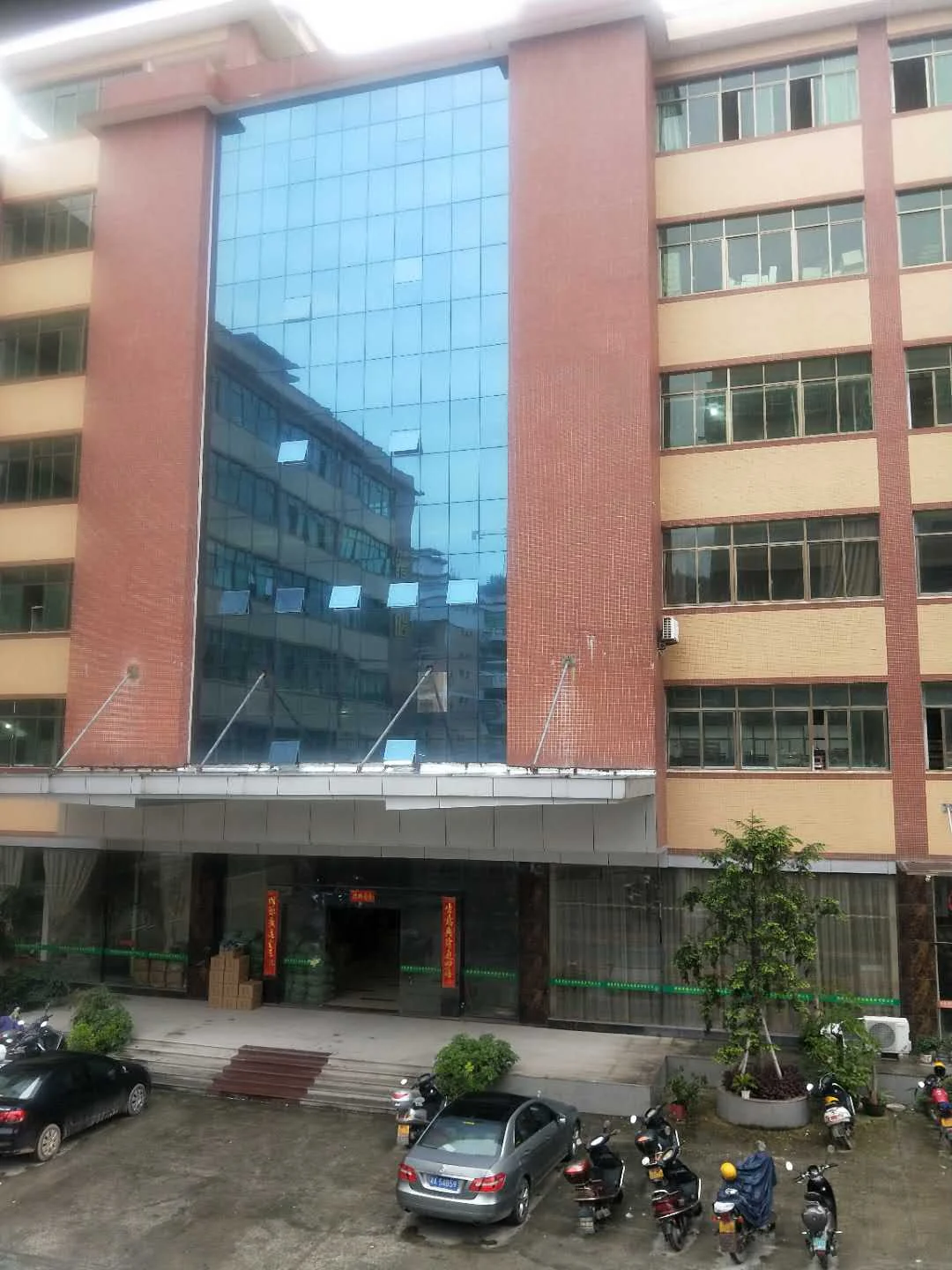
Fujian Dehua Dingshengxiang Ceramic Co., Ltd.
- Manufacturer, Trading Company
- Fujian, China
- Lead time60 days
- Avg. response≤ 4h
Main productsCeramic Christmas Craft, Ceramic Easter Craft, Resin Craft, Ceramic Garden Pot, Ceramic Mug
Main marketsSouth America(30.00%), Northern Europe(25.00%), North America(20.00%), Western Europe(15.00%), Africa(5.00%), Eastern Europe(5.00%)

Xiamen Yoyo Ceramic Trading Co., Ltd.
- Verified by BV
- Combined
- China Fujian
- Lead time23 days
- Avg. response≤ 9h
Main productsCeramic Mugs, Ceramic Plates, Teawares, Ceramic Canisters, Ceramic Vases, Ceramic Flower Planters, Ceramic Coin Bank, Flowerpot, Canisters, Resin Crafts
Main marketsSouth America,Africa,Southeast Asia/ Mideast,East Asia(Japan/ South Korea),Europe,Australia,North America


Handmade Ceramic Honey Jar with Lid & Wooden Dipper Honey Pot with Lids
$1.55 - $3.15
MOQ: 1000 Pieces


Decal Floral Cookie Coffee Canister Ceramic Storage Jar with Wooden Lid
$0.60 - $3.00
MOQ: 1000 Pieces

Creative Ceramic Mushroom Cup with Lid Unique Porcelain Coffee Tea Mugs in Bulk
$0.95 - $2.95
MOQ: 1000 Pieces
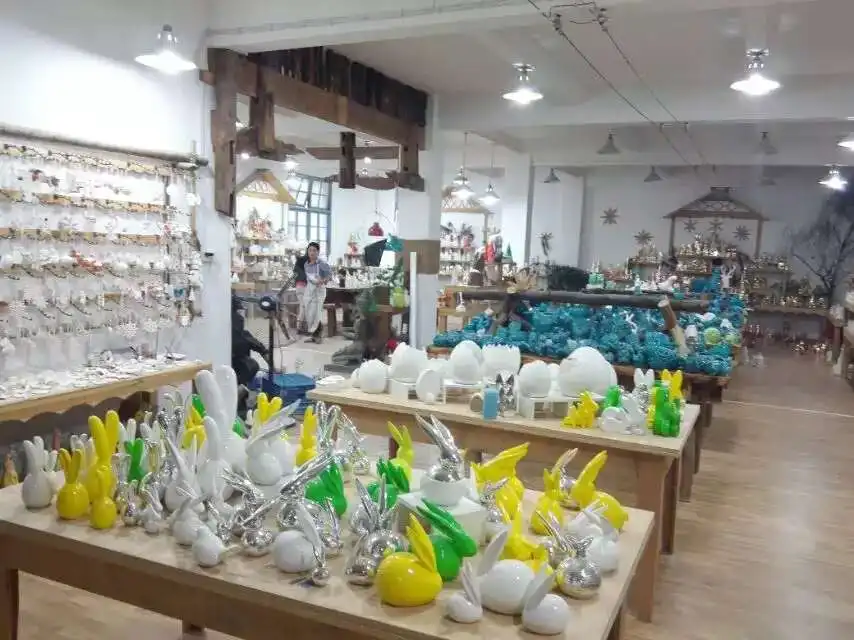
Dehua Beauty Rich Arts & Crafts Co., Ltd.
- Manufacturer, Trading Company
- Fujian, China
- Lead time30 days
- Avg. response≤ 10h
Main productsPolyresin crafts,Ceramic crafts,PVC crafts,Home decoration,Garden decoration
Main marketsEastern Europe(15.00%), North America(15.00%), South America(12.00%), Mid East(5.00%), Oceania(5.00%), South Asia(3.00%), Southern Europe(3.00%), Northern Europe(3.00%), Central America(3.00%), Western Europe(3.00%), Eastern Asia(3.00%), Domestic Market(3.00%), Southeast Asia(3.00%), Africa(2.00%)
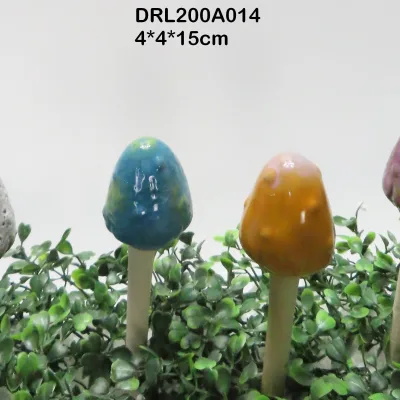


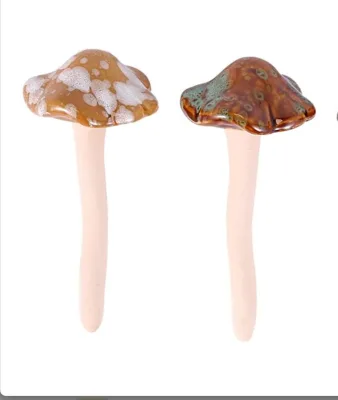

$3.68 - $8.18
MOQ: 500 pieces


- Trading Company
- Fujian, China
- Lead time120 days
- Avg. response≤ 1h
Main productsA wide range of Ceramic/Porcelain/Stoneware items,such as Spring/Valentine/Easter/Summer/Autumn/Halloween/Christmas/Bathroom wares/Tableware/ Home Decor,Etc...
Main marketsEastern Europe(35.00%), Northern Europe(30.00%), Western Europe(20.00%), Southern Europe(10.00%), North America(5.00%)

Xuzhou Risen Industry and Supply Co., Ltd
- Verified by TUVRHEINLAND
- Trading Company
- China Jiangsu
- Lead time30 days
- Avg. response≤ 3h
Main productsHousehold Adornment, Household Supplies, Home Decoration, Compressed Sofa, Dining Furniture, Bothroom Organizer, Kitchen Storage, Glass Ornaments, Ceramic Tableware, Home Fragrance
Main marketsSouth America
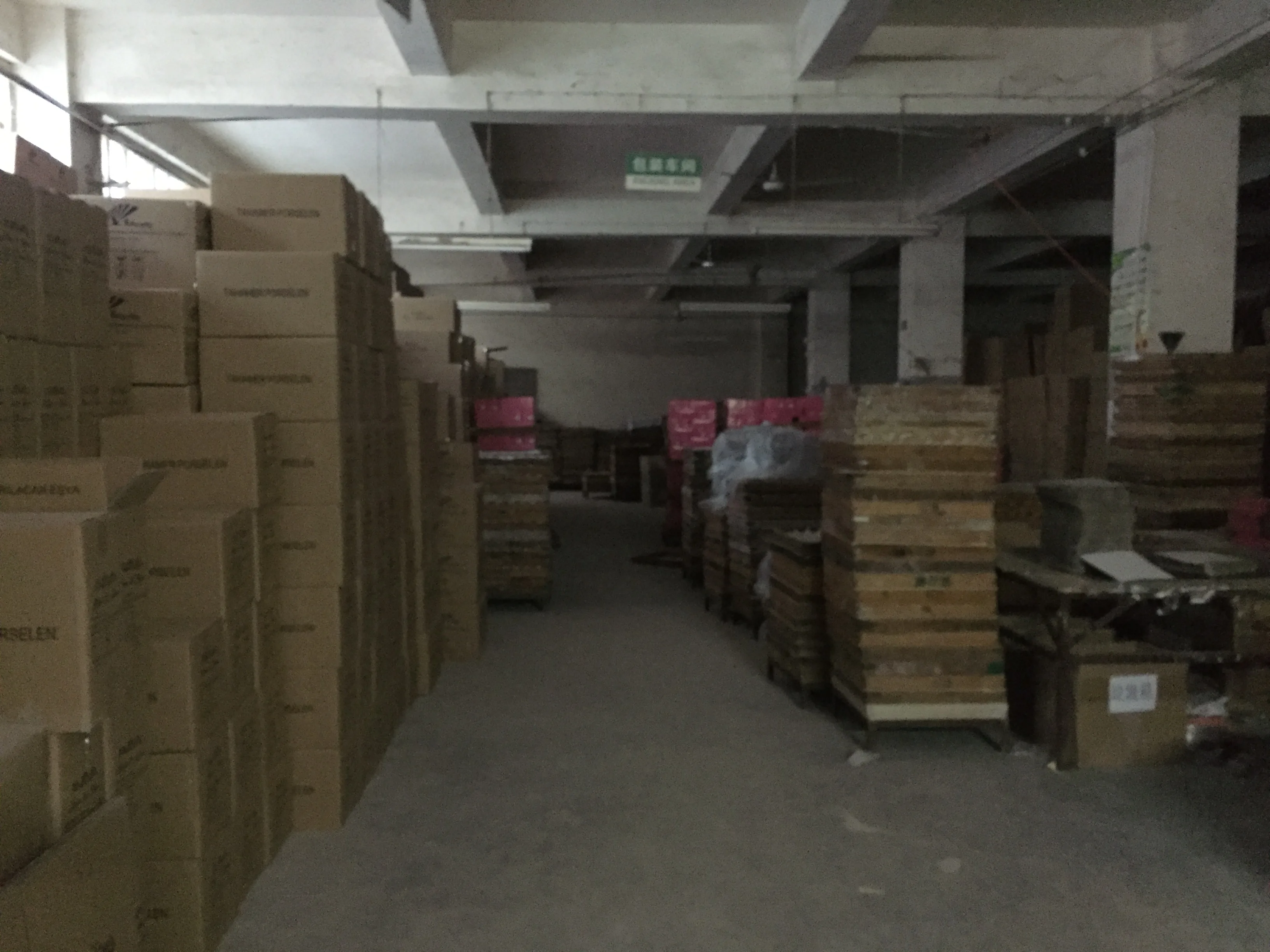
Fujian Dehua Best Ceramic Co., Ltd.
- Manufacturer
- Fujian, China
- Lead time40 days
- Avg. response≤ 8h
Main productsceramic mug porcelain mug,ceramic oil burner ceramic neti pot,ceramic follow pot,ceramic jar canister,ceramic cup and saucers
Main marketsSouth America(30.00%), Western Europe(20.00%), North America(20.00%), Northern Europe(15.00%), Southern Europe(5.00%), Southeast Asia(5.00%), Eastern Europe(5.00%)

Hand Painted House Shape Kitchen Storage Ceramic Flower Jar Welcome Custom
$1.84 - $2.36
MOQ: 2 pieces

custom ceramic cover for tea cup ceramic lid for coffee water mug wholesale top for milk mug
$0.21 - $0.31
MOQ: 2 pieces


Quanzhou Leader Industry Limited
- Verified by TUVRHEINLAND
- Trading Company
- China Fujian
- Lead time30 days
- Avg. response≤ 18h
Main productsPolyresin Crafts, Metal Crafts, Souvenir Gifts, Snow Globe, Fridge Magnet, Bobble Heads, Resin Figurine, Ceramic Items, Garden Statue Garden Ornament, Ceramic Mug
Main marketsEurope


High Quality Handmade Mushroom Glass Planter & Glass Mushroom Candle Holder
$4.35 - $4.45
MOQ: 500 Pieces
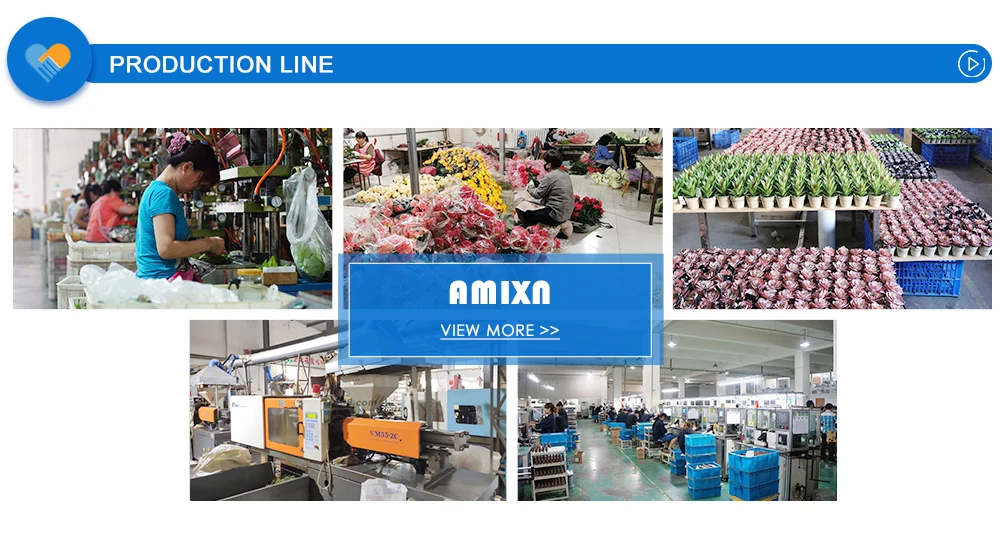
Hefei Amixn E-Commerce Co., Ltd.
- Trading Company
- Anhui, China
- Lead time25 days
- Avg. response≤ 2h
Main productsParty Decor,Garden,Metal Raised Garden Beds,Hydroponic Planters,Macrame Planters
Main marketsNorth America(60.00%), Eastern Europe(30.00%), South America(5.00%)

Taizhou Shengerda Plastic Co., Ltd.
- Combined
- China Zhejiang
- Lead time30 days
- Avg. response≤ 7h
Main productsPlastic, Plastic Flower Pot, Plastic Tray, Plastic Bucket, Plastic Trash Can, Plastic Basin
Main marketsSouth America,Europe,Australia
Guangzhou Nansha Jingchang Ceramics & Lamps Fty
- Manufacturer, Trading Company
- Guangdong, China
- Lead time60 days
- Avg. response≤ 7h
Main productsHome Decor.,Table Lamp,Vase,Ginger Jar,Cabinets
Main marketsDomestic Market(18.00%), Mid East(17.00%), Western Europe(15.00%), North America(12.00%), Oceania(10.00%), Southern Europe(7.00%), Southeast Asia(5.00%), Africa(5.00%), South Asia(5.00%), South America(2.00%), Northern Europe(1.00%), Central America(1.00%), Eastern Europe(1.00%), Eastern Asia(1.00%)

Popular Chinese Craft Ceramic Artware Porcelain Mason Antique Vintage Ginger Jar
$20.58 - $28.81
MOQ: 4

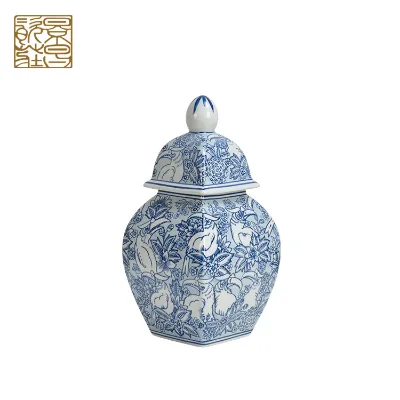
Hand Painted Ceramic Retort Artware Painting Porcelain Ceramic Jar for Home Decor
$20.41 - $28.58
MOQ: 4


JINGDEZHEN SHENGJIANG CERAMICS TRADING CO., LTD.
- Trading Company
- China Jiangxi
- Lead time30 days
- Avg. response≤ 5h
Main productsPorcelain Vase, Garden Stool Ceramic Seat, Porcelain Ginger Jar Cerammic Temple Jar, Ceramic Basin/Sink, Asian Antique Reproduction Vase and Jar, China Decoration Porcelain, Table Lamp Bedside Lamp, Blue and White Chinese Porcelain, Ceramic Lamp Porcelain Table Lamp, Flower Pot Planter
Main marketsSouth America,Africa,Southeast Asia/ Mideast,East Asia(Japan/ South Korea),Domestic,Europe,Australia,North America

Archaize Hand-Painted Blue and White Straight Flower Butterfly Ceramic Can with a Lid
$15.00 - $40.00
MOQ: 1 Pieces

$36.00 - $100.00
MOQ: 2 Pieces

Ink and Red Color Hand Painted Flower Design Dog Head Lid Storage Ginger Jars
$55.00 - $110.00
MOQ: 1 Pieces

Rzte08 Jingdezhen Hand Painted Blue White Bamboo Pattern Ceramic Watermelon Shape Jar
$16.00 - $32.00
MOQ: 1 Pieces


Jingdezhen Solid Color Red Pink Yellow Blue Flat Top Ceramic Jar for Home Decoration
$17.00 - $40.00
MOQ: 2 Pieces

Golden Ace Industrial Co., Ltd.
- Verified by BV
- Combined
- China Shandong
- Lead time60 days
- Avg. response≤ 7h
Main productsGlassware, Kitchenware, Houseware, Glass Vase, Giftware
Main marketsAfrica,Southeast Asia/ Mideast,Europe,Australia,North America


Glassware Plant Pot Popular Classic Morden Glass Terrarium-Snack Container
$2.00 - $5.00
MOQ: 300 Pieces

Glass Jar with Lid Succulents Plant Hanging Terrarium Vase Home Decoration
$5.00 - $8.00
MOQ: 300 Pieces


- Verified by TUVRHEINLAND
- Trading Company,Manufacturer/Factory
- China Guangdong
- Lead time60 days
- Avg. response≤ 5h
Main productsWooden Box, Wooden Plaque, Wooden Clock, Jewelry Box, Watch Box, Music Box, Wooden Pen Box, Wooden Craft, Wooden Tray Coaster, Wooden Watch Box
Main marketsEastern Europe,Mid East,North America,Oceania,Western Europe,Africa
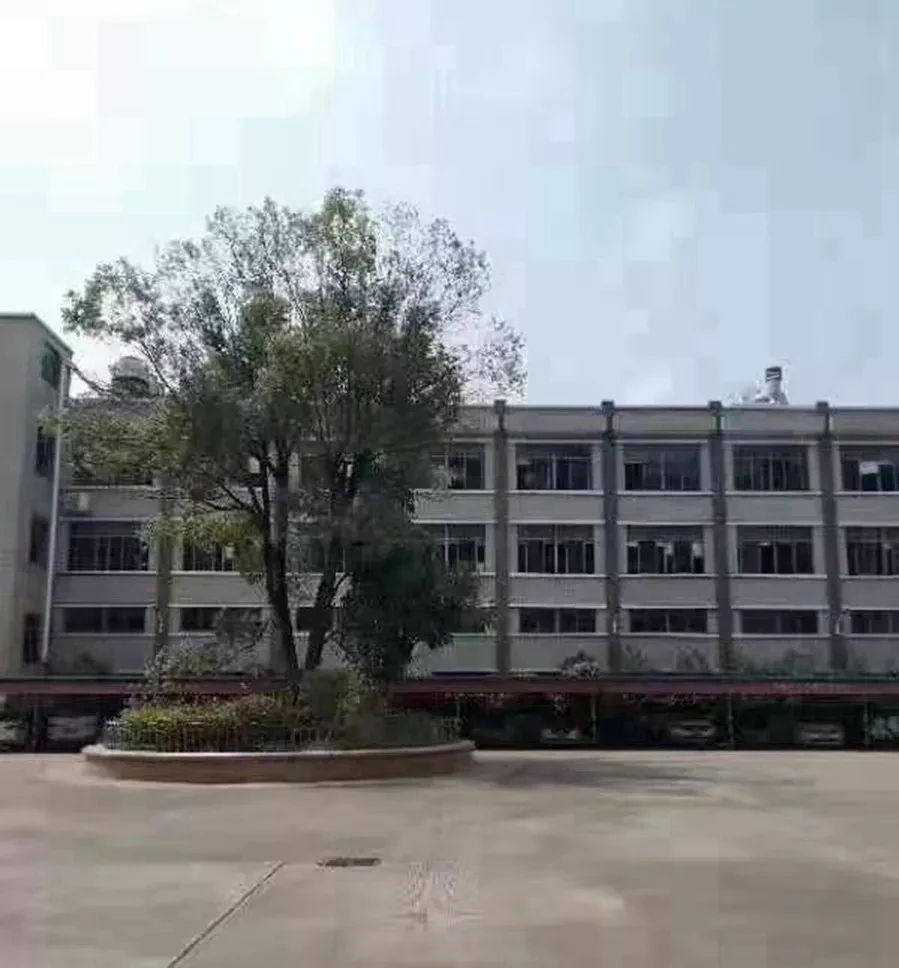
Shenzhen Haiyuan Technology Co., Ltd.
- Manufacturer, Trading Company, Buying Office, Distributor/Wholesaler
- Guangdong, China
- Lead time5 days
- Avg. response≤ 4h
Main productsFlower Pots,succulent plant pot,Garden Accessories,Nordic creative flowerpot,Home decoration
Main marketsNorth America(20.00%), Western Europe(15.00%), South America(15.00%), Northern Europe(10.00%), Mid East(10.00%), Southern Europe(5.00%), Africa(5.00%), Central America(5.00%), Eastern Europe(5.00%), Eastern Asia(5.00%), Southeast Asia(5.00%)

Shenzhen Bright Glassware Co., Ltd.
- Verified by SGS
- Manufacturer/Factory
- China Guangdong
- Lead time23 days
- Avg. response≤ 8h
Main productsGlassware, Candle Jar, Glass Candle Holder, Reed Diffuser Bottle, Glass Perfume Bottle, Drinkware, Food Storage Jar, Candle Lid, Packaging Gift Box
Main marketsNorth America,Oceania,Western Europe

Jingdezhen Jiadu Ceramics Co., Ltd.
- Manufacturer
- Jiangxi, China
- Lead time30 days
- Avg. response≤ 1h
Main productsCeramic Vase, Ceramic Jar, Ceramic Tea Set & Coffee Set, Ceramic Plant Pot, Ceramic Table Lamp
Main marketsDomestic Market(50.00%), North America(20.00%), Eastern Europe(10.00%), Mid East(10.00%), Southeast Asia(10.00%)

Dongguan Be Green Wood Crafts Co., Ltd.
- Manufacturer, Trading Company
- Guangdong, China
- Lead time0 days
- Avg. response≤ 6h
Main productswood toy and toy parts,wood chess,wood beads and ball,wood kitchenware,wood crafts
Main marketsDomestic Market(23.00%), Western Europe(12.00%), Eastern Asia(12.00%), Central America(10.00%), North America(10.00%), Southeast Asia(10.00%), South America(10.00%), Southern Europe(8.00%), Africa(5.00%)
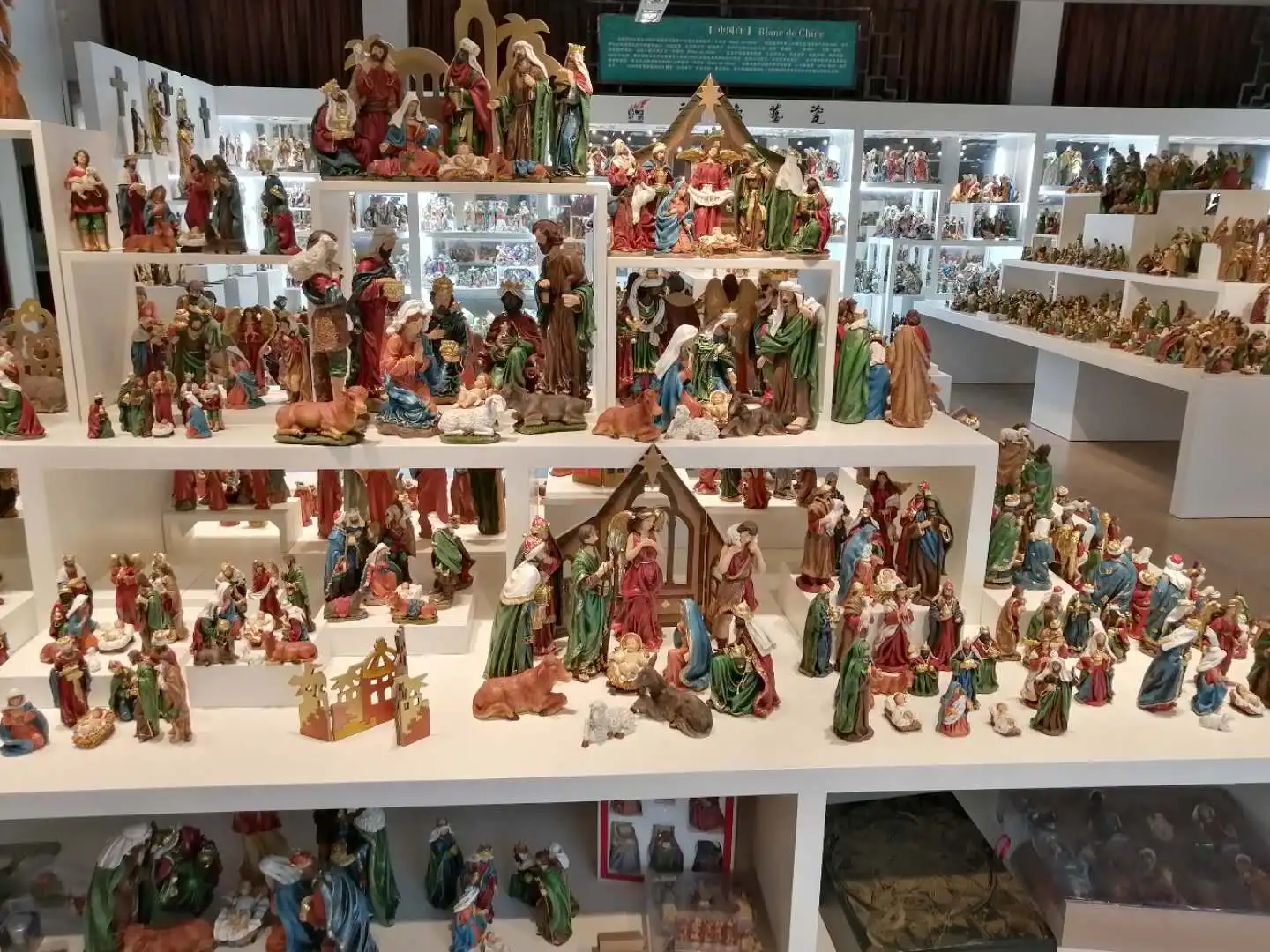
Quanzhou Deerli Arts & Crafts Co., Ltd.
- Manufacturer, Trading Company
- Fujian, China
- Lead time15 days
- Avg. response≤ 8h
Main productsresin craft gift,ceramic product,home decoration,outdoor garden decoration,ceramic craft
Main marketsCentral America(20.00%), North America(15.00%), Domestic Market(12.00%), Northern Europe(11.00%), Southern Europe(10.00%), South America(10.00%), Eastern Europe(5.00%), Mid East(5.00%), Eastern Asia(5.00%), South Asia(4.00%), Western Europe(3.00%)

Hot Sale Cute Resin Head Face Planter Pot or Face Flower Pot with Drainage Hole
$4.96 - $6.96
MOQ: 100


Xiamen Athome Household Products Co., Ltd.
- Verified by SGS
- Trading Company
- China Fujian
- Lead time30 days
- Avg. response≤ 4h
Main productsCandle Holders, Drinkware, Arts&Handcrafts & Gifts, Home Decoration, Kicthenware, Tableware
Main marketsSoutheast Asia/ Mideast,East Asia(Japan/ South Korea)

Ningbo H&G Home Decoration Limited
- Combined
- China Zhejiang
- Lead time60 days
- Avg. response≤ 7h
Main productsMetal Candle Lantern, Wood Candle Lantern, LED Candle Lantern, LED String Light Lantern, Metal Candle Holder, Candlestick, Wall Sconce Candle Holder, Flower Pot Stand, Metal Planter, Metal Plant Stand
Main marketsAfrica,Europe,Australia,North America

Ceramic Decoration Pots for Plant Ceramic Plant Pots
MOQ: 500 Pieces

White Pots with Wood Stand Ceramic Planter
MOQ: 500 Pieces

White Ceramic Flower Pots Ceramic Plant Pots
MOQ: 500 Pieces

Indoor Ceramic Decoration Plant Pots
MOQ: 500 Pieces

Black Ceramic Flower Pots Ceramic Plant Pots
MOQ: 500 Pieces

Artificial Plant Pots Ceramic Decoration Planter
MOQ: 500 Pieces
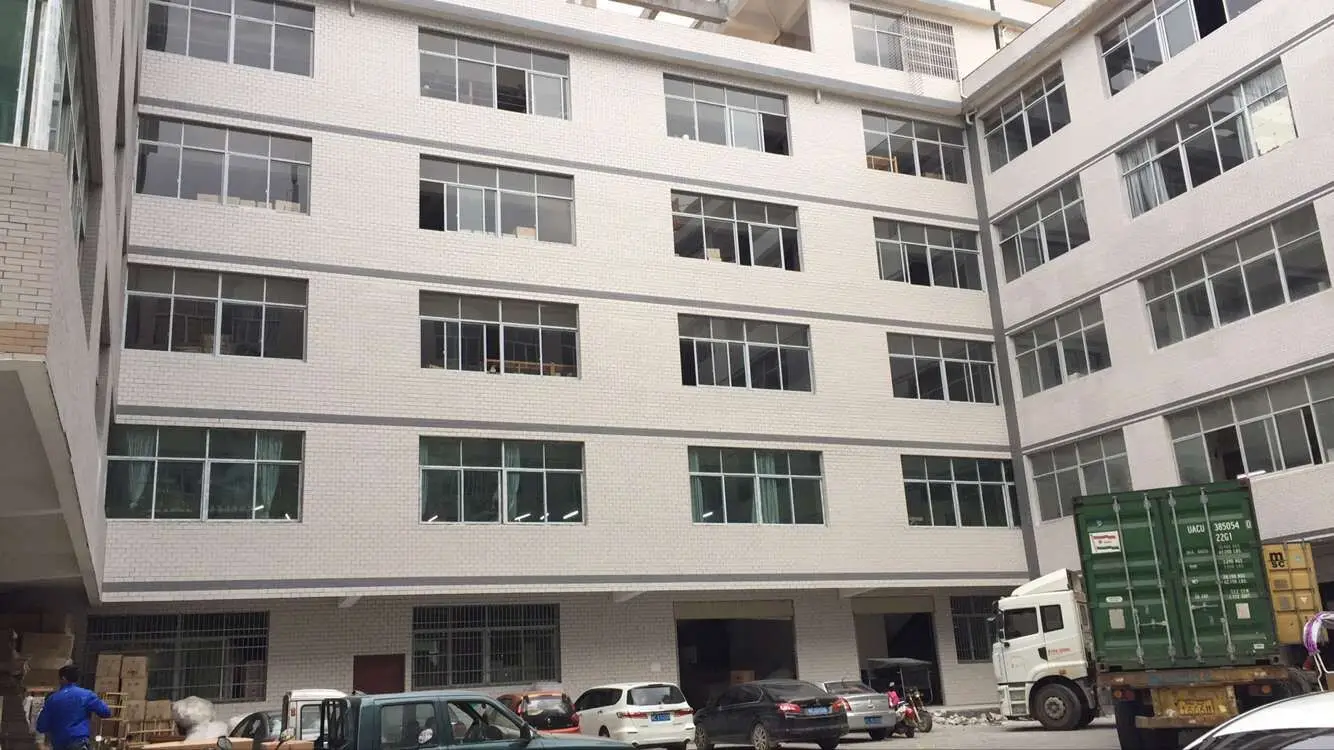
Xiamen Joinste Arts & Crafts Co., Ltd.
- Trading Company
- Fujian, China
- Lead time45 days
- Avg. response≤ 3h
Main productsCeramic Coffee Mug, Ceramic Cookie Jar, Ceramic Salt and Pepper Shakers, Ceramic Candle Jar, Ceramic Coin Bank
Main marketsNorth America(40.00%), South America(20.00%), Western Europe(10.00%), Eastern Asia(10.00%), Oceania(5.00%), Southern Europe(5.00%), Central America(5.00%), Northern Europe(5.00%)
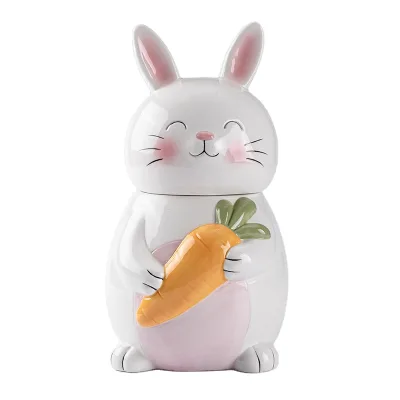
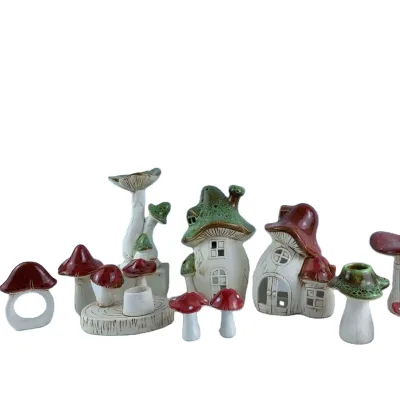
Cookie Jar Rabbit Candy Dish Ceramic Decorative Canister Storage Home Decor Handmade
$4.61
MOQ: 1000 Minimum


The Great Family Industries Co., Ltd.
- Verified by SGS
- Trading Company,Manufacturer/Factory
- China Guangdong
- Lead time45 days
- Avg. response≤ 11h
Main productsDinner Set, Kitchenware, Ceramic Dinnerware, Ceramic, Tableware, Ceramic Mug, Ceramic Plate, Porcelain Dinnerware Set, Gifts, Coffee Cup
Main marketsSouth America,Eastern Europe,Mid East,North America,Southeast Asia,Eastern Asia,Oceania,Western Europe,Africa

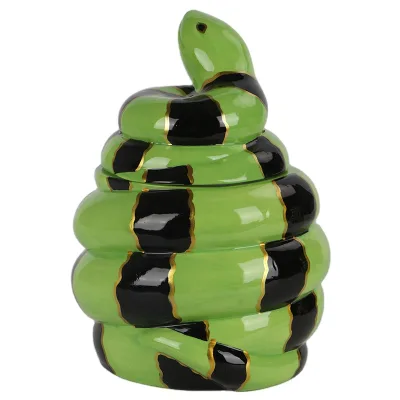
$1.85 - $3.99
MOQ: 500 Pieces

ZHANGZHOU XIANGCHENG GREENHOME HORTICULTURE CO., LTD
- Trading Company,Manufacturer/Factory
- China Fujian
- Lead time15 days
- Avg. response≤ 14h
Main productsOrchid, Live Plants, Seedlings, Indoor Plants & Outdoor Plants, Flowerpot
Main marketsSouth America,Eastern Europe,Mid East,North America,Southeast Asia,Eastern Asia,Oceania,Western Europe,Africa
Zibo Green Light Industrial Co., Ltd.
- Verified by SGS
- Trading Company
- China Shandong
- Lead time30 days
- Avg. response≤ 9h
Main productsGlass Storage Jar, Glass Oil Vinegar Bottle, Glass Canister, Glass Dispenser, Glass Bowl and Plate, Glass Candle Holder, Glass Bathroom Products, Glass Vase, Glass Spice Jar
Main marketsEast Asia(Japan/ South Korea),Europe,North America


Glass Jar with Wood Lid Ball Shape Decoration on Lid Embossed Stripe Design
$1.00 - $3.00
MOQ: 2000 Pieces

Zibo Melory Import & Export Trade Co., Ltd.
- Trading Company,Manufacturer/Factory
- China Shandong
- Lead time45 days
- Avg. response≤ 17h
Main productsGlass Candle Holder, Glass Jar, Glass Votive, Glass Diffuser, Glass Bottle, Glass Vase, Matches, Ceramic Candle Holder, Ceramic Holder for Incense, Glass Candle Jar
Main marketsSouth America,Eastern Europe,North America,Western Europe

Glass Candle Holder in Floral Designs with Glass Lid Decorated with Ink Paintings Box
$0.55 - $0.60
MOQ: 10000 Pieces


- Verified by TUVRHEINLAND
- Trading Company
- China Hunan
- Lead time45 days
- Avg. response≤ 2h
Main productsCeramic Mug, Vacuum Flask, Dinner Set, Cup, Mug, Thermal Bottle, Ceramic Dinner Set, Glass Jar, Glass Cup, Wine Cup
Main marketsSoutheast Asia/ Mideast
Chaozhou City Cha'an District Fengtang Town Sai Si Ceramics Factory
- Verified by CTI
- Combined
- China Guangdong
- Lead time30 days
- Avg. response≤ 6h
Main productsMugs, Ceramic Tissue Boxes, Ceramic Pet Bowls, Ceramic Vases
Main marketsDomestic

$2.00 - $4.00
MOQ: 1000 Pieces

$2.00 - $4.00
MOQ: 1000 Pieces


Comprehensive Sourcing Guide
Hand Painting Mushroom Ceramic Lid Supplier Concentration and Factory Types
When sourcing Hand Painting Mushroom Ceramic Lid items, understanding the underlying factory structure is critical for long-term supply stability. The current supplier landscape includes both direct manufacturers and trading companies, each offering distinct advantages for different procurement strategies. Manufacturers typically provide deeper control over the hand-painting process, which is labor-intensive and requires skilled artisans to ensure consistent artistic quality. In contrast, trading companies may offer broader product ranges and lower minimum order quantities, making them suitable for buyers testing new designs or managing smaller inventory levels. It is essential to identify whether a supplier is a true manufacturer or a trading entity, as this distinction impacts your ability to customize specific mushroom shapes, lid mechanisms, and glaze finishes.
The geographic concentration of these suppliers often aligns with major ceramic production hubs, though specific cluster details must be verified through direct inquiry. In the observed data, Fujian, China, appears as a significant location for several suppliers, indicating a regional strength in porcelain and stoneware production. However, buyers should not assume all suppliers in this region operate identically. Some factories specialize in high-volume, standardized production, while others focus on small-batch, artisanal hand-painted pieces. To accurately map the supplier concentration, request detailed factory profiles that include production line capabilities, artisan team sizes, and specific equipment used for firing and glazing. This information helps determine if a supplier can scale up production without compromising the delicate hand-painted details that define the mushroom aesthetic.
How to Verify Hand Painting Mushroom Ceramic Lid Suppliers
Verification is the cornerstone of risk mitigation when dealing with hand-painted ceramics, where quality consistency is difficult to automate. Start by requesting third-party verification reports, such as those from Intertek, which can validate the supplier’s operational status and compliance with international standards. While specific certifications like BSCI may be listed in supplier profiles, you must confirm their validity and scope directly with the issuing body. Do not rely solely on self-declared credentials; instead, ask for recent audit reports that detail labor practices, environmental controls, and quality management systems. This step is particularly important for hand-painted items, as the manual nature of production requires strict oversight to prevent defects in glaze application or structural integrity.
Beyond formal certifications, conduct a thorough technical verification of the supplier’s production capabilities. Request samples of the Hand Painting Mushroom Ceramic Lid to assess the precision of the mushroom design, the smoothness of the lid fit, and the durability of the glaze. Ask the supplier to provide photos or videos of their actual production floor, focusing on the hand-painting stations and kiln areas. Verify the supplier’s response time and communication efficiency, as delays in feedback can jeopardize your production schedule. Additionally, check for any history of quality claims or disputes through independent review platforms. By combining formal audits with physical sample testing, you create a robust verification framework that ensures the supplier can deliver the specific artistic and functional requirements of your product line.
What to Compare Across Hand Painting Mushroom Ceramic Lid Suppliers
When evaluating multiple suppliers, focus on key performance indicators that directly impact your cost structure and operational efficiency. Lead time is a critical metric, with observed values ranging from 55 to 60 days in the current dataset. This variation reflects differences in production capacity and the complexity of the hand-painting process. Compare these lead times against your inventory turnover rate to determine which supplier can meet your delivery deadlines without requiring excessive safety stock. Similarly, examine the Minimum Order Quantity (MOQ), which is often set at 1000 pieces for ceramic items. A lower MOQ allows for greater flexibility in testing new designs, while a higher MOQ may offer better unit pricing for established products.
Response speed and communication quality are equally important differentiators. A supplier with a response time of four hours, as seen in some profiles, indicates a proactive approach to client management and issue resolution. Compare this against suppliers with slower response times to gauge their operational agility. Additionally, review the main product categories listed by each supplier. Some may specialize exclusively in decorative ceramics, while others offer a broader range of kitchenware and home accessories. This specialization can influence the supplier’s expertise in specific techniques, such as under-glazed versus on-glazed painting. By systematically comparing these dimensions, you can identify suppliers who align best with your quality standards, budget constraints, and logistical requirements.
Common Hand Painting Mushroom Ceramic Lid Sourcing Risks
Sourcing hand-painted ceramics introduces unique risks that differ from mass-produced goods. The primary risk is quality inconsistency, as the hand-painting process relies on human skill and attention to detail. Variations in brushwork, color saturation, and lid alignment can occur even within the same production batch. To mitigate this, establish clear quality control protocols that include pre-shipment inspections and detailed acceptance criteria. Specify the exact shade of the mushroom design, the type of glaze used, and the tolerance for minor imperfections. Without these precise specifications, you may receive products that do not meet your brand’s aesthetic standards, leading to customer dissatisfaction and potential returns.
Another significant risk is supply chain disruption due to the labor-intensive nature of hand-painting. If a supplier relies on a small team of skilled artisans, any absence or turnover in this team can halt production. Verify the supplier’s workforce stability and their ability to scale production during peak seasons. Additionally, consider the fragility of ceramic items during transit. Ensure that the supplier uses robust packaging methods, such as individual boxes or custom foam inserts, to prevent breakage. Request documentation of their packaging standards and, if possible, conduct a drop test on samples to assess their durability. By proactively addressing these risks, you can minimize the impact of production and logistics challenges on your supply chain.
Hand Painting Mushroom Ceramic Lid Regional Sourcing and Logistics
The geographic location of your supplier significantly influences logistics costs and delivery times. In the current supplier data, Fujian, China, is a prominent location for ceramic production, offering established infrastructure for shipping and export. However, buyers should not assume that all suppliers in this region have identical logistics capabilities. Evaluate the supplier’s port of dispatch, which may be Xiamen or another nearby port, and calculate the total landed cost including freight, insurance, and customs duties. Compare these costs against suppliers in other regions to determine the most economical option. Additionally, consider the proximity of the supplier to your final market, as shorter shipping distances can reduce transit times and the risk of damage.
Logistics planning must also account for the specific requirements of ceramic goods. Hand-painted items are fragile and require careful handling to prevent chipping or cracking. Work with the supplier to develop a packaging strategy that protects the products during transit, including the use of shock-absorbing materials and secure stacking methods. Verify the supplier’s experience with international shipping and their ability to provide accurate documentation for customs clearance. By selecting a supplier with strong logistics capabilities and a strategic location, you can ensure that your Hand Painting Mushroom Ceramic Lid products arrive at your destination in perfect condition and on schedule.
Hand Painting Mushroom Ceramic Lid Commercial Terms and Order Planning
Establishing clear commercial terms is essential for a successful partnership with your supplier. Begin by negotiating the payment structure, which may include options such as escrow services to protect both parties. Escrow can provide a layer of security by holding payment until the goods are inspected and approved. Compare the financial terms offered by different suppliers, including discounts for bulk orders and penalties for late delivery. Ensure that the contract specifies the exact specifications of the Hand Painting Mushroom Ceramic Lid, including dimensions, material composition, and design details. This clarity helps prevent disputes and ensures that both parties have a shared understanding of the product requirements.
Order planning should align with your production schedule and inventory needs. Consider the lead time of 55 to 60 days when placing orders, and build in buffer time for quality control and shipping. Develop a phased ordering strategy that allows you to test the supplier’s quality and reliability before committing to large volumes. Start with a small pilot order to assess the consistency of the hand-painting and the fit of the lids. Use this initial order to refine your specifications and establish a baseline for future production. By carefully planning your orders and negotiating favorable commercial terms, you can build a sustainable and profitable relationship with your supplier.
FAQs
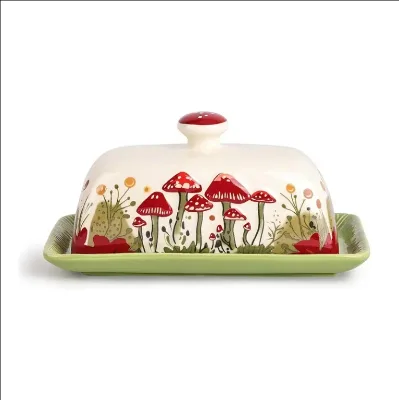
What is the minimum order quantity for custom ceramic butter dishes?
The minimum order quantity is 1000 pieces for custom ceramic butter dishes. This threshold applies to orders requiring personalized patterns or specific branding. Buyers should confirm the exact MOQ with the supplier before placing an order to ensure production readiness and pricing accuracy.
How long does production take for these ceramic items?
Production lead times typically range from 55 to 60 days. This duration accounts for sample processing, graphic processing, and customized manufacturing on demand. Buyers should plan their inventory and shipping schedules accordingly to avoid delays in receiving their custom ceramic orders.
Are these ceramic products suitable for wedding occasions?
Yes, these ceramic items are explicitly suitable for wedding occasions. They are designed for use in weddings, hotels, restaurants, and parties. The elegant designs and customizable options make them ideal for special events where high-quality dinnerware and decorative items are required.
What certifications do the suppliers hold?
The suppliers hold BSCI system certification and are verified by Intertek. These credentials indicate adherence to social compliance standards and quality verification processes. Buyers can rely on these certifications to ensure ethical manufacturing practices and product quality when sourcing ceramic goods.
Can I get a custom logo on the ceramic dishes?
Custom logos are acceptable for the ceramic dishes. Suppliers welcome OEM and ODM requests, allowing buyers to brand the products with their own logos. This customization option is available for various ceramic items, including butter dishes and storage jars, enhancing brand visibility.
Where are these ceramic products manufactured?
These ceramic products are manufactured in Fujian, China. The place of origin is consistently listed as Fujian for the various ceramic items available. Buyers can expect products to be dispatched from this region, which is known for its ceramic manufacturing capabilities.
What is the price range for ceramic butter dishes?
The price range for ceramic butter dishes is between $2.55 and $4.34 per piece. This pricing depends on the specific design, material, and order quantity. Buyers should request a detailed quote based on their exact requirements to get an accurate price estimate.