Handcrafted Shaman Drum Suppliers and Manufacturers
Explore 18 verified options for Handcrafted Shaman Drum sourcing with clear lead times, MOQs, and certifications. Compare response times, locations, and product specs to select the right partner for your needs today; review the available evidence before requesting comparable quotations from suitable candidates.
Suppliers List
Sichuan Machinery Imp.& Exp. Corp
- Verified by SGS Group
- Trading Company
- Lead time20 days
- Avg. response≤ 2h
Main productsMelodica, Plastic Packaging Bottle, Blood Collection Tube, Microscope
Main marketsNorth America(33%), Eastern Europe(26%), Northern Europe(6%)
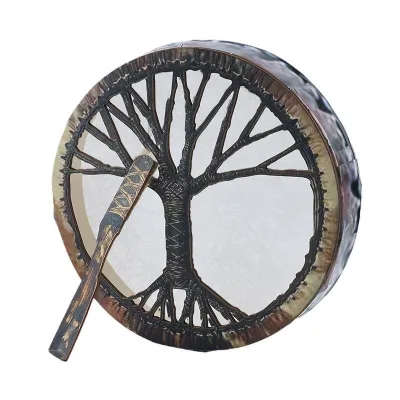
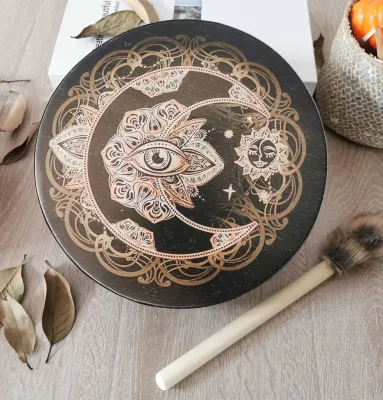
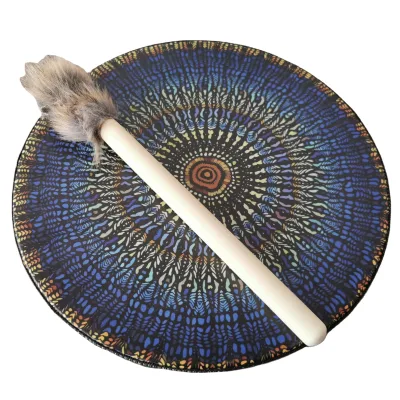
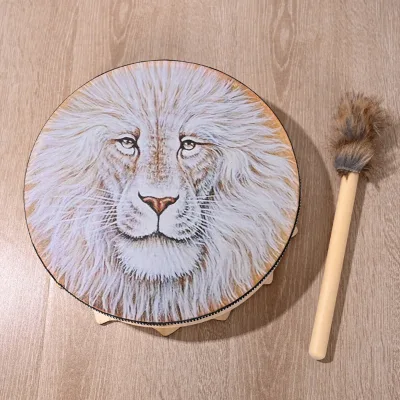
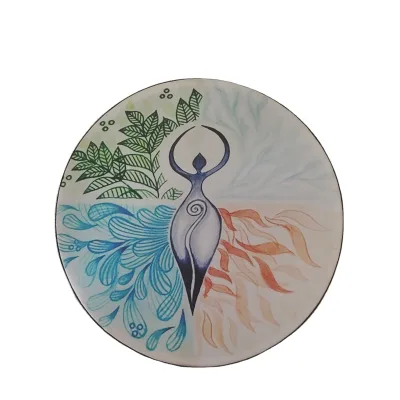
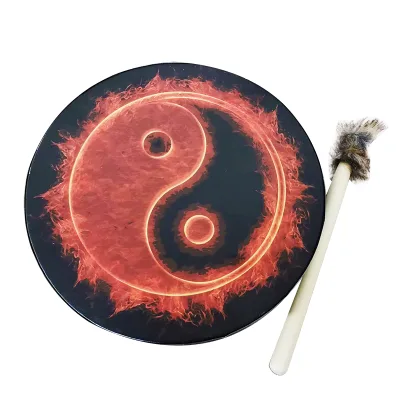
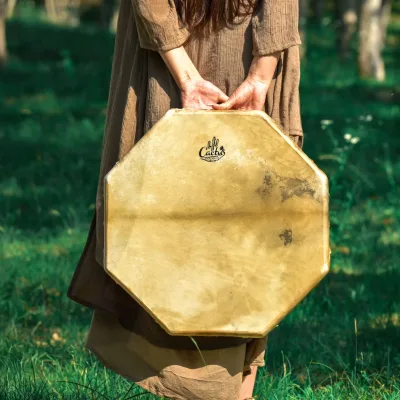
New Design Shaman Drum Eyes Drum Vegan Handmade Shaman Drum Percussion Instrument
$4.57 - $6.60
MOQ: 100 pieces
- Manufacturer
- Tianjin, China
- Lead time45 days
- Avg. response≤ 4h
Main productsDrum,Melodica,Accordion,Wind Instrument,Guitar
Main marketsSouth America(50.00%), Domestic Market(25.00%), Africa(25.00%)
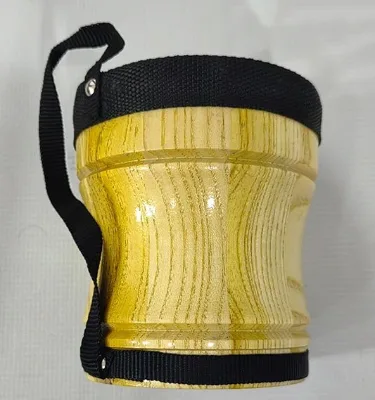
Hand Clap Drum Percussion Instrument Children's Hand-held Sheepskin Drum Wooden Indian Drum
$4.79 - $5.13
MOQ: 10 pieces
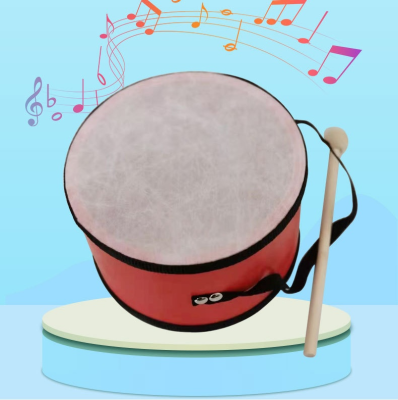
Portable Drum - 6-inch Double-sided Hand-tuned Drum Percussion Instrument an Indian Hand Drum
$1.71 - $2.05
MOQ: 5 pieces
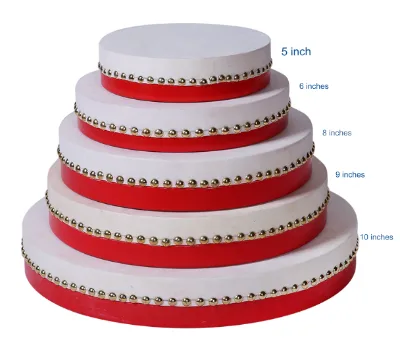
$8.21 - $19.50
MOQ: 30 Minimum
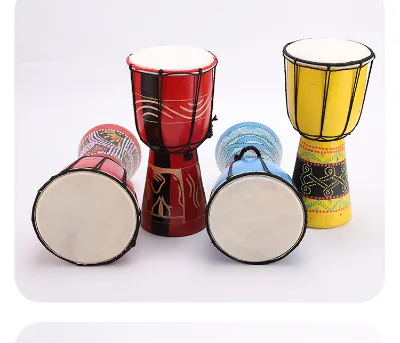
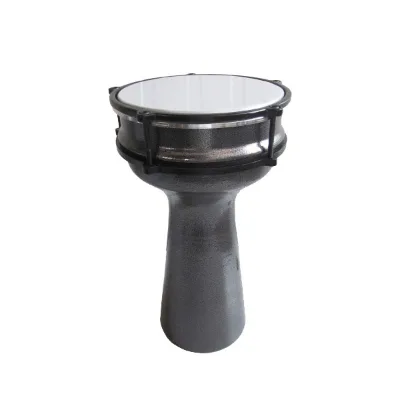
Arabian Drum Middle Eastern Drum Turkish Hand Drum 8-inch Arabian Drum 8-inch Ethnic Drum
$34.16 - $36.72
MOQ: 20 pieces
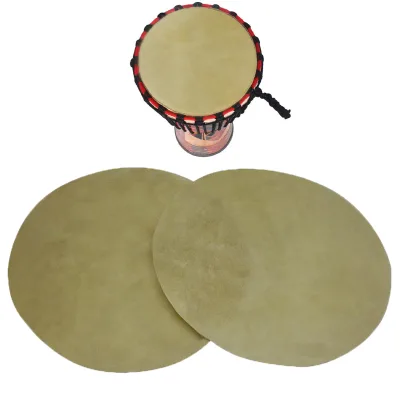
$17.08 - $20.50
MOQ: 2 pieces
Shenzhen Deoukana Trading Co., Ltd.
- Manufacturer, Trading Company
- Guangdong, China
- Lead time10 days
- Avg. response≤ 5h
Main productsMen's Hoodies,Men's Sweater,Women Dresses
Main marketsEastern Europe(25.00%), North America(25.00%), Eastern Asia(15.00%), Western Europe(10.00%), South America(10.00%), Southern Europe(5.00%), Northern Europe(5.00%), Central America(5.00%)
Xinhua District Jingying Musical Instruments Firm
- Trading Company
- Hebei, China
- Lead time30 days
- Avg. response≤ 3h
Main productsmusical instruments,guitar and accessories,wind instruments,string instruments,mini instruments
Main marketsWestern Europe(30.00%), North America(30.00%), South Asia(5.00%), Northern Europe(5.00%), Central America(5.00%), South America(5.00%), Mid East(5.00%), Oceania(5.00%), Africa(5.00%), Eastern Europe(5.00%)

Hai Yang International Limited
- Verified by SGS
- Trading Company,Manufacturer/Factory
- China Zhejiang
- Lead time60 days
- Avg. response≤ 6h
Main productsWooden Toy, Montessori Material, Wooden Educational Toys, Wooden Puzzle, Wooden Blocks, Wooden Train Set, Wooden Nutcrackers, Wooden Crafts, Wooden Dolls, Wooden Chess
Main marketsEastern Europe,Mid East,North America,Southeast Asia,Eastern Asia,Oceania
Jinzhou Success Quartz Glass Co., Ltd.
- Verified by SGS Group
- Manufacturer, Trading Company
- Liaoning, China
- Lead time3 days
- Avg. response≤ 3h
Main productsQuartz Crucible, Quartz Crystal Singing Bowl, Quartz Plate, Quartz Tube, Quartz Instrument
Main marketsNorth America(28%), Southern Europe(23%), South America(15%)
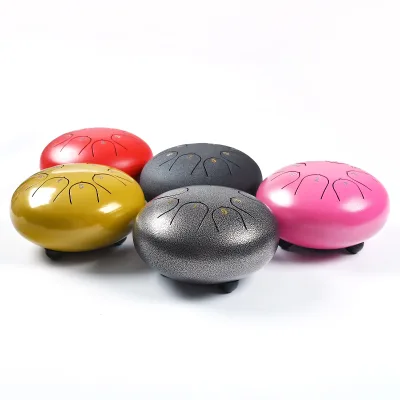
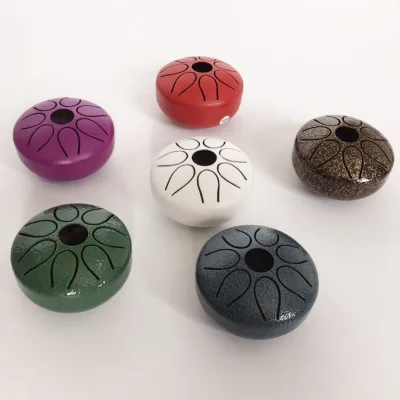
SUCCESS Wholesale Hanghang Tongue Drum Handpan Drum Steel Tongue Drum With Carry Bag for Beginner
$15.00 - $40.00
MOQ: 1 pieces


Guangzhou Vines Musical Instruments Co., Ltd
- Verified by TUVRHEINLAND
- Trading Company
- China Guangdong
- Lead time15 days
- Avg. response≤ 5h
Main productsAcoustic Guitar, Electric Guitar, Classical Guitar, Electric Bass Guitar, Ukulele, Guitar Strings, Musical Instrument Accessories, Violin, Guitar Amplifier, Drum Piano
Main marketsAfrica,Europe,North America


Gecko Siamese Box Drums Hand Percussion Drum Instruments
Contact supplier

- Trading Company
- Hong Kong S.A.R.
- Lead time30 days
- Avg. response≤ 1h
Main productsMusical Instrument Production,Trade in musical instruments,import and export trade,Integrated services,Product Sales
Main marketsDomestic Market(30.00%), South America(20.00%), North America(15.00%), Eastern Europe(10.00%), Southeast Asia(10.00%), Oceania(3.00%)

Tianjin H&W Instrument Co., Ltd.
- Trading Company,Manufacturer/Factory
- China Tianjin
- Lead time23 days
- Avg. response≤ 25h
Main productsGuitar, Violin, Trumpet, Musical Instrument, Drum Set, Saxophone, African Drum, Miniature Musical Instrument, Mandolin, Percussion Instrument
Main marketsSouth America,Eastern Europe,Mid East,North America,Southeast Asia,Eastern Asia,Oceania,Western Europe,Africa

Changshu Huasheng Musical Instrument Co., Ltd.
- Manufacturer, Trading Company
- Jiangsu Province, China
- Lead time30 days
- Avg. response≤ 3h
Main productsGuitar,Piano,Ukulele,Keyboard instrument,Stringed instrument
Main marketsNorth America(50.00%), Western Europe(20.00%), Oceania(15.00%), Domestic Market(10.00%), South America(5.00%)

Nanjing Shengjiang Packaging Co., Ltd.
- Trading Company
- China Jiangsu
- Lead time15 days
- Avg. response≤ 5h
Main productsFibre Drum, All Fiber Drum, Square Fiber Drum, Welding Wire Drum, Plywood Drum, Paperboard Drum, Kraft Paper Barrel, Cardboard Drum, Paper Packaging Container, Fibre Paper Container
Main marketsSoutheast Asia/ Mideast,Domestic

Quanzhou Moyin Musical Instrument Co., Ltd.
- Verified by SGS
- Combined
- China Fujian
- Lead time30 days
- Avg. response≤ 13h
Main productsElectronic Drum, Electronic Drum Set, Electronic Drum Kit, Digital Drum, Electric Drum, Electronic Drum Accessories
Main marketsSouth America,East Asia(Japan/ South Korea),Europe


Economical Custom Design Electric Drum Set High-Quality Electronic Drum
$185.00 - $205.00
MOQ: 10 sets


- Verified by TUVRHEINLAND
- Manufacturer/Factory
- China Jiangsu
- Lead time0 days
- Avg. response≤ 2h
Main productsMusical Instruments, Violin, Viola, Cello, Guitar, Violin Case, Guitar Case, Stringed Accessories, Wind Instrument, Percussion
Main marketsSouth America,Eastern Europe,Mid East,North America,Southeast Asia,Eastern Asia,Oceania,Western Europe,Africa

Guangzhou Tianhe District Shipai Tianyu Electronic Business Department
- Trading Company, Distributor/Wholesaler
- Guangdong, China
- Lead time0 days
- Avg. response≤ 1h
Main productsVarious types of qin and accessories,Musical Instrument Accessories,Audio and accessories,Sound card player,Mixing console and accessories
Main marketsMid East(30.00%), Western Europe(25.00%), South America(15.00%), North America(15.00%), Eastern Europe(15.00%)
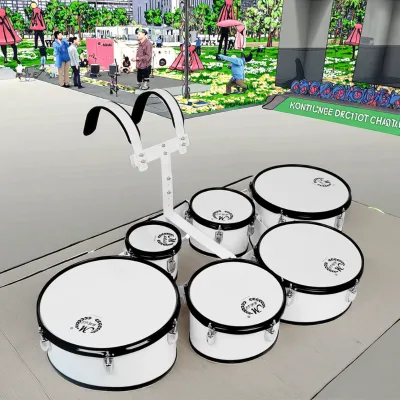
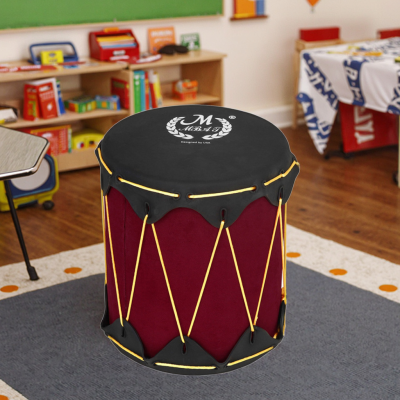
MBAT Indian Drum Children's Percussion Instrument Double-sided Rubber Drum
$8.60 - $10.90
MOQ: 2 pieces
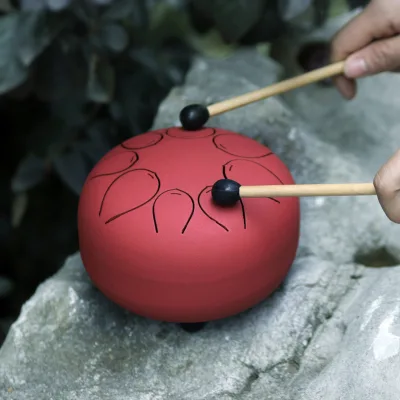

Dongguan Feiming Musical Instrument Co., Ltd.
- Trading Company
- Guangdong, China
- Lead time10 days
- Avg. response≤ 5h
Main productsPercussion,Handpan,Tongue Drum,Wind chimes
Main marketsNorth America(30.00%), Oceania(10.00%), Southeast Asia(10.00%), Eastern Europe(10.00%), Southern Europe(10.00%), Western Europe(10.00%), Northern Europe(5.00%), Central America(5.00%), Mid East(3.00%), Domestic Market(2.00%), South Asia(2.00%), Eastern Asia(1.00%), Africa(1.00%), South America(1.00%)
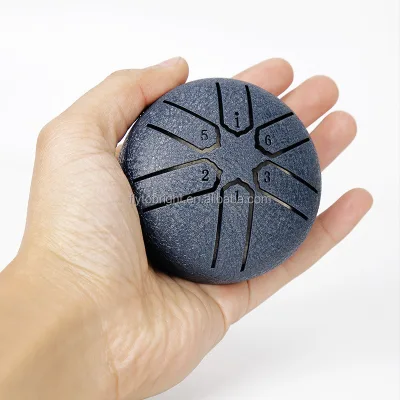
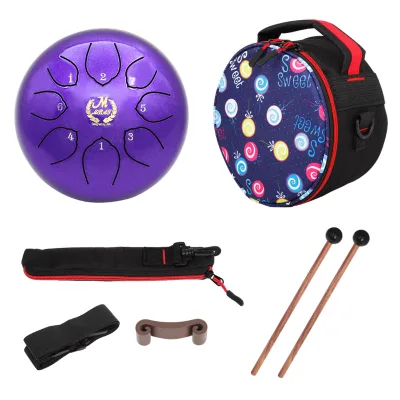
2024 New Design 3 Inch 6 Tongue Mini Pocket Metal Handpan Hank Drum Balmy Mini Steel Tongue Drum
$2.65 - $3.00
MOQ: 1 sets
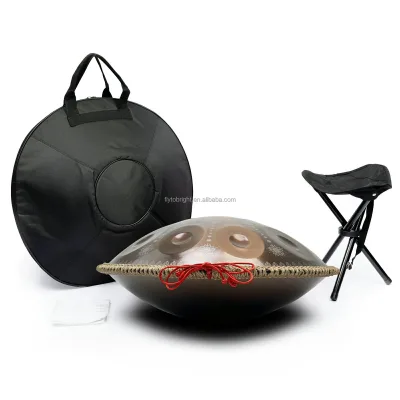
22.8\" (56cm) Black D Minor Handpan Steel Drum 9-Notes Tongue Drum with Soft Bag
$99.00 - $158.00
MOQ: 1 Minimum
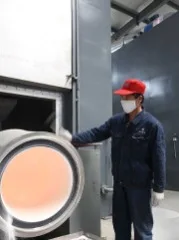
Yiwu B&T Crafts & Arts Co., Ltd.
- Trading Company
- Zhejiang, China
- Lead time12 days
- Avg. response≤ 3h
Main productsChildren Toys, Stationery, Singing Bowl
Main marketsNorth America(40.00%), Western Europe(10.00%), South Asia(5.00%), South America(5.00%), Oceania(5.00%), Southern Europe(5.00%), Eastern Asia(5.00%), Central America(5.00%), Northern Europe(5.00%), Eastern Europe(5.00%), Mid East(5.00%), Southeast Asia(5.00%)
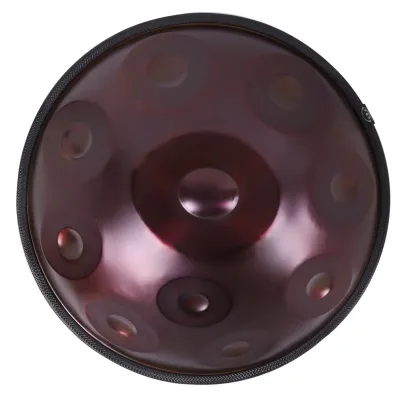
Handpan Drum Musical Instruments & Accessories
Contact supplier
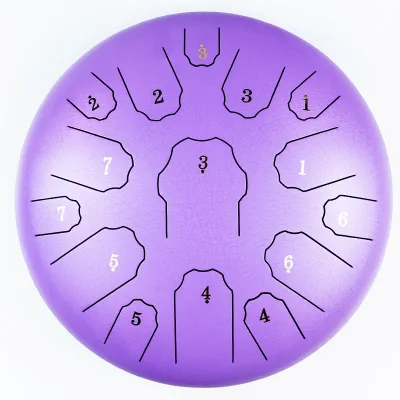
Alwaysfaith International Trade Co., Ltd. (huizhou)
- Verified by Intertek
- Trading Company
- Lead time0 days
- Avg. response≤ 5h
Main productsUkulele, Electric Guitar, Acoustic Guitar
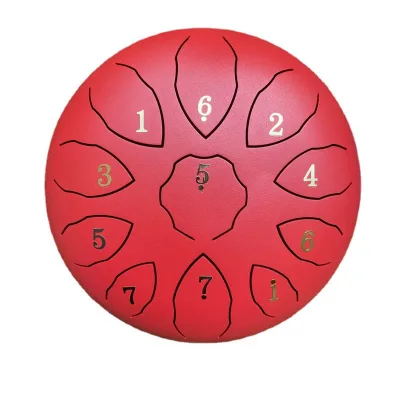
Hot Sale 8 Inch 11 Tone Ethereal Drum Handpan Carbon Steel Drum Musical Instrument
$17.22 - $18.23
MOQ: 1 pieces
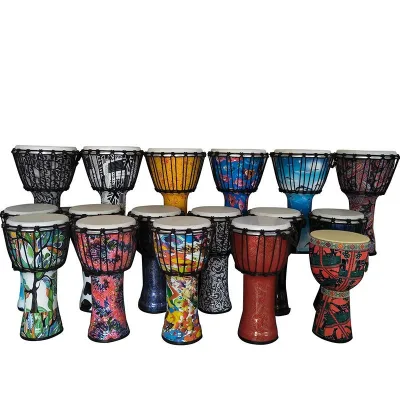
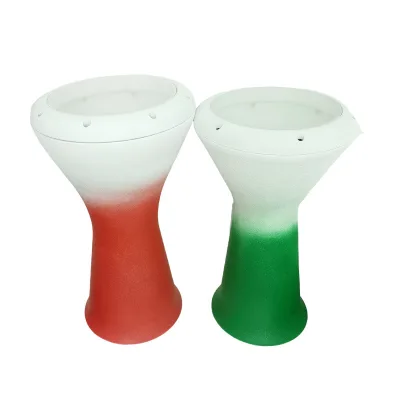
High Quality 8.5 Inch Middle Eastern Drum Red Clap Arabic Drum Accompaniment Instrument
$132.16 - $138.17
MOQ: 2 pieces

Nantong Braun Machinery Co., Ltd.
- Trading Company,Manufacturer/Factory
- China Jiangsu
- Lead time23 days
- Avg. response≤ 15h
Main productsPerforating Rollers, Vario Bars, Faller Bar, Braiding Machines, Embroidery Machine, Crochet Machine, Weft Yarn Machine, Doubling Winder, Bobbin Winder, Centrifuges
Main marketsSouth America,Eastern Europe,Mid East,North America,Southeast Asia,Eastern Asia,Oceania,Western Europe,Africa
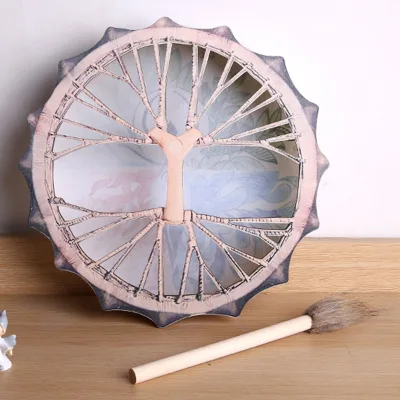
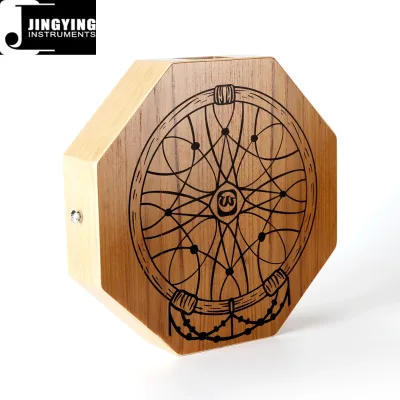
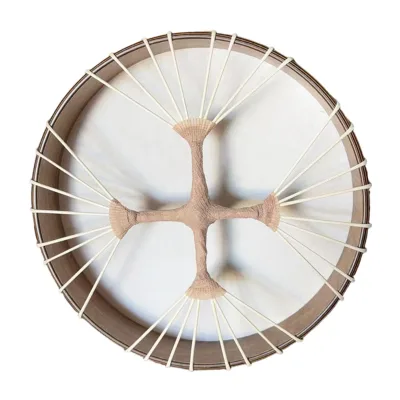


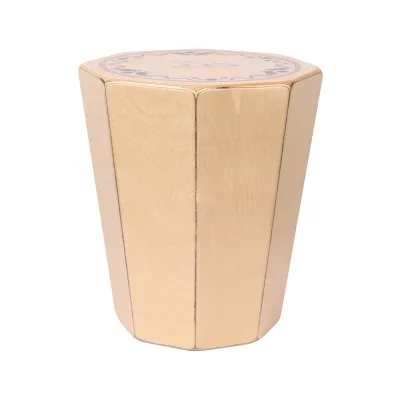
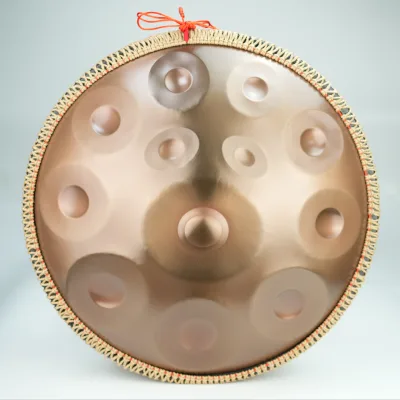
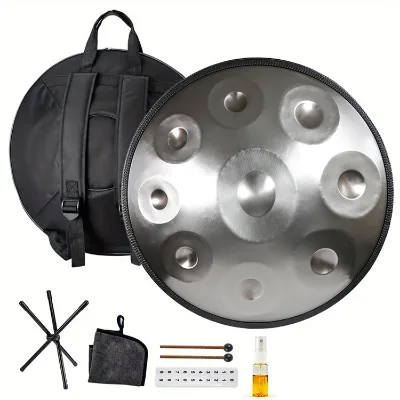
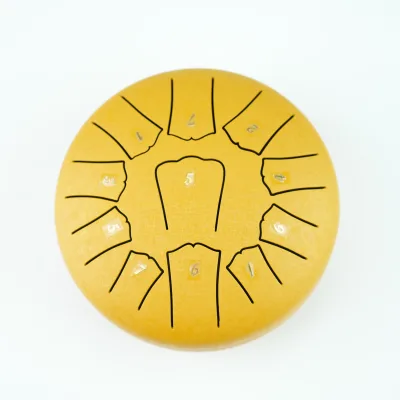
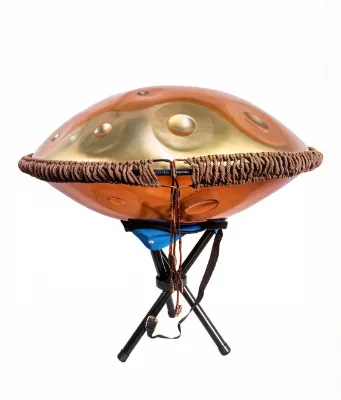





Comprehensive Sourcing Guide
Handcrafted Shaman Drum Supplier Concentration and Factory Types
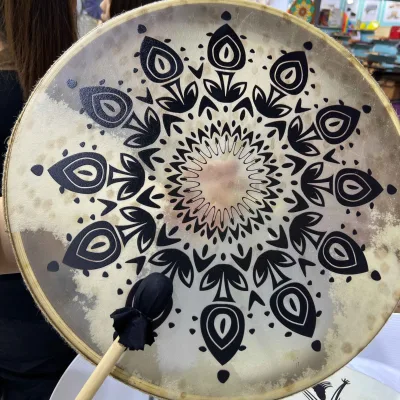
The current supplier landscape for handcrafted shaman drums reveals a mix of trading companies and manufacturers, each offering distinct advantages for buyers seeking specific production capabilities. Some entities identify primarily as trading companies, often aggregating products like melodicas, plastic packaging bottles, and blood collection tubes alongside musical instruments. These trading firms may facilitate access to a broader range of goods but might not control the direct manufacturing process for every item listed. In contrast, other suppliers in the results explicitly state their company type as a manufacturer, focusing on drums, melodicas, accordions, and wind instruments. This distinction is critical because manufacturers typically possess the in-house capacity for sample processing and customized on-demand graphic processing, which is essential for bespoke shaman drum designs.
When evaluating the concentration of these suppliers, it is important to note that specific manufacturing clusters are not universally confirmed in the provided data. While some product attributes indicate a place of origin in Sichuan, China, and others in Hebei, China, these are product-level facts rather than definitive supplier headquarters for every vendor. Buyers should not assume all suppliers are located in these regions without direct verification. Instead, the focus should be on identifying whether a supplier's main products align with the specific craftsmanship required for shaman drums. A manufacturer in Hebei might specialize in wooden Indian drums with sheepskin heads, while a trading company in a different location might source similar items from various workshops. Understanding this split helps buyers determine if they need a direct factory relationship for customization or a trading partner for consolidated shipping.
How to Verify Handcrafted Shaman Drum Suppliers
Verification of suppliers for handcrafted shaman drums requires a rigorous check of their stated credentials and third-party validation status. The available data indicates that some suppliers have undergone verification by SGS Group, a significant indicator of operational legitimacy. Additionally, system certifications such as ISO 9001, SDS, EN IEC 61326, RoHS, and CE are listed for certain entities, suggesting adherence to quality management and safety standards. However, these certifications must be cross-referenced with the specific product being ordered, as a supplier certified for medical tubes may not have the same quality controls for musical instruments. Buyers should request current certification documents directly from the supplier to ensure they cover the specific manufacturing processes involved in creating shaman drums, rather than relying on general company profiles.
Beyond certifications, the response time and lead time metrics provide insight into a supplier's operational reliability. Some suppliers demonstrate a response time of two days, while others may take four days, which can impact the speed of initial negotiations and sample approvals. Lead times vary significantly, with some suppliers indicating a twenty-day production window and others requiring up to forty-five days. These differences often reflect the complexity of the customization requested and the current capacity of the factory. Buyers should verify these timelines against their own project schedules, especially when dealing with handmade items that may require additional time for drying, assembly, or quality inspection. Confirming that the supplier can meet these specific timeframes before placing an order is essential to avoid delays in receiving the final handcrafted products.
What to Compare Across Handcrafted Shaman Drum Suppliers
Comparing suppliers for handcrafted shaman drums involves analyzing a range of commercial and operational dimensions to find the best fit for specific project needs. Key factors include the minimum order quantity (MOQ), which can vary from ten pieces to one hundred pieces depending on the supplier and product model. Price ranges also differ, with some listings showing minimum prices around 1.71 dollars and others starting at 4.57 dollars, reflecting variations in materials, craftsmanship, and brand positioning. Buyers must weigh these costs against the specific requirements of their order, such as the need for faux sheepskin versus genuine sheepskin heads, or the inclusion of accessories like drumsticks. The ability to customize, such as graphic processing or specific model numbers, is another critical differentiator that should be compared across potential partners.
In addition to pricing and MOQ, the main products offered by each supplier provide a clear signal of their expertise and focus. Some suppliers list drums alongside other musical instruments like accordions and guitars, while others focus more broadly on trading various goods. This specialization can influence the quality of the shaman drums and the depth of knowledge the supplier possesses regarding the instrument's construction. Furthermore, the place of origin, whether Sichuan or Hebei, may affect the specific style of the drum, such as the use of wooden chambers or specific drumhead materials. Buyers should create a comparison matrix that includes these attributes to objectively evaluate which supplier offers the most suitable combination of cost, capacity, and product alignment for their specific sourcing requirements.
Common Handcrafted Shaman Drum Sourcing Risks
One significant risk in sourcing handcrafted shaman drums is the potential mismatch between the advertised product specifications and the actual delivered goods. Product attributes such as weight, size, and material composition can vary even within the same model number, as seen in listings where weights range from 0.2kg to 0.38kg and sizes differ slightly. Buyers must be vigilant in verifying these details before finalizing an order, as discrepancies can lead to issues with shipping costs, packaging, or the intended use of the instrument. For instance, a drum specified with a faux sheepskin head might be delivered with a different material if the supplier does not strictly adhere to the product description. This risk is heightened when dealing with trading companies that may source from multiple factories, making it harder to ensure consistent quality control across the supply chain.
Another risk involves the reliability of lead times and the supplier's ability to handle customization requests. While some suppliers claim a lead time of twenty days, others may require forty-five days, and these estimates can be affected by unforeseen production delays or material shortages. Customization features like graphic processing or specific model numbers require clear communication and confirmation to avoid errors. If a supplier fails to meet the agreed-upon timeline or delivers a product that does not match the requested specifications, it can disrupt the buyer's inventory planning and sales strategy. To mitigate this, buyers should establish clear communication channels and request sample approvals before mass production begins, ensuring that the final product aligns with their expectations and quality standards.
Handcrafted Shaman Drum Regional Sourcing and Logistics
Regional sourcing for handcrafted shaman drums is influenced by the specific places of origin indicated in product attributes, such as Sichuan and Hebei in China. These regions may offer distinct advantages in terms of material availability and traditional craftsmanship techniques. For example, drums originating from Sichuan might feature specific design elements or materials that differ from those produced in Hebei. However, buyers should not assume that all suppliers are located in these regions without direct confirmation, as trading companies may aggregate products from various locations. Understanding the regional context can help buyers anticipate potential logistics challenges, such as shipping times and costs, which may vary depending on the distance from the port of origin to the destination.
Logistics planning must also account for the packaging specifications provided by suppliers, which can impact shipping efficiency and product safety. Product attributes often include single package sizes and carton dimensions, such as 30x30x7cm or 75x40x60cm for bulk shipments. These details are crucial for calculating freight costs and determining the optimal number of units per container. Buyers should verify the packing details, such as the number of pieces per carton, to ensure that the shipping arrangement aligns with their storage and distribution needs. Additionally, the weight of individual packages and the total gross weight of the shipment must be considered to avoid unexpected charges or logistical complications. By carefully reviewing these regional and logistical factors, buyers can streamline their supply chain and ensure a smoother delivery process for their handcrafted shaman drums.
Handcrafted Shaman Drum Commercial Terms and Order Planning
Commercial terms for handcrafted shaman drums encompass a variety of factors that influence the overall cost and feasibility of an order. Pricing structures often include a minimum and maximum price range, which can fluctuate based on order volume and customization requirements. For example, some listings show prices ranging from 5.00 to 8.00 dollars, while others may offer lower entry points. Buyers should negotiate these terms carefully, considering the impact of MOQs on unit costs and the potential for volume discounts. Additionally, the availability of OEM and ODM services can provide flexibility for branding and design, but these services may come with additional costs or longer lead times. Understanding the full scope of commercial terms is essential for accurate budgeting and financial planning.
Order planning for handcrafted shaman drums requires a strategic approach to managing lead times and production schedules. With lead times ranging from twenty to forty-five days, buyers must factor in these durations when planning their inventory replenishment and marketing campaigns. It is also important to consider the response time of the supplier, as a quicker response can facilitate faster decision-making and problem resolution. Buyers should develop a timeline that accounts for sample approval, production, quality inspection, and shipping. By aligning their order planning with the supplier's capabilities and constraints, buyers can minimize the risk of delays and ensure a steady supply of high-quality handcrafted shaman drums. This proactive approach helps maintain business continuity and customer satisfaction in a competitive market.
FAQs
What is the typical MOQ for handcrafted shaman drums?
Listed shaman drum products commonly carry a 100-piece MOQ per item, so this is the baseline to expect for most designs. A few children's hand drums show a 10-piece MOQ, meaning low minimums are possible on some models. Confirm the exact MOQ per design, colorway, and any customization before requesting a quote, since minimums can differ across models.
What materials are used for the drumhead and shell?
Most listed shaman drums use faux sheepskin, sometimes polyester-based, stretched over a wood chamber, so the drums are vegan-friendly. Some hand drums for children use genuine sheepskin heads instead. If animal-free materials matter to your order, specify faux sheepskin explicitly, and ask the supplier to confirm the drumhead and chamber materials for each model in writing before production.
How long does production take before shipment?
Reported lead times in the current results range from 20 days to 45 days, so plan accordingly when setting delivery schedules. Shorter lead times generally apply to simpler in-stock designs, while customized finishes or larger volumes take longer. Ask each supplier to confirm the lead time for your specific design, quantity, and packaging requirements before placing a deposit.
How much does a Handcrafted Shaman Drum cost per unit?
Listed prices range roughly from $1.71 to $8.00 per unit depending on size, design, and materials. Smaller hand drums fall at the lower end, while larger Tree of Life or Gaia designs sit between about $4.57 and $7.89. Treat these as reference points and request current quotes, since prices vary with quantity and customization.
What sizes and weights should I expect for these drums?
Listed shaman drums measure around 25x25x5 cm with single gross weights of roughly 0.35 to 0.38 kg, and some models ship in 30x30x7 cm packaging. Children's hand drums are smaller, with a 6-inch double-sided option available. Check the individual size and packed dimensions per model, then calculate carton volume and freight cost for your shipment.
Can suppliers customize drums with my design or logo?
Yes, at least one listed supplier welcomes OEM and ODM orders and offers graphic processing, sample processing, and customization on demand. Send your artwork, logo placement, and packaging requirements early, and request a pre-production sample to approve colors and print quality. Confirm whether customization changes the MOQ or unit price before confirming the order.
Where are these shaman drums produced?
The products on this page originate from Sichuan and Hebei provinces in China, with one trading company based in Tianjin. Hebei suppliers focus on hand drums and related percussion, while Sichuan-made shaman drums feature decorative designs. Consider shipping port proximity and inland freight when comparing quotes, and verify the actual origin for the specific model you order.
How fast do these suppliers respond to inquiries?
Reported average response times range from about 2 hours to 4 hours, which allows quick back-and-forth during sourcing. Response speed can vary with time zones, workload, and inquiry complexity, so include your quantities, target price, and deadlines in the first message. Fast replies help when comparing samples, but confirm all terms in writing regardless.