Handheld Data Terminal Scanner Battery Suppliers and Manufacturers
Source 24 verified suppliers for Handheld Data Terminal Scanner Battery solutions. Compare key dimensions including response time, lead time, and certifications to identify the right partner. Review product specifications and pricing details to streamline your procurement process effectively; review the available evidence before requesting comparable quotations from suitable candidates.
Suppliers List

Shenzhen Blovedream Technology Co., Ltd.
- Combined
- China Guangdong
- Lead time15 days
- Avg. response≤ 1h
Main productsPDA, Handheld Terminal, Industrial PDA, Handheld PDA, PDA Android, Android Mobile Computer, PDA Barcode Scanner Android, PDA Barcode Scanner, Android Barcode Scanner Terminal, Data Collector
Main marketsSouth America,Africa,Southeast Asia/ Mideast,East Asia(Japan/ South Korea),Europe,Australia,North America


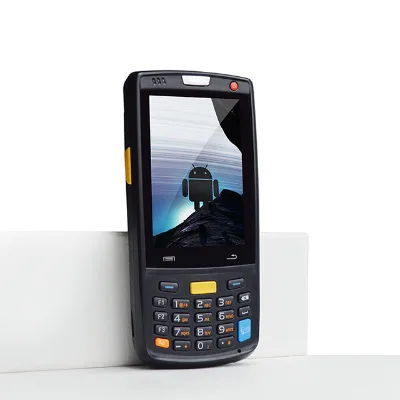
Blovedream Barcode Physical Buttons Scanner Android Handheld Terminal with NFC
$185.00 - $199.00
MOQ: 1 Pieces


Shenzhen Hongzhou Smart Technology Co., Ltd.
- Combined
- China Guangdong
- Lead time30 days
- Avg. response≤ 16h
Main productsSelf Service Kiosk, Embedded Industrial Motherboard, PCBA, Smart POS, Medical PCBA, EMS/Ecm, Sheet Metal Fabrication, Stainless Steel Cabinet, Cable and Wire Harness
Main marketsDomestic

- Trading Company
- China Shandong
- Lead time15 days
- Avg. response≤ 4h
Main productsComplete Biobanking Solutions, General Laboratory Supplies, Laboratory Instruments, Pipet Tips, Celll Culture Products, PCR Products, Microbiology Products, Centrifuge Tube, Filter Tips, Petri Dishes
Main marketsSouth America,Africa,Southeast Asia/ Mideast,East Asia(Japan/ South Korea),Domestic,Europe,Australia,North America

Shenzhen Sunwind Energy Tech Co., Ltd.
- Verified by SGS
- Combined
- China Guangdong
- Lead time23 days
- Avg. response≤ 12h
Main productsMobile Phone Battery, Tablet PC Battery, POS Terminal Battery, Smart Watch Battery, GPS Battery, Bt Speaker Battery, Bt Headset Battery, iPod Battery, Scanner Barcode Battery
Main marketsSouth America,Africa,Southeast Asia/ Mideast,Domestic,Europe,Australia,North America

Barcode Scanner Battery for Honeywell Eda50K Bat-Eda50K Handheld Mobile Computer
$6.80 - $8.60
MOQ: 200 Pieces

1100mAh New Battery for Zebra Ec300 Barcode Scanner Datalogic Battery
$21.00 - $26.00
MOQ: 1000 Pieces

OEM New Mobile Barcode Scanner PDA Battery for Datalogic Rbp-GM40 Battery
$11.50 - $16.60
MOQ: 500 Pieces

OEM New Mobile Barcode Scanner PDA Battery for Datalogic Bt-47 Tw18050652 128004721 Battery
$32.50 - $41.30
MOQ: 500 Pieces

$7.90 - $16.90
MOQ: 100 Pieces


Jumicro Intelligent Equipment (Jiangsu) Co., Ltd
- Verified by CTI
- Combined
- China Jiangsu
- Lead time23 days
- Avg. response≤ 5h
Main productsSmart Sensing Rack, Smart Sensing Mobile Cart, Smart Stencil Storage Cabinet, Smart Solder Paste Storage Cabinet, First Article Inspection (Fai) Station, Stencil Inspection Machine, X-ray Inspection System, Smart X-ray Component Counter, Dry Storage Cabinet, SMT Auto Splice Machine
Main marketsSoutheast Asia/ Mideast,Domestic

Shenzhen Grandtop Electronics Co., Ltd.
- Trading Company,Manufacturer/Factory
- China Guangdong
- Lead time30 days
- Avg. response≤ 17h
Main productsPCB Assembly, Robotic Control PCB Assembly, Industrial Control PCBA, Medical PCBA, Financial PCBA, Contract Manufacturer, Automatic Control PCB Assembly, OEM &ODM PCBA, Turnkey Service PCBA, One Stop PCB Assembly
Main marketsSouth America,Eastern Europe,Mid East,North America,Southeast Asia,Eastern Asia,Western Europe,Africa

Shenzhen Connectech Technology Co., Ltd.
- Verified by SGS
- Manufacturer/Factory
- China Guangdong
- Lead time23 days
- Avg. response≤ 7h
Main productsMobile Phone, Cell Phone, Smart Phone, Tablet PC, Smartphone, Rugged Tablet, Windows Tablet, Walkie Talkie, Rugged Phone, Barcode Scanner
Main marketsSouth America,Eastern Europe,Mid East,North America,Oceania,Western Europe,Africa

Portable Data Collector Terminal Rugged Handheld Android 13 POS PDA 2D Qr Barcode Scanner
$193.45 - $209.85
MOQ: 2 Pieces

$151.65 - $167.80
MOQ: 2 Pieces

Shenzhen Lianxin Iot Technology Co., Ltd.
- Verified by BV
- Combined
- China Guangdong
- Lead time23 days
- Avg. response≤ 2h
Main productsRugged Tablet, Ruggedtablet PC, Industrial Rugged Tablet, Reinforced Industrial Tablet, PDA, Handheld Terminal, Print Terminal, Smart PDA
Main marketsDomestic

Android 14 5000mAh Printing PDA Outdoor Parking Ticket Receipt Handheld Terminal
$198.00 - $398.00
MOQ: 1 Pieces


Android 14 10600mAh All-in-One Printing PDA Handheld NFC 2D Barcode Scan Terminal
$200.00 - $400.00
MOQ: 1 Pieces


Shanghai Esurvey Gnss Co., Ltd.
- Verified by SGS
- Trading Company
- China Shanghai
- Lead time30 days
- Avg. response≤ 20h
Main productsRtk, Total Station, GPS, Cors, Agricultural Machinery, Antennas
Main marketsSoutheast Asia/ Mideast,Domestic,Europe

Multifunctional Battery-Powered Handheld Scanner for Underground Parking Garage Modeling
$19990.00
MOQ: 1 Pieces


Hangzhou Coditeck Technologies Co., Ltd.
- Verified by CTI
- Trading Company
- China Zhejiang
- Lead time30 days
- Avg. response≤ 5h
Main productsThermal Transfer Ribbon, Hot Stamping Foil, Direct Thermal Printer, Ribbon Printer, Barcode Scanner, Thermal Printhead, Hot Stamping Machine, Tto Printer, Inkjet Printer
Main marketsEurope


Zebra Ds6878 Sr Ergonomic Handheld Barcode Scanner Rechargeable Battery Cordless Scanning Device
$149.00 - $154.00
MOQ: 5 Pieces


Reliable Compatible Handheld Barcode Scanner Ds2208 2D USB with 2400mAh Battery
$51.00 - $53.00
MOQ: 10 pieces
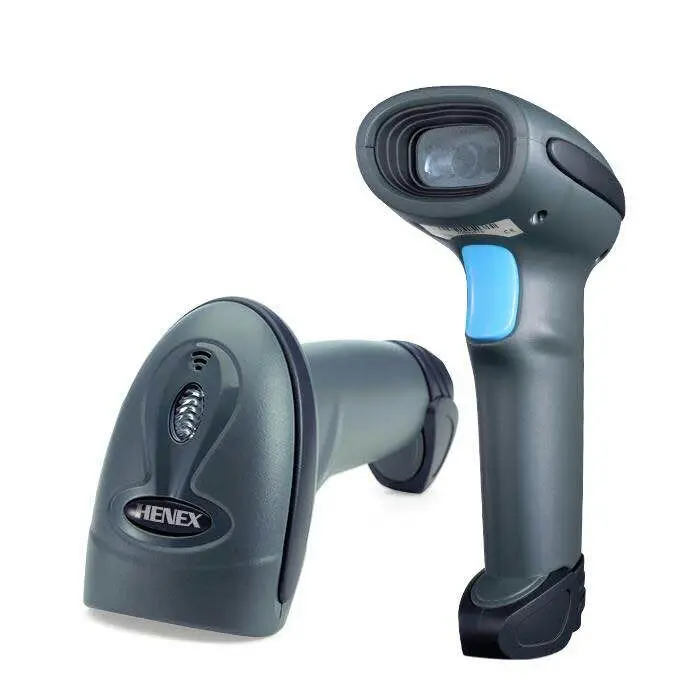
HENEX (GUANGZHOU) TECHNOLOGY CO.,LTD
- Manufacturer, Trading Company
- Guangdong, China
- Lead time15 days
- Avg. response≤ 4h
Main productsBarcode Scanner
Main marketsEastern Europe(35.00%), Southeast Asia(15.00%), Eastern Asia(10.00%), Domestic Market(10.00%), Mid East(10.00%), Western Europe(5.00%), South Asia(3.00%), North America(3.00%), South America(3.00%), Southern Europe(3.00%), Northern Europe(3.00%)

Shenzhen Yongzheng Technology Development Co., Ltd.
- Manufacturer, Trading Company, Buying Office, Distributor/Wholesaler
- Guangdong, China
- Lead time0 days
- Avg. response≤ 7h
Main productslithium battery,nimh battery,primary battery,Battery,charger
Main marketsNorth America(35.00%), Eastern Europe(20.00%), Northern Europe(20.00%), South America(10.00%), Western Europe(5.00%), Southeast Asia(5.00%), Southern Europe(5.00%)

Shenzhen Edoo-Iot Technology Co., Ltd.
- Verified by SGS
- Combined
- China Guangdong
- Lead time15 days
- Avg. response≤ 4h
Main productsPDA, Barcode Scanner, Printer, Cash Register, Handheld Barcode Scanners, Wireless Barcode Scanners, Barcode Scan Engine, Desktop Scanner, POS System, POS
Main marketsSouth America,Africa,Southeast Asia/ Mideast,East Asia(Japan/ South Korea),Domestic,Europe,Australia,North America

Fujian Rongwei Technology Co., Ltd.
- Verified by TUVRHEINLAND
- Combined
- China Fujian
- Lead time30 days
- Avg. response≤ 3h
Main productsOutdoor Full Band Repeater, Signal Jammers, Mobile Signal Repeater, Drone Detection Anti Drone for Case, Signal Booster, Bts Rru, Cell Phone Jammer, Fiber Optic Repeater, Cellular Network Repeater
Main marketsDomestic


Imsi IMEI Acquisition System Mobile Handheld Terminal with Data Export Beacon Advanced
$75000.00
MOQ: 1 Pieces
Dongguan Dyscan Technology Co., Ltd.
- Verified by TüVRheinland
- Trading Company
- Lead time5 days
Main productsBarcode Scanner
Main marketsNorth America(20%), Southeast Asia(15%), Eastern Asia(15%)

Shenzhen HCC Technology Co., Ltd.
- Verified by BV
- Manufacturer/Factory
- China Guangdong
- Lead time15 days
- Avg. response≤ 4h
Main productsPOS Terminal, Unattended Payment Terminal, Thermal Printer, EMV Card Reader, IC Card Reader, Bus Ticket Validator, Passport Scanner, Smart Card Reader, Barcode Scanner, PDA
Main marketsSouth America,Eastern Europe,Mid East,Southeast Asia,Eastern Asia,Oceania,Western Europe,Africa

$135.00 - $160.00
MOQ: 1 Pieces


Front Display Qr Code Terminal with Rear Display Sdk for Application Development Z40
$44.00 - $50.00
MOQ: 1 Pieces


Beijing Vacuum Electronic Technology Co., Ltd.
- Verified by BV
- Combined
- China Beijing
- Lead time30 days
- Avg. response≤ 6h
Main productsX-ray Baggage Scanner, Vehicle Inspection System, Container Scanner System, Walk-Through Metal Detector
Main marketsSoutheast Asia/ Mideast,East Asia(Japan/ South Korea),Domestic,North America
Suzhou Langhuike Iot Technology Co., Ltd.
- Verified by Intertek
- Manufacturer, Trading Company
- Lead time15 days
Main productsHandheld Scanners, PDA, Industrial Fixed Scanners, Barcode Reading Engine, Barcode Printer
Shenzhen Cowon Technology Limited
- Verified by SGS Group
- Manufacturer, Trading Company
- Lead time25 days
Main productsDigital Battery, Li-ion Battery Cell & Battery Pack, LifePO4 Battery Cell & Battery Pack, Lithium Metal Battery Cell & Battery Pack, LiPO Battery Cell & Battery Pack
Main marketsNorth America(25%), Eastern Europe(20%), South America(10%)
Hangzhou Coditeck Digital Co.,Ltd
- Trading Company
- Zhejiang, China
- Lead time3 days
- Avg. response≤ 5h
Main productsThermal Transfer Ribbon,Inkjet Printer,Barcode Scanner,Thermal Printer And Accessories,Thermal Label
Main marketsNorth America(30.00%), Southeast Asia(20.00%), Eastern Asia(10.00%), Mid East(10.00%), Eastern Europe(10.00%), Northern Europe(5.00%), Africa(5.00%), South America(5.00%), Oceania(5.00%)
Dongguan Youli Electronic Technology Limited
- Verified by SGS Group
- Manufacturer, Trading Company
- Lead time7 days
Main productsLithium Ion Battery, LiFePO4 Battery, Li-Polymer Battery, Solar Storage Battery, EV Battery
Main marketsNorth America(25%), Western Europe(20%), Eastern Europe(15%)

Shenzhen Sunboo Technology Co., Ltd.
- Verified by CTI
- Manufacturer/Factory
- China Guangdong
- Lead time45 days
- Avg. response≤ 5h
Main productsRugged Tablet PC, Rugged Phone, Laptop, Industrial PC, Rugged Handheld, Tablet, Mobile Phone, Industrial Scanner, Smart Phone, Industrial Personal Computer
Main marketsSouth America,Eastern Europe,Mid East,North America,Southeast Asia,Eastern Asia,Oceania,Western Europe,Africa

Rugged Handheld Barcode Scanner Android Scanning Terminal Barcode Reader
$210.00 - $230.00
MOQ: 10 Pieces

Rugged Waterproof Industrial Tablet Bar-Code Scanner Data Collector Handheld Terminal Rugged Android
$350.00 - $370.00
MOQ: 10 Pieces

Rugged Handheld PDA Barcode Scanner Android Scanning Terminal 2D Barcode Reader
$198.00 - $218.00
MOQ: 10 Pieces

Portable Handheld Android Industrial PDA Industrial Barcode Scanner Data Collector Terminal
$235.00 - $250.00
MOQ: 1 Pieces

Shenzhen Dyscan Technology Co., Ltd
- Trading Company,Manufacturer/Factory
- China Guangdong
- Lead time0 days
- Avg. response≤ 4h
Main productsBarcode Scanner, 1d Barcode Scanner, 2D Barcode Scanner, Wireless Barcode Scanner, Portable Barcode Scanner, Barcode Scanner Engine, Barcode Scanner Module

Shenzhen Xingtong IoT Technology Co., Ltd.
- Verified by SGS
- Combined
- China Guangdong
- Lead time23 days
- Avg. response≤ 6h
Main productsWireless Wired Barcode Scanner, Qr Code Module, Price Checker Kiosk, PDA Data Collector, POS, OEM San Engine
Main marketsOthers(foreignTradeCapacity.exportBusinessCapacityMarketOther),East Asia(Japan/ South Korea),Domestic,Australia


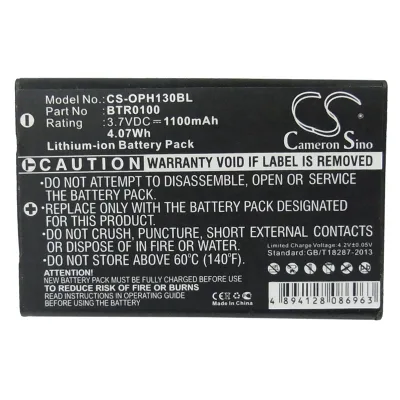
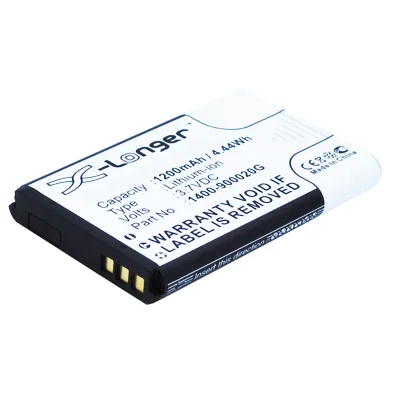







Comprehensive Sourcing Guide
Handheld Data Terminal Scanner Battery Supplier Concentration and Factory Types
The current supplier landscape for Handheld Data Terminal Scanner Battery solutions reveals a distinct concentration of manufacturing activity within specific industrial regions, with China Guangdong emerging as a primary hub for these specialized electronic devices. This geographic clustering suggests a mature supply chain ecosystem where component sourcing, assembly, and testing capabilities are co-located, potentially reducing logistical friction for buyers seeking bulk orders. The presence of combined company types indicates that many entities in this sector operate as both manufacturers and trading companies, offering a hybrid model that can provide flexibility in order sizes and customization options. Buyers should recognize that this dual nature may influence pricing structures and communication channels, as some suppliers might leverage their manufacturing roots for technical support while using trading arms for international sales logistics. Understanding this structural dynamic is crucial for evaluating the true source of value and reliability when engaging with potential partners in this concentrated market.
Within this concentrated region, the types of factories producing handheld data terminals vary significantly in their operational focus and capabilities. Some facilities specialize in Original Equipment Manufacturing (OEM) and Original Design Manufacturing (ODM) services, allowing buyers to customize hardware specifications, battery capacities, and scanning modules to meet specific operational requirements. Others may focus on branded products with established model lines, offering quicker deployment but less flexibility for unique integration needs. The diversity in factory types means that buyers must carefully assess whether a supplier’s primary strength lies in rapid production of standard models or in the engineering support required for bespoke solutions. This distinction is particularly important when considering the integration of advanced features like NFC, RFID, or ruggedized designs, as not all factories possess the necessary R&D infrastructure to support such complex customizations effectively.
How to Verify Handheld Data Terminal Scanner Battery Suppliers
Verifying the legitimacy and capability of Handheld Data Terminal Scanner Battery suppliers requires a rigorous examination of their documented certifications and operational metrics. Buyers should prioritize suppliers who display recognized system certifications, such as ISO9001:2015 and ISO14001:2015, as these indicate a commitment to quality management and environmental standards that are critical for industrial-grade hardware. The presence of these certificates suggests that the supplier has undergone formal audits and maintains consistent production processes, which reduces the risk of receiving defective units or experiencing supply chain disruptions due to non-compliance. Additionally, buyers should look for product-specific certifications like CE, FCC, and CCC, which are essential for ensuring that the devices meet safety and electromagnetic compatibility requirements in various international markets. These credentials serve as a baseline for trust, providing objective evidence of a supplier’s adherence to industry norms and regulatory frameworks.
Beyond certifications, verifying a supplier’s responsiveness and production reliability is essential for ensuring a smooth procurement process. Buyers should evaluate the supplier’s response time, noting that faster response rates often correlate with better customer service and more agile problem-solving capabilities. In the current market, response times can vary significantly, with some suppliers demonstrating rapid engagement while others may take considerably longer to provide quotes or technical details. This metric is particularly important for projects with tight deadlines or those requiring immediate technical clarification. Furthermore, buyers should assess the supplier’s stated lead times and production capacity, ensuring that these figures align with the buyer’s delivery expectations. A supplier claiming a short lead time but lacking the necessary OEM or ODM capacity may struggle to meet demand during peak seasons, making it vital to cross-reference these claims with historical performance data or third-party verification reports.
What to Compare Across Handheld Data Terminal Scanner Battery Suppliers
When comparing suppliers for Handheld Data Terminal Scanner Battery solutions, buyers must evaluate a range of technical and commercial attributes to identify the best fit for their specific needs. Key product specifications to compare include the battery capacity, scanning engine type, operating system, and connectivity options such as 4G LTE, Wi-Fi, and NFC support. Some suppliers offer devices with high-capacity batteries, such as 4500mAh or 4200mAh Li-ion units, which are crucial for extended shift operations in warehouse or field environments. Others may focus on lightweight designs with smaller batteries, prioritizing portability over endurance. Buyers should also compare the scan speed and barcode reading capabilities, as these directly impact operational efficiency. Additionally, the inclusion of features like rugged IP68 ratings, GPS support, and specific camera resolutions can differentiate suppliers, allowing buyers to match device capabilities with their operational challenges.
Commercial terms and service levels are equally critical in the comparison process. Buyers should analyze the Minimum Order Quantity (MOQ) requirements, as some suppliers may accept orders as low as one unit, facilitating easy sampling and testing, while others may require larger volumes for cost-effective production. Pricing structures should be compared across different models and configurations, keeping in mind that lower prices may sometimes correlate with reduced customization options or standard packaging. Lead times are another vital factor, with some suppliers offering rapid turnaround times of around 15 days, while others may require 30 days or more for complex orders. The availability of customization services, such as logo printing, software pre-installation, or hardware modifications, should also be evaluated, as these can add significant value but may impact the overall cost and delivery schedule. By systematically comparing these dimensions, buyers can make informed decisions that balance cost, quality, and service.
Common Handheld Data Terminal Scanner Battery Sourcing Risks
Sourcing Handheld Data Terminal Scanner Battery solutions from international suppliers introduces several risks that buyers must proactively manage to ensure project success. One significant risk is the potential discrepancy between advertised specifications and actual product performance, particularly regarding battery life and scanning accuracy. Suppliers may claim high battery capacities or fast scan speeds, but without independent testing or detailed technical documentation, buyers cannot verify these claims. This risk is exacerbated when dealing with suppliers who offer extensive customization, as modified components may not have undergone the same rigorous testing as standard models. Buyers should mitigate this risk by requesting detailed technical datasheets, sample units for testing, and third-party verification reports before committing to large orders. Additionally, clear communication of technical requirements in the purchase agreement can help hold suppliers accountable for delivering products that meet specified standards.
Another common risk involves supply chain disruptions and quality control inconsistencies, which can lead to delayed deliveries or defective products. Suppliers with high response times or long lead times may struggle to maintain consistent production schedules, especially during periods of high demand or component shortages. This risk is particularly relevant for buyers who rely on just-in-time inventory systems or have strict deployment deadlines. Furthermore, the variability in packaging and shipping practices can result in damage to sensitive electronic components during transit. Buyers should address this risk by establishing clear quality assurance protocols, including pre-shipment inspections and defined packaging standards. Engaging with suppliers who have established OEM or ODM capabilities can also provide greater control over the production process, reducing the likelihood of quality issues. By anticipating these risks and implementing robust mitigation strategies, buyers can protect their investments and ensure the reliable deployment of handheld data terminals.
Handheld Data Terminal Scanner Battery Regional Sourcing and Logistics
Regional sourcing strategies for Handheld Data Terminal Scanner Battery solutions are heavily influenced by the geographic concentration of manufacturing hubs, with China Guangdong serving as a primary center for production and export. This region benefits from a dense network of component suppliers, assembly factories, and logistics providers, creating an efficient ecosystem for producing and shipping electronic devices. Buyers sourcing from this region can leverage the established infrastructure to reduce lead times and transportation costs, particularly when shipping to global markets. However, the concentration of suppliers in this area also means that buyers must carefully evaluate the specific location of each factory to ensure it aligns with their logistical preferences and customs requirements. Understanding the regional dynamics can help buyers negotiate better terms and anticipate potential bottlenecks in the supply chain, such as port congestion or seasonal shipping delays.
Logistics planning for handheld data terminals requires careful consideration of packaging, weight, and shipping methods to ensure safe and cost-effective delivery. Suppliers often use standard export packaging with bubble foam and wooden crates to protect devices during transit, but buyers should verify these practices to prevent damage. The weight and dimensions of the devices, such as the 300g or 400g specifications observed in some models, impact shipping costs and handling requirements. Buyers should also consider the implications of international shipping regulations, including customs duties and import restrictions, which can vary by destination country. Working with suppliers who have experience in international logistics can help streamline the shipping process, ensuring that products arrive on time and in good condition. Additionally, buyers should plan for potential delays in customs clearance and factor these into their overall project timelines to avoid disruptions in deployment schedules.
Handheld Data Terminal Scanner Battery Commercial Terms and Order Planning
Effective commercial terms and order planning are essential for managing the procurement of Handheld Data Terminal Scanner Battery solutions, particularly when dealing with varying MOQs and lead times. Buyers should negotiate clear payment terms that align with their cash flow requirements, such as using escrow services to secure transactions until products are verified. The availability of low MOQs, such as one unit, allows buyers to test suppliers and products with minimal financial risk, making it easier to scale orders based on performance. However, buyers must be aware that lower MOQs may come with higher per-unit prices, so they should calculate the total cost of ownership, including sampling and testing expenses, before committing to larger volumes. Understanding the supplier’s pricing structure and any additional fees for customization or expedited shipping is crucial for accurate budgeting and cost control.
Order planning must also account for the supplier’s production capacity and lead times to ensure timely delivery. Suppliers with lead times of 15 to 30 days require careful scheduling to align with deployment deadlines, especially for large orders that may need to be phased. Buyers should establish a clear communication channel with their supplier to monitor production progress and address any issues promptly. Additionally, buyers should plan for post-delivery support, including warranty terms and technical assistance, to ensure the long-term reliability of the devices. By integrating these commercial and logistical considerations into their order planning, buyers can minimize risks and optimize the procurement process. This proactive approach helps ensure that the handheld data terminals meet operational needs while maintaining cost efficiency and supply chain stability throughout the project lifecycle.
FAQs
What is the price range for handheld data terminals?
Handheld data terminals typically range from $120 to $299 per unit. Prices vary based on features like NFC, RFID, and ruggedness. Minimum order quantities are often as low as one piece, allowing for sample testing before bulk procurement.
What battery capacity do these devices usually have?
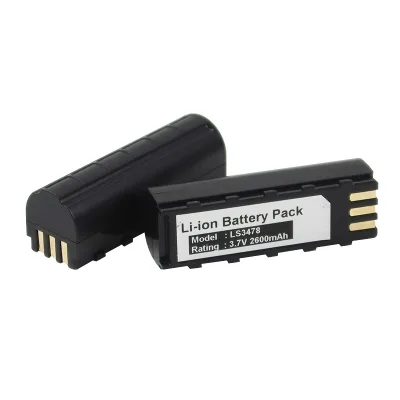
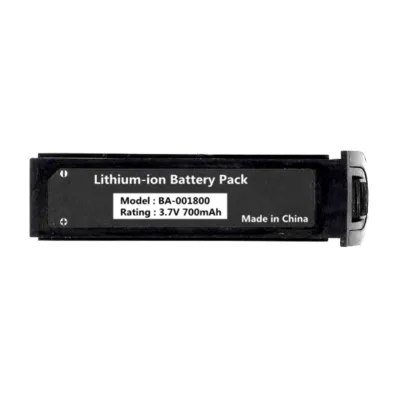
Most handheld data terminals feature batteries ranging from 4200mAh to 4500mAh Li-ion. This capacity supports extended shifts in warehouse or field environments. Some models specify 3.8V ratings to ensure consistent power delivery during heavy scanning operations.
How long does production take for these terminals?
Standard lead times for manufacturing handheld data terminals are approximately 15 to 30 days. This duration depends on customization requirements and order volume. Buyers should confirm specific timelines with suppliers to align with inventory planning and delivery schedules.
Are these devices customizable for specific industries?
Yes, customization is available for many handheld data terminals. Suppliers offer OEM and ODM services to tailor devices for retail, logistics, or medical use. Options include specific barcode scanners, NFC modules, and rugged IP68 ratings for harsh environments.
What connectivity options are supported by these scanners?
These devices support 4G LTE, Wi-Fi, Bluetooth, and USB interfaces. Some models also include GPS and NFC capabilities. This connectivity ensures reliable data transmission in warehouses, retail stores, and mobile field operations requiring real-time inventory updates.
What certifications do these handheld terminals hold?
Manufacturers often hold ISO9001:2015 and ISO14001:2015 certifications. Products may also carry CE, FCC, and CCC marks for global compliance. These certifications ensure quality management and safety standards are met for electronic devices used in professional settings.