Handmade Car Keychain Suppliers and Manufacturers in China
Explore 21 verified suppliers offering Handmade Car Keychain options with customization, varying lead times, and distinct certifications. Buyers can compare locations in Zhejiang and Fujian, MOQs, and price ranges to source the right partner. Contact suppliers directly to request samples and confirm production details.
Suppliers List

Jinhua Hengyang Cross-Border Trade Limited Liability Company
- Verified by SGS
- Trading Company
- China Zhejiang
- Lead time15 days
Main productsCoffee Maker Air Fryer Storage Box Knife Set, Silicone Baking Mold Robot Vacuum Cleaning Table, Shower Head Non-Slip Shower Curtain Vacuum Stora, Collapsible Laundry Basket Bohemian Wall Tapestr, Fringe Pillow Cover Bedding Set Memory Foam Pill, Bamboo Tissue Biodegradable Trash Bags LED Fair, Smart Plug Fairy Lights Pet Food Bowl, Household Daily Necessities Kitchen Cleaning, Bathroom Storage and Care Fabric Home Decor, Bedding Daily Chemical Paper Products
Main marketsEurope

Xiamen Le Young Imp. & Exp. Co., Ltd
- Verified by BV
- Trading Company,Manufacturer/Factory
- China Fujian
- Lead time23 days
Main productsLeather Folder, Trave Wallet, Leather Notebook, Leather Compendium, Leather Portfolio, Leather Diary, Leather Journal, Hotel Supply, Leather Card Holder, Leather Wallet
Main marketsSouth America,Eastern Europe,Mid East,North America,Southeast Asia,Eastern Asia,Oceania,Western Europe,Africa


Leather Key Chain Metal Ring Key Holder Custom Car Keychains Personalized Keychain
$0.55 - $1.06
MOQ: 500 Pieces


Jinjiang Jiaxing Supply Management Co., Ltd.
- Verified by TUVRHEINLAND
- Trading Company
- China Fujian
- Lead time30 days
Main productsEVA Clogs, Flip Flop, Shoe Charms, Shopping Bags, Wristbands, Gifts, Promotional Gifts, Slipper, Sport Cap, Ball
Main marketsNorth America

Zhongshan Xinyihong Metal Craft Products Factory
- Verified by TUVRHEINLAND
- Combined
- China Guangdong
- Lead time15 days
Main productsBadge, Lape Pin, Coin, Medal, Key Chain, Cufflink, Tie Clip, Bottle Opener, Golf Divolt, Name Plate
Main marketsNorth America

EVER GREATER IMP. & EXP. CO., LIMITED
- Verified by TUVRHEINLAND
- Trading Company
- China Zhejiang
- Lead time15 days
Main productsDisposable Cup, Paper Cup, Pet Cup, PLA Cup, Sleeve, Coaster, Food Packag Box, Pizza Box, Cake Box, Paper Box
Main marketsSoutheast Asia/ Mideast,Europe,Australia,North America

Zhongshan Guozhili Craft Products Co., Ltd.
- Manufacturer
- Guangdong, China
- Lead time0 days
- Avg. response≤ 4h
Main productsSignal Blocking Bag,tape measure,luggage tags,pocket make-up Mirror,keychain
Main marketsNorth America(20.00%), Southern Europe(15.00%), Northern Europe(15.00%), Western Europe(15.00%), Domestic Market(15.00%), Eastern Europe(15.00%), Mid East(5.00%)

Zhongshan Keychain Gifts & Crafts Co., Ltd.
- Combined
- China Guangdong
- Lead time15 days
Main productsKey Ring, Key Chain, Metal Key Chain, Bag Hanger, Compact Mirror, Medal, Key Chain with Bottle Opener, Promotional Gift, Souvenir, Badge
Main marketsSouth America,Europe,Australia,North America
Zhongshan Zimo Culture Planning Co., Ltd.
- Trading Company
- Guangdong Province, China
- Lead time0 days
- Avg. response≤ 5h
Main productscristal craft,festival gift,bag,memorial gift,sport set
Main marketsNorth America(100.00%)

Shenzhen Kingstar Car Accessories Technology Co., Ltd.
- Verified by SGS
- Trading Company
- China Guangdong
- Lead time15 days
Main productsLeather Car Keychain, Car Wheel Center Cap, TPU Car Key Case, Silicone Car Key Case, Leather Car Key Case, Steering Wheel Cover, Metal Car Keychain
Main marketsEurope
Zhongshan Lixin Crafts Co.,Ltd.
- Verified by BV
- Combined
- China Guangdong
- Lead time15 days
Main productsPatch, Sports Event Medal, Enamel Pin, Custom Keychain, Challenge Coin, Fridge Magnet
Main marketsDomestic


Low Price Embroidered Keychain Key Tag with Ca65 & Reach Certification
$0.15 - $0.65
MOQ: 100 Pieces

Dong Guan Hai Wei Leather Product Company Ltd.
- Manufacturer, Trading Company
- Guangdong, China
- Lead time15 days
- Avg. response≤ 3h
Main productsLeather notebook,Leather Tool Case,Leather cover,Leather Bag,tote bag
Main marketsNorth America(40.00%), Southern Europe(30.00%), Western Europe(20.00%), Eastern Asia(5.00%), Northern Europe(2.00%), Southeast Asia(2.00%), Oceania(1.00%)

- Verified by TUVRHEINLAND
- Trading Company,Manufacturer/Factory
- China Jiangsu
- Lead time23 days
Main productsMedal, Coin, Lapel Pin, PVC Patch, Embroidery Patch, Keychain, Button Badge, Silicone Wristband, Lanyards, Gift
Main marketsSouth America,Eastern Europe,Mid East,North America,Oceania,Western Europe

- Verified by BV
- Manufacturer/Factory
- China Fujian
- Lead time15 days
Main productsWater Bottle, Kitchen Ware, Shoes, Plastic Product, Bag, Toy
Main marketsSouth America,Eastern Europe,Mid East,North America,Southeast Asia,Eastern Asia,Oceania,Western Europe,Africa

Difanmax Tech Lianyungang Co., Ltd.
- Verified by BV
- Manufacturer/Factory
- China Jiangsu
- Lead time23 days
Main productsConsumer Electronics, Kinesiology Tape Adhesive Tapes, Industrial Tools, Home & Garden, Gifts & Crafts, Sport Products Entertainment, Health & Medical, Auto Parts E-Bike Auto Tools & Components, Clothes Apparel, Bicycle Hardware Laboratory Measuring Protective
Main marketsSouth America,North America,Southeast Asia,Oceania,Western Europe
Jinjiang Naike Eco Technology Co., Ltd.
- Verified by SGS
- Trading Company
- China Fujian
- Lead time30 days
Main productsKeychain, Promotional Gifts, Shoes Charm, Straw Toppers, Pencil Toppers, Christmas Decoration, Party Decoration, Toy, Metal Craft, Silicone Products
Main marketsEurope,North America

Dongguan Jing Hong Metal Zipper Co., Ltd.
- Verified by TUVRHEINLAND
- Combined
- China Guangdong
- Lead time15 days
Main productsMetal Plate, Label, Snap Hook, Keychain, Buckle, Bottle Opener, Dog Tag, Bag Hanger, Jewelry, Zipper Puller
Main marketsDomestic
Shenzhen Yanlsle Cultural and Creative Technology Co., Ltd.
- Verified by SGS
- Trading Company
- China Guangdong
- Lead time15 days
Main productsBrooch/Coin/Badge/Medal/Pin/Keychain
Main marketsDomestic

Metal Printed Key Holder Souvenir Blank Car Logo Keyring Custom Leather Keychain
$0.27 - $0.68
MOQ: 100 Pieces


Inspire Souvenirs Manufacturing Limited
- Manufacturer
- China Guangdong
- Lead time30 days
Main productsKeychain, Key Ring, Bottle Opener, Dinner Bell, Souvenir Spoon, Souvenir Keychain, Fridge Magnet, Key Holder, Brooch, Ashtray
Main marketsSouth America,Europe,North America


Wholesale Promotional Gifts Souvenir Customized Logo Keychain Keyring Key Holder
$0.38 - $0.65
MOQ: 1000 Pieces

Zhongshan Niya Metal Manufacture Co., Ltd.
- Verified by BV
- Manufacturer/Factory
- China Guangdong
- Lead time15 days
Main productsKeychain, Lapel Pin, Medal, Coin, Bottle Opener, Cufflinks, Metal Cards, Wine Stopper, Fridge Magnet, Dog Tag
Main marketsSouth America,Eastern Europe,Mid East,North America,Southeast Asia,Eastern Asia,Oceania,Western Europe,Africa

Key Holder Personalized Leather Keychain Key Ring Promotion Gift Key Chain Leather Keychain
$0.45 - $0.78
MOQ: 300 Pieces

$0.45 - $0.78
MOQ: 300 Pieces

Guangzhou Wangjia Leatherware Co., Ltd.
- Manufacturer/Factory
- China Guangdong
- Lead time30 days
Main productsWestern Cowboy & Cowgirl Belts, Western Buckles, Buckle Sets, Conchos, Dog Collars & Hat Belts, PU Belts, Leather Belts, PU Handbags, Straw Beach Bags, Wallets
Main marketsSouth America,Eastern Europe,Mid East,North America,Southeast Asia,Eastern Asia,Oceania,Western Europe,Africa

Zhongshan Unique Gifts & Crafts Co., LTD
- Verified by BV
- Combined
- China Guangdong
- Lead time15 days
Main productsLapel Pin, Medal, Keychain, Souvenir Coins, Metal Cuffinks, Tie -Pins, Belt Buckle, Bottle Opener, Fridge Magnet, PVC Keychain
Main marketsSouth America,Africa,Southeast Asia/ Mideast,East Asia(Japan/ South Korea),Europe,Australia,North America








Comprehensive Sourcing Guide
Handmade Car Keychain Supplier Concentration and Factory Types
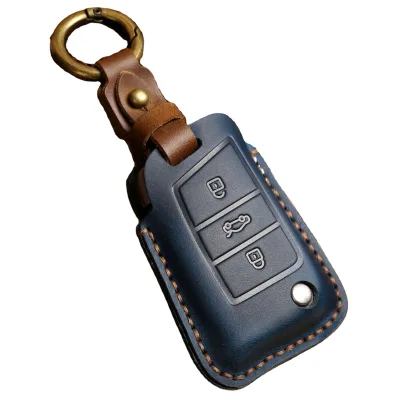
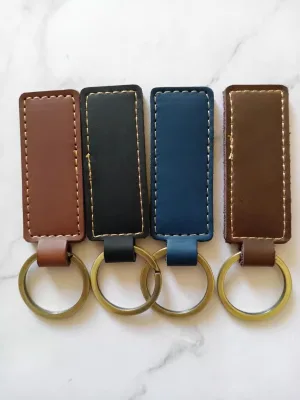
The current supplier landscape for handmade car keychains reveals a distinct concentration of manufacturing and trading entities within specific Chinese provinces. Verified data indicates that suppliers are located in Zhejiang and Fujian, with Zhejiang hosts a mix of trading companies offering diverse home goods alongside keychains, while Fujian-based entities often combine trading and manufacturing capabilities. These regions serve as primary hubs where buyers can find suppliers specializing in leather goods, key organizers, and automotive accessories. The presence of both trading companies and manufacturers in Fujian suggests a supply chain where some entities handle direct production while others manage distribution, offering buyers varied engagement models depending on their volume and customization needs.
When assessing supplier types, it is critical to distinguish between pure trading companies and those holding manufacturer status. Some suppliers in the results are explicitly listed as trading companies, which may imply they source from third-party factories rather than producing in-house. Conversely, other suppliers are identified as both trading companies and manufacturers, potentially offering more direct control over production quality and lead times. This distinction impacts the buyer's ability to verify the "handmade" claim, as manufacturers may have direct oversight of the artisanal processes, whereas trading companies rely on their network. Buyers should prioritize suppliers who explicitly state their production capabilities to ensure the authenticity of the handmade nature of the keychains they intend to purchase.
How to Verify Handmade Car Keychain Suppliers
Verification of supplier credibility is paramount when sourcing handmade items, as the "handmade" designation requires specific artisanal oversight that automated processes cannot replicate. Several suppliers in the current results have undergone third-party verification by recognized agencies such as SGS and BV, providing a baseline level of trust regarding their business legitimacy. These verification badges indicate that the supplier's business license and operational status have been checked by an independent entity, reducing the risk of dealing with fraudulent entities. However, verification alone does not guarantee product quality; it merely confirms the existence and legal standing of the company. Buyers must look beyond these badges to assess the actual production environment and the specific skills of the artisans involved in creating the keychains.
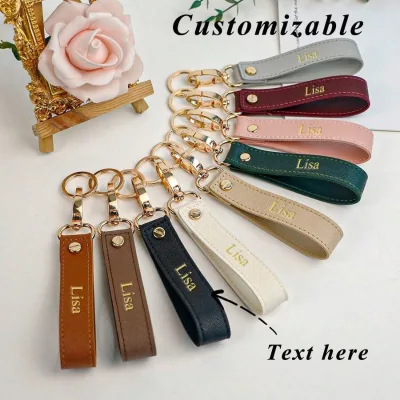
Beyond basic business verification, buyers should scrutinize product attributes and customization capabilities to confirm the handmade nature of the goods. The available data shows that many suppliers offer customization options, with specific product attributes listing materials like genuine leather and processing methods such as die-casting or handmade techniques. For instance, some products explicitly state "Handmade" in their attributes, while others list "Customization: Available," suggesting flexibility in design and production. Buyers should request detailed photos or videos of the production process to verify that the items are indeed crafted by hand rather than mass-produced. Additionally, checking for certifications like ISO 9000, which some suppliers possess, can provide further assurance of quality management systems in place, though this is more relevant to manufacturing consistency than the specific handmade aspect.
What to Compare Across Handmade Car Keychain Suppliers
When evaluating multiple suppliers, buyers must compare key operational metrics such as lead times, minimum order quantities (MOQ), and pricing structures to determine the best fit for their specific needs. The data indicates significant variation in lead times, with some suppliers offering a 15-day turnaround while others require up to 23 days. Similarly, MOQs range widely, from as low as 160 pieces for certain leather keychains to 500 pieces for others, reflecting different production scales and cost structures. Pricing also varies considerably, with unit costs ranging from approximately $0.24 to $6.00 depending on the complexity, material quality, and customization level of the keychain. These differences necessitate a careful analysis of how each supplier's constraints align with the buyer's inventory requirements and budget.
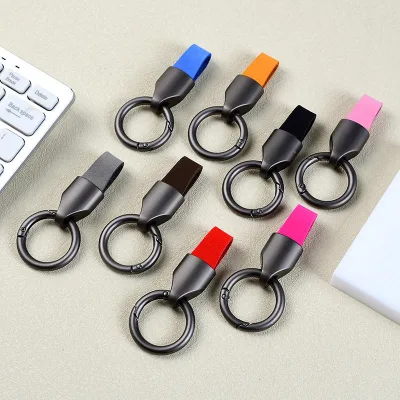
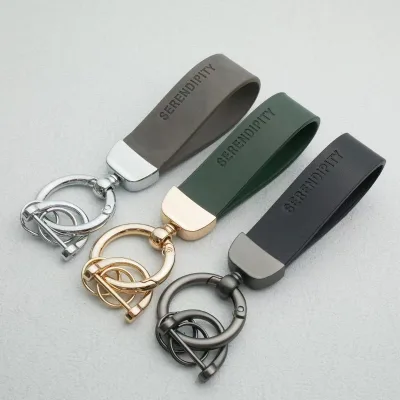
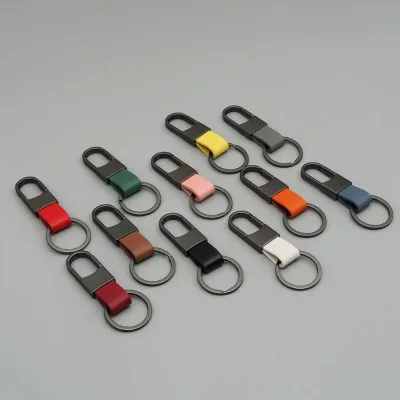
In addition to logistical metrics, buyers should compare the range of main products and specific product attributes to ensure the supplier can meet diverse design requirements. Some suppliers specialize in a broad array of home goods alongside keychains, while others focus exclusively on leather wallets, journals, and key holders. The product attributes reveal details such as material composition (genuine leather, PU leather), dimensions, and specific features like waterproofing or anti-loss mechanisms. For example, one supplier offers keychains with diamond opening rings and leather embossing, while another provides compact, multifunctional designs. Buyers should prioritize suppliers whose product portfolios and customization options closely match their target market's preferences, ensuring that the final product meets both aesthetic and functional expectations without unnecessary compromise.
Common Handmade Car Keychain Sourcing Risks
One of the primary risks in sourcing handmade car keychains is the potential discrepancy between the advertised "handmade" claim and the actual production method. While some suppliers explicitly list "Handmade" in their product attributes, others may rely on semi-automated processes that mimic handcrafted aesthetics. This ambiguity can lead to quality inconsistencies, where the final product does not meet the buyer's expectations for artisanal detail. Buyers must be vigilant in verifying the production process, as the "handmade" label is often used as a marketing term without strict regulatory oversight. Without direct evidence of the crafting process, there is a risk of receiving mass-produced items that lack the unique character and durability associated with genuine handcrafted goods.
Another significant risk involves the variability in lead times and the potential for delays in production or shipping. The observed lead times range from 15 to 23 days, but these figures may not account for unforeseen delays due to material shortages, labor issues, or logistical bottlenecks. Furthermore, the MOQ requirements can pose a financial risk if the buyer orders a large quantity that does not sell as expected. Suppliers with higher MOQs, such as 500 pieces, may require a larger upfront investment, increasing the financial exposure if the product fails to gain traction in the market. Buyers should carefully assess their sales forecasts and negotiate flexible terms to mitigate these risks, ensuring they are not locked into a large order that could result in excess inventory or financial loss.
Handmade Car Keychain Regional Sourcing and Logistics
Sourcing handmade car keychains from China involves navigating specific regional logistics and supply chain dynamics that can impact delivery times and costs. The current data highlights suppliers located in Zhejiang and Fujian, two provinces known for their robust manufacturing and export infrastructure. Zhejiang suppliers often operate as trading companies, potentially offering a wider range of products but possibly longer lead times due to their reliance on external factories. In contrast, Fujian-based suppliers, which include both trading companies and manufacturers, may offer more direct control over the production process, potentially leading to faster turnaround times for customized orders. Understanding these regional differences is crucial for buyers aiming to optimize their supply chain efficiency and minimize logistical delays.
Logistics planning must also consider the specific shipping requirements for leather and metal keychains, which can be sensitive to environmental conditions during transit. Some products are packed in simple OPP bags, while others may require more robust packaging to prevent damage. Buyers should verify the packaging standards with their chosen supplier to ensure that the keychains arrive in pristine condition. Additionally, the origin of the products, confirmed as China in the data, means that international shipping times and customs procedures will play a significant role in the overall delivery timeline. Buyers should factor in these variables when planning their inventory replenishment cycles, ensuring they have sufficient buffer time to account for potential delays in customs clearance or shipping transit.
Handmade Car Keychain Commercial Terms and Order Planning
Commercial terms for handmade car keychains vary significantly based on the supplier's size, location, and production capacity. The data shows that unit prices can range from $0.24 to $6.00, with corresponding MOQs from 160 to 500 pieces. These terms reflect the balance between production costs and the buyer's volume requirements. Buyers should carefully evaluate the price-to-MOQ ratio to determine the most cost-effective option for their business model. For instance, a supplier with a lower MOQ but higher unit price might be suitable for small businesses testing the market, while a supplier with a higher MOQ and lower unit price could be ideal for established retailers seeking economies of scale. Understanding these commercial terms is essential for effective budgeting and financial planning.
Order planning must also account for the customization capabilities and lead times offered by different suppliers. Many suppliers indicate that customization is available, allowing buyers to tailor the keychains to their brand's specific needs. However, the lead times for customized orders may be longer than for standard products, as seen in the range of 15 to 23 days. Buyers should factor in these additional lead times when planning their production schedules and inventory levels. Additionally, the availability of certifications like ISO 9000 and verification badges from SGS or BV can provide assurance of quality and reliability, but buyers should still conduct their own due diligence to ensure the supplier can consistently meet their quality standards. Effective order planning involves a strategic balance of cost, quality, and timing to maximize the value of the sourcing relationship.
FAQs
What is the price range for handmade car keychains?
Prices for handmade car keychains typically range from $0.24 to $1.98 per unit. The cost varies based on material quality, such as genuine leather versus metal, and specific customization options. Buyers should expect higher prices for premium materials like zinc alloy or intricate die-casting processes.
What is the minimum order quantity for these items?
Minimum order quantities vary significantly by product type. Some items require as few as 160 units, while others demand 300, 400, or 500 units. Buyers should check specific product listings to determine the exact MOQ, as smaller batches are often available for simpler designs.
How long does production take for these keychains?
Lead times for handmade car keychains generally range from 15 to 23 days. This duration depends on the supplier's location and current production capacity. Buyers should confirm specific timelines with suppliers before placing orders to ensure timely delivery for their projects.
Are customization options available for car keychains?
Yes, customization is widely available for handmade car keychains. Suppliers offer options for custom logos, colors, and materials. Many products support OEM and ODM services, allowing buyers to tailor designs to their brand requirements. Buyers should verify specific customization capabilities with individual suppliers.
Where are these suppliers located?
Suppliers for handmade car keychains are primarily located in China, specifically in Zhejiang and Fujian provinces. These regions are known for manufacturing leather goods and metal accessories. Buyers can filter results by location to find suppliers closest to their logistics preferences.
What certifications do these suppliers hold?
Some suppliers hold ISO 9000 certification for quality management systems. Others undergo verification by SGS or BV. Buyers should request copies of these certificates to ensure the supplier meets international quality and safety standards before finalizing any procurement agreements.