Handmade Beaded French Lace Fabric Suppliers and Manufacturers
Discover 19 verified suppliers offering Handmade Beaded French Lace Fabric with options for embroidery, sequins, and beads. Compare locations in Guangdong, response times, lead times, and pricing to source the right materials for your projects today; review the available evidence before requesting comparable quotations from suitable candidates.
Suppliers List
Guangzhou Bulaiyiduo Trading Co., Ltd.
- Trading Company
- Guangdong, China
- Lead time0 days
- Avg. response≤ 7h
Main productsSequin embroidery,Beaded embroidery,Tulle embroidery,Guipure Cord lace fabric,jacquard fabric
Main marketsAfrica(30.0%), Southeast Asia(30.0%), South America(15.0%), North America(15.0%), Mid East(10.0%)

Dongguan Xinlang Textile Technology Co., Ltd.
- Verified by BV
- Combined
- China Guangdong
- Lead time15 days
- Avg. response≤ 5h
Main marketsSoutheast Asia/ Mideast,Domestic,Europe,Australia,North America
Guangzhou Mengshanglai Trading Co., Ltd.
- Manufacturer, Trading Company, Distributor/Wholesaler
- Guangdong, China
- Lead time0 days
- Avg. response≤ 9h
Main productsLace fabric,Italy shoes and matching bag,Fashion clothes,Wax Fabric,Hair wigs
Main marketsNorth America(35.0%), Western Europe(21.0%), Africa(20.0%), Oceania(4.0%), Domestic Market(2.0%), South Asia(2.0%), Southern Europe(2.0%), Northern Europe(2.0%), Central America(2.0%), South America(2.0%), Eastern Asia(2.0%), Mid East(2.0%), Southeast Asia(2.0%), Eastern Europe(2.0%)

Guangzhou Dobest Textile Co., Ltd.
- Manufacturer, Distributor/Wholesaler
- Guangdong, China
- Lead time7 days
- Avg. response≤ 7h
Main productsembroidery tulle fabric,SEQUINS FABRIC,SEQUINS LACE,LACE,BEADED LACE
Main marketsNorth America(25.0%), Western Europe(10.0%), Southern Europe(10.0%), Northern Europe(10.0%), Mid East(10.0%), Eastern Europe(10.0%), South America(10.0%), Southeast Asia(5.0%), Central America(5.0%), Eastern Asia(4.0%), South Asia(1.0%)
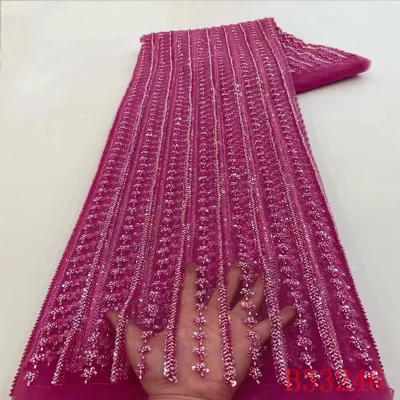
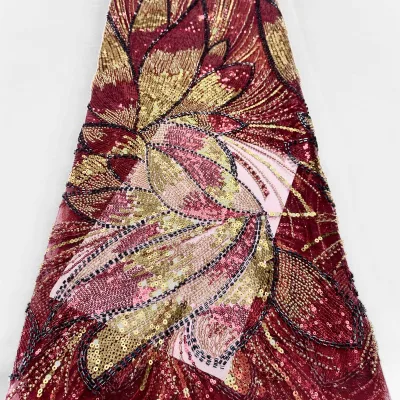
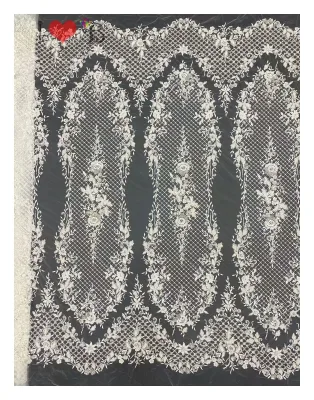
Wholesale Price Crystal Sequins Polyester Austria French Lace Handmade Wedding Beaded Lace Fabric
$9.20 - $10.70
MOQ: 5 yards
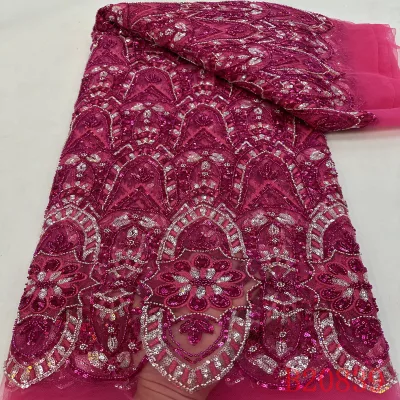
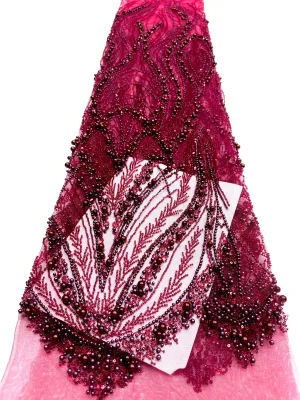
Luxury Wholesale Hand Made Beaded Lace for Women Bridal Fabric and Wedding Material
$11.25 - $12.78
MOQ: 5 yards
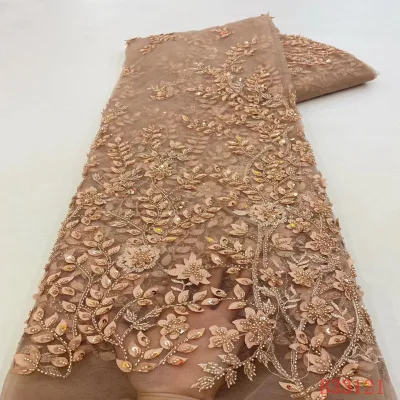

HangZhou Aspiring Textile and Accessories Co., Ltd.
- Verified by BV
- Trading Company,Manufacturer/Factory
- China Zhejiang
- Lead time23 days
- Avg. response≤ 6h
Main productsT/C Fabric, Denim Fabric, Non-Woven Fabric, Cotton Fabric, Accessories, Polyester Fabric, Printing Fabric, Flannel Fabric, Home Textile, Grey Fabric
Main marketsSouth America,Eastern Europe,Mid East,North America,Southeast Asia,Eastern Asia,Oceania,Western Europe,Africa

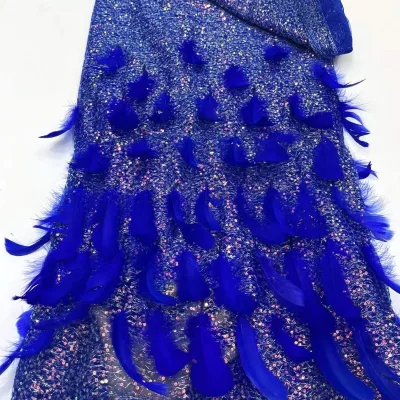
Africa Wedding Bridal Handmade Beaded Lace Fabric with Sequins Embroidery for Women
$5.60 - $6.50
MOQ: 5000 Meters


Suzhou Gilka Trading Co., Ltd.
- Trading Company
- China Jiangsu
- Lead time23 days
- Avg. response≤ 4h
Main productsClothing and Apparel Wholesale, Wedding Dresses, Embroidery Lace Fabrics, Glliter Tulle Fabrics, Wedding Gowns, Party Dresses, Trimming Lace, Factory OEM Fabrics, Western Fabrics, Vestidos Fabrica
Main marketsSouth America,North America


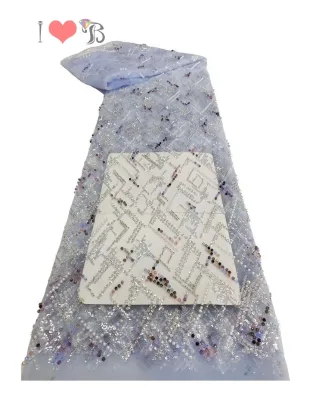
New Design Beaded Fabric Luxury Embroidery Beads Beaded Lace Fabric European Lace Fabric
$8.00 - $12.00
MOQ: 50 Yards

$8.00 - $12.00
MOQ: 50 Yards

$8.00 - $12.00
MOQ: 50 Yards


Shaoxing Beco Textile Co., Ltd.
- Trading Company
- Zhejiang, China
- Lead time30 days
- Avg. response≤ 2h
Main productschemical lace,bridal lace,nylon lace,sequin lace,embroidery lace
Main marketsMid East(30.0%), South America(25.0%), Eastern Europe(20.0%), Western Europe(20.0%), Africa(5.0%)
Guangzhou Grown Trading Co., Ltd.
- Trading Company
- Guangdong, China
- Lead time15 days
- Avg. response≤ 11h
Main productsAfrican Wax Fabric,Lace,Silk,Bag Shoes,Bazin
Main marketsAfrica(30.0%), North America(15.0%), Southern Europe(8.0%), Northern Europe(8.0%), Oceania(8.0%), Western Europe(8.0%), Eastern Europe(8.0%), Mid East(5.0%), Domestic Market(5.0%), Eastern Asia(3.0%), South America(2.0%)
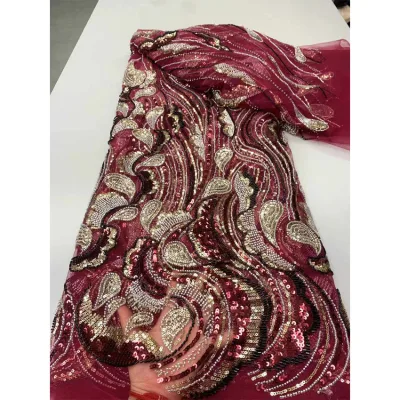
Handcut High Quality Lace Fabrics Sequin Material Jacquard Brocade Fabric for Women
$9.88 - $11.14
MOQ: 5 yards
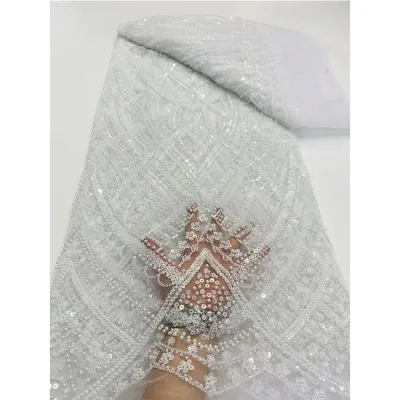

Shaoxing Shaoying Import and Export Co., Ltd.
- Verified by SGS
- Combined
- China Zhejiang
- Lead time30 days
- Avg. response≤ 7h
Main productsSequin Fabric, Embroidered Fabric, African-Style Fabrics, Fashionable Fabric, Beaded Fabric, Children's Clothing Fabric, Cotton Fabric with Embroidery, Fashion Trend, Heavy-Duty Fabric, Light and Breathable Arab-Style Fabric
Main marketsOthers(foreignTradeCapacity.exportBusinessCapacityMarketOther),Southeast Asia/ Mideast


French Lace Sequin Embroidery Fabric Pink Recycled Polyester Fabric for Wedding Dress
$4.14 - $4.71
MOQ: 200 Yards
Guangzhou Awin Textile Co., Ltd.
- Trading Company, Distributor/Wholesaler, Other
- Guangdong, China
- Lead time15 days
- Avg. response≤ 4h
Main productssequins embroidery lace fabric,beaded embroidery lace fabric,handmade embroidery lace fabric,french lace,embroidery lace fabric
Main marketsMid East(30.0%), Western Europe(10.0%), North America(10.0%), Oceania(10.0%), Southern Europe(10.0%), Eastern Europe(10.0%), Northern Europe(10.0%), Southeast Asia(5.0%), South America(5.0%)

Wuxi Glolinker Technology Co., Ltd.
- Verified by CTI
- Trading Company
- China Jiangsu
- Lead time15 days
- Avg. response≤ 11h
Main productsClothing Fabrics, Pillows, Blankets, Duvet Cover, Fabric, Bed Sheets, Satin Fabric, Pillowcase, Embroidery Fabric, Sequin Fabric
Main marketsDomestic


Handcrafted Embroidered Lace Fabric Featuring Sparkling Sequins and Beads
$4.00 - $9.00
MOQ: 300 Meters


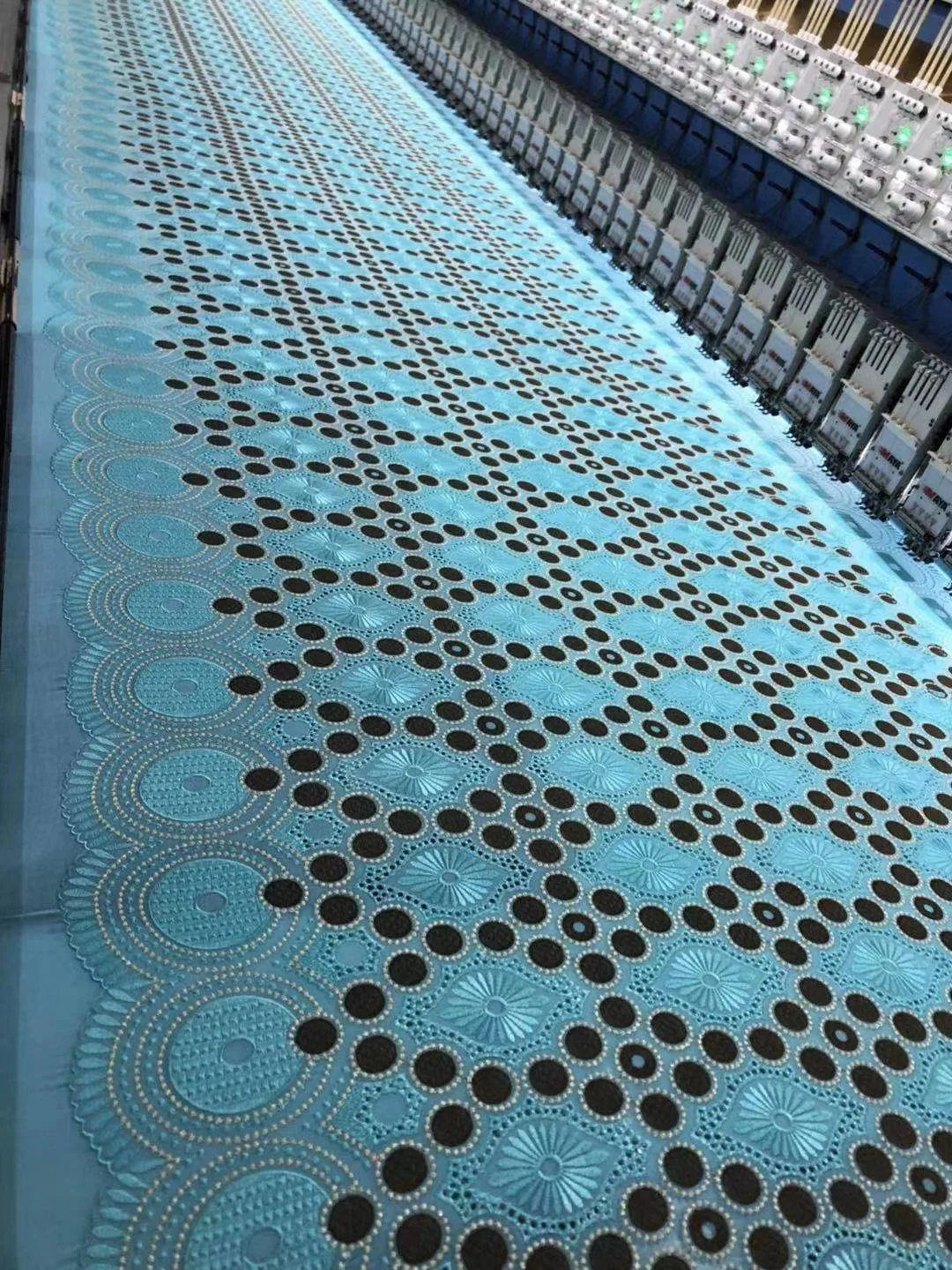
Guangzhou Yuexiu Disctrict Tongman Clothing Store
- Manufacturer, Distributor/Wholesaler
- Guangdong, China
- Lead time20 days
- Avg. response≤ 10h
Main productsAfrican lace,prints wax,bazin fabric,shoes and bag,turban
Main marketsNorth America(35.0%), Africa(33.0%), Northern Europe(10.0%), Western Europe(8.0%), Southern Europe(2.0%), Eastern Europe(2.0%), Southeast Asia(2.0%), South America(2.0%), Domestic Market(1.0%), South Asia(1.0%), Eastern Asia(1.0%), Mid East(1.0%), Central America(1.0%), Oceania(1.0%)
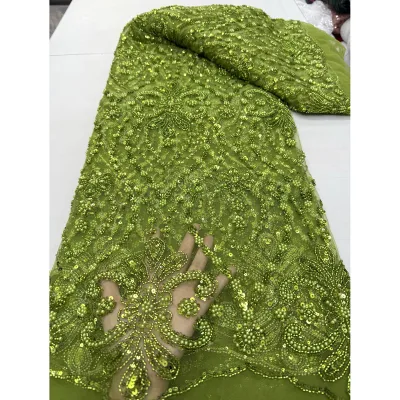
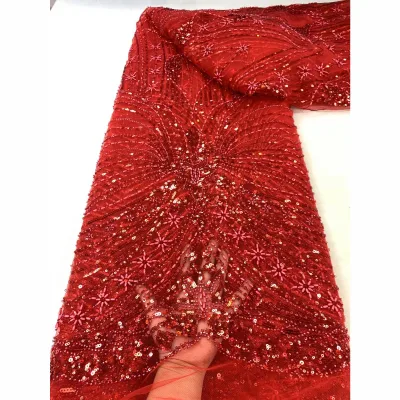
$35.00 - $36.80
MOQ: 30 pieces
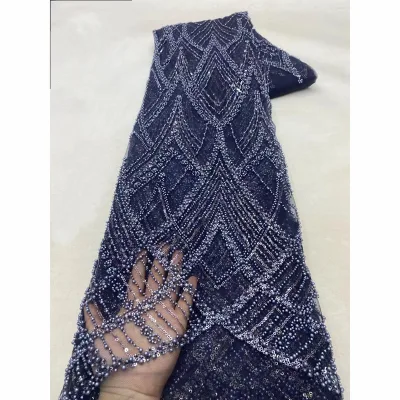

Marigold Garment Accessories Co., Ltd.
- Trading Company
- China Guangdong
- Lead time15 days
- Avg. response≤ 10h
Main productsLace, Lace Trimming, Rhinestone Trimming, Embroidery, Patches, Elastic Trim, Brooches, Button, Rhinestone Patch, Lace Fabric
Main marketsSouth America,Africa,Southeast Asia/ Mideast,Europe,North America


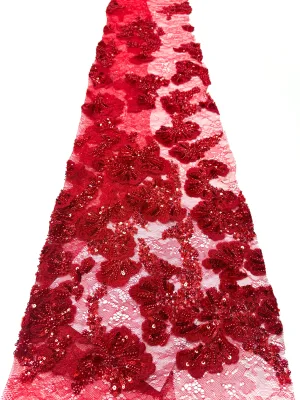
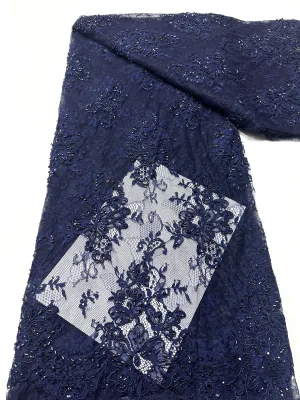
Handmade Flower Sequin and Beads Women Fabric Mesh Lace Fabric for Party Dress
Contact supplier
MOQ: 20 Yards
Guangzhou Dhorse Garment Accessory Firm
- Trading Company
- Guangdong, China
- Lead time5 days
- Avg. response≤ 4h
Main productsEmbroidery Lace Fabric,Beaded Lace Trim,Beaded Lace Applique,Glitter Tulle,Garment Patch
Main marketsNorth America(30.0%), Western Europe(15.0%), South America(15.0%), Southeast Asia(10.0%), South Asia(5.0%), Eastern Europe(5.0%), Eastern Asia(5.0%), Mid East(5.0%), Oceania(5.0%), Africa(5.0%)
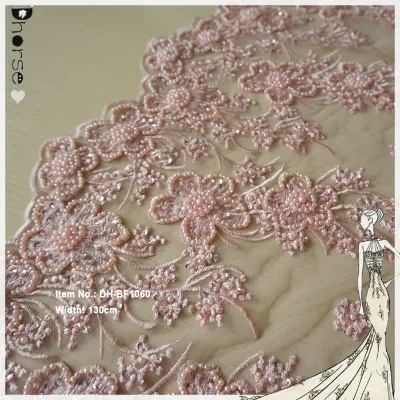
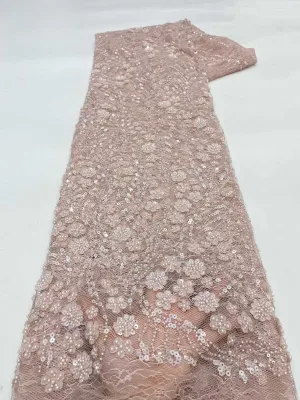
Hot Sell Fancy Delicate pink High Quality Hand Beaded Lace Fabric for Dresses
$17.42 - $20.50
MOQ: 10 Minimum
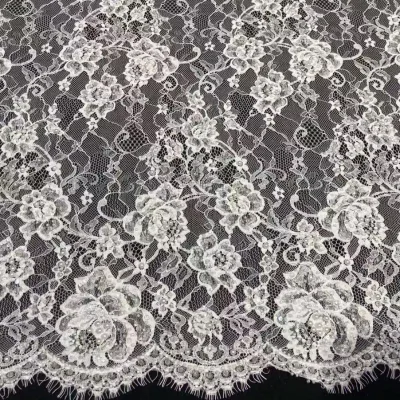

- Verified by TUVRHEINLAND
- Combined
- China Zhejiang
- Lead time30 days
- Avg. response≤ 7h
Main productsThread, Zipper, Lace, Button, Webbing & Tape, Ribbon, Interlining, Fabric, Tailoring Materials, Hook & Loop
Main marketsSouth America,Africa,Europe,Australia
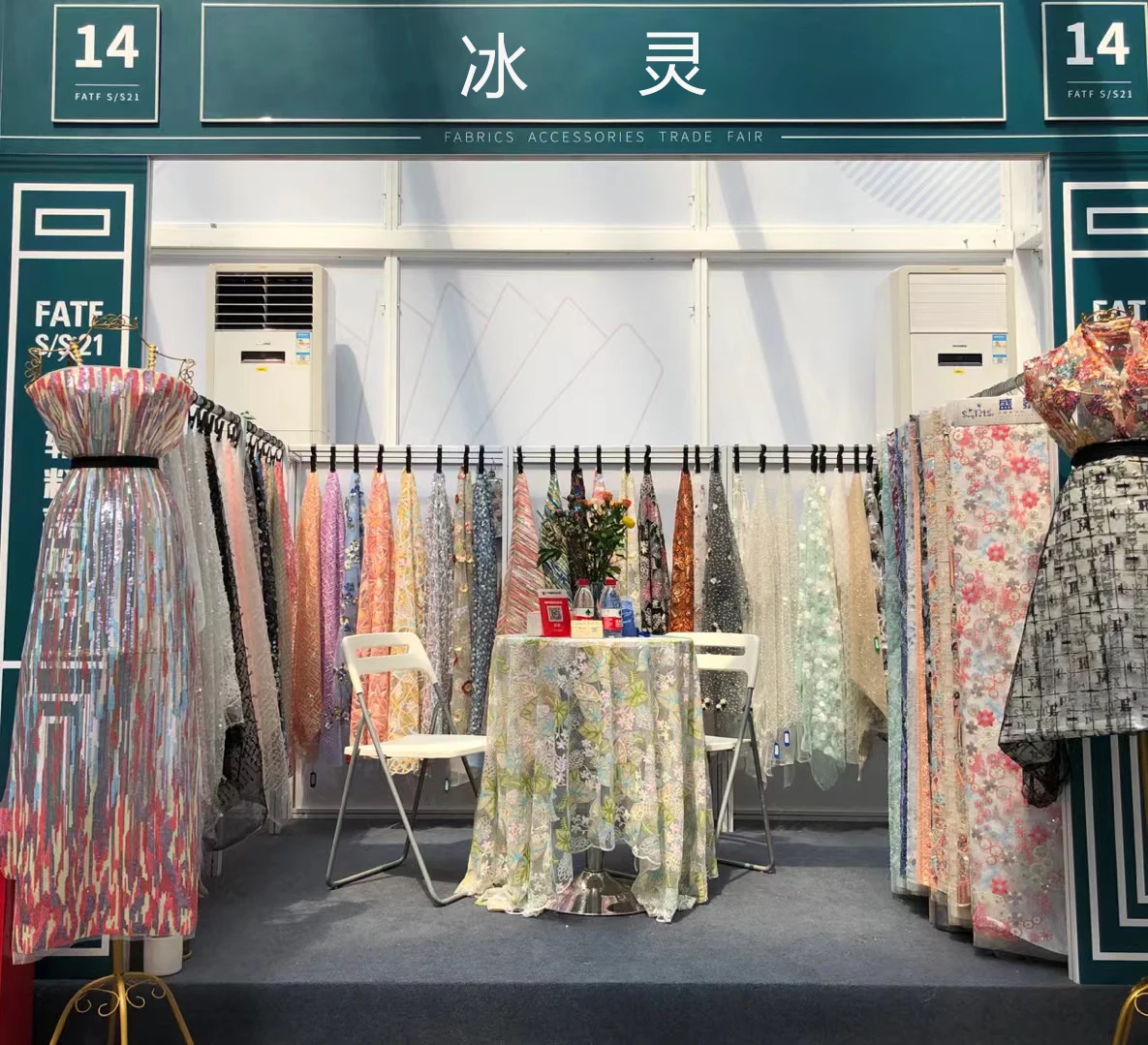
Guangzhou Bingling Textile Co., Ltd.
- Manufacturer, Trading Company
- Guangdong, China
- Lead time10 days
- Avg. response≤ 7h
Main productsTextile,Fabric,lace,embroidery,handmade
Main marketsDomestic Market(45.0%), Mid East(20.0%), Africa(20.0%), North America(15.0%)
Guangzhou Yaxin Garment Accessories Co., Ltd.
- Manufacturer, Trading Company
- Guangdong, China
- Lead time10 days
- Avg. response≤ 1h
Main productsEmbroidery Fabric,guipure lace fabric,3d lace fabric,lace fabric for wedding,luxury lace fabric
Main marketsNorth America(20.0%), Africa(15.0%), Southeast Asia(15.0%), Eastern Europe(15.0%), Central America(15.0%), South America(10.0%), Western Europe(10.0%)

Weihai Sisco International Trade Co., Ltd
- Verified by SGS
- Trading Company
- China Shandong
- Lead time23 days
- Avg. response≤ 17h
Main marketsSoutheast Asia/ Mideast,East Asia(Japan/ South Korea)
Guangzhou Inmyshop Clothing Co., Ltd.
- Trading Company
- Guangdong, China
- Lead time6 days
- Avg. response≤ 5h
Main productsshoes bag set,lace fabric,jewelry sets,crystal bag,wax fabric
Main marketsAfrica(20.0%), Southeast Asia(20.0%), South America(20.0%), North America(20.0%), Northern Europe(5.0%), Western Europe(5.0%), South Asia(5.0%), Eastern Asia(3.0%), Southern Europe(2.0%)
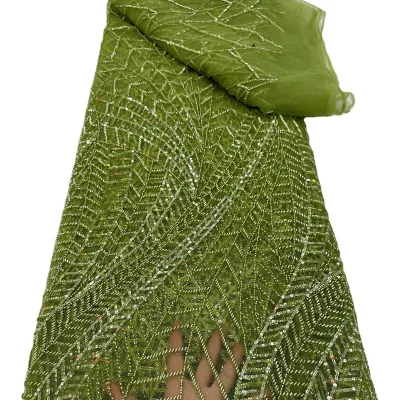
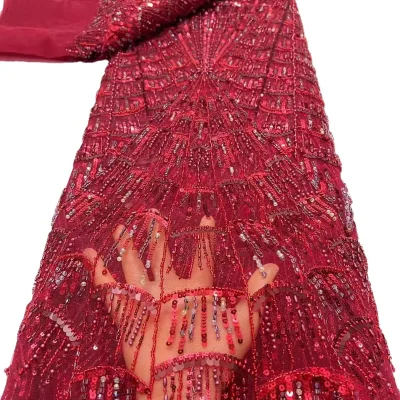
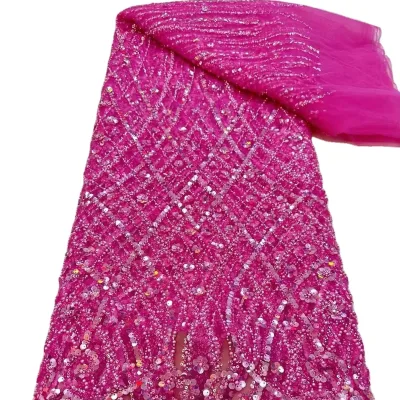
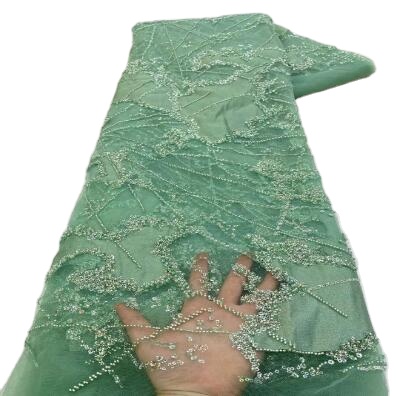
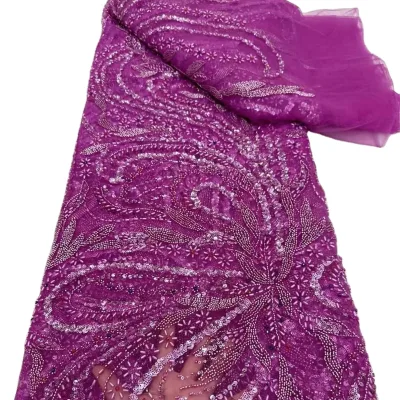
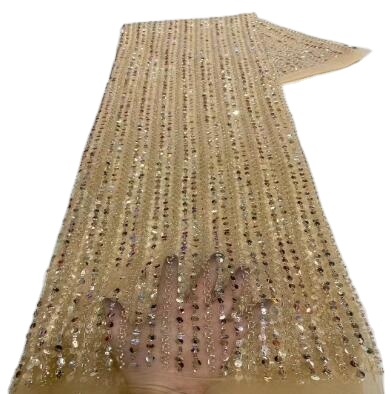


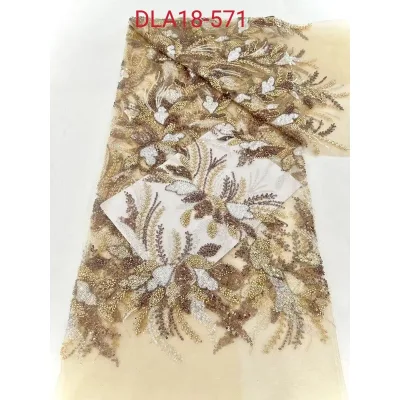
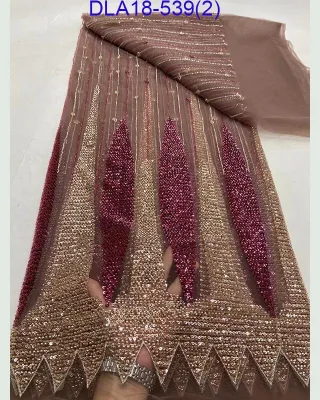

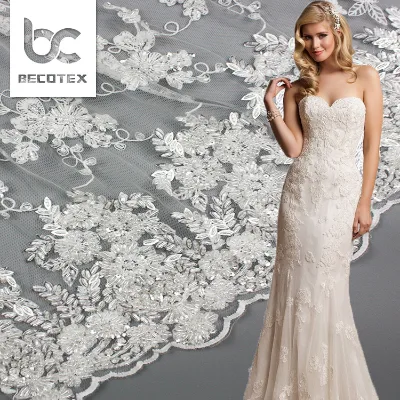
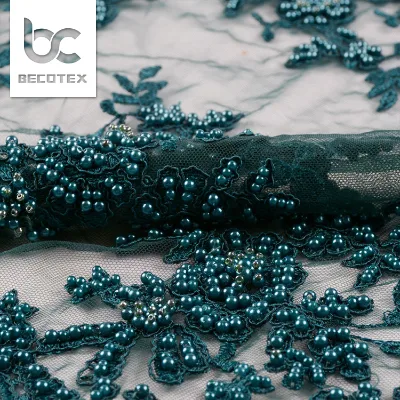


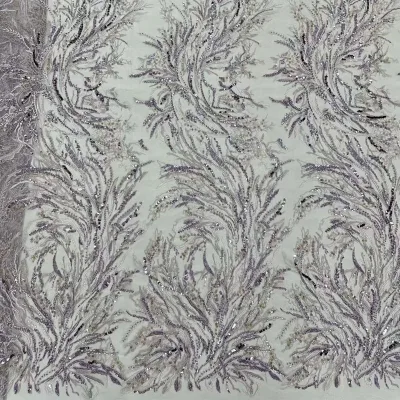
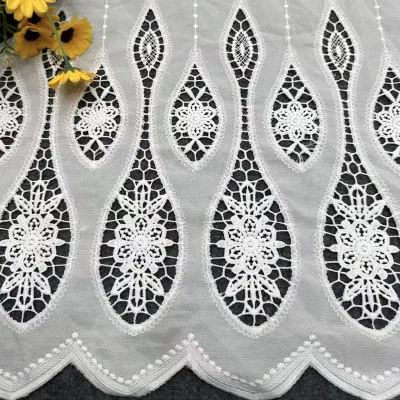


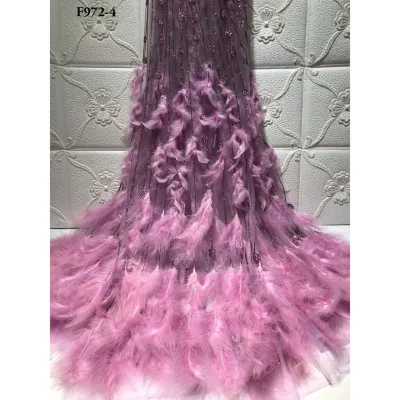
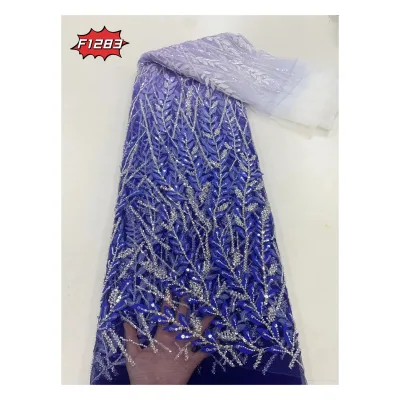
Comprehensive Sourcing Guide
Handmade Beaded French Lace Fabric Supplier Concentration and Factory Types
The available data indicates a significant concentration of suppliers offering Handmade Beaded French Lace Fabric within Guangdong, China. This region appears to host a diverse mix of company types, including trading companies, manufacturers, and combined entities that function as both producers and distributors. Some suppliers list their primary output as lace fabric alongside other textile items like Italian shoes, fashion clothes, and hair wigs, suggesting a broader manufacturing ecosystem in the area. When evaluating potential partners, buyers should note that the specific factory type influences the supply chain structure, with trading companies often managing multiple product lines while manufacturers may focus more deeply on specific production techniques like embroidery and beading.
Buyers must verify the actual operational capacity of these suppliers rather than relying solely on their listed company type. The evidence shows that some entities claim capabilities in ODM, OEM, and own brand production, which implies a level of customization and design flexibility. However, the presence of a "Combined" company type suggests that some suppliers may not own the physical production facilities they represent. To confirm the true nature of the operation, buyers should request proof of factory ownership or detailed production process documentation. Understanding whether a supplier is a direct manufacturer or a trading intermediary is critical for negotiating prices and ensuring quality control, as the latter may introduce additional layers of communication and potential markup.
How to Verify Handmade Beaded French Lace Fabric Suppliers
Verification of suppliers requires a rigorous check of their credentials and operational history, as the provided data shows varying levels of verification status. Some suppliers display BV verification, while others show no system certification listed. Buyers should prioritize suppliers with verified badges but must also understand that the absence of a visible certification does not automatically disqualify a vendor. It is essential to request specific documentation regarding their business license and any relevant textile industry certifications that may not be immediately visible in the search results. Relying solely on platform badges can be insufficient, so direct communication to confirm their legal standing and production history is a necessary step in the vetting process.
Beyond basic verification, buyers should assess the responsiveness and reliability of the supplier through direct interaction. The data indicates response times ranging from approximately 4 to 9 hours, which can serve as an initial indicator of operational efficiency. A supplier with a faster response time may be better equipped to handle urgent inquiries or custom requests, but this metric should be balanced against the complexity of the product. Buyers should test the supplier's communication by asking specific questions about their production capabilities, such as their ability to handle custom bead patterns or specific fabric widths. This interaction helps gauge whether the supplier is a genuine partner capable of meeting the specific demands of Handmade Beaded French Lace Fabric orders.
What to Compare Across Handmade Beaded French Lace Fabric Suppliers
When comparing suppliers, buyers should focus on key operational dimensions such as lead time, minimum order quantity (MOQ), and pricing structures. The available facts reveal a wide range of MOQs, with some suppliers requiring as few as 5 yards while others demand 300 units. This variation significantly impacts the feasibility of small-batch testing versus large-scale production runs. Buyers must align their order volume with the supplier's specific MOQ requirements to avoid unnecessary costs or rejected orders. Additionally, lead times vary, with some suppliers indicating a 7-day sample order lead time and others showing a standard lead time of 15 days. Understanding these timelines is crucial for planning production schedules and managing inventory levels effectively.
Pricing and product specifications are another critical area for comparison. The data shows price ranges for similar products, with some items listed between 8.88 and 18.80 per unit, depending on the complexity and material composition. Buyers should compare not just the base price but also the material details, such as the use of 100% polyester versus blends, and the specific techniques employed, like embroidered or handmade methods. Width specifications also vary, with some fabrics listed at 125-130cm and others at 51-52 inches. These technical differences can affect the final cost and suitability for specific garment designs. A thorough comparison of these attributes ensures that the selected supplier offers the best value and meets the precise technical requirements of the project.
Common Handmade Beaded French Lace Fabric Sourcing Risks
One of the primary risks in sourcing Handmade Beaded French Lace Fabric is the potential discrepancy between the advertised product and the actual sample received. The product evidence lists various attributes like "Handmade" and "Beaded," but the quality of these features can vary significantly between suppliers. Buyers face the risk of receiving fabric that does not match the visual representation or the described material composition, such as the difference between 100% polyester and other blends. To mitigate this, it is vital to order samples before committing to a large order and to inspect them closely for consistency in bead placement, embroidery quality, and fabric durability. Relying on product descriptions without physical verification can lead to costly mistakes in production.
Another significant risk involves the reliability of the supply chain and the ability to meet delivery deadlines. While some suppliers claim a 7-day sample lead time, the actual production lead time for bulk orders may be longer, as indicated by the 15-day figure for some vendors. Delays can disrupt the entire production schedule, especially for time-sensitive projects like wedding dresses or fashion collections. Buyers should verify the supplier's capacity to handle rush orders and their track record for on-time delivery. Additionally, the lack of standardized certifications for some suppliers introduces uncertainty regarding quality control processes. Establishing clear communication channels and setting realistic expectations for delivery times can help manage these risks effectively.
Handmade Beaded French Lace Fabric Regional Sourcing and Logistics
Sourcing from Guangdong, China, offers logistical advantages due to the region's established infrastructure and concentration of textile manufacturers. The data confirms that many suppliers are located in this area, which is known for its efficient export capabilities and access to major shipping ports. This concentration allows buyers to potentially consolidate orders from multiple suppliers within the same region, reducing shipping costs and simplifying logistics management. However, buyers should also consider the distance from their own location and the specific shipping routes available. Understanding the local logistics landscape can help in negotiating better freight rates and ensuring timely delivery of goods.
Despite the logistical benefits, buyers must be aware of potential challenges related to customs and import regulations in their destination country. The origin of the goods, specifically Guangdong, China, may subject the products to specific tariffs or inspection requirements depending on the importing country's policies. Buyers should verify the HS codes for Handmade Beaded French Lace Fabric and ensure that all necessary documentation is prepared in advance. Working with a freight forwarder who has experience with textile imports from China can help navigate these complexities. Additionally, buyers should consider the impact of seasonal factors on shipping times, as peak seasons can lead to delays in both production and transit.
Handmade Beaded French Lace Fabric Commercial Terms and Order Planning
Commercial terms for Handmade Beaded French Lace Fabric often include specific conditions regarding payment, shipping, and customization. The data indicates that some suppliers accept OEM and ODM customization, which implies flexibility in design and production. Buyers should clarify the terms for custom orders, including any additional costs for design changes or special packaging requirements. Payment terms are another critical aspect, and buyers should negotiate terms that protect their interests while ensuring the supplier is compensated fairly. Understanding the full scope of commercial terms helps in avoiding unexpected costs and ensures a smooth transaction process.
Order planning requires careful consideration of the supplier's capacity and the buyer's production timeline. With MOQs ranging from 5 yards to 300 units, buyers must plan their orders to match the supplier's requirements while maintaining sufficient inventory for their needs. It is also important to account for the lead time, which can vary from 7 days for samples to 15 days for bulk production. Buyers should build buffer time into their schedules to accommodate any potential delays. Additionally, planning for quality control inspections before shipment can help ensure that the final product meets the required standards. Effective order planning minimizes risks and ensures that the supply chain operates efficiently from start to finish.
FAQs
What is the price range for Handmade Beaded French Lace Fabric?
Prices for these fabrics typically range from approximately 8.88 to 18.80 per unit. The final cost depends on the specific model number, the density of the beadwork, and the quantity ordered. Buyers should check the exact listing for current pricing tiers and volume discounts.
What is the minimum order quantity for these lace fabrics?
Minimum order quantities vary significantly by supplier. Some sellers accept orders as low as five units, while others require a minimum of 300 units. Buyers must verify the specific MOQ for each product listing to ensure it aligns with their procurement volume and budget constraints.
What material are these lace fabrics made from?
Most handmade beaded French lace fabrics are constructed from 100% polyester or a blend of polyester and cotton. The material provides durability and a smooth finish suitable for embroidery. Buyers should confirm the exact material composition in the product attributes to ensure it meets their garment requirements.
How wide are the standard handmade beaded lace fabrics?
The standard width for these lace fabrics is typically between 125 and 130 centimeters. Some specific listings may offer widths of 51 to 52 inches. Buyers should verify the exact width in the product specifications to ensure it fits their pattern cutting and design needs.
What is the typical response time for these suppliers?
Supplier response times generally range from 4 to 9 hours. Faster response times, such as 4.38 hours, indicate more active communication channels. Buyers should prioritize suppliers with quicker response rates to ensure timely inquiries and smoother negotiation processes for their bulk orders.
Do suppliers offer sample orders for these lace fabrics?
Many suppliers support sample orders with a lead time of seven days. This allows buyers to verify the quality of the beadwork and fabric before committing to bulk purchases. Buyers should confirm sample availability and costs directly with the supplier to facilitate their quality assurance process.
Where are these lace fabrics manufactured?
These fabrics are primarily manufactured in Guangdong, China. This region is known for its textile industry and efficient production capabilities. Buyers should verify the specific place of origin in the product details to understand the supply chain and potential logistics implications for their orders.