Handmade Bamboo Kitchen Knife Set Suppliers and Manufacturers
Source a Handmade Bamboo Kitchen Knife Set from 28 verified suppliers in Guangdong, China. Compare key dimensions including lead times, MOQs, and response speeds to identify the right partner. Review product specifications and pricing details to streamline your procurement process effectively.
Suppliers List
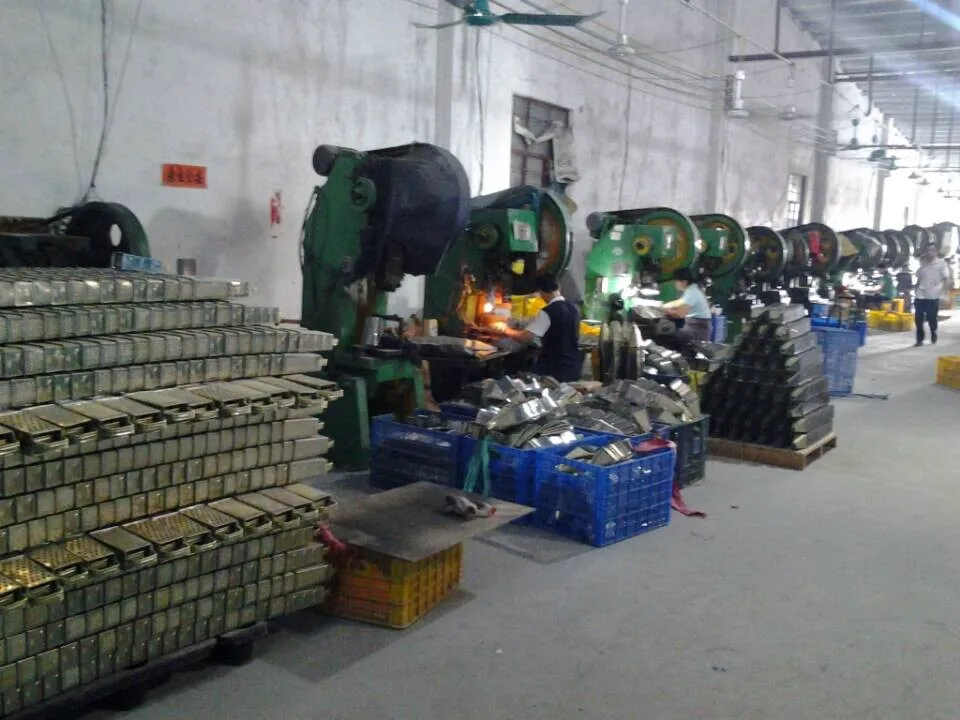
Huorun Import & Export Co., Ltd. (ASIA BEST BRANCH)
- Trading Company
- Guangdong, China
- Lead time30 days
- Avg. response≤ 7h
Main productsKitchen Knife & Scissor,Kitchen Tools,BBQ Tools,Wooden Cutting Boards,Manicure & Beauty Tools
Main marketsWestern Europe(45.00%), South America(20.00%), Eastern Asia(10.00%), Northern Europe(10.00%), Eastern Europe(5.00%), Central America(5.00%), North America(5.00%)
Shuifu Huiyang Agricultural Technology Co., Ltd.
- Verified by SGS
- Trading Company
- China Yunnan
- Lead time23 days
- Avg. response≤ 3h
Main productsBamboo Products, Bamboo Crafts, Bamboo Chopsticks, Bamboo Skewers, Bamboo Weaving, Bamboo Tray, Bamboo Box, Bamboo Placemat, Bamboo Fruit Bowl, Lamp Shades
Main marketsDomestic


Solid Wood & Bamboo Spatula Set - Eco-Friendly Kitchen Tools, Gentle on Cookware
$68.00
MOQ: 10 Pieces


Yangjiang Yangdong Everrich Industry Co., Ltd.
- Manufacturer, Trading Company
- Guangdong, China
- Lead time25 days
- Avg. response≤ 2h
Main productsKitchen Knife Set,Single Knife,Damascus Knife,Kitchen Utensils,Magnetic Rack
Main marketsEastern Europe(20.00%), North America(18.00%), Domestic Market(10.00%), Mid East(10.00%), Southern Europe(9.00%), Northern Europe(8.00%), South America(5.00%), Central America(5.00%), Eastern Asia(5.00%), Southeast Asia(5.00%), Western Europe(5.00%)

Wood Handle Knife Set With Wooden Box Package - Stainless Steel Chef Knife Set - Bbq Carving Knife
$6.14 - $6.83
MOQ: 2000 sets


Yangjiang Zhiyuan Hardware&Plastic Products Co., Ltd.
- Verified by TUVRHEINLAND
- Manufacturer/Factory
- China Guangdong
- Lead time0 days
- Avg. response≤ 4h
Main productsKnife, Kitchen Tools, Pizza Peel Shovel, Kitchen Accessories, Wooden Bamboo Cutlery, Wood Bamboo Decoration
Fuzhou Xianxu Trading Co., Ltd.
- Verified by TüVRheinland
- Manufacturer, Trading Company
- Lead time60 days
Main productsBamboo Wood Products
Main marketsNorth America(55%), Western Europe(35%), Southeast Asia(10%)

Wenzhou Cathylin International Trade Co., Ltd.
- Verified by TUVRHEINLAND
- Trading Company
- China Zhejiang
- Lead time15 days
- Avg. response≤ 14h
Main productsFlatware, Cutlery, Kitchen Tools, Tableware, Cookware, Bakeware, Drinkware
Main marketsNorth America

Yiwu Changhong Trading Co., Ltd.
- Trading Company
- Zhejiang, China
- Lead time7 days
- Avg. response≤ 3h
Main productsWater bottle,kitchenware,clearing article,Household storage supplies,Festival items
Main marketsNorth America(20.00%), Mid East(20.00%), Southeast Asia(15.00%), Northern Europe(10.00%), Southern Europe(5.00%), Eastern Europe(5.00%), Central America(5.00%), South America(5.00%), Western Europe(5.00%), Oceania(5.00%), Africa(5.00%)
Fuzhou Anyo Houseware Co., Ltd.
- Verified by TüVRheinland
- Manufacturer, Trading Company
- Lead time30 days
Main productsLaundry Bags & Baskets, Kitchen & Tabletop, Home Furniture, Pet Products
Main marketsNorth America(70%), Western Europe(30%)

Seer Hardware Industry&Trade Co., Ltd.
- Combined
- China Guangdong
- Lead time30 days
- Avg. response≤ 6h
Main productsKnife, Camping Knife, Folding Knife, Kitchen Knife, Hunting Knife, BBQ Tools, Laguiole Knife, Manicure Set, Knife Set, ODM OEM Knife
Main marketsSouth America,Southeast Asia/ Mideast,East Asia(Japan/ South Korea),Europe,North America

Cutlery Plastic Kitchen Knife with Peeler Cutting Board Kitchen Knives Set
$0.43 - $0.47
MOQ: 1000 Sets


Professional 5PCS Hollow Handle Kitchen Knife Sets with Wooden Holder (SE-A14)
$10.00 - $15.00
MOQ: 500 Sets


Yangjiang Yangdong District Berial Cutting Tools Co., Ltd.
- Verified by SGS Group
- Manufacturer, Trading Company
- Lead time30 days
Main productsDamascus knife/ Knife Set/ Santoku knife/ Chef Knife/ Steak Knife
- Trading Company
- Lead time旺季: "1 - 10":40,"> 10":"To be negotiated", 淡季: "1 - 10":40,"> 10":"To be negotiated"
Main productsDaily Necessities, Kitchen Item, Home Decor, Storage Item, Pet Products
Dalian Huayufei International Trade Co., Ltd.
- Verified by SGS Group
- Trading Company
- Lead time30 days
Main productschopsticks,bamboo chopsticks,wooden chopsticks,bamboo sushi rolling mat,bamboo skewer
Main marketsNorth America(20%), Southeast Asia(20%), Eastern Asia(20%)

Shanghai Zanpai Trading Co., Ltd.
- Trading Company
- Shanghai, China
- Lead time30 days
- Avg. response≤ 2h
Main productsarmor,swords,models,armours,metal craft models
Main marketsDomestic Market(7.14%), South Asia(7.14%), Southern Europe(7.14%), Northern Europe(7.14%), Central America(7.14%), Western Europe(7.14%), Eastern Asia(7.14%), Mid East(7.14%), Oceania(7.14%), Africa(7.14%), Southeast Asia(7.14%), Eastern Europe(7.14%), South America(7.14%), North America(7.14%)

- Trading Company
- China Guangdong
- Lead time15 days
- Avg. response≤ 4h
Main productsHouseware, Bathroom Set, Bathroom Accessory, Kitchenware, Tableware, Wine Accessory, Bath Set, Home Decoration, Soap Dispenser, Bath Ensembles
Main marketsDomestic,North America
Changxing Grand Home Products Co., Ltd.
- Verified by SGS Group
- Trading Company
- Lead time30 days
Main productsCutting Boards; Cheese Boards, Bamboo Organizer; Storage Baskets; Racks; Storage Bags; Mesh Bags, Bread Bags, Placemats
Main marketsWestern Europe(35%), North America(20%), Eastern Europe(20%)

Jinjiang Jiaxing Import and Export Co., Ltd.
- Verified by CTI
- Manufacturer/Factory
- China Fujian
- Lead time120 days
- Avg. response≤ 1h
Main productsShoes, Slipper, Clothes, Promotion Gifts, Silicone Products, Outdoor Sports Products, Bags, Fashion Accessories, Consumer Electronics
Main marketsSouth America,Eastern Europe,Mid East,North America,Southeast Asia,Eastern Asia,Oceania,Western Europe,Africa

Yangjiang Bangchubao Industry and Trade Co.,Ltd
- Verified by BV
- Combined
- China Guangdong
- Lead time23 days
- Avg. response≤ 7h
Main productsKitchen Knife, Chef Knife, Fruit Knife, Carving Knife, Scissors, Utility Knife, Vegetable Knife, Vegetable Peeler, Meat Cleaver, Bread Knife
Main marketsDomestic

Yangjiang Selectedhardware Enterprise Co., Ltd.
- Trading Company
- China Guangdong
- Lead time30 days
- Avg. response≤ 1h
Main productsCommercial Knives, Industrial Knives, Kitchen Knives, Scissors
Main marketsSouth America,Africa,Southeast Asia/ Mideast,Europe,North America

6 Piece Kitchen Knife Set with Stainless Steel Blade and Bamboo Handle
$10.00 - $14.00
MOQ: 1000 Pieces



- Trading Company
- Shandong, China
- Lead time25 days
- Avg. response≤ 2h
Main productsBamboo and wood products,wood craft,wood tray,wall shelf,storage organizer
Main marketsNorth America(55.00%), Western Europe(20.00%), South America(8.00%), Southern Europe(5.00%), South Asia(5.00%), Mid East(5.00%), Eastern Europe(2.00%)

Xiamen Forever Rise Imp and Exp Co., Ltd.
- Verified by BV
- Trading Company
- China Fujian
- Lead time23 days
- Avg. response≤ 20h
Main productsBamboo Plywood, Bamboo Panel, Bamboo Chopping Board, Bamboo Pizza Board, Bamboo Kitchenwares, Bamboo Weaving Mat, Bamboo Table Top, Bamboo Skewer Sticks, Outdoor Bamboo Decking, Outdoor Wall Panel
Main marketsSoutheast Asia/ Mideast,East Asia(Japan/ South Korea),Europe,Australia,North America
Yangjiang Lezhong Industry & Trading Co., Ltd.
- Manufacturer, Trading Company
- Guangdong, China
- Lead time0 days
- Avg. response≤ 1h
Main productskitchen knife,outdoor knife,steak knife,cheese knife,grill tool
Main marketsNorth America(30.00%), Eastern Europe(20.00%), Africa(20.00%), Northern Europe(10.00%), Western Europe(10.00%), South America(10.00%)

Xiamen Ebei Import & Export Co., Ltd.
- Verified by CTI
- Trading Company,Manufacturer/Factory
- China Fujian
- Lead time45 days
- Avg. response≤ 2h
Main productsEco-Friendly Products, Bamboo Tableware, Bamboo Furniture, Bamboo Kitchenware, Bamboo Office Supply, Bamboo Fibre Products, Biodegradable Products, Bamboo Towel, Solar Energy Products, Bamboo Garden Products
Main marketsSouth America,Eastern Europe,Mid East,North America,Southeast Asia,Eastern Asia,Oceania,Western Europe,Africa


Cheese Maker's Set: 2 Cheese Cutting Knives
MOQ: 1000 Sets

Guangzhou Garbo International Trading Co., Ltd.
- Verified by TUVRHEINLAND
- Trading Company,Manufacturer/Factory
- China Guangdong
- Lead time45 days
- Avg. response≤ 7h
Main productsGlassware, Glass Cup, Glass Mug, Glass Bowl, Glass Candy Jar, Glass Pitcher, Glass Ice Cream Cup and Ice Bucket, Opal Glassware, Stainless Steel Cutlery, Ceramic Dinnerware
Main marketsSouth America,Eastern Europe,Mid East,North America,Southeast Asia,Eastern Asia,Oceania,Western Europe,Africa

Xiamen Luckypack Paper Products Co., Limited
- Verified by TUVRHEINLAND
- Manufacturer/Factory
- China Fujian
- Lead time30 days
- Avg. response≤ 13h
Main productsPaper Cup, Biodegradable Tableware, Disposable Cup, Food Box
Main marketsEastern Europe,North America,Southeast Asia

Fujian Hoyee Household Items Co., Ltd.
- Verified by BV
- Manufacturer/Factory
- China Fujian
- Lead time0 days
- Avg. response≤ 10h
Main productsBamboo Products, Cutting Board, Bathtub Caddy, Bath Mat, Bath Towel Rack, Shoes Rack, Office Organizer, Desk Organizer, Cheese Board, Serving Tray
Yueqing Hongqiao showhigh cutlery Factory
- Verified by SGS
- Trading Company
- China Zhejiang
- Lead time15 days
- Avg. response≤ 14h
Main productsMovie Swords, Fantasy Swords, Larp Toy Swords, Cane Swords, Handmade Katana, Daggers Fantasy Knife, Hunting Knife, Medieval Shields, Daggers
Main marketsSoutheast Asia/ Mideast,Europe,North America

Handmade High Carbon Steel Kitchen Knife Set Chef Knife Santoku Chopper Knife Kk396
$70.00 - $295.00
MOQ: 1 Pieces


- Verified by BV
- Trading Company,Manufacturer/Factory
- China Zhejiang
- Lead time15 days
- Avg. response≤ 8h
Main productsCeramic Mug, Kitchen Storage, Water Bottle, Cookware Set, Charger Plates, Shaker Set, Storage Rack, Food Container, Kitchen Accessories, Yiwu Agent
Main marketsSouth America,Eastern Europe,Mid East,North America,Southeast Asia,Eastern Asia,Oceania,Western Europe,Africa

Yangjiang Feehome Tech Co., LTD
- Verified by TUVRHEINLAND
- Trading Company,Manufacturer/Factory,Group Corporation,Other
- China Guangdong
- Lead time23 days
- Avg. response≤ 2h
Main productsKitchen Knives, Outdoor Knives, Nail Clippers, Kitchen Ware, Tea Infuser, BBQ Tools, Multi Function Tools, Kitchen Tools, Baking Tools, Coffee Tools
Main marketsSouth America,Eastern Europe,Mid East,North America,Southeast Asia,Eastern Asia,Oceania,Western Europe,Africa
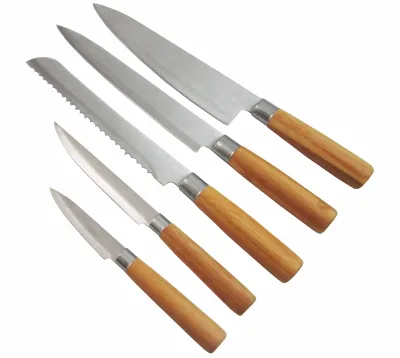
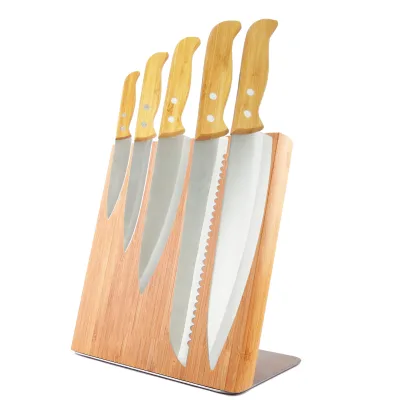
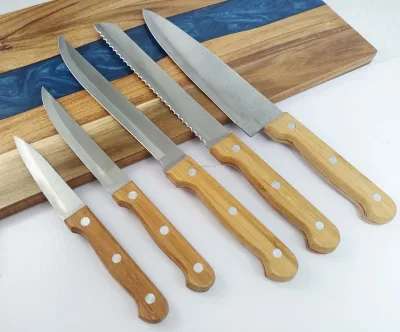



Comprehensive Sourcing Guide
Handmade Bamboo Kitchen Knife Set Supplier Concentration and Factory Types
The current supplier landscape for handmade bamboo kitchen knife sets reveals a distinct concentration of manufacturing activity within Guangdong, China, a region widely recognized for its robust supply chain infrastructure and specialized metalworking capabilities. This geographic clustering is not merely a coincidence but a result of decades of industrial development that has created a dense network of raw material suppliers, precision machining facilities, and assembly lines optimized for high-volume production. Buyers evaluating suppliers in this region should note that the majority of the observed entities are classified as trading companies rather than direct manufacturers. This distinction is critical because trading companies often act as intermediaries that consolidate products from multiple smaller factories, offering a broader catalog but potentially adding layers of markup and communication complexity. The presence of these trading companies suggests that while the physical production may occur in specialized workshops, the commercial interface is managed by entities focused on sales, logistics, and customer service rather than direct factory floor management.
Understanding the factory type is essential for determining the level of control a buyer has over the production process. Trading companies typically offer flexibility in terms of product variety and order size, making them suitable for buyers who need a mix of items or are testing the market with smaller initial orders. However, for buyers seeking deep customization, strict quality control oversight, or lower unit costs through direct negotiation, identifying a direct manufacturer is preferable. The observed data indicates that many suppliers list main products that extend beyond just knife sets, including kitchen tools, BBQ tools, and wooden cutting boards. This diversification suggests that these suppliers may have broader manufacturing capabilities or partnerships, allowing them to offer complementary products that can be bundled with handmade bamboo kitchen knife sets to create more comprehensive kitchenware collections. Buyers should verify whether the supplier’s primary focus is on the specific niche of bamboo-handled knives or if this is just one of many product lines, as this can impact the depth of expertise and quality assurance dedicated to the handmade bamboo segment.
How to Verify Handmade Bamboo Kitchen Knife Set Suppliers
Verifying the legitimacy and capability of suppliers requires a multi-layered approach that goes beyond simple profile reviews. One of the most immediate indicators of supplier reliability is their response time, which serves as a proxy for operational efficiency and customer service quality. In the current dataset, response times are recorded, with some suppliers showing a seven-day response window. While this may seem slow for immediate inquiries, it could reflect a structured workflow where inquiries are batched and processed by dedicated teams. Buyers should prioritize suppliers who demonstrate consistent and timely communication, as this is crucial for resolving issues related to custom designs, material specifications, and shipping logistics. Additionally, buyers should request detailed product specifications that align with their requirements, such as the specific type of bamboo used, the hardness of the handle, and the quality of the stainless steel blades. The observed products feature attributes like "Eco-Friendly" and "Sustainable" materials, which should be backed by tangible evidence or certifications rather than just marketing claims.
Another critical verification step involves assessing the supplier’s product evidence and attribute consistency. Buyers should examine the detailed product attributes provided, such as blade material, handle material, and packaging details, to ensure they match the supplier’s stated capabilities. For instance, some suppliers offer knife sets with bamboo handles and stainless steel blades, while others may use different materials for the handle or blade. It is important to verify that the supplier can consistently produce the specific variations requested, such as different blade lengths or handle finishes. Buyers should also inquire about the supplier’s quality control processes, including how they inspect bamboo for cracks or warping and how they test blade sharpness and durability. Requesting samples is a vital part of this verification process, allowing buyers to physically assess the craftsmanship, material quality, and overall finish of the handmade bamboo kitchen knife sets. This hands-on evaluation can reveal potential issues that are not apparent from product descriptions alone, such as the stability of the bamboo handle attachment or the balance of the knife.
What to Compare Across Handmade Bamboo Kitchen Knife Set Suppliers
When evaluating multiple suppliers, buyers must systematically compare key commercial and operational metrics to identify the best fit for their specific needs. One of the most significant factors is the minimum order quantity (MOQ), which varies considerably across suppliers. For example, some suppliers may require an MOQ of 3,000 units, while others might accept orders as low as 1,000 units. This variation can significantly impact a buyer’s inventory management and cash flow, especially for new entrants or those testing new markets. Buyers should also compare the lead times, which indicate how long it takes from order placement to shipment. A lead time of 30 days is observed in some cases, which is a standard timeframe for manufacturing and quality assurance but may be too long for urgent orders. Understanding these timelines allows buyers to plan their inventory replenishment cycles more effectively and avoid stockouts or excess inventory.
Price is another critical dimension for comparison, but it should be analyzed in conjunction with other factors such as MOQ and lead time. The observed price ranges for handmade bamboo kitchen knife sets vary, with some products priced around $0.92 to $0.98 per unit and others significantly higher at around $8.76 per unit. These price differences likely reflect variations in material quality, craftsmanship, packaging, and included accessories, such as bamboo holders or magnetic stands. Buyers should not simply choose the lowest price but rather evaluate the value proposition, considering the durability, aesthetic appeal, and functional performance of the knives. Additionally, buyers should compare the supplier’s main products to ensure they align with their broader sourcing strategy. Suppliers that offer a wide range of kitchenware, including wooden cutting boards and BBQ tools, may provide better opportunities for bundling and cross-selling. By systematically comparing these metrics, buyers can make informed decisions that balance cost, quality, and operational efficiency.
Common Handmade Bamboo Kitchen Knife Set Sourcing Risks
Sourcing handmade bamboo kitchen knife sets involves several inherent risks that buyers must proactively manage to ensure a successful procurement process. One of the primary risks is the variability in material quality, particularly concerning the bamboo used for handles. Bamboo is a natural material that can be susceptible to cracking, warping, or insect damage if not properly treated and stored. Buyers should verify that suppliers use high-quality, mature bamboo that has been dried and treated to prevent these issues. Additionally, the bonding process between the bamboo handle and the stainless steel blade is critical; a weak bond can lead to handle detachment during use, posing a safety hazard. Buyers should request information on the adhesives and manufacturing techniques used to ensure a durable and safe product. Another risk is the inconsistency in blade sharpness and edge retention, which can affect the user experience and product reputation.
Packaging and logistics also present significant risks, especially for products with natural materials like bamboo. Improper packaging can lead to damage during transit, resulting in broken handles or dented blades. Buyers should ensure that suppliers use robust packaging materials, such as sturdy boxes and protective inserts, to safeguard the products during shipping. Furthermore, the risk of non-compliance with international standards and regulations cannot be overlooked. Buyers must verify that the suppliers adhere to relevant safety and quality standards, such as food contact safety regulations for the materials used. This includes ensuring that the bamboo is free from harmful chemicals and that the stainless steel blades are made from food-grade materials. Buyers should also be aware of the potential for delays in production or shipping, which can disrupt their supply chain. Establishing clear communication channels and setting realistic expectations with suppliers can help mitigate these risks and ensure a smoother sourcing experience.
Handmade Bamboo Kitchen Knife Set Regional Sourcing and Logistics
The regional concentration of suppliers in Guangdong, China, offers both advantages and challenges for buyers sourcing handmade bamboo kitchen knife sets. Guangdong is a major manufacturing hub with well-developed infrastructure, including ports, highways, and logistics networks, which facilitates efficient export operations. This proximity to major shipping routes can reduce transit times and costs, making it an attractive location for international buyers. However, buyers should also consider the potential for congestion and competition for logistics capacity, especially during peak seasons. Understanding the local logistics landscape is crucial for planning shipments and avoiding delays. Buyers should work with suppliers who have experience in international shipping and can provide accurate estimates for transit times and costs. Additionally, buyers should be aware of the specific export regulations and documentation requirements for products originating from China, including customs declarations and certificates of origin.
Logistics planning should also account for the specific handling requirements of handmade bamboo kitchen knife sets. Due to the natural nature of the materials, these products may require special care during storage and transportation to prevent damage from humidity or temperature fluctuations. Buyers should ensure that their logistics partners are equipped to handle these requirements, such as using climate-controlled containers or protective packaging. Furthermore, buyers should consider the environmental impact of their sourcing decisions and look for suppliers who prioritize sustainable practices. This includes using eco-friendly packaging materials and implementing waste reduction strategies in their manufacturing processes. By aligning their logistics and sustainability goals with those of their suppliers, buyers can create a more resilient and responsible supply chain. It is also important to establish clear communication channels with logistics providers to track shipments and address any issues that may arise during transit.
Handmade Bamboo Kitchen Knife Set Commercial Terms and Order Planning
Effective order planning for handmade bamboo kitchen knife sets requires a thorough understanding of the commercial terms offered by suppliers. One of the key terms to negotiate is the payment structure, which can vary from upfront deposits to open account terms depending on the supplier’s trust level and the buyer’s credit history. Buyers should also clarify the Incoterms, such as FOB or CIF, to determine who is responsible for shipping costs and insurance. Understanding these terms is essential for calculating the total landed cost of the products and ensuring that there are no hidden fees. Additionally, buyers should discuss the warranty and return policies, particularly in the event of defective products or non-conformance to specifications. A clear warranty policy can provide peace of mind and protect the buyer from financial losses due to quality issues.
Order planning should also take into account the supplier’s production capacity and lead times to ensure timely delivery. Buyers should establish a regular ordering schedule that aligns with their sales forecasts and inventory levels, avoiding last-minute orders that may incur rush fees or result in delays. It is also important to build a strong relationship with the supplier, as this can lead to better pricing, priority production, and more flexible terms over time. Buyers should provide regular feedback on product quality and performance, which can help the supplier improve their offerings and meet the buyer’s evolving needs. By carefully managing commercial terms and order planning, buyers can optimize their sourcing strategy and achieve greater efficiency and profitability in their procurement of handmade bamboo kitchen knife sets. This proactive approach helps mitigate risks and ensures a smooth and successful sourcing experience.
FAQs
What is the price range for bamboo kitchen knife sets?
Prices for bamboo kitchen knife sets typically range from $0.92 to $8.77 per unit. The final cost depends on the specific configuration, blade material, and included accessories like holders. Buyers should verify exact pricing based on their selected model number and order quantity to ensure accurate budgeting.
What is the minimum order quantity for these sets?
Minimum order quantities vary by product model, generally ranging from 1,000 to 3,000 sets. Specific models may require 2,000 units or more. Buyers must check the MOQ for their chosen item to confirm feasibility, as smaller batches might not be available for standard bamboo knife sets.
How long does production take for bamboo knife sets?
Standard lead times for bamboo kitchen knife sets are approximately 30 days. This duration allows for manufacturing, quality control, and packaging preparation. Buyers should confirm specific timelines with suppliers, as rush orders or custom branding may affect the final delivery schedule and production capacity.
Are bamboo kitchen knife sets eco-friendly?
Yes, many bamboo kitchen knife sets are marketed as eco-friendly and sustainable. Bamboo handles and holders are renewable resources, and some sets feature additional green materials like wheat straw. Buyers looking for sustainable options should verify specific product features and certifications to ensure alignment with their environmental standards.
What materials are used in bamboo knife sets?
Bamboo knife sets typically combine stainless steel blades with bamboo handles or holders. Some models include additional materials like plastic handles or magnetic stands. The blades are often polished and straight-edged, while handles may be crafted from bamboo or composite materials for durability and aesthetic appeal.
Can I customize the logo on bamboo knife sets?
Custom logos are often available for bamboo kitchen knife sets. Suppliers typically offer branding options for handles, packaging, or accessories. Buyers should inquire about customization requirements, such as minimum order quantities for branded items, and provide high-resolution artwork to ensure accurate logo application on the final products.