Handmade Tufted Bed End Stool Suppliers and Manufacturers
Explore 31 verified options for Handmade Tufted Bed End Stool from Guangdong, China. Compare response times, lead times, certifications, and customization capabilities to find the right partner. Review product details and request quotes directly; review the available evidence before requesting comparable quotations from suitable candidates.
Updated
Suppliers List
FOSHAN EKAR FURNITURE CO., LTD.
- Verified by Intertek
- Trading Company
- Lead time30 days
- Avg. response≤ 6h
Main productsBedroom Furniture, Living Room Furniture, Dining Room Furniture, Apartment Furniture, Commercial Furniture
Main marketsMid East(20%), Eastern Asia(20%), North America(15%)
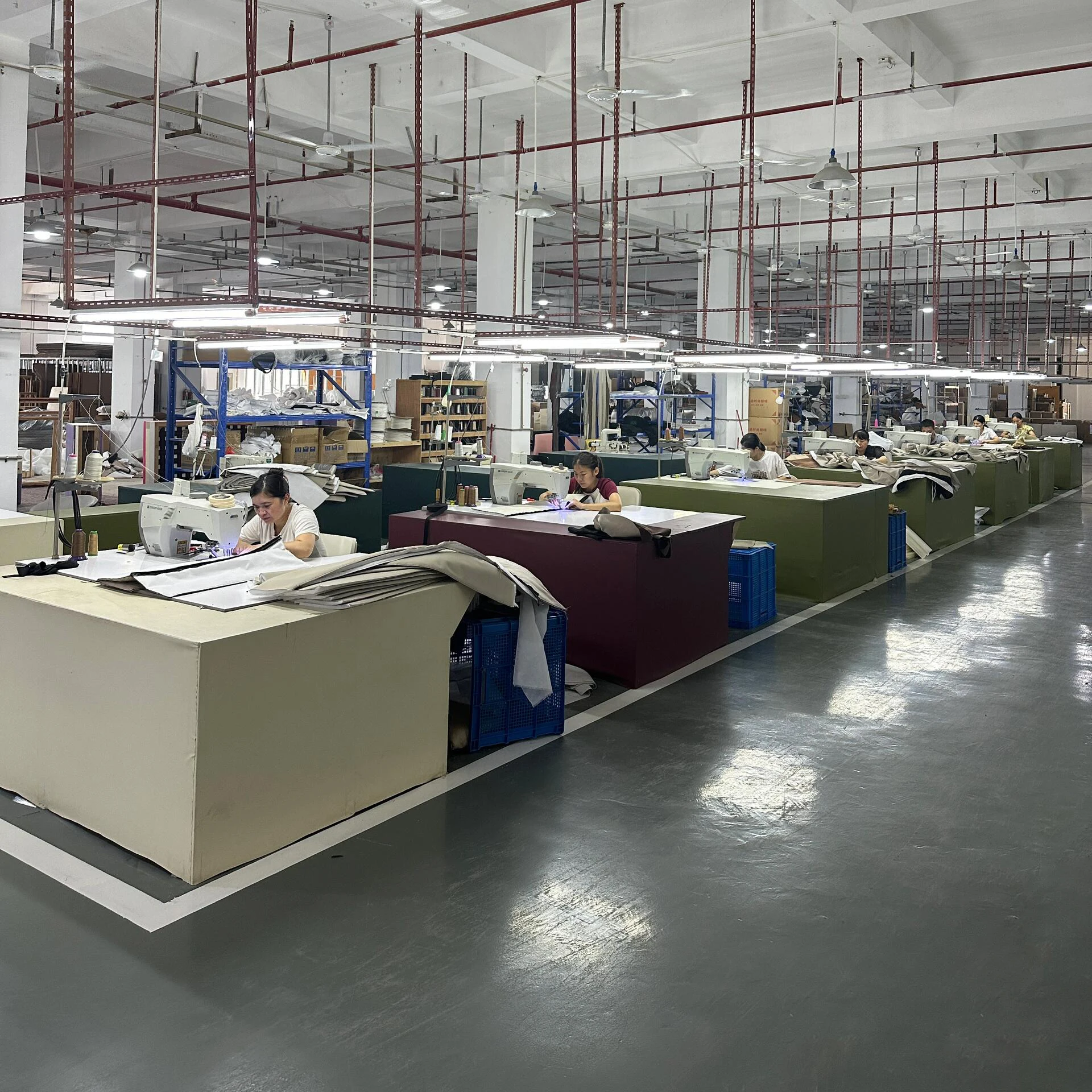
- Manufacturer
- Guangdong, China
- Lead time35 days
- Avg. response≤ 2h
Main productsLiving Room Furniture,Bedroom Furniture,Dining Room furniture,Customized furniture,other
Main marketsNorthern Europe(25.00%), North America(20.00%), Mid East(20.00%), South America(20.00%), Domestic Market(10.00%), Western Europe(5.00%)
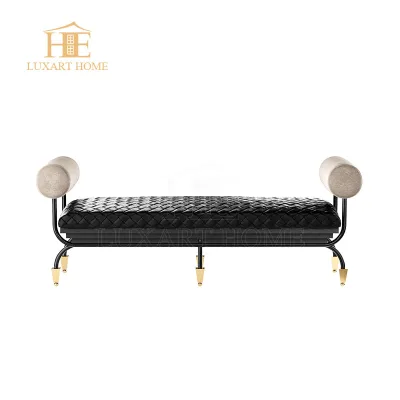
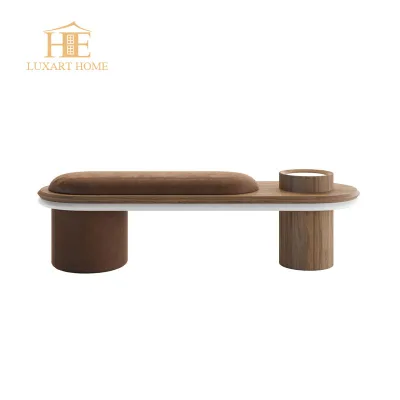
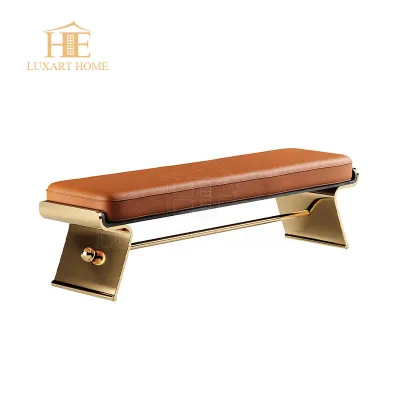
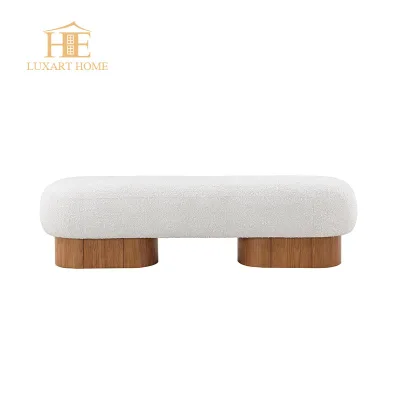
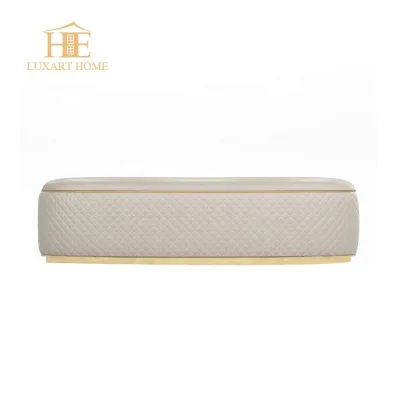
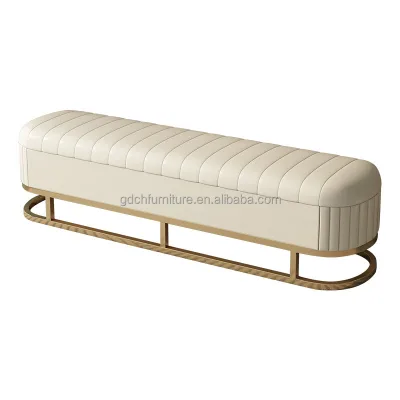
Customized Leather Bedroom Bench Set Luxury Bedroom Furniture King Size Bed Stool
$480.00 - $560.00
MOQ: 1

- Verified by TUVRHEINLAND
- Combined
- China Guangdong
- Lead time30 days
- Avg. response≤ 2h
Main productsDesigner Replica Chairs, Designer Tables, Fiberglass Chairs, Lounge Chairs, Leisure Chairs, Metal Wire Chairs, Office Sofas, Living Room Sofas, Commercial Furniture, Furniture
Main marketsEurope


$95.00 - $121.00
MOQ: 10 Pieces

Circle Deep Buttoned Tufted Stool Upholstered Footstool Round Storage Velvet Tufted Ottoman
$120.00 - $150.00
MOQ: 30 Pieces


Foshan Yunqi Furniture Co., Ltd.
- Verified by TUVRHEINLAND
- Trading Company,Manufacturer/Factory,Group Corporation
- China Guangdong
- Lead time23 days
- Avg. response≤ 3h
Main productsLiving Room Furniture, Dining Room Furniture, Bedroom Furniture, Children Furniture, Home Office Furniture, Outdoor Furniture
Main marketsNorth America,Oceania,Western Europe

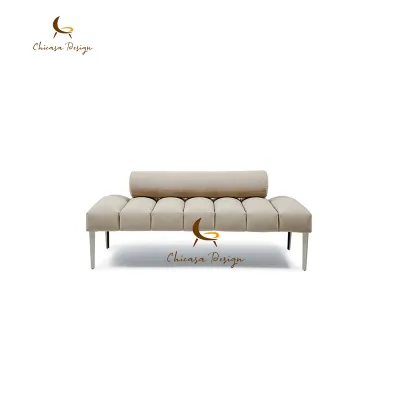
Cream Teddy Fleece Channel Tufted End of Bed Bench 6-Grid Segmented Padded Long Bedroom Foot Stool
$294.00 - $999.00
MOQ: 1 Pieces

Beige Quilted Leather Storage End of Bed Bench Hydraulic Lift Storage Ottoman Stool
$245.00 - $999.00
MOQ: 1 Pieces

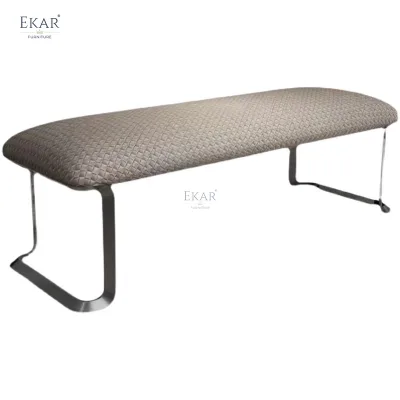
Brown Suede Upholstered End of Bed Bench Thin Gunmetal Metal Leg Long Bed Foot Stool
$194.00 - $999.00
MOQ: 1 Pieces


Dongguan Castle Furniture Co., Ltd.
- Manufacturer, Trading Company
- Guangdong, China
- Lead time30 days
- Avg. response≤ 3h
Main productsHotel Furniture,Villa furniture,Apartment furniture,Custom furniture,Metal furniture
Main marketsNorthern Europe(50.00%), Central America(30.00%), Southeast Asia(10.00%), Mid East(10.00%)

- Verified by SGS
- Manufacturer
- China Guangdong
- Lead time15 days
- Avg. response≤ 4h
Main productsFurniture, Dining Room Furniture, Living Room Furniture, Bedroom Furniture, Dining Table, Dining Chair, Sofa, Bed, Sideboard, Coffee Table
Main marketsSoutheast Asia/ Mideast,Europe,North America

Hangzhou Zhuoli Furniture Co., Ltd.
- Trading Company
- Zhejiang, China
- Lead time45 days
- Avg. response≤ 4h
Main productsDining Chair,Dining Table,living Room Sofa,Lounge Chiar,Bedroom Furniture
Main marketsNorth America(25.00%), Mid East(20.00%), South America(15.00%), Eastern Europe(10.00%), Domestic Market(10.00%), Northern Europe(8.00%), Western Europe(8.00%), Africa(4.00%)
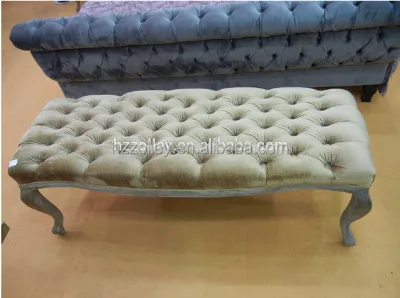
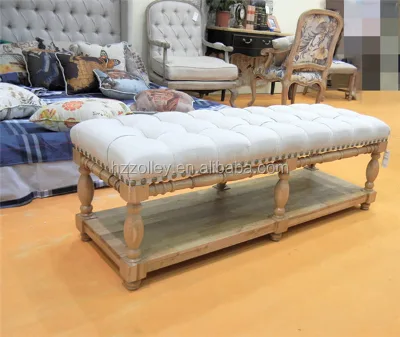
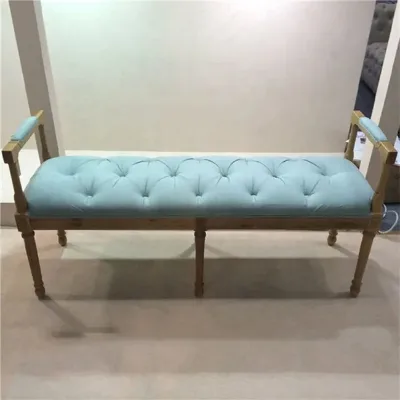
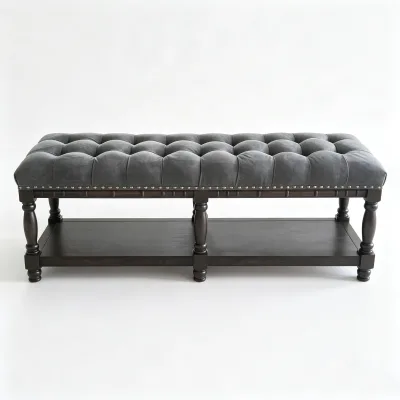
French Vintage Style Custom Bed End Bench,long Ottoman Bed End Foot Stool
$90.00 - $120.00
MOQ: 1 Minimum
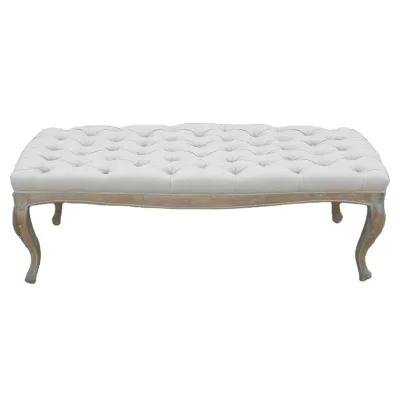
European Vintage Style Bed Room Bed End Stool Velvet Tufted Button Long Bench with Wooden Legs
$89.00 - $129.00
MOQ: 2 Minimum
Fuan Chengyi Furniture Co., Ltd.
- Trading Company
- Fujian, China
- Lead time0 days
- Avg. response≤ 4h
Main productssofa,chair,table
Main marketsNorth America(30.00%), Eastern Europe(30.00%), South America(20.00%), Mid East(20.00%)

GUANGDONG ZHIDA FURNISHINGS INDUSTRIAL CO., LTD
- Verified by TUVRHEINLAND
- Combined
- China Guangdong
- Lead time30 days
- Avg. response≤ 3h
Main productsHotel Furniture, Hotel Bedroom Furniture, Restaurant Furniture, Lobby Furniture, Sofa, Curtain, Fabric, Coffee Table, Chair, Bed
Main marketsEurope

Hotel Bedroom Furniture Home Fabric Sofa Chair Bedroom Upholstered Bed End Stool
$72.00 - $144.00
MOQ: 2 Sets

Modern Sofa Brown Bedside Stool Bedroom Bed Footstool Stainless Steel Base Minimalist Bed End Stool
$200.00 - $300.00
MOQ: 10 Sets


Luxury Pedal Bed Stool Living Room Sofa Chair Leather Fabric Long King Size Bed End Stool
$72.00 - $144.00
MOQ: 2 Sets

$80.00 - $150.00
MOQ: 10 Pieces

Foshan Dirani Design Furniture Co., Limited
- Trading Company
- Lead time旺季: "1 - 100":30,"> 100":"To be negotiated", 淡季: "1 - 100":30,"> 100":"To be negotiated"
- Avg. response≤ 4h
Main productsSofa, Bed, Chair, Table, Construction & Real Estate Products
Foshan Chicasa Furniture Co., Ltd.
- Verified by SGS Group
- Manufacturer, Trading Company
- Lead time30 days
- Avg. response≤ 2h
Main productsLiving Room Furniture, Bedroom Furniture, Dining Room Furniture, Home Office, Customized Background
Main marketsOceania(30%), North America(25%), Mid East(25%)

- Verified by SGS
- Trading Company
- China Guangdong
- Lead time60 days
- Avg. response≤ 13h
Main productsSofa Dining Table Bed Chair Coffee Table, Living Room Furniture, Dining Room Furniture, Bedroom Furniture, Hotel Furniture, Office Furniture, Outdoor Furniture, Mattress
Main marketsSouth America,Eastern Europe,Mid East,North America,Southeast Asia,Eastern Asia,Oceania,Western Europe,Africa

Classic Birch Wood Fabric Bedroom Ottoman Bench Antique Bed End Stool
$500.00 - $1000.00
MOQ: 1 Pieces

Modern Luxury Bed End Bench Upholstered Fabric Ottoman Long Stool Footstool for Bedroom Living Room
$300.00 - $3000.00
MOQ: 1 Pieces

Plush Gray Ottoman Bedroom Bench - Chic Bed End Stool for Elegant Bedroom Furniture
$300.00 - $3000.00
MOQ: 1 Pieces

Functional and Fashionable - Metal Frame Bed End Stool for Your Bedroom
$300.00 - $3000.00
MOQ: 1 Pieces


China Lizz Furnishings Co., Ltd.
- Verified by BV
- Combined
- China Guangdong
- Lead time15 days
- Avg. response≤ 13h
Main productsSofa, Lounge Chair, Coffee Table &Side Table, TV Stand, Cabinets, Dining Table&Dining Chair, Sideboards, Bed, Nightstands, Dressers
Main marketsDomestic

Modern Luxury Tufted Velvet Fabric Bedroom Stool Bed End Bench for Living Room Home Furniture
$669.00 - $699.00
MOQ: 3 Pieces


Modern Style Fabric Bedroom Bench with Solid Wood Legs Bed End Stool for Home or Hotel
$669.00 - $699.00
MOQ: 3 Pieces

Modern Bed Bench Factory Supply Irregular Shaped Leather Bed End Stool Ottoman for Bedroom Furniture
$1099.00 - $1199.00
MOQ: 3 Pieces
Quanzhou Hanyu Furniture Co., Ltd.
- Manufacturer, Trading Company
- Fujian, China
- Lead time0 days
- Avg. response≤ 1h
Main productsLiving room furniture,Dining room furniture,Bedroom furniture,Office furniture,Hotel furniture
Main marketsDomestic Market(50.00%), Western Europe(5.00%), Eastern Asia(5.00%), Southern Europe(5.00%), Oceania(5.00%), Africa(5.00%), Northern Europe(5.00%), Eastern Europe(5.00%), South America(5.00%), North America(2.00%), South Asia(2.00%), Mid East(2.00%), Southeast Asia(2.00%), Central America(2.00%)
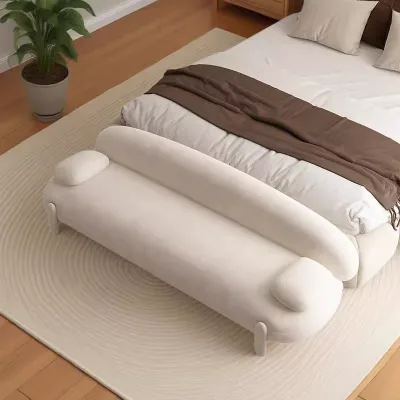
$100.2067 - $130.8822
MOQ: 2 pieces
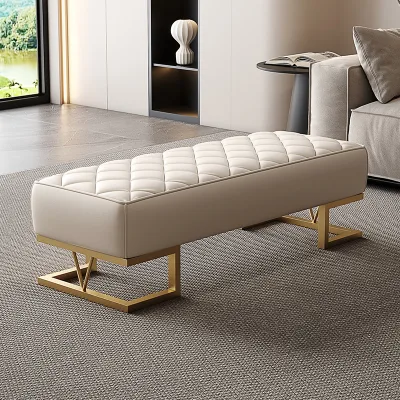
$38.8556 - $79.7573
MOQ: 2 pieces
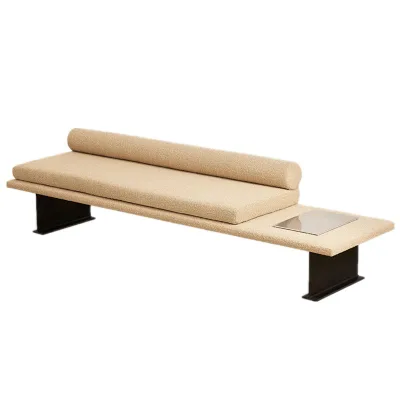

Foshan Lizz Import And Export Co., Ltd.
- Manufacturer, Trading Company
- Guangdong, China
- Lead time15 days
- Avg. response≤ 7h
Main productsLeather Sofa, Fabric Sofa
Main marketsNorth America(30.00%), Oceania(30.00%), Northern Europe(30.00%), Western Europe(5.00%), Africa(5.00%)
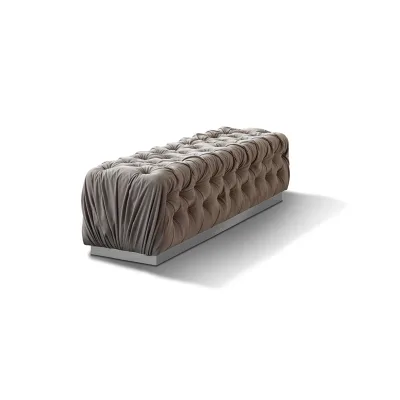
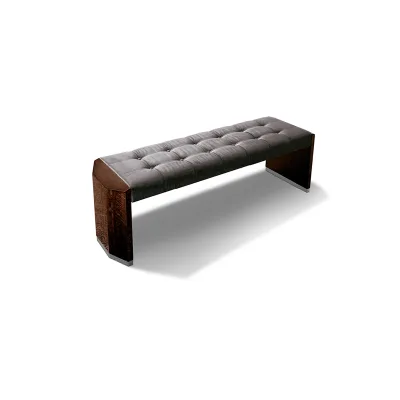
Modern Style Fabric Bedroom Bench with Solid Wood Legs Bed End Stool for Home or Hotel
$1204.20 - $1258.20
MOQ: 3 pieces
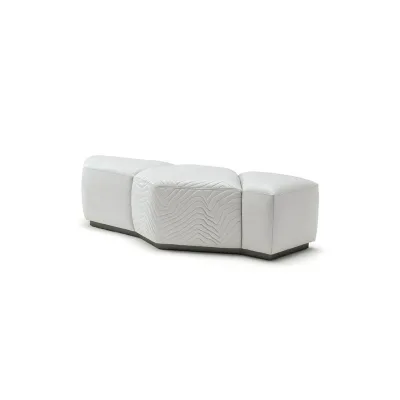
Modern Bed Bench Factory Supply Irregular Shaped Leather Bed End Stool Ottoman for Bedroom Furniture
$1099.00 - $1199.00
MOQ: 3 pieces
Guangdong Chuangheng Furniture Co., Ltd.
- Verified by SGS Group
- Manufacturer, Trading Company
- Lead time75 days
- Avg. response≤ 1h
Main productsCustomized Sofa, Customized Bed, Customized Desk, Customized Dining Table, Customized Cabinets
Main marketsNorth America(80%), Southeast Asia(15%), Africa(5%)
Chongqing JXT Furniture Co., Ltd.
- Trading Company
- Chongqing, China
- Lead time15 days
- Avg. response≤ 4h
Main productsOutdoor parasol,Bar stool,Restaurant table,commercial chair,pavilion
Main marketsNorth America(25.00%), Northern Europe(12.00%), Western Europe(12.00%), Central America(10.00%), Southern Europe(8.00%), Eastern Europe(8.00%), Mid East(7.00%), Africa(5.00%), South America(5.00%), Eastern Asia(5.00%), Southeast Asia(2.00%), Oceania(1.00%)
Fuzhou Magi Home Decor Co., Ltd.
- Verified by SGS Group
- Manufacturer, Trading Company
- Lead time45 days
- Avg. response≤ 2h
Main productsAntique Furniture, Home Decor, Mirror, Wine Rack, Shelf
Main marketsNorth America(88%), Western Europe(12%)

Hengshui Lihao Import And Export Trading Co., Ltd.
- Trading Company
- Hebei, China
- Lead time15 days
- Avg. response≤ 4h
Main productsMen's clothing,Women's clothing,Underwear,watch,socks
Main marketsNorth America(50.00%), Eastern Europe(10.00%), Southeast Asia(9.00%), Western Europe(5.00%), South America(5.00%), Africa(4.00%), Eastern Asia(4.00%), Mid East(4.00%), Oceania(4.00%), Domestic Market(1.00%), South Asia(1.00%), Southern Europe(1.00%), Northern Europe(1.00%), Central America(1.00%)
Quanzhou Bochuang Furniture Co., Ltd.
- Verified by Intertek
- Trading Company
- Lead time20 days
- Avg. response≤ 1h
Main productsHome Furniture, Commercial Furniture
Main marketsDomestic Market(50%), North America(30%), Oceania(10%)
Foshan Kehao Furniture Company Limited
- Verified by SGS Group
- Manufacturer, Trading Company
- Lead time7 days
- Avg. response≤ 4h
Main productsBed, Sofa, Chair, Dining Table, Mattress
Main marketsNorth America(30%), Western Europe(20%), Eastern Europe(10%)
Guangzhou Hongdu Technology Co., Ltd.
- Verified by TüVRheinland
- Manufacturer, Trading Company
- Lead time30 days
- Avg. response≤ 3h
Main productsSofa, Dining Table, Chairs, Bed, Office Set
Main marketsSouth America(10%), Mid East(10%), Eastern Asia(10%)

Shuifu Huiyang Agricultural Technology Co., Ltd.
- Verified by SGS
- Trading Company
- China Yunnan
- Lead time23 days
- Avg. response≤ 4h
Main productsBamboo Products, Bamboo Crafts, Bamboo Chopsticks, Bamboo Skewers, Bamboo Weaving, Bamboo Tray, Bamboo Box, Bamboo Placemat, Bamboo Fruit Bowl, Lamp Shades
Main marketsDomestic
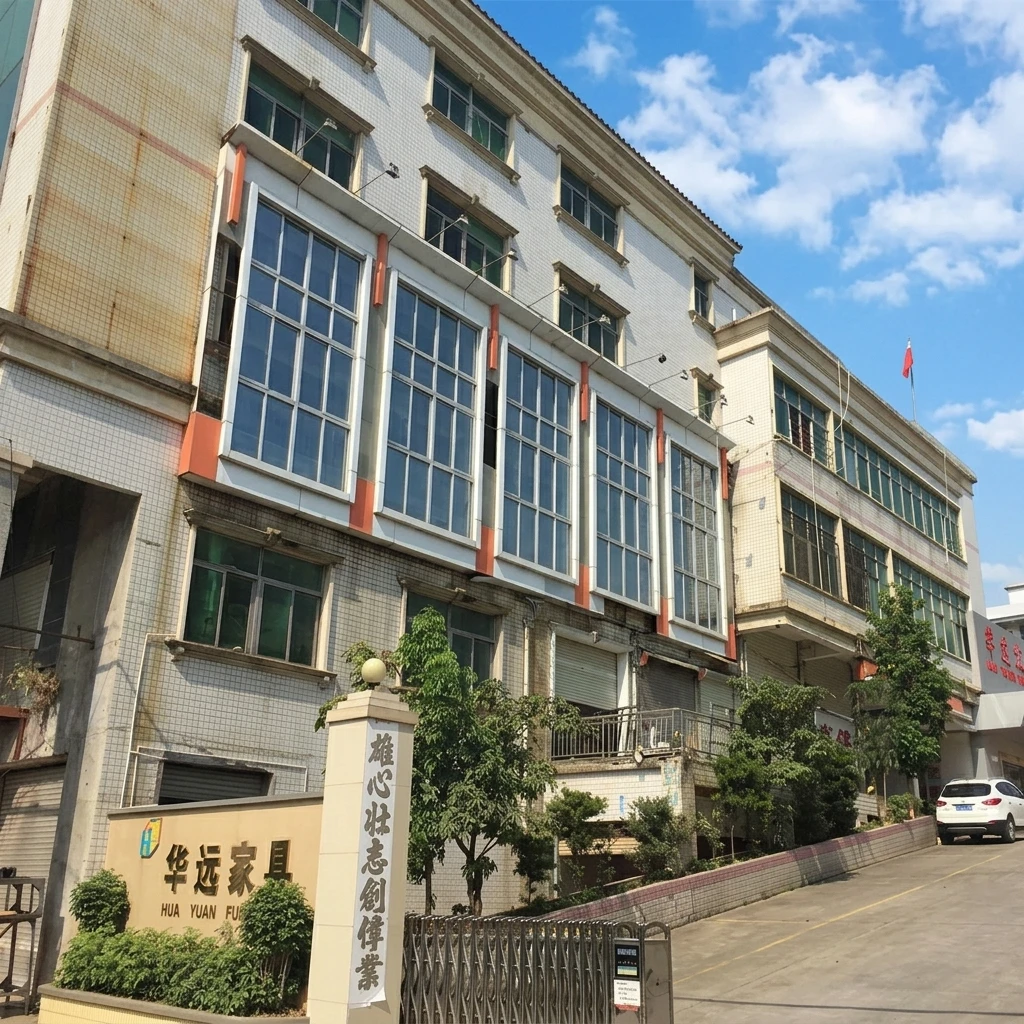
Dongguan Huayuan Intelligent Furniture Co., Ltd.
- Manufacturer, Trading Company
- Guangdong, China
- Lead time0 days
- Avg. response≤ 1h
Main productsSofa,Sofa bed,Chair,Ottoman,Bed bench
Main marketsNorth America(50.00%), Central America(25.00%), Northern Europe(10.00%), Mid East(5.00%), Eastern Europe(5.00%), Western Europe(5.00%)

Langfang Ruiyi Furniture Co., Ltd.
- Verified by TUVRHEINLAND
- Trading Company
- China Tianjin
- Lead time30 days
- Avg. response≤ 9h
Main productsDining Chair, Coffee Table, Dining Set, Wooden Chair, Plastic Chair, Dining Table, Metal Chair, Living Room Coffee Table
Main marketsOthers(foreignTradeCapacity.exportBusinessCapacityMarketOther),Europe

$25.90 - $27.90
MOQ: 100 Pieces

$25.90 - $27.90
MOQ: 100 Pieces
Foshan As Smart Technology Co., Ltd.
- Trading Company
- Guangdong, China
- Lead time0 days
- Avg. response≤ 3h
Main productssofa,bed,dining table,dining chair,desk
Main marketsNorth America(38.00%), Africa(20.00%), South America(15.00%), Southeast Asia(13.00%), Mid East(6.00%), Oceania(5.00%), Eastern Europe(2.00%), Eastern Asia(1.00%)

Langfang Airun Imp. & Exp. Co., Ltd.
- Verified by BV
- Trading Company
- China Hebei
- Lead time15 days
- Avg. response≤ 7h
Main productsDining Table, Coffee Table, Dining Chair, Hotel Chair, Leisure Chair, Plastic Chair, Metal Chair, Fabric Covered Chair, TV Stand, Sideboard
Main marketsSouth America,Africa,Southeast Asia/ Mideast,Europe,North America

Wholesale Modern Design Velvet Tufted Square Shaped Home Stool & Ottoman for Living Room Bedroom
$33.30 - $40.00
MOQ: 100 Pieces


Shanghai Miaolian Industry Co., Ltd.
- Verified by TUVRHEINLAND
- Manufacturer/Factory
- China Shanghai
- Lead time45 days
- Avg. response≤ 3h
Main productsFurniture, Restaurant Furniture, Hotel Furniture, Chair, Table, Sofa, Bed, Cabinet, Restaurant, Hotel
Main marketsSouth America,Eastern Europe,Mid East,North America,Southeast Asia,Eastern Asia,Oceania,Western Europe,Africa
Luckywind Handicrafts Company Ltd.
- Verified by TüVRheinland
- Manufacturer, Trading Company
- Lead time50 days
- Avg. response≤ 7h
Main productsPlanter Pot, Mirror, Wall Decor, Candle Lantern, Decorative Furniture
Main marketsNorth America(80%), Western Europe(20%)

- Verified by TUVRHEINLAND
- Trading Company,Manufacturer/Factory
- China Shandong
- Lead time23 days
- Avg. response≤ 9h
Main productsFolding Table, Chiavari Chair, Beer Table, Louis Chair, Bentwood Chair, Cross Back Chair, Stainless Steel Chair, Bamboo Folding Table and Chair
Main marketsSouth America,Eastern Europe,Mid East,North America,Southeast Asia,Eastern Asia,Oceania,Western Europe,Africa

Antique Square Rattan Wooden Upholstered Storage Ottoman Stool for Home
$15.50 - $19.50
MOQ: 50 Pieces

Jingdezhen Suolide Ceramic Co., Ltd.
- Manufacturer, Trading Company
- Jiangxi, China
- Lead time30 days
- Avg. response≤ 2h
Main productsCeramic Vase/Ceramic Jar/Ceramic Table Lamp/Ceramic Stool/Ceramic Floor Vase,ceramic lamp,ceramic dinnerware,ceramic jar
Main marketsDomestic Market(15.00%), Southern Europe(15.00%), Africa(10.00%), Northern Europe(10.00%), South America(10.00%), Central America(6.00%), North America(6.00%), Mid East(5.00%), Oceania(5.00%), Southeast Asia(5.00%), Eastern Europe(5.00%), Western Europe(5.00%), Eastern Asia(3.00%)
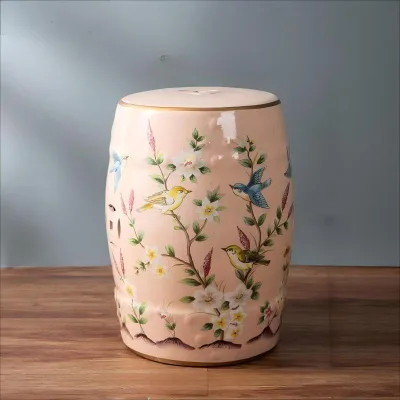
Hollow pink ceramic oriental stool table end garden round stool for yard decoration
$31.2601 - $35.1411
MOQ: 6 pieces
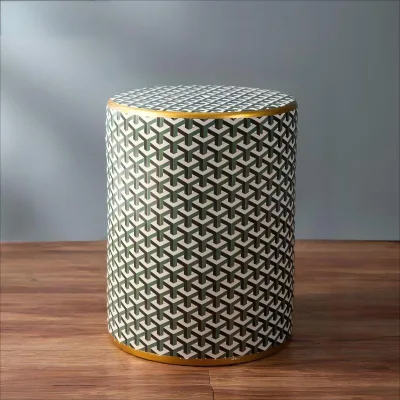
Stripe design dark green ceramic drum garden stool bed room decorating ideas side stool
$51.3857 - $57.6141
MOQ: 6 pieces


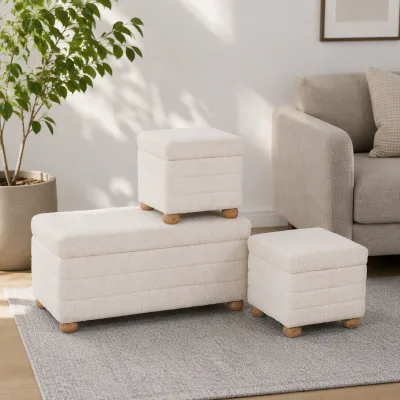
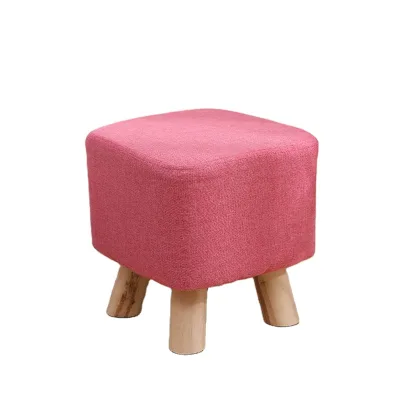
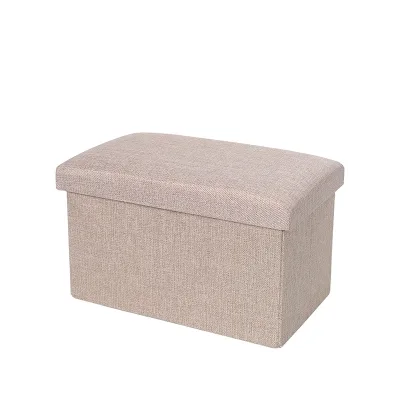
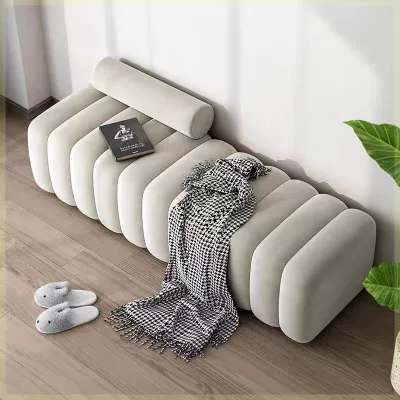
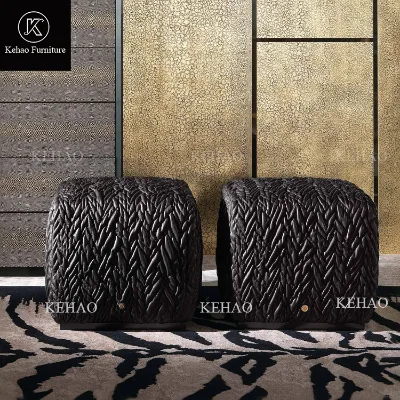

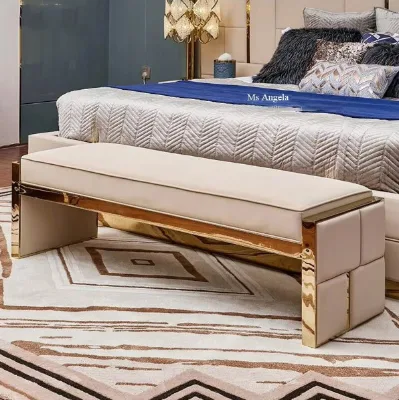
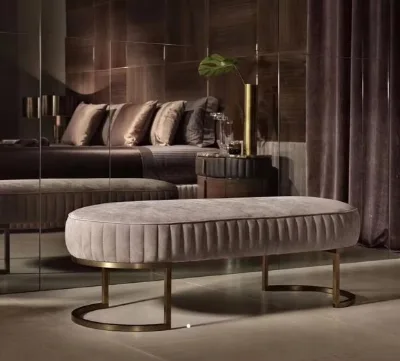
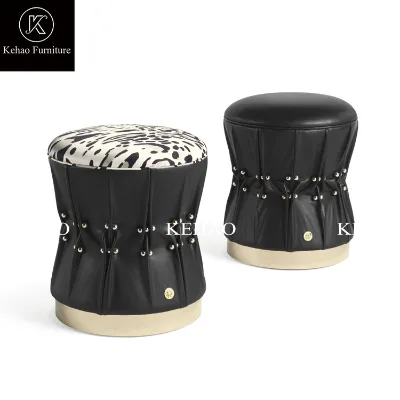
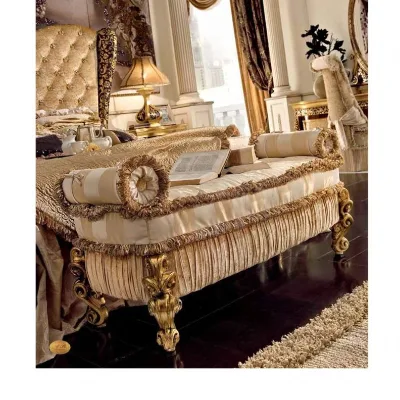
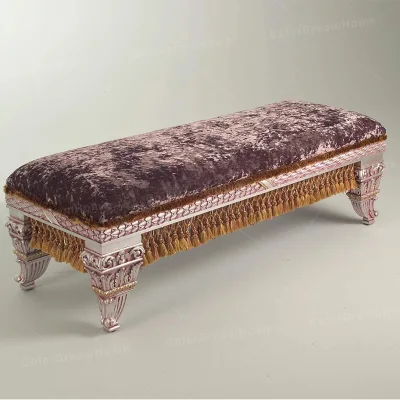
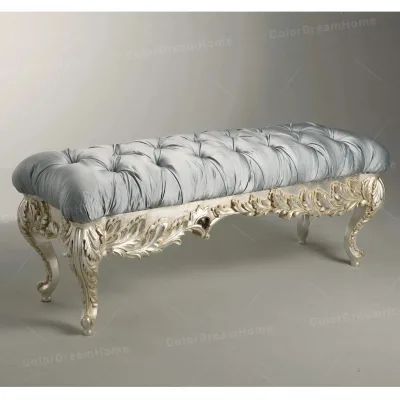
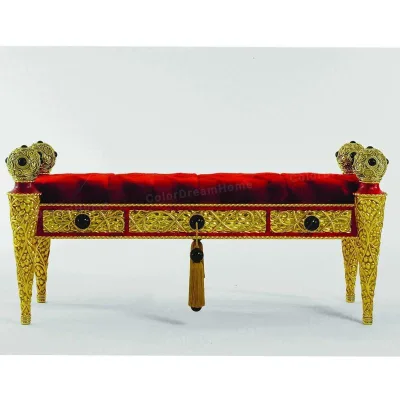


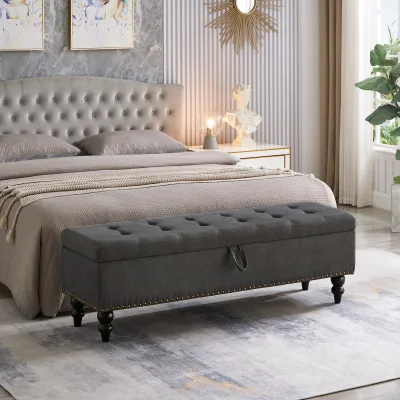
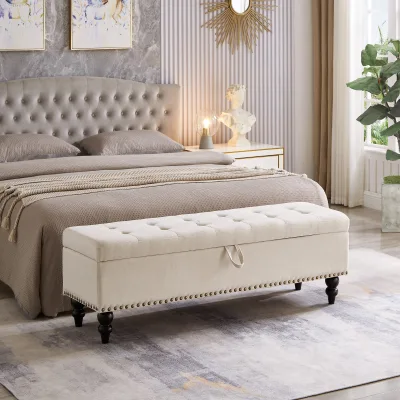
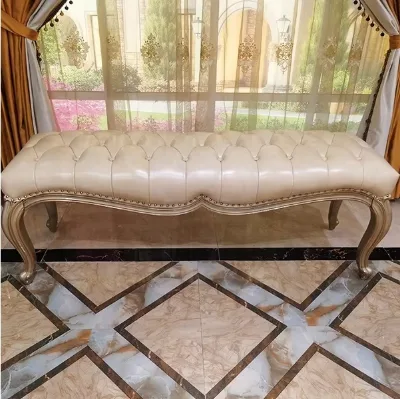
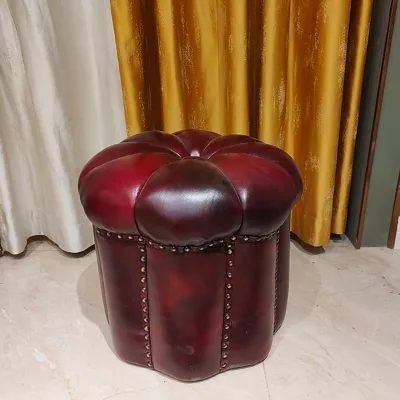


Comprehensive Sourcing Guide
Handmade Tufted Bed End Stool Supplier Concentration and Factory Types
The landscape for sourcing handmade tufted bed end stools is defined by a mix of manufacturing capabilities and trading structures, requiring buyers to distinguish between direct production sources and intermediary facilitators. Current market data indicates that suppliers offering these specific furniture items operate primarily as trading companies or manufacturers, each presenting distinct advantages for different procurement strategies. Trading companies often provide a broader aggregation of product lines, including bedroom, living room, and dining room furniture, which can simplify the sourcing process for buyers seeking comprehensive furniture packages rather than single-item purchases. These entities typically act as quality control checkpoints and logistical coordinators, leveraging their network to fulfill orders that might exceed the capacity of a single factory. Conversely, manufacturers offer direct access to production lines, which can be crucial for buyers requiring strict adherence to specific design specifications or those interested in deep customization of materials and dimensions. The presence of both types in the search results suggests a mature supply chain where buyers can choose based on their priority for price transparency versus service breadth.
Understanding the operational focus of these suppliers is essential for aligning expectations with reality. Many suppliers highlight their ability to handle light customization, sample processing, and graphic processing, indicating a flexibility that is particularly relevant for the bespoke nature of handmade tufted stools. This capability allows for adjustments in upholstery materials, such as leather or fabric, and structural elements like solid wood legs or metal frames. Buyers should note that while some suppliers emphasize their manufacturing roots, others position themselves as versatile trading entities capable of sourcing from multiple workshops. This distinction impacts the level of direct oversight a buyer can exert over the production process. For instance, a manufacturer might offer more insight into the specific techniques used for tufting and the density of sponge materials, whereas a trading company might offer faster access to a wider variety of existing stock designs. Recognizing this dynamic helps buyers determine whether they need a partner for long-term, custom development or a facilitator for quick, standardized procurement.
How to Verify Handmade Tufted Bed End Stool Suppliers
Verification of suppliers requires a multi-layered approach that goes beyond basic profile reviews, focusing on tangible evidence of operational legitimacy and quality assurance. One critical step is to examine third-party verification badges, such as those provided by Intertek, which serve as an independent confirmation of the supplier’s business status and operational capabilities. These verifications provide a baseline of trust, indicating that the entity has undergone scrutiny regarding its legal standing and physical existence. However, buyers should not rely solely on these badges; they must also scrutinize the specific certifications listed in the supplier’s profile, such as ISO45001, which relates to occupational health and safety management systems. While this certification does not directly guarantee product quality, it reflects a structured approach to workplace management, which can correlate with consistent production standards. Additionally, looking for product-specific certifications, such as TUV, offers further assurance regarding material safety and compliance with international standards, particularly important for furniture intended for commercial or hospitality use.
Beyond certifications, buyers should actively engage with suppliers to assess their responsiveness and technical knowledge, which are strong indicators of reliability. The response time metric is a valuable tool for gauging operational efficiency; suppliers with faster response times, such as those indicating a two-day or six-day turnaround, often demonstrate better communication channels and organizational readiness. This speed can be crucial during the negotiation phase, where quick clarifications on customization details or shipping terms can prevent delays. Furthermore, buyers should request detailed product attributes and specifications, such as material composition, sponge density, and exact dimensions, to verify the supplier’s attention to detail. For handmade items, asking for photos or videos of the actual production process or recent shipments can provide insight into the craftsmanship quality. Inquiring about warranty periods, such as the five-year warranties observed in some listings, also reveals the supplier’s confidence in their product durability. By combining verification badges, certification checks, and direct communication assessments, buyers can build a comprehensive picture of supplier reliability.
What to Compare Across Handmade Tufted Bed End Stool Suppliers
When evaluating multiple suppliers, buyers must systematically compare key operational metrics to identify the best fit for their specific procurement needs. Lead time is a primary differentiator, with observed ranges varying significantly, such as thirty days for some suppliers versus thirty-five to forty-five days for others. This variance can impact inventory planning and project timelines, making it essential to align supplier capabilities with delivery deadlines. Similarly, the minimum order quantity (MOQ) presents another critical comparison point; some suppliers offer an MOQ of just one piece, which is ideal for testing market response or fulfilling small boutique orders, while others may have higher thresholds. Buyers should also compare the main product categories offered by each supplier to ensure alignment with their broader sourcing strategy. Suppliers focusing on a wide range of furniture, including bedroom, living room, and commercial pieces, may offer better synergy for buyers looking to consolidate shipments.
Price and customization options are equally vital factors in the comparison process. While specific price points can fluctuate based on material choices and order volume, buyers should look for transparent pricing structures and compare the value proposition offered by each supplier. For instance, some suppliers highlight advantages such as fifteen years of furniture experience, which may justify a higher price point through superior craftsmanship and reliability. Customization capabilities, including the ability to adjust sizes, colors, and materials, should be evaluated based on the supplier’s stated capacity for light customization or full OEM/ODM services. Additionally, comparing the specific product attributes, such as the type of wood used, the density of the sponge, and the quality of the upholstery material, helps in assessing the long-term value of the product. Buyers should also consider the packaging methods, such as carton, foam, and wooden frame combinations, which affect shipping costs and product protection. By meticulously comparing these dimensions, buyers can make informed decisions that balance cost, quality, and logistical efficiency.
Common Handmade Tufted Bed End Stool Sourcing Risks
Sourcing handmade furniture carries inherent risks that buyers must proactively manage to ensure a smooth procurement experience. One significant risk is the variability in product quality, which is particularly prevalent in handmade items where manual processes can lead to inconsistencies in tufting depth, stitching precision, and material finish. Without clear specifications and quality control checkpoints, buyers may receive products that do not match the samples or expectations. This risk is compounded by the potential for miscommunication regarding customization details, such as exact dimensions or color shades, which can result in unusable inventory. To mitigate this, buyers should insist on detailed technical drawings and physical samples before committing to large orders, ensuring that all parties have a shared understanding of the final product requirements. Additionally, verifying the supplier’s ability to maintain consistency across production batches is crucial, especially for orders that span multiple manufacturing runs.
Another common risk involves logistical and payment complications, which can disrupt supply chains and financial planning. Delays in production or shipping can occur due to material shortages, labor issues, or inadequate planning on the supplier’s part. Buyers should be aware of the stated lead times and build in buffer periods to account for potential delays. Payment terms also pose a risk; while options like T/T, L/C, and Western Union are common, they vary in security and flexibility. Buyers should prefer payment methods that offer some level of protection, such as escrow services or letters of credit, to safeguard their funds until the goods are shipped or received. Furthermore, the risk of inadequate packaging cannot be overlooked, as furniture is prone to damage during transit. Buyers should review the supplier’s packing methods, ensuring they include robust materials like wooden frames and foam to protect the product. By identifying and addressing these risks early in the sourcing process, buyers can minimize disruptions and ensure a more reliable supply chain.
Handmade Tufted Bed End Stool Regional Sourcing and Logistics
Regional sourcing plays a pivotal role in determining the cost structure and logistical efficiency of procuring handmade tufted bed end stools. The majority of suppliers in this category are located in Guangdong, China, a region renowned for its robust furniture manufacturing ecosystem and advanced supply chain infrastructure. This concentration offers buyers access to a wide variety of materials, skilled labor, and specialized component suppliers, which can enhance both the quality and speed of production. However, buyers must also consider the logistical implications of sourcing from this region, including shipping distances, port availability, and customs procedures. Understanding the local manufacturing clusters can help buyers identify suppliers with better access to raw materials, potentially reducing lead times and costs. Additionally, the proximity to major shipping hubs in Guangdong can facilitate faster and more cost-effective export logistics, particularly for buyers in North America and Europe.
Logistics planning should also account for the specific characteristics of the product, such as its size and weight, which impact shipping costs and handling requirements. For example, the single package size and gross weight of the stools, as specified in product attributes, are critical factors in calculating freight charges and determining the optimal shipping method. Buyers should work closely with their suppliers to optimize packaging and loading configurations to maximize container space and minimize damage risks. Furthermore, considering the environmental and regulatory aspects of shipping from China is essential, as buyers must ensure compliance with import regulations and sustainability standards in their destination markets. By leveraging the advantages of the Guangdong manufacturing hub while carefully planning logistics, buyers can achieve a balance between cost efficiency and supply chain reliability. This approach ensures that the final product reaches the buyer in optimal condition and within the agreed timeframe.
Handmade Tufted Bed End Stool Commercial Terms and Order Planning
Effective order planning for handmade tufted bed end stools requires a thorough understanding of commercial terms and their impact on the overall procurement strategy. Payment terms are a fundamental aspect of this planning, with options such as T/T, L/C, and Western Union offering different levels of security and flexibility. Buyers should negotiate terms that align with their cash flow needs and risk tolerance, often preferring a split payment structure that releases funds upon shipment or delivery. Additionally, warranty terms, such as the five-year warranties observed in some listings, provide a safety net for product defects and should be clearly defined in the contract. Buyers must also consider the implications of customization on commercial terms, as bespoke orders may require higher deposits or non-refundable fees due to the specialized nature of the production. Understanding these terms helps buyers avoid unexpected costs and ensures a fair agreement with the supplier.
Order volume and pricing structures are also critical components of commercial planning. While some suppliers offer low MOQs, larger orders may qualify for volume discounts, which can significantly reduce the unit cost. Buyers should analyze the price ranges, such as those observed between five hundred forty and five hundred eighty units, to determine the best value for their specific order size. Furthermore, planning for future orders involves assessing the supplier’s capacity for scalability and consistency. Buyers should establish long-term relationships with suppliers who demonstrate reliability and quality, allowing for smoother negotiations and better terms in subsequent orders. By carefully planning commercial terms and order volumes, buyers can optimize their procurement strategy, ensuring cost-effectiveness and supply chain stability. This proactive approach enables buyers to manage risks and maximize the value of their investments in handmade furniture products.
FAQs
What is the minimum order quantity for bed end stools?
The minimum order quantity is typically one piece for most suppliers. This low threshold allows buyers to test product quality before committing to larger orders. It supports small-scale procurement needs and reduces initial inventory risk for new business relationships.
How long does production take for custom stools?
Production lead times generally range from 20 to 45 days depending on the supplier. Some manufacturers offer faster turnaround times of around 30 days. Buyers should confirm specific delivery schedules with the supplier to ensure alignment with project deadlines.
Are these stools suitable for hotel and commercial use?
Yes, many models are designed for hotels, villas, and office buildings. They feature durable materials like metal frames and high-density sponge. The applications listed include bedrooms, entryways, and commercial spaces, ensuring versatility for both residential and hospitality environments.
What materials are commonly used in these stools?
Common materials include metal frames, leather upholstery, and solid wood legs. Some options feature faux leather or velvet fabric with high-density sponge filling. Buyers can choose based on aesthetic preferences and durability requirements for their specific interior design projects.
Do suppliers offer customization services for these items?
Yes, customization is widely available including size, color, and material options. Suppliers accept OEM and ODM requests to meet specific design needs. Buyers can request tailored dimensions and upholstery choices to ensure the stools fit their unique space requirements perfectly.
What certifications do these furniture suppliers hold?
Some suppliers hold ISO45001 system certification for occupational health and safety. Product certifications like TUV may also be available for specific items. Buyers should verify current certification status directly with the supplier to ensure compliance with their quality and safety standards.