Handmade Reversible Wool Rug Suppliers and Manufacturers
Source 25 verified suppliers for Handmade Reversible Wool Rug products from China. Compare key dimensions including ISO certifications, response times, and lead times to identify suitable partners. Contact suppliers directly to request samples and confirm pricing; review the available evidence before requesting comparable quotations from suitable candidates.
Updated
Suppliers List

Rizhao F-Leader International Trade Co., Ltd.
- Verified by SGS
- Manufacturer/Factory
- China Shandong
- Lead time23 days
- Avg. response≤ 2h
Main productsCarpet, Carpet Tile, Floor Carpet, Rug, Mat, Weight Plate, Dumbbell, Barbell, Gym Equipment, Fitness Equipment
Main marketsSouth America,Eastern Europe,Mid East,North America,Southeast Asia,Eastern Asia,Oceania,Western Europe,Africa

Home Decoration Custom Bedroom Living Room Floor Handmade Wool Rug
$31.50 - $39.00
MOQ: 100 Square Meters

Luxury Hotel Bamboo Silk Carpet Wool Round Floor Handmade Wool Rug
$39.00 - $89.00
MOQ: 100 Square Meters

Factory Luxury Reception Office Hand Tufted Handmade Wool Rug Carpet-Rug-Mat
$59.00
MOQ: 200 Square Meters

Liaoning Taiyi Carpets Co., Ltd.
- Verified by BV
- Trading Company
- China Liaoning
- Lead time30 days
- Avg. response≤ 2h
Main productsHotel Carpet, Sisal Carpet, Handmade Carpet, Tile Carpet, Rug, Tufted Carpet
Main marketsSouth America,Africa,Southeast Asia/ Mideast,Europe,Australia,North America

Custom Made Wool Natural Fiber Reversible Cushioned Washable for Bedroom Handtufted Rug
$32.40 - $67.30
MOQ: 1 Square Meters

Handmade Wool Natural Silk Rug Villa Modern Interior Design Handtufted Rug
$32.40 - $67.30
MOQ: 1 Square Meters

High Quality Wool Custom Fashionable Interior Decorative Handmade Handtufted Rug
$32.40 - $67.30
MOQ: 1 Square Meters

Hot Sale Modern High Quality Handmade New Zealand Wool Handtufted Rug
$32.40 - $67.30
MOQ: 1 Square Meters

Custom Luxury Modern Soft Wool Living Room Decorative Handmade Handtufted Rug
$32.40 - $67.30
MOQ: 1 Square Meters

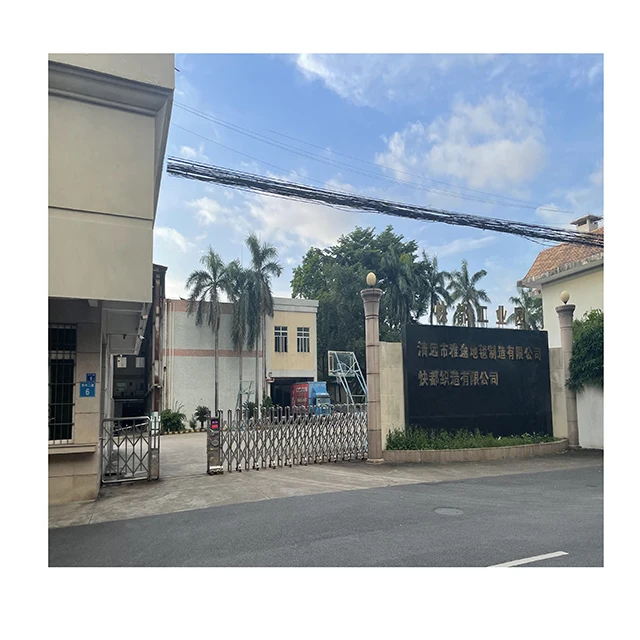
Guangdong Yatu Carpet CO., Ltd.
- Trading Company
- Guangdong, China
- Lead time20 days
- Avg. response≤ 2h
Main productscarpet,Handmade custom carpets,Living room bedroom carpet,Hotel carpet,Office carpet
Main marketsDomestic Market(45.59%), Mid East(15.23%), North America(10.23%), Oceania(7.68%), Northern Europe(6.23%), Western Europe(4.56%), South America(2.67%), Eastern Asia(1.94%), Eastern Europe(1.89%), Southeast Asia(1.69%), Southern Europe(1.23%), South Asia(1.03%), Central America(0.03%)

$27.5533 - $37.7575
MOQ: 1 square
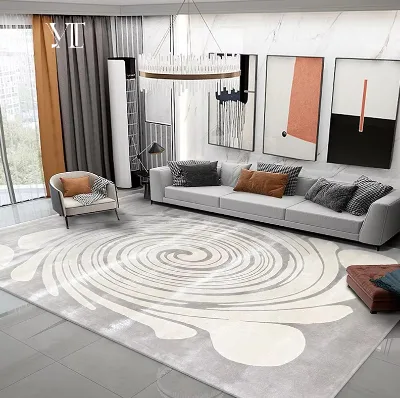

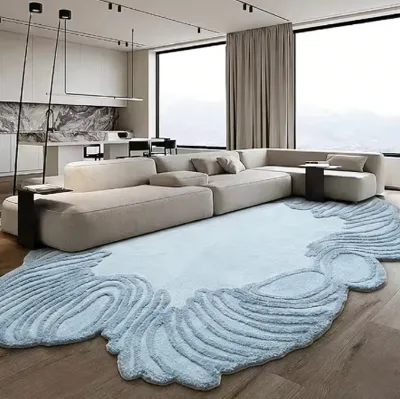

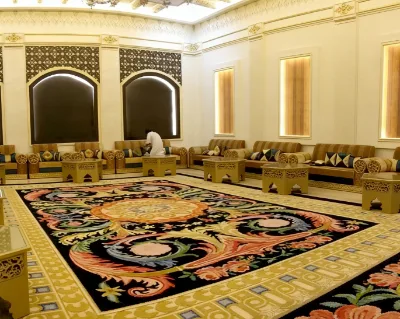
Shanghai Fairmont Industries Co., Ltd.
- Verified by SGS Group
- Manufacturer, Trading Company
- Lead time20 days
- Avg. response≤ 2h
Main productsCarpet Tiles, Logo Mat, Custom Rug, Axminster Carpet, Printed Carpet
Main marketsMid East(20%), North America(15%), Southeast Asia(15%)

Shenyang Autovi Floor Materials Co., Ltd.
- Trading Company
- Liaoning, China
- Lead time15 days
- Avg. response≤ 1h
Main productsCarpet Tiles,Axminster Carpet,Printed Carpet,Hand-Tufted Carpet,Sisal carpet
Main marketsSouthern Europe(25.00%), Western Europe(25.00%), Eastern Asia(25.00%), South America(25.00%)
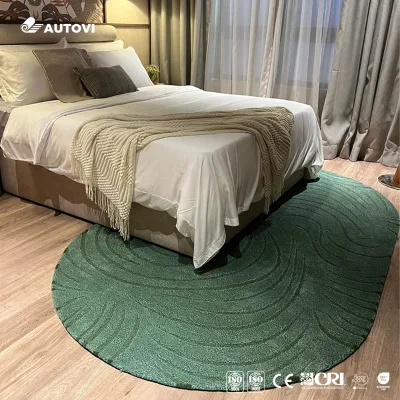
Handmade Wool Hand Tufted Area Rug for Entryway Decorative Piece Fade Resistant
$68.50 - $76.00
MOQ: 1
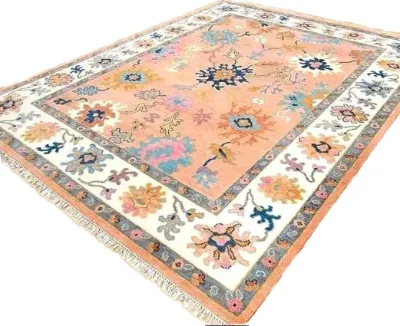
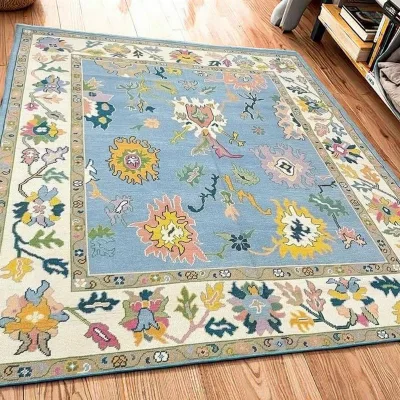
$100.597 - $134.4036
MOQ: 1 square
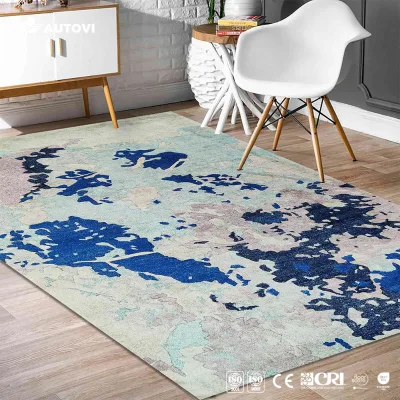

- Trading Company,Manufacturer/Factory
- China Shandong
- Lead time15 days
- Avg. response≤ 3h
Main productsCarpet, Rug, Axminster Carpet, Wilton Carpet, Needle-Punched Carpet, Tufted Carpet, Hotel Carpet, Wall to Wall Carpet, Handmade Carpet, Printed Carpet
Main marketsSouth America,Eastern Europe,Mid East,North America,Southeast Asia,Eastern Asia,Oceania,Western Europe,Africa
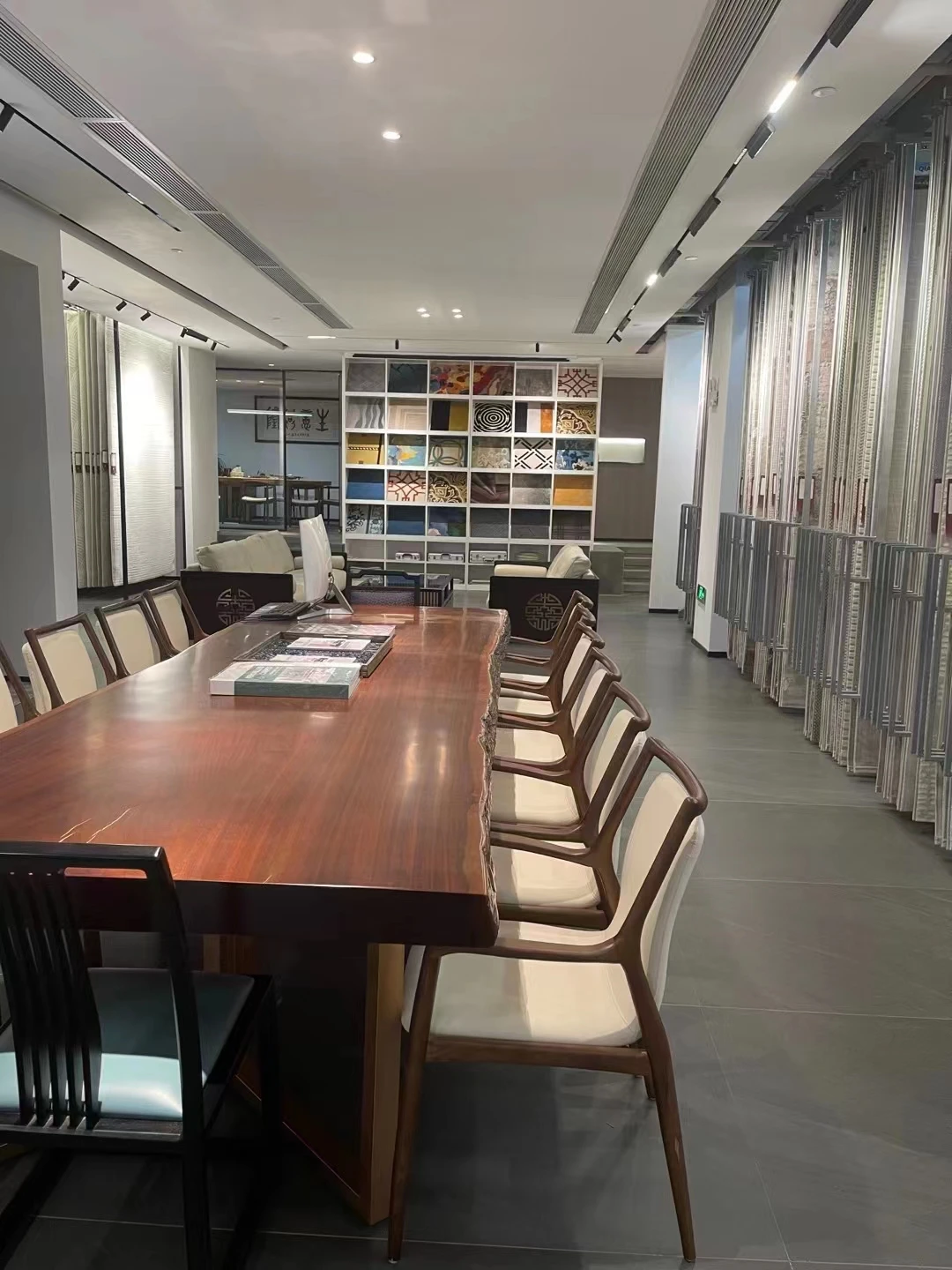
Foshan ZGYP Deco Design Co., Ltd.
- Trading Company
- Guangdong, China
- Lead time0 days
- Avg. response≤ 1h
Main productsHandmade Carpet, Machinemade Carpet, Commercial Carpet, Office Carpet
Main marketsMid East(35.00%), North America(25.00%), Domestic Market(15.00%), South America(5.00%), Oceania(5.00%), Western Europe(5.00%), Africa(5.00%), Southeast Asia(5.00%)
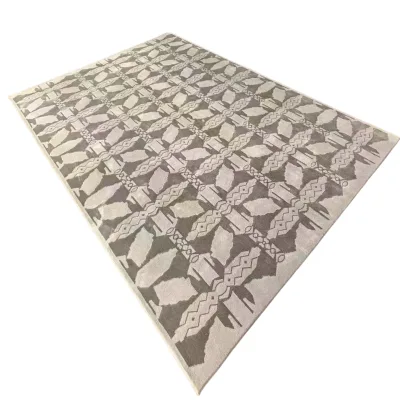
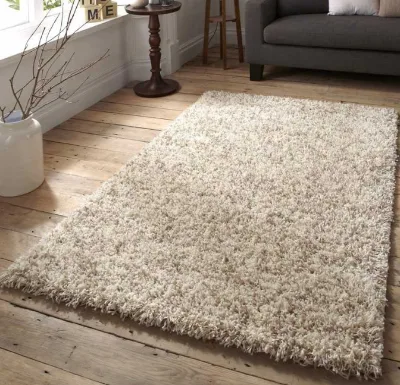
Custom Wool Rug Handmade Fluffy Carpets and Rugs Living Room Large Shags Hand Tufted Rug
$80.6015 - $85.0162
MOQ: 1 square
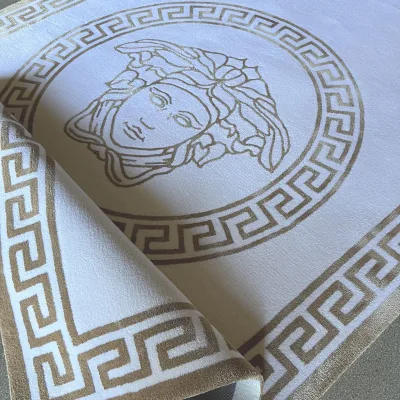
$225.8885 - $261.8254
MOQ: 1 pieces
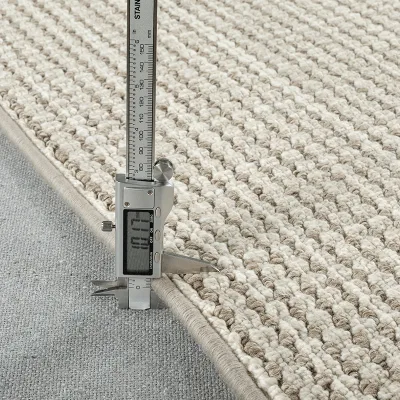
- Manufacturer, Trading Company
- Henan, China
- Lead time3 days
- Avg. response≤ 7h
Main productsCustomized Hand Tufted Carpet,Hand Knotted Carpet,Handmade Carpet,Silk Carpet,Persian Carpet
Main marketsNorth America(40.00%), Mid East(37.00%), Domestic Market(10.00%), Western Europe(5.00%), Eastern Asia(5.00%), Northern Europe(3.00%)
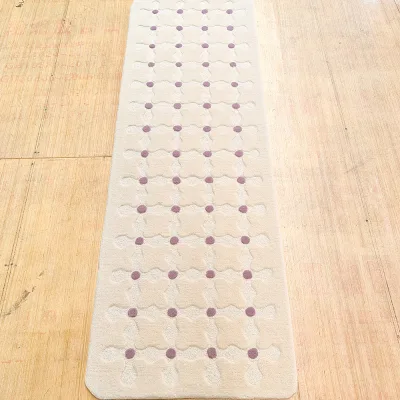
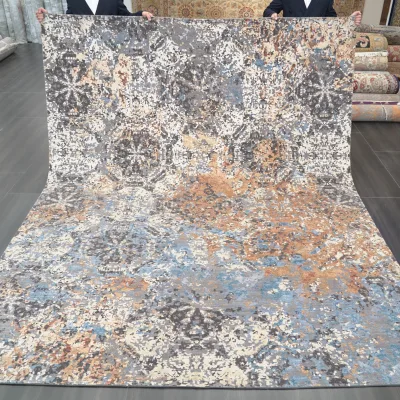
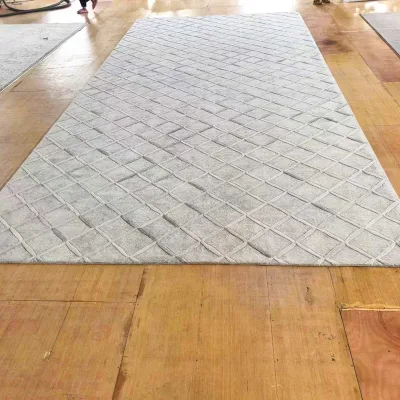
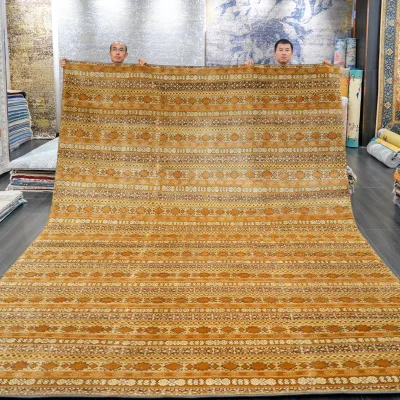
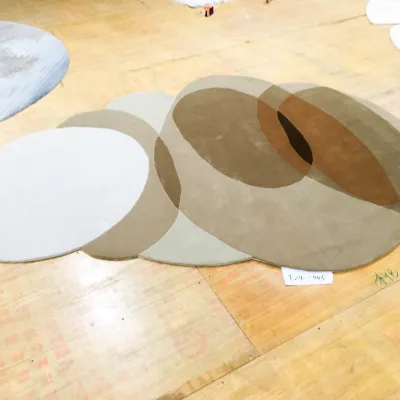
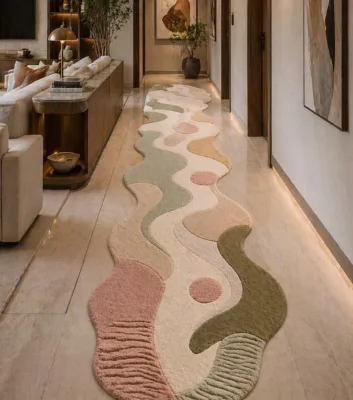
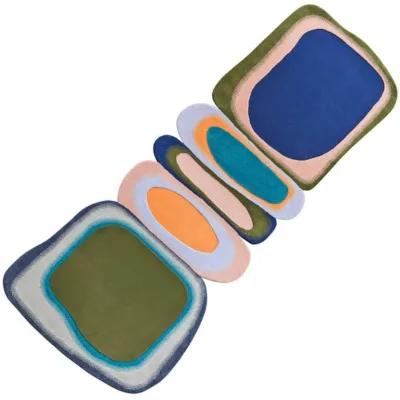
Custom-Made Shaped Cascade Hand Tufted Wool Rug Handmade Modern Carpetart Galleries Home Libraries
$79.00 - $99.00
MOQ: 1 square
Shanghai Lejing Building Materials Co., Ltd.
- Verified by Intertek
- Trading Company
- Lead time15 days
- Avg. response≤ 1h
Main productsLoop Pile Carpet, Fireproof Carpet, Printed Carpet, Exhibition Carpet, Custom Carpet
Main marketsSouth America(20%), Africa(20%), North America(10%)
$39.3418 - $43.2763
MOQ: 1 square
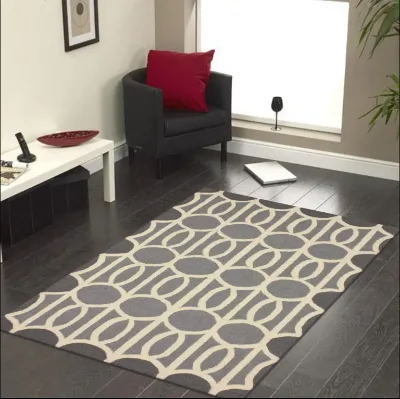
Hot Sell Luxury Large Oriental Customized Living Room Carpet Hand Made Traditional Silk Wool Rug
$78.00 - $95.00
MOQ: 1 square
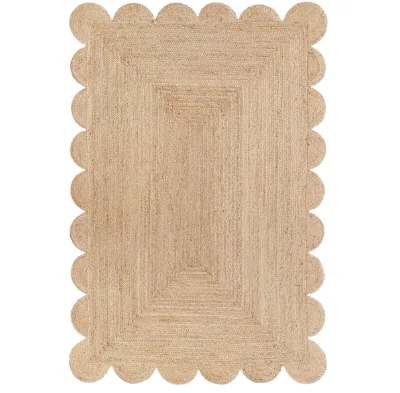
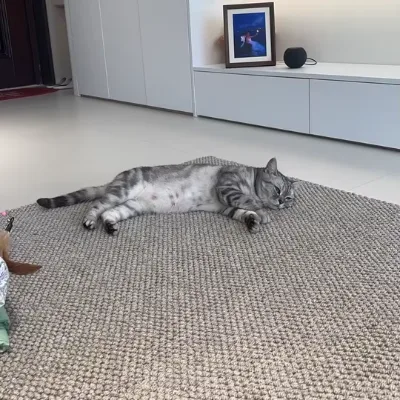
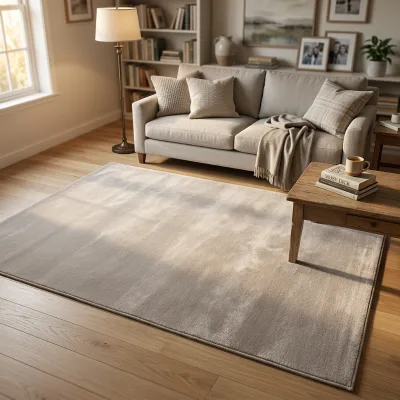
Modern Handmade Wool Area Rugs Natural Loop Braided Woven for Living Room
$68.9252 - $72.0728
MOQ: 5 square
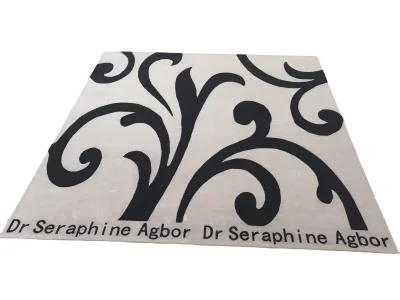

Foshan Shengyibo Carpet Co.,Ltd.
- Verified by BV
- Combined
- China Guangdong
- Lead time15 days
- Avg. response≤ 4h
Main productsCarpet, Rug, Wool Carpet, Wool Rug, Carpet Tile, Wall to Wall Carpet, Commercial Carpet, Residential Carpet, Hotel Carpet, Floor Carpet
Main marketsAfrica,Southeast Asia/ Mideast,Domestic,Europe,North America

Changshu Evergrande Imp. & Exp. Co., Ltd.
- Verified by TUVRHEINLAND
- Trading Company
- China Jiangsu
- Lead time30 days
- Avg. response≤ 7h
Main productsMetal Etching Panels and Parts, Vegetable Parchment Paper, Tool Carts and Cabinets, Industrial Carpets and Floorings, Spinpack Parts and Accessories
Main marketsEurope
Tongxiang Roya Textile Co., Ltd.
- Manufacturer, Trading Company
- Lead time旺季: "1 - 500":25,"> 500":"To be negotiated", 淡季: "1 - 500":25,"> 500":"To be negotiated"
- Avg. response≤ 3h
Main productsBlanket, Line Blanket, Cushion, Tapestry, Bean Bag

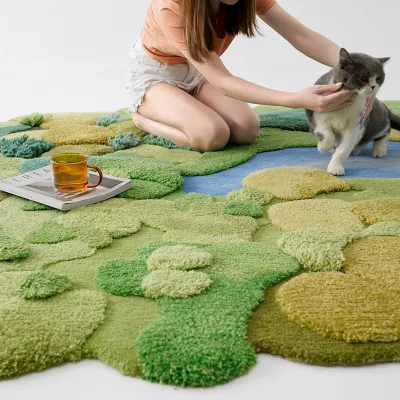
Plush Forest Moss Landscape Hand-made Wool Fluffy Carpets and Rugs Living Room
$100.00 - $120.00
MOQ: 20
Nangong Hengjiu Felt Co., Ltd.
- Manufacturer, Trading Company
- Hebei, China
- Lead time20 days
- Avg. response≤ 3h
Main productsAcoustic Panel,Ceiling Acoustic Panel,Wood Salt Acoustic Panel,Acoustic Screen,3D Acoustic Panel
Main marketsDomestic Market(32.00%), North America(20.00%), Northern Europe(13.00%), Eastern Asia(12.00%), Eastern Europe(10.00%), Southern Europe(8.00%), South America(5.00%)
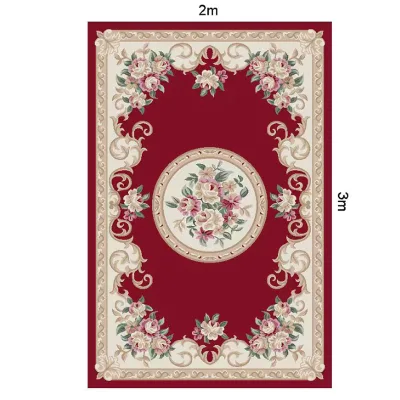
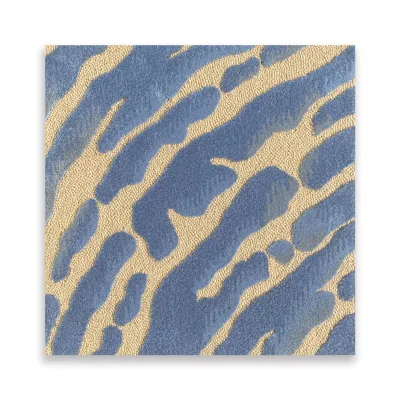
Eco-friendly Handmade Wool Rug Hand Woven Luxury OEM Square Handmade Carpet
$65.00 - $70.00
MOQ: 5 square
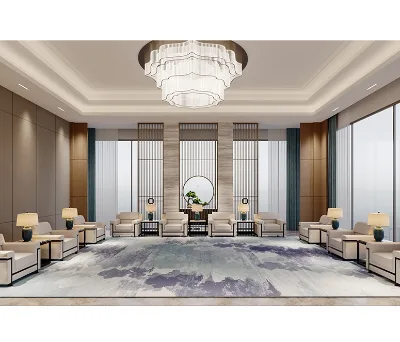
$65.50 - $73.55
MOQ: 10 square

QINGYUAN HUAMAO CARPET WEAVING CO.,LTD
- Verified by TUVRHEINLAND
- Combined
- China Guangdong
- Lead time30 days
- Avg. response≤ 18h
Main productsHand Tufted Carpet, Area Carpet, Hotel Carpet, Handmade Carpet, New Zealand Carpet, Acrylic Carpet, Nylon Carpet, Table Light, Floor Light, Pendant Light
Main marketsDomestic


New Zealand Wool/ Nylon Carpet Handtufted Hand Made Durable Rugs
$65.00 - $125.00
MOQ: 1 Square Meters

Customized Wool Carpets Hand Made Home Rug Mat Customize Handtufted Carpet & Staircase Carpet
$65.00 - $125.00
MOQ: 1 Square Meters


Foshanshi Jinbilun Carpet Industry Co., Ltd.
- Verified by TUVRHEINLAND
- Manufacturer/Factory
- China Guangdong
- Lead time23 days
- Avg. response≤ 13h
Main productsHand Tufted Carpets, Wilton Carpets, Axminster Carpets, Sisal Carpets, Prayer Rugs, Artificial Grass Carpets, Other
Main marketsSouth America,Eastern Europe,Mid East,Southeast Asia,Eastern Asia,Oceania,Western Europe,Africa

Sophisticated Hand Tufted Wool Rug for a Luxury Living Room Carpet
$25.00 - $54.00
MOQ: 20 Square Meters

Handtufted Carpets Children Wool Rugs for Living Room Handmade Rugs
$25.00 - $54.00
MOQ: 20 Square Meters

Hand Tufted Carpet and Rugs with 100% Wool Reversible Washable Hand Knotted Carpet Living Room
$25.00 - $54.00
MOQ: 20 Square Meters

Elegant Custom Wool Handmade Carpet Living Room Area Rugs Custom Rug Carpet
$25.00 - $54.00
MOQ: 20 Square Meters


Fashion Hot Sale Carpet Custom Art Rug for Living Room Washable Reversible Custom Carpet
$25.00 - $54.00
MOQ: 20 Square Meters
Shenzhen Better Carpet Manufacturing Factory
- Manufacturer
- Guangdong Province, China
- Lead time20 days
- Avg. response≤ 5h
Main productscarpet,axminster carpet,hotel carpet,woven axminster carpet,tufted carpet
Main marketsNorth America(25.00%), South Asia(15.00%), Oceania(15.00%), Western Europe(10.00%), Southeast Asia(10.00%), Africa(5.00%), Eastern Asia(5.00%), Eastern Europe(5.00%), South America(5.00%), Northern Europe(2.00%), Domestic Market(1.00%), Central America(1.00%), Mid East(1.00%)

Suzhou Changyue Imp. & Exp. Co., Ltd.
- Trading Company
- China Jiangsu
- Lead time30 days
- Avg. response≤ 2h
Main productsCarpet, Rug, Handmade, Hand Tufted, Shaggy, Mats, PVC Rug Pad, Bath Mats, Anti-Slip Carpet Undelay, PVC Printed Mats
Main marketsAfrica,Southeast Asia/ Mideast,Europe,Australia,North America

Guidant Carpet Manufacturing Co., Ltd.
- Trading Company
- Guangdong, China
- Lead time30 days
- Avg. response≤ 4h
Main productswool Carpet,Bamboo fiber carpet,Versace carpet,Household carpets,Acme Carpet
Main marketsMid East(50.00%), North America(21.00%), Southeast Asia(8.00%), Eastern Europe(5.00%), Northern Europe(4.00%), Africa(3.00%), Western Europe(3.00%), Eastern Asia(3.00%), South America(3.00%)
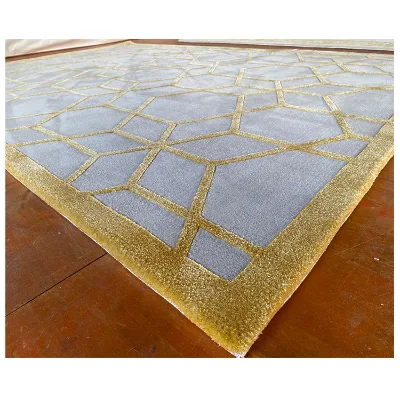
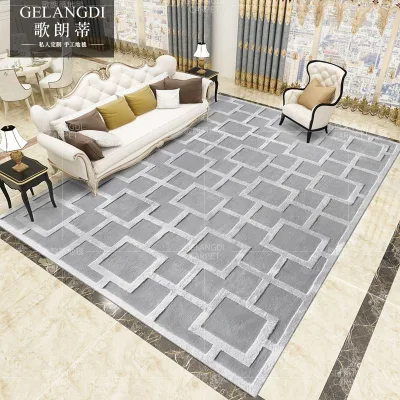
Chinese Carpet Handmade Wool Rugs Modern Design Home Center Living Room Carpet Hotel Bedroom Carpet
$40.00 - $56.00
MOQ: 1 Minimum
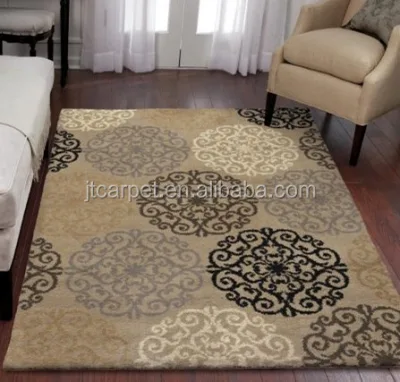
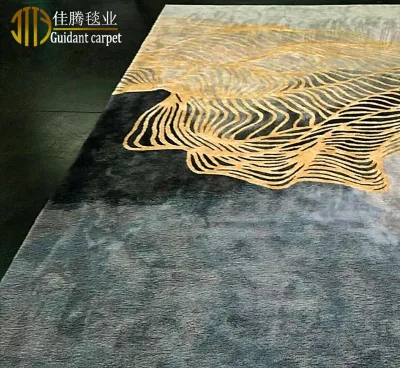
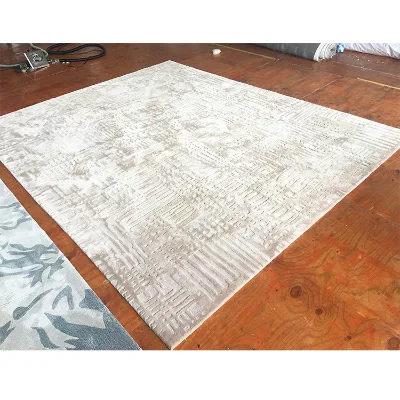
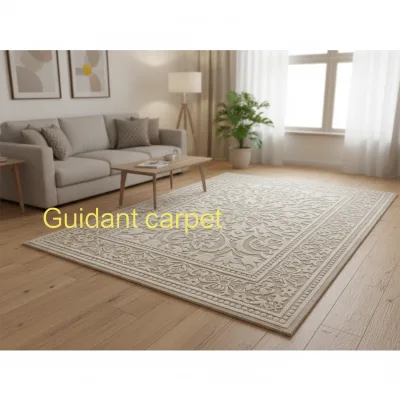
High Quality Handmade Wool Low Pile Thin Latex Backed Living Room Carpet Rugs
$70.00 - $80.00
MOQ: 1 square
Shanwei Cynthia Carpet Made Industry Co., Ltd.
- Manufacturer
- Guangdong, China
- Lead time10 days
- Avg. response≤ 6h
Main productsCarpet
Main marketsDomestic Market(50.00%), North America(18.00%), Mid East(10.00%), Southeast Asia(5.00%), Eastern Asia(3.00%), South America(3.00%), Africa(3.00%), Western Europe(2.00%), South Asia(1.00%), Oceania(1.00%), Southern Europe(1.00%), Central America(1.00%), Northern Europe(1.00%), Eastern Europe(1.00%)
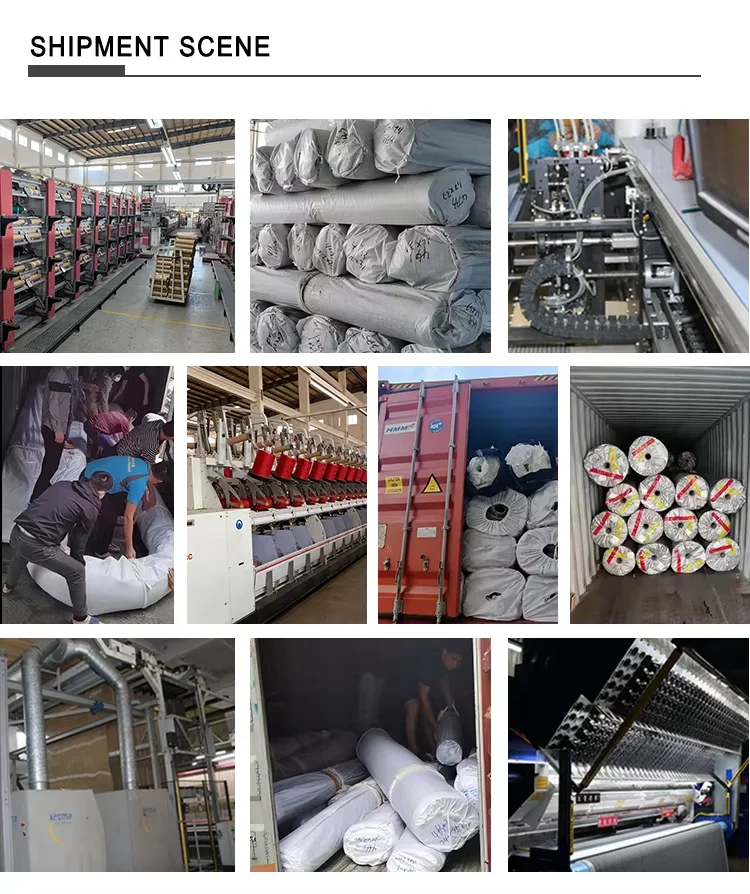
Liaoning Taiyi Carpet Co., Ltd.
- Trading Company
- Liaoning, China
- Lead time3 days
- Avg. response≤ 1h
Main productsSisal Carpet,Prayer Carpet,Handmade Carpet,Carpet Tiles,Wall to Wall Carpet
Main marketsNorth America(25.00%), Mid East(15.00%), Western Europe(15.00%), Southeast Asia(10.00%), Oceania(10.00%), Africa(10.00%), Northern Europe(5.00%), Central America(5.00%), Eastern Europe(5.00%)
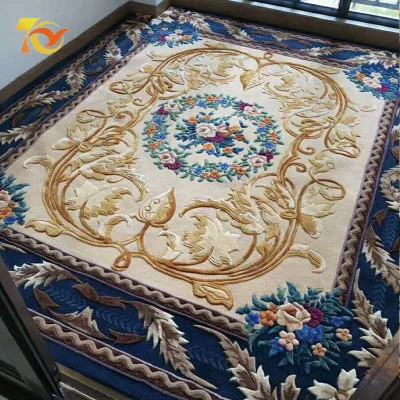
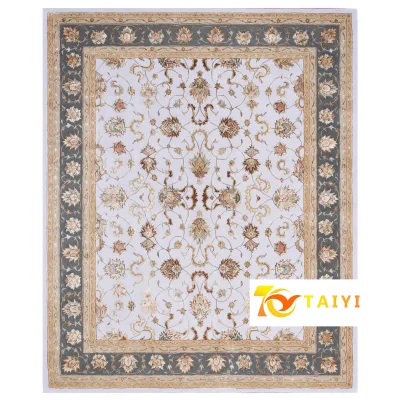
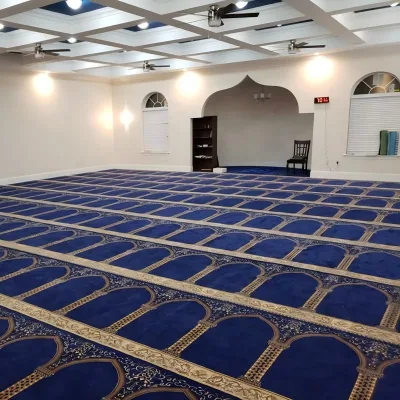
$30.7009 - $41.0607
MOQ: 1 square

Guangzhou Kaili Carpet Co., Ltd.
- Verified by SGS Group
- Trading Company
- Lead time10 days
- Avg. response≤ 2h
Main productsHotel Carpet, Office Carpet, Rug, Carpet Tile, Axminster Carpet
Main marketsMid East(20%), North America(10%), Southeast Asia(10%)
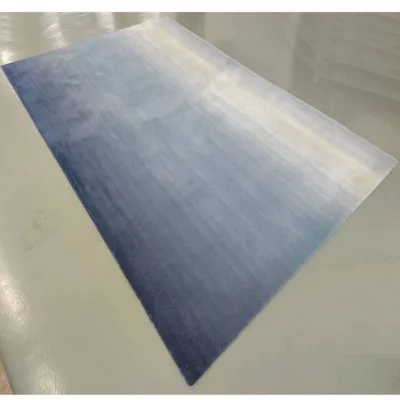
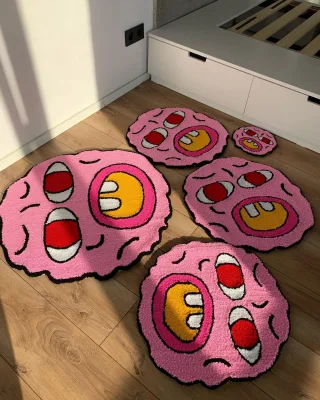
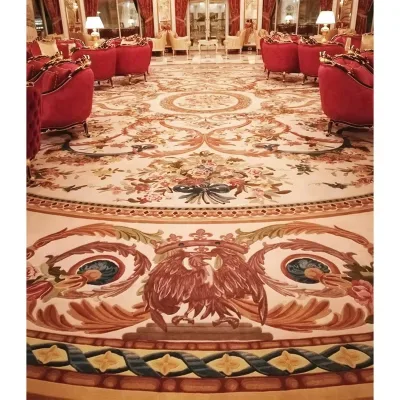
Custom 3D Area Rug Handmade Rug Wool Rug Round Size
$55.00 - $60.00
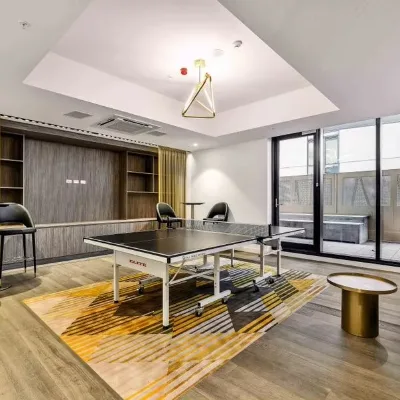
Thick Custom Modern Abstract Handmade Wool or Silk Logo Rugs and Carpets-Cushioned & Pet Friendly
$510.9289 - $613.1147
MOQ: 1 pieces
Beijing Jiayi Import And Export Trading Co., Ltd.
- Trading Company
- Beijing, China
- Lead time0 days
- Avg. response≤ 6h
Main productsblanket,carpet,hug pillow
Main marketsNorth America(20.00%), South America(20.00%), Eastern Europe(20.00%), Southeast Asia(20.00%), Eastern Asia(20.00%)

Shaoxing Qi Yao Electronic Commerce Co., Ltd.
- Trading Company
- Zhejiang, China
- Lead time10 days
- Avg. response≤ 3h
Main productstufted mirror,coasters,small rugs,wall hanging,carpets
Main marketsNorth America(32.50%), South America(25.00%), Eastern Europe(15.50%), Northern Europe(11.20%), Western Europe(5.60%), South Asia(5.10%), Southeast Asia(2.10%), Eastern Asia(1.30%), Domestic Market(1.10%), Mid East(0.25%), Africa(0.23%), Oceania(0.11%), Southern Europe(0.01%)
Guangzhou Zhaoyu Trading Co., Ltd.
- Manufacturer, Trading Company, Distributor/Wholesaler
- Guangdong, China
- Lead time20 days
- Avg. response≤ 2h
Main productsCarpet,carpet and rug,office carpet tiles,hotel carpet,commercial carpet
Main marketsCentral America(10.00%), Africa(10.00%), Southeast Asia(10.00%), Eastern Europe(10.00%), South America(10.00%), North America(10.00%), Domestic Market(5.00%), South Asia(5.00%), Southern Europe(5.00%), Northern Europe(5.00%), Oceania(5.00%), Western Europe(5.00%), Eastern Asia(5.00%), Mid East(5.00%)
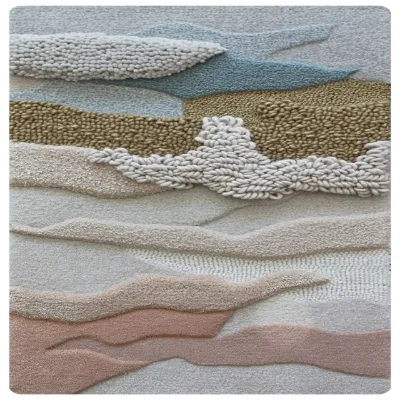
$28.00 - $32.00
MOQ: 10 square
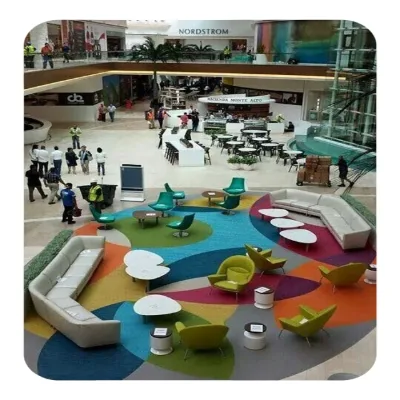
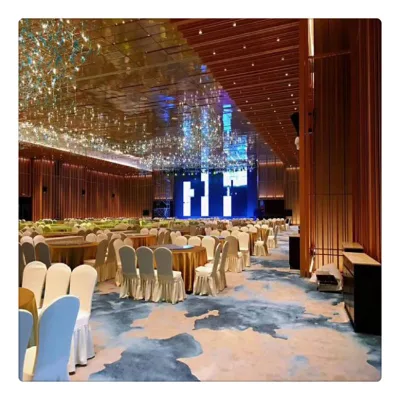
Hand Tufting Carpet Green Rug for Living Room Large Size
$45.00 - $50.00
Tianjin Jiaxunda Import & Export Ltd.
- Manufacturer, Trading Company
- Tianjin, China
- Lead time25 days
- Avg. response≤ 1h
Main productscarpet,Area rug,Mat,shaggy rug,rug Carpet
Main marketsNorth America(40.00%), Western Europe(30.00%), South Asia(3.00%), Southern Europe(3.00%), Northern Europe(3.00%), South America(3.00%), Eastern Asia(3.00%), Mid East(3.00%), Oceania(3.00%), Africa(3.00%), Southeast Asia(3.00%), Eastern Europe(3.00%)





Comprehensive Sourcing Guide
Handmade Reversible Wool Rug Supplier Concentration and Factory Types
Current data indicates a concentration of manufacturing activity in China, specifically within the Shandong and Liaoning provinces. Suppliers in these regions list main products that include carpet tiles, floor carpets, and various gym equipment alongside the core handmade wool rug offerings. The supplier types observed are primarily manufacturers and factories, though some trading companies also appear in the results. These entities often hold certifications such as ISO 9000, ISO 14001, and ISO 14000, which suggests a baseline of quality management systems in place for their production facilities.
When evaluating the factory types, buyers should note that some suppliers offer both OEM and ODM capabilities, allowing for custom designs and private labeling. The presence of specific product attributes like "Hand Made" and "Tufted" techniques confirms the manual nature of the production process for these items. While the data shows specific locations, buyers must verify if other regional clusters exist by checking the origin field on individual product listings. It is crucial to distinguish between a direct factory and a trading company, as the latter may source from multiple manufacturers, potentially affecting lead times and communication efficiency.
How to Verify Handmade Reversible Wool Rug Suppliers
Verification of supplier credibility relies heavily on third-party audit reports and platform verification badges. The available data shows that some suppliers have been verified by agencies such as SGS and BV, which provides a layer of assurance regarding their business legitimacy and operational capacity. Buyers should prioritize suppliers displaying these verification marks, as they indicate that an independent party has inspected the company's facilities or business license. However, the absence of a visible badge does not automatically disqualify a supplier, but it necessitates a more rigorous due diligence process before proceeding with large orders.
Beyond verification badges, buyers must examine the specific product evidence provided to ensure the supplier can deliver the exact specifications required. The data includes detailed attributes such as material composition, which lists wool, nylon, or polyester blends, and technical features like fire resistance or antibacterial treatments. Buyers should request physical samples to confirm that the "Hand Made" claim matches the actual product quality and that the reversible nature of the rug is genuine. Checking the response time, which is recorded as approximately 1.40 to 1.53 hours in some cases, can also serve as a proxy for the supplier's operational responsiveness and customer service reliability.
What to Compare Across Handmade Reversible Wool Rug Suppliers
Comparing suppliers requires a systematic analysis of key operational metrics such as lead time, minimum order quantity, and pricing structures. The observed data reveals significant variation in lead times, with some suppliers indicating a 23-day window while others suggest 30 days. Minimum order quantities also differ, ranging from as low as 1 unit for some custom items to 100 or 200 square meters for others. Buyers must align these constraints with their inventory needs and budget, ensuring that the MOQ does not exceed their storage capacity or financial liquidity.
Pricing is another critical dimension for comparison, with observed ranges spanning from approximately 31.50 to 89.00 per unit depending on the specific product model and material composition. Factors influencing these prices include the weight of the rug, the complexity of the design, and the specific fiber blend used. Buyers should also compare the customization options available, such as the ability to specify color, shape, and pattern, as well as the cleaning and maintenance features like waterproofing or stain resistance. It is essential to request a detailed quotation that breaks down costs for materials, labor, and packaging to understand the true value proposition of each supplier.
Common Handmade Reversible Wool Rug Sourcing Risks
One significant risk in sourcing handmade rugs involves the inconsistency of manual production processes, which can lead to variations in pile height, density, and pattern alignment. The product data lists attributes like "High Pile" and "Custom Design," but without strict quality control protocols, the final output may not match the sample provided. Buyers should mitigate this risk by insisting on pre-shipment inspections and clear quality standards that define acceptable tolerances for dimensions and weight. Relying solely on digital images or descriptions is insufficient for verifying the tactile and visual quality of a handmade textile product.
Another risk pertains to the accuracy of material claims, particularly regarding the use of wool versus synthetic blends. Some product listings indicate a mix of wool, nylon, and polyester, while others specify pure wool or New Zealand wool. Mislabeling materials can affect the durability, price, and performance of the rug, especially in high-traffic commercial environments. Buyers must verify the fiber content through independent testing or by reviewing the supplier's material certificates. Additionally, the risk of delayed shipments due to production bottlenecks is real, given that lead times can extend to 30 days or more, requiring careful planning to avoid stockouts.
Handmade Reversible Wool Rug Regional Sourcing and Logistics
Sourcing from China, specifically from provinces like Shandong and Liaoning, offers access to established manufacturing clusters but introduces specific logistical considerations. The product origin data confirms that items are shipped from these regions, which are known for their textile and carpet production capabilities. Buyers should account for the distance and shipping routes when calculating total landed costs, as freight charges can vary significantly based on the weight and volume of the rug rolls. Understanding the packaging standards, such as roll packing or woven bags, is vital to prevent damage during transit.
Logistics planning must also consider the impact of regional infrastructure on delivery times. While some suppliers report response times under two hours, the physical movement of goods from the factory to the port and then to the destination country can take several weeks. Buyers should verify the Incoterms agreed upon with the supplier to clarify who is responsible for insurance, customs clearance, and final delivery. It is advisable to work with a freight forwarder experienced in handling textile products to ensure that the rugs are stored and transported in conditions that prevent moisture damage or crushing.
Handmade Reversible Wool Rug Commercial Terms and Order Planning
Commercial terms for handmade rugs often include specific requirements for payment security and order customization. The data indicates that some suppliers offer OEM and ODM services, which implies a need for clear agreements on design ownership and production timelines. Buyers should negotiate terms that protect their interests, such as using escrow services or structured payment schedules that release funds only after quality milestones are met. The presence of certifications like ISO 9001 suggests that these suppliers are accustomed to international trade standards, but explicit written contracts are still necessary to define liability and dispute resolution mechanisms.
Order planning must be synchronized with the supplier's production capacity and lead time estimates. With lead times ranging from 23 to 30 days, buyers need to place orders well in advance of their sales cycles to avoid delays. The minimum order quantities, which can be as high as 200 square meters for certain products, require buyers to forecast demand accurately to avoid overstocking. Additionally, buyers should plan for the customization process, which may involve multiple rounds of design approval and sample production. Clear communication regarding the final product specifications, including color, shape, and special performance treatments, is essential to ensure the final delivery meets the buyer's expectations.
FAQs
What is the typical lead time for handmade wool rugs?
Manufacturers in China Shandong report a lead time of 23 days, while suppliers in Liaoning indicate 30 days. These timelines reflect the handcrafted nature of the products and vary based on order volume and customization requirements.
What is the minimum order quantity for custom rugs?
MOQs vary by supplier, with some requiring 100 square meters and others setting a minimum of 100 units. Certain trading companies offer a lower MOQ of just 1 unit. Buyers should verify specific thresholds directly with the supplier.
What certifications do these rug manufacturers hold?
Many factories hold ISO 9000, ISO 14001, ISO 9001, and ISO 14000 system certifications. These credentials indicate adherence to quality and environmental management standards. Buyers should request valid certificates to ensure compliance with their procurement policies.
What materials are used in these handmade rugs?
Common materials include wool, nylon, polyester, and natural silk. Some rugs use blended fibers for durability. The wool rugs often feature anti-slip backing and are designed for residential or commercial use, offering stain resistance and waterproof properties.
What is the price range for these rugs?
Prices range from approximately $31.50 to $89.00 per unit. The cost depends on material quality, such as New Zealand wool, and customization options. Buyers should compare quotes from multiple suppliers to find the best value for their specific needs.
How quickly do suppliers respond to inquiries?
Response times are typically around 1.40 to 1.53 hours. This indicates a high level of responsiveness from the suppliers. Buyers can expect prompt communication regarding quotes, samples, and order status updates during the sourcing process.