Source Handmade Tufted Bed End Stool for Bedroom, Hotel, and Office
Compare 30 listings for Handmade Tufted Bed End Stool from verified suppliers. Evaluate materials like metal, leather, and fabric, along with modern designs and warranty terms for home, hotel, and office applications; compare the available evidence and request quotations based on your requirements.
Updated
Key considerations
Products List
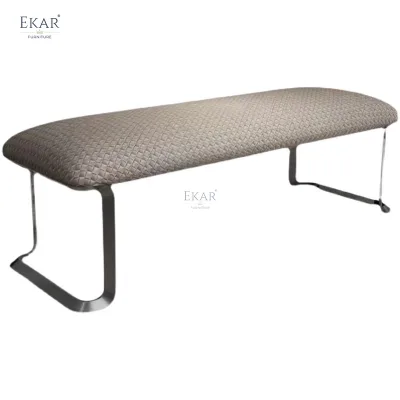
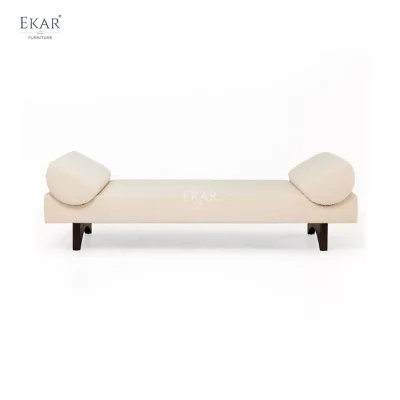


Circle Deep Buttoned Tufted Stool Upholstered Footstool Round Storage Velvet Tufted Ottoman
$120.00 - $150.00
MOQ: 30 Pieces


Beige Quilted Leather Storage End of Bed Bench Hydraulic Lift Storage Ottoman Stool
$245.00 - $999.00
MOQ: 1 Pieces


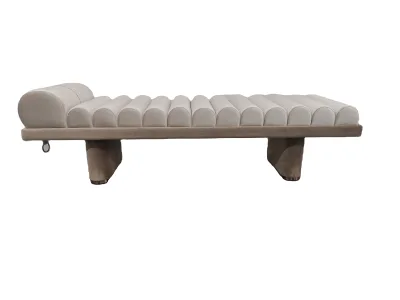
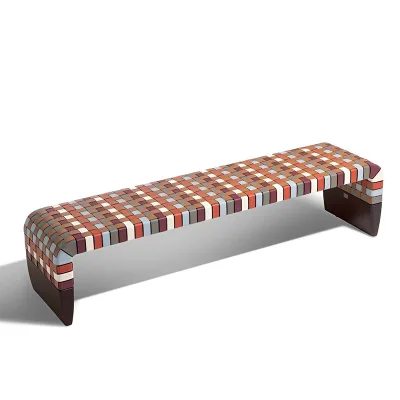


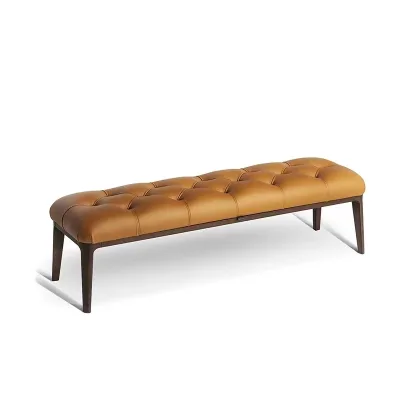
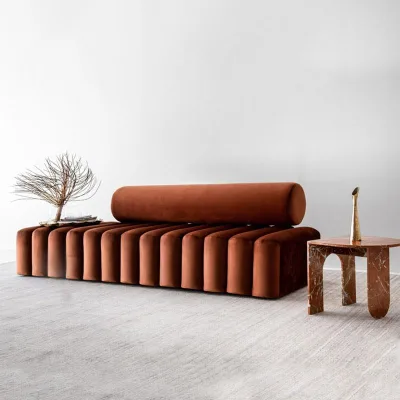
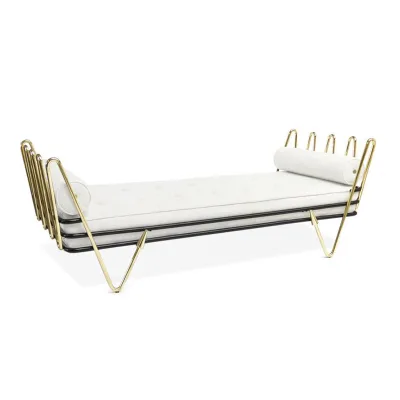
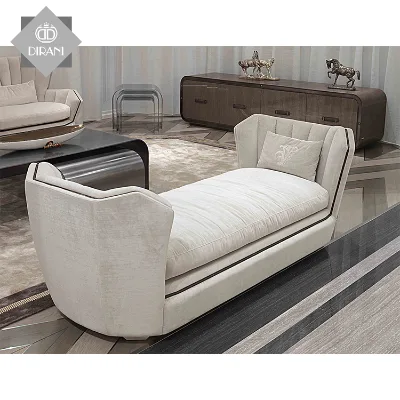
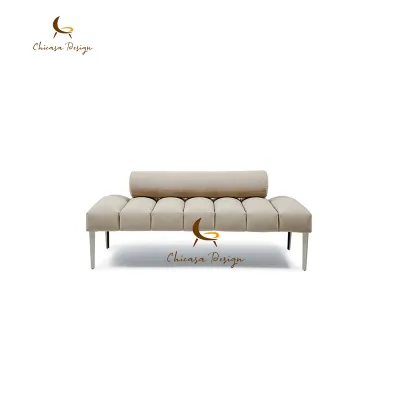

Classic Birch Wood Fabric Bedroom Ottoman Bench Antique Bed End Stool
$500.00 - $1000.00
MOQ: 1 Pieces

Modern Luxury Bed End Bench Upholstered Fabric Ottoman Long Stool Footstool for Bedroom Living Room
$300.00 - $3000.00
MOQ: 1 Pieces

Plush Gray Ottoman Bedroom Bench - Chic Bed End Stool for Elegant Bedroom Furniture
$300.00 - $3000.00
MOQ: 1 Pieces

Functional and Fashionable - Metal Frame Bed End Stool for Your Bedroom
$300.00 - $3000.00
MOQ: 1 Pieces


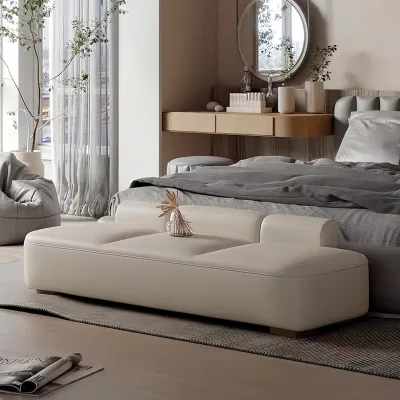


Comprehensive Sourcing Guide
Handmade Tufted Bed End Stool Sourcing Guide
Sourcing handmade tufted bed end stools requires a nuanced understanding of both aesthetic craftsmanship and functional durability. These pieces serve as critical focal points in bedroom design, offering a blend of decorative appeal and practical utility for seating or placing items. Buyers must distinguish between mass-produced imitations and genuine artisanal pieces, as the latter often command higher prices due to labor-intensive construction methods. The visual impact of deep button tufting and high-quality upholstery materials significantly influences the final aesthetic, making material selection a primary decision point during the sourcing process.
Procurement teams should prioritize suppliers who demonstrate transparency in their manufacturing processes, particularly regarding the origin of raw materials and the techniques used in assembly. While many listings claim "handmade" status, verifying the extent of manual labor versus machine assistance is essential for quality assurance. This guide outlines the key technical, commercial, and compliance factors necessary for evaluating potential suppliers. By focusing on verified specifications and clear commercial terms, buyers can mitigate risks associated with inconsistent quality and ensure that the final product aligns with their brand’s standards for luxury and comfort.
Product Scope and Observed Listing Signals
The current market landscape for bed end stools reveals a diverse range of styles, from modern minimalist designs to more traditional European aesthetics. Observed listings indicate a strong preference for contemporary looks, with many products featuring clean lines and metallic accents such as stainless steel bases in gold finishes. These design elements cater to modern interior trends, appealing to buyers seeking to integrate functional furniture into stylish home offices, bedrooms, or hotel suites. The versatility of these stools allows them to serve multiple purposes, including as dressing table companions or decorative accents in hallways and villas.
Material composition varies significantly across suppliers, with common options including metal frames, leather, fabric, and PU upholstery. Some listings highlight the use of solid wood types like pine, suggesting a hybrid approach that combines durability with natural aesthetics. Buyers should note that while many products are described as having a "modern" or "modern European" style, the specific application ranges widely, covering residential apartments, commercial office buildings, and hospitality venues. Understanding these application contexts helps in selecting the appropriate durability and aesthetic profile for the intended end-use environment.
Technical Specifications to Verify
When evaluating technical specifications, dimensions and packaging details are critical for logistics planning and space allocation. Observed data shows significant variation in single package sizes, ranging from compact units measuring approximately 50x50x65 cm to larger items exceeding 145x45x45 cm. These discrepancies directly impact shipping costs and storage requirements, making it essential to confirm the exact dimensions of the packaged product rather than just the assembled item. Additionally, gross weights can vary substantially, with some units weighing up to 45 kg, which necessitates careful handling protocols during delivery and installation.
Frame construction and structural integrity are paramount for long-term usability. Buyers should verify the type of base material, such as stainless steel or metal, and ensure that the upholstery is securely attached to withstand regular use. Features like "without bracket" designs or specific mirror types indicate specialized configurations that may require additional verification for compatibility with existing furniture setups. Confirming the model numbers and specific product codes, such as EK-CWD01 or ST66, allows for precise tracking of manufacturing batches and ensures consistency in future reorder cycles.
Compliance and Safety Documentation
Safety certifications play a vital role in ensuring that upholstered furniture meets international standards for fire resistance and material safety. Some suppliers provide TUV certification, which indicates that the product has undergone rigorous testing for quality and safety compliance. Buyers should request valid certification documents to verify that the materials used, including fabrics and foams, adhere to relevant regulatory requirements in their target markets. This documentation is particularly important for commercial applications such as hotels and hospitals, where strict safety codes are enforced.
Warranty terms offer additional protection against manufacturing defects and premature wear. Observed warranty periods range from one year to five years, reflecting the supplier’s confidence in their product’s durability. A longer warranty period often correlates with higher quality materials and better construction techniques, providing buyers with greater peace of mind. It is crucial to clarify the scope of the warranty, including what constitutes valid claims and the process for obtaining repairs or replacements, to avoid potential disputes after the product has been delivered and installed.
Cost Drivers and Commercial Terms
Pricing for handmade tufted bed end stools is influenced by several factors, including material quality, design complexity, and order volume. The observed price range spans from $40 to $3,000, highlighting the significant variance between basic and premium options. Buyers should analyze the cost breakdown to understand how much of the price is attributed to raw materials versus labor and craftsmanship. Higher prices often reflect the use of premium leather, solid wood frames, and intricate hand-tufting techniques that require skilled artisans.
Minimum order quantities (MOQ) and payment terms also impact the overall procurement strategy. MOQs can range from a single piece to ten pieces per color, allowing for flexibility in initial testing or small-scale orders. Payment methods typically include T/T, L/C, and Western Union, providing various options for securing transactions. Buyers should negotiate favorable terms based on order volume and relationship history, ensuring that cash flow is managed effectively while maintaining a secure payment structure for both parties involved in the transaction.
Supplier Qualification and Quality Control
Supplier qualification involves assessing their production capabilities, quality control processes, and ability to meet customization requests. Many suppliers offer OEM/ODM services, indicating a willingness to tailor products to specific buyer requirements. Buyers should verify the supplier’s experience in producing handmade items and their ability to maintain consistency across large production runs. Requesting samples before placing bulk orders is a critical step in evaluating the actual quality of materials, stitching, and overall finish.
Quality control measures should be clearly defined and agreed upon before production begins. This includes specifying inspection points for raw materials, in-process checks during assembly, and final random inspections before shipment. Suppliers with robust QC systems will provide detailed reports and allow for third-party inspections if necessary. Establishing clear communication channels and regular updates during the production process helps in identifying and resolving potential issues early, ensuring that the final product meets the agreed-upon standards and specifications.
Long-Term Procurement Checks
Long-term procurement success depends on establishing reliable supply chains and maintaining consistent product quality over time. Buyers should monitor supplier performance metrics, such as on-time delivery rates and defect frequencies, to identify potential issues early. Regular audits and feedback loops help in reinforcing quality standards and encouraging continuous improvement from the supplier. Building a strong relationship with the supplier can lead to better pricing, priority production slots, and access to new designs and innovations.
Sustainability and ethical sourcing practices are increasingly important considerations for modern buyers. Verifying that the supplier adheres to ethical labor practices and uses environmentally friendly materials can enhance brand reputation and meet consumer expectations. Buyers should inquire about the sourcing of raw materials, such as leather and wood, to ensure they are obtained responsibly. By prioritizing suppliers who demonstrate a commitment to sustainability and ethical manufacturing, buyers can contribute to a more responsible supply chain while securing high-quality products for their customers.
FAQs
What is the MOQ for the modern ottoman stool?
The minimum order quantity is 1 piece for the standard model. For specific color variations, the requirement increases to 10 pieces per color. This flexible MOQ allows buyers to test market demand with minimal initial investment while ensuring production efficiency for larger orders.
Which certifications does the metal frame stool have?
The product holds TUV certification, ensuring compliance with international safety and quality standards. This certification applies to the metal frame construction and overall structural integrity. Buyers can request documentation to verify compliance for specific regional import requirements or corporate procurement policies.
How long is the delivery time for these stools?
The standard delivery time is 20 days after order confirmation. This timeline applies to production and preparation for shipment. Buyers should account for additional transit time depending on the destination port. Expedited shipping options may be available upon request for urgent projects.
Can the stool be customized for specific applications?
Customization is available for specific application needs. Buyers can request OEM or ODM services to tailor the design. Options include adjusting dimensions or materials to fit unique interior requirements. This flexibility supports diverse projects ranging from hotel lobbies to private residential spaces.
What is the warranty period for the furniture?
The warranty period is 5 years for the main structure. This coverage protects against manufacturing defects and material failures under normal use. Specific components may have different terms. Buyers should review the detailed warranty policy to understand coverage limits and maintenance requirements for long-term durability.
What materials are used in the stool construction?
The stool features a metal frame with leather or fabric upholstery. Some models include a wooden frame with pine wood elements. The base may incorporate stainless steel in gold finish. These durable materials ensure stability and aesthetic appeal for both indoor residential and commercial environments.