Birch Wood Storage Cabinet Suppliers and Manufacturers
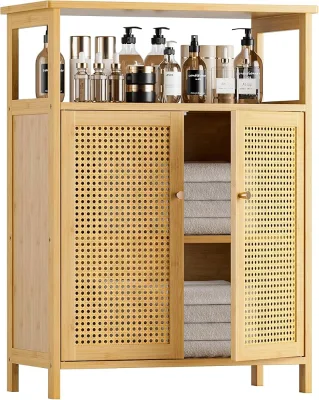
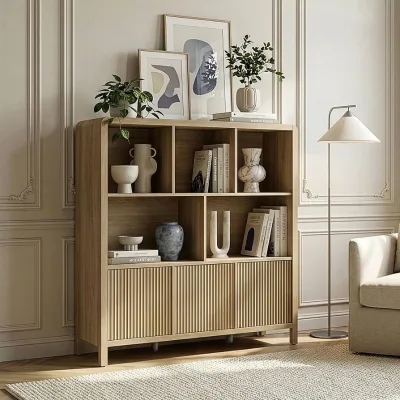
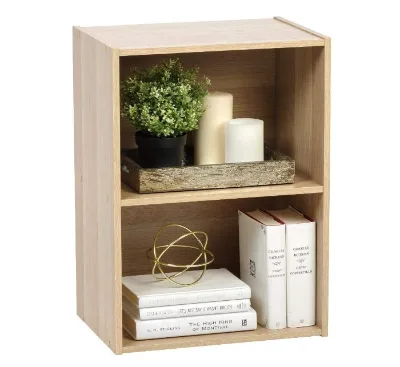
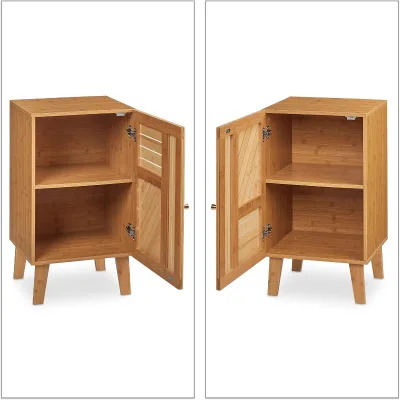
Find 31 verified Birch Wood Storage Cabinet suppliers and manufacturers in China. Compare lead times, response times, certifications, and prices for solid wood and MDF options. Contact suppliers directly to request samples and confirm customization details; review the available evidence before requesting comparable quotations from suitable candidates.
Updated
Suppliers List

Qingdao Inurda Furniture Co., Ltd.
- Verified by CTI
- Trading Company,Manufacturer/Factory
- China Shandong
- Lead time30 days
- Avg. response≤ 7h
Main productsSingle Bed, Double Bed, Half Tall Bed, High Foot Bed, Coffee Table, Bunk Bed, Bookshelf, Dining Table, Baby Crib, Cabin Bed
Main marketsSouth America,Eastern Europe,Mid East,North America,Southeast Asia,Eastern Asia,Oceania,Western Europe,Africa


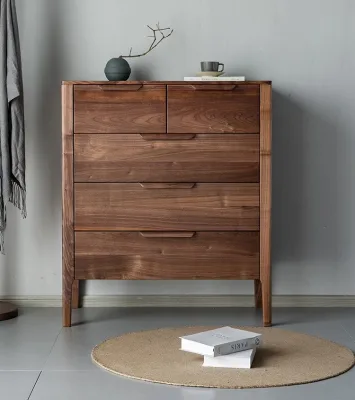
Elegant Wooden Dresser and Versatile Storage Cabinet for Modern Spaces
$55.00 - $58.00
MOQ: 100 Pieces


Shouguang Yamazon Home Materials Co., Ltd.
- Verified by BV
- Manufacturer/Factory
- China Shandong
- Lead time23 days
- Avg. response≤ 7h
Main productsWooden Furniture, Wood Beam, Glulam Beam, Wardrobe, Wooden Plywood Beams, Aluminum Alloy, Wooden Column, Log Cabins, Equestrian Jump Poles, Aluminum Car Pedals
Main marketsSouth America,Eastern Europe,Mid East,North America,Southeast Asia,Eastern Asia,Oceania,Western Europe,Africa

Chongqing Yixinmao Industry and Trade Co., LTD
- Verified by SGS
- Trading Company
- China Chongqing
- Lead time30 days
- Avg. response≤ 5h
Main productsWooden Veneer Door, Interior Door, Wooden Lacquered Door, Wardrobe Closet, Kitchen Cabinet, Closet, Aluminum Widow, Wall Panel
Main marketsDomestic

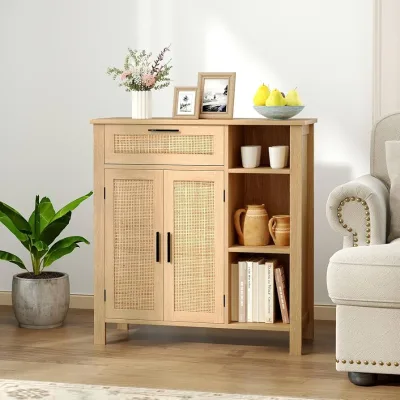
Stylish Multi-Functional Natural Wood Storage Cabinet with Drawer
$48.00 - $95.00
MOQ: 5 Square Meters


Premium Modular Solid Wood Kitchen Storage Cabinet for Organizing
$48.00 - $149.00
MOQ: 3 Square Meters


Customized Style Living Room Modern Wooden Kitchen Cabinet Furniture Wood Storage Cabinet
$48.00 - $149.00
MOQ: 5 Square Meters
Guangzhou Deyingxuan Furniture Co., Ltd.
- Verified by TüVRheinland
- Trading Company
- Lead time0 days
- Avg. response≤ 3h
Main productsCabinet, Wardrobe, Bookcase, Wine Cabinet, Display Cabinet
Main marketsDomestic Market(60%), North America(20%), Western Europe(15%)
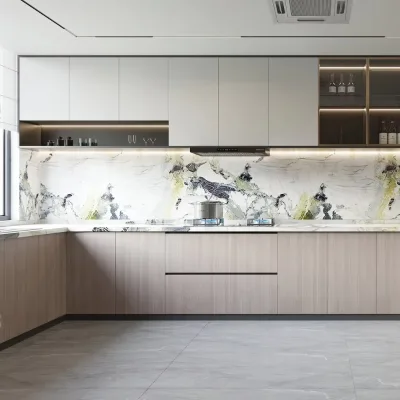
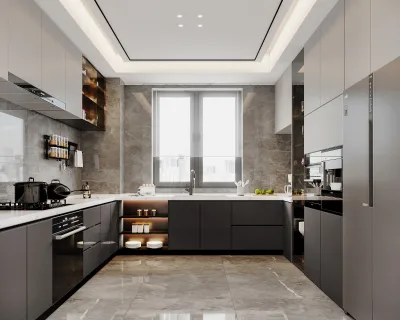
Best Selling Whole House Furniture Customization Modern Lacquer Wood Kitchen Storage Cabinet
$73.4529 - $309.3265
MOQ: 5 Minimum
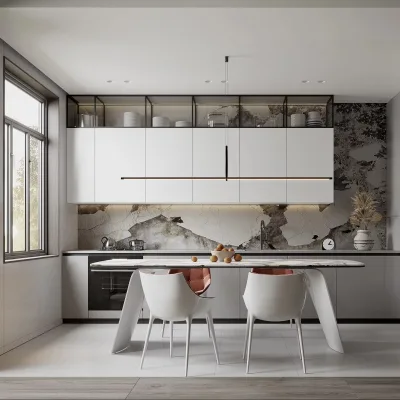
Custom Solid Wood Kitchen Cabinets Ready to Assemble Modern Storage for Apartments
$72.5511 - $305.5276
MOQ: 5 Minimum
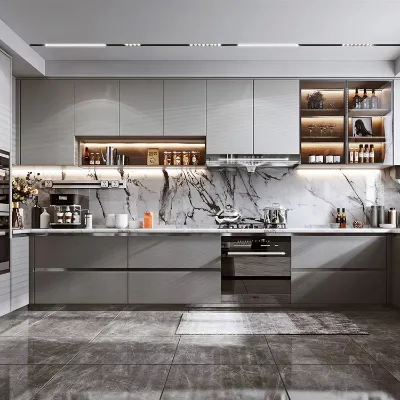
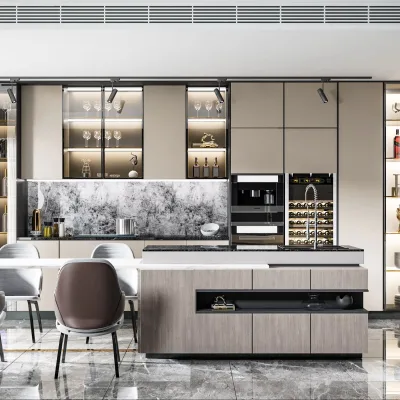
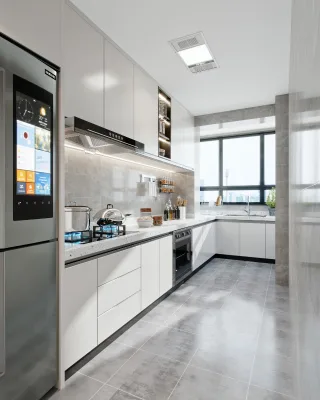
Custom Design Cheapeats Home Solid Wood Furniture Solid Wood Cabinet Kitchen Storage
$72.5511 - $305.5276
MOQ: 5 Minimum

- Verified by BV
- Manufacturer/Factory
- China Zhejiang
- Lead time30 days
- Avg. response≤ 3h
Main productsBrush Cutter, Tiller, Garden Equipment, Chain Saw, Bike Rack, Motorcycle Lift, Furniture, Hooks, Garage Rack, Storage Bin
Main marketsSouth America,Eastern Europe,Mid East,North America,Southeast Asia,Eastern Asia,Oceania,Western Europe,Africa

Qingdao Semate Furniture Co., Ltd
- Trading Company,Manufacturer/Factory
- China Shandong
- Lead time0 days
- Avg. response≤ 8h
Main productsWooden Bedroom/Home/Office/Outdoor Furniture, Wooden Bed Frame/Trundle Bed/Sofa Bed, Learning Tower/Kitchen Helper/Step Stool, Wooden Nightstand/Rocking Glider Chair, Wooden Crib/Baby Cot Bed/Baby Crib/Cots, Baby Furniture/High Chair/Playpen/Changing Table, Kids Furniture/Toddler Bed/Kid Table Set, Wooden Dining Chairs/Bentwood Stool/Dining Table, Wooden Cabinet/Closet/Wardrobe/Bookcase, Wooden Ergonomic Office Chair/Desk/Kneelingchair
Jiangxi Hongshengxiang Technology Co., Ltd.
- Manufacturer, Trading Company
- Jiangxi, China
- Lead time0 days
- Avg. response≤ 19h
Main productsCabinet,Wardroble,Bookcase,Furniture,Storage Cabinet
Main marketsNorthern Europe(15.00%), Southern Europe(15.00%), Domestic Market(10.00%), South America(10.00%), Oceania(10.00%), Africa(10.00%), Western Europe(10.00%), Eastern Europe(10.00%), Mid East(5.00%), Central America(5.00%), Southeast Asia(5.00%), Eastern Asia(3.00%), South Asia(3.00%), North America(3.00%)
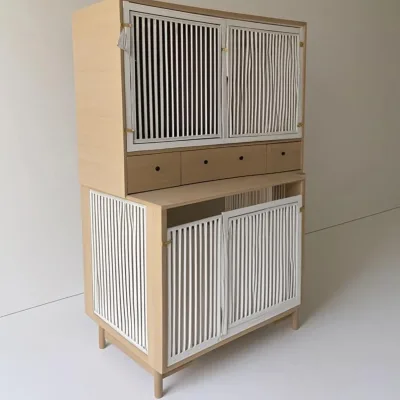
High Quality Eucalyptus Wood Furniture Modern Design Large Storage Cabinet for Outdoor Garden
$270.2152 - $274.3257
MOQ: 100 pieces
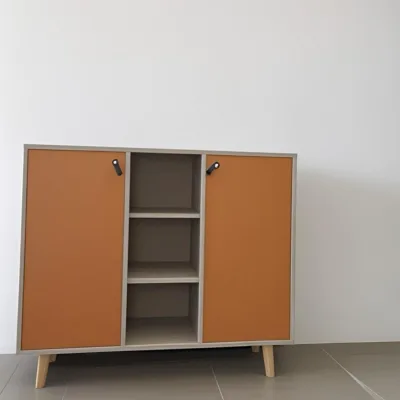
Living Room Storage Shoe Cabinet 3 Drawer Home Furniture Partical Wood 2 Doors Storage Cabinet
$63.00 - $66.50
MOQ: 100 pieces

Nanjing Silaiwei Home Co., Ltd.
- Verified by TUVRHEINLAND
- Combined
- China Jiangsu
- Lead time30 days
- Avg. response≤ 13h
Main productsKitchen Cabinet, Wardrobe, Interior Door, Wainscot Board, Kitchen Island Table, Wallboard, Wine Cabinet, Bathroom Vanity
Main marketsDomestic,Europe

Ningbo General Union Co., Ltd.
- Verified by BV
- Trading Company
- China Zhejiang
- Lead time30 days
- Avg. response≤ 9h
Main productsCleaning Brush, Bottle, Kitchenware, Storage Box, Outdoor, Pet, Fitness Equipment, Digital Devices, Camping, Pet Bottle
Main marketsSouth America,Africa,Southeast Asia/ Mideast,East Asia(Japan/ South Korea),Europe,Australia,North America

CAO COUNTY DAWANG ARTS AND CRAFTS CO., LTD.
- Verified by TUVRHEINLAND
- Manufacturer/Factory
- China Shandong
- Lead time23 days
- Avg. response≤ 19h
Main productsWooden Cabinet, Iron Furniture, Wall Shelf
Main marketsEastern Europe,North America,Western Europe


High Quality Wooden Storage Cabinet of 2 Drawer Manufacturer with Wood for Living Room
$55.00 - $65.00
MOQ: 200 Pieces


Wuxi Aifaxinlian Technology Co., Ltd.
- Trading Company
- Lead time旺季: "1 - 10":30,"11 - 200":35,"201 - 300":40,"> 300":"To be negotiated", 淡季: "1 - 10":30,"11 - 200":35,"201 - 300":40,"> 300":"To be negotiated"
- Avg. response≤ 1h
Main productsDressing Tables,Office Furniture,Shoes Cabinet,Computer Desk,Bedside Table
Changzhou Zhixiang Trading Co., Ltd.
- Trading Company
- Jiangsu, China
- Lead time0 days
- Avg. response≤ 3h
Main productsfurniture,desk,chair,Shoe cabinet,Storage Rack
Main marketsSouth America(10.00%), Eastern Europe(10.00%), North America(10.00%), Southeast Asia(10.00%), Africa(10.00%), Oceania(10.00%), Mid East(10.00%), Eastern Asia(10.00%), Western Europe(10.00%), Central America(10.00%), Northern Europe(10.00%), Southern Europe(10.00%), South Asia(10.00%), Domestic Market(10.00%)
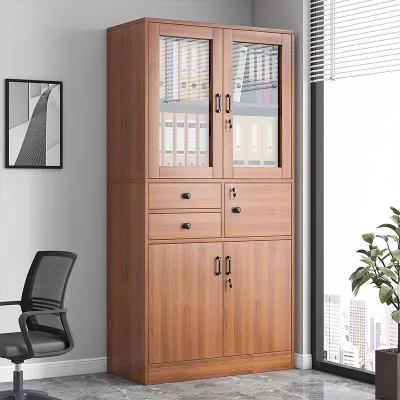
Wooden Office File Cabinet Document & Archive Cabinet Office Storage Unit Home Bookcase
$38.0372 - $119.5479
MOQ: 100 Minimum
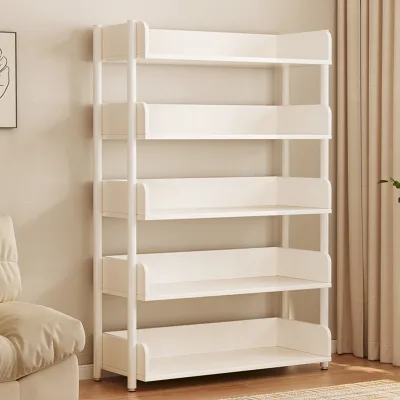
$10.2943 - $19.1115
MOQ: 100 Minimum
Chongqing Chuangxinjia Furniture Manufacturing Co., Ltd.
- Verified by Intertek
- Manufacturer, Trading Company
- Lead time0 days
- Avg. response≤ 3h
Main productsCustomization Furniture, Kitchen Furniture, Bedroom Furniture, Office Furniture, Door&Window
- Verified by TüVRheinland
- Manufacturer, Trading Company
- Lead time30 days
- Avg. response≤ 2h
Main productsHousehold furniture
Main marketsNorthern Europe(40%), North America(30%), Western Europe(20%)

Foshan Ulink Furniture Limited
- Verified by TUVRHEINLAND
- Combined
- China Guangdong
- Lead time30 days
- Avg. response≤ 3h
Main productsOffice Furniture, Bedroom Furniture, Coffee Table and TV Stand, Living Room Furniture, Dining Furniture, Office Chair, Office Desk, Computer Desk
Main marketsAfrica,Others(foreignTradeCapacity.exportBusinessCapacityMarketOther),Domestic
Cao County Luguoban Wood Industry Co., Ltd.
- Verified by SGS Group
- Manufacturer, Trading Company
- Lead time30 days
- Avg. response≤ 2h
Main productsChildrens bookshelf,Crib,Childrens storage cabinet,Furniture,Childrens furniture
Main marketsNorth America(50%), Western Europe(30%), Southeast Asia(10%)
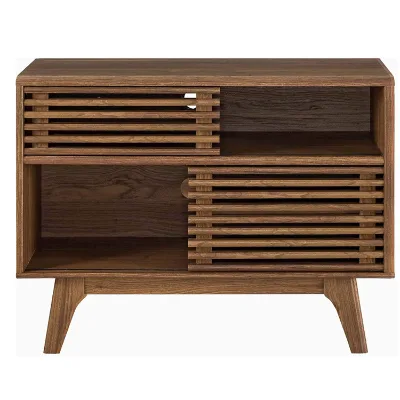
Hot Sale Modern Solid Wood Storage Display Cabinet for Living Room Bedroom Office Use
$73.5728 - $81.7474
MOQ: 50 pieces
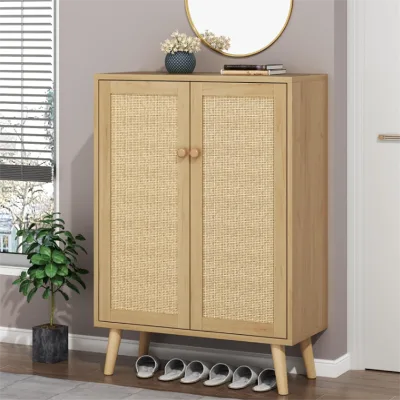
Tall Sideboard Shoe Storage Cabinet 2 Door Accent Cabinet Natural Wood Shoe Storage Cabinet
$112.8638 - $123.1236
MOQ: 50 pieces
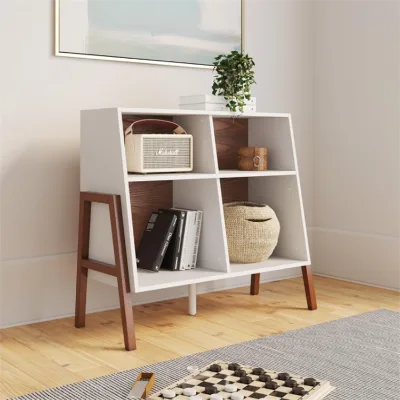

Beijing Tianyuan Rongli Technology Co., Ltd.
- Verified by SGS
- Trading Company,Manufacturer/Factory
- China Beijing
- Lead time15 days
- Avg. response≤ 2h
Main productsMelamine Board, Chipboard, MDF, Solid Wood Pellet Board, Custom-Made Furniture, Dining Room Furniture, Living Room Furniture, Steel-Wood Furniture
Main marketsSouth America,Eastern Europe,Mid East,North America,Southeast Asia,Eastern Asia,Oceania,Western Europe,Africa

Storage Cabinet Wood Metal Organizer Modern Simple Wooden Storage Cabinet
$26.10 - $29.60
MOQ: 50 Pieces


- Combined
- China Guangdong
- Lead time30 days
- Avg. response≤ 6h
Main productsCoffee Table, TV Cabinet, Kitchen Furniture, Dining Furniture, Living Room Cabinet, Storage Cabinet, Living Room Furniture, Bedroom Furniture, Wardrobe, Chest Drawers
Main marketsSouth America

Foshan Ulink Furniture Limited
- Manufacturer/Factory
- China Guangdong
- Lead time23 days
- Avg. response≤ 8h
Main productsBedroom Furniture, Coffee Table and TV Stand, Bathroom Furniture, Kitchen Furniture, Dining Furniture, Bathroom Vanity
Main marketsSouth America,Eastern Europe,Mid East,North America,Southeast Asia,Eastern Asia,Oceania,Western Europe,Africa

Shenzhen Prima Industry Co., Ltd.
- Verified by TUVRHEINLAND
- Trading Company
- China Guangdong
- Lead time30 days
- Avg. response≤ 9h
Main marketsNorth America

Adidea (Xiamen) Industry And Trade Co., Ltd.
- Trading Company
- China Fujian
- Lead time30 days
- Avg. response≤ 17h
Main productsMetal Display Shelf, Display Stand, Metal Display Rack, MDF Display Showcase, Solid Wood Display Stand, Acrylic Display Stand, Supermarket Display Shelves, Wine Beverage Food Display Rack, Garment Bag Shoe Jewelry Display Stand, Tile Stone Granite Quartz Mosaic Display Stand
Main marketsSoutheast Asia/ Mideast,Europe,North America

Shouguang Hongjiang Home Furnishing Co., Ltd
- Verified by SGS
- Combined
- China Shandong
- Lead time30 days
- Avg. response≤ 5h
Main productsKitchen Cabinet, Bathroom Cabinet, Wardrobe, Shoe Cabinet, Dresssing Table, Drawer Cabinet, Bookcase, TV Stand, Coffee Table, Computer Desk
Main marketsDomestic,Australia


Wooden Cabinet Against The Wall Integrated Storage Cabinet for Household Use
$100.00 - $300.00
MOQ: 1 Pieces


Jiangsu Mingyou Smart Home Technology Co., Ltd.
- Verified by CTI
- Combined
- China Jiangsu
- Lead time15 days
- Avg. response≤ 1h
Main productsCabinet, Wardrobe, Closet, Table, Wood Panel, Decorative Panel, Custom Furniture, OEM Furniture, ODM Furniture
Main marketsDomestic
Henan Evereco Technology Co., Ltd.
- Verified by SGS Group
- Trading Company
- Lead time15 days
- Avg. response≤ 3h
Main productsDoor, Whole-house Customization, Furniture
Main marketsNorth America(60%), Africa(40%)
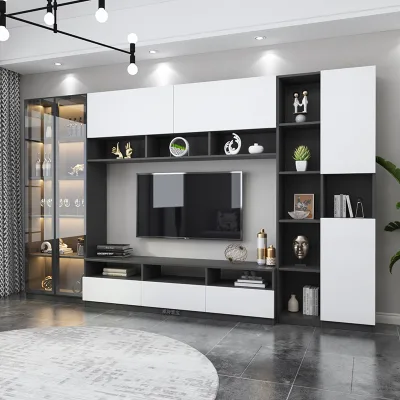
Home Decor Furniture Storage Cabinet Kitchen Cabinets Living Room Bookcases Display Cabinet
$75.90 - $130.90
MOQ: 1 meters
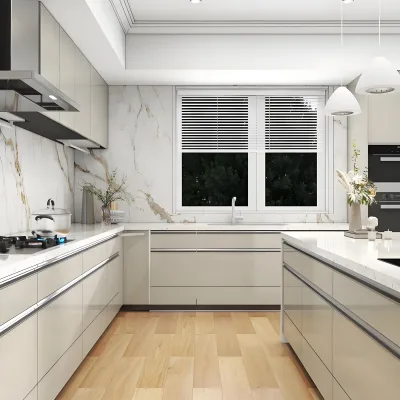
$78.0368 - $134.5833
MOQ: 1 meters

- Combined
- China Guangdong
- Lead time30 days
- Avg. response≤ 4h
Main productsBedroom Furniture, Living Room Furniture, Dining Furniture, Hotel Furniture, Sofa Furniture, King&Queen Bed, Wardrobe, Chest Drawers, Coffee Table, TV Stand
Main marketsSouth America
Shouguang Glory Wood Industry Co., Ltd.
- Verified by Intertek
- Manufacturer, Trading Company
- Lead time30 days
- Avg. response≤ 3h
Main productsTV STAND, STORAGE CABINET, KITCHEN CABINET, WARDROBE, COFFEE CABINET
Main marketsNorth America(10%), South America(10%), Eastern Europe(10%)
Changzhou Happy-Zone Technology Co., Ltd.
- Trading Company
- Jiangsu, China
- Lead time20 days
- Avg. response≤ 3h
Main productsTable,Chair,Bike,Cabinet,Racks & Shelves
Main marketsNorth America(60.00%), Western Europe(20.00%), Oceania(20.00%)
Cao County Heyi Wooden Products Co., Ltd.
- Verified by Intertek
- Manufacturer, Trading Company
- Lead time15 days
- Avg. response≤ 2h
Main productsWooden Screen, Kids Climbing Frame, Wooden Furniture, Wooden Tray, Wooden Storage Shelf
Main marketsSoutheast Asia(30%), North America(20%), Eastern Europe(15%)
Xinyu Jiali Industrial Co., Ltd.
- Manufacturer
- Jiangxi, China
- Lead time0 days
- Avg. response≤ 2h
Main productsWood Furniture
Main marketsDomestic Market(72.00%), North America(10.00%), Northern Europe(6.00%), Africa(5.00%), Mid East(5.00%), Southeast Asia(2.00%)
Henan Huipinju Furniture Co., Ltd.
- Verified by SGS Group
- Manufacturer, Trading Company
- Lead time15 days
- Avg. response≤ 2h
Main productsWardrobe, Kitchen cabinet, Book cabinet, TV cabinet, Shoe rack
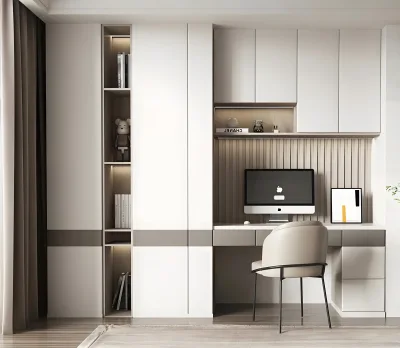
$94.347 - $120.553
MOQ: 4 square
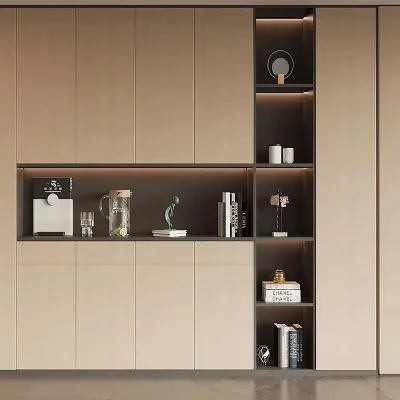
Stylish Wooden Display Cabinet with Adjustable Shelves
$89.1055 - $120.553

Hangzhou Realsun Industrial Co., Ltd
- Verified by SGS
- Trading Company,Manufacturer/Factory
- China Zhejiang
- Lead time60 days
- Avg. response≤ 1h
Main productsHotel Furniture, Hotel Lightings, Hotel Chairs, Hospitality Furniture
Main marketsSouth America,Eastern Europe,Mid East,North America,Africa






Comprehensive Sourcing Guide
Birch Wood Storage Cabinet Supplier Concentration and Factory Types
When evaluating the landscape for birch wood storage cabinets, buyers must first understand the structural composition of the available supplier base. The current market data indicates a concentration of manufacturing entities located in China, specifically within the Shandong region. This geographic clustering is significant because it suggests a mature industrial ecosystem where raw material processing, furniture assembly, and export logistics are integrated. Suppliers in this area often operate as either trading companies or direct manufacturers, a distinction that directly impacts pricing flexibility and communication efficiency. Trading companies may offer a broader portfolio of styles, while factories typically provide deeper control over production schedules and material sourcing. Understanding this dichotomy is essential for buyers who need to balance cost efficiency with the desire for direct factory engagement. The presence of both entity types in the same region allows for a competitive environment where buyers can compare service levels and production capabilities side by side.
Furthermore, the types of facilities operating in this cluster vary in their specialization and capacity. Some suppliers focus on high-volume production of standard items, while others emphasize customization and original design manufacturing (ODM) capabilities. The data shows that many suppliers offer both OEM and ODM services, indicating a flexible manufacturing base that can adapt to specific buyer requirements. This flexibility is crucial for buyers seeking unique birch wood storage solutions that differ from mass-market offerings. The ability to customize dimensions, finishes, and internal configurations is a key differentiator among these suppliers. Buyers should assess whether a supplier’s primary focus aligns with their volume needs and customization expectations. A supplier that specializes in high-end solid wood furniture may have different quality controls and lead times compared to one focused on engineered wood products. Recognizing these operational differences helps buyers select partners who can reliably deliver the specific product attributes required for their market.
How to Verify Birch Wood Storage Cabinet Suppliers
Verification is a critical step in mitigating risk when sourcing birch wood storage cabinets from international suppliers. Buyers should prioritize suppliers who have undergone third-party verification processes, as these provide an independent assessment of the company’s legitimacy and operational capacity. In the current results, verification badges such as CTI and BV are present, indicating that these suppliers have been inspected by recognized testing and certification bodies. These inspections typically cover business licenses, factory conditions, and quality management systems. Buyers should look for these verification marks as a baseline indicator of reliability. However, verification alone is not a guarantee of product quality or delivery performance. It is a starting point that confirms the supplier exists and operates within legal frameworks. Buyers must go beyond the badge to understand the scope of the verification and whether it includes ongoing monitoring or one-time assessments.
In addition to third-party verification, buyers should evaluate the supplier’s responsiveness and communication efficiency. The data indicates response times around 6.42 hours for some suppliers, which is a useful metric for assessing operational readiness. A quick response time often correlates with a well-organized sales and customer service team, which is vital for resolving issues during the production and shipping phases. Buyers should test this responsiveness by sending detailed inquiries about birch wood specifications, finish options, and packaging standards. The quality and speed of the reply can reveal much about the supplier’s professionalism. Additionally, buyers should check for system certifications such as BSCI, which indicates adherence to social compliance standards. This is particularly important for buyers who have corporate social responsibility policies or operate in markets with strict labor regulations. Combining verification badges, response time analysis, and certification checks provides a comprehensive view of a supplier’s reliability and readiness to handle complex orders.
What to Compare Across Birch Wood Storage Cabinet Suppliers
When comparing suppliers, buyers must look beyond the initial product listing and examine the specific attributes that define the manufacturing capability. Key dimensions for comparison include lead time, minimum order quantity (MOQ), and customization options. The data shows lead times ranging from 23 to 30 days, which is a significant variance that can impact inventory planning and market launch schedules. Buyers should clarify whether these lead times are based on stock items or custom production runs. Similarly, MOQs vary widely, with some suppliers requiring as few as 10 units while others may have higher thresholds. This flexibility is crucial for buyers who are testing new markets or have limited storage capacity. Comparing these operational metrics helps buyers identify suppliers who can align with their logistical and financial constraints. It is also important to assess the range of main products offered, as suppliers with diverse portfolios may have more robust supply chains and production lines.
Another critical aspect of comparison is the detailed product specifications and material composition. While the keyword is birch wood, the actual product data reveals a mix of materials, including solid wood, MDF, and panel wood. Buyers must verify if the birch wood is used as a veneer, solid component, or structural element. The data shows attributes such as "Species of Wood: Beech" and "E1 MDF," which highlights the need for precise material verification. Buyers should request detailed material certificates and sample approvals to ensure the product matches their quality expectations. Additionally, comparing pricing structures is essential, with prices ranging from approximately $35 to $196 per unit depending on size and complexity. Buyers should analyze the price-to-value ratio, considering factors like packaging quality, durability, and finish. By systematically comparing lead times, MOQs, material specifications, and pricing, buyers can make informed decisions that balance cost, quality, and delivery speed. This comparative approach reduces the risk of selecting a supplier who may not meet specific project requirements.
Common Birch Wood Storage Cabinet Sourcing Risks
Sourcing birch wood storage cabinets involves several inherent risks that buyers must proactively manage. One significant risk is material substitution, where suppliers may use engineered wood or lower-grade timber instead of the specified birch wood. The data shows a variety of wood types, including beech and MDF, which indicates that buyers must be vigilant about material specifications. Without clear contractual terms and sample approvals, there is a risk of receiving products that do not meet the desired aesthetic or durability standards. Buyers should insist on detailed material breakdowns and regular quality inspections during production. Another risk is the variability in finish quality and structural integrity. The data mentions attributes like "Sliding Door" and "Assemble" structures, which can be points of failure if not manufactured correctly. Buyers should assess the supplier’s quality control processes and request evidence of drop tests or structural stability checks.
Logistical risks are also prevalent, particularly regarding packaging and shipping damage. The data indicates various packing methods, such as "Double Corrugated Carton/Six Sides Foam" and "Standard Packing." Inadequate packaging can lead to damaged goods upon arrival, resulting in costly returns and delays. Buyers should specify packaging requirements in the purchase agreement and ensure that the supplier has experience in exporting fragile furniture items. Additionally, there is a risk of communication breakdowns, especially when dealing with suppliers in different time zones. The response time data suggests that while some suppliers are responsive, delays can occur. Buyers should establish clear communication protocols and regular update schedules to mitigate this risk. Finally, regulatory compliance risks, such as formaldehyde emissions or fire safety standards, must be addressed. Buyers should verify that the supplier’s products meet the regulatory requirements of their target market. By identifying and addressing these risks early in the sourcing process, buyers can protect their interests and ensure a smoother procurement experience.
Birch Wood Storage Cabinet Regional Sourcing and Logistics
The regional concentration of suppliers in China, particularly in Shandong, offers distinct advantages for sourcing birch wood storage cabinets. This region is known for its robust manufacturing infrastructure and access to raw materials, which can lead to competitive pricing and efficient production cycles. Buyers benefit from the proximity to major ports, which facilitates smoother export logistics and reduces transit times to global markets. The data confirms that products originate from China, with specific mentions of Weifang, a city in Shandong province. This geographic specificity allows buyers to plan logistics more effectively, as they can anticipate shipping routes and customs procedures. Additionally, the clustering of suppliers in this region fosters a competitive environment that drives innovation and service improvement. Buyers can leverage this competition to negotiate better terms and secure higher quality standards.
However, buyers must also consider the logistical challenges associated with international shipping. Furniture items, especially those made of wood, are bulky and require careful handling to prevent damage. The data shows various product dimensions, such as 135-47.5-19.5cm and 1003580 Cm, which impact container loading efficiency. Buyers should work with suppliers who have experience in optimizing packaging for container space utilization. This can significantly reduce shipping costs and environmental impact. Furthermore, buyers should be aware of potential tariffs and import duties in their home countries, which can affect the final landed cost. Understanding the regional sourcing dynamics allows buyers to make informed decisions about inventory management and supply chain resilience. By leveraging the strengths of the Shandong manufacturing cluster while mitigating logistical risks, buyers can establish a reliable and cost-effective supply chain for birch wood storage cabinets.
Birch Wood Storage Cabinet Commercial Terms and Order Planning
Effective order planning requires a thorough understanding of the commercial terms offered by suppliers. The data indicates a range of prices, from $35.40 to $196.00, which reflects the diversity in product complexity and material quality. Buyers should align their budget with the specific features required, such as the number of doors, drawers, or specialized finishes. The presence of customization options, marked as "Available" or "Customized," allows buyers to tailor products to their brand identity. However, customization often comes with higher MOQs and longer lead times, which must be factored into the order planning process. Buyers should negotiate clear terms regarding payment schedules, warranty policies, and after-sales support. Understanding these commercial terms helps buyers avoid hidden costs and ensures a transparent transaction.
Additionally, buyers should plan for scalability and future orders. The data shows that some suppliers have established brands and offer OEM/ODM services, which can be beneficial for long-term partnerships. Buyers should assess the supplier’s capacity to handle increased order volumes without compromising quality or delivery times. The lead time data, ranging from 23 to 30 days, provides a baseline for production scheduling. Buyers should build buffer time into their plans to account for potential delays. Furthermore, buyers should consider the supplier’s ability to provide consistent quality across multiple batches. Establishing a strong relationship with a reliable supplier can lead to better pricing and priority service. By carefully planning commercial terms and order logistics, buyers can optimize their supply chain and achieve greater operational efficiency. This strategic approach ensures that the sourcing process supports the buyer’s broader business objectives and market demands.
FAQs
What is the price range for birch wood storage cabinets?
Prices for solid wood storage cabinets typically range from $35.40 to $196.00 per unit. The cost varies based on material quality, such as beech or MDF, and specific design features like sliding doors or multiple drawers. Buyers should check the minimum order quantity to determine the final per-unit cost for their specific volume requirements.
What is the typical lead time for manufacturing these cabinets?
Manufacturing lead times generally range from 23 to 30 days depending on the supplier and order complexity. Factories in China Shandong often provide these timeframes for standard production runs. Buyers should confirm the exact schedule with the supplier before placing orders to ensure timely delivery for their project deadlines.
What is the minimum order quantity for these products?
Minimum order quantities vary significantly, ranging from 1 unit for sample orders to 100 units for bulk purchases. Some suppliers offer low MOQs for specific models, while others require higher volumes for custom solid wood options. Always verify the MOQ for the specific model and customization level you intend to purchase.
Are these cabinets customizable for branding or design?
Yes, customization is available for many models, including color, size, and structural adjustments. Suppliers offer OEM and ODM services to tailor cabinets to specific requirements. Buyers can request custom dimensions or finishes, such as melamine paper surfaces or specific wood styles, to match their interior design needs.
What certifications do these furniture suppliers hold?
Suppliers may hold BSCI system certifications and undergo CTI or BV verifications. These credentials indicate adherence to social compliance and quality standards. Buyers should request current certification documents to ensure the supplier meets international ethical and safety requirements for their specific market regulations.
Where are these furniture manufacturers located?
Manufacturers are primarily located in China, with specific hubs in Shandong and Weifang. These regions are known for producing wooden furniture, including storage cabinets and wardrobes. Buyers can source directly from these locations to benefit from established supply chains and competitive manufacturing capabilities.