Modular Leather Combination Sofa Suppliers and Manufacturers
Compare 25 verified suppliers offering Modular Leather Combination Sofa options with varying lead times, certifications, and response speeds. Review product attributes like FSC and Oeko-Tex standards, then request quotes for specific models; review the available evidence before requesting comparable quotations from suitable candidates.
Updated
Suppliers List

Foshan Iconic Society Furniture Co., Ltd
- Verified by TUVRHEINLAND
- Combined
- China Guangdong
- Lead time23 days
- Avg. response≤ 4h
Main productsSofa, Leather Sofa, Chesterfield Sofa, Dinning Furniture, Bar Stool, Lounge Chair, Home Furniture, Living Room Furniture, Wooden Furniture, Bed
Main marketsSoutheast Asia/ Mideast

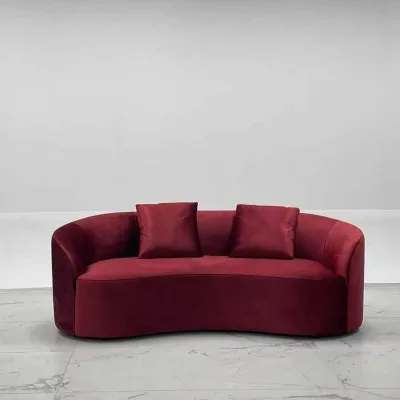
Modern Home Luxury Living Room Furniture Velvet Fabric Combination Modular Sofa
$485.00 - $538.00
MOQ: 5 Sets


Foshan Yefei Furniture Co., Ltd.
- Verified by SGS
- Combined
- China Guangdong
- Lead time30 days
- Avg. response≤ 2h
Main productsSofa, Modular Sofa
Main marketsDomestic,Europe,North America


Classical Compressed Sofa with Multi-Functional Modular Sofa Design for Comfort
$170.00 - $190.00
MOQ: 5 Sets


Foshan Ganasi Furniture Co., Limited
- Combined
- China Guangdong
- Lead time30 days
- Avg. response≤ 25h
Main productsLeather Sofa
Main marketsEurope,Australia,North America

China Lizz Furniture Co., Ltd.
- Verified by SGS
- Combined
- China Guangdong
- Lead time15 days
- Avg. response≤ 10h
Main productsHome Furniture, Fabric Sofa, Leather Sofa, Side Table, Coffee Table, TV Stand, Dining Sets, Wardrobe
Main marketsSoutheast Asia/ Mideast,Australia


Chinese Manufacturer Hot Sale Modern Home Leisure Modular Leather Sofa Furniture
$650.00 - $930.00
MOQ: 1 Sets


Jiangmen Fenmi Furniture Co., Ltd.
- Verified by BV
- Trading Company,Manufacturer/Factory
- China Guangdong
- Lead time23 days
- Avg. response≤ 5h
Main productsHotel Furniture, Hotel Bedroom Furniture, Bedroom Set, Bedroom Furniture Set, Hospitality Furniture, Office Sofa, Office Chair, Office Desk, Workstation
Main marketsSouth America,Eastern Europe,Mid East,North America,Southeast Asia,Eastern Asia,Oceania,Western Europe,Africa
Shunde District Of Foshan City Jinxinran Furniture Co., Ltd.
- Verified by TüVRheinland
- Manufacturer, Trading Company
- Lead time30 days
- Avg. response≤ 2h
Main productsSofa, Bed, Dining Room Sets, Wedding Furniture, Event Furniture
Main marketsNorth America(40%), Oceania(30%), Eastern Europe(5%)
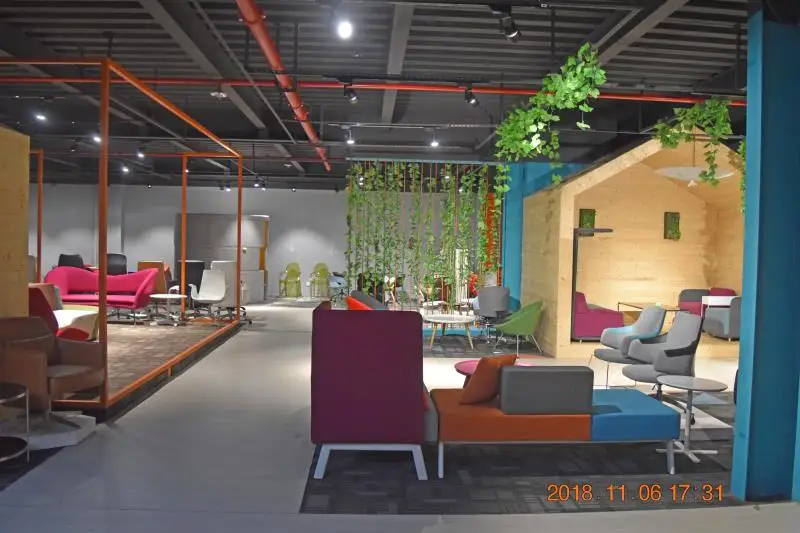
Foshan Lvye Furniture Co., Ltd.
- Manufacturer, Trading Company
- Guangdong, China
- Lead time18 days
- Avg. response≤ 8h
Main productsOffice Chair,furniture hardware,office furniture,interior design,Office Desk
Main marketsNorth America(18.00%), Eastern Europe(15.00%), Mid East(13.00%), Northern Europe(13.00%), Southeast Asia(12.00%), Western Europe(8.00%), Southern Europe(7.00%), Africa(3.00%), South America(3.00%), South Asia(2.00%), Oceania(2.00%), Eastern Asia(2.00%), Central America(2.00%)
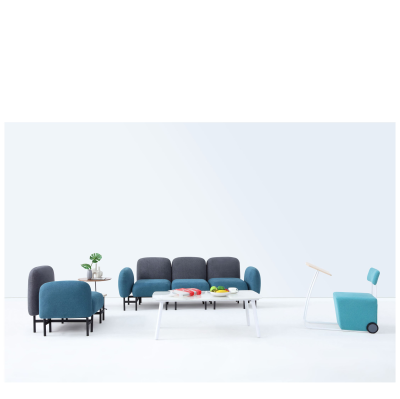
$97.00 - $97.20
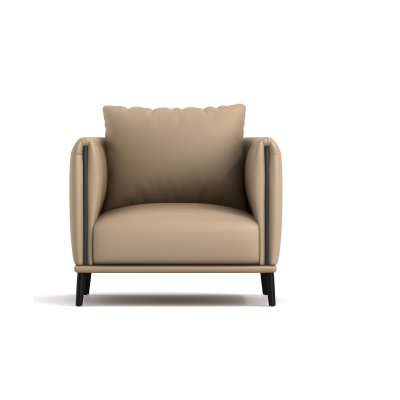
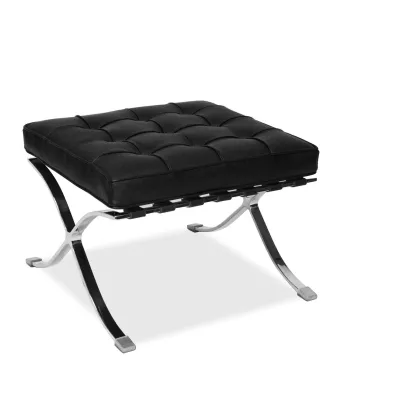
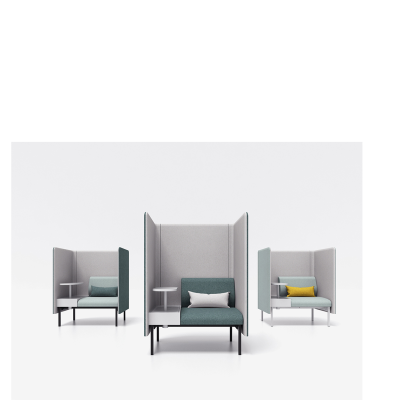
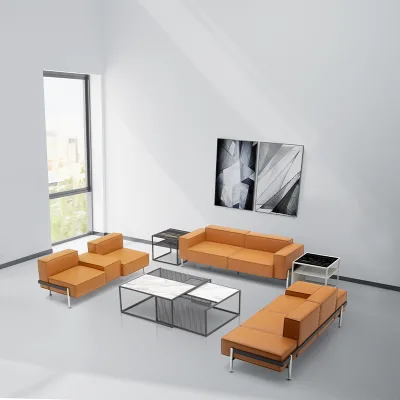
Classicalmodern stainless steel frame famous design leathersofa
$124.00 - $124.40
$502.00 - $502.30
Foshan Chuangshangying Furniture Co., Ltd.
- Manufacturer
- Guangdong, China
- Lead time0 days
- Avg. response≤ 2h
Main productsgarden furniture,living furniture,bed furniture,office furniture,outdoor furniture
Main marketsNorth America(50.00%), Mid East(20.00%), Western Europe(20.00%), Eastern Europe(10.00%)
Guangzhou Wenjiasheng Network Technology Co., Ltd.
- Verified by SGS Group
- Manufacturer, Trading Company
- Lead time0 days
- Avg. response≤ 4h
Main productsDining Table, Bed, Accent Chair
Main marketsNorth America(70%), Western Europe(10%), South America(5%)
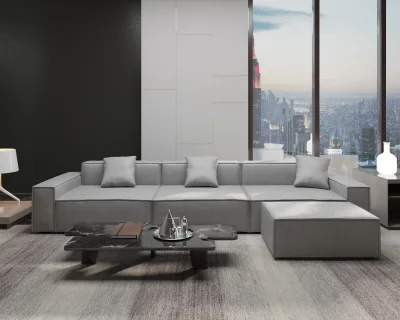
Light Luxury Sofa Modular Square Combination Leather Sofas for Family Simple Style
$1270.00 - $1480.00
MOQ: 1
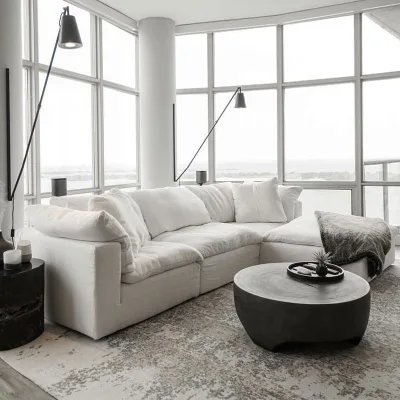
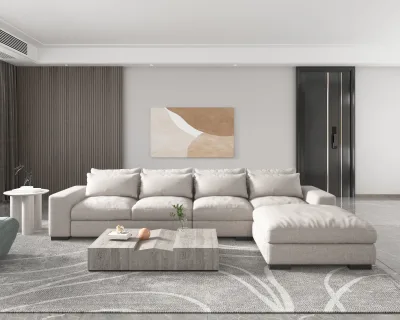
ATUNUS High Quality Modular Sofa Leather Sofa Set Furniture Leathaire Sofas for Home Luxury
$463.00 - $618.00
MOQ: 1

Foshan Riyuehe Furniture Co., Ltd.
- Verified by SGS
- Combined
- China Guangdong
- Lead time30 days
- Avg. response≤ 6h
Main productsFurniture, Dining Chair, Chair, Sofa Bed, Beach Chair, Sofa, Bed, Dining Table, Salon Furniture, Office Chair
Main marketsDomestic,North America

- Verified by SGS
- Trading Company
- China Guangdong
- Lead time60 days
- Avg. response≤ 13h
Main productsSofa Dining Table Bed Chair Coffee Table, Living Room Furniture, Dining Room Furniture, Bedroom Furniture, Hotel Furniture, Office Furniture, Outdoor Furniture, Mattress
Main marketsSouth America,Eastern Europe,Mid East,North America,Southeast Asia,Eastern Asia,Oceania,Western Europe,Africa


New Design Modern Furniture Living Room Leather Sofa Modular Corner Sofa
$1000.00 - $20000.00
MOQ: 1 Pieces


Dongguan Elefante Furniture Co., Ltd.
- Verified by Intertek
- Manufacturer, Trading Company
- Lead time50 days
- Avg. response≤ 2h
Main productsSofa, Table, Beds, Chairs, Cabinet
Changsha Dengdu E-commerce Co., Ltd.
- Trading Company
- Hunan, China
- Lead time0 days
- Avg. response≤ 2h
Main productslighting
Main marketsNorth America(51.00%), Northern Europe(49.00%)
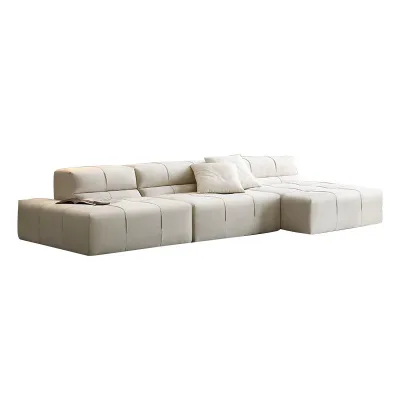
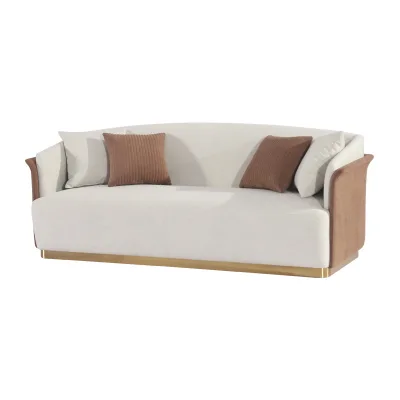
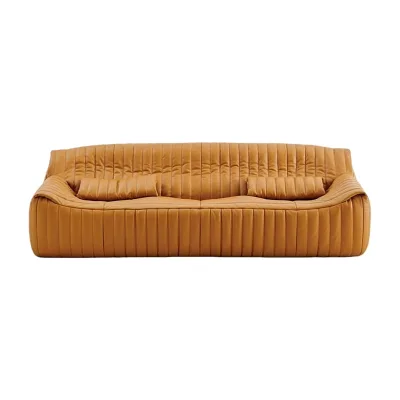
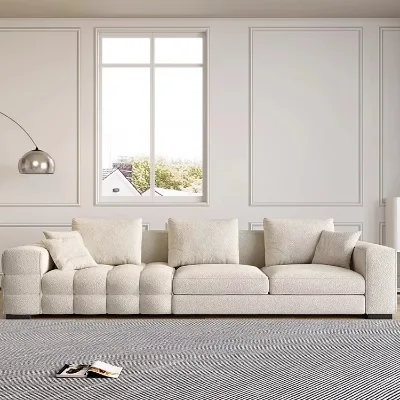
Custom Modern Luxury Leather Combination Sofa Living Room, Hotel and Villa Simple and Clean
$488.00 - $558.00
MOQ: 2

Shenzhen Prima Industry Co., Ltd.
- Manufacturer/Factory
- China Guangdong
- Lead time45 days
- Avg. response≤ 11h
Main productsStaircase, Railing, Kitchen, Wardrobe, Building Glass, Movable Partition, Shower, Window&Door, Tiles&Flooring, Bathroom Accessories
Main marketsSouth America,Eastern Europe,Mid East,North America,Southeast Asia,Eastern Asia,Oceania,Western Europe,Africa

Shenzhen Prima Industry Co., Ltd.
- Trading Company,Manufacturer/Factory,Group Corporation
- China Guangdong
- Lead time45 days
- Avg. response≤ 11h
Main productsStaircase&Railing, Kitchen Cabinets&Wardrobe, Aluminum Window&Door, Wood Doors, Exterior Doors, Furniture, Wall Cladding, Flooring, Pergola, Canopy
Main marketsSouth America,Eastern Europe,Mid East,North America,Southeast Asia,Eastern Asia,Oceania,Western Europe,Africa

Guangzhou yafon furniture manufacturing co.LTD
- Verified by BV
- Manufacturer/Factory
- China Guangdong
- Lead time23 days
- Avg. response≤ 4h
Main productsOffice Sofa, Leisure Chair, Office Chair, Office Furniture, Coffee Table, Modern Sofa, Sofa, Ergonomic Mesh Chair, Office Desk
Main marketsSouth America,Eastern Europe,Mid East,North America,Southeast Asia,Eastern Asia,Oceania,Western Europe,Africa

Weieryang (Wuhan) Information Technology Co., Ltd
- Verified by CTI
- Combined
- China Hubei
- Lead time23 days
- Avg. response≤ 1h
Main productsBathroom Mirror, Stainless Steel, Stainless Steel Screen, Sculpture Crafts, Painting, Stainless Steel Niche, Stainless Steel Hanger, Stainless Steel Tray, Stainless Steel Mirror, Stainless Steel Hanging Painting
Main marketsDomestic
Foshan Kabasha Furniture Co., Ltd.
- Verified by SGS Group
- Manufacturer, Trading Company
- Lead time20 days
- Avg. response≤ 4h
Main productsFabric Sofa, Leather Sofa, Living Room Furniture, Cabinet, Home Furniture
Main marketsNorth America(30%), South Asia(20%), Oceania(15%)

Foshan Optima Home Industry Co .,Ltd
- Trading Company
- China Guangdong
- Lead time0 days
- Avg. response≤ 7h
Main productsFurniture, Railings, Staircase, Aluminum Windows & Doors, Wooden Doors, Wooden Cabinets, Wrought Iron Products, Bathroom Products
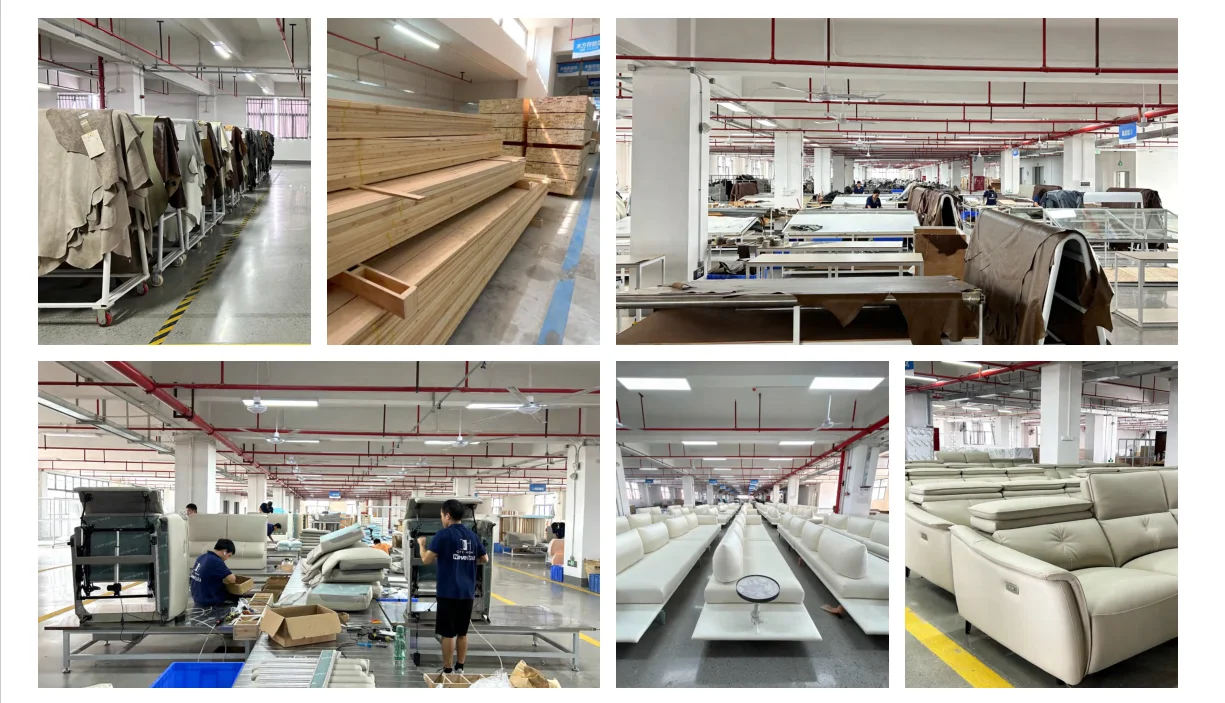
- Manufacturer
- Guangdong, China
- Lead time25 days
- Avg. response≤ 10h
Main productsHome Furniture,Commercial Furniture,Hotel Furniture,Living Room Furniture,Bedrrom Furniture
Main marketsNorth America(38.00%), Northern Europe(16.00%), Domestic Market(10.00%), Eastern Europe(10.00%), Western Europe(6.00%), Mid East(5.00%), Southern Europe(5.00%), Southeast Asia(2.00%), Africa(2.00%), Eastern Asia(2.00%), Central America(1.00%), South Asia(1.00%), Oceania(1.00%), South America(1.00%)
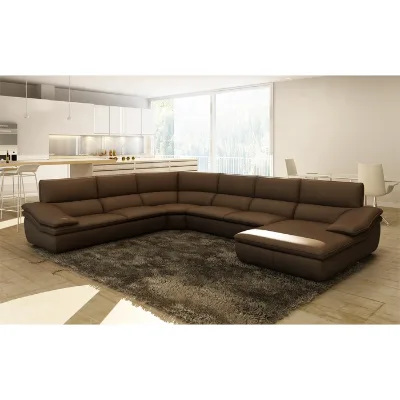
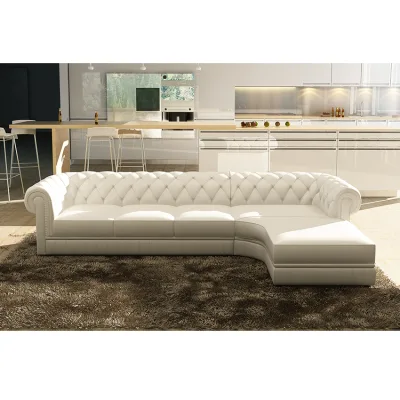
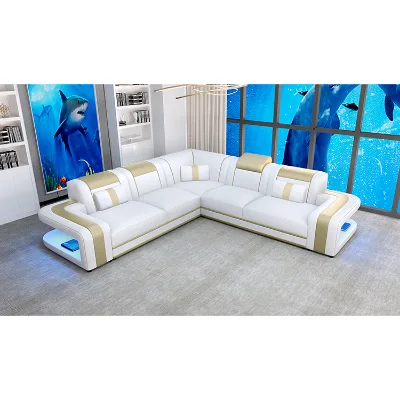
Modular Luxury Genuine l Leather Corner White Sofa Sets Furniture Design Leather Lounge Sofa
$700.00 - $1176.00
MOQ: 5
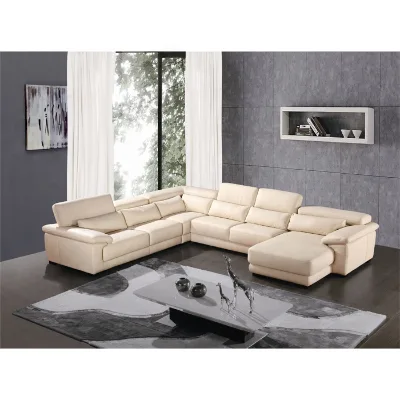
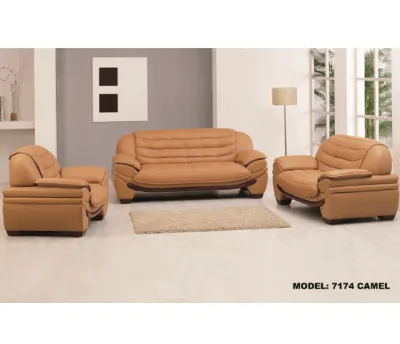
Sitting Room Furniture Sofa Set Leather l Shape Living Room Sofas Modular White Leather Sofa
$500.00 - $689.00
MOQ: 10

Easy Assembly Fabric Sofa for Living Room Contemporary Sectional Sofa with Corner Chaise Lounge
$892.00 - $1115.00
MOQ: 2
Liuzhou Leken Furniture Co., Ltd.
- Trading Company
- Guangxi, China
- Lead time45 days
- Avg. response≤ 4h
Main productsCustom Hotel Furniture,Office chair,Conference tables,Conference chair,sofa
Main marketsMid East(15.00%), Southeast Asia(15.00%), Central America(15.00%), South Asia(15.00%), North America(15.00%), Eastern Asia(5.00%), Africa(5.00%), South America(5.00%), Domestic Market(3.00%), Northern Europe(3.00%), Eastern Europe(1.00%), Oceania(1.00%), Southern Europe(1.00%), Western Europe(1.00%)

Shanghai Rongma Furniture Co., Ltd.
- Verified by CTI
- Combined
- China Shanghai
- Lead time30 days
- Avg. response≤ 5h
Main productsSofa, Leather Sofa, Modern Sofa, Leisure Sofa, Fabric Sofa, Living Room Sofa, Bed, Soft Bed, Sectional Sofa
Main marketsEast Asia(Japan/ South Korea),North America
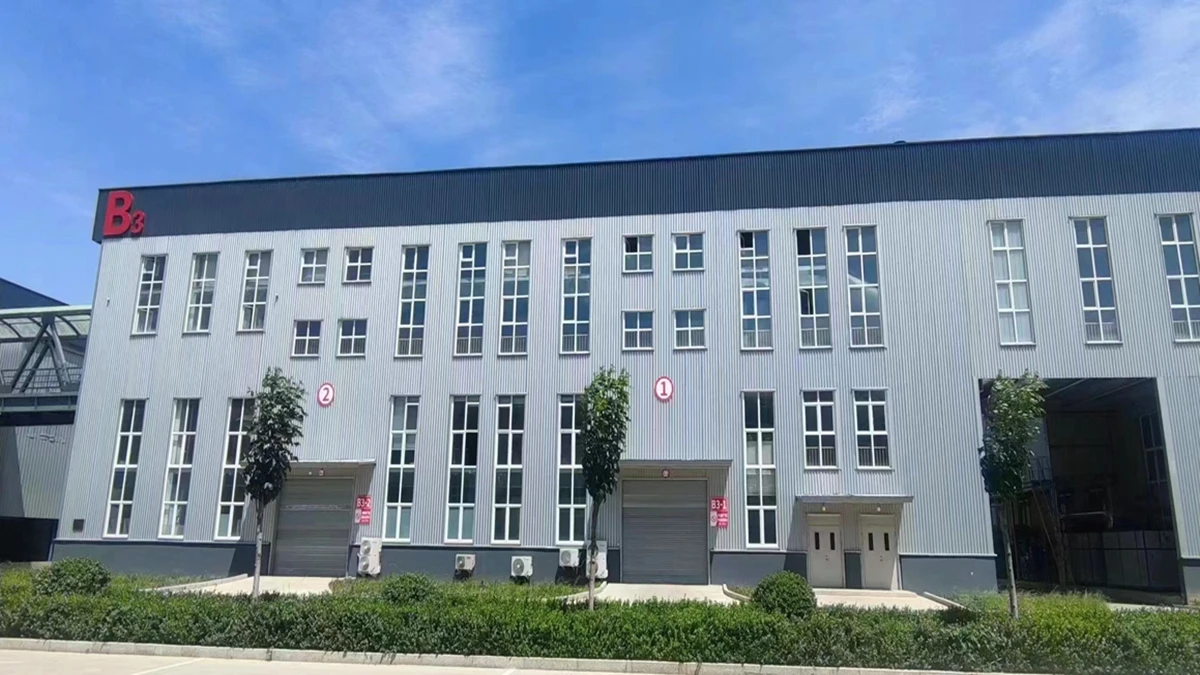
Beijing Borito Furniture Co., Ltd.
- Trading Company
- Beijing, China
- Lead time15 days
- Avg. response≤ 3h
Main productsOffice Furniture,Hotel Furniture,Apartment Furniture,Have Furniture Made To Order,Restaurant Furniture
Main marketsNorth America(20.00%), Oceania(10.00%), Central America(10.00%), Northern Europe(10.00%), Eastern Europe(10.00%), Mid East(10.00%), Southern Europe(5.00%), Western Europe(5.00%), Southeast Asia(5.00%), South America(5.00%), South Asia(3.00%), Eastern Asia(3.00%), Domestic Market(2.00%), Africa(2.00%)
Foshan Jianermei Furniture Co., Ltd.
- Verified by SGS Group
- Manufacturer, Trading Company
- Lead time30 days
- Avg. response≤ 1h
Main productsSofa, Chair, Bed, Table, Cabinet
Main marketsNorth America(30%), Western Europe(15%), Northern Europe(15%)
Chongqing JXT Furniture Co., Ltd.
- Trading Company
- Chongqing, China
- Lead time15 days
- Avg. response≤ 3h
Main productsOutdoor parasol,Bar stool,Restaurant table,commercial chair,pavilion
Main marketsNorth America(25.00%), Northern Europe(12.00%), Western Europe(12.00%), Central America(10.00%), Southern Europe(8.00%), Eastern Europe(8.00%), Mid East(7.00%), Africa(5.00%), South America(5.00%), Eastern Asia(5.00%), Southeast Asia(2.00%), Oceania(1.00%)



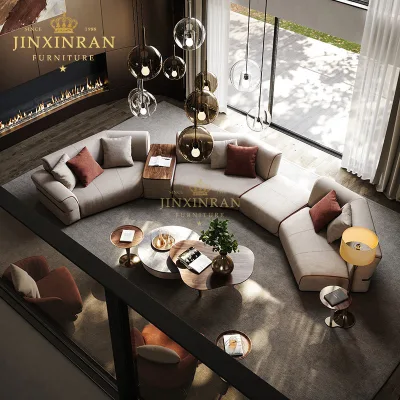
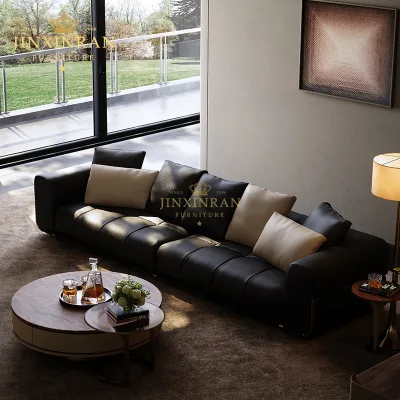
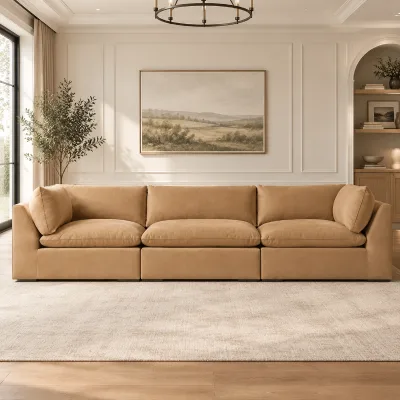
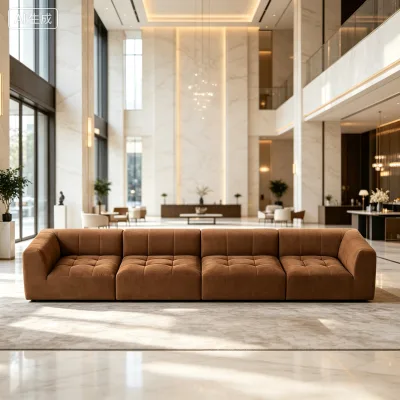








Comprehensive Sourcing Guide
Modular Leather Combination Sofa Supplier Concentration and Factory Types
The current supplier landscape for modular leather combination sofas reveals a distinct concentration of manufacturing activity within China, specifically in the Guangdong region. This geographic clustering is significant for buyers because it indicates a mature industrial ecosystem where specialized components, from high-grade leather hides to modular frame joinery, are readily available. Factories in this area often operate as combined entities, meaning they may function as both trading companies and manufacturers, or offer a hybrid service model that blends direct factory pricing with trading company flexibility. This dual nature can impact how buyers assess production capabilities and communication channels. When evaluating these suppliers, it is crucial to understand that the "combined" company type suggests a versatile operational structure that can handle both small-batch customization and larger volume orders, though the exact balance of in-house manufacturing versus outsourced assembly varies by individual vendor.
Understanding the specific factory type is essential for determining the level of control a buyer has over the production process. Suppliers listing themselves as combined entities often provide a broader range of services, including original design manufacturing (ODM) and original equipment manufacturing (OEM), alongside their own branded products. This versatility allows for greater customization of modular leather sofas, such as altering the configuration of sectional pieces or specifying unique leather finishes. However, buyers must verify the extent of in-house production to ensure quality consistency. The presence of an own brand capability suggests that the supplier has invested in product development and design, which can be beneficial for buyers seeking unique, market-ready designs rather than generic white-label items. This structural insight helps buyers align their sourcing strategy with their need for either rapid customization or standardized, high-volume production.
How to Verify Modular Leather Combination Sofa Suppliers
Verification is a critical step in mitigating risk when sourcing modular leather combination sofas from international markets. Buyers should prioritize suppliers who have undergone third-party verification processes, as these provide an independent assessment of the company’s legitimacy and operational capacity. For instance, some suppliers in the current results are verified by TÜV Rheinland, a globally recognized testing and certification body. This verification status offers a layer of assurance regarding the supplier’s business practices and financial stability. Additionally, other suppliers may hold SGS verification, which further corroborates their operational integrity. These third-party validations are not merely badges but represent rigorous audits that can reveal the true scale of the factory, the accuracy of their claimed capabilities, and their compliance with international business standards. Buyers should actively seek out these verification marks to distinguish between established manufacturers and potentially less reliable entities.
Beyond third-party verification, buyers must scrutinize the specific certifications and standards associated with the products themselves. The supply chain for modular leather sofas involves various materials, including leather, fabric, foam, and wooden or metal frames, each of which may require specific compliance documentation. Some suppliers display certifications such as FSC (Forest Stewardship Council) for wooden components, ensuring sustainable sourcing, or Oeko-Tex Standard 100 for textiles, which guarantees the absence of harmful substances. Others may hold ISO9001:2015 for quality management systems and ISO14001:2015 for environmental management. These certifications are vital for buyers targeting markets with strict regulatory requirements, such as the European Union or North America. Buyers should request copies of these certificates and verify their validity through the issuing bodies. Furthermore, checking for specific product-level certifications, such as fire retardant standards, is essential for ensuring the safety and legal compliance of the final furniture pieces in the destination market.
What to Compare Across Modular Leather Combination Sofa Suppliers
When evaluating multiple suppliers for modular leather combination sofas, buyers must compare key operational metrics to determine the best fit for their specific business needs. One of the most critical factors is the lead time, which directly impacts inventory management and customer satisfaction. Current data indicates that lead times can vary significantly, with some suppliers offering production windows of 23 days, while others may require 30 to 35 days for order fulfillment. This variance can be influenced by the complexity of the customization, the availability of raw materials, and the supplier’s current production load. Buyers should align their order planning with these lead times to avoid stockouts or delays. Additionally, the minimum order quantity (MOQ) is a crucial consideration, especially for smaller buyers or those testing new markets. Some suppliers may have an MOQ of just five units, allowing for flexible trial orders, while others might require larger volumes to achieve economies of scale.
Another vital aspect of comparison is the supplier’s responsiveness and product range. Response time is a key indicator of a supplier’s professionalism and ability to handle inquiries efficiently. Data shows that response times can range from approximately 1.80 hours to 3.82 hours, with faster responses often correlating with better customer service and quicker issue resolution. Buyers should also assess the breadth of the supplier’s main products and customization capabilities. Suppliers offering a wide range of modular configurations, from single-seat units to large sectional combinations, provide greater flexibility in meeting diverse customer preferences. The availability of customization options, such as specific leather colors, fabric types, or frame materials, is another differentiator. Buyers should compare the extent of these customization services, as well as the warranty terms offered, to ensure long-term product reliability. By systematically comparing these operational and product-related factors, buyers can make informed decisions that balance cost, quality, and service efficiency.
Common Modular Leather Combination Sofa Sourcing Risks
Sourcing modular leather combination sofas from international suppliers introduces several potential risks that buyers must proactively manage. One significant risk is the variability in product quality, particularly concerning the leather and structural integrity of the modular units. Leather is a natural material, and inconsistencies in grain, thickness, and finish can occur if quality control measures are not stringent. Buyers must ensure that suppliers have robust quality assurance processes in place, including pre-shipment inspections and adherence to specific material standards. The modular nature of the sofas also presents a risk related to compatibility and assembly. If the connection mechanisms between different sofa sections are not standardized or durable, the final product may suffer from instability or misalignment. Buyers should request detailed technical specifications and assembly instructions to verify the reliability of the modular design before placing large orders.
Another common risk is the discrepancy between sample quality and bulk production. Suppliers may provide high-quality samples that do not reflect the standards of mass-produced items. This risk is exacerbated when dealing with combined supplier types that may outsource certain components. Buyers must establish clear quality benchmarks and conduct regular inspections during production. Additionally, there is a risk associated with intellectual property and design infringement, especially when sourcing custom or unique modular designs. Buyers should ensure that their designs are protected and that suppliers adhere to confidentiality agreements. Furthermore, logistical risks, such as damage during transit, are prevalent due to the bulky nature of furniture. Proper packaging, such as carton boxes or customized packing solutions, is essential to protect the sofas during shipping. Buyers should verify the packaging standards and insurance options offered by suppliers to mitigate potential losses from transit damage.
Modular Leather Combination Sofa Regional Sourcing and Logistics
The regional concentration of Modular Leather Combination Sofa suppliers in China, particularly in Guangdong and Foshan, offers distinct logistical advantages and challenges for global buyers. Guangdong is a major manufacturing hub with well-developed infrastructure, including proximity to major ports like Shenzhen and Guangzhou, which facilitates efficient export operations. This geographic advantage can lead to shorter transit times and lower shipping costs compared to sourcing from more remote regions. However, buyers must also consider the complexities of international logistics, including customs clearance, import duties, and local delivery regulations in their destination markets. Understanding the specific export capabilities of suppliers, such as their experience with different shipping methods and documentation requirements, is crucial for smooth logistics management. Buyers should work with suppliers who have a proven track record of handling international shipments to minimize delays and complications.
Logistics planning also involves optimizing packaging to reduce volumetric weight and shipping costs. Modular sofas are often designed for easy assembly and compact packaging, which can significantly lower freight expenses. Suppliers may offer various packing options, from standard carton boxes to customized packaging solutions that maximize container space. Buyers should evaluate these packaging options in conjunction with the supplier’s location to determine the most cost-effective shipping strategy. Additionally, the choice of shipping method, whether by sea or air, will impact lead times and costs. Sea freight is generally more economical for large orders, while air freight may be necessary for urgent replenishments. Buyers should collaborate with their suppliers to determine the optimal shipping schedule based on inventory needs and budget constraints. Furthermore, considering the environmental impact of logistics, buyers may prefer suppliers who offer eco-friendly packaging or carbon-neutral shipping options, aligning with broader sustainability goals.
Modular Leather Combination Sofa Commercial Terms and Order Planning
Effective order planning for modular leather combination sofas requires a thorough understanding of commercial terms, pricing structures, and payment conditions. Pricing can vary widely based on factors such as material quality, customization level, and order volume. Current data indicates that prices for modular sofas can range from approximately $94 to $538 per unit, depending on the specific model and specifications. Buyers should request detailed quotations that break down costs for materials, labor, and shipping to ensure transparency. Payment terms are another critical aspect, with options ranging from partial upfront payments to full payment upon shipment. Buyers should negotiate terms that protect their interests, such as using escrow services or letters of credit, to mitigate financial risks. Understanding the supplier’s payment policies and currency exchange implications is essential for accurate budgeting and cash flow management.
Warranty and after-sales support are also key components of commercial terms that buyers must consider. Suppliers may offer warranties against manufacturing defects, typically ranging from one to three years, which provide assurance of product quality. Buyers should clarify the scope of the warranty, including what is covered and the process for claiming repairs or replacements. Additionally, after-sales support, such as technical assistance and spare parts availability, is crucial for maintaining customer satisfaction. Buyers should assess the supplier’s commitment to long-term support and their ability to resolve issues promptly. Order planning should also account for potential fluctuations in raw material costs, such as leather and foam, which can impact pricing. Establishing long-term relationships with suppliers can help stabilize costs and ensure consistent supply. By carefully negotiating commercial terms and planning orders strategically, buyers can optimize their sourcing operations and achieve better value for their Modular Leather Combination Sofa investments.
FAQs
What lead times should I expect when ordering a Modular Leather Combination Sofa?
Lead times for modular leather combination sofas typically range from about 23 to 35 days depending on the supplier and order complexity. Customized configurations, special colors, or larger volumes can extend production. Confirm the exact lead time in writing before placing a deposit, and factor in shipping time to your destination port when planning inventory.
What is a typical MOQ for modular leather combination sofas from Chinese suppliers?
MOQs are generally low for this category, with some listings starting at just 5 pieces. Smaller factories may accept sample orders, while larger runs unlock better unit pricing. Always confirm the MOQ per model rather than per product line, because complex modular configurations sometimes carry higher minimums than standard sectional sets.
How can I verify a modular sofa supplier is legitimate before ordering?
Check third-party verification status, such as TUV Rheinland or SGS auditing, along with system certifications like ISO9001:2015 and ISO14001:2015. Review verified response times, listed company type, and main product focus to confirm they specialize in sofas. Request business licenses and factory photos directly, and consider a third-party inspection before shipment for larger orders.
Do suppliers offer customization for modular leather combination sofas?
Yes, customization is commonly available on modular sofa listings, including color choices, configurations, and materials. Some suppliers support ODM and OEM services and operate their own brands, indicating in-house design capability. Expect customization to affect lead time and minimum order quantities, so discuss your specifications and any tooling costs before confirming the final order.
What certifications should modular leather combination sofas carry for export?
Look for FSC certification on wooden components and Oeko-Tex Standard on fabrics, which appear on many listings for this category. Fire retardant standards may also apply depending on your market. Confirm which certificates are current and specific to the exact model you order, and request copies of test reports rather than relying on listing claims alone.
What price range can I expect for modular sofas sourced from Guangdong?
Listed prices vary widely by materials and configuration, with examples ranging from roughly 94 to 538 US dollars per unit. Leather and larger sectional combinations sit at the higher end, while compressed fabric modules cost less. Prices usually reflect FOB terms at low volumes, so negotiate tiered pricing based on your actual order quantity.
How quickly do modular sofa suppliers typically respond to inquiries?
Verified response times in this category range from under two hours to around four hours on average. Suppliers with faster response metrics often handle export inquiries professionally, which matters when coordinating customization details. Send a detailed first inquiry covering specifications, quantities, and target lead time, and compare reply quality and speed across several suppliers before shortlisting.
What warranty terms are common for modular leather combination sofas?
Many suppliers offer a warranty against manufacturing defects, with three years being a commonly listed term. Coverage typically excludes normal wear, misuse, and shipping damage, so clarify exactly what is included. Ask whether replacement parts such as feet, cushions, or hardware are supplied during the warranty period, and document the warranty terms in your purchase contract.