Heat Resistant Iridescent Candle Jar Suppliers and Manufacturers
Find 14 verified sources for Heat Resistant Iridescent Candle Jar options from Hebei, Jiangsu, and Guangdong. Compare response times, lead times, certifications, and pricing to select the right partner. Contact suppliers directly to request samples and confirm specifications; review the available evidence before requesting comparable quotations from suitable candidates.
Suppliers List
Hebei Jingyi Technology Co., Ltd.
- Manufacturer
- Hebei, China
- Lead time0 days
- Avg. response≤ 8h
Main productsRestaurant Table and Chair Combination,Office Desk and Chair Set,Medical Beauty Bed,Cryolipolysis Machine,Laser Hair and Freckle Removal Equipment
Main marketsNorth America(45.00%), Northern Europe(10.00%), Southeast Asia(10.00%), Eastern Europe(10.00%), South America(10.00%), Southern Europe(5.00%), Mid East(5.00%), Western Europe(5.00%)
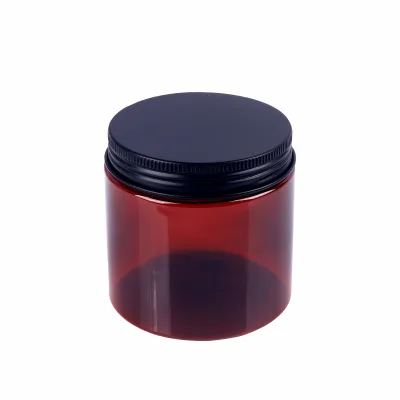
New Arrival Heat-insulating Candle Jars Insulated Candle Jars Thick-walled Candle Jars
$0.21 - $0.42
MOQ: 100 pieces
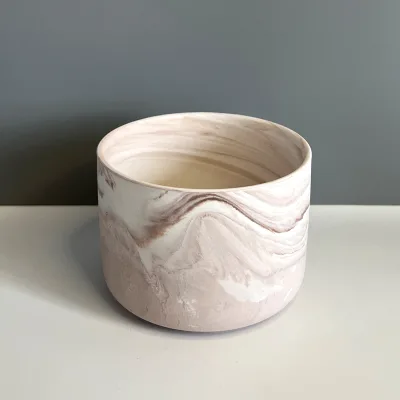

Xuzhou Sheenland Glass Products Co., Ltd.
- Verified by CTI
- Trading Company
- China Jiangsu
- Lead time45 days
- Avg. response≤ 5h
Main productsGlass Bottle, Glass Jar, Glass Container
Main marketsSouth America,Africa,Southeast Asia/ Mideast,East Asia(Japan/ South Korea),Domestic,Europe,Australia,North America

Shenzhen Bright Glassware Co., Ltd.
- Verified by SGS
- Trading Company
- China Guangdong
- Lead time30 days
- Avg. response≤ 8h
Main productsGlassware, Candle Jar, Glass Candle Holder, Reed Diffuser Bottle, Glass Perfume Bottle, Drinkware, Food Storage Jar, Candle Lid, Packaging Gift Box


Fashion Design Luxury Rainbow Color Glass Empty Unique Glass Iridescent Candle Jar
$0.45 - $0.75
MOQ: 1000 Pieces


Iridescent Stylish Gradient Transparent Glass Candle Jar for Home Decoration
$0.60 - $1.70
MOQ: 3000 Pieces

Luxury 8oz Round Bottom Iridescent Electroplated Glass Candle Jar with Lid
$1.00 - $1.80
MOQ: 3000 Pieces

Xuzhou Selead Packaging Material Co., Ltd.
- Verified by SGS
- Trading Company
- China Jiangsu
- Lead time15 days
- Avg. response≤ 6h
Main productsGlass Bottle, Plastic Bottle, Water Bottle, Glass Jar, Mason Jar, Wine Bottle, Cosmetic Bottle, Beverage Bottle, Glass, Candle Holder
Main marketsAfrica,Southeast Asia/ Mideast,Europe,North America

Luxury Iridescent Candle Jar Interior White and Rainbow Candle Holder for Wholesale
$0.20 - $0.80
MOQ: 5000 Pieces


Xuzhou Shine Packaging Technology Co., Ltd.
- Verified by SGS
- Manufacturer/Factory
- China Jiangsu
- Lead time45 days
- Avg. response≤ 5h
Main productsCosmetic Packaging, Cosmetic Jar, Lotion Bottle, Shampoo Bottle, Sprayer Bottle, Foam Bottle, Acrylic Jar, Dropper Bottle, Airless Bottle, Pet Cosmetic Jar
Main marketsSouth America,Eastern Europe,Mid East,North America,Southeast Asia,Eastern Asia,Oceania,Western Europe,Africa

- Combined
- China Zhejiang
- Lead time30 days
- Avg. response≤ 17h
Main productsInkjet Canvas, Stretcher Bar, Art Materials, Stretched Canvas, Artist Brush, Palette, Drawing, Easel, Rules, Pencil
Main marketsSouth America,Africa,Southeast Asia/ Mideast,East Asia(Japan/ South Korea),Domestic,Europe,Australia,North America

Outstanding Design & Manufacture Co., Ltd.
- Verified by BV
- Combined
- China Shanghai
- Lead time30 days
- Avg. response≤ 9h
Main productsScented Candle, Reed Diffuser, Car Air Freshener, Aroma Diffuser, Incense Gift Set, Scented Sachet, Oil Burner, Fragrance Oil, Essential Oil, Fragrance Lamp
Main marketsEurope,Australia,North America

Hebei Zhuozhongxi Glass Products Co., Ltd.
- Verified by BV
- Manufacturer/Factory
- China Hebei
- Lead time15 days
- Avg. response≤ 4h
Main productsGlass Cup, Glass Teapot, Coffee Appliance, Tea Set, Glass Crafts, Glass Jug, Glass Food Storage Jar, Wine Glass, Candle Holders, Double Wall Glass
Main marketsSouth America,Eastern Europe,Mid East,North America,Southeast Asia,Eastern Asia,Oceania,Western Europe,Africa

Xiamen Athome Household Products Co., Ltd.
- Verified by SGS
- Trading Company
- China Fujian
- Lead time30 days
- Avg. response≤ 4h
Main productsCandle Holders, Drinkware, Arts&Handcrafts & Gifts, Home Decoration, Kicthenware, Tableware
Main marketsSoutheast Asia/ Mideast,East Asia(Japan/ South Korea)

Minimalist White & Black Ceramic Candle Jars Heat-Resistant Empty Candle Vessels
$1.49 - $1.69
MOQ: 100 Pieces

Xuzhou Qingguixiangtan Trading Co., Ltd.
- Trading Company
- Jiangsu, China
- Lead time7 days
- Avg. response≤ 4h
Main productsGlass Candle Jar,Perfume Bottle,Cosmetics Packaging,Essential Oil Bottle,Diffuser Bottle
Main marketsNorth America(50.00%), South America(25.00%), Eastern Europe(15.00%), South Asia(1.00%), Southern Europe(1.00%), Northern Europe(1.00%), Central America(1.00%), Western Europe(1.00%), Eastern Asia(1.00%), Mid East(1.00%), Oceania(1.00%), Africa(1.00%), Southeast Asia(1.00%)

Xuzhou Huajing Glass Products Co., Ltd.
- Verified by BV
- Combined
- China Jiangsu
- Lead time23 days
- Avg. response≤ 10h
Main productsGlass Bottle, Glass Jar, Water Bottle, Perfume Bottle, Mason Jars, Candle Jar, Plastic Bottles, Lids Bottle Caps Closures, Wine Bottle, Juice Bottle
Main marketsSouth America,Africa,Southeast Asia/ Mideast,East Asia(Japan/ South Korea),Domestic,Europe,Australia,North America

Qingdao Art Fortune Imp/Exp Co., Ltd.
- Verified by TUVRHEINLAND
- Trading Company
- China Shandong
- Lead time30 days
- Avg. response≤ 4h
Main productsScented Candle, Reed Diffuser, Glass Jar Candle, Flameless LED Wax Candle, Candle and Home Fragrance, Tealight Candle, Candle Holder, Candle Gift Set, Handmade Pillar Candle, Tin Candle
Main marketsAfrica

Zibo Melory Import & Export Trade Co., Ltd.
- Trading Company,Manufacturer/Factory
- China Shandong
- Lead time45 days
- Avg. response≤ 19h
Main productsGlass Candle Holder, Glass Jar, Glass Votive, Glass Diffuser, Glass Bottle, Glass Vase, Matches, Ceramic Candle Holder, Ceramic Holder for Incense, Glass Candle Jar
Main marketsSouth America,Eastern Europe,North America,Western Europe


Sealed Glass Sugar Jar/Glass Bottle/Glass Candle Holder/Glass Jar in Diffrent Color
$0.38 - $0.47
MOQ: 10000 Pieces

- Manufacturer/Factory,Other
- China Shanghai
- Lead time0 days
- Avg. response≤ 11h
Main productsBottle Cap Bottle Cover Bottle Closure, Plastic Cap Plastic Lid, Metal Screw Cap Tin Cap Tin Lid, Bottle Rings Screw Rings, Silicon Cap, Glass Candle Holder Candle Cup Candle Jar, Votive Holder Tea Light Holder, Glass Cup, Glass Jar Spice Jar Wine Bottle


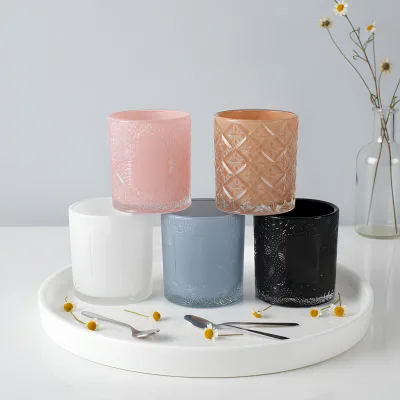


Comprehensive Sourcing Guide
Heat Resistant Iridescent Candle Jar Supplier Concentration and Factory Types
Buyers searching for a Heat Resistant Iridescent Candle Jar will encounter two broad supplier categories: manufacturers that produce glass and ceramic vessels in-house, and trading companies that consolidate output from multiple glassworks. The supplied results show both types clearly. A manufacturer based in Hebei, China lists candle jars among its offerings alongside furniture and beauty equipment, with product records covering heat-insulating, thick-walled glass candle jars and luxury iridescent ceramic candle jars. A trading company in Jiangsu, China lists glass bottles, glass jars and glass containers as its main products, including iridescent glass candle jars with boxes and rainbow-finish empty jars with lids. A Guangdong-based glassware specialist lists candle jars, candle holders, reed diffuser bottles and candle lids among its main products.
Understanding these distinctions shapes your shortlist. A manufacturer may offer tighter control over glass thickness and heat-resistant formulations, which matters because iridescent coatings and thermal performance must survive repeated burning cycles. A trading company can be useful when you want multiple finishes, sizes and lid options sourced from one order, since the Jiangsu example spans 200 ml to 500 ml capacities and several decorative treatments. Note that main-product lists do not always align perfectly with the keyword; the Hebei manufacturer's catalogue extends well beyond candle vessels, so verify that candle jars are a genuine production line rather than an adjacent listing before committing to tooling or custom molds.
How to Verify Heat Resistant Iridescent Candle Jar Suppliers
Verification starts with the credentials displayed in supplier results, then moves to checks you must request directly. In the current results, the Jiangsu trading company carries a third-party verification mark (CTI), and the Guangdong glassware supplier carries an SGS verification mark. These indicate that an inspection body has reviewed the company in some capacity, but they do not by themselves certify product heat resistance or coating durability. The Hebei manufacturer displays a CE system certification, which again should be understood as a company-level credential rather than proof that every jar meets a specific thermal-shock standard. Always ask which certificate applies to which product line and request the certificate number so you can confirm validity independently.
Beyond documents, verification should focus on production reality. Ask each supplier whether iridescent finishes are applied in-house or subcontracted, since coating quality drives both appearance and adhesion over heating cycles. Request sample jars from the exact molds and coating batches you would order, then test them with real wax loads at typical pour temperatures. For the trading companies, ask which underlying factory produces the iridescent glass and whether you can audit or at least video-tour that facility. Compare stated response times as a practical signal: the results show one supplier answering in about four hours and another in around eight, which hints at how smoothly sampling and problem-solving will run later. Document every claim in writing before placing any deposit.
What to Compare Across Heat Resistant Iridescent Candle Jar Suppliers
Build a comparison table using the attributes actually visible in supplier listings, and mark anything missing as "to confirm" rather than assuming it. Useful displayed dimensions include location, company type, main products, verification status, response time, lead time, MOQ and price ranges. The results illustrate meaningful spread: the Hebei manufacturer lists glass candle jars from roughly 0.21 to 0.42 per unit at an MOQ of 100, while its ceramic iridescent jars run 1.95 to 2.15 at the same MOQ. The Jiangsu trading company shows lead times of 45 days, response times around four hours, and MOQs ranging from 500 units on a 220–500 ml iridescent jar up to 5,000 units on a multi-size lidded jar line.
Compare like with like: glass-to-glass and ceramic-to-ceramic, because material alone explains most price gaps. Note that some listings omit a lead time or MOQ entirely, so treat blank fields as questions, not conclusions. Weight the dimensions by your order profile — a small brand testing iridescent designs may prioritize the 100-piece MOQ, while a retailer restocking a proven SKU may prioritize the 45-day lead time schedule and carton/pallet packing descriptions shown in several listings. Also compare customization evidence: several products state customized logos are acceptable and customization is available, which matters if you need branded iridescent jars. Response speed, though often overlooked, predicts how quickly coating or packing issues get resolved mid-order.
Common Heat Resistant Iridescent Candle Jar Sourcing Risks
The most significant risk in this category is conflating decorative quality with thermal performance. An iridescent coating can look flawless on arrival yet craze, flake or discolor after repeated heating cycles if the coating or the glass body is not formulated for candle use. Several listings use phrases such as heat-insulating and heat resistant, but listing language is not a test result. Require written clarification of the maximum pour temperature and whether the same glass formulation is used for iridescent and clear versions. A second risk is company-type mismatch: buying from a trading company without knowing the producing factory can slow root-cause analysis when a coating batch fails.
Other risks appear directly in the data. The Hebei manufacturer's main-product list spans furniture and beauty equipment, suggesting candle jars may be one line among many; confirm dedicated production capacity. Lead-time spread matters too — the Jiangsu supplier's 45-day lead time is reasonable for glass but painful if you discover coating defects at final inspection, so build sampling and mid-production checks into that window. MOQ creep is another trap: one product line shows MOQs of 100 pieces while another line from the same region shows 5,000, and mixed-material orders can inherit the higher threshold. Finally, verify packing assumptions. Listings describe carton, carton plus pallet and export pallet packing; iridescent finishes scratch easily, so inadequate inner packaging can turn a compliant shipment into a claims process.
Heat Resistant Iridescent Candle Jar Regional Sourcing and Logistics
The supplied results point to three Chinese provinces relevant to this keyword: Hebei, Jiangsu and Guangdong. Hebei appears as the base of a manufacturer producing thick-walled, heat-insulating glass candle jars and ceramic iridescent jars, with product records explicitly stating Hebei, China as the place of origin. Jiangsu hosts a verified trading company whose glass jar and bottle portfolio includes iridescent candle jars in 200 ml to 500 ml formats, with packing described as carton or export pallet. Guangdong lists a glassware specialist covering candle jars, candle holders, candle lids and gift packaging, indicating a broader decorative-glass ecosystem. No other cluster should be assumed from this data alone.
Logistically, these coastal-adjacent provinces generally support containerized export, but you should confirm port access, freight terms and consolidation options with each supplier rather than inferring them. Where a location is not stated in the results, identify clusters yourself by asking suppliers where the glass-melting and coating operations physically sit, because decorating plants are sometimes far from the forming plant and this affects lead time and damage risk. Ask each supplier to state the origin shown on product records — several listings do specify China as prod_origin — and match that against your import documentation requirements. For buyers combining candle jars with lids or gift boxes, note that the Guangdong supplier lists packaging gift boxes among its main products, which may allow single-source consolidation and reduce freight handling across your order.
Heat Resistant Iridescent Candle Jar Commercial Terms and Order Planning
Plan your first order around the commercial terms actually displayed, then negotiate the rest in writing. Price ranges in the results give a realistic envelope: glass iridescent jars from the Jiangsu trading company span roughly 0.50 to 2.60 per unit depending on size, finish and packaging, while the Hebei manufacturer's glass jars run 0.21 to 0.42 and its ceramic iridescent jars 1.95 to 2.15. Confirm what each price includes — lid, box, coating and printing — since several listings mention screw lids, metal lids, boxes and acceptable custom logos as separate attributes. Payment terms, tooling fees for custom molds and iridescent finish surcharges are not shown in the data and must be requested explicitly.
Order planning should sequence risk cheaply. Start with the lowest-MOQ SKU that still matches your target material — the 100-piece MOQs shown for both glass and ceramic Hebei listings suit sampling-market tests, while the 500 to 5,000-piece MOQs on Jiangsu lines suit scaled launches. Anchor the timeline to the one displayed lead time of 45 days and add buffer for coating approval and inspection. Ask whether trade assurance or escrow-style protection is offered, since the results do not display this and it materially affects deposit risk. Finally, reconfirm every agreed term — capacity, finish, logo printing, packing style and lead time — against a signed specification sheet before production begins.
Heat Resistant Iridescent Candle Jar Supplier Concentration and Factory Types
Buyers searching for a Heat Resistant Iridescent Candle Jar will encounter two broad supplier categories: manufacturers that produce glass and ceramic vessels in-house, and trading companies that consolidate output from multiple glassworks. The supplied results show both types clearly. A manufacturer based in Hebei, China lists candle jars among its offerings alongside furniture and beauty equipment, with product records covering heat-insulating, thick-walled glass candle jars and luxury iridescent ceramic candle jars. A trading company in Jiangsu, China lists glass bottles, glass jars and glass containers as its main products, including iridescent glass candle jars with boxes and rainbow-finish empty jars with lids. A Guangdong-based glassware specialist lists candle jars, candle holders, reed diffuser bottles and candle lids among its main products.
Understanding these distinctions shapes your shortlist. A manufacturer may offer tighter control over glass thickness and heat-resistant formulations, which matters because iridescent coatings and thermal performance must survive repeated burning cycles. A trading company can be useful when you want multiple finishes, sizes and lid options sourced from one order, since the Jiangsu example spans 200 ml to 500 ml capacities and several decorative treatments. Note that main-product lists do not always align perfectly with the keyword; the Hebei manufacturer's catalogue extends well beyond candle vessels, so verify that candle jars are a genuine production line rather than an adjacent listing before committing to tooling or custom molds.
How to Verify Heat Resistant Iridescent Candle Jar Suppliers
Verification starts with the credentials displayed in supplier results, then moves to checks you must request directly. In the current results, the Jiangsu trading company carries a third-party verification mark (CTI), and the Guangdong glassware supplier carries an SGS verification mark. These indicate that an inspection body has reviewed the company in some capacity, but they do not by themselves certify product heat resistance or coating durability. The Hebei manufacturer displays a CE system certification
FAQs
Are iridescent candle jars heat resistant?
Many iridescent candle jars are made from heat-resistant glass or ceramic designed for candle use, but the coating and glass thickness vary between products. Always confirm with the supplier whether the jar is rated for candle burning and ask about maximum temperature tolerance. Request samples and burn-test them before committing to a bulk order.
What sizes do iridescent glass candle jars typically come in?
Common capacities range from small 100ml to 220ml jars up to larger 400ml and 500ml vessels, with some suppliers offering 10oz options. Size affects price, packing volume, and shipping cost. Verify exact dimensions, wall thickness, and lid compatibility with each supplier before ordering samples.
What is the typical minimum order quantity for candle jars?
Minimum order quantities vary widely by product and material. Some glass candle jars list MOQs as low as 100 pieces, while other styles require 500, 1000, or even 5000 pieces. Custom colors, iridescent finishes, or logo printing often carry higher MOQs. Confirm the exact MOQ for your chosen finish before requesting quotes.
How much do heat resistant glass candle jars cost?
Prices typically range from under one dollar to several dollars per piece depending on material, size, finish, and order volume. Small amber or green glass jars can start below $0.50, while luxury ceramic or iridescent styles may exceed $2. Larger orders generally reduce unit cost, so request tiered pricing from multiple suppliers.
Can I order candle jars with custom logos and lids?
Yes, many suppliers accept customized logo printing and offer jars with screw or metal lids. Customization options usually include color, finish, and packaging choices. Expect custom orders to require longer lead times and possibly higher MOQs. Provide your logo files early and ask for a printed sample before mass production begins.
How long does production and delivery take for candle jars?
Lead times differ significantly between suppliers and order types. Some trading companies quote around 45 days for production, while stock items may ship faster. Custom iridescent finishes, logo printing, and export packaging add time. Always confirm the lead time in writing and factor in shipping and customs clearance to your destination.
Which candle jar materials are best for luxury candle brands?
Glass and ceramic are the most popular materials for luxury candle packaging. Thick-walled or heat-insulating glass offers durability and a premium feel, while iridescent and marble ceramic finishes create distinctive shelf appeal. Consider lid material, weight, and finish consistency. Request samples of each material to compare quality against your brand requirements.
How do I verify a candle jar supplier before ordering?
Check whether the supplier is a manufacturer or trading company and review any third-party verification credentials they display, such as SGS or CTI verification. Ask for certification documents like CE or ISO where relevant, request product samples, and confirm response speed and communication quality. Verified credentials and prompt replies are positive but should be combined with sample evaluation.