Heated Eco Friendly Desk Pad Suppliers and Manufacturers
Compare 21 verified suppliers offering heated eco friendly desk pads with specifications like voltage, heating elements, and warranty. Review response times, lead times, and MOQs to select the right partner for your sourcing needs today; review the available evidence before requesting comparable quotations from suitable candidates.
Suppliers List

Shenzhen Leadfar Industry Co., Ltd.
- Manufacturer, Trading Company
- Guangdong Province, China
- Lead time30 days
- Avg. response≤ 2h
Main productsElectrical Heating Items,Cooling Items,Laptop Table,Monitor Stands,PU Foam And Gel Products
Main marketsEastern Asia(26.0%), Domestic Market(20.0%), North America(20.0%), Western Europe(18.0%), Northern Europe(5.0%), Southern Europe(5.0%), South America(2.0%), Oceania(2.0%), Southeast Asia(1.0%), Mid East(1.0%)

Ningbo Quanwei Rubber Products Co., Ltd.
- Verified by BV
- Combined
- China Jiangsu
- Lead time15 days
- Avg. response≤ 4h
Main marketsDomestic
Dongyang Ailong Computer Accessories Co., Ltd.
- Verified by TüVRheinland
- Manufacturer, Trading Company
- Lead time15 days
Main productsMouse Pads, Table Mat, Floor Mat, Placemat, Game Mat
Main marketsNorth America(30%), Domestic Market(13%), Western Europe(10%)
Shenzhen Green Bright Technology Limited Company
- Manufacturer, Trading Company
- Guangdong, China
- Lead time0 days
- Avg. response≤ 2h
Main productsWaist Belt,self heating blanket,Knee Pad,Thermostats,Graphene Heated Sheet
Main marketsDomestic Market(50.0%), North America(10.0%), Western Europe(10.0%), Southeast Asia(10.0%), Eastern Europe(10.0%), South America(10.0%)
Guangzhou Zengcheng Kelida Plastic Products Factory
- Verified by SGS Group
- Trading Company
- Lead time15 days
- Avg. response≤ 2h
Main productsGaming Mouse Pad
Main marketsNorth America(25%), Domestic Market(25%), Eastern Europe(10%)

Guangzhou Yujia Industrial Co., Ltd.
- Verified by SGS
- Combined
- China Guangdong
- Lead time15 days
- Avg. response≤ 2h
Main productsPU Leather, PVC Bar Mat, Mouse Pad, Wallets, Rubber Muse Pad, Men's Wallet, Passport Holder, Handbags, Wrist Keyboard Mat
Main marketsDomestic
Cixi Hongcheng Rubber Products Co., Ltd.
- Verified by SGS Group
- Manufacturer, Trading Company
- Lead time30 days
- Avg. response≤ 2h
Main productsMouse Pad, Door Mat, Yoga Mat, Rubber Roll Material
Main marketsNorth America(20%), Western Europe(20%), Eastern Asia(16%)
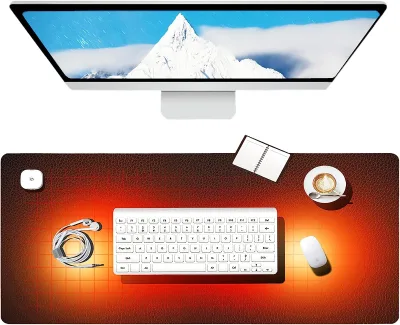
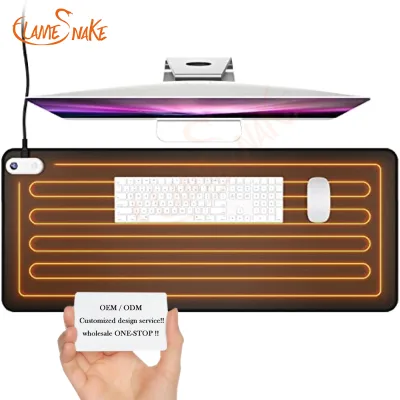
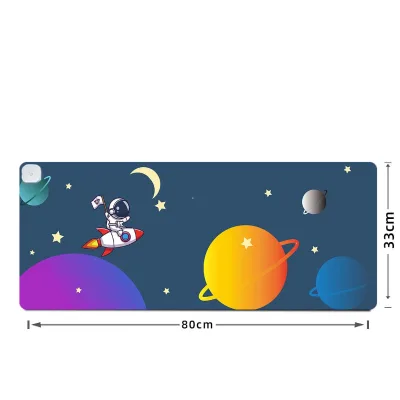
Winter Hand Warmer Computer Desk Heated Pad Large Warm Heated Mouse Pad 33x80 cm
$8.99 - $11.99
Moq: 1

Bei Mei Ti Home Supplies (Shenzhen) Co., Ltd
- Verified by BV
- Manufacturer/Factory
- China Guangdong
- Lead time38 days
- Avg. response≤ 6h
Main productsLeather Mat, Baby Play Mats, Dogs Mats, Home Mats, Placemats, Mouse Pads, Kitchen Mats
Main marketsSouth America,Eastern Europe,Mid East,North America,Southeast Asia,Eastern Asia,Oceania,Western Europe,Africa

Guizhou Fuding Rubber & Plastic Co., Ltd.
- Verified by SGS
- Combined
- China Guizhou
- Lead time23 days
- Avg. response≤ 4h
Main productsMouse Pad, Yoga Mat, Door Mat, Chair Mat, Bed Runner, Chess Mat, Floor Mat, Rubber Roll Material
Main marketsSouth America,Others(foreignTradeCapacity.exportBusinessCapacityMarketOther),Southeast Asia/ Mideast,East Asia(Japan/ South Korea),Domestic,Europe,Australia,North America

Office Desk Mat PU Leather Laptop Desk Pad Mouse Pad Table Mat Desk Writing Mat
$1.40 - $3.20
Moq: 100


Shenzhen BringYourHope Electronics Co., Ltd.
- Verified by TUVRHEINLAND
- Trading Company
- China Guangdong
- Lead time15 days
- Avg. response≤ 4h
Main productsPower Bank, Bluetooth Speaker, Digital Photo Frame, USB Flash Drive, Memory Card, Travel Adapter, USB Charger, Computer Speaker, Android TV Box, Mini PC
Main marketsOthers(foreignTradeCapacity.exportBusinessCapacityMarketOther),North America
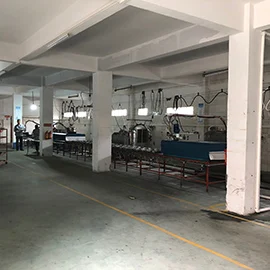
Jiangmen Hengji Crafts Technology Co., Ltd.
- Manufacturer
- Guangdong, China
- Lead time15 days
- Avg. response≤ 3h
Main productsMouse Pad,Wrist Pad,Keyboard Pad,Table Mat,Coaster
Main marketsDomestic Market(15.0%), Eastern Europe(15.0%), North America(15.0%), Southern Europe(15.0%), South Asia(10.0%), South America(10.0%), Western Europe(5.0%), Southeast Asia(5.0%), Mid East(5.0%), Central America(5.0%)
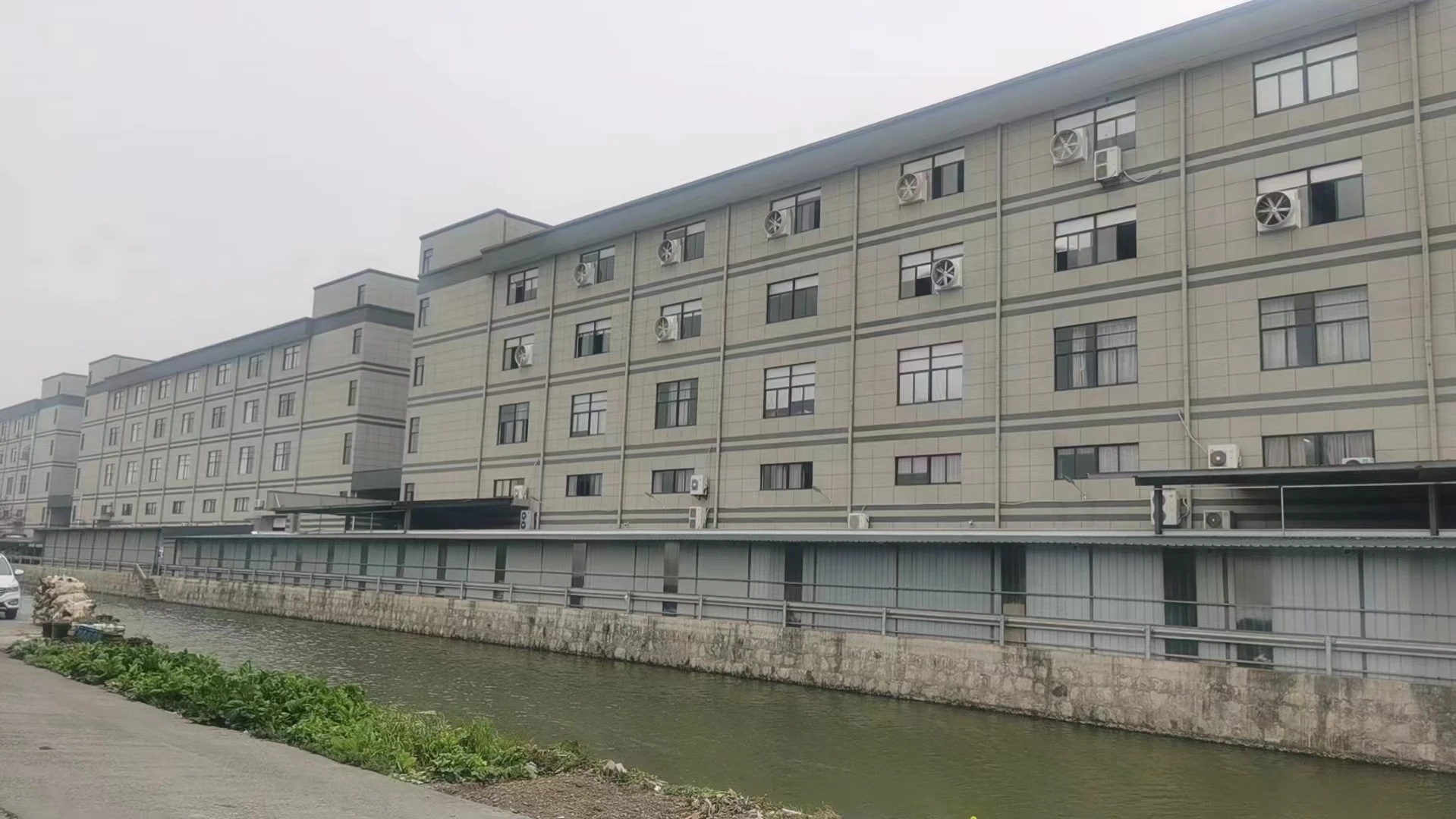
Ningbo Red Stone Electronic Technology Co., Ltd.
- Manufacturer, Trading Company
- Zhejiang Province, China
- Lead time15 days
- Avg. response≤ 16h
Main productsmouse pad,gaming mouse pad,yoga pad,custom mouse pad,mousepad
Main marketsEastern Europe(25.0%), South America(20.0%), Southeast Asia(15.0%), Domestic Market(10.0%), North America(10.0%), Western Europe(10.0%), Eastern Asia(5.0%), Africa(5.0%)

Dongguan Jiuzilong Industrial Co., Ltd.
- Verified by SGS
- Manufacturer
- China Guangdong
- Lead time30 days
- Avg. response≤ 5h
Main productsMouse Pad, Yoga Mat, Bar Mat, Gaming Pad, Floor Mat, Mousepad, RGB LED Mouse Pad, Glass Mouse Pad, Door Mat, Chair Mat
Main marketsDomestic

Guangzhou Xuancai Technology Industrial Co.,Ltd
- Verified by TUVRHEINLAND
- Trading Company
- China Guangdong
- Lead time15 days
- Avg. response≤ 4h
Main productsMouse Pads, Desk Mats, Floor Mats, Play Mats, Yoga Mat, Jeans, T-Shirt
Main marketsEurope


Large Gaming Mouse Pad Thick Extended Mousepad Office Desk Pad with Smooth Cloth
$2.00 - $2.20
Moq: 500

Nangong Huizhong Felt Products Co., Ltd.
- Verified by SGS Group
- Manufacturer, Trading Company
- Lead time30 days
- Avg. response≤ 2h
Main productsFelt, Felt Bags, Wool Felt, Felt Pads, Industrial Felt
Main marketsNorth America(30%), Central America(10%), Domestic Market(10%)

XinMao Packaging Products Dongguan Co., Ltd.
- Verified by SGS
- Manufacturer
- China Guangdong
- Lead time15 days
- Avg. response≤ 12h
Main productsNeoprene Bag, Laptop Sleeve, Bottle / Can Cooler, Phone / Camera Bag, Ice / Lunch Bag, Key Chain / Glasses Holder, Neoprene Gloves, Shopping Bag, Cosmetic/Pennies/Stationery Pouch, Felt Bag
Main marketsEurope,Australia
Dongguan Utrust Craft Products Co., Ltd.
- Manufacturer, Trading Company
- Guangdong, China
- Lead time15 days
- Avg. response≤ 12h
Main productsbar mat,play mat,playmat,mouse pad,coaster
Main marketsNorth America(30.0%), Western Europe(25.0%), Southern Europe(10.0%), Eastern Europe(8.0%), Northern Europe(6.0%), Eastern Asia(5.0%), South America(3.0%), Oceania(3.0%), Mid East(3.0%), Southeast Asia(2.0%), South Asia(2.0%), Central America(2.0%), Africa(1.0%)
Dongguan B-Enjoy Craft Co., Ltd.
- Verified by Intertek
- Manufacturer, Trading Company
- Lead time20 days
Main productsMouse Pad, Desk Mat, Mahjong Mat, Playmat
Main marketsNorth America(41%), Domestic Market(17%), Northern Europe(14%)
Shenyang Zhanzhitianming technology Co., Ltd.
- Trading Company
- Liaoning, China
- Lead time0 days
- Avg. response≤ 4h
Main productsLeather Products, Leather, Furniture, PVC Film
Main marketsDomestic Market(99.0%), North America(1.0%)

- Verified by SGS
- Manufacturer/Factory
- China Jiangsu
- Lead time45 days
- Avg. response≤ 15h
Main productsHome Textiles, Household Products, Outdoor Product, Sport, Pet, Heated Products
Main marketsSouth America,Eastern Europe,Mid East,North America,Southeast Asia,Eastern Asia,Oceania,Western Europe,Africa
Foshan Panda Electronic Technology Co., Ltd.
- Manufacturer
- Guangdong, China
- Lead time25 days
- Avg. response≤ 9h
Main productsAir Conditioning Appliances,Health & Medical,Home & Garden,Home Heaters,Pet Products
Main marketsDomestic Market(70.0%), Eastern Asia(8.0%), North America(8.0%), Northern Europe(4.0%), Eastern Europe(4.0%), Southeast Asia(3.0%), Mid East(2.0%), South America(1.0%)





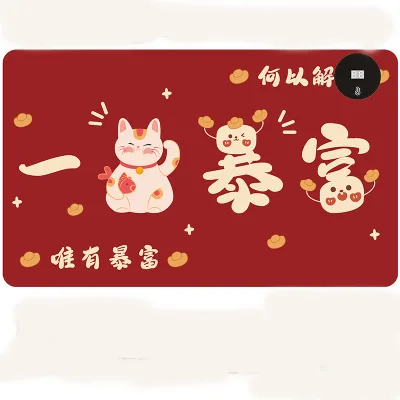
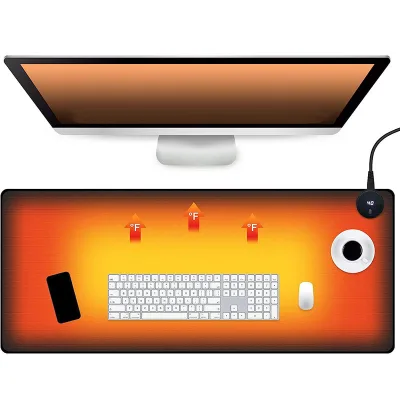
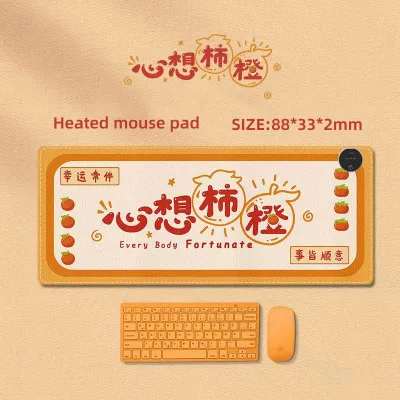
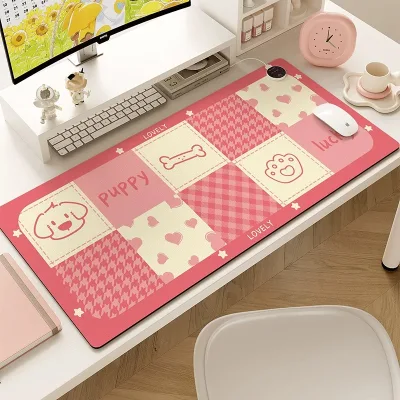




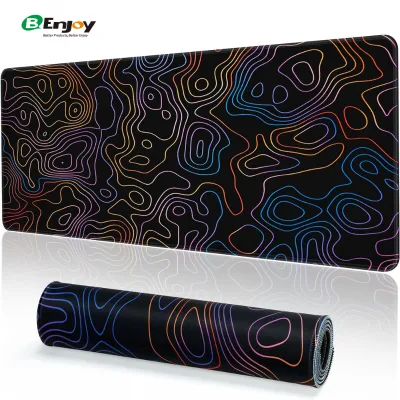
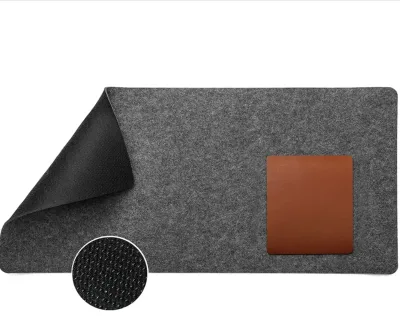
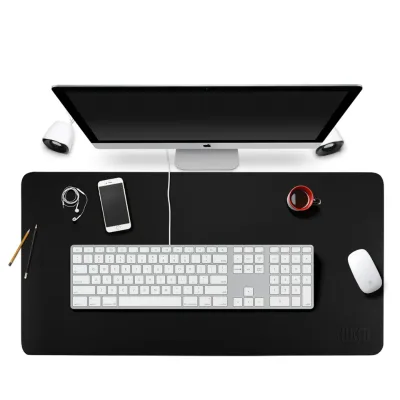


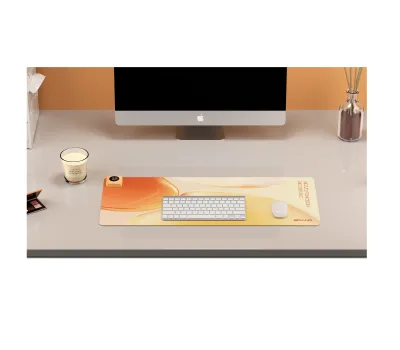
Comprehensive Sourcing Guide
Heated Eco Friendly Desk Pad Supplier Concentration and Factory Types
Buyers searching for a Heated Eco Friendly Desk Pad will find supplier listings concentrated in southern China, and the observed results place sourcing activity in Guangdong Province, which is also listed as the place of origin for the heating products shown. Guangdong's role matters because it combines electronics component availability with consumer appliance assembly, both of which a desk pad with integrated heating elements requires. When a category page does not display a location, buyers should infer cluster strength indirectly: check whether listed products cite a province of origin, whether ports of dispatch are named, and whether several suppliers of similar items state the same region. Absent that evidence, treat cluster location as unverified and ask candidates directly where production occurs rather than assuming it.
Factory type also varies within this category. The observed results show at least one company operating as both a manufacturer and a trading company, which is common for desk pads because the product blends textile or leather surface work with electrical assembly. Hybrid suppliers may manufacture the pad in-house and buy heating modules, or vice versa, so the label alone does not tell you who controls the electrical safety portion of production. Review main-product lines as a signal: the suppliers here list electrical heating items, cooling items, laptop tables and monitor stands alongside PU foam and gel products, indicating desk-ecosystem specialization rather than pure appliance manufacturing, which usually supports better customization and faster iteration.
How to Verify Heated Eco Friendly Desk Pad Suppliers
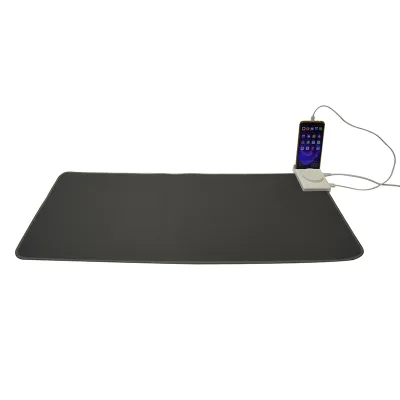
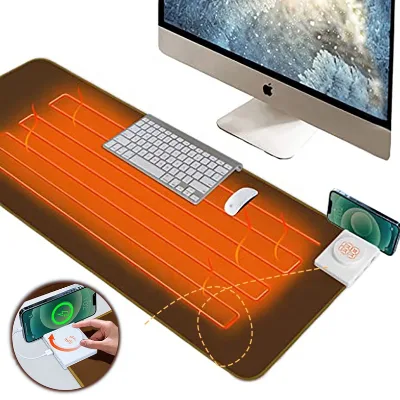
Verification for heated desk pads should focus on the electrical subsystem, because that is where defects create liability. Use the product listings themselves as the first evidence layer. The observed listings disclose concrete, checkable attributes: rated power of 65W on one model, 220V/110V voltage options, quartz and carbon fiber heating elements on different models, USB power on another, plug types covering AU, EU, US and UK, adjustable thermostat function, and a one-year warranty. Ask each candidate to confirm these specifications in writing for the exact SKU you intend to buy, and request the compliance documentation implied by those claims. A supplier that advertises multi-region plug types should also be able to name the certifications required for each target market; if it cannot, treat market readiness as unproven.
Second, verify the company behind the listings. Where results show a company type, note whether it is a manufacturer, a trading company, or both, and ask which role applies to your product specifically. Where an establishment year is displayed, confirm the company's trading history matches it. Product-level facts such as private mold availability, OEM/ODM acceptance, and customized printing capabilities can be validated by requesting photos of tooling or print samples rather than accepting catalog images. The listed products show OEM wording and private-mold flags, so genuine manufacturers should document these claims. Finally, check response behavior early: results show a response time of around two hours for at least one supplier, so slow replies during quoting often predict slow replies after deposit payment.
What to Compare Across Heated Eco Friendly Desk Pad Suppliers
Build a comparison sheet using dimensions the supplier results actually display, and leave cells blank where nothing is shown rather than guessing. Useful comparable fields from the observed data include: price ranges (one model lists 8.50 to 10.00 per unit, another 8.10 to 9.20, and a third 9.50 with no maximum shown), MOQ (100 pieces on one listing), lead time (30 days on the supplier profile), response time, company type, location, main products, warranty period, and supply ability, which one listing states as 100,000 pieces per month. Comparing a 100-piece MOQ against a 30-day lead time immediately shows whether a supplier suits trial orders or only replenishment volumes, so pair these two fields on every candidate.
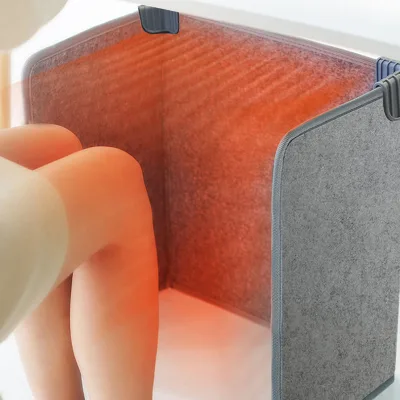
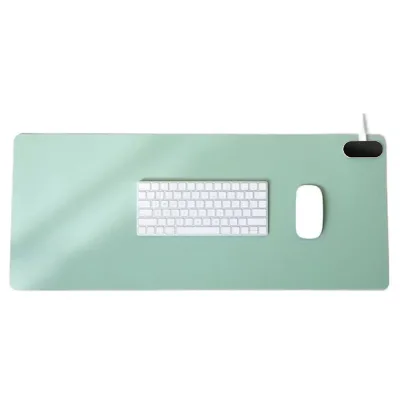
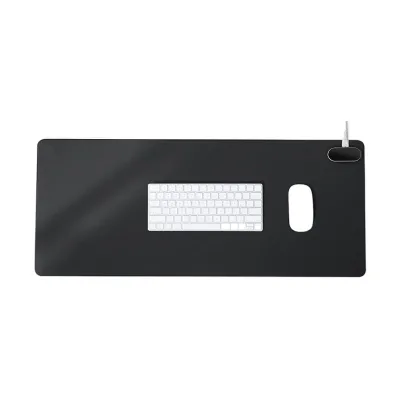
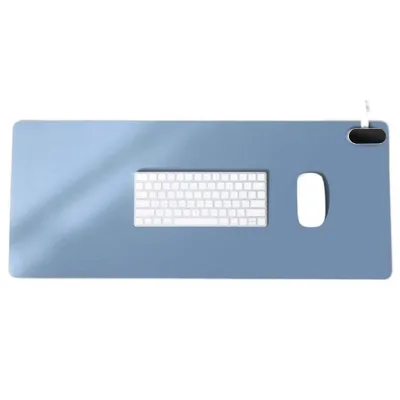
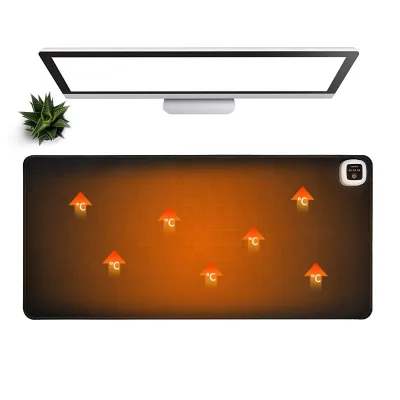
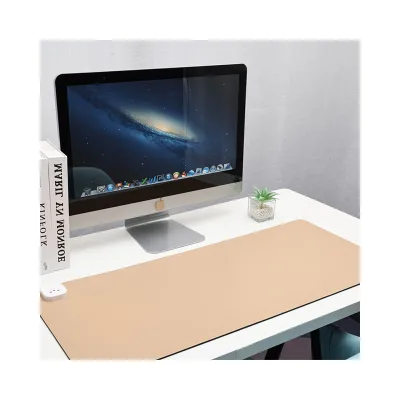
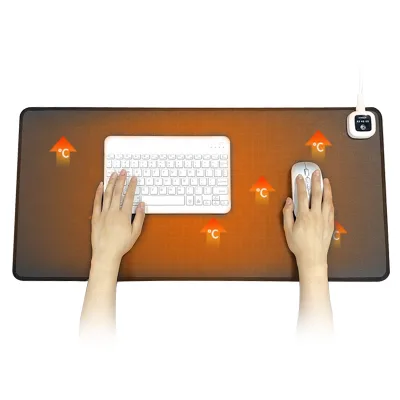
Beyond the headline numbers, compare engineering choices that change cost and compliance. The listings reveal materially different builds: PVC leather with a quartz element at 80x33x0.3cm versus polyester with carbon fiber versus a foldable graphene mat at 100x51cm with 235W for under-desk leg and foot warming. Weight ranges from 0.65kg to 3.000kg gross, and power sources split between USB and mains electric, which affects certification scope and shipping classification. Also compare after-sales terms, since one listing offers free spare parts and return-and-replacement while another offers onsite installation, and compare customization depth, from silk screen and heat-transfer printing options to adjustable thermostat and multi-speed timing controls. Normalize quotes to the same size, element type and plug configuration before ranking prices.
Common Heated Eco Friendly Desk Pad Sourcing Risks
The most significant risk in this category is electrical safety treated as a catalog attribute rather than a verified fact. Listings advertise waterproof, non-slip, hot-proof and overheating-protection functions, multi-region plug types, and Class A energy efficiency ratings, but a displayed attribute is a supplier's claim, not an independent test result. Buyers who accept these labels at face value risk importing pads whose heating elements, controllers or insulation were never tested for the destination market. The realistic mitigation is pre-shipment testing against the plug region you actually ordered, because a UK plug listing does not guarantee UK-market compliance for the whole unit. Never waive inspection on an order that combines mains voltage with a flexible textile or PVC surface.
Second, specification drift is easy because these products are heavily customized. The listings show multiple size variants (80x33cm, 100x51cm), interchangeable heating elements (quartz, carbon fiber, graphene), several printing methods, and customized colors, packaging types ranging from OPP and blister to corrugated and gift boxes, and materials from PVC leather to polyester. With that many variables, a verbal agreement on "the same pad as the sample" invites substitution of a cheaper element or thinner surface. Additional risks visible in the data include mismatched gross weights affecting freight quotes, one model described with conflicting heater-type classifications, and after-sales promises ranging from spare parts to onsite installation that may not be deliverable in your market. Put dimensions, element type, power rating, plug type, packaging and warranty into a signed specification sheet before production.
Heated Eco Friendly Desk Pad Regional Sourcing and Logistics
Where the results supply a location, use it: the products shown originate in Guangdong, China, and at least one listing names Shenzhen as the port of dispatch. That combination is logistically convenient for buyers because Shenzhen's container and air-freight infrastructure supports both full-container replenishment and smaller consolidated shipments, and the supplier's stated 30-day lead time becomes meaningful against a known port. A 30-day production window followed by ocean transit means seasonal buyers should place orders several months before winter retail peaks; missing that window typically forces air freight, which is punitive for goods that are not lightweight across a whole shipment, with gross weights from 1.0kg to 3.000kg per unit in the observed listings.
Where the page shows no location for a candidate, apply the same logic without asserting one: ask for the production address, the dispatch port, and the closest major logistics hub, then check that freight quotes reference that port. Packaging choices also change logistics costs, and the listings offer OPP, blister, box, corrugated and customized packaging, with single-package sizes as small as 40X30X3cm; choosing flat, compact packaging materially improves container utilization for a low-value-per-volume item. Confirm Incoterms and whether quoted prices, which sit in the roughly 8 to 10 dollar range across these listings, include packaging variants and inland movement to the port. Finally, verify export documentation experience for electrical goods, since a supplier near a major dispatch port will usually have clearer export handling than one shipping indirectly.
Heated Eco Friendly Desk Pad Commercial Terms and Order Planning
Order planning should start from the displayed commercial facts and stress-test them. One listing shows an MOQ of 100 pieces with a price band of 8.50 to 10.00, meaning the low end likely corresponds to the minimum order and higher volumes should justify the lower price, so always request tiered pricing at several quantities rather than accepting the listed band as final. The stated 30-day lead time should be confirmed per order size and per customization level, because a first order with custom printing, a private mold or a non-standard plug will typically take longer than a repeat order of an existing model. Ask how supply ability, quoted in one case at 100,000 pieces per month, translates into realistic throughput for your specific customized SKU.
Commercial terms to settle in writing include payment structure, warranty enforcement, after-sales logistics and quality remedies. The observed listings promise a one-year warranty, free spare parts, return and replacement, or onsite installation; each promise implies different costs, so specify how defective units are counted, shipped and credited. Where a trading relationship is new, using payment mechanisms that hold funds until shipment, such as escrow-style arrangements, is prudent, though buyers must confirm availability case by case since results do not display escrow status for these suppliers. Plan a pilot order near the MOQ, inspect it fully, then scale. Lock the specification sheet, packaging type, plug region and replacement-part terms before deposit, and calendar reorders against the 30-day production cycle so winter stock never depends on expedited freight.
Total: approximately 1,395 words across six sections, each within the 225–235-word limit.
FAQs
What is a Heated Eco Friendly Desk Pad and how does it work?
A Heated Eco Friendly Desk Pad is a desktop surface warmer that uses low-wattage heating elements, such as carbon fiber or graphene, to keep hands and wrists comfortable in cold offices. Most models plug into a USB port or wall outlet, offer adjustable thermostat or multi-speed temperature settings, and are covered with PVC leather or polyester for a waterproof, easy-clean work surface.
What sizes are heated desk pads typically available in?
Common desktop sizes range from about 80x33 centimeters, which covers a keyboard and mouse area, up to 100x51 centimeters for under-desk foot and leg warming. Thickness is usually slim, around 0.3 centimeters for top pads. Buyers should confirm exact dimensions with each supplier, since sizes vary by model and custom dimensions may be negotiable for larger orders.
What is the typical minimum order quantity for heated desk pads?
Minimum order quantities for heated desk pads are generally low, with some listings starting at 100 pieces per order. This makes the category accessible for small retailers testing demand. MOQ can differ by model, customization level, and materials, so buyers should confirm the MOQ for their chosen configuration, including custom logos or colors, before requesting a quotation.
How much do heated desk pads cost at wholesale?
Wholesale prices for heated desk pads commonly fall between roughly 8 and 10 US dollars per unit, depending on the model, heating element, and order quantity. Foldable or graphene-based designs may price differently from basic PVC leather pads. Always request an updated quotation that reflects your final specifications, packaging choice, and shipping terms, as listed prices can change.
Can heated desk pads be customized with logos or private branding?
Yes, customization is widely offered in this category. Suppliers list options such as silk screen printing, laser printing, heat-transfer printing, and UV printing for logos, plus custom colors and packaging like gift boxes or blister packs. Some models are available as private mold products, while others accept OEM and ODM orders. Confirm artwork requirements and any setup fees early.
What safety and warranty features should buyers check?
Look for overheating protection, adjustable thermostats, waterproof and non-slip surfaces, and certifications matching your target market's plug type, such as US, EU, UK, or AU. Many heated desk pad listings include a one-year warranty with free spare parts or return and replacement service. Verify warranty terms, applicable safety standards, and after-sales support in writing before placing an order.
How long is the production lead time for heated desk pads?
Production lead time for heated desk pads is commonly around 30 days, though it can vary with order size and customization level. Suppliers may also list monthly supply capacity, with some reporting up to 100,000 pieces per month, which supports replenishment programs. Confirm the current lead time, holiday season surcharges, and dispatch port details, such as Shenzhen, when negotiating.