Heat Shrink Film in Roll Suppliers And Manufacturers
Source 10 verified suppliers for Heat Shrink Film in Roll from China. Compare ISO 9001 certifications, response times, and MOQs to find the right partner. Contact suppliers directly to request quotes and samples; review the available evidence before requesting comparable quotations from suitable candidates.
Suppliers List

Jining Mingchuang International Co., Ltd.
- Manufacturer/Factory,Group Corporation
- China Shandong
- Lead time15 days
- Avg. response≤ 18h
Main productsPVC Film, Transparent Film, LLDPE Stretch Film, PVC Tarpaulin and Canvas, PE Shrink Film, PVC Sheet, HDPE Liner, PVC Tapes, Packaging Film, PVC Products
Main marketsSouth America,Eastern Europe,Mid East,North America,Southeast Asia,Eastern Asia,Oceania,Western Europe
Qingdao Fullsun Biotechnology Packaging Co., Ltd
- Verified by BV
- Combined
- China Shandong
- Lead time15 days
- Avg. response≤ 18h
Main productsBiodegradable Bag
Main marketsNorth America

Plastic Heat Shrink Wrap Bags Packaging Shrink Film Sleeve Heat Covering Film Sealing Film Roll
$1500.00 - $1700.00
MOQ: 15 Tons


Nanjing Jinhuigu Industrial Trade Co., Ltd.
- Verified by SGS
- Trading Company,Manufacturer/Factory
- China Jiangsu
- Lead time23 days
- Avg. response≤ 6h
Main productsShrink Packing Machine, Stretch Film, Shrink Film, Cling Film, Barrier Shrink Film, POF Shrink Film, Film Blowing Machine, Bag Making Machine, Wrapping Machine, Packing Machine
Main marketsSouth America,Eastern Europe,Mid East,North America,Southeast Asia,Eastern Asia,Oceania,Western Europe,Africa

High Quality Packaging Shrink Film Roll POF Shrink Film Sleeve Heat Shrink Film Roll
$1.70 - $1.80
MOQ: 1000 kg


POF Heat Shrink Film Plastic Rolls Polyolefin Shrink Packaging Film Shrinkable Wrapping Film
$1.60 - $1.80
MOQ: 1000 kg

ZHUCHENG QING YUAN PACKAGING CO., LTD.
- Verified by TUVRHEINLAND
- Combined
- China Shandong
- Lead time15 days
- Avg. response≤ 4h
Main productsLDPE Bag, Vacuum Bag, Aluminum Foil Bag, Retort Pouch, Stretch Film, Roll Films, Packaging Bags for Frozen Food, Garbage Bags, Shrink Bags and Film, Stand up Pouch with Zipper
Main marketsOthers(foreignTradeCapacity.exportBusinessCapacityMarketOther),Domestic

Yu Long Kai Tai (Sanhe) Trading Co., Ltd.
- Verified by SGS
- Trading Company,Manufacturer/Factory
- China Hebei
- Lead time15 days
- Avg. response≤ 9h
Main productsShrink Film, POF Shrink Film, Stretch Film, Shrink Bag, Packaging Film, Packaging Material, Cross Linked Food Shrink Film, Polyolefin Hot Perforated Egg Packaging Film, PE Packaging Film, Heat Shrink Bag
Main marketsSouth America,Eastern Europe,Mid East,North America,Southeast Asia,Africa

Linyi Shoujia Packaging Materials Co., Ltd.
- Verified by SGS
- Manufacturer
- China Shandong
- Lead time15 days
- Avg. response≤ 22h
Main marketsDomestic

Shandong Jiayou Packing Material Co., Ltd
- Verified by BV
- Combined
- China Shandong
- Lead time30 days
- Avg. response≤ 2h
Main productsShrink Film, Stretch Film, Plastic Film, Plastic Bag
Main marketsOthers(foreignTradeCapacity.exportBusinessCapacityMarketOther),Europe

Shandong Longxing Plastic Film Technology Co., Ltd.
- Combined
- China Shandong
- Lead time15 days
- Avg. response≤ 5h
Main productsGreenhouse Film, PE Shrink Wrap, Nylon Vacuum Bagging Film, Bulk Container Liner Film/Flexitank Film, Weed Contral Mat, Bunker Cover for Silage, Silage Bags/Silo Bags/Grain Bags, HDPE Geomembrane, Black/White Cover Film
Main marketsOthers(foreignTradeCapacity.exportBusinessCapacityMarketOther)
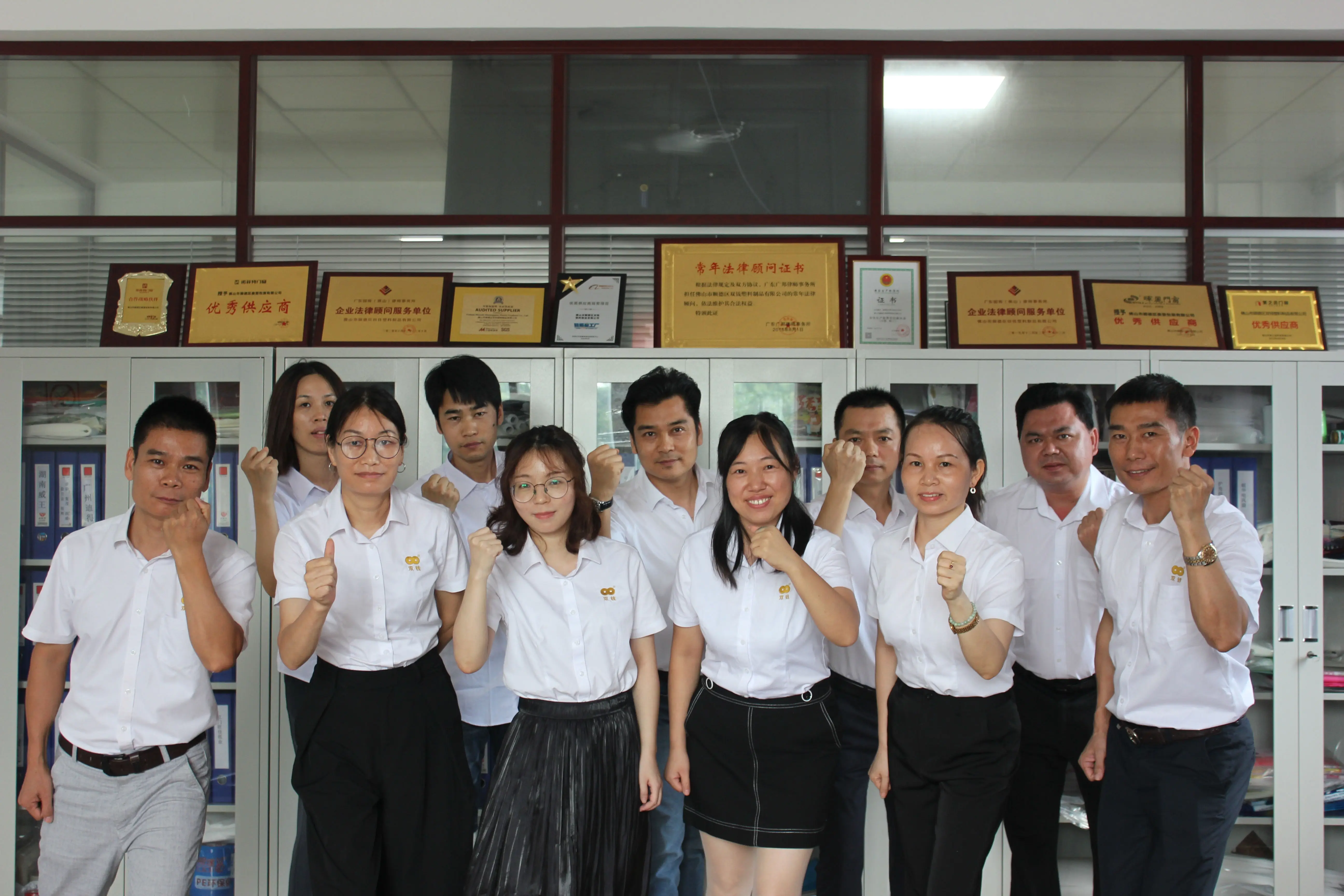
Foshan City Shunde District Shuangqian Plastic Products Co., Ltd.
- Manufacturer, Trading Company
- Guangdong, China
- Lead time15 days
- Avg. response≤ 2h
Main productsShrink Film,Aluminum Foil Bag,Laminating bags,Vacuum Bag,Food Bag
Main marketsSoutheast Asia(30.00%), Eastern Europe(20.00%), Africa(15.00%), South America(15.00%), Western Europe(10.00%), North America(10.00%)
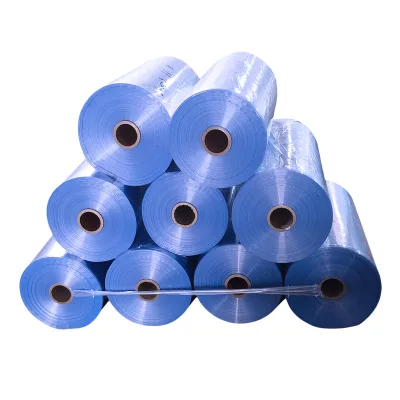
Factory Wholesale Plastic Packaging Film Roll Transparent PVC Heat Shrink Film
$11.37 - $92.05
MOQ: 500
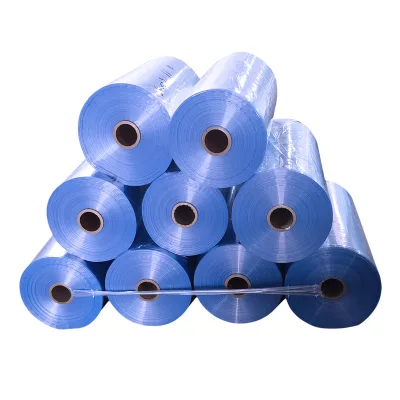
7 Days Delivery PVC Heat Shrinking Shrink Film Accept Custom Printed Packaging Film
$11.37 - $92.05
MOQ: 200 Minimum


Guangdong Danqing Printing Co., Ltd.
- Verified by BV
- Combined
- China Guangdong
- Lead time23 days
- Avg. response≤ 10h
Main productsFood Packaging, Plastic Bag, Zipper Pouch, Spout Pouch, Plastic Film, Quad-Seal Flat Bottom Pouch, Shrink Sleeves, Stand up Zipper Pouch, Roll Film, Food Pouch
Main marketsSouth America,Africa,Southeast Asia/ Mideast,Europe,Australia,North America


Comprehensive Sourcing Guide
Heat Shrink Film in Roll Supplier Concentration and Factory Types
The current supplier landscape for Heat Shrink Film in Roll reveals a distinct concentration of manufacturing capabilities within specific Chinese industrial provinces. Evidence indicates that a significant portion of these suppliers are located in Shandong, China, where the operational focus is heavily weighted toward producing a wide array of plastic packaging materials. These entities are primarily classified as Manufacturer/Factory or Group Corporation types, suggesting they possess the internal infrastructure for extrusion and film blowing rather than relying solely on external sourcing. This structural classification is critical for buyers seeking direct factory pricing and consistent quality control, as it implies ownership of the production lines that generate the PVC, PE, and POF films observed in the results. The presence of these factory types in Shandong highlights a regional cluster where raw material access and specialized machinery are likely optimized for high-volume output of flexible packaging solutions.
In contrast to the Shandong-based manufacturers, other suppliers in the dataset are identified as Trading Companies or Combined entities, often located in Jiangsu, China. These suppliers may offer a broader portfolio that includes machinery such as shrink packing machines and film blowing equipment alongside the films themselves. The distinction between a pure Manufacturer/Factory and a Trading Company or Combined entity is vital for understanding the supply chain dynamics. Factory types typically offer greater transparency into production processes and raw material sourcing, while trading companies might provide more flexible order sizes or consolidated shipping options. Buyers must carefully review the company_type attribute to determine if they are engaging with the actual producer or an intermediary, as this directly impacts communication efficiency, customization capabilities, and the ability to resolve technical issues related to film thickness, shrink ratio, or material hardness.
How to Verify Heat Shrink Film in Roll Suppliers
Verification of Heat Shrink Film in Roll suppliers requires a multi-layered approach that goes beyond basic company registration checks. The data shows that some suppliers hold ISO 9000 or ISO 9001 system certifications, which serve as a baseline indicator of standardized quality management processes. However, not all suppliers display these certifications, with some showing NIL status, which necessitates additional due diligence. Buyers should prioritize suppliers who have undergone third-party verification, such as those marked with BV or SGS verification badges. These external validations provide a higher degree of confidence regarding the supplier’s operational legitimacy and financial stability. When a supplier lacks visible certification or verification badges, buyers must request recent audit reports or conduct video factory tours to confirm the existence of the claimed manufacturing equipment and inventory levels, ensuring that the supplier is not merely a shell entity.
Product-specific evidence also plays a crucial role in verifying supplier claims. The observed product attributes include standards such as EN71, SGS, RoHS, and REACH, which are essential for buyers in regulated markets, particularly those dealing with food packaging or children’s toys. Buyers should explicitly request test reports corresponding to these standards to ensure the films meet safety and environmental requirements. Additionally, the material composition must be verified, as products are listed with attributes like PVC, PE, or POF, each requiring different handling and compliance checks. For instance, PVC films may require specific phthalate-free certifications, while PE films might need food-grade contact approvals. Buyers should not rely solely on the listed keywords but must ask for the actual material safety data sheets (MSDS) and third-party lab results to confirm that the Heat Shrink Film in Roll meets the specified hardness, transparency, and application requirements before committing to a large order.
What to Compare Across Heat Shrink Film in Roll Suppliers
When evaluating multiple suppliers for Heat Shrink Film in Roll, comparing key operational metrics is essential for selecting the most suitable partner. Lead time is a critical differentiator, with observed values ranging from 15 days to 23 days. Suppliers with shorter lead times, such as those offering 15-day delivery, may be better suited for urgent orders or just-in-time inventory strategies, while those with longer lead times might offer more competitive pricing or handle larger, more complex production runs. Response time is another vital metric, with some suppliers demonstrating rapid response capabilities of around 5.55 hours, while others take significantly longer, such as 17.55 or 17.66 hours. A faster response time often correlates with better customer service and quicker resolution of pre-sales inquiries, which is crucial for negotiating custom specifications like film width, thickness, or shrink ratio.
Minimum Order Quantity (MOQ) and pricing structures also vary significantly across the supplier base. MOQs range from as low as 1 unit to 1200 units, allowing buyers with different volume needs to find appropriate partners. Suppliers with lower MOQs, such as 15 or 1000 units, may be ideal for testing new products or small-batch production, while higher MOQs might be necessary to achieve the most favorable price points. Pricing data indicates ranges such as $1.20 to $1.60 or $1.50 to $1.80, depending on the material and specifications. Buyers should compare these prices against the MOQ requirements to calculate the total landed cost. Additionally, comparing main products helps identify suppliers with specialized expertise; for example, some focus on PVC films for decorative flooring, while others specialize in PE shrink films for beverage wrapping. Aligning the supplier’s primary product focus with the buyer’s specific application ensures better technical support and product consistency.
Common Heat Shrink Film in Roll Sourcing Risks
One of the primary risks in sourcing Heat Shrink Film in Roll is the discrepancy between claimed material properties and actual product performance. Suppliers may list films as transparent or soft, but variations in hardness, transparency, and shrink ratio can occur due to differences in raw material quality or processing techniques. For instance, while some products are described as having a shrink ratio greater than 65%, others may not meet this benchmark, leading to packaging defects or material waste. Buyers must be cautious of suppliers who do not provide detailed technical specifications for thickness, such as the range of 0.02mm to 0.25mm, as inconsistent thickness can cause issues in automated packaging machinery. It is essential to request physical samples to test the film’s shrinkage behavior, tensile strength, and clarity under real-world conditions before placing bulk orders.
Another significant risk involves the reliability of supply chain logistics and production capacity. Some suppliers claim a bulk production time of 10 tons per day, but this capacity may not be sustainable during peak seasons or if raw material shortages occur. Buyers should verify the supplier’s actual production capacity and inventory levels to ensure they can meet delivery deadlines. Additionally, the risk of non-compliance with international standards is heightened if suppliers lack proper certifications or verification badges. For example, films intended for food packaging must meet strict hygiene and safety standards, and failure to comply can result in product recalls or legal issues. Buyers should also be aware of potential hidden costs, such as packaging fees or transportation charges, which may not be included in the initial price quote. Clear communication regarding packaging methods, such as palletization or individual roll insulation, is necessary to avoid damage during transit and ensure the film arrives in usable condition.
Heat Shrink Film in Roll Regional Sourcing and Logistics
Sourcing Heat Shrink Film in Roll from China involves navigating distinct regional logistics hubs that impact shipping efficiency and cost. The data indicates that suppliers are concentrated in Shandong and Jiangsu provinces, with specific mentions of Qingdao as a key origin point. Qingdao is a major port city in Shandong, offering robust logistical infrastructure for exporting goods. Buyers sourcing from suppliers in this region can benefit from established shipping routes and competitive freight rates, particularly for containerized shipments. However, it is crucial to confirm the exact location of the supplier’s warehouse or factory, as some may be located inland and require additional inland transportation to reach the port. Understanding the specific origin, such as Qingdao versus other parts of Shandong or Jiangsu, helps in estimating transit times and calculating the total logistics cost accurately.
Logistics planning must also account for the specific packaging requirements of Heat Shrink Film in Roll to prevent damage during transit. The observed product attributes indicate that films are often packed in rolls, cartons, or on pallets, with some suppliers offering individual insulation for each roll. This packaging method is essential to protect the film from moisture, dust, and physical impact, which can compromise its quality. Buyers should specify their preferred packaging method in the purchase order to ensure the supplier adheres to these standards. Additionally, considering the weight and volume of the film rolls is important for optimizing container space and reducing shipping costs. For large orders, full container loads (FCL) may be more cost-effective than less than container loads (LCL), but this depends on the MOQ and the buyer’s storage capacity. Coordinating with freight forwarders early in the process can help secure better shipping rates and ensure timely delivery to the destination port.
Heat Shrink Film in Roll Commercial Terms and Order Planning
Effective order planning for Heat Shrink Film in Roll requires careful attention to commercial terms, including payment conditions, delivery schedules, and customization options. Suppliers may offer various customization services, such as available customization for film width, thickness, or printing, which can add value but also extend lead times. Buyers should clearly define their customization requirements in the initial inquiry to avoid misunderstandings and ensure the supplier can meet their specific needs. Additionally, understanding the delivery time commitments is crucial, with some suppliers promising delivery within 10-15 days. Buyers should negotiate these terms in writing and include penalties for late delivery to mitigate risks. It is also important to clarify who is responsible for export documentation and customs clearance, as this can impact the overall timeline and cost of the transaction.
Payment terms and escrow services are another critical aspect of commercial planning. While the data does not specify exact payment methods, buyers should prioritize suppliers who offer secure payment options, such as escrow services, to protect their funds until the goods are received and verified. This is particularly important for new suppliers or large orders where the risk of non-delivery or quality issues is higher. Buyers should also consider the total cost of ownership, including any additional fees for customization, packaging, or expedited shipping. Comparing the price ranges, such as $1.20 to $1.60 or $1500 to $1700, against the MOQ and customization requirements helps in budgeting accurately. Finally, establishing a clear communication channel with the supplier for post-order support, including quality control inspections and issue resolution, is essential for maintaining a successful long-term business relationship and ensuring consistent supply of high-quality Heat Shrink Film in Roll.
FAQs
What is the price range for heat shrink film rolls?
Heat shrink film rolls typically cost between $1.20 and $3.50 per unit, depending on material and thickness. PVC options range from $1.20 to $1.60, while PE films are priced between $1.50 and $1.80. Premium packaging solutions may reach up to $3.50. Prices vary based on order volume and specific customization requirements for your packaging needs.
What materials are available for heat shrink film?
Suppliers offer PVC, PE, and POF shrink films for various applications. PVC films are soft and suitable for decorations and flooring. PE films provide transparent wrapping for beverages and logistics. POF films feature high shrink ratios over 65 percent and are ideal for food and medicine packaging. Each material offers distinct hardness and transparency levels for specific industrial uses.
What are the minimum order quantities for shrink film?
Minimum order quantities vary by product type and supplier. PVC film rolls often require a minimum of 500 units. PE shrink films may have an MOQ of 1200 units. Some specialized packaging solutions start at 1000 units, while bulk roll orders can begin with as few as 15 units. Always verify specific MOQs with suppliers for accurate planning.
Where are heat shrink film manufacturers located?
Manufacturers are primarily located in China, specifically in Shandong and Jiangsu provinces. Qingdao is a key hub for production and export. These regions host both manufacturer factories and trading companies. Buyers can access a wide range of suppliers offering diverse film types, including PVC, PE, and POF options, all originating from these established industrial centers in China.
How long does delivery take for shrink film orders?
Lead times generally range from 15 to 23 days for standard orders. Some suppliers offer faster delivery windows of 10 to 15 days for specific products like POF shrink film. Response times average around 5 to 17 hours. Buyers should confirm exact delivery schedules with suppliers, as production capacity and customization needs can impact the final timeline for shipment.
What certifications do shrink film suppliers hold?
Many suppliers hold ISO 9000 and ISO 9001 system certifications for quality management. Products often comply with EN71, SGS, RoHS, and REACH standards. Some suppliers undergo BV or SGS verification processes. Buyers should request specific certification documents to ensure materials meet safety and regulatory requirements for their intended applications, such as food packaging or children's toys.