Heat Resistant PET Refrigerator Tape Suppliers and Manufacturers
Compare 14 verified suppliers offering Heat Resistant PET Refrigerator Tape with varying lead times, MOQs, and certifications. Review product specs like temperature resistance and adhesive types to select the right factory for your needs; review the available evidence before requesting comparable quotations from suitable candidates.
Suppliers List
Jiangsu Egret Electric Appliance Group Co., Ltd.
- Manufacturer, Trading Company
- Jiangsu, China
- Lead time7 days
- Avg. response≤ 7h
Main productsPressure Switch,Adhensive Tape,Industrial Tape,Tape dispensers,Foam Tape
Main marketsDomestic Market(80.0%), Southeast Asia(10.0%), South America(5.0%), Mid East(5.0%)

Hunan Lvzhimei New Material Technology Co., Ltd.
- Verified by SGS
- Manufacturer/Factory
- China Hunan
- Lead time30 days
- Avg. response≤ 2h
Main productsRemoving Taste Tape, Ptotection and Fixation Tape, Baking Varnish Tape, Electroplating Tape, Pet High Temperature Tape, Polyimide Tape(Kapton), Acrylic adhesive Tape, Termination Tape, Glass Cloth Tape, Goldfinger Black
Main marketsSouth America,Eastern Europe,Mid East,North America,Southeast Asia,Eastern Asia,Oceania,Western Europe,Africa

Xiamen Aimo technology Co., Ltd.
- Verified by SGS
- Trading Company
- China Fujian
- Lead time15 days
- Avg. response≤ 8h
Main productsPolyimide Kapton Tape, Green Polyester Tape, PTFE Teflon Tape, Blue Thermal Tape, Copper Foil Tape, Aluminum Foil Tape, Acrylic Vhb Foam Tape, Anti Slip Tape, Die Cutting Tape, 3m Tesa Nitto Tape
Main marketsNorth America

Qingdao Chenchen Packaging Products Co., Ltd.
- Verified by SGS
- Trading Company,Manufacturer/Factory
- China Shandong
- Lead time23 days
- Avg. response≤ 2h
Main productsPacking Film, Sealing Tape, Adhesive Tape, Pet Double-Sided Adhesive Tape, Cloth Tape, Fiber Tape, Masking Tape, Plastic Steel Binding Tape, PVC Electrical Tape
Main marketsSouth America,Eastern Europe,Mid East,North America,Southeast Asia,Western Europe,Africa

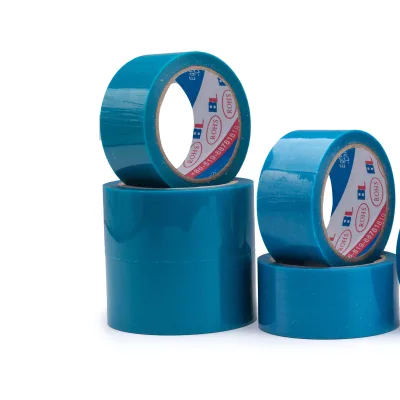
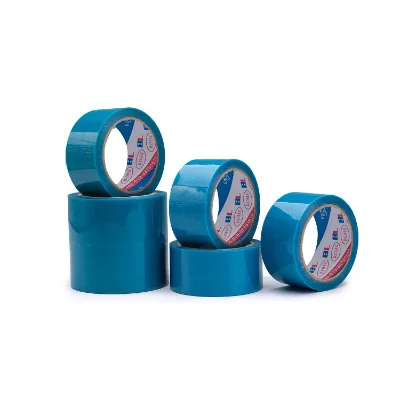
Pet Blue Transparent Tape Medium-Adhesive Heat-Resistant Single-Sided Refrigerator Tape
$0.20 - $1.00
Moq: 1000


Qingdao Haibo Adhesive Products Co., Ltd.
- Manufacturer/Factory
- China Shandong
- Lead time15 days
- Avg. response≤ 9h
Main productsAdhesive Tape, Cloth Tape, Grass Seaming Tape, Kraft Tape, Double Sided Tape, Lawn Tape, Masking Tape, PVC Electrical Tape, Repair Tape
Main marketsSouth America,Eastern Europe,Mid East,North America,Southeast Asia,Eastern Asia,Oceania,Western Europe,Africa

Xiamen Rich Adhesive Tape Company Limited
- Verified by CTI
- Trading Company
- China Fujian
- Lead time15 days
- Avg. response≤ 3h
Main productsAdhesive Tape, BOPP Tape, Masking Tape, PVC Tape, Aluminum Foil Tape, Nano Tape, Pet Tape, Polyimide Film Tape, Packing Tape
Main marketsSouth America,Europe

- Manufacturer/Factory
- China Beijing
- Lead time23 days
- Avg. response≤ 4h
Main productsPackaging Tape, Industrial Tape, Electrical Tape, Tape Dispenser, Adhesive Tape, Double Sided Tape, Foam Tape, Special Tape, PVC Tape
Main marketsSouth America,Eastern Europe,Mid East,North America,Southeast Asia,Eastern Asia,Oceania,Western Europe,Africa

Wenzhou Lianyi Wire Harness Tape Co., Ltd.
- Manufacturer/Factory
- China Zhejiang
- Lead time23 days
- Avg. response≤ 9h
Main productsAdhesive Tape, Tape, PVC Tape, Fleece Tape
Main marketsSouth America,Eastern Europe,Mid East,North America,Southeast Asia,Eastern Asia,Oceania,Western Europe,Africa

Linqu Jiaxing Plastic Co., Ltd.
- Verified by TUVRHEINLAND
- Combined
- China Shandong
- Lead time15 days
- Avg. response≤ 4h
Main productsPE Film, PE Protective Film, Pet Release Film, Pet Protective Film
Main marketsSoutheast Asia/ Mideast,East Asia(Japan/ South Korea),North America

Dongguan Sikede New Materials Co., Ltd.
- Verified by TUVRHEINLAND
- Combined
- China Guangdong
- Lead time15 days
- Avg. response≤ 6h
Main productsWire Harness Tape, Self Fusing Silicone Tape, Electrical and Power Tape, Customized Tape
Main marketsEurope

Dongguan Vistech lmport&Export CO.,LTD
- Trading Company
- China Guangdong
- Lead time15 days
- Avg. response≤ 4h
Main productsDouble Sided Tape, Plastic Mold, Bushing Aluminum, Ceramic Lamp Holder, LED Plafon, LED Lighting, Switch and Socket, USB Circuit PCBA, Wireless Dingdong Door Bell, Microswitch
Main marketsSouth America,Africa,Southeast Asia/ Mideast,Europe,Australia,North America

Jiangyin W. T Thermal Insulation Material Co., Ltd.
- Manufacturer/Factory
- China Jiangsu
- Lead time15 days
- Avg. response≤ 3h
Main productsAluminum Foil Fiberglass Cloth, Fiberglass Cloth, Aluminum Foil Tape, Phenolic Foam Air Duct Panel, Aluminum Foil Glass Cloth Lamination, Extruded Polystyrene, XPS Foam Board, PIR/PU Foam Air Duct Panel, Fiberglass Coating Silicone, Fiberglass Coated PU
Main marketsSouth America,Eastern Europe,Mid East,North America,Southeast Asia,Eastern Asia,Oceania,Western Europe,Africa

JIANGYIN MEIYUAN INDUSTRIES CORPORATION
- Verified by TUVRHEINLAND
- Combined
- China Jiangsu
- Lead time15 days
- Avg. response≤ 18h
Main productsDouble Side Tape, Aluminum Foil Tape, Alum Foil Facing, Duct Tape, Double Sided Tape, Tissue Tape, Acrylic Tape, Waterproof Double-Sided Tape, Adhesive Tape, Insulation Tapes
Main marketsSouth America,Africa,Southeast Asia/ Mideast,East Asia(Japan/ South Korea),Domestic,Europe,Australia,North America

Jiangxi Ming Yang Glass Fiber Co., Ltd.
- Verified by TUVRHEINLAND
- Combined
- China Jiangxi
- Lead time23 days
- Avg. response≤ 6h
Main productsGlass Fiber, Fiberglass, Fiberglass Fabric, Flame Retardant Fabric, Industrial Fabric, Fabric Woven, Fiber Glass Insulation, Glass Fiber Cloth, Aluminum Foil Material, Fireproof Material
Main marketsSouth America,Africa,Southeast Asia/ Mideast,East Asia(Japan/ South Korea),Australia


Comprehensive Sourcing Guide
Heat Resistant PET Refrigerator Tape Supplier Concentration and Factory Types
The available data indicates a concentration of manufacturing activity in Jiangsu, China, where specific suppliers list their place of origin for Heat Resistant PET Refrigerator Tape products. These entities operate as both manufacturers and trading companies, offering a mix of direct factory production and supply chain facilitation. The product evidence confirms that items such as polyester film tapes with acrylic adhesives originate from this region, suggesting a localized cluster for adhesive tape production. Buyers should prioritize verifying the physical address and factory ownership status when evaluating suppliers claiming to be based in Jiangsu, as the distinction between a pure manufacturer and a trading company affects direct communication and quality control capabilities.
In contrast, other supplier profiles indicate operations in Hunan, China, and Guangdong, focusing on high-temperature insulation and silicone-based variants. These suppliers often hold ISO 9001 certifications and may offer custom branding capabilities, such as the "Lvmei" brand mentioned in specific product attributes. When assessing factory types, buyers must distinguish between facilities producing standard pressure-sensitive tapes and those specializing in high-temperature silicone or polyimide insulation tapes. The presence of "Manufacturer/Factory" designations alongside "Trading Company" status in the same search results requires careful scrutiny to ensure the buyer is engaging with the actual production unit rather than an intermediary.
How to Verify Heat Resistant PET Refrigerator Tape Suppliers
Verification begins with checking for specific system certifications like ISO 9001, which appears in the product attributes for several high-temperature tape listings. Buyers should request current certification documents to confirm that the supplier's quality management system covers the specific production lines for heat resistant tapes. Additionally, third-party verification badges such as SGS provide an external layer of trust regarding the supplier's business legitimacy and product compliance. It is critical to validate that the certification applies to the specific facility producing the tape, rather than a parent company or a different product line, to ensure the quality standards match the buyer's requirements for refrigerator and industrial applications.
Response time and lead time data serve as practical indicators of supplier reliability and operational efficiency. The observed response times vary, with some suppliers indicating a 1.39-hour response window while others list a 7-hour window, reflecting differences in customer service staffing and communication protocols. Lead times also differ significantly, ranging from 7 days to 30 days, which impacts production scheduling and inventory planning. Buyers should verify these metrics by requesting a written confirmation of current lead times and response guarantees before placing an order. Confirming that the supplier can consistently meet these stated timelines is essential for maintaining supply chain stability, especially when sourcing specialized materials like heat resistant pet tape.
What to Compare Across Heat Resistant PET Refrigerator Tape Suppliers
Comparing suppliers requires a detailed analysis of technical specifications, including temperature resistance, adhesive type, and material composition. Product evidence shows variations such as acrylic adhesive tapes with 120-degree resistance versus silicone-based tapes rated for 180 to 250 degrees Celsius. Buyers must align these technical parameters with their specific application needs, whether for masking, insulation, or high-temperature fixation. The thickness of the backing material, ranging from 0.03mm to 0.19mm, and the tensile strength, which can exceed 30N/25mm, are critical factors that influence the tape's performance in demanding environments. A direct comparison of these attributes ensures the selected product meets the rigorous thermal and mechanical demands of the intended use case.
Commercial terms and minimum order quantities (MOQ) also vary widely among potential suppliers, affecting the total cost of ownership and order feasibility. Some listings indicate an MOQ of 100 units, while others require 1000 units, which significantly impacts the initial investment for new buyers. Price ranges observed in the data span from 0.29 to 0.83 per unit, depending on the specific model, thickness, and customization options like printing. Buyers should calculate the total cost including shipping and potential customs duties, rather than focusing solely on the unit price. Evaluating the trade-off between lower MOQs and higher unit costs against the benefits of bulk pricing helps in selecting the most economically viable supplier for the specific order volume.
Common Heat Resistant PET Refrigerator Tape Sourcing Risks
One significant risk involves the discrepancy between advertised temperature resistance and actual performance under sustained heat. While product attributes list thermal ratings of 120, 180, or 250 degrees Celsius, buyers must verify these claims through independent testing or sample evaluation. The adhesive type, whether acrylic or silicone, plays a crucial role in maintaining bond strength at elevated temperatures, and a mismatch can lead to tape failure during application. Relying solely on supplier-provided data without physical verification of the tape's behavior in the intended environment can result in product defects and operational downtime. Buyers should insist on receiving physical samples to test the tape's performance against the claimed specifications before committing to a large order.
Another risk lies in the variability of lead times and the potential for supply chain disruptions. The observed lead times range from 7 to 30 days, and any delay in production or shipping can disrupt manufacturing schedules. Suppliers located in different regions may face varying logistical challenges, and the distinction between a manufacturer and a trading company can influence the transparency of the supply chain. If a trading company is used, the buyer may have less visibility into the actual production status, increasing the risk of delays. To mitigate this, buyers should establish clear communication channels and request regular production updates. Ensuring that the supplier has the capacity to meet the required delivery dates is vital for maintaining operational continuity.
Heat Resistant PET Refrigerator Tape Regional Sourcing and Logistics
Sourcing from Jiangsu, China, offers access to a well-established cluster of adhesive tape manufacturers, but buyers must account for regional logistics and shipping times. The concentration of suppliers in this area suggests a robust supply chain for raw materials like polyester film and acrylic adhesives, which can streamline production. However, the distance from the factory to the port and the specific shipping method chosen will impact the overall delivery timeline. Buyers should verify the supplier's experience with international shipping and their ability to handle customs documentation efficiently. Understanding the logistics network of the supplier's region helps in planning inventory levels and anticipating potential delays in the supply chain.
For suppliers located in Hunan or Guangdong, the logistics landscape may differ, with varying access to major ports and transportation infrastructure. The product evidence indicates that some high-temperature tapes originate from Guangdong, a region known for its electronics and manufacturing sectors. Buyers should assess the supplier's proximity to shipping hubs and their experience with exporting to their specific destination. The choice of logistics provider and the Incoterms agreed upon will determine who bears the risk and cost of transportation. Clear communication regarding shipping arrangements and the selection of reliable freight forwarders is essential to ensure that the Heat Resistant PET Refrigerator Tape arrives on time and in good condition.
Heat Resistant PET Refrigerator Tape Commercial Terms and Order Planning
Order planning must account for the diverse minimum order quantities (MOQ) and pricing structures observed across suppliers. With MOQs ranging from 50 to 1000 units, buyers need to balance the cost per unit against their inventory requirements and cash flow constraints. The price range of 0.29 to 0.83 per unit suggests that customization, such as printing or specific thickness, can significantly influence the final cost. Buyers should negotiate terms that allow for flexibility in order sizes, especially for initial trials or small-batch production runs. Understanding the pricing tiers and the impact of volume discounts is crucial for optimizing the total procurement cost while maintaining the desired quality standards.
Commercial terms also include payment methods, escrow services, and warranty policies, which vary by supplier. While some suppliers may offer free samples, the terms for bulk orders and after-sales support need to be clearly defined. Buyers should verify if the supplier offers escrow protection to safeguard payments until the goods are received and inspected. Additionally, understanding the return policy for defective products and the process for handling quality disputes is essential for risk management. Establishing a clear contract that outlines these commercial terms ensures that both parties have a mutual understanding of their obligations, reducing the potential for conflicts and ensuring a smooth transaction process for the Heat Resistant PET Refrigerator Tape.
FAQs
What is the price range for Heat Resistant PET Refrigerator Tape?
The price range for Heat Resistant PET Refrigerator Tape typically falls between $0.29 and $1.00 per unit. Specific costs depend on the model and adhesive type. Buyers should verify exact pricing based on order volume and customization requirements before finalizing procurement decisions.
What is the minimum order quantity for these tapes?
The minimum order quantity varies by supplier, with options available starting from 50 units up to 1000 units. Lower MOQs are often found with specialized insulation tapes, while standard adhesive tapes may require higher volumes. Buyers should check specific product listings for exact thresholds.
How long does it take to receive an order?
Lead times for Heat Resistant PET Refrigerator Tape range from 7 to 30 days depending on the supplier. Some manufacturers offer faster turnaround times for standard items, while others may require longer processing periods. Buyers should confirm delivery schedules directly with the supplier during negotiation.
What temperature resistance do these tapes offer?
These tapes generally offer long-term temperature resistance up to 180 degrees Celsius and short-term resistance up to 220 degrees Celsius. Some variants provide thermal ratings up to 250 degrees Celsius. Buyers should verify specific thermal ratings based on their application requirements and supplier specifications.
Where are these tapes manufactured?
These tapes are primarily manufactured in Jiangsu, China, and other regions including Hunan and Guangdong. Buyers should verify the specific place of origin for each product listing. Manufacturing location can impact shipping costs and lead times, so it is important to confirm this detail.
What certifications do these suppliers hold?
Suppliers offering Heat Resistant PET Refrigerator Tape often hold ISO 9001 certification. Some suppliers are also verified by SGS. Buyers should request certification documents to ensure quality standards are met. Verification status can vary between suppliers, so direct confirmation is recommended for compliance purposes.
How quickly do suppliers respond to inquiries?
Supplier response times vary, with some responding within 1.39 hours and others taking up to 7 hours. Faster response times can facilitate quicker negotiations and order processing. Buyers should prioritize suppliers with quicker response times for urgent sourcing needs and better communication efficiency.