Blister PET Food Display Tray Suppliers and Manufacturers
Explore 17 verified options for Blister PET Food Display Tray from China Shandong and Guangdong. Compare response times, lead times, certifications, and prices to source reliable packaging solutions. Contact suppliers directly to request samples and confirm MOQs; review the available evidence before requesting comparable quotations from suitable candidates.
Suppliers List

Globalink International Limited
- Verified by SGS
- Trading Company,Manufacturer/Factory,Other
- China Shandong
- Lead time45 days
- Avg. response≤ 12h
Main productsPlastic Packaging, Food Container, Fruit packaging, Paper Bags, Paper Packaging, Plastic Bags, Plastic Tape, Egg Tray, Aluminum Foil, Sushi Container
Main marketsSouth America,Eastern Europe,Mid East,North America,Southeast Asia,Eastern Asia,Oceania,Western Europe,Africa

Shandong Top Leader Plastic Packing Co., Ltd.
- Manufacturer/Factory
- China Shandong
- Lead time15 days
- Avg. response≤ 6h
Main productsRigid PVC Film, Pet Film /Sheet, PP Film/Sheet Roll, PS Film /Sheet, PC Film/Sheet, HIPS, Polyvinyl Chloride Film Roll, Pet, PVC, PLA
Main marketsSouth America,Eastern Europe,Mid East,North America,Southeast Asia,Eastern Asia,Oceania,Western Europe,Africa

SG Packaging (Dongguan) Co., Ltd.
- Verified by SGS
- Combined
- China Guangdong
- Lead time15 days
- Avg. response≤ 6h
Main productsPackaging Materials, Packaging Molds, Packaging Equipment, Gift Box, Carton Box, Paper Bag, Insert Card, Corrugated Box, Plastic Tape, Poly Bag
Main marketsAfrica,Southeast Asia/ Mideast,East Asia(Japan/ South Korea),Europe,Australia,North America

JIANGSU JINCAI POLYMER MATERIALS SCIENCE AND TECHNOLOGY CO., LTD.
- Verified by TUVRHEINLAND
- Combined
- China Jiangsu
- Lead time15 days
- Avg. response≤ 4h
Main productsPet Sheet, PVC Sheet, PVC Film, Cpet Tray, PVC Foam Board, Acrylic Sheet, Other Plastic Sheet
Main marketsAfrica,Domestic

Pet Plastic Disposable Blister Food Grade Packaging Catering Tray with Lid APET Food Tray
$0.04 - $0.36
MOQ: 50000 Pieces

Transparent Food Grade Pet Blister Clamshell Pet Tray for Baking Egg Tarts Packaging
$0.04 - $0.36
MOQ: 50000 Pieces

Guangzhou Qiyin Packaging Technology Co., Ltd.
- Manufacturer
- Guangdong, China
- Lead time0 days
- Avg. response≤ 1h
Main productsCake packaging box,Chocolate box,Electronic packaging box,Packaging box for daily necessities,Carton
Main marketsSouth America(10.00%), North America(10.00%), Eastern Europe(5.00%)
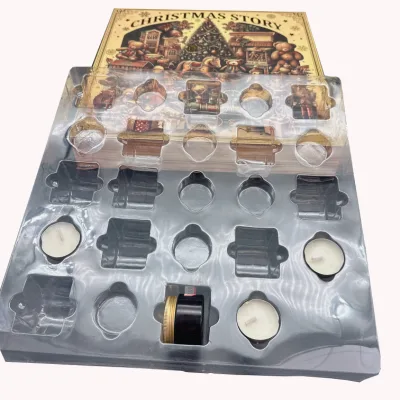
Recyclable PET Blister Tray for Food Packaging and Toy Display Plastic Plates & Bowls
$0.88 - $0.90
MOQ: 1 pieces
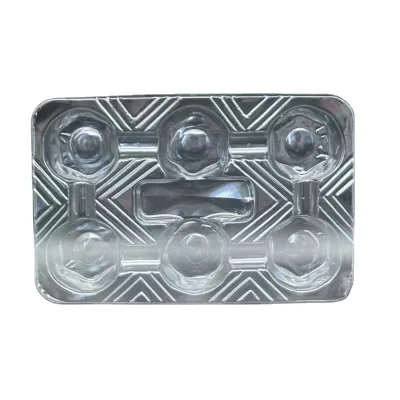
Customizable Disposable Plastic Cup Holder Tray Blister Process Type for Pet Food and Sugar
$0.09 - $0.18
MOQ: 1000 pieces

Hunan Songda Packaging Co., Ltd.
- Verified by SGS
- Combined
- China Hunan
- Lead time15 days
- Avg. response≤ 3h
Main marketsDomestic,Australia,North America

Hot Sale Pet Packaging Food Transparent Blister Vegetable Square Plastic Tray
$0.01 - $0.03
MOQ: 10000 Pieces

Food Grade Pet Plastic Blister Fruit Meat Packaging Tray for Strawberry
$0.03 - $0.05
MOQ: 10000 Pieces

Custom Pet Transparent Plastic Blister Packaging Tray for Vegetable Fruit
$0.02 - $0.04
MOQ: 10000 Pieces


Disposable Eco-Friendly Clear Pet Plastic Blister Tray for Vegetable Fruit
$0.02 - $0.04
MOQ: 10000 Pieces


Suzhou Kaimei Packaging Materials Co., Ltd.
- Verified by TUVRHEINLAND
- Combined
- China Jiangsu
- Lead time30 days
- Avg. response≤ 11h
Main productsBlister Packging, Blister Tray, Blister Packging Tray, Syringe Plastic Blister, Drainage Needle Vacuum Packaging Box, Medical Blister Box, Electronic Plastic Packaging
Main marketsDomestic

Pet Plastic Food Packaging Trays Disposable Blister Tray Plastic Food Plastic Container
$0.05 - $0.50
MOQ: 2000 Pieces


Tianjin Taiyi Jinhua Aviation Blister Co., Ltd.
- Verified by SGS
- Combined
- China Tianjin
- Lead time15 days
- Avg. response≤ 3h
Main productsCpet Plastic Tray, Cpet Plastic Container, Plastic Sheet, Plastic Film
Main marketsOthers(foreignTradeCapacity.exportBusinessCapacityMarketOther),North America


Pet Fresh Display Tray, Specifically Designed for Displaying Meat and Seafood in Supermarkets
$0.03 - $0.03
MOQ: 100000 Pieces

$0.03 - $0.03
MOQ: 100000 Pieces

Food Grade Disposable Cpet Tray Plastic Fast Food Package Tray Cpet Tray Manufacturers
$0.03 - $0.03
MOQ: 100000 Pieces

Food Grade Disposable Cpet Tray Plastic Fast Food Packaging Tray Cpet Tray Manufacturer
$0.03 - $0.03
MOQ: 100000 Pieces


Guangzhou Huaheng Plastic Products Co., Ltd.
- Manufacturer/Factory
- China Guangdong
- Lead time23 days
- Avg. response≤ 6h
Main productsFood Packaging, Food Cantainer, Packaging Box, Custom Box, Packaging, Gift Box, Plastic Box, Blister Packaging, Plastic Tray, Plastic Bag
Main marketsSouth America,Eastern Europe,Mid East,North America,Southeast Asia,Eastern Asia,Oceania,Western Europe,Africa


biodegradable PET disposable transparent plastic fruit blister packaging tray
$0.10 - $0.12
MOQ: 10000 Pieces

PET food grade plastic blister tray for cookie/biscuit plate inner tray
$0.10 - $0.11
MOQ: 10000 Pieces


customized disposable fruit packaging plastic pet blister trays for food
$0.10 - $0.15
MOQ: 10000 Pieces

Guangzhou Jianxin Plastic Products Co., Ltd.
- Verified by BV
- Combined
- China Guangdong
- Lead time15 days
- Avg. response≤ 3h
Main productsPlastic Packaging, Disposable Tableware, Disposable Plastic Cup&Lid, Plastic Bowl, Plastic Tary, Plastic Container, Blister Packaging, Plastic Food Packaging, Disposable Food Container, Disposable Catering Supplies
Main marketsSouth America,Africa,Southeast Asia/ Mideast,East Asia(Japan/ South Korea),Europe,Australia,North America


Wholesale Custom Food Grade Disposable Pet Plastic Fruit Tray Blister Packaging Tray
$0.03 - $0.45
MOQ: 50000 Pieces


Pet Blister Disposable Packaging Plastic Rectangle Tray for Fruit Packaging
$0.04 - $0.08
MOQ: 50000 Pieces

Disposable Pet Plastic Export Clear Transport Packaging Blister Tray for Fruit Packing
$0.07 - $0.11
MOQ: 50000 Pieces

Disposable Pet Food Fruit Packaging Tray Plastic Container
MOQ: 30000 Pieces

Shandong Litai Plastic Industry Co., Ltd.
- Verified by BV
- Combined
- China Shandong
- Lead time15 days
- Avg. response≤ 10h
Main productsBlister Packaging, Food Tray
Main marketsDomestic


Clear Disposable Pet Blister Tray, Two-Compartment Plastic Tray for Pastry and Dessert
$0.06 - $0.15
MOQ: 5000 Pieces

Custom Pet Food Blister Tray, Disposable Plastic Box for Baking Cake & Pastry
$0.07 - $0.15
MOQ: 5000 Pieces

Food Grade Golden Blister Gift Tray with Clear Pet Lid for Candy Packaging
$0.08 - $0.15
MOQ: 6000 Pieces

Chung Lam Blister Company Limited
- Verified by SGS
- Combined
- China Guangdong
- Lead time30 days
- Avg. response≤ 10h
Main productsBlister Packaging, Blister Folding Boxes, Packing Box, Plastic Packing, Blister Tray, Plastic Cylinder, Plastic Shoebox, Electronic Thermoforming Packaging Products, Food Blister Packaging
Main marketsDomestic

Dongguan Sunyo Plastic Co., Ltd.
- Verified by TUVRHEINLAND
- Manufacturer/Factory
- China Guangdong
- Lead time15 days
- Avg. response≤ 4h
Main productsSushi Tray, Food Container, Pet Sheet, PVC Sheet, PETG Sheet, PP Sheet, PS Sheet
Main marketsSouth America,Mid East,North America,Southeast Asia,Eastern Asia,Western Europe,Africa


Elegant Golden Pet Blister Food Display Trays Wholesale Price Manufacturer Direct
$0.19 - $0.27
MOQ: 200 Sets

Recyclable Golden Color Pet Plastic Food Trays for Retail Food Packaging
$0.10 - $0.11
MOQ: 500 Pieces


FDA-Certified Pet Meat Trays Factory Price Customizable Sizes & Refrigerator Safe
$0.20 - $0.27
MOQ: 200 Sets
Changzhou Huisu Qinye Import & Export Co., Ltd.
- Verified by SGS Group
- Trading Company
- Lead time15 days
- Avg. response≤ 2h
Main productsCPET Tray, PP Food Container, PET Food Container, Bagasse Food Container, PLA Food Container
Main marketsNorth America(30%), South America(30%), Western Europe(20%)
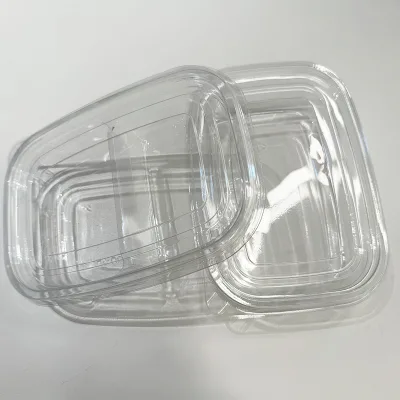
Wholesale Plastic Pet Trays Plastic Tray Pet Custom Size Pet/Ecoh/Pe Food Tray
$0.02 - $0.09
MOQ: 50000 Minimum
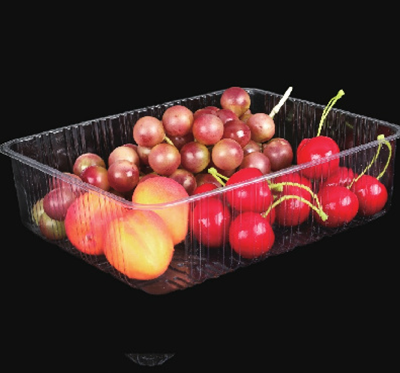
Guangzhou Yick Tak Blister Packaging Co., Ltd.
- Manufacturer
- Guangdong, China
- Lead time0 days
- Avg. response≤ 5h
Main productsPET Plastic Box,PET Plastic Tray,PP Plastic Tray
Main marketsEastern Asia(14.29%), Mid East(14.29%), Oceania(14.29%), Eastern Europe(14.29%), South America(14.29%), North America(14.29%), Western Europe(10.00%)
Large Plastic Pet Tray Pet Frozen Chicken Meat Packing Tray Superior Cpet Food Tray Container
$0.03 - $0.12
MOQ: 20000 Minimum

- Verified by SGS
- Trading Company
- China Shandong
- Lead time30 days
- Avg. response≤ 4h
Main productsLunch Box, Plastic Cup, Food Packaging, Food Tray, PLA Disposable Bowl
Main marketsSoutheast Asia/ Mideast

$0.10 - $0.20
MOQ: 100000 Pieces

$0.10 - $0.20
MOQ: 100000 Pieces

Eco-Friendly Recyclable Pet Plastic Food Storage Packaging Solution Tray
$0.10 - $0.20
MOQ: 10000 Pieces

$0.09 - $0.20
MOQ: 100000 Pieces

Hunan Colorway Technology Co., Ltd.
- Verified by SGS
- Manufacturer/Factory
- China Hunan
- Lead time15 days
- Avg. response≤ 4h
Main productsPackaging Box Gift Box Paper Box Packing Box, Label Sticker Adhesive Label Cosmetic Label, Paper Label PVC Label Vinyl Label Hologram Label, Perfume Label Drug Label Bottle Label, Epoxy Dome Sticker Vinyl Sticker Car Decal, Hologram Sticker Security Sticker Void Label, Security Ticket Coupon Voucher Scratch off Card, Nameplate Membrane Keyboard Graphic Overlay, Hang Tag Paper Card Leaflet Woven Label, Blister Tays Blister packaging Aluminum Foil Bag
Main marketsSouth America,Eastern Europe,Mid East,North America,Southeast Asia,Eastern Asia,Oceania,Western Europe,Africa


Comprehensive Sourcing Guide
Blister PET Food Display Tray Supplier Concentration and Factory Types
Buyers searching for a Blister PET Food Display Tray will find that the supplier landscape on B2B platforms is heavily concentrated in China, with Shandong appearing repeatedly as a listed province for PET blister packaging manufacturers. Suppliers in that region typically list main products spanning plastic packaging, food containers, fruit packaging trays, clamshells and blister-formed items, which places a pet food display tray squarely within their production scope. Their company types vary between manufacturer/factory and trading company, so a listing in Shandong does not automatically mean you are dealing with the producing plant. Some listings are combined or hybrid entities that also handle paper bags, cartons and packaging equipment.
Guangdong also appears among the supplier results, but the listed suppliers there concentrate on packaging materials, molds, gift boxes and cartons rather than blister PET trays specifically, which matters when matching a supplier's core competence to your product. When no verified location data is available for a candidate, identify clusters by checking the prod_origin field on product attributes, the company profile's main products, and whether the product photos and tooling descriptions indicate in-house vacuum forming. Confirm whether the entity is a factory, a factory-plus-trade hybrid or a pure trading company, since this affects tooling control, defect responsibility and pricing depth. Ask directly for the producing facility's address and whether molds are held on-site, then cross-check that answer against the business license they provide.
How to Verify Blister PET Food Display Tray Suppliers
Verification should start with third-party audited status. Some suppliers in these results carry a verified designation from SGS, which is a meaningful baseline signal because the audit is performed by an external inspection body rather than the platform's own screening. The next layer is system certification. Actual certificates observed across these results include ISO 9001 and ISO 9000 for quality management, ISO 22000 and BRC for food-safety management, and BSCI for social compliance. For a food-contact-adjacent item like a pet food display tray, food-safety certification such as ISO 22000 or BRC is especially relevant, though you must confirm the certificate scope covers the producing site and the tray line, not just another product family.
Request certificate numbers and verify them against the issuing body's database, and ask which entity holds the certificate if the supplier is a trading company. Product-level evidence also supports verification: at least one listing in these results declares FDA certification as a product attribute, and product attribute pages specify plastic type PET, disposable food application and blister process type. Treat attribute declarations as claims until documented. Ask for a food-contact material declaration and migration test data for the specific PET sheet used. Finally, verify the factory itself: request a recent audit report or commission a third-party inspection covering tooling, clean-room conditions for blister forming and incoming PET sheet inspection. Reconcile the registered company name, the bank account name and the contract signing entity before any deposit is paid.
What to Compare Across Blister PET Food Display Tray Suppliers
Build a side-by-side comparison using the attributes suppliers actually display, without assuming every supplier publishes the same fields. Lead time is a strong differentiator in these results: one packaging supplier lists 15 days while another lists 45 days, a threefold gap that directly affects your replenishment planning and launch timing. Response time is displayed for most listings and ranges from roughly five hours to nearly twelve hours; for a product with mold modification and sampling cycles, a slow responder will slow every iteration. Minimum order quantity is the third core field, and here the spread is dramatic—some PET tray listings show 5,000 or 10,000 pieces while a clamshell product shows an MOQ of 100,000 pieces—so confirm which MOQ applies to your specific tray size and tooling.
Compare main products and company type to judge fit: a supplier whose catalog is dominated by PET film, PET sheet and blister trays is more credible for this product than one listing cartons and paper bags. R&D capability labels such as OEM and ODM indicate whether customization and new-tool development are supported, which the product attributes confirm where customization is marked available. Other comparable dimensions include verification status, location, establishment year (which must be requested when not displayed), and whether escrow or platform-protected payment is offered, since not every listing shows this. Where displayed price ranges exist, use them only as orientation for benchmarking, not as a quotation.
Common Blister PET Food Display Tray Sourcing Risks
The most frequent risk in this category is confusing a trading company with the producing factory. Several Shandong listings are trading companies or hybrids, which can add a margin but also complicate defect claims and mold ownership. A second risk is MOQ mismatch: quoted minimums vary enormously across comparable trays, and buyers sometimes discover the 100,000-piece tier only after requesting a specific customized size, then face an unusable order quantity. Third, food-safety documentation gaps are common. A pet food display tray may not legally require the same certifications as human food packaging in every market, but retailers and brand owners often demand equivalent food-contact evidence, and a supplier whose certification scope excludes blister trays cannot satisfy that.
Tooling risk is category-specific: blister trays require custom molds, and if the supplier changes plant, subcontracts forming, or refuses to transfer the mold, you lose switching flexibility. Ambiguous size and model specifications create further exposure—several listings show model numbers such as generic standard strings rather than engineered drawings, so demand a dimensioned drawing with thickness tolerances. Price-only selection is another trap, since the displayed price ranges in these results span a wide band and the low end may reflect thinner PET sheet or smaller tray formats. Finally, long lead times disclosed by some suppliers can clash with seasonal pet-food promotions. Mitigate by contractually defining lead time, mold ownership, material grade, and acceptance criteria before deposit, and by phasing initial orders rather than committing full volumes.
Blister PET Food Display Tray Regional Sourcing and Logistics
Within the verified results, Shandong is the dominant listed origin for PET blister food trays, with at least one product attribute page explicitly stating Zibo, Shandong, China as the production origin. This concentration matters for logistics planning: Shandong suppliers ship primarily by sea, as shown in packing and shipment attributes listing sea transportation, so plan for ocean freight lead times on top of production lead time. Guangdong appears in the results as a broader packaging materials and packaging molds hub, which is relevant if you need to source PET sheet, tooling or secondary packaging from nearby vendors, but the Guangdong-based suppliers listed here center on cartons, gift boxes and packaging equipment rather than blister PET trays.
When clustering data is unavailable for a candidate supplier, identify regional concentration yourself by extracting prod_origin and location fields across multiple listings, checking the producing facility's address on the business license, and asking whether raw PET sheet is produced in-house or purchased from a regional film mill. Logistics questions to resolve before ordering include: whether the tray ships nested to reduce freight volume (blister trays nest well and nesting density materially changes container utilization), what carton packing configuration is used—the results show plastic bag plus carton packing for one tray— Incoterms applied to sea shipment, and whether the supplier consolidates with other products. Confirm export experience to your destination port and ask for a sample packing plan showing pieces per carton and cartons per container.
Blister PET Food Display Tray Commercial Terms and Order Planning
Commercial terms for this category should be negotiated around the verified data points and the gaps you must fill. Observed displayed pricing on comparable PET blister trays and containers falls in a low per-piece band, roughly from a few cents to around ten cents per unit, with a clamshell item listed between about 0.105 and 0.120; use these only as directional benchmarks and obtain quotations against your drawing, PET thickness and print requirements. MOQs observed range from 5,000 and 10,000 pieces on standard supermarket trays to 100,000 pieces on a customized fruit clamshell, so clarify whether your pet food display tray falls on a stock-mold tier or a custom-mold tier before projecting unit economics.
Lead time commitments observed span 15 to 45 days; anchor your contract to the supplier's own displayed figure and add ocean transit. Sample lead times shown in the results are 3 to 7 days, which is fast enough to validate fit before tooling sign-off. Payment structure should reflect mold cost separately from unit price, with mold ownership, transfer rights and exclusivity documented. Where a supplier offers escrow or platform-protected payment, weigh that against direct T/T terms; if escrow availability is not displayed, ask. Plan a first order near the stated MOQ to validate quality, then scale using the same tooling. Establish a response-time expectation in writing, since displayed response speeds differ meaningfully across suppliers and affect reorder responsiveness.
FAQs
What is the typical lead time for blister pet food trays?
The typical lead time for these trays is 45 days, though some manufacturers offer faster options with a 15-day turnaround. Buyers should verify specific delivery schedules based on order volume and customization requirements before finalizing production plans.
What are the minimum order quantities for plastic fruit packaging?
Minimum order quantities vary significantly, ranging from 5,000 pieces for specific food containers to 100,000 pieces for standard fruit clamshells. Buyers must confirm the exact MOQ with the supplier to ensure their order meets the production threshold.
Which certifications do these plastic packaging suppliers hold?
Suppliers often hold multiple certifications including ISO 9001, BSCI, BRC, and ISO 22000. Some manufacturers also possess FDA approval for food contact and OHSAS 18001 for safety. Buyers should request current certificates to verify compliance with their specific market standards.
Where are the manufacturers of these trays located?
Manufacturers are primarily located in Shandong and Guangdong provinces in China. Specific facilities are found in Zibo, Shandong, while other operations are based in Guangdong. Buyers should confirm the exact factory location to assess shipping logistics and regional capabilities.
What is the price range for custom plastic blister trays?
Prices for custom plastic blister trays typically range from 0.025 to 0.12 USD per unit depending on the model and quantity. Specific items like fruit containers may cost between 0.085 and 0.10 USD. Final pricing depends on customization, material type, and order volume.
How quickly do suppliers typically respond to inquiries?
Response times vary among suppliers, with some averaging around 5 hours and others taking up to 12 hours. Buyers should expect a response within this window but should verify the current status with the specific trading company or manufacturer they contact.
What materials are used for these food packaging trays?
These trays are commonly made from PET, PVC, PP, and PS materials. Some products specifically use PET material for clarity and strength. Buyers should check the product attributes to confirm the exact plastic type required for their specific food application needs.