ESD Protection Anti-static Work Sandal Suppliers and Manufacturers
Explore 27 verified options for ESD Protection Anti-static Work Sandal from Jiangsu, China. Compare response times, lead times, certifications, and pricing to find the right partner. Contact suppliers directly to request samples and confirm specifications; review the available evidence before requesting comparable quotations from suitable candidates.
Suppliers List

Suzhou Quanjuda Purification Technology Co., Ltd
- Trading Company,Manufacturer/Factory
- China Jiangsu
- Lead time0 days
- Avg. response≤ 10h
Main productsESD Fabric, ESD Garment, ESD Uniform, Sticky Mat, ESD Shoes, ESD Wrist Strap, ESD Glove, Disposable Facemask, Cleanroom Wipers, ESD Finger Cots


Allesd Soft Comfortable Safety Footwear Antistatic Work Shoes ESD Shoes ESD Spu Shoes
$3.00 - $5.00
MOQ: 100 Pairs

Manufacturer Antistatic Work Shoes Fabric Upper ESD Shoes Footwear Antistatic Mesh Shoes
$2.50 - $3.00
MOQ: 50 Pairs

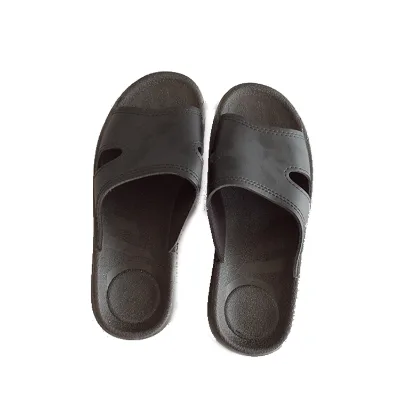
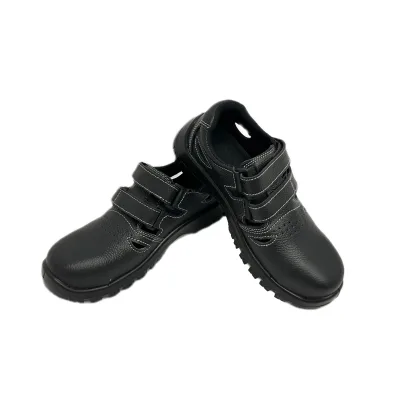
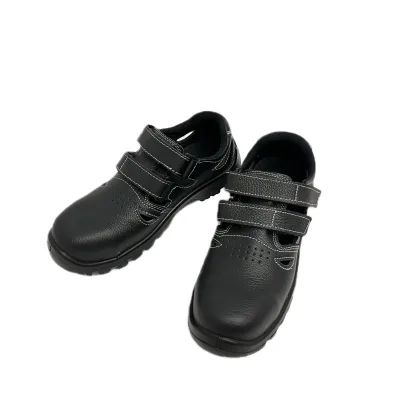
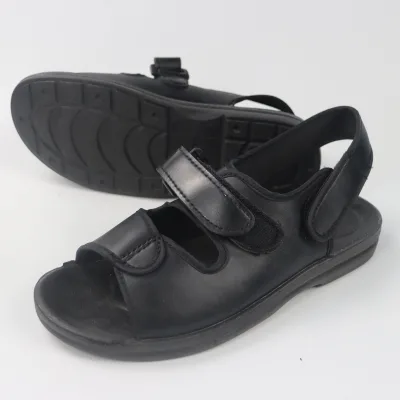
Black Color Lint Free Breathable Antistatic ESD Antistatic Spu Sandals for Industrial Workwear
$2.95 - $3.00
MOQ: 50 Pairs


SuZhou ShuoGuo Purification &Technology Co.,Ltd
- Verified by SGS
- Trading Company
- China Jiangsu
- Lead time15 days
- Avg. response≤ 8h
Main productsFinger Cots/Cots, Clean Room Paper, Clean Room Wiper, Workout Hand Grip, Clean Notebook, Sticky Mats, ESD Table Mats, Working Gloves
Main marketsSoutheast Asia/ Mideast,East Asia(Japan/ South Korea),Domestic,North America

Xiamen Qianyu Technology Co., Ltd.
- Trading Company
- China Fujian
- Lead time15 days
- Avg. response≤ 5h
Main productsCleanroom Wipes, 100% Polyester Wipes, Cleanroom Double-Knit Polyester Wipes, SMT Roll Wipes, Microfiber Cloth, 2ply Cleanroom Wipes, SMT Stencil Wipes, Nonwoven Cleaning Paper, Industrial Cleaning Cloth, Cleanroom Swabs
Main marketsAfrica,Southeast Asia/ Mideast,Europe


Antistatic Work Labor Protection Shoes Anti Smashing Steel Toe ESD Safety Shoes
$12.00 - $18.00
MOQ: 100 Pairs


Shenzhen Gemisky Technology Co., Ltd.
- Trading Company
- Guangdong, China
- Lead time5 days
- Avg. response≤ 4h
Main productsCleanroom Wiper Roll,ESD Magazine Rack,ESD Box,ESD Gloves,ESD Bag
Main marketsNorth America(36.00%), Southeast Asia(18.00%), Eastern Europe(12.00%), Western Europe(10.00%), South America(9.00%), Domestic Market(8.00%), Eastern Asia(7.00%)

- Verified by BV
- Trading Company
- China Fujian
- Lead time30 days
- Avg. response≤ 5h
Main productsSlippers, Flip Flops, Clogs, EVA Beach Slippers, Gift Slippers, Injection Slippers, Canvas Shoes, Sandals
Main marketsSouth America,Africa,Southeast Asia/ Mideast,Europe,North America

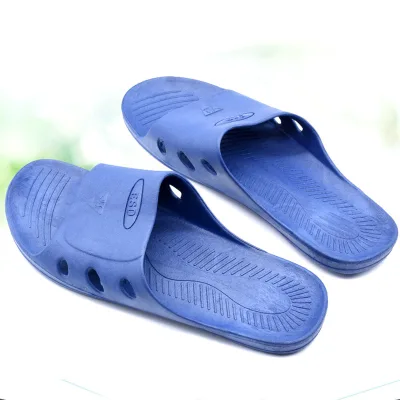
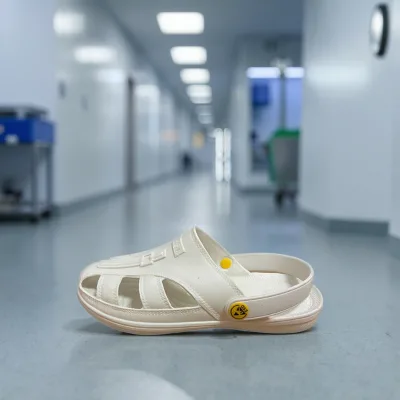
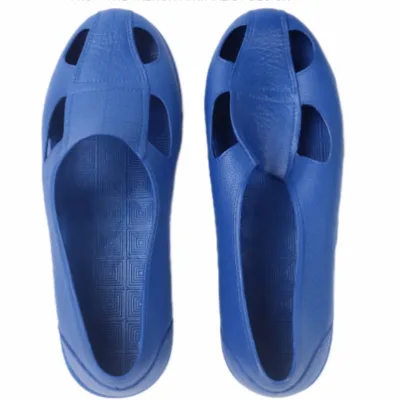
Good Price Anti-Slip Blue Color Different Size ESD Cleanroom Work Sandal for Industrial Use
$1.50 - $3.50
MOQ: 1000 Pairs

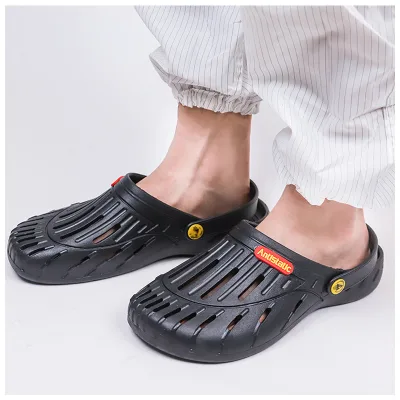
Hot Sale Men EVA Clogs Multiple Colors Surgical Hole Comfort Garden Shoes Safety Sandal
$1.50 - $3.50
MOQ: 1000 Pairs

Shandong Estar Footwear Co., Ltd
- Verified by TUVRHEINLAND
- Manufacturer/Factory
- China Shandong
- Lead time60 days
- Avg. response≤ 4h
Main productsSafety Shoes, Safety Boots, Work Shoes, Work Boots, Military Boots, Safety Footwear, Combat Boots, Insoles, Footbed, Chef Shoes
Main marketsSouth America,Eastern Europe,Mid East,North America,Southeast Asia,Eastern Asia,Oceania,Western Europe,Africa


Anti-Slip Dual Density Polyurethane Work Mens Safety Sandal with Padded Collar
$10.00 - $15.00
MOQ: 500 Pairs

Steel Toe Work Safety Sandal with Wide Fit and Extra-Good Shock Absorption
$10.00 - $15.00
MOQ: 500 Pairs

Flexible Lightweight and Durable Safety Sandal with Adjustable Fast Flexible Closures
$10.00 - $15.00
MOQ: 500 Pairs

Lightweight Durable Fashionable Safety Sandal Women Safety Steel Toe Work Shoes
$10.00 - $15.00
MOQ: 500 Pairs

Metal Free ESD Approved PVC-Free Work Safety Sandals with Adjustable Fast Flexible Closure
$10.00 - $15.00
MOQ: 500 Pairs
Shenzhen Eles Technology Co., Ltd.
- Verified by TüVRheinland
- Trading Company
- Lead time7 days
- Avg. response≤ 2h
Main productsESD Antistatic And Cleanroom Products, ESD Rubber Mat, ESD Bag, Sticky Mats, ESD Chair
Main marketsSoutheast Asia(20%), Domestic Market(20%), North America(15%)

Suzhou Linclean Technology Co., Ltd.
- Combined
- China Jiangsu
- Lead time23 days
- Avg. response≤ 4h
Main productsESD Uniform, ESD Shoes, Cleanroom Wiper, Cleanroom Paper, Cleanroom Fabric, Cleanroom Gloves
Main marketsSoutheast Asia/ Mideast,Domestic


Slip Resistant Gray PU Sole Men Work Safety Footwear Protective Anti Static ESD Shoe
$13.50 - $15.90
MOQ: 100 Pairs


Black Leather ESD Safety Shoes Slip Resistant Antistatic Safety Footwear
$11.99 - $15.90
MOQ: 100 Pairs
Suzhou Jujie Electron Co., Ltd.
- Verified by TüVRheinland
- Manufacturer, Trading Company
- Lead time3 days
- Avg. response≤ 4h
Main productsCleanroom Wiper, Sticky Mat, Clean Swab, ESD Clothing, ESD Shoes
Main marketsDomestic Market(48%), North America(16%), Western Europe(6%)
Canmax Ultra Clean Technology Co., Ltd.
- Verified by TüVRheinland
- Manufacturer, Trading Company
- Lead time15 days
- Avg. response≤ 4h
Main productsESD Garment, Cleanroom Sticky Mat, ESD Shoes, Cleanroom Electric Appliance, ESD Glove
Main marketsDomestic Market(85%), North America(5%), Southeast Asia(3%)

- Verified by CTI
- Trading Company
- China Fujian
- Lead time45 days
- Avg. response≤ 5h
Main productsEVA Slippers, Slide Sandals, Beach Sandals, Canvas Shoes, PVC Slippers, PE Slippers, Garden Shoes, Clog, Boots, Flip-Flops
Main marketsEast Asia(Japan/ South Korea)

Comfort EVA Material Lightweight Camouflage Quick Drainage Holes Slip-Resistant Sandal
$3.30 - $3.50
MOQ: 1000 Pairs

Professional Indoor Outdoor Anti-Slip Beach Walking EVA Highly Elastic Sandals
$2.40 - $2.50
MOQ: 1000 Pairs


Shenzhen Selen Clean Tech Co., Ltd.
- Combined
- China Guangdong
- Lead time30 days
- Avg. response≤ 4h
Main productsNonwoven Products, Cleanroom Wipes, ESD Coat and Shoes, Face Mask, Safety Shoes, Gloves, ESD/Clenaroom Package, ESD Fabric, ESD Smock
Main marketsSoutheast Asia/ Mideast,East Asia(Japan/ South Korea),Domestic


Wholesale of Anti-Static Spu Toe Protection ESD Blue Sandals in Factory Workshops
$1.36 - $2.66
MOQ: 50 Pairs

Spu Anti-Static, Odorproof, Soft Sole, Anti Slip, and Dustproof Work Sandals
$1.36 - $2.66
MOQ: 50 Pairs

Black Dust-Free, Anti-Slip, Dustproof Work Shoes, Four Hole Breathable Labor Protection Sandals
$1.36 - $2.66
MOQ: 50 Pairs


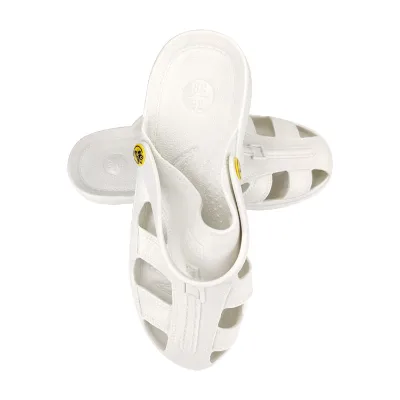
Hot Selling Spu Comfortable, Breathable, Anti-Slip, and Anti-Static Dual Purpose White Sandals
$1.44 - $1.98
MOQ: 50 Pairs

Shandong Jiankun Protective Equipment Co., Ltd.
- Verified by SGS
- Combined
- China Shandong
- Lead time30 days
- Avg. response≤ 6h
Main productsSafety Shoes, Safety Boots, Work Shoes, Work Boots, Riding Boots, Protective Shoes, Steel Toe, Motorcycle Boots, Anti-Impact, Anti-Puncture
Main marketsDomestic,Europe

Summer Work Protect Hard Toe Safety Shoes Sandal Anti Static Slippers with BSCI
$7.45 - $9.00
MOQ: 500 Pairs

$8.50 - $8.70
MOQ: 999 Pairs

Black Color Genuine Leather Sandal Safety Shoes for Doctor and Nurse for Hospital Working
$9.30 - $10.50
MOQ: 500 Pairs
Suzhou Baina Anti-Static Products Co., Ltd.
- Verified by Intertek
- Manufacturer, Trading Company
- Lead time0 days
- Avg. response≤ 5h
Main productsCleanroom Wipes , Cleanroom Paper, Anti-static Footwear and Apparel , Anti-static Industrial Consumables
Main marketsDomestic Market(50%), North America(10%), Southeast Asia(10%)

Suzhou Jiekon Puri-Tech Co., Ltd.
- Verified by TUVRHEINLAND
- Trading Company
- China Jiangsu
- Lead time15 days
- Avg. response≤ 25h
Main productsMicrofiber Cleanroom Wiper, Cleanroom Wiper, Sticky Mat, Finger Cot, Anti Static Clothes, Anti Static Fabric
Main marketsDomestic

PU ESD Slipper Safety Shoes Unisex Working ESD Cleanroom Slippers Antistatic PU Material
$1.08 - $1.95
MOQ: 200 Pieces


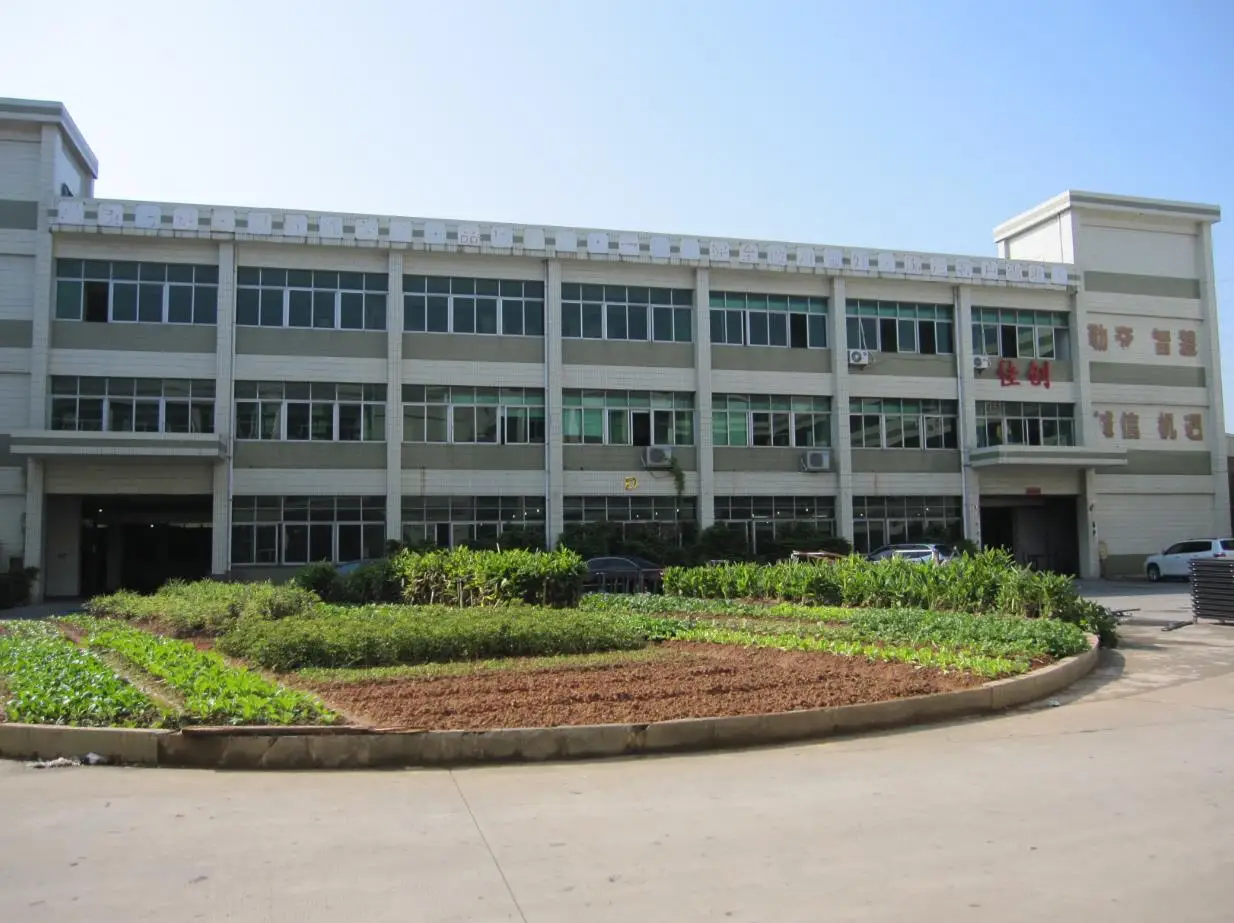
Dongguan Jiachuang Purification Technology Co., Ltd.
- Manufacturer, Trading Company
- Guangdong, China
- Lead time10 days
- Avg. response≤ 1h
Main productsFACE MASK,CLEAN ROOM WIPERS,NON-WOVEN WIPERS,PE GLOVES,NITRILE GLOVES
Main marketsDomestic Market(60.00%), North America(5.00%), Southeast Asia(5.00%), South Asia(5.00%), Central America(5.00%), Mid East(3.00%), South America(3.00%), Africa(2.00%), Eastern Europe(2.00%), Southern Europe(2.00%), Northern Europe(2.00%), Oceania(2.00%), Western Europe(2.00%), Eastern Asia(2.00%)

Shanghai Lingtech Technology Co., Ltd.
- Trading Company,Manufacturer/Factory
- China Shanghai
- Lead time15 days
- Avg. response≤ 17h
Main productsESD and Cleanroom Autoclavable Garments, ESD and Cleanroom Autoclavable Shoes, ESD and Cleanroom Fabric, ESD Work Gloves, Safety Shoes, Clean Wiper, Cleanroom Products, ESD Products, Cleanroom Project and Equipment, Autoclavable Garments and Laundry
Main marketsSouth America,Mid East,North America,Southeast Asia,Eastern Asia,Africa
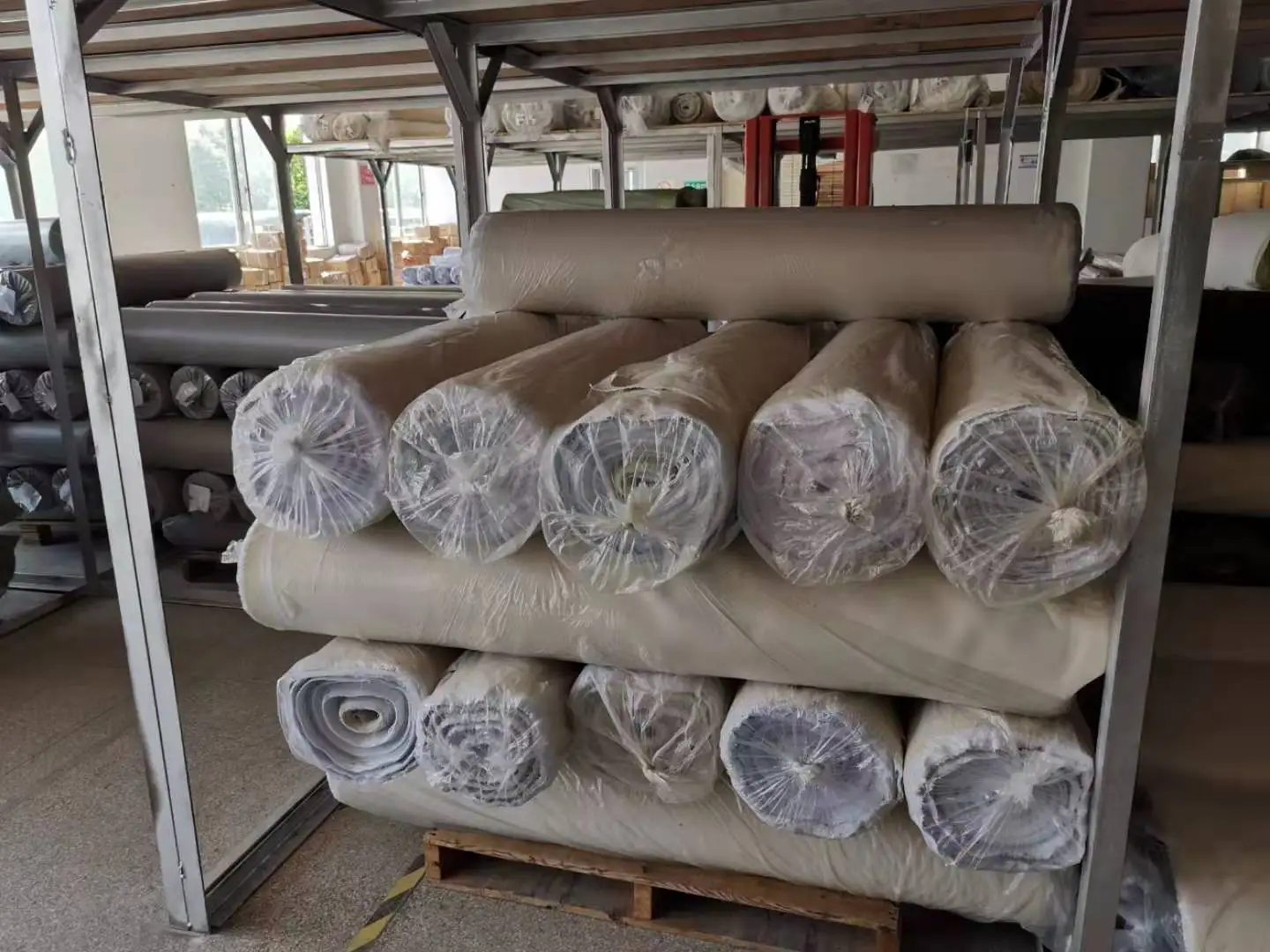
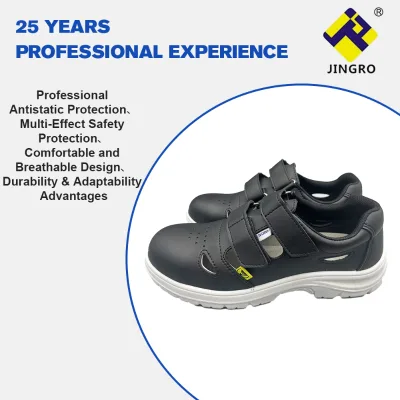
Suzhou Jingro Technology Co., Ltd.
- Manufacturer, Trading Company
- Jiangsu, China
- Lead time0 days
- Avg. response≤ 1h
Main productsAnti-Static Shoes, ESD Shoes, Cleanroom Shoes, Anti-Static Clothes, Safety Shoes
Main marketsEastern Asia(50.00%), Southeast Asia(30.00%), South America(10.00%), South Asia(1.00%), North America(1.00%), Oceania(1.00%), Western Europe(1.00%), Southern Europe(1.00%), Central America(1.00%), Northern Europe(1.00%), Africa(1.00%), Eastern Europe(1.00%), Mid East(1.00%)

Tera Security Technology(Wenzhou)Co., Ltd
- Verified by TUVRHEINLAND
- Trading Company
- China Zhejiang
- Lead time15 days
- Avg. response≤ 10h
Main productsSafety Shoes, Safety Footwear, Work Shoes, Safetyboots, Rain Boots, PPE
Main marketsEurope


Terasafe Breathable Anti-Impact Anti Puncture Work Shoes Sandals PU Sole Safety Shoes
$12.60 - $13.00
MOQ: 500 Pairs


Breathable CE Certified Casual Sandal Safety Shoes with PU Sole for Workers
$10.00 - $10.50
MOQ: 500 Pairs
Shenzhen Fairtech Electronics Co.,LTD
- Manufacturer
- Guangdong, China
- Lead time7 days
- Avg. response≤ 9h
Main productsESD garment,ESD Magazine Rack,ESD box,ESD Fabric,ESD Bag
Main marketsNorthern Europe(17.00%), Western Europe(15.00%), North America(15.00%), Central America(15.00%), Eastern Europe(14.00%), South America(14.00%), Southern Europe(10.00%)
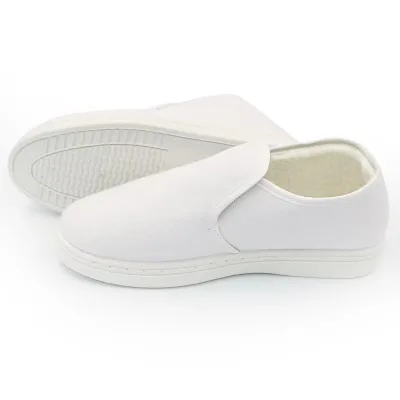
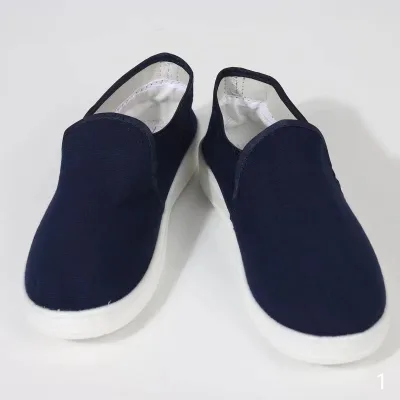
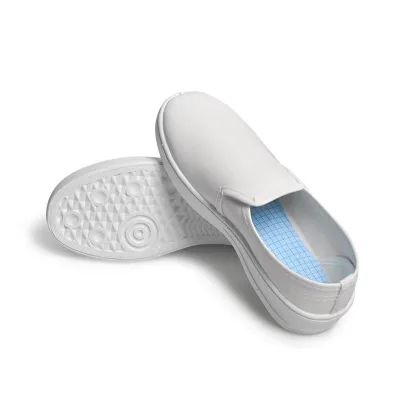
High Quality Industrial ESD Antistatic Protection Safety Working Shoes PU Sole with PVC Insole
$0.88 - $1.70
MOQ: 1 pairs
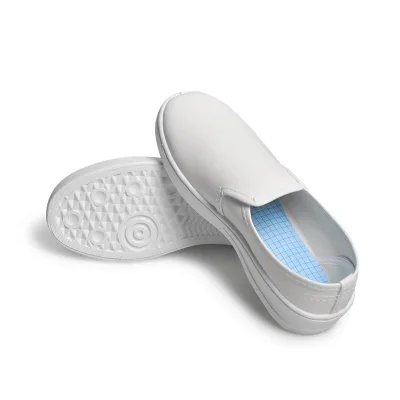
Custom Logo Safety Protection Price Man Slipper Size Work Near Me Pu Esd Shoes
$1.70 - $10.00
MOQ: 1 Minimum

Quan Zhou Jin Jiang Cenki Imp&Exp Co., Ltd.
- Verified by SGS
- Trading Company
- China Fujian
- Lead time30 days
- Avg. response≤ 3h
Main productsSport Shoes, Casual Shoes, Slippers, Sandals, Boots, Flip Flops, Football Shoes, Clog Shoes, Safety Shoes, Children Shoes
Main marketsAfrica

Closed-Toe Protective Design with Rugged Traction for Safe Outdoor Work Men's Sandals
$2.80 - $4.50
MOQ: 100 Pairs

Durable Waterproof EVA Construction with Excellent Shock-Absorbing Cushioning Men's Sandals
$2.80 - $4.50
MOQ: 100 Pairs

Wenzhou Lailisi Safety Protection Products Co., Ltd
- Verified by SGS
- Combined
- China Zhejiang
- Lead time23 days
- Avg. response≤ 2h
Main productsEye Wash Station, Safety Shoes, Body Protection, Respiratory Protection, Head Protection
Main marketsSouth America,Africa,Southeast Asia/ Mideast,North America


Men's Summer Work Shoes Steel Toe Breathable Sandals Outdoor ESD Safety Shoes
$11.00 - $13.00
MOQ: 2 pieces

Jinjiang Jiaxing Import and Export Co., Ltd.
- Verified by CTI
- Manufacturer/Factory
- China Fujian
- Lead time120 days
- Avg. response≤ 1h
Main productsShoes, Slipper, Clothes, Promotion Gifts, Silicone Products, Outdoor Sports Products, Bags, Fashion Accessories, Consumer Electronics
Main marketsSouth America,Eastern Europe,Mid East,North America,Southeast Asia,Eastern Asia,Oceania,Western Europe,Africa
Dongguan Shangda Purification Products Co., Ltd.
- Manufacturer, Trading Company
- Guangdong, China
- Lead time0 days
- Avg. response≤ 2h
Main productsAntistatic slippers,anti-static clothing,Dust-free paper,finger cot,antistatic gloves
Main marketsSouth Asia(10.00%), Northern Europe(10.00%), Central America(10.00%), Western Europe(10.00%), Eastern Asia(10.00%), Mid East(10.00%), Africa(10.00%), Southeast Asia(10.00%), South America(10.00%), North America(10.00%)

Qingdao Signal Technology Co., Ltd
- Verified by TUVRHEINLAND
- Trading Company,Manufacturer/Factory,Group Corporation
- China Shandong
- Lead time15 days
- Avg. response≤ 3h
Main productsPersonal Protective Equipment Supplier, Safety Products Supplier, Safety Gloves Manufacturer, Construction Safety Equipment, Road Safety Products, OEM PPE Supplier, Industrial Protection Solutions, Foot Protection, Respiratory Protection, Safety Shoes
Main marketsSouth America,Eastern Europe,Mid East,North America,Southeast Asia,Eastern Asia,Oceania,Western Europe,Africa

Hot Workshop Laborers EU Standard Steel Midsole Anti-Puncture Work Shoes Sandals
$16.00
MOQ: 100 Pieces

Breathable Safety Sandals Shoes Steel Toe for Summer Construction & Warehouse Work
$16.00
MOQ: 100 Pieces

Handan City Lu an Shoes Co., Ltd
- Verified by SGS
- Combined
- China Hebei
- Lead time30 days
- Avg. response≤ 6h
Main productsSafety Shoes
Main marketsDomestic,Europe

Qingdao Driving Sea International Trade Co., Ltd.
- Trading Company,Manufacturer/Factory
- China Shandong
- Lead time23 days
- Avg. response≤ 3h
Main productsSafety Shoes, Work Shoes, Safety Boots, Shoes, PU Shoes, Face Mask, KN95 Mask, N95 Mask, Disposable Medical Mask, FFP2 Mask
Main marketsSouth America,Eastern Europe,Mid East,North America,Southeast Asia,Eastern Asia,Oceania,Western Europe,Africa








Comprehensive Sourcing Guide
ESD Protection Anti-static Work Sandal Supplier Concentration and Factory Types
The current supplier landscape for ESD Protection Anti-static Work Sandal shows a distinct concentration in China Jiangsu, where specific manufacturers and trading companies operate. This region hosts entities offering a diverse range of products including ESD Fabric, ESD Garment, ESD Uniform, Sticky Mat, ESD Shoes, ESD Wrist Strap, ESD Glove, Disposable Facemask, Cleanroom Wipers, and ESD Finger Cots. Buyers observing this data should note that the primary operational hubs are located within this specific province, which often indicates a mature supply chain for cleanroom and safety footwear. The presence of both Trading Company and Manufacturer/Factory types suggests a market where direct production and distribution channels coexist, allowing for varied sourcing strategies depending on the buyer's volume and customization needs.
When evaluating the factory types available, it is crucial to distinguish between entities that produce goods under their own brands and those offering OEM or ODM services. The observed data indicates that suppliers in this sector possess the capacity for Own Brand production under names like Allesd, alongside flexible OEM and ODM capabilities. This dual capacity allows buyers to source standard inventory or request specific modifications to the product design, such as changes in sole material or surface resistance levels. However, without explicit verification of individual company histories, buyers must treat the "Manufacturer/Factory" label as a general category rather than a guarantee of specific production capabilities. The concentration in Jiangsu provides a logistical advantage, but the specific mix of trading versus manufacturing entities requires careful verification to ensure the supply chain aligns with the buyer's quality and speed requirements.
How to Verify ESD Protection Anti-static Work Sandal Suppliers
Verification of ESD Protection Anti-static Work Sandal suppliers requires a rigorous check of system certifications and third-party validation marks. The available data highlights that suppliers in this category often hold ISO 9001, ISO 14001, and ISO 14000 certifications, which serve as baseline indicators of quality management and environmental compliance. Additionally, specific product evidence points to RoHS and ISO certifications for individual items like the Black Cleanroom Antistatic ESD PU Sandal and Summer ESD Sandals. Buyers should prioritize suppliers who can provide current, verifiable documentation for these standards rather than relying solely on profile claims. The presence of an SGS verification status on some profiles further strengthens the credibility of the supplier, indicating that an independent third party has assessed their business operations or product quality.
Beyond certifications, buyers must assess the responsiveness and operational stability of the supplier through their response times and lead time data. The observed response times vary, with some suppliers showing a response time of 9.55 and others at 7.89, while lead times can range from zero to fifteen days depending on the specific order and stock availability. A supplier with a shorter response time may indicate a more agile sales team, but this does not guarantee production speed. Buyers should verify if the zero lead time refers to immediate stock availability or a specific production mode. It is essential to confirm these metrics directly with the supplier before placing an order, as these numbers can fluctuate based on seasonal demand or raw material availability. Relying on static profile data without real-time confirmation can lead to misunderstandings regarding delivery schedules and communication efficiency.
What to Compare Across ESD Protection Anti-static Work Sandal Suppliers
Comparing suppliers requires a detailed analysis of product specifications, pricing structures, and minimum order quantities (MOQ). The market offers a wide spectrum of ESD Protection Anti-static Work Sandal options, ranging from PU-based sandals with grounding resistance of 106 to 109 Ohms to TPU models with surface resistance between 10e6 and 10e9 Ohms. Pricing varies significantly, with some models listed between 1.00 and 2.00 per pair, while others range from 3.50 to 5.00 per pair. Buyers must align these price points with their specific technical requirements, such as the need for waterproofing, machine washability, or specific sole materials like PU, PVC, or TPU. The MOQ also differs, with some suppliers requiring 50 pairs while others demand 100 or 500 pairs, directly impacting the initial capital outlay and inventory risk for the buyer.
In addition to product specs and costs, buyers should compare the customization capabilities and packaging standards offered by different suppliers. Many suppliers indicate that customization is available, allowing for tailored sizes, colors, and functional features like slip resistance or antistatic properties. Packaging details also vary, with options ranging from 1 pair per OPP bag to 50 pairs per carton, which affects shipping costs and storage efficiency. The availability of specific sizes, such as S, M, L, or numbered sizes like 36# to 48#, is another critical comparison point. Buyers should ensure that the supplier can meet their specific size requirements and that the packaging is robust enough to protect the footwear during transit. A thorough comparison of these attributes ensures that the selected supplier can deliver a product that meets both technical and logistical needs without unnecessary compromise.
Common ESD Protection Anti-static Work Sandal Sourcing Risks
One significant risk in sourcing ESD Protection Anti-static Work Sandal is the potential mismatch between claimed surface resistance and actual performance. While product data lists specific resistance ranges like 10e6 to 10e8 Ohms or 107 to 1010 Ohms, these values must be validated through independent testing to ensure they meet the strict requirements of electronic component maintenance rooms. Relying solely on the supplier's stated specifications without requesting a test report can lead to the deployment of footwear that fails to protect sensitive equipment from electrostatic discharge. Buyers should insist on third-party test results that confirm the grounding resistance and surface resistance values under real-world conditions, as these metrics are critical for the safety and integrity of the production environment.
Another risk involves the variability in lead times and the reliability of stock availability. The observed data shows lead times ranging from zero to fifteen days, which can create uncertainty in supply chain planning. A supplier claiming a zero lead time might only be able to fulfill small orders from existing stock, while larger orders could face significant delays. Furthermore, the distinction between trading companies and manufacturers can impact the ability to resolve quality issues or expedite production. If a supplier is a trading company, they may have less direct control over the manufacturing process, potentially leading to communication gaps or delays in addressing defects. Buyers must clarify the exact production timeline and confirm the supplier's ability to handle rush orders or volume fluctuations to mitigate the risk of production stoppages or inventory shortages.
ESD Protection Anti-static Work Sandal Regional Sourcing and Logistics
Sourcing ESD Protection Anti-static Work Sandal from China Jiangsu offers distinct logistical advantages due to the region's established manufacturing infrastructure. The concentration of suppliers in this area suggests a robust network of raw material suppliers and specialized production facilities, which can streamline the manufacturing process. However, buyers must account for the specific shipping requirements associated with footwear, which can be bulky and heavy. The product data indicates various packing standards, such as 1 pair per OPP bag or 50 pairs per carton, which directly influences the volume and weight of the shipment. Understanding these packing details is essential for calculating accurate freight costs and selecting the most efficient shipping method, whether by sea or air, to ensure timely delivery to the destination.
Logistics planning also requires careful consideration of the supplier's location relative to major ports and transportation hubs. While the data confirms the origin as Jiangsu, China, the specific distance to the nearest port can impact transit times and shipping costs. Buyers should verify the exact shipping terms, such as FOB or CIF, to understand who is responsible for freight and insurance costs. Additionally, the response time of the supplier, which ranges from 7.89 to 9.55 in the observed data, can affect the speed of communication regarding shipping updates and potential delays. A supplier with a faster response time may be better equipped to handle logistics issues proactively, ensuring that the shipment proceeds smoothly. Buyers should factor in these logistical variables when selecting a supplier to ensure a seamless supply chain from the factory floor to the final destination.
ESD Protection Anti-static Work Sandal Commercial Terms and Order Planning
Commercial terms for ESD Protection Anti-static Work Sandal orders must be clearly defined to avoid disputes regarding payment, delivery, and quality assurance. The observed data indicates varying MOQs, from 50 to 500 pairs, which dictates the minimum financial commitment required to initiate an order. Buyers should negotiate payment terms that align with their cash flow, such as using escrow services to protect funds until the goods are verified. The presence of certifications like ISO 9001 and RoHS provides a baseline for quality, but buyers should also include specific quality acceptance criteria in the contract, such as acceptable surface resistance ranges and material durability standards. Clear commercial terms ensure that both parties have a shared understanding of the obligations and expectations for the transaction.
Order planning for ESD Protection Anti-static Work Sandal requires a strategic approach to inventory management and demand forecasting. Given the range of product options, from PU sandals to TPU models, buyers should plan their orders based on the specific needs of their workforce and the operational environment. The availability of customization options allows for tailored solutions, but this may extend lead times and require more advanced planning. Buyers should consider the seasonal demand for safety footwear and the potential for supply chain disruptions when determining order quantities. By aligning order planning with the supplier's lead time and production capacity, buyers can maintain a steady supply of ESD Protection Anti-static Work Sandal while minimizing the risk of stockouts or overstocking. Effective order planning ensures that the supply chain remains resilient and responsive to changing business needs.
FAQs
What is the price range for ESD PU sandals?
Prices for ESD PU sandals range from 1.00 to 5.00 USD per pair depending on the specific model and features. Some basic models start at one dollar while specialized integrated molding options cost up to five dollars. Buyers should check the exact product specifications to confirm the final unit price before ordering.
What are the minimum order quantities for these shoes?
Minimum order quantities vary significantly between different ESD sandal models available from suppliers. Some products require a minimum of 50 pairs while others demand orders of 100 or 500 pairs. Buyers must verify the specific MOQ for each item to ensure their order meets the supplier requirements before proceeding with payment.
How long does it take to receive these sandals?
Lead times for ESD sandals can range from zero days to fifteen days depending on the supplier and stock availability. Some manufacturers offer immediate dispatch while others require up to two weeks for production or shipping. Buyers should confirm the specific lead time with the supplier before placing an order to avoid delays.
Are these sandals certified for safety standards?
Many ESD sandals come with certifications such as RoHS and ISO to ensure compliance with safety standards. The products often feature surface resistance values between 10e6 and 10e9 Ohms for effective static control. Buyers should verify the specific certification documents provided by the supplier to ensure the footwear meets their facility requirements.
Where are these ESD sandals manufactured?
These ESD sandals are primarily manufactured in Jiangsu, China, by various trading companies and factories. The products originate from this region and are shipped globally to meet international demand. Buyers can expect the origin to be listed as Jiangsu or China on the product details page for verification purposes.
What materials are used for the soles of these shoes?
The soles of these ESD sandals are typically made from PU, TPU, or a combination of PU and PVC materials. These materials provide durability, antistatic properties, and comfort for industrial environments. Buyers should check the specific product attributes to confirm the sole material matches their operational needs and safety requirements.
Do suppliers offer customization for these sandals?
Customization is available for many ESD sandal models allowing buyers to specify sizes, colors, or branding. Suppliers often support OEM and ODM services to meet unique requirements. Buyers should confirm the customization options and any additional costs with the supplier before finalizing their order specifications.