Heavyweight Distressed Zip Up Hoodie Suppliers and Manufacturers
Compare 24 verified suppliers offering Heavyweight Distressed Zip Up Hoodie options from Guangdong and Jiangxi. Review lead times, response rates, and customization capabilities before requesting quotes for your specific model requirements; review the available evidence before requesting comparable quotations from suitable candidates.
Updated
Suppliers List

Guangzhou Shangshang Industrial Co., Ltd.
- Combined
- China Guangdong
- Lead time15 days
- Avg. response≤ 18h
Main productsHoodies, T Shirt, Sweatpant, Shorts, Jacket
Main marketsDomestic

Jiangxi Flower Garment Co., Ltd
- Manufacturer, Trading Company
- Jiangxi, China
- Lead time20 days
- Avg. response≤ 4h
Main productspolo t shirt,t shirt,hoodie,pants,tank top
Main marketsNorth America(25.00%), Central America(20.00%), Northern Europe(10.00%), Eastern Europe(8.00%), South America(5.00%), South Asia(5.00%), Southeast Asia(5.00%), Mid East(5.00%), Oceania(5.00%), Africa(5.00%), Western Europe(2.00%), Southern Europe(2.00%), Eastern Asia(2.00%), Domestic Market(1.00%)
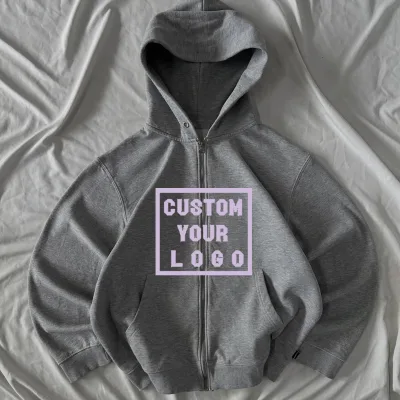
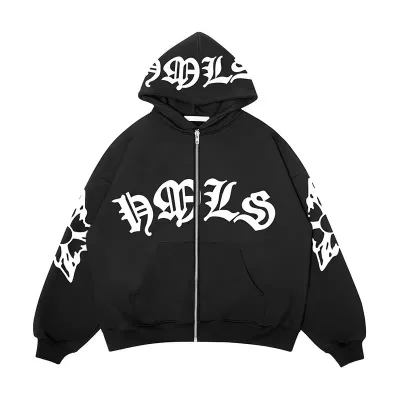
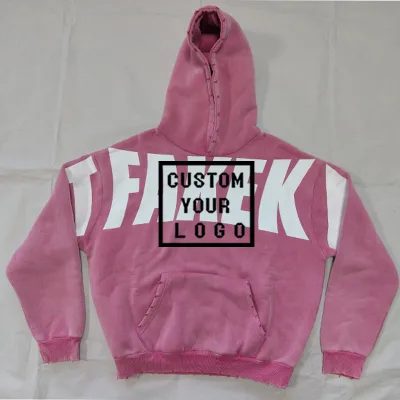
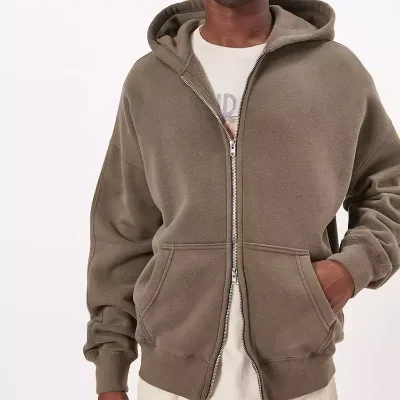
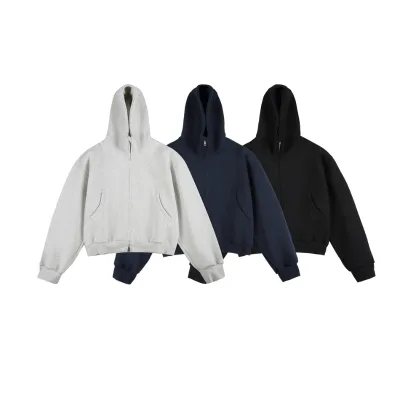
Wholesale Custom logo 3d Puff Print Zip up Hoodie Heavy Weight Terry Street Wear Zipper Hoodie
$6.6856 - $12.2844
MOQ: 2 pieces
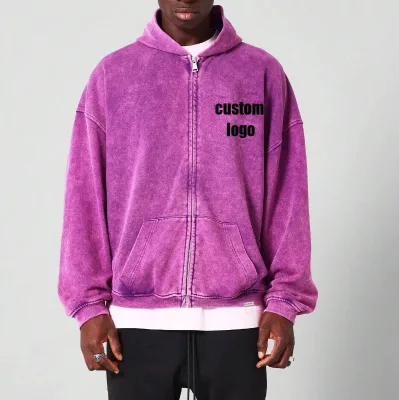
$4.3039 - $12.3353
MOQ: 2 pieces

Zhousi (Shenzhen) Clothing Co., Ltd.
- Verified by CTI
- Trading Company
- China Guangdong
- Lead time23 days
- Avg. response≤ 2h
Main marketsDomestic


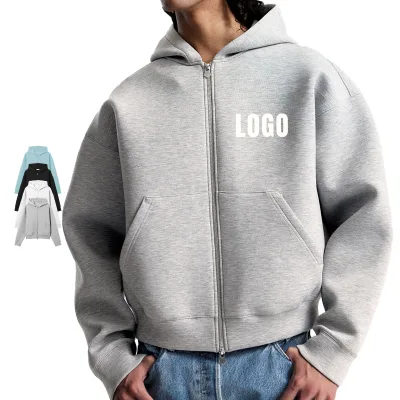
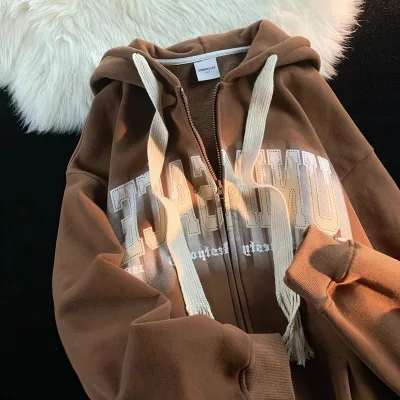
Trendy 380g Heavyweight Drop Shoulder Zipper Hoodie for Custom Printing
$12.10 - $14.90
MOQ: 20 Pieces

Shenzhen Kai Wei Garment Co., Ltd.
- Verified by Intertek
- Manufacturer, Trading Company
- Lead time15 days
- Avg. response≤ 2h
Main productsPolo Shirt, Golf Shirt, Fishing Shirt, T-Shirt, Tracksuits
Main marketsNorth America(62%), Domestic Market(10%), Oceania(7%)
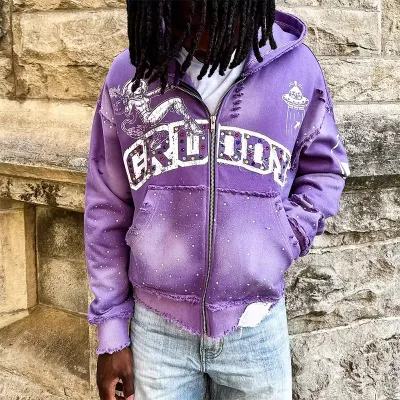
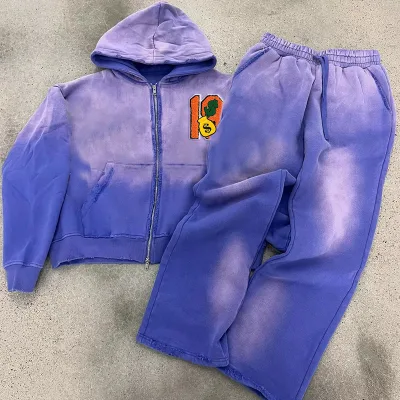
$7.6407 - $13.247
MOQ: 2 pieces
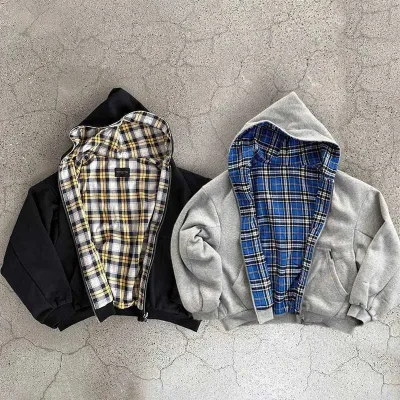
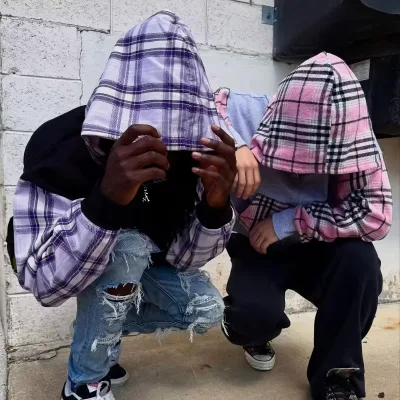
$12.5868 - $19.4715
MOQ: 30 pieces
Guangzhou Meichen Industry And Trade Co., Ltd.
- Verified by SGS Group
- Manufacturer, Trading Company
- Lead time0 days
- Avg. response≤ 17h
Main productsMen's Shirt, Men's Hoodie, Men's Jacket, Men's Pant, Men's Jersey
Main marketsNorth America(70%), Oceania(10%), Eastern Europe(5%)
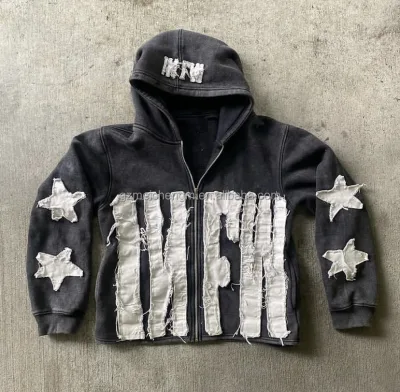
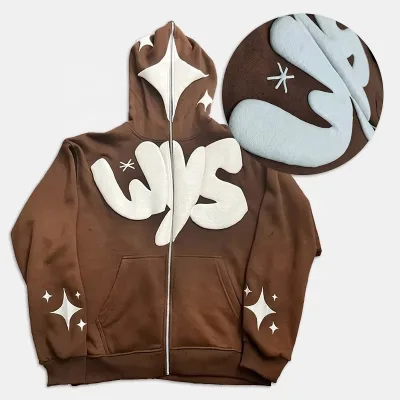

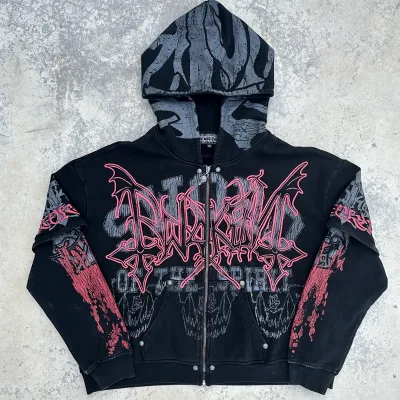
$11.208 - $14.2919
MOQ: 50 pieces
Dongguan Jinhui Clothing Co., Ltd.
- Verified by TüVRheinland
- Manufacturer, Trading Company
- Lead time15 days
- Avg. response≤ 3h
Main productsHoodie, T-Shirts, Shorts, Jackets, Coats
Main marketsEastern Europe(40%), North America(30%), Oceania(10%)

Jiangxi Lingji Outdoor Products Development Co., Ltd.
- Verified by TUVRHEINLAND
- Trading Company
- China Jiangxi
- Lead time15 days
- Avg. response≤ 3h
Main productsBaseball Cap, Bucket Hat, Mesh Cap, Beanie Hat, T Shirt, Polo Shirt, Hoody, Football Jersey, Basketball Jersey, Soccer Ball/Basketball
Main marketsSoutheast Asia/ Mideast,East Asia(Japan/ South Korea),Europe,North America

Bulk Oversized Heavyweight 400g Zip up Hoodies with Custom Logo Sweatshirt Hoody
$15.57 - $20.25
MOQ: 1 Pieces

Customized Logo Oversized Heavyweight 400g Zip up Hoodie Streetwear Sweatshirt Hoodies Hoody
$15.57 - $20.25
MOQ: 1 Pieces

Blank Heavyweight Oversized Zip up Hoodies with Custom Logo and Color Sweatshirt Hoody
$15.57 - $20.25
MOQ: 1 Pieces

Sports Wear Style Heavyweight Oversized Zip up Hoodies with Drawstring Sweatshirt Hoody
$15.57 - $20.25
MOQ: 1 Pieces

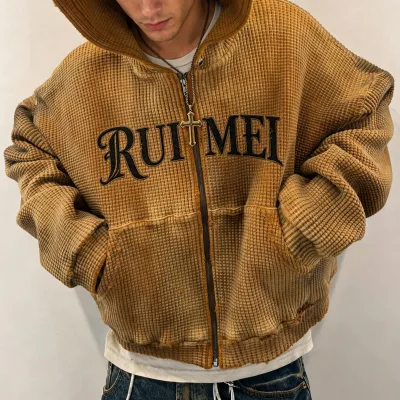
Dongguan Rui Mei Clothing Co., Ltd.
- Manufacturer, Trading Company
- Guangdong, China
- Lead time25 days
- Avg. response≤ 8h
Main productsDress Evening, Dress, Hoodie, T-shirt, Tank Top
Main marketsNorth America(70.00%), Eastern Asia(10.00%), Oceania(10.00%), Domestic Market(10.00%)
BaiLi Fashion Group Co., Limited
- Verified by SGS Group
- Manufacturer, Trading Company
- Lead time0 days
- Avg. response≤ 2h
Main productsT Shirts, Pants & Shorts, Jeans, Tracksuit, Hoodies & Sweatshirts

Fushun Nxcaps Clothing Company Limited
- Verified by CTI
- Trading Company
- China Liaoning
- Lead time23 days
- Avg. response≤ 6h
Main productsTracksuit, Football Jersey, Basketball Jersey
Main marketsSouth America,Australia,North America

$6.50 - $11.00
MOQ: 100 Pieces

$6.50 - $11.00
MOQ: 100 Pieces

Dongguan Senzhou Garment Co., Ltd.
- Verified by TüVRheinland
- Manufacturer, Trading Company
- Lead time15 days
- Avg. response≤ 2h
Main productsTracksuit, T-Shirts, Hoodie, Shorts, Jacket
Main marketsNorth America(28%), Western Europe(22%), Domestic Market(20%)
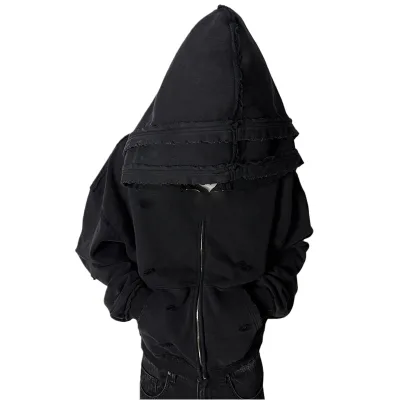
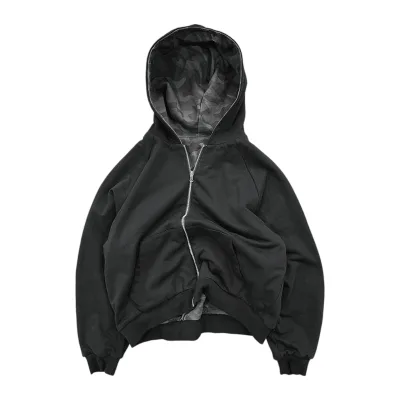
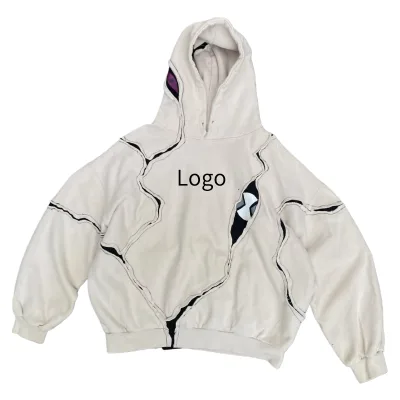
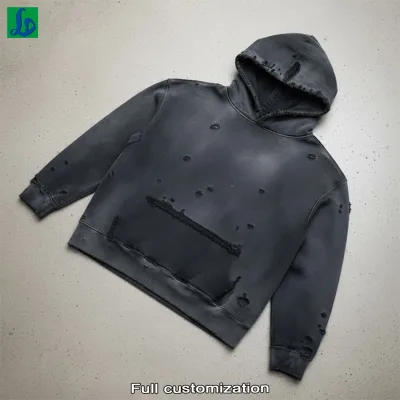
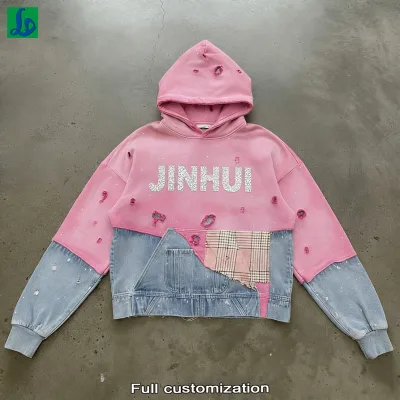
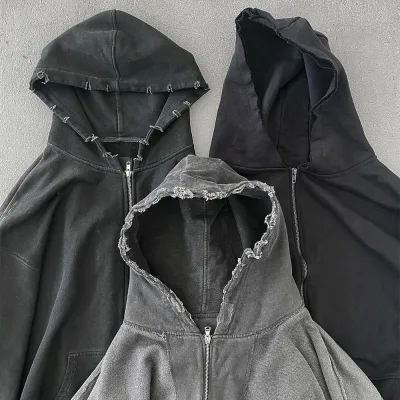
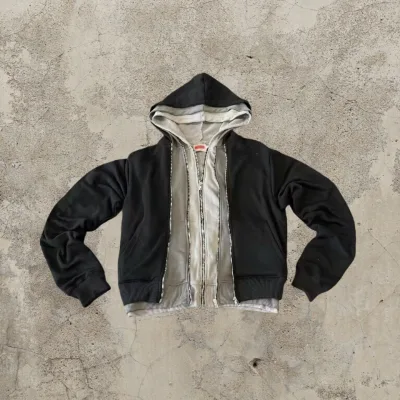
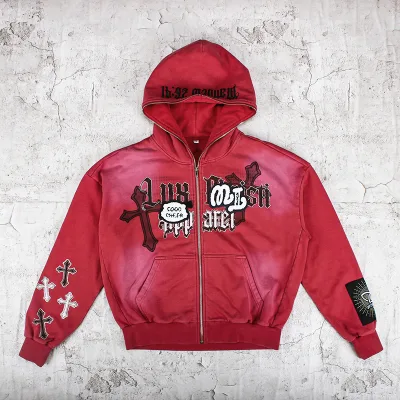
Manufacturers for Customs Clothes Double Layer Hood Acid Wash Distressed Zip up Hoodies Men
$13.4221 - $16.3128
MOQ: 50 pieces
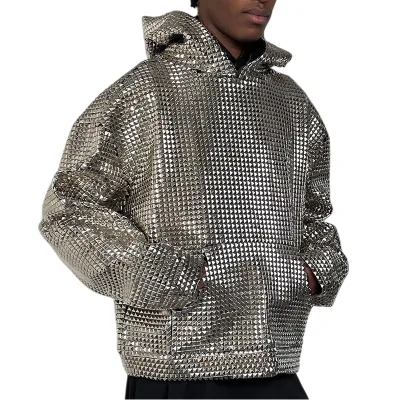
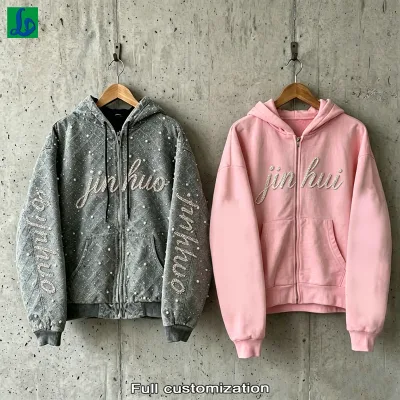
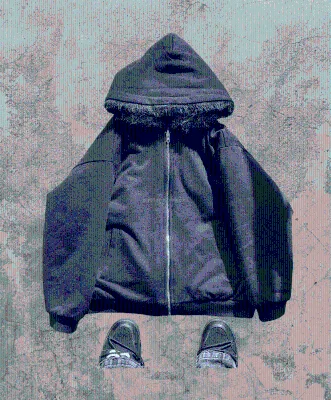
Personality Custom Design Heavyweight Oversized Streetwear Stud Hoodie for Men
$13.4221 - $16.3128
MOQ: 50 pieces
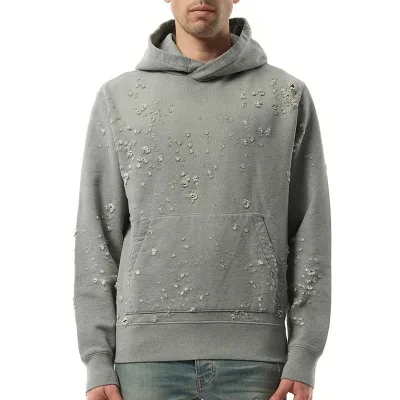
$13.4685 - $16.3697
MOQ: 50 pieces
$19.6302 - $22.729
MOQ: 50 pieces
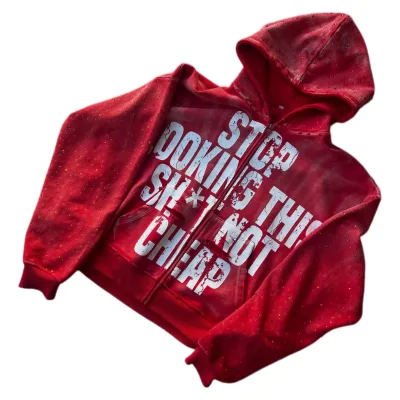
$13.3308 - $16.2005
MOQ: 50 pieces

Guangzhou Tianyuan Clothing Co., Ltd
- Verified by SGS
- Combined
- China Guangdong
- Lead time30 days
- Avg. response≤ 2h
Main productsPolo Shirt, Shirt, Suit, T-Shirt, School Uniform, Hooded Sweatshirt, Medical Uniform, Chef's Uniform, Trousers, Work Clothes
Main marketsDomestic

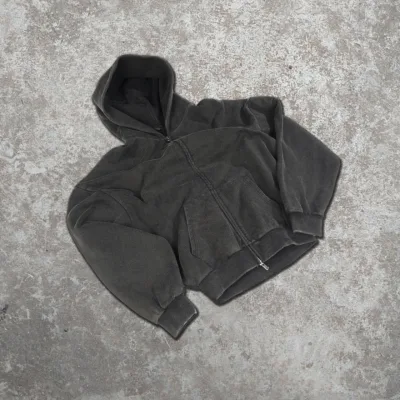
Vintage Washed Distressed Style Men's Hooded Sweatshirt Heavyweight Cotton Pullover Hoodie
$6.95 - $8.95
MOQ: 100 Pieces


Dongguan AOGU Sportswear Co., Ltd.
- Verified by SGS Group
- Manufacturer, Trading Company
- Lead time25 days
- Avg. response≤ 6h
Main productsHoodie, Sweatshirt, Pants, T-shirt, Yoga Wear
Main marketsNorth America(30%), Western Europe(20%), Oceania(10%)

Shanghai Easun Group Imp & Exp Co., Ltd.
- Verified by BV
- Trading Company
- China Shanghai
- Lead time15 days
- Avg. response≤ 21h
Main productsHoodies, Pajamas, T-Shirt, Bath Robe, Sleepwear, Polo Shirts, Safety Shoes
Main marketsAfrica
Dongguan Dida Clothing Co., Ltd.
- Verified by Intertek
- Manufacturer, Trading Company
- Lead time0 days
- Avg. response≤ 1h
Main productsHoodies And Sweatshirts, T-Shirts, Tracksuits, Pants, Jackets
Main marketsWestern Europe(43%), North America(39%), Oceania(8%)

Xiamen Iewansun Import & Export Co., Ltd.
- Verified by SGS
- Trading Company
- China Fujian
- Lead time23 days
- Avg. response≤ 3h
Main productsYoga Wear, Sexy Underwear, Men's Underwear, T-Shirt
Main marketsSouth America,Eastern Europe,Mid East,North America,Southeast Asia,Eastern Asia,Oceania,Western Europe,Africa

Guangzhou Nolai Garment Co., Ltd.
- Verified by TUVRHEINLAND
- Combined
- China Guangdong
- Lead time30 days
- Avg. response≤ 1h
Main productsT Shirt, School Uniform
Main marketsDomestic

- Verified by SGS
- Trading Company
- China Zhejiang
- Lead time15 days
- Avg. response≤ 2h
Main productsT-Shirt, Hoodie, Shorts, Baseball Cap, Sweatshirt, Pants, Gym Wear, Football Jersey, Waistcoat, Hat
Main marketsSouth America,Southeast Asia/ Mideast,East Asia(Japan/ South Korea),Domestic,Europe,Australia,North America

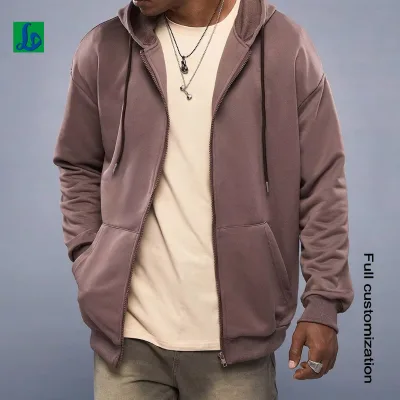
Custom Mens Hoody Blank Heavyweight Oversized Drop Shoulder Boxy Full Zipper Hoodie
$13.53 - $16.49
MOQ: 100 Pieces


High Quality Heavyweight Hoodie Custom Fleece Sweatshirt Men's Hoody Oversized Pullover Hoodie
$9.91 - $13.65
MOQ: 50 Pieces

Men's High-Quality Zip-up Boxy Acid Washed Custom Hoodie Pullover Oversized Plain Hoody
$8.70 - $13.68
MOQ: 30 Pieces
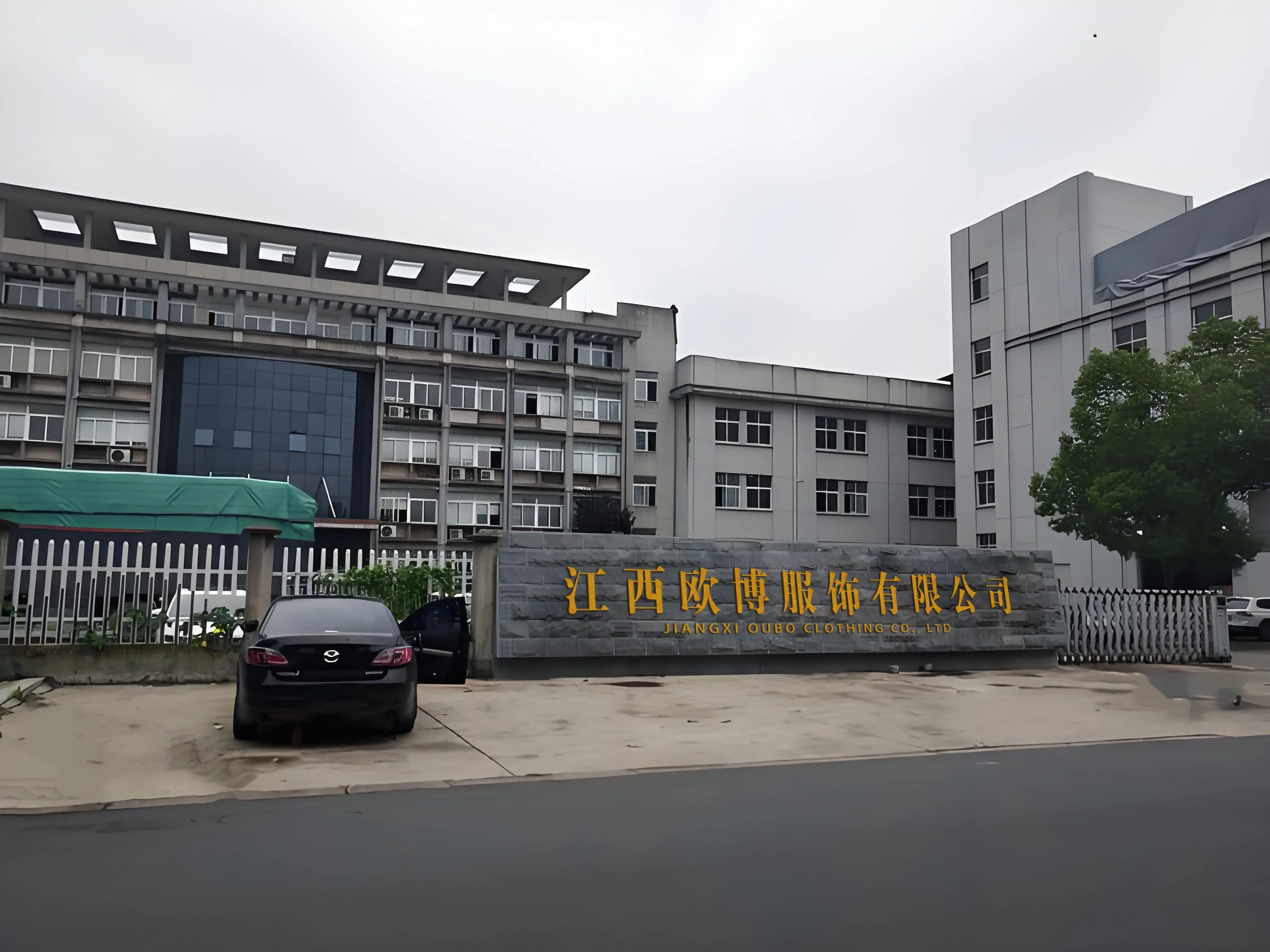
Jiangxi Oubo Garment Co., Ltd.
- Manufacturer, Trading Company
- Jiangxi Province, China
- Lead time10 days
- Avg. response≤ 2h
Main productshoodie,T-shirt,pants,sweater,tank top
Main marketsNorth America(70.00%), Northern Europe(20.00%), Mid East(10.00%)

Guangzhou Vision Clothing Co., Ltd.
- Verified by BV
- Combined
- China Guangdong
- Lead time15 days
- Avg. response≤ 5h
Main productsT-Shirt, Hoodie, Polo Shirt, Sweatpants
Main marketsSouth America,Southeast Asia/ Mideast,Europe,Australia,North America
Guangzhou Etai Apparel Co., Ltd.
- Verified by SGS Group
- Manufacturer, Trading Company
- Lead time15 days
- Avg. response≤ 3h
Main productsT-shirt, Shorts, Hoodie, Team Uniform, Jogger Pants
Main marketsNorth America(30%), South America(20%), South Asia(7%)
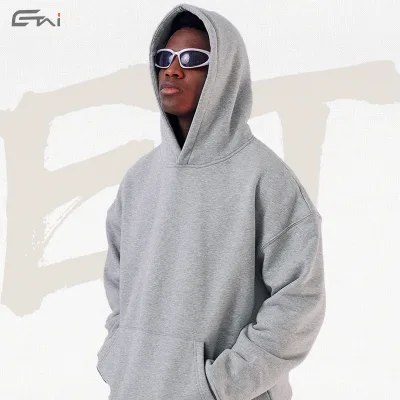
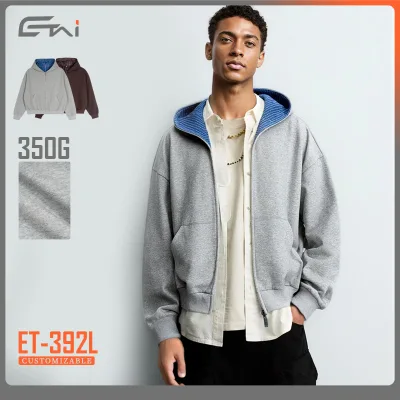
$9.2066 - $16.3742
MOQ: 50 pieces

Guangzhou Jialifa Trading Co., Ltd.
- Trading Company
- China Guangdong
- Lead time0 days
- Avg. response≤ 4h
Main productstshirt

Guangzhou Fengrong Clothing Co., Ltd.
- Verified by SGS
- Combined
- China Guangdong
- Lead time15 days
- Avg. response≤ 2h
Main productsT-Shirt, Hoodie, Jacket, Trousers, Shorts
Main marketsDomestic
Yuanyang Jiaxi Department Store Co., Ltd.
- Trading Company
- Henan, China
- Lead time35 days
- Avg. response≤ 3h
Main productsClothing and Apparel,Men's sports training and fitness clothing,Men's sports training and fitness clothing,Men's sports training and fitness clothing,Fitness swimwear
Main marketsNorth America(60.00%), Southern Europe(10.00%), Northern Europe(10.00%), Western Europe(10.00%), Eastern Europe(10.00%)
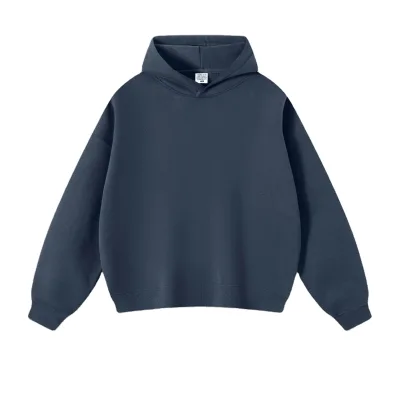
Heavyweight Oversized Custom Winter Fleece Hoodie Loose Solid Color Wide Leg Men's Casual Hoodie
$9.9805 - $13.7874
MOQ: 2 Minimum
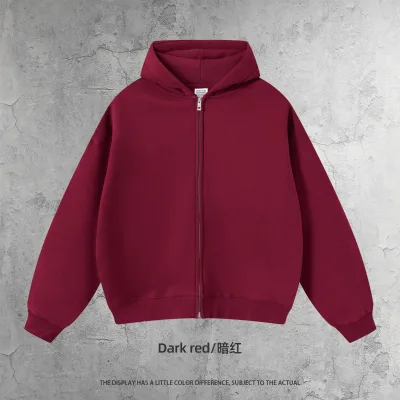
Trendy Hooded Regular Solid Color Men's Hoodie Zipper Fashion Cardigan Men's Hoodie
$10.0359 - $13.8637
MOQ: 2 Minimum








Comprehensive Sourcing Guide
Heavyweight Distressed Zip Up Hoodie Supplier Concentration and Factory Types
Sourcing results for this category currently point to manufacturing activity in two Chinese provinces: Guangdong and Jiangxi. Guangdong suppliers appear as combined manufacturers and traders, listing hoodies, t-shirts, sweatpants, shorts and jackets as main products, which suggests diversified apparel workshops capable of handling heavyweight fleece alongside lighter garments. Jiangxi entries show a manufacturer-plus-trading-company structure focused on polo shirts, t-shirts, hoodies, pants and tank tops. When results for your search do not display a location, treat cluster identification as a verification step: ask each candidate where the sewing, distressing and washing stages actually occur, and whether any process is subcontracted to a separate facility.
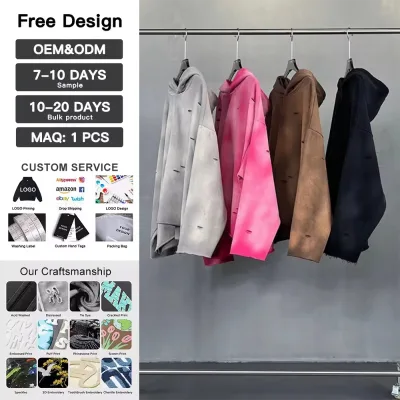
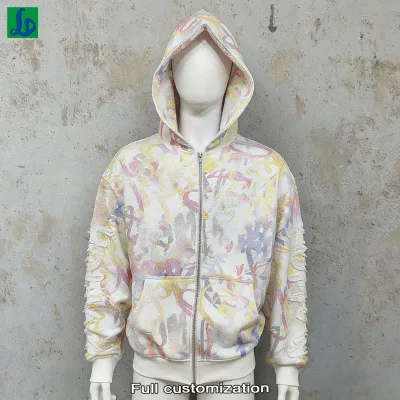
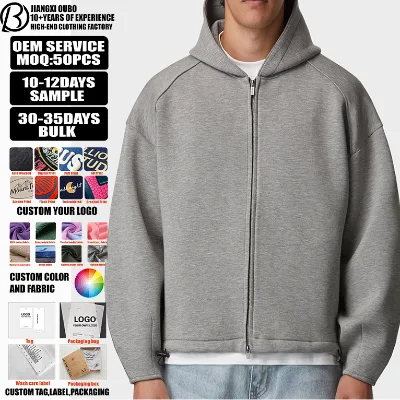
Factory type matters for distressed finishes because bleach washes, garment dyeing and hand-distressing are wet-process steps that not every cut-and-sew workshop performs in-house. A combined or trading entity may quote you a full package while outsourcing washing, which lengthens lead times and complicates quality control on distressing consistency. Manufacturer-and-trader hybrids can still be acceptable if they disclose their partner finishing plants. In the current results, customization is marked as available on multiple heavyweight zip-up and distressed styles, and one Jiangxi listing explicitly advertises OEM service with techniques including bleach wash, garment dyeing, tie dye and puff print. Ask each supplier which of those techniques they execute themselves versus broker, and request photos from their own floor rather than catalog images.
How to Verify Heavyweight Distressed Zip Up Hoodie Suppliers
Start with business structure. The listings in this category describe themselves as combined companies or as manufacturer-plus-trading-company operations, so confirm which legal entity will appear on the invoice and whether that entity holds the factory or merely represents it. Ask for a business license, the registered scope covering apparel manufacturing or export, and the physical address of the sewing floor. Cross-check that the address matches the province shown in results — Guangdong or Jiangxi here — and, ideally, commission a third-party audit or a video walkthrough of the washing and distressing area specifically, since that is where distressed heavyweight production differs most from standard hoodies.
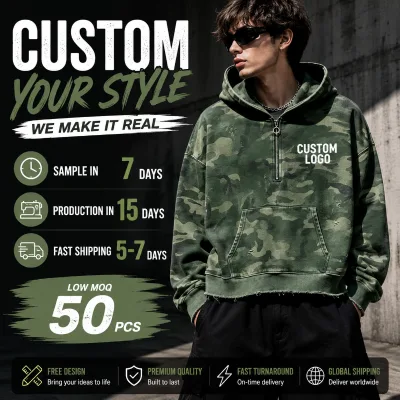
Second, verify product claims against samples. Multiple listings advertise cotton construction, French terry fabric types and fabric weights ranging from roughly 340 to 500 grams; order samples at the exact weight, wash treatment and distressing level you intend to buy, and compare them across suppliers side by side. One result supports a seven-day sample order lead time, which you can use as a benchmark when asking others how fast they produce samples. Confirm whether distressing is done by hand, enzyme wash, bleach spray or mechanical abrasion, and whether the supplier can reproduce the same pattern consistently across a bulk run. Check the model numbers, packing specifications and declared origin on listings against what the supplier confirms in writing, and keep that correspondence as your verification record.
What to Compare Across Heavyweight Distressed Zip Up Hoodie Suppliers
Build a comparison sheet using the attributes actually displayed on supplier results, while remembering that not every listing shows every field. In the current results you can compare: location (Guangdong versus Jiangxi), company type (combined versus manufacturer and trading company), main product lines, and the availability of own-brand, ODM and OEM capability. Note response times as displayed — some suppliers show roughly four-hour response while others show figures above seventeen hours — and weigh that heavily if your program requires rapid sampling iterations on distressed finishes. Lead times shown in this category range around fifteen to twenty days, but confirm whether that covers washing and distressing or only sewing.
On product terms, compare listed price ranges and MOQs without assuming they apply to your configuration. Results in this category show unit prices spanning roughly nine to twenty-eight dollars depending on the style, and one heavyweight all-over-print zip-up listed with a minimum order of fifty pieces, which is unusually accessible for custom work; verify whether distressed washing raises that minimum or the unit cost. Compare fabric weight options offered per supplier — some list many gram weights from about 340 up to 500 — because heavyweight consistency across production runs depends on the mill, not just the label. Also compare the breadth of printing and embroidery techniques each supplier claims, the declared fabric type, needle-detection claims, and whether sample lead times are stated explicitly rather than left ambiguous.
Common Heavyweight Distressed Zip Up Hoodie Sourcing Risks
The biggest category-specific risk is inconsistency in distressing. Hand-sanded hems, bleach sprays and garment-dye washes vary between pieces, and a supplier whose listing shows a distressed sample may deliver bulk where distressing is either too subtle or aggressively uneven. Mitigate this with a golden sample, written tolerance bands for wash tone and distress placement, and an inline inspection during the washing stage rather than only a final check. A second risk is fabric weight drift: a "heavyweight" label can hide anything from roughly 340 to 500 grams in this category, and mill substitutions mid-order are a known apparel failure mode. Require fabric weight verification on received bulk, not just on samples.
Other risks follow from structure and transparency. Combined and trading entities may not disclose subcontracted washing plants, so a fifteen- or twenty-day quoted lead time can quietly stretch if a third-party finisher has queue delays. Listings also bundle many techniques — embroidery, puff print, sequin work, rhinestones, discharge printing — that a single workshop rarely performs all in-house; ask which are brokered. Watch for attribute copy that may not reflect current capability, such as claims of waterproof or anti-wrinkle features on a cotton French terry hoodie, and test them if they matter to your market. Finally, low displayed MOQs can be per-color or per-style rather than per-order, so confirm exactly how the minimum is calculated before committing.
Heavyweight Distressed Zip Up Hoodie Regional Sourcing and Logistics
Both provinces represented in the current results, Guangdong and Jiangxi, are established export bases, but their logistics profiles differ. Guangdong's coastal position typically offers more direct routing options and freight-forwarder density, which matters when shipping heavyweight garments — weight and cube add up quickly at 340 to 500 grams per piece plus packaging. Jiangxi suppliers ship through inland hubs, so confirm the actual port of loading with each supplier and whether inland trucking to a coastal port is included in quoted terms or billed separately. Listings declare origin as China with packaging listed at one piece per OPP bag, which affects carton dimensions and freight calculations.
Plan logistics around the wet-processing stage. Because distressed and garment-dyed finishes add steps after sewing, ask each supplier for a stage-by-stage timeline — cutting, sewing, washing, distressing, printing, packing — and confirm which quoted lead times include full finishing. One listing in this category indicates a fifteen-day lead time and another around twenty days; use those as reference points but require written confirmation for your specific colorways and distressing intensity, since darker washes and heavier distressing often need longer processing. For samples, the seven-day sample order support shown by one Jiangxi listing sets a useful benchmark. Also confirm declared weights per piece, carton markings, needle-detection procedures before final packing, and whether the supplier handles export documentation directly or through an agent.
Heavyweight Distressed Zip Up Hoodie Commercial Terms and Order Planning
Structure commercial terms around what results actually disclose, then verify the rest. Displayed price ranges in this category run from about nine dollars to twenty-eight dollars per piece depending on style, construction and finishing, and one custom heavyweight zip-up shows a fifty-piece minimum. Treat these as entry points: your price will move with fabric weight, distressing method, print technique and packaging. Require itemized quotations separating blank garment cost, washing and distressing cost, decoration cost and packaging. Confirm the trade terms (FOB versus EXW), payment structure, and whether any escrow or platform-protected payment option is available for your order, since protection mechanisms differ by listing and should be verified, not assumed.
Plan orders with a pilot phase. Given the variability inherent in distressed finishes, place a small first run — the fifty-piece minimum shown in results makes this feasible where offered — across two suppliers if budget allows, then inspect wash consistency, zipper durability after washing and weight accuracy before scaling. Lock the golden sample, fabric weight, distressing pattern and care labeling into a written spec attached to the purchase order. Confirm MOQ logic per colorway, re-order lead times for repeat runs, and whether the supplier reserves capacity for restocks. Finally, set inspection milestones at post-wash and pre-pack stages, agree remedy terms for out-of-tolerance distressing, and align your delivery schedule to the fifteen-to-twenty-day lead-time range only after written confirmation from the specific supplier.
FAQs
What fabrics are commonly used for heavyweight distressed zip up hoodies?
Most heavyweight distressed zip up hoodies are made from cotton or cotton-rich fleece, often in French terry construction. Suppliers list fabric weights from around 340 up to 500 grams, with 420 to 460 grams common for heavyweight styles. Always confirm the exact fiber composition and weight with the supplier before sampling, since listings may vary by model.
What is the typical MOQ for custom heavyweight distressed zip up hoodies?
Minimum order quantities can be as low as 50 pieces per style from some listings, which suits small streetwear brands. MOQs vary by supplier, customization level, and fabric choice, so confirm the figure for your specific design. Sample orders are often handled separately and may follow different quantity rules.
How long does production take for heavyweight distressed zip up hoodies?
Lead times of around 15 to 20 days appear in current supplier listings, depending on order size and finishing complexity. Distressing, washing, and multi-step printing can extend production. Some suppliers support 7-day sample orders, so request a confirmed timeline in writing before placing a deposit.
Which printing and distressing techniques work on heavyweight hoodies?
Suppliers commonly offer puff print, discharge, silk screen, heat-transfer, digital, and sublimation printing, plus washes like bleach, enzyme, and garment dye. Distressed looks are usually achieved through washing and finishing treatments. Ask for a strike-off or sample showing your exact artwork and distress level, since results differ across heavyweight fleece.
Can I get embroidered logos on a Heavyweight Distressed Zip Up Hoodie?
Yes, embroidery is widely available, including standard, 3D, sequin, and nail bead embroidery according to supplier capability lists. Embroidery typically positions the logo on the front chest, and placement should be agreed before production. Confirm stitch count, thread colors, and any added cost per unit when requesting a quote.
What price range should I expect for these hoodies?
Listed prices for heavyweight zip up and distressed hoodies generally fall between roughly 8.50 and 28 US dollars per piece. The final price depends on fabric weight, printing complexity, distressing, and order quantity. Request itemized quotes from several suppliers and compare what is included, such as packing and labels.
Where are these hoodies typically manufactured?
Current listings point to manufacturing in China, with suppliers located in Guangdong and Jiangxi provinces. Both regions have established apparel supply chains for streetwear and fleece garments. Consider logistics costs and shipping time from the factory location when comparing total landed cost across suppliers.
How quickly do these suppliers typically respond to inquiries?
Response times in current listings range from about 4 to 17 hours, which affects how fast sampling and quotes move. Fast replies matter most during development when artwork and wash details are being refined. Test a supplier's responsiveness with a detailed inquiry before committing to a production order.