Hip Hop Evil Eye Necklace Suppliers and Manufacturers in Guangdong
Explore 28 verified options for Hip Hop Evil Eye Necklace from Guangdong, China. Compare supplier types, response times, lead times, and product specifications like length and material. Contact suppliers directly to request quotes and verify certifications; review the available evidence before requesting comparable quotations from suitable candidates.
Updated
Suppliers List

Guangzhou Zhuoyue Craft Jewelry Co., Ltd.
- Manufacturer, Trading Company, Distributor/Wholesaler
- Guangdong, China
- Lead time0 days
- Avg. response≤ 7h
Main productsJewelry,Craft,Evil Eye Jewelry,Evil Eye Craft,Evil Eye Others
Main marketsNorth America(60.00%), South Asia(10.00%), Western Europe(10.00%), Southeast Asia(10.00%), Eastern Europe(10.00%)
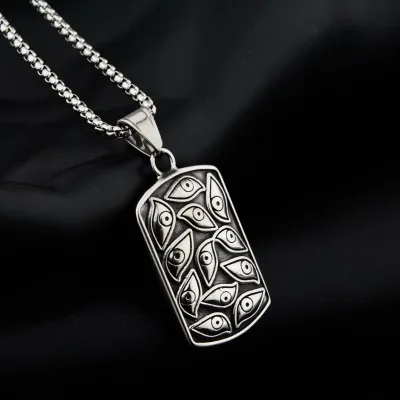
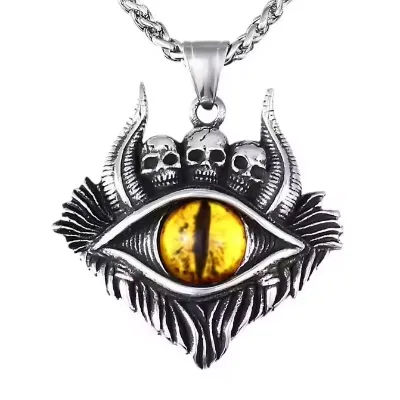
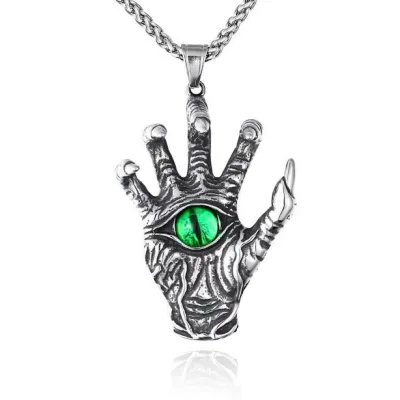
Evil Eye Hip-Hop Titanium Steel Evil Eye Pendant Personality Men and Women Casual Couple Necklace
$1.3338 - $1.9491
MOQ: 12 pieces
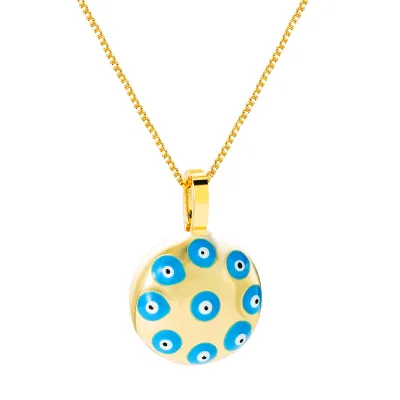
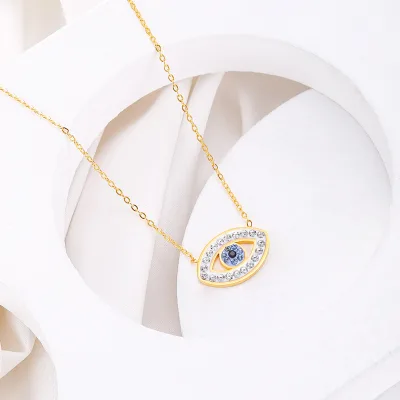
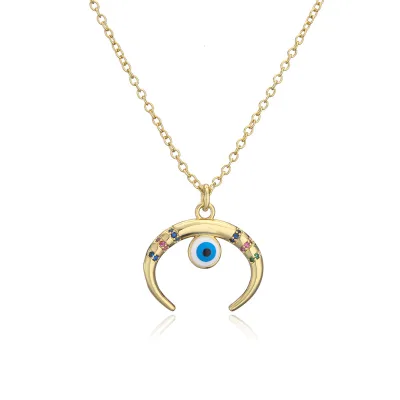
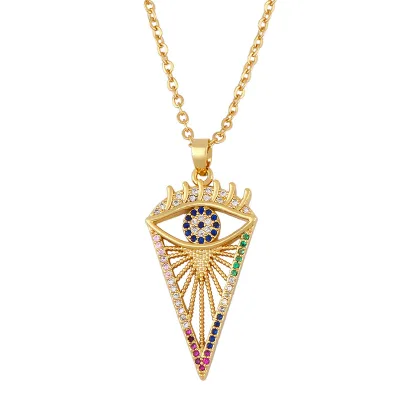
Shenzhen Europa Industrial Co., Ltd.
- Trading Company
- Guangdong, China
- Lead time15 days
- Avg. response≤ 7h
Main productsEarring, Ring, Necklace Chain, Bracelets Bangles, Brooch
Main marketsNorth America(40.00%), Eastern Asia(25.00%), Western Europe(10.00%), South America(5.00%), Oceania(5.00%), Domestic Market(5.00%), Mid East(5.00%), Southeast Asia(5.00%)

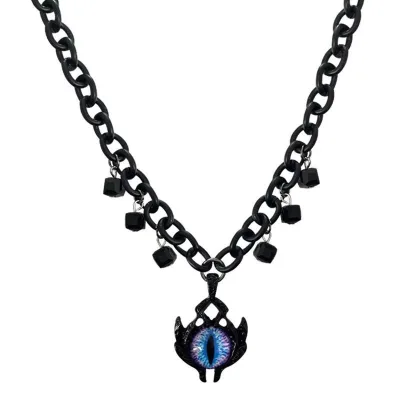
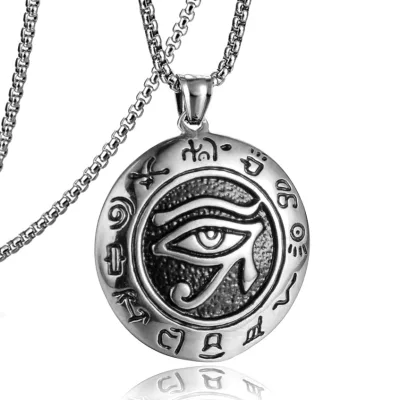
$0.3009 - $0.8817
MOQ: 10 pieces

Longyuan (Guangzhou) Industrial Development Co., Ltd.
- Verified by TUVRHEINLAND
- Manufacturer/Factory
- China Guangdong
- Lead time23 days
- Avg. response≤ 6h
Main productsJewelry, Fashion Watch, Hair Accessories, Men Jewelry, Women Jewelry, Pendants, Brooches, Bracelets, Crowns, Necklaces
Main marketsSouth America,Eastern Europe,Mid East,North America,Western Europe


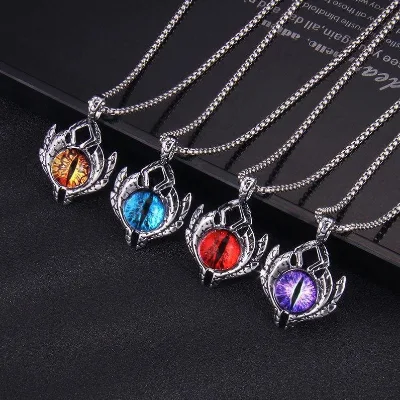
Fashion Hip-Hop Style European and American Style Stainless Steel Devil S Eye Necklace
$1.40 - $2.10
MOQ: 30 Pieces


Shenzhen Amengwei Jewelry Co., Ltd.
- Trading Company,Manufacturer/Factory
- China Guangdong
- Lead time23 days
- Avg. response≤ 19h
Main productsBody Piercing Jewelry, Hinged Segment Ring, Nose Ring Belly Ring, Stainless Steel Jewelry, Labret Lip Ring, Earring, Necklace, Bracelet, Ring
Main marketsSouth America,Eastern Europe,Mid East,North America,Southeast Asia,Eastern Asia,Oceania,Western Europe,Africa
Yiwu Renqing Ornament Co., Ltd.
- Manufacturer, Trading Company
- Lead time旺季: "1 - 20":9,"> 20":"To be negotiated", 淡季: "1 - 20":9,"> 20":"To be negotiated"
- Avg. response≤ 3h
Main productsHip Hop Jewelry , Cuban Chain, Grillz, Hip Hop Pendant, Hip Hop Necklace

Dongguan Tianyi Jewelry Co. Ltd
- Verified by SGS
- Combined
- China Guangdong
- Lead time23 days
- Avg. response≤ 11h
Main marketsDomestic

- Verified by CTI
- Trading Company
- China Zhejiang
- Lead time15 days
- Avg. response≤ 6h
Main productsJewelry, Brooch, Belt, Necklace, Agent, Bracelet, China Trim, China Ring, China Hair Accessory, China Earring
Main marketsSouth America


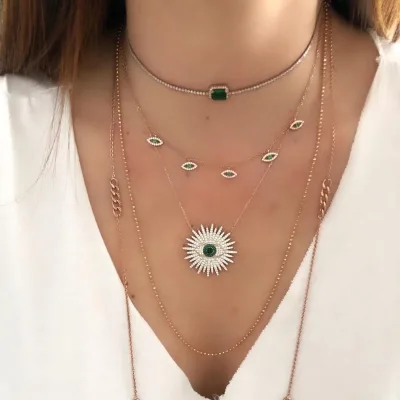
Vintage Evil Eye Eight-Pointed Star Pearl Necklace Layered Clavicle Chain Pendant for Women
$1.56 - $1.80
MOQ: 100 Pieces
Yiwu Trendz Accessories Co., Ltd.
- Verified by Intertek
- Manufacturer, Trading Company
- Lead time15 days
- Avg. response≤ 4h
Main productsJewelry, Jewelry Accessories, Children's Jewelry , Adult Jewelry , Hair Accessories
Main marketsWestern Europe(60%), North America(30%), Southeast Asia(10%)

Guangdong Kalen Jewelry Company Limited
- Verified by SGS
- Combined
- China Guangdong
- Lead time30 days
- Avg. response≤ 5h
Main productsStainless Steel Jewelry, Fashion Accessories, Bracelets, Necklaces, Rings, Earrings, Pendants, Bangles, Jewelry Sets, Cufflinks
Main marketsSouth America,Europe,Australia,North America


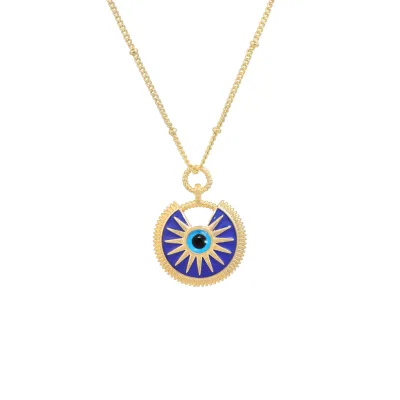
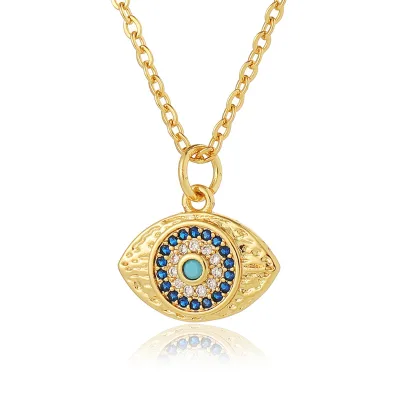
Sweet 18K Gold Plated Clavicle Chain Jewelry Wholesale Round Evil Eye Women's Necklace
$0.68 - $1.75
MOQ: 30 Pieces

Small Blue Eye Necklace Lucky Stainless Steel Devil Eye Women's Necklace Wholesale
$0.68 - $0.88
MOQ: 30 Pieces

Putian Chengqiu Hui Trading Co., Ltd.
- Verified by TUVRHEINLAND
- Trading Company
- China Fujian
- Lead time15 days
- Avg. response≤ 4h
Main productsSports Shoes, Watch, Slippers, Bags, Training Clothes, Clothing Design, Hat, Jewel, Sunglasses, Belt
Main marketsDomestic

Hip Hop Fashion Jewellery Necklace Eye Shape pendant Men Chain Bracelet Necklaces
$4.71 - $5.71
MOQ: 2 Pieces

Popular Lucky Blue Turkish Eye Necklaces 925 Sterlings Silver Evil Eye Collarbone Necklace
$3.00 - $3.53
MOQ: 2 Pieces

Multi-Layer Evil Eye Necklace Tassel Ball Stainless Steel Jewelry Brand Accessories
$4.00 - $4.59
MOQ: 2 Pieces

Zhuhai Kirin Jewelry Co., Ltd.
- Combined
- China Guangdong
- Lead time15 days
- Avg. response≤ 13h
Main productsFashion Jewelry
Main marketsSoutheast Asia/ Mideast,Europe,North America
Yiwu Chuanliu Buxi Import And Export Co., Ltd.
- Trading Company
- Zhejiang, China
- Lead time0 days
- Avg. response≤ 4h
Main productsnecklace,bracelet,key chain,Earrings,rings
Main marketsNorth America(20.00%), Eastern Europe(15.00%), South America(15.00%), Western Europe(10.00%), Southern Europe(8.00%), Southeast Asia(5.00%), Northern Europe(5.00%), Domestic Market(5.00%), South Asia(5.00%), Eastern Asia(3.00%), Central America(3.00%), Mid East(2.00%), Oceania(2.00%), Africa(2.00%)

GOODLINESS JEWELLERY CO., LIMITED
- Verified by SGS
- Manufacturer
- China Guangdong
- Lead time23 days
- Avg. response≤ 6h
Main products925 Silver Ring, Brass Jewelry, 925 Silver Earring, 925 Silver Necklace, 925 Silver Set, 925 Silver Bangle, Customer's Design, 925 Silver Bracelet, Silver Accessory, Brass Accessory
Main marketsSoutheast Asia/ Mideast,Europe,North America


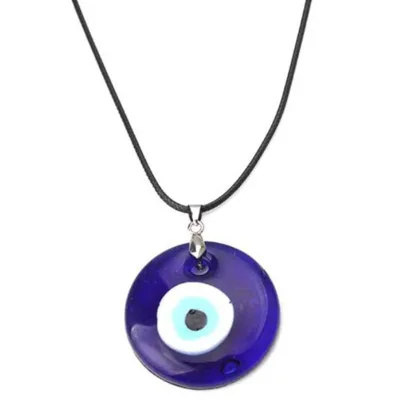
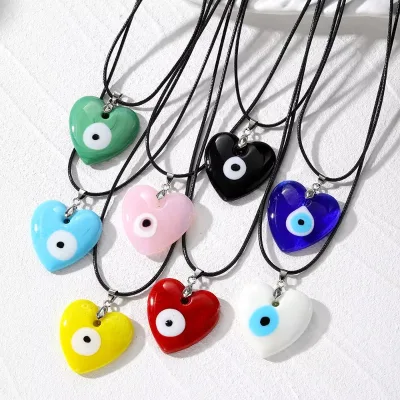
Circle Round Glass Blue Evil Eyes Pendant Necklace Black Wax Rope Evil Eyes Necklace Jewelry
$0.80 - $1.00
MOQ: 20 Pieces


Yiwu Hanluan Jewelry Co., Ltd.
- Verified by SGS Group
- Trading Company
- Lead time15 days
- Avg. response≤ 2h
Main productsJewelry, Hats, Lanyard, keychian
Main marketsNorth America(80%), Western Europe(15%), Southeast Asia(3%)
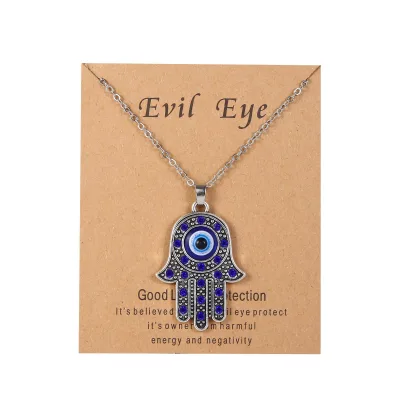
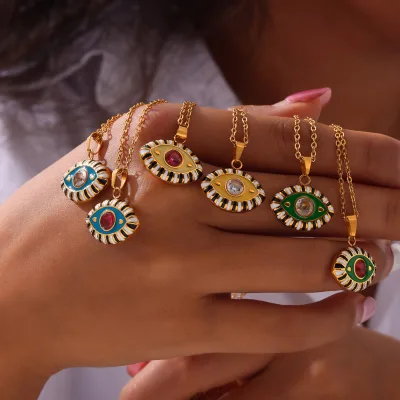
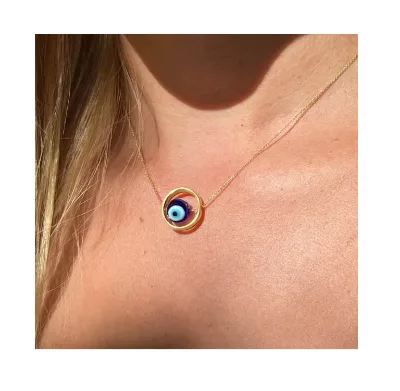
Bohemian Minimalist Evils Eye Necklace Anxiety Relief Necklace Gift for Her
$1.3787 - $1.5943
MOQ: 60 pieces
Yiwu Hongri Import & Export Co., Ltd.
- Trading Company
- Lead time旺季: "1 - 300":10,"> 300":"To be negotiated", 淡季: "1 - 300":10,"> 300":"To be negotiated"
- Avg. response≤ 9h
Main productsJewelry,Bracelet,Necklace,Ring,Earring
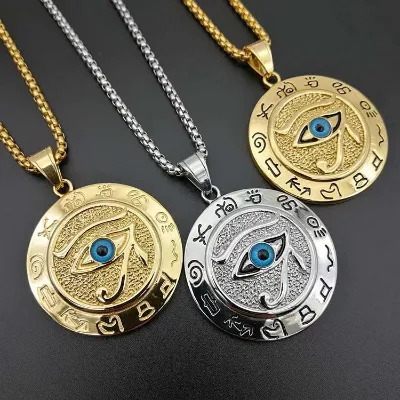
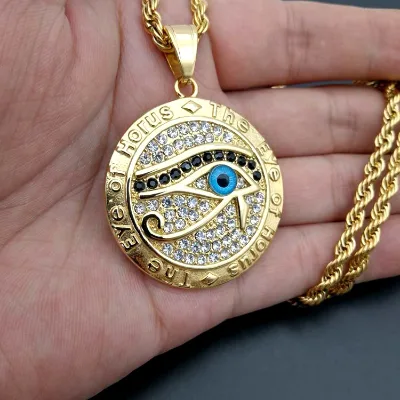
$3.7171 - $4.485
MOQ: 2 pieces
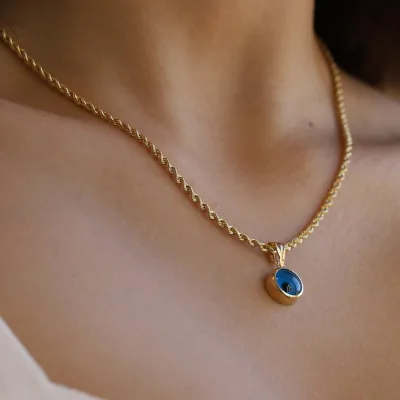
- Verified by SGS Group
- Manufacturer, Trading Company
- Lead time12 days
- Avg. response≤ 4h
Main productsJewelry, Necklace, Ring, Earrings, Pendant
Main marketsNorth America(40%), Western Europe(30%), South America(5%)
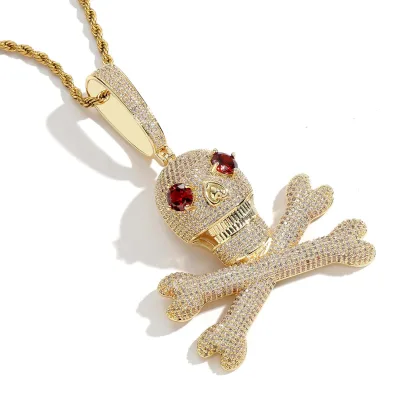
BES New Arrival Hip Hop Red Eye Skull Bone Pendant Necklace for Men Rapper Jewelry Halloween Gift
$13.5658 - $13.8832
MOQ: 2 pieces
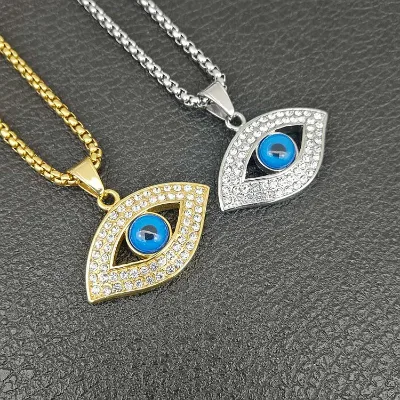

Yiwu Kaixuan E-Commerce Co., Ltd.
- Trading Company
- Zhejiang, China
- Lead time7 days
- Avg. response≤ 8h
Main productsHair styles,Necklace,Bracelet,Earring,Ring
Main marketsNorth America(60.00%), Western Europe(15.00%), Northern Europe(15.00%), Eastern Europe(10.00%)

Fujian Junqing Trade Co., Ltd.
- Verified by CTI
- Trading Company
- China Fujian
- Lead time15 days
- Avg. response≤ 2h
Main productsDesign Necklace, Design Earring, Design Bracelet Bangle, Design Hair Accessories, Shoes, Bags, Watches, Sunglasses, Home Decoration
Main marketsSoutheast Asia/ Mideast,Europe,North America


$1.95 - $4.45
MOQ: 100 Pieces

Yiwu Renrui E-commerce Business
- Trading Company
- China Zhejiang
- Lead time0 days
- Avg. response≤ 4h
Main productsSouvenir Gift, Craft, Scented Candle, Artificial Flower, Christmas Ornaments, Daily Use, Home Decoration, Solid Wood Carvings, Accessories, Photo Frame

Gothic Spike Necklace with Red Eye Pendant - Zirconia Thorn Chain Hip Hop Jewelry for Men
$30.00 - $35.00
MOQ: 10 Pieces


Hangzhou Queenmann Trading Co., Ltd.
- Trading Company
- Zhejiang, China
- Lead time0 days
- Avg. response≤ 2h
Main productsJewelry,Whatch,Glasses,Hair accessories,Jewelry accessories
Main marketsOceania(20.00%), North America(20.00%), South America(10.00%), Central America(10.00%), Eastern Europe(10.00%), Southern Europe(6.00%), Western Europe(5.00%), Eastern Asia(5.00%), Northern Europe(5.00%), South Asia(2.00%), Africa(2.00%), Domestic Market(2.00%), Southeast Asia(2.00%), Mid East(1.00%)

Shenzhen Hengda Xin Jewelry Co., Ltd.
- Verified by BV
- Combined
- China Guangdong
- Lead time15 days
- Avg. response≤ 3h
Main productsJewelry, Stainless Steel Fittings, Stainless Steel Jewelry, Necklace, Bracelet, Stud Earrings, Ring, Pendant, Fashion Jewelry, Fashion Accessories
Main marketsSoutheast Asia/ Mideast,East Asia(Japan/ South Korea),Domestic,Europe,Australia,North America

Putian Licheng Blannina Jewelry Co., Ltd.
- Verified by SGS
- Trading Company
- China Fujian
- Lead time15 days
- Avg. response≤ 2h
Main productsJewelry Accessories, Shoes, Bag, Watch, Clothes
Main marketsEurope

Yiwu Haoshi Import & Export Co., Ltd.
- Trading Company
- Zhejiang, China
- Lead time15 days
- Avg. response≤ 5h
Main productsfashion necklace,fashion earrings,fashion bracelet,fashion ring
Main marketsNorthern Europe(30.00%), North America(25.00%), South America(20.00%), Eastern Europe(15.00%), Western Europe(10.00%)

YIWU JINYE IMPORT AND EXPORT CO., LTD
- Verified by SGS
- Trading Company
- China Zhejiang
- Lead time15 days
- Avg. response≤ 25h
Main productsBangle, Wrist Band, Bracelet, Fashion Jewelry
Main marketsNorth America

- Trading Company
- Zhejiang, China
- Lead time10 days
- Avg. response≤ 7h
Main productsring,necklace,earring,bracelet,charm
Main marketsWestern Europe(40.00%), Northern Europe(40.00%), North America(10.00%), Central America(5.00%), Southern Europe(5.00%)

Guangdong Ason Jewelry Co., Ltd.
- Verified by BV
- Trading Company
- China Guangdong
- Lead time15 days
- Avg. response≤ 6h
Main productsStainless Steel Earrings, Stainless Steel Necklace, Stainless Steel Bracelet, Stainless Steel Bangles, Stainless Steel Rings, Stainless Steel Anklet, Stainless Steel Jewelry Set
Main marketsSoutheast Asia/ Mideast,East Asia(Japan/ South Korea),Europe,Australia,North America

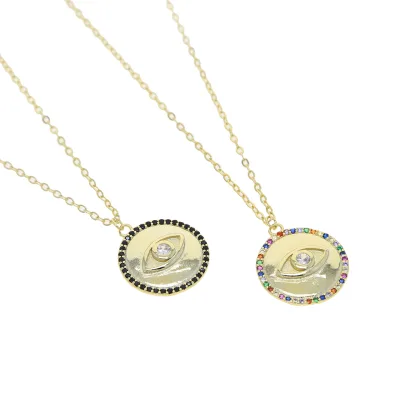
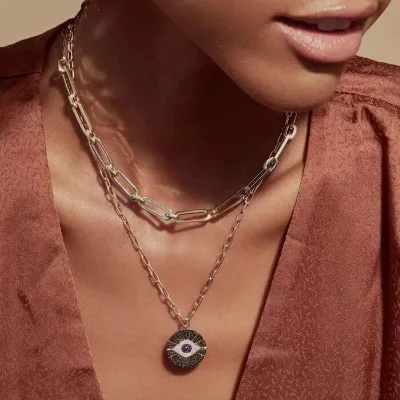
Ason Tarnish Free Jewelry Stainless Steel Black Evil Eyes Coin Pendant Necklace
$2.25 - $2.72
MOQ: 6 Pieces


Guangzhou Peishang Jewelry Co., Ltd.
- Verified by BV
- Combined
- China Guangdong
- Lead time30 days
- Avg. response≤ 4h
Main productsEarring, Ring, Necklace, Bracelet, Anklet, Jewelry Set, Silver Jewelry, Brass Jewelry, CZ Jewelry, Natural Stone Jewelry
Main marketsSoutheast Asia/ Mideast,Europe,Australia,North America

Peishang Customized Sterling Silver Evil Eye Necklace Silver 925 Pendant Necklace for Girls
$7.11 - $7.68
MOQ: 30 Pieces

Customized Sapphire Evil Eye Necklace Jewelry in 925 Sterling Silver Pendant for Women
$6.91 - $7.46
MOQ: 30 Pieces
Shangrao Oriole Jewelry Co., Ltd.
- Verified by Intertek
- Manufacturer, Trading Company
- Lead time0 days
- Avg. response≤ 2h
Main productsNecklaces, Ring, Earrings, Key Chains, Lanyard
Main marketsNorth America(60%), Western Europe(30%), Eastern Europe(10%)


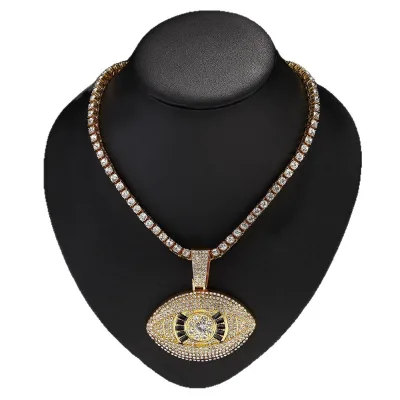
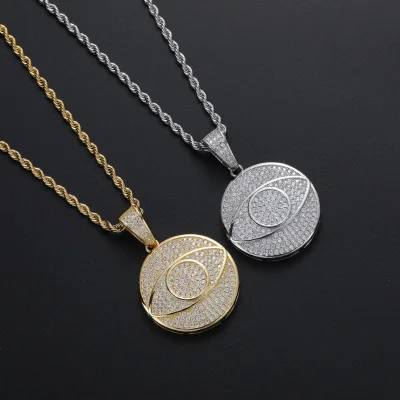
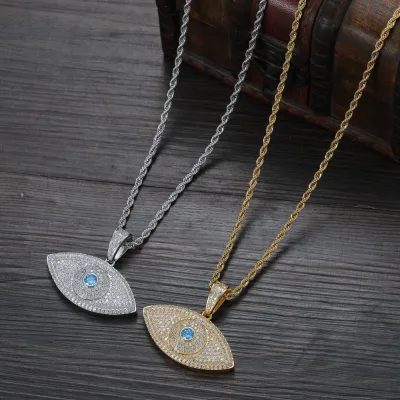









Comprehensive Sourcing Guide
Hip Hop Evil Eye Necklace Supplier Concentration and Factory Types
The current supplier landscape for hip hop evil eye necklaces reveals a distinct concentration of manufacturing and trading entities within Guangdong, China. This regional clustering is significant because it indicates a mature supply chain ecosystem specialized in fashion jewelry production. Buyers evaluating these suppliers will find that the primary operational hubs are located in this specific province, which is known for its robust infrastructure in metalworking and accessory manufacturing. The presence of suppliers in this location suggests that logistics and raw material sourcing are optimized for this type of product. When assessing potential partners, it is crucial to recognize that the geographic origin is a key identifier for the type of production capabilities available. Suppliers based in Guangdong often have access to specialized factories that handle titanium steel, stainless steel, and zinc alloy materials commonly used in hip hop jewelry. This concentration allows for efficient communication and faster turnaround times for samples and bulk orders. However, buyers should not assume that all suppliers in this region operate identically. The density of suppliers means there is a wide variance in quality, pricing, and service levels. Some may be large-scale manufacturers with extensive production lines, while others might be smaller trading companies that aggregate products from various workshops. Understanding this local ecosystem helps buyers narrow down their search to suppliers who are physically close to the production source, potentially reducing shipping costs and lead times. The geographic data provided serves as a starting point for verifying the legitimacy and capacity of the supplier base. It is advisable to cross-reference the stated location with other business credentials to ensure the supplier is genuinely operating from the claimed manufacturing hub. This verification step is essential for establishing trust and ensuring that the supply chain is transparent and reliable. The concentration in Guangdong also implies that buyers can expect a high volume of product variety, as the region is a global center for fashion accessories. This abundance of options allows for greater flexibility in sourcing unique designs or standardizing orders across multiple SKUs.
The types of companies operating in this sector vary significantly, ranging from direct manufacturers to trading companies and distributors. This diversity impacts how buyers should approach their sourcing strategy. Manufacturers typically offer more control over production processes, customization options, and potentially lower unit costs due to the elimination of middlemen. Trading companies, on the other hand, may provide a broader range of products from multiple factories, offering convenience and consolidated shipping solutions. Some suppliers may also operate as distributors, focusing on ready-to-ship inventory rather than custom production. Identifying the specific company type is critical for setting realistic expectations regarding lead times, minimum order quantities, and communication styles. For instance, a manufacturer might require longer lead times for custom designs but offer better pricing for large volumes. A trading company might offer faster response times and lower minimums but at a higher price point. Buyers should carefully review the company type listed for each supplier to align with their specific business needs. If customization is a priority, seeking out manufacturers with in-house design and production capabilities is advisable. If speed and variety are more important, trading companies might be more suitable. It is also worth noting that some suppliers may claim to be manufacturers while actually functioning as trading companies. Verifying the company type through business licenses or factory audits can provide clarity. The mix of company types in the current results suggests a competitive market where buyers have the leverage to negotiate terms based on the supplier's operational model. Understanding these distinctions helps in building a resilient supply chain that can adapt to changing market demands. Buyers should not rely solely on the company type label but should dig deeper into the supplier's actual capabilities and history. This due diligence ensures that the chosen partner can meet the specific requirements of the Hip Hop Evil Eye Necklace product line.
How to Verify Hip Hop Evil Eye Necklace Suppliers
Verifying the authenticity and reliability of Hip Hop Evil Eye Necklace suppliers requires a multi-layered approach that goes beyond surface-level profile information. One of the first steps is to confirm the supplier's location and business registration details. Since many suppliers are located in Guangdong, China, buyers should ensure that the provided address matches the registered business entity. This can be done by requesting business licenses or conducting independent checks through local commercial registries. Geographic verification is particularly important because it helps distinguish between genuine manufacturers and trading companies that may misrepresent their origins. Additionally, buyers should look for evidence of physical operations, such as factory photos, videos, or third-party audit reports. These materials provide tangible proof of the supplier's production capabilities and scale. It is also advisable to check the supplier's response time and communication quality. A responsive supplier is more likely to be attentive to order details and potential issues. The current data indicates a response time of 7 hours for some suppliers, which is a positive indicator of operational efficiency. However, buyers should not rely solely on this metric; they should also evaluate the quality and relevance of the responses received. Clear, detailed, and timely communication is a strong sign of a professional and reliable partner. Furthermore, buyers should verify the supplier's product catalog to ensure it aligns with their specific needs. The presence of specific product attributes, such as material type, plating, and design features, can indicate the supplier's expertise in hip hop jewelry. For example, suppliers offering titanium steel or stainless steel options demonstrate knowledge of durable materials suitable for this style. Buyers should also check for consistency in product listings and descriptions. Inaccurate or vague information may signal a lack of professionalism or potential fraud. Cross-referencing product details with industry standards can help identify any discrepancies. Additionally, buyers should look for suppliers who provide comprehensive product information, including dimensions, colors, and packaging details. This level of detail suggests a mature supply chain and attention to quality control. Verifying these aspects helps build a foundation of trust and reduces the risk of sourcing from unreliable partners.
Another critical aspect of verification is assessing the supplier's track record and customer feedback. While specific review data may not be available in the current results, buyers should look for indicators of past performance, such as transaction history or repeat customer rates. Suppliers with a long history of successful transactions are generally more reliable. Buyers should also check for any certifications or standards that the supplier adheres to. Although specific certification details are not provided in the current data, buyers should inquire about third-party appraisals or quality control processes. The presence of a "Third Party Appraisal" certificate type for some products suggests that some suppliers prioritize quality verification. Buyers should request copies of these certificates to ensure they are valid and relevant to the products being sourced. Additionally, buyers should verify the supplier's ability to handle international shipping and compliance requirements. This includes checking their experience with export documentation, customs clearance, and logistics partnerships. Suppliers who are familiar with international trade regulations are less likely to encounter delays or legal issues. Buyers should also consider the supplier's financial stability and reputation in the industry. This can be done by checking for any negative news or disputes associated with the supplier. Engaging with industry peers or using professional networks to gather insights can provide valuable context. It is also advisable to start with a small trial order to test the supplier's performance before committing to larger volumes. This allows buyers to assess product quality, packaging, and delivery times firsthand. By taking these verification steps, buyers can mitigate risks and ensure they are working with reputable and capable suppliers. The goal is to build a long-term partnership based on transparency, reliability, and mutual benefit.
What to Compare Across Hip Hop Evil Eye Necklace Suppliers
When evaluating multiple suppliers for hip hop evil eye necklaces, buyers must systematically compare key operational metrics to identify the best fit for their business. One of the most critical factors is the minimum order quantity (MOQ). The current data shows a wide range of MOQs, from as low as 12 pieces to as high as 300 pieces. This variance allows buyers to choose suppliers that align with their inventory strategy and capital constraints. Suppliers with lower MOQs are ideal for testing new designs or for businesses with limited storage space. Conversely, suppliers with higher MOQs may offer better unit prices for large-scale operations. Buyers should also compare lead times, which indicate how quickly orders can be fulfilled. The data indicates lead times ranging from 0 to 15 days, suggesting that some suppliers may have ready stock or faster production cycles. Understanding lead times is essential for planning inventory replenishment and meeting customer demand. Buyers should also evaluate the price range for similar products to ensure competitive sourcing. The current price data shows variations, with some items priced as low as $0.30 and others up to $3.65. These differences may reflect variations in material quality, design complexity, or production volume. Buyers should compare prices across suppliers for comparable products to identify the best value. It is important to consider the total cost of ownership, including shipping, taxes, and potential return costs, rather than just the unit price. Additionally, buyers should compare the main products offered by each supplier. Some suppliers specialize in necklaces, while others may offer a broader range of jewelry items like earrings, rings, and bracelets. This specialization can indicate expertise and quality in specific product categories. Buyers should also look at the product attributes, such as material type, plating, and design features. Suppliers offering titanium steel, stainless steel, or copper-plated options provide different durability and aesthetic choices. Comparing these attributes helps buyers select products that match their target market's preferences. Furthermore, buyers should assess the supplier's response time and communication quality. A supplier with a 7-hour response time may be more responsive to inquiries and issues. This responsiveness can be crucial for resolving problems quickly and maintaining smooth operations. By comparing these metrics, buyers can make informed decisions and build a diversified supplier base. This approach reduces dependency on a single source and enhances supply chain resilience.
Another important aspect of comparison is the supplier's flexibility and customization capabilities. Buyers should inquire about the ability to customize designs, packaging, and branding. Suppliers who offer OEM/ODM services can help buyers create unique products that stand out in the market. The current data includes products with specific design features, such as "Hip-Hop," "Punk," and "Evil Eye" motifs, indicating a focus on trendy styles. Buyers should compare the variety of designs available and the ease of customization. Additionally, buyers should assess the supplier's quality control processes. Suppliers who provide detailed product specifications and third-party appraisal certificates demonstrate a commitment to quality. Buyers should also compare the supplier's packaging options, as this affects product presentation and protection during shipping. Some suppliers may offer standard packaging, while others may provide custom packaging solutions. This flexibility can be valuable for branding purposes. Buyers should also consider the supplier's ability to handle large orders and scale production. Suppliers with robust manufacturing capabilities can handle volume increases without compromising quality or lead times. This scalability is important for businesses planning to grow their market share. Furthermore, buyers should compare the supplier's payment terms and financial policies. Flexible payment options, such as escrow services or installment plans, can reduce financial risk. Buyers should also check for any hidden fees or charges that may affect the total cost. By thoroughly comparing these factors, buyers can select suppliers that offer the best combination of price, quality, and service. This strategic approach ensures that the sourcing process supports the business's long-term goals and profitability. It also helps in building strong, mutually beneficial relationships with suppliers.
Common Hip Hop Evil Eye Necklace Sourcing Risks
Sourcing hip hop evil eye necklaces from international suppliers involves several inherent risks that buyers must proactively manage to ensure a smooth procurement process. One of the primary risks is quality inconsistency, which can arise from variations in manufacturing standards or material substitutions. The current data shows a variety of materials, including titanium steel, stainless steel, zinc alloy, and copper plating. Buyers must verify that the materials used match the product descriptions and specifications. Inconsistent quality can lead to customer dissatisfaction, returns,
FAQs
What is the price range for hip hop evil eye necklaces?
Prices for hip hop evil eye necklaces typically range from $0.30 to $3.65 per unit. The lowest costs apply to basic zinc alloy or leather rope designs with minimal plating. Stainless steel options with diamond accents or 18k gold plating command higher prices, often exceeding $1.30. Buyers should expect tiered pricing based on material quality and specific design complexity.
What is the minimum order quantity for these necklaces?
Minimum order quantities vary significantly by supplier and product style. Some manufacturers accept orders as low as 12 pieces for specific titanium steel pendants. Other suppliers require a minimum of 300 units for copper-plated or specialized designs. Buyers seeking small batches should filter for suppliers with lower MOQs, while bulk purchasers can negotiate better rates with higher volume commitments.
Where are these necklaces manufactured?
Most hip hop evil eye necklaces are manufactured in Guangdong, China. This region is a major hub for fashion jewelry production, offering extensive supply chains for materials like stainless steel, zinc alloy, and copper. Buyers sourcing from this location benefit from established logistics networks and a high concentration of both manufacturers and trading companies specializing in trendy accessory designs.
How long does production take?
Production lead times depend on the supplier and order volume. Some suppliers indicate a lead time of zero days, suggesting ready stock for immediate shipment. Others require up to 15 days for manufacturing or processing custom orders. Buyers should verify specific timelines with their chosen supplier to ensure alignment with their inventory needs and launch schedules.
What materials are commonly used?
Common materials include stainless steel, zinc alloy, copper, and brass. Stainless steel is popular for its durability and hypoallergenic properties, often featuring silver or gold plating. Zinc alloy is used for heavier, punk-style designs. Copper and brass options may include colorful zircon or oil-drop finishes. Buyers should check product attributes for specific material types and plating details.
What styles are available?
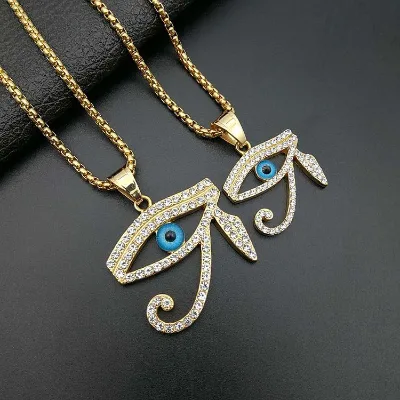
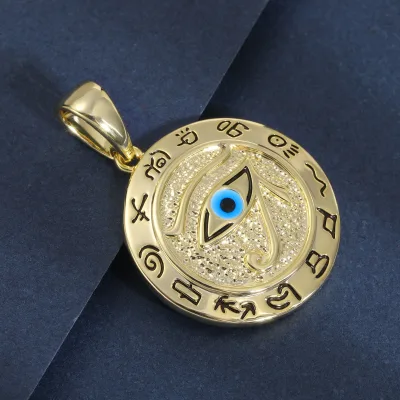
Available styles range from hip-hop and punk to boho and European retro. Designs include titanium steel pendants, copper-plated discs, and leather rope necklaces. Options feature glow-in-the-dark elements, diamond accents, and ancient Egyptian Eye of Horus motifs. Buyers can find unisex, men's, and women's specific designs in various lengths and chain types, including box chains and regular chains.