High Pressure Brass Ball Valve Suppliers and Manufacturers
Compare 24 verified factories in China Zhejiang offering high pressure brass ball valves with ISO 9001 certification and response times under 7 hours. Review lead times, MOQs, and pricing to source suitable options for industrial or water usage applications; review the available evidence before requesting comparable quotations from suitable candidates.
Updated
Suppliers List

- Verified by TUVRHEINLAND
- Manufacturer/Factory
- China Zhejiang
- Lead time45 days
- Avg. response≤ 7h
Main productsBrass Ball Valve, Bronze Ball Valve, Water Meter Valve, Pipe Fittings, Radiator Valve, Brass Bibcock, PPR Fittings, Gate Valve, Check Valve, Angle Valve
Main marketsSouth America,Eastern Europe,Mid East,North America,Southeast Asia,Oceania,Western Europe

Ningbo Yinzhou Plumbing Hardware Co., Ltd.
- Verified by BV
- Manufacturer/Factory
- China Zhejiang
- Lead time30 days
- Avg. response≤ 2h
Main productsBrass Valves, Brass Fitting, Water Meter Parts, Lead Free Plumbing, Fire Hydrant Valves, PPR Insert, Brass Gas Valves, Bronze Valves, Bronze Fittings, Brass Bibcock
Main marketsSouth America,Eastern Europe,Mid East,North America,Southeast Asia,Eastern Asia,Oceania,Western Europe,Africa
Guangdong Quanan Materials Import and Export Co., Ltd
- Verified by Intertek
- Trading Company
- Lead time0 days
- Avg. response≤ 2h
Main productsFire Safety Equipment, Steel Pipe, Fire Fittings, Fire Valve
Main marketsSoutheast Asia(20%), Africa(20%), Oceania(20%)

Shanghai Intelsheng International Trading Co., Ltd.
- Verified by SGS
- Trading Company
- China Shanghai
- Lead time23 days
- Avg. response≤ 12h
Main productsValve, Pipe Fittings, Pump Accessories, Brass Manifolds, Brass Ball Valve, Check Valve, Gate Valve, Stop Valve, Brass Bibcock, Brass Radiator
Main marketsSoutheast Asia/ Mideast
Taizhou Green Rain Valves Co.,ltd
- Verified by SGS Group
- Manufacturer, Trading Company
- Lead time35 days
- Avg. response≤ 3h
Main productsBrass Valve, Brass Fittings
Main marketsSoutheast Asia(15%), Mid East(15%), South America(10%)

Ningbo Tonsin Machinery Industry Inc.
- Verified by TUVRHEINLAND
- Manufacturer/Factory
- China Zhejiang
- Lead time0 days
- Avg. response≤ 4h
Main productsBall Valve, Investment Casting, CNC Machining, Casting, Stamping, Gravity Casting

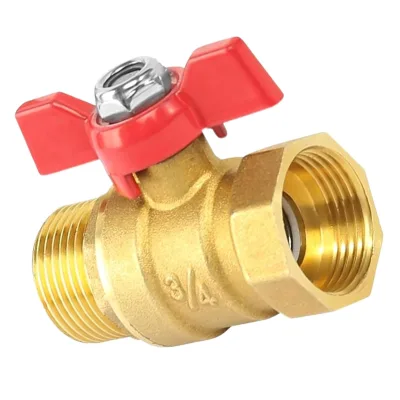
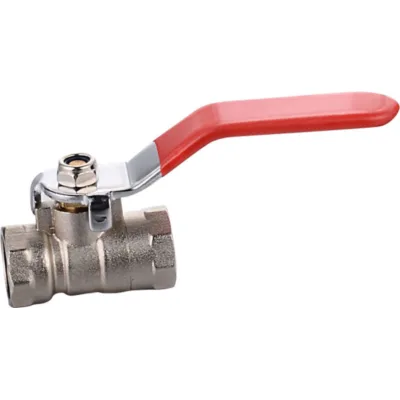
Inner Thread Outer Thread Brass Ball Valve High Pressure Water Ball Valve
$4.00 - $12.00
MOQ: 20 Pieces


Ninghai Raising Copper Industry Co., Ltd.
- Verified by BV
- Combined
- China Zhejiang
- Lead time30 days
- Avg. response≤ 1h
Main productsBall Valve, Check Valve, Gate Valve, Stop Valve, Lockable Ball Valve, Brass Fittings, Water Meter, Ferrule Valve, Forge Ball Valve, Strainer
Main marketsSouth America,Africa,Southeast Asia/ Mideast,Domestic,Europe,North America

TAIZHOU EASTAR TECHNOLOGY CO., LTD.
- Verified by TUVRHEINLAND
- Combined
- China Zhejiang
- Lead time60 days
- Avg. response≤ 5h
Main productsGate Valves, Brass Ball Valves, Check Valves, Globe Valves, Butterfly Valves, Strainer, Medical Gas Outlets, Medical Gas Ball Valve, Medical Gas Isolation Ball Valve, Medical Gas Check Valves
Main marketsDomestic
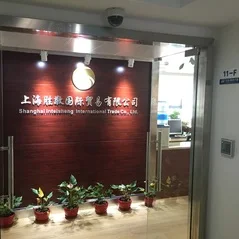
Shanghai Intelsheng International Trading Co., Ltd.
- Manufacturer, Trading Company
- Shanghai, China
- Lead time7 days
- Avg. response≤ 6h
Main productsBrass Valve,Brass Fitting,Brass Manifold,Pump Accessories,Faucet Mixer
Main marketsSoutheast Asia(25.00%), North America(15.00%), Central America(12.00%), South America(11.00%), South Asia(10.00%), Eastern Asia(8.00%), Oceania(5.00%), Western Europe(3.00%), Southern Europe(2.00%), Africa(2.00%), Eastern Europe(2.00%), Mid East(2.00%), Domestic Market(1.00%), Northern Europe(1.00%)
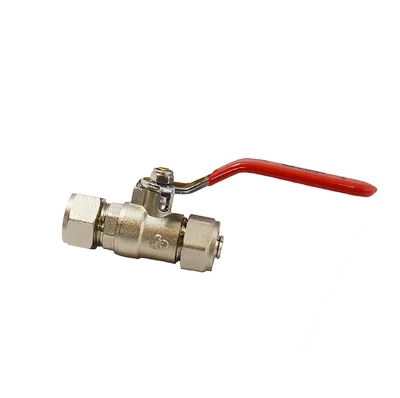
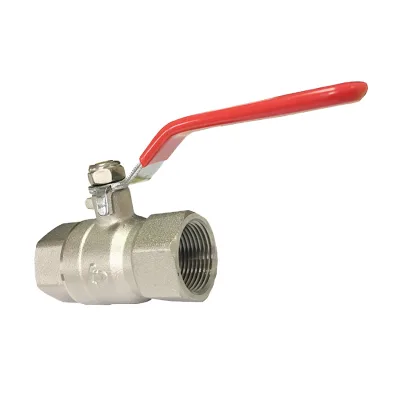
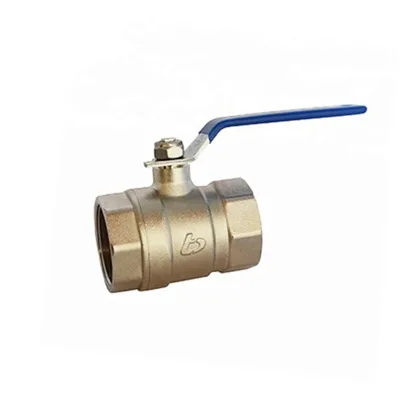
Brass Full Ball Brass Stem Valve
$1.20 - $1.23
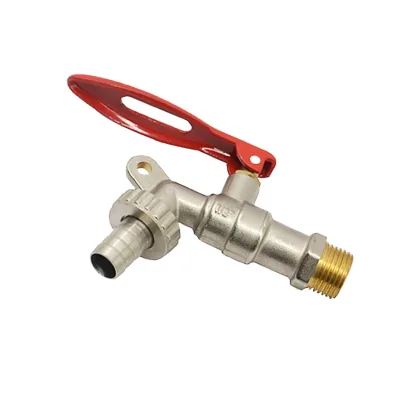
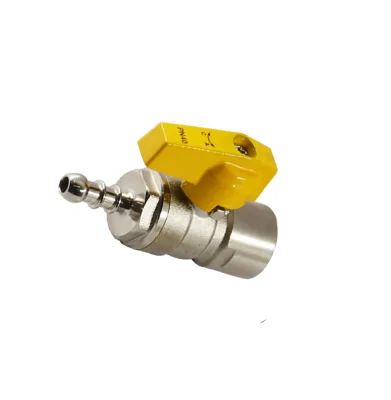
Nickel Plated Brass Hose Bibb Ball Valve
$2.50 - $2.58

Zhejiang Italy Copper Industry Co., Ltd.
- Verified by BV
- Combined
- China Zhejiang
- Lead time30 days
- Avg. response≤ 11h
Main productsValve, Bibcock, Check Valve, Pipe Fittings, Gate Valve, Angle Valve, Radiator Valve, Float Valve, Globe Valve, Compression Fittings
Main marketsEurope

NINGBO SANHE REFRIGERATION CO., LTD.
- Verified by BV
- Trading Company
- China Zhejiang
- Lead time30 days
- Avg. response≤ 5h
Main productsCompressor, Refrigerant, Copper Tube & Coil, Air Conditioner Parts, Refrigeration Parts, Refrigerator Parts, Service Tools, Buildings Automation, Washing Machine Parts, Car Air Conditioning Parts
Main marketsSouth America,Africa,Southeast Asia/ Mideast,East Asia(Japan/ South Korea),Europe,Australia,North America
Wuhan Hongda Hydraulic Pneumatic Equipment Manufacturing Co., Ltd.
- Verified by Intertek
- Manufacturer, Trading Company
- Lead time0 days
- Avg. response≤ 4h
Main productsHydraulic Cylinder, Control Valves, Hydraulic Pumps, Hydraulic Power Unit, Pneumatic Cylinder
- Manufacturer, Trading Company
- Henan, China
- Lead time0 days
- Avg. response≤ 1h
Main productsProduction.,Sales.,Import and export business,Machining,Gold electromechanical
Main marketsMid East(10.00%), Africa(6.00%), Oceania(5.00%), South America(5.00%), Southeast Asia(5.00%), Eastern Europe(5.00%), Eastern Asia(4.00%), Northern Europe(4.00%), Southern Europe(3.00%), North America(3.00%), South Asia(3.00%), Central America(2.00%), Domestic Market(1.00%), Western Europe(1.00%)
Ji`an 505 Metal Products Co., Ltd.
- Manufacturer, Trading Company
- Jiangxi, China
- Lead time30 days
- Avg. response≤ 4h
Main productsBrass fitting,Pipe Fitting,Plumbing Fittings,Angle Valve,Brass Valves
Main marketsEastern Europe(20.00%), Northern Europe(10.00%), North America(10.00%), South America(10.00%), Domestic Market(5.00%), South Asia(5.00%), Southern Europe(5.00%), Southeast Asia(5.00%), Central America(5.00%), Western Europe(5.00%), Eastern Asia(5.00%), Mid East(5.00%), Oceania(5.00%), Africa(5.00%)
$1.73 - $1.89
MOQ: 1000 pieces
- Trading Company
- Zhejiang, China
- Lead time0 days
- Avg. response≤ 3h
Main productsManifold,magetic filter,brass fittings,Electric Thermal Actuator,safety boiler valve
Main marketsEastern Europe(35.00%), Domestic Market(30.00%), Western Europe(20.00%), Southern Europe(15.00%)

Ningbo Pneumatic Technical Expert Co., Ltd.
- Verified by SGS
- Combined
- China Zhejiang
- Lead time15 days
- Avg. response≤ 3h
Main productsPneumatic Fittings, Brass Fittings, Plastic Fittings, PU Hose, Speed Controllers, Mini Fittings, Check Valves, Silencers, Tube Cutter
Main marketsDomestic,North America
Yuhuan Huanhai Fluid Technology Co., Ltd.
- Manufacturer, Trading Company
- Zhejiang, China
- Lead time0 days
- Avg. response≤ 5h
Main productsvalve,fitting

Jinan New Penguin Refrigeration Equipment Co., Ltd.
- Verified by CTI
- Combined
- China Shandong
- Lead time30 days
- Avg. response≤ 19h
Main productsCondensing Unit
Main marketsDomestic
Hangzhou July Sanitaryware Co., Ltd.
- Trading Company
- Zhejiang, China
- Lead time30 days
- Avg. response≤ 10h
Main productsBATHROOM ACCESSORIES,FAUCET,VALVE,SHOWER ROOM,BATHTUB
Main marketsEastern Europe(50.00%), Southern Europe(10.00%), Western Europe(10.00%), Northern Europe(10.00%), South America(10.00%), Central America(5.00%), Africa(5.00%)
Jilanbo (Shanghai) HVAC Co., Ltd.
- Verified by Intertek
- Trading Company
- Lead time0 days
- Avg. response≤ 1h
Main productsHeat Pump, Fan Coil Unit, Manifold, Pipe and Pipe Parts, Valve
Main marketsMid East(30%), Western Europe(25%), Africa(20%)
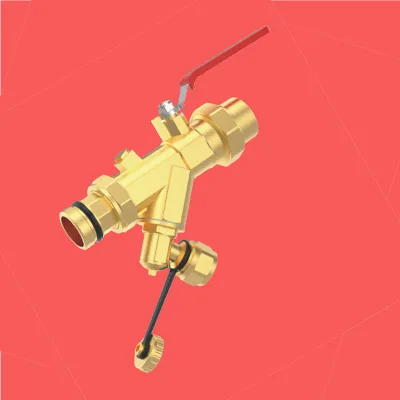
$5.00 - $10.00
MOQ: 10 Minimum
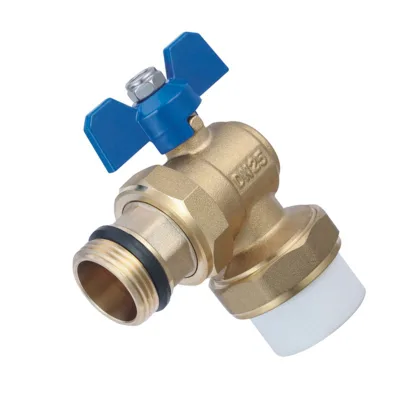
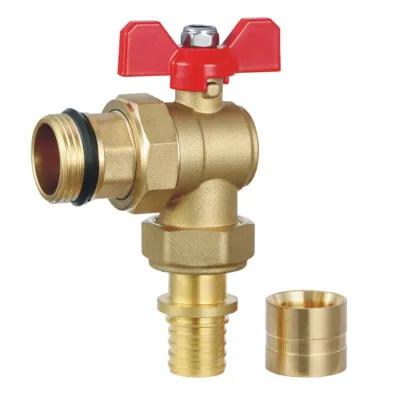
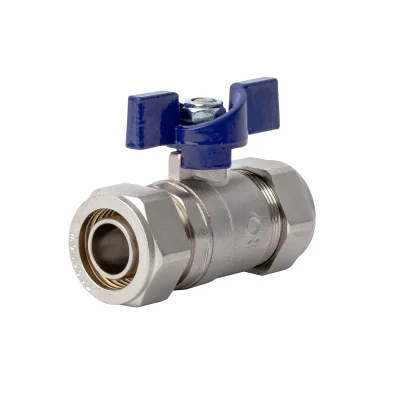
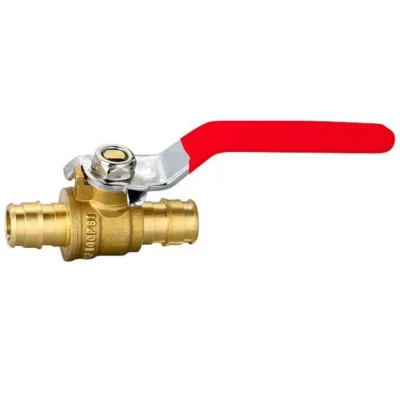
Hot Selling Modern Popular Design Brass Ball Valve for Water PEX AL PEX Valve at Discount Price
$5.00 - $10.00
MOQ: 10 Minimum

- Verified by TUVRHEINLAND
- Combined
- China Zhejiang
- Lead time30 days
- Avg. response≤ 2h
Main productsBrass Valves, Bronze Valve, Water Meters, Lockable Valve, Brass Gate Valve, Plastic Water Meter Box, Brass Fittings, Magnet, Check Valve, Brass Strainer
Main marketsSouth America,Africa,Southeast Asia/ Mideast,East Asia(Japan/ South Korea),Domestic,Europe,Australia,North America

Shanghai Qualitywell Industrial Co., Ltd.
- Verified by SGS
- Combined
- China Shanghai
- Lead time30 days
- Avg. response≤ 7h
Main productsBimetal Thermometer, Pressure Gauge, Temperature and Pressure Gauge, Thermowell, HVAC Gauge, Hygrometer, Remote Reading Thermometer, Surface Thermometer, Digital Thermometer, Glass Thermometer
Main marketsSoutheast Asia/ Mideast,Domestic,Europe,North America
Taizhou Eastar Technology Co., Ltd.
- Verified by Intertek
- Manufacturer, Trading Company
- Lead time30 days
- Avg. response≤ 3h
Main productsValves, Medical Gas Line Valve, Gas Outlet, Pipe Fittings
Main marketsNorth America(25%), South America(15%), Central America(11%)
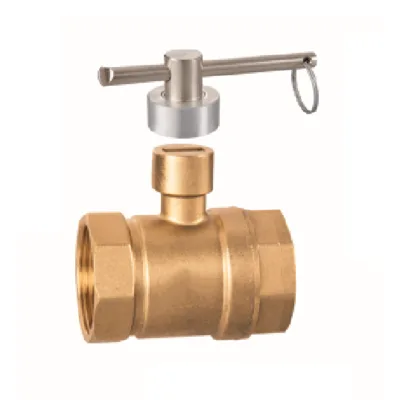
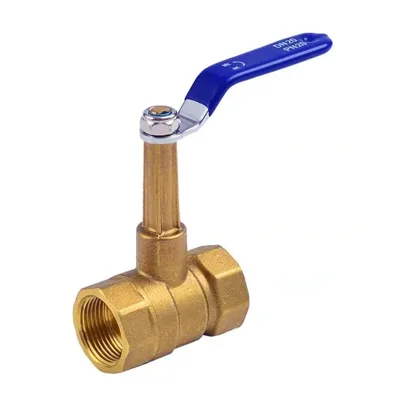
3/8 in 1/2 in Midline Valve Bronze Ball Valve for Water Shutoff in Hard to Reach Applications
$2.60 - $15.80
MOQ: 200 Minimum

Taizhou Ganzi Metal Products Co., Ltd.
- Trading Company
- Zhejiang, China
- Lead time0 days
- Avg. response≤ 4h
Main productsball valve,Angle valve,Check valve,pipe fitting,Gate valve
Main marketsEastern Europe(25.00%), South America(21.00%), Southeast Asia(20.00%), Mid East(20.00%), Africa(5.00%), Domestic Market(1.00%), South Asia(1.00%), Southern Europe(1.00%), North America(1.00%), Northern Europe(1.00%), Central America(1.00%), Western Europe(1.00%), Eastern Asia(1.00%), Oceania(1.00%)






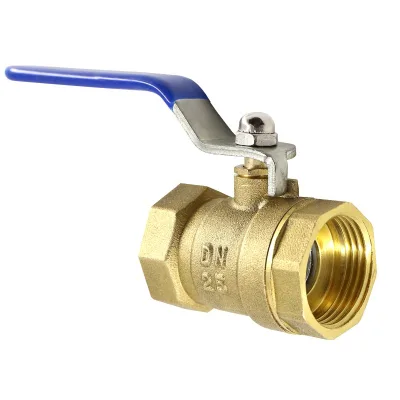
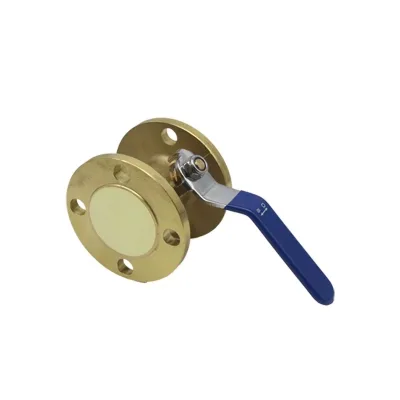
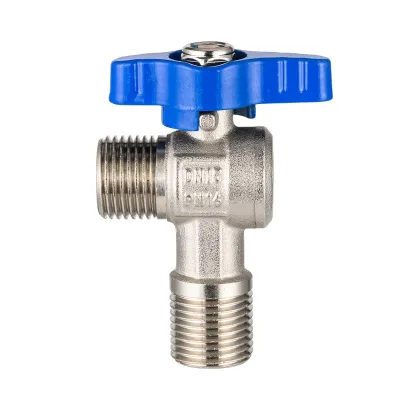
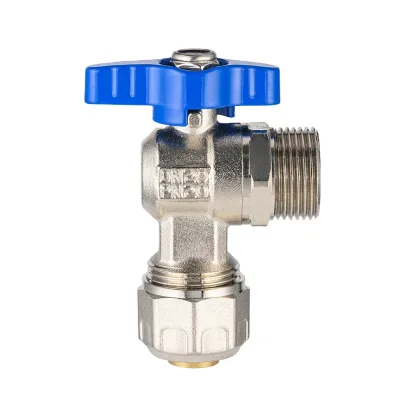






Comprehensive Sourcing Guide
High Pressure Brass Ball Valve Supplier Concentration and Factory Types
The available data indicates a concentration of manufacturing capabilities within China, specifically in the Zhejiang province region. This area hosts a significant number of factories specializing in brass valves, including ball valves, gate valves, and various pipe fittings. When evaluating potential partners, buyers should look for suppliers explicitly listing Zhejiang as their operational base, as this region often aggregates the necessary supply chain infrastructure for brass casting and machining. The presence of multiple manufacturers in this cluster suggests a competitive environment where specialized production lines for high-pressure applications are likely to be established.
Regarding company types, the observed results predominantly feature Manufacturer/Factory entities rather than pure trading companies. These suppliers typically offer OEM and ODM capabilities, allowing for customization of valve specifications to meet specific pressure ratings or connection standards. Some factories also maintain their own brands, indicating a deeper investment in product development and quality control systems. Buyers seeking high-pressure brass ball valves should prioritize these direct manufacturers to ensure access to proprietary forging techniques and rigorous internal testing protocols that are essential for maintaining structural integrity under high stress conditions.
How to Verify High Pressure Brass Ball Valve Suppliers
Verification of supplier credentials is critical when sourcing high-pressure components, as the margin for error is minimal. The current data shows that some suppliers hold ISO 9001 system certifications, which validates their quality management processes. Additionally, third-party verification bodies such as TÜV Rheinland and BV have been noted as verification partners for certain manufacturers. Buyers must confirm that these certifications are current and specifically cover the production lines for high-pressure brass valves, rather than being general company-wide accreditations that may not apply to the specific product batch.
Beyond certifications, response time and verification status serve as practical indicators of supplier reliability. The observed response times vary, with some suppliers demonstrating rapid engagement metrics while others show longer intervals. A supplier with a verified status from a recognized body and a quick response time is more likely to provide accurate technical data and timely support during the procurement process. Buyers should request proof of these verifications and ask for recent test reports related to pressure ratings, ensuring that the supplier can substantiate their claims with documented evidence before committing to an order.
What to Compare Across High Pressure Brass Ball Valve Suppliers
When comparing suppliers, lead time and minimum order quantity (MOQ) are primary differentiators that impact project planning and cash flow. The data reveals lead times ranging from 30 to 45 days, with corresponding MOQs varying significantly from 500 to 3000 units depending on the specific valve model and customization requirements. Buyers must align these figures with their inventory needs and production schedules, as a lower MOQ might be attractive for initial trials but could result in higher per-unit costs. Conversely, a longer lead time might be acceptable for large volume orders but requires advanced planning to avoid supply chain disruptions.
Product specifications and pricing structures also require careful comparison across the supplier pool. Prices observed in the results range from approximately $1.35 to $9.58 per unit, heavily influenced by factors such as material grade, connection type, and pressure rating. Suppliers offering lead-free options or specific pressure ratings like PN30 or PN40 may command different price points. Buyers should create a comparison matrix that includes these price ranges alongside the specific technical attributes, such as nominal pressure and temperature ratings, to ensure they are selecting a supplier whose product capabilities match the exact engineering requirements of their high-pressure application.
Common High Pressure Brass Ball Valve Sourcing Risks
One significant risk involves the discrepancy between advertised pressure ratings and actual performance under operational stress. While some product attributes list nominal pressures up to 32.0 MPa, buyers must verify that the testing pressure and working pressure claims are backed by independent third-party testing. The data mentions 100% testing and specific working pressures, but without seeing the actual test certificates, there is a risk that the valves may not withstand the intended high-pressure environments. This discrepancy can lead to catastrophic failures in industrial or water utility applications where safety is paramount.
Another risk relates to the variability in material composition and connection standards. The observed product attributes include various thread types like NPT, BSPT, and BSPP, as well as different brass alloys such as Cw617 and CZ132. If a supplier provides a valve with a material grade that does not meet the specific corrosion resistance or strength requirements of the application, the valve could fail prematurely. Buyers must ensure that the material specifications are explicitly defined in the purchase order and that the supplier adheres strictly to these standards, rather than relying on generic descriptions that might allow for material substitution without notice.
High Pressure Brass Ball Valve Regional Sourcing and Logistics
Sourcing from the identified region in China, particularly Zhejiang, offers logistical advantages due to established export infrastructure and proximity to major ports like Ningbo. The product origin data frequently cites Ningbo, China, which is a strategic hub for shipping heavy industrial components. Buyers should factor in the transit times and shipping costs associated with this region, as the distance to international markets can impact the overall landed cost of the valves. Understanding the specific port of loading is essential for calculating accurate delivery schedules and managing inventory levels effectively.
Logistics planning must also account for the specific packaging requirements of high-pressure brass valves to prevent damage during transit. The observed packaging methods include polybags, inner boxes, cartons, and wooden pallets, which provide varying levels of protection. For high-pressure valves, which are often heavier and more sensitive to impact, ensuring that the packaging meets international shipping standards is crucial. Buyers should verify that the supplier uses robust wooden pallets and secure carton packaging to minimize the risk of valve damage during long-haul transport, especially when shipping to regions with complex customs procedures or rough handling conditions.
High Pressure Brass Ball Valve Commercial Terms and Order Planning
Commercial terms regarding customization and payment structures play a vital role in the final cost and feasibility of the order. The data indicates that customization is available across multiple suppliers, allowing for tailored solutions such as specific handle types or connection forms. However, buyers must clarify the lead time implications of custom orders, as these often extend beyond the standard 30 to 45-day window. Additionally, understanding the payment terms and whether escrow services are available can mitigate financial risks, ensuring that funds are only released once the product meets the agreed-upon specifications and quality standards.
Order planning should also consider the scalability of the supplier's production capacity. With OEM and ODM capabilities, suppliers can adjust output based on demand, but buyers need to confirm the maximum production capacity to avoid delays during peak seasons. The observed capacity for some suppliers includes own-brand production, which might indicate a focus on specific product lines. Buyers should discuss volume discounts and production scheduling in advance to ensure that the supplier can meet the required delivery dates without compromising on quality. Clear communication regarding these commercial terms is essential for a successful long-term partnership.
FAQs
What is the price range for brass ball valves?
Prices range from $1.35 to $9.58 per unit depending on specifications. The lowest cost option is a brass water control ball valve with an MOQ of 500 units. Higher prices apply to heavy-duty or specialized gas valves. Buyers should check specific product listings for exact pricing based on size and connection type.
What are the minimum order quantities for these valves?
MOQs vary significantly by product type. Water control valves require 500 units, while press-fit valves need 3000 units. Gas ball valves have an MOQ of 2000 units. Standard water meter valves start at 1000 units. Buyers must verify the specific MOQ for their chosen valve model before placing an order.
How long does production take for these orders?
Lead times range from 30 to 45 days depending on the supplier. Some manufacturers offer a 30-day turnaround for standard orders. Others may require up to 45 days for complex configurations. Buyers should confirm the exact lead time with the supplier before finalizing purchase agreements to ensure timely delivery.
Are these valves certified and verified?
Suppliers hold ISO 9001 and ISO 14000 certifications. Verification is provided by TÜV Rheinland or BV. These credentials ensure quality management and environmental standards. Buyers should request current certification documents to verify compliance with international standards before proceeding with large-scale procurement contracts.
What materials are used in these brass valves?
Valves are primarily made from brass, including CW617N and DZR brass. Some gas valves use SS304 or brass balls. Materials are selected for durability and corrosion resistance. Buyers should specify the exact material grade required for their application to ensure compatibility with water or gas media.
Can suppliers customize these valves?
Customization is available for most products. Suppliers offer OEM and ODM services. Buyers can request specific thread types, sizes, and pressure ratings. Customization options include different connection forms and driving modes. Buyers should discuss specific requirements with the supplier to ensure the customized valve meets their operational needs.