Loose Fit Henley Shirt Suppliers and Manufacturers
Explore 25 verified suppliers offering Loose Fit Henley Shirt options with varying lead times, response speeds, and certifications. Compare dimensions like location, MOQ, and customization capabilities to find the right partner for your needs; review the available evidence before requesting comparable quotations from suitable candidates.
Suppliers List
Guangzhou Tianyuan Clothing Co., Ltd
- Verified by SGS
- Combined
- China Guangdong
- Lead time30 days
- Avg. response≤ 2h
Main productsPolo Shirt, Shirt, Suit, T-Shirt, School Uniform, Hooded Sweatshirt, Medical Uniform, Chef's Uniform, Trousers, Work Clothes
Main marketsDomestic

Shanghai J&D International Co., Ltd.
- Trading Company
- China Shanghai
- Lead time23 days
- Avg. response≤ 25h
Main productsShirts, Necktie, Ties, Scarves, Waistcoat, Cufflink, Neckwear, Accessories
Main marketsSoutheast Asia/ Mideast,Domestic,Europe,Australia,North America
Guangzhou Shengli Clothing Co., Ltd.
- Verified by CTI
- Combined
- China Guangdong
- Lead time60 days
- Avg. response≤ 4h
Main productsSuit, Men Formal Suit, Medical Uniform, School Uniform, T-Shirt, Polo, Sports Apparel, Work Uniforms, Uniform, Hotel Uniform
Main marketsDomestic


Men Paisley Trim Coffee Brown Business Casual Long Sleeve Shirt Regular Fit
$8.80 - $28.00
MOQ: 100 Pieces


$8.80 - $28.00
MOQ: 100 Pieces

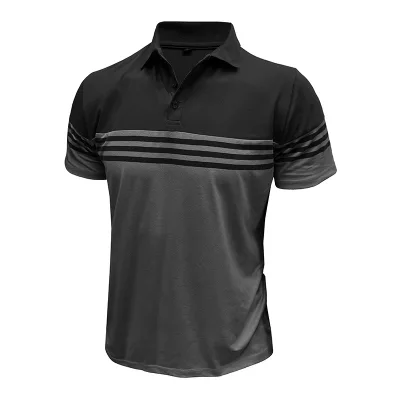
Mens Long Sleeve Henley Button Front Lightweight Polyester Striped Casual Comfort Shirt
$8.80 - $28.00
MOQ: 100 Pieces
Guangzhou Etai Apparel Co., Ltd.
- Verified by SGS Group
- Manufacturer, Trading Company
- Lead time15 days
- Avg. response≤ 4h
Main productsT-shirt, Shorts, Hoodie, Team Uniform, Jogger Pants
Main marketsNorth America(30%), South America(20%), South Asia(7%)

Yancheng City Zhou Chi Imp. & Exp. Co. Ltd.
- Verified by TUVRHEINLAND
- Trading Company
- China Jiangsu
- Lead time23 days
- Avg. response≤ 11h
Main productsApparel, T Shirt, Hoodies, Shorts, Leggings, Jackets, Woven Shirts
Main marketsSoutheast Asia/ Mideast,Europe,North America


$3.00 - $8.00
MOQ: 100 Pieces


Yancheng Yunqian Apparel Co.,Ltd
- Verified by CTI
- Trading Company
- China Jiangsu
- Lead time30 days
- Avg. response≤ 4h
Main productsT Shirt, Hawaiian Shirt, Flannel Shirt, Hoodies, Dress Shirt, Leggings, Pants, Polo Shirt, Jacket
Main marketsSouth America,Europe,Australia,North America


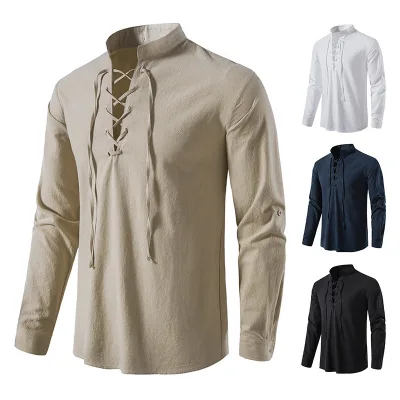
Mens Cotton Linen Henley Shirt Costume Outfits Loose Long Sleeve Top Casual Wear Clothes
$4.38 - $10.28
MOQ: 50 Pieces

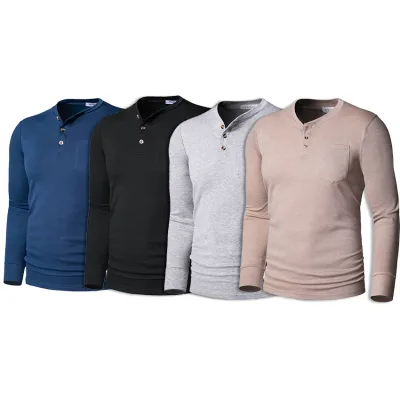
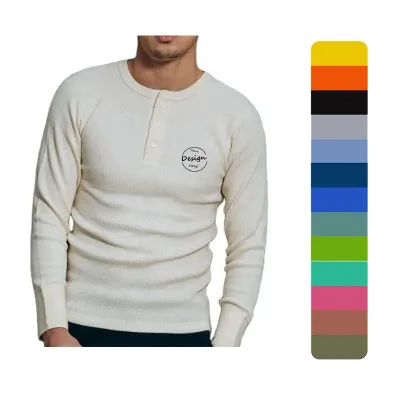
Men's Breathable Waffle Knit Grey Shirt Customize Long Sleeve Button Henley T-Shirt Thick Tops
$2.00 - $6.00
MOQ: 100 Pieces


Guangzhou Thomas Trading Co., Ltd.
- Manufacturer, Buying Office
- Guangdong, China
- Lead time30 days
- Avg. response≤ 7h
Main productsMens clothing,Sports clothing,Womens clothing
Main marketsNorth America(50.00%), Southeast Asia(30.00%), Western Europe(20.00%)
$5.05 - $5.71
MOQ: 50 pieces

Yancheng Chimei Apparel Co., Ltd.
- Verified by CTI
- Trading Company
- China Jiangsu
- Lead time30 days
- Avg. response≤ 3h
Main productsT Shirt, Hoodie, Jacket
Main marketsSouth America,Europe,Australia,North America


Henry Collar Custom Long Sleeve Best Selling Leisure Wear Henley T-Shirts
$3.00 - $8.00
MOQ: 100 Pieces

Dongguan Jinghong Foreign Trade Clothing Co., Ltd.
- Manufacturer, Trading Company
- Guangdong, China
- Lead time10 days
- Avg. response≤ 3h
Main productsWomen Two Piece Set/Plus Size Women Clothing/Men Clothing,Women Pumps,Women Handbag,Hats,Glasses
Main marketsNorth America(65.00%), South America(15.00%), Mid East(5.00%), Oceania(5.00%), Africa(5.00%), Eastern Europe(5.00%)
- Verified by Intertek
- Manufacturer, Trading Company
- Lead time0 days
- Avg. response≤ 2h
Main productsT-shirt, Sweatshirt, Pants, Polo shirt, Children Garment
Main marketsNorth America(32%), South America(27%), Central America(18%)
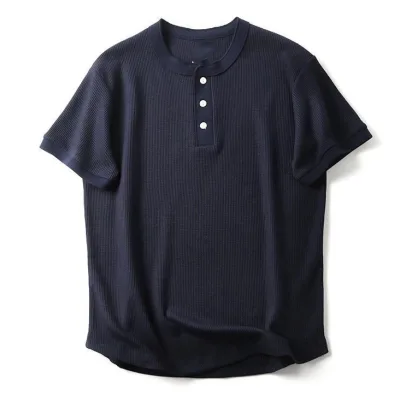
Summer Short Sleeve Round Neck Henley Shirts High Quality Regular Fit Vintage Shirt for Men
$4.96 - $9.45
MOQ: 30 pieces
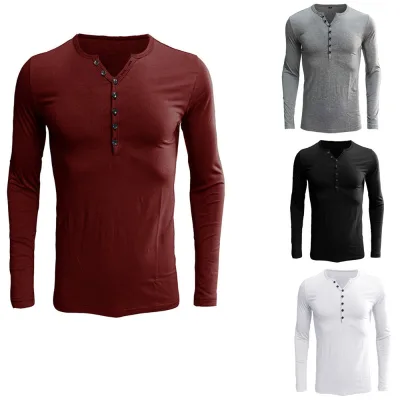
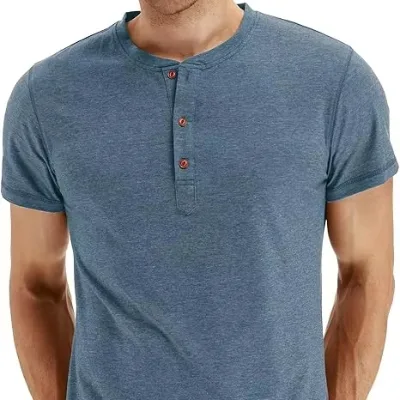
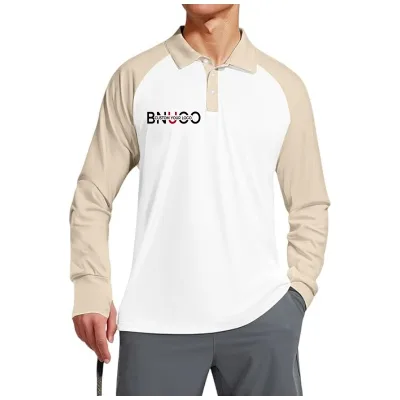

Wujiang Hailihong Textile Co., Ltd.
- Verified by CTI
- Combined
- China Jiangsu
- Lead time15 days
- Avg. response≤ 9h
Main productsKnitted Textiles, Chemical Fibers, Home Textiles, Clothing and Accessories, Swim Trunks, T-Shirt, Hawaiian Shirt, Beach Pants, Bikini, Hoodie
Main marketsAfrica,Southeast Asia/ Mideast,East Asia(Japan/ South Korea),Domestic,Europe,Australia,North America


Men's Cotton Linen Button Down Henley Shirts Short Sleeve Summer Hawaiian Shirts with Pocket
$5.00 - $7.00
MOQ: 200 Pieces
Jiangxi Dingsheng Imp.& Exp. Co., Ltd.
- Verified by SGS Group
- Manufacturer, Trading Company
- Lead time15 days
- Avg. response≤ 2h
Main productsT-Shirts, Hoodie, Tank Top, Sweatpants, Polo Shirts
Main marketsNorth America(50%), Oceania(15%), Domestic Market(10%)

- Verified by TUVRHEINLAND
- Combined
- China Shanghai
- Lead time15 days
- Avg. response≤ 3h
Main productsInfant Clothes, Baby Clothes, Kids Wear, Underwear, Sock, Pajama, Night Dress, Sleep Bag, Yoga Clothes, Nursing Tee
Main marketsEurope,Australia,North America

Custom Men's Henley Shirt - Long Sleeve Cotton Casual Solid Color Regular Fit Tee
$5.99 - $6.99
MOQ: 50 Pieces


Custom Men's Long Sleeve Henley Shirt, Cotton Casual Solid Color Basic Crew Neck Tee
$5.99 - $6.99
MOQ: 50 Pieces


Nanchang Jiakai Clothing Co., Ltd.
- Verified by TüVRheinland
- Manufacturer, Trading Company
- Lead time35 days
- Avg. response≤ 3h
Main productsApparel
Main marketsNorth America(80%), Western Europe(10%), South America(2%)
Number One Industrial Co., Ltd.
- Manufacturer, Trading Company
- Fujian, China
- Lead time45 days
- Avg. response≤ 2h
Main productsT -shirt,POLO,Hoodies,Tracksuit,sportswear
Main marketsNorth America(35.00%), Southeast Asia(15.00%), South America(15.00%), Western Europe(10.00%), Northern Europe(10.00%), Eastern Europe(10.00%), Africa(5.00%)
Hebei Beituo New Material Co., Ltd.
- Trading Company
- Hebei Province, China
- Lead time0 days
- Avg. response≤ 1h
Main productsmen's suits,men's jackets,men's pants,Hats,backpacks
Main marketsNorth America(20.00%), Eastern Europe(15.00%), Southern Europe(10.00%), Western Europe(10.00%), Mid East(10.00%), Africa(10.00%), Southeast Asia(10.00%), South America(10.00%), Northern Europe(5.00%)

Guangzhou Profound Garment Co., Ltd.
- Verified by CTI
- Trading Company
- China Guangdong
- Lead time30 days
- Avg. response≤ 3h
Main productsHoodies, Jacket, T-Shirts, Shirt, Pants, Children's Ware, Sweater, Sportsware, Jeans, Denim
Main marketsSoutheast Asia/ Mideast,East Asia(Japan/ South Korea),Europe,Australia,North America

$5.53 - $8.73
MOQ: 100 Pieces

Custom Men's Vintage Streetwear Long Sleeve Henley Shirt 5 Button Cotton Spandex Blend Henley Top
$5.53 - $8.73
MOQ: 100 Pieces


Custom Men's 200-280GSM Cotton Spandex Blend Long Sleeve Regular Fit Henley Shirt with 5 Button
$5.53 - $8.73
MOQ: 100 Pieces

$8.66 - $13.99
MOQ: 100 Pieces

Jiangxi Hangsheng Industry And Trade Co., Ltd.
- Verified by Intertek
- Manufacturer, Trading Company
- Lead time30 days
- Avg. response≤ 2h
Main productsHoodie, T-shirt, Sweatshirt, Tank Top, Sweatsuit
Main marketsNorth America(80%), Western Europe(10%), Eastern Asia(5%)

Yiwu Chengmeng Clothing Co., Ltd.
- Verified by SGS
- Combined
- China Zhejiang
- Lead time15 days
- Avg. response≤ 6h
Main productsShirts, Casual Shirt, Polo Shirt, T-Shirt, Swimsuit, Customized Shirt, Hawaiian Shirt, Men's Shirt, Printed Shirt, Hoodie
Main marketsDomestic


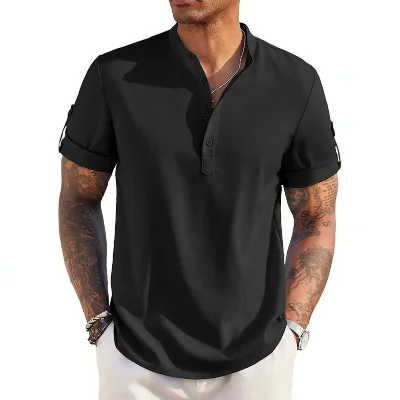
Men's Casual Solid Color Henley Collar Short Sleeve Shirt with Roll-up Cuffs
$6.20 - $7.50
MOQ: 100 piece


Men's Henley Shirt Cotton Nylon Blend Mandarin Collar Short Sleeve Casual Top
$5.00 - $6.60
MOQ: 100 piece


Ningbo Z & H Foreign Trade Co., Ltd.
- Trading Company
- China Zhejiang
- Lead time45 days
- Avg. response≤ 14h
Main productsGarment T Shirt Hoody Polo Fashion Cloth
Main marketsSouth America,Africa,Southeast Asia/ Mideast,East Asia(Japan/ South Korea),Europe,Australia,North America

Zhejiang Wensang Knitted Garment & Technology Co., Ltd.
- Combined
- China Zhejiang
- Lead time60 days
- Avg. response≤ 7h
Main productsMerino Wool Underwear, Merino Wool Shirt, French Linen
Main marketsEurope,Australia,North America


100% Merino Wool Fashion Style Custom Made Men′ S Short Sleeve Henley Shirt
$19.99 - $24.99
MOQ: 500 PCS

100% Merino Wool Outdoor Style Custom Made Men's Short Sleeve Hunting Shirt
$19.99 - $24.99
MOQ: 500 PCS
Guangzhou Ouzun Clothing Co., Ltd.
- Verified by CTI
- Combined
- China Guangdong
- Lead time23 days
- Avg. response≤ 3h
Main productsUniforms, Pants, Suits&Blazer, T Shirt, Polo Shirt, Sportswear, Jacket, Hoodies&Sweatshirts
Main marketsDomestic

Men's Long Sleeve Henley Style Polo Shirt with Button Placket and Chest Pocket Polo Shirts for Men
$4.39 - $9.99
MOQ: 100 Pieces

Men's Long Sleeve Henley T-Shirt with Three Buttons for Casual Fall Fashion Men's T-Shirts
$3.99 - $8.99
MOQ: 100 Pieces

- Verified by CTI
- Trading Company,Manufacturer/Factory
- China Fujian
- Lead time90 days
- Avg. response≤ 13h
Main productsOutdoor Jackets, Swimwear, Gym Wear, Sport Pants, Beach Shorts, Puffer Jackets, Workwear, Yoga Wear, Kid's Clothes, Sweater
Main marketsSouth America,Eastern Europe,Mid East,North America,Southeast Asia,Eastern Asia,Western Europe,Africa


Mens Cotton Henley Shirts Short Sleeve Casual T-Shirts Summer Button T Shirts with Pocket
$5.00 - $6.00
MOQ: 1000 Pieces

Henan Eastman Protection Technology Co., Ltd.
- Verified by TUVRHEINLAND
- Combined
- China Henan
- Lead time30 days
- Avg. response≤ 4h
Main productsFr Garments, Workwear, Anti Acid & Static, Scrubs, Trousers, Coverall, Working Clothes, Overall, Welding, Chaleco
Main marketsNorth America
Fuzhou Depshine International Trading Co., Ltd.
- Verified by SGS Group
- Trading Company
- Lead time8 days
- Avg. response≤ 2h
Main productsT Shirt, Hoodie, Sweat Suit, Jacket, Hat
Main marketsNorth America(80%), Northern Europe(10%), Western Europe(8%)


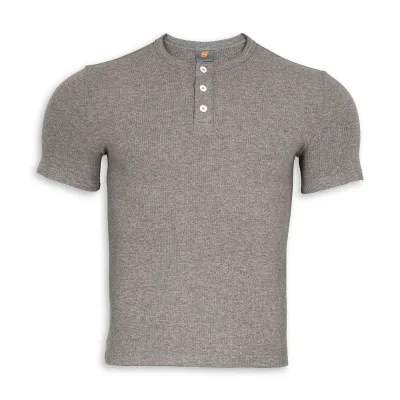
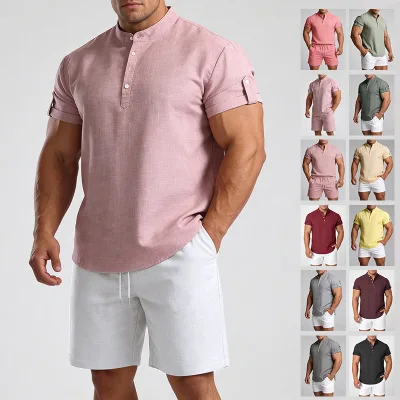
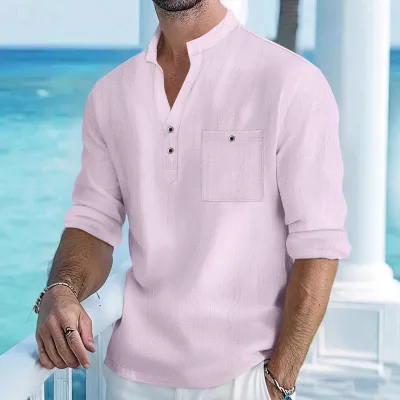
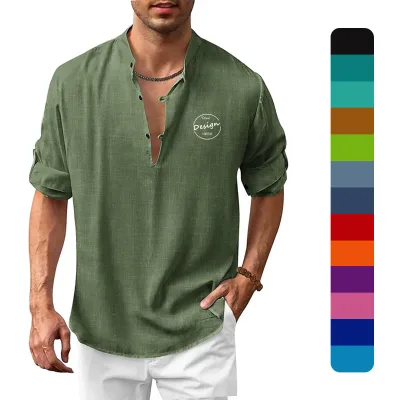
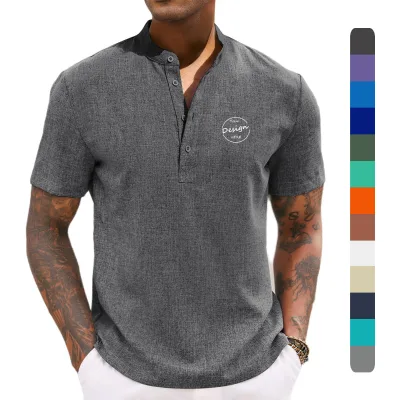
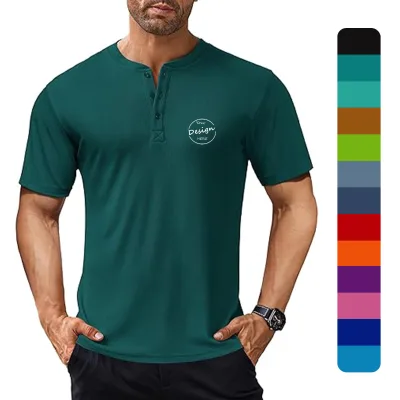
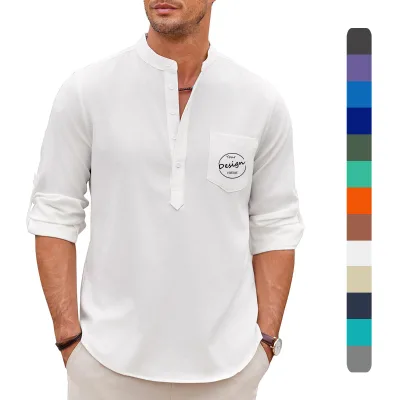
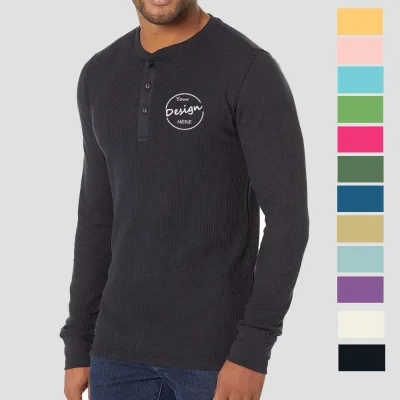
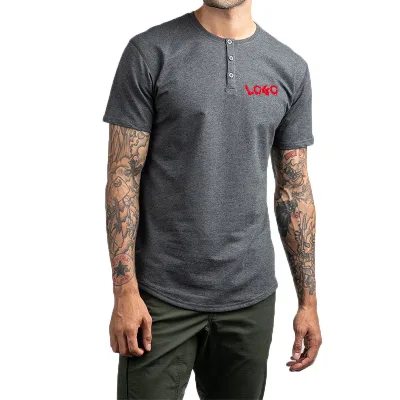
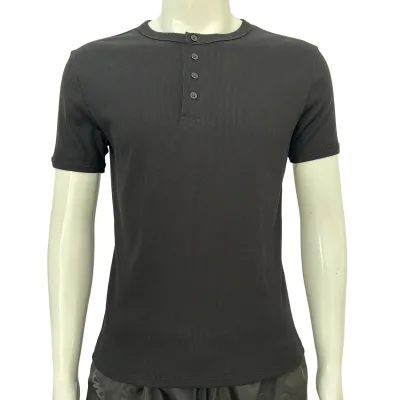
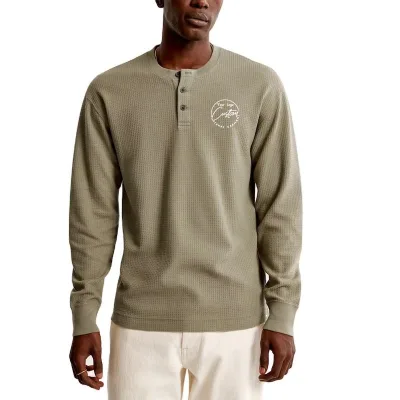
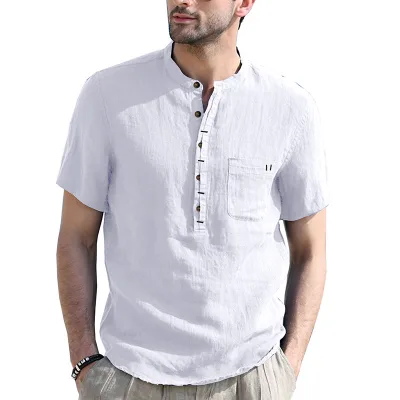
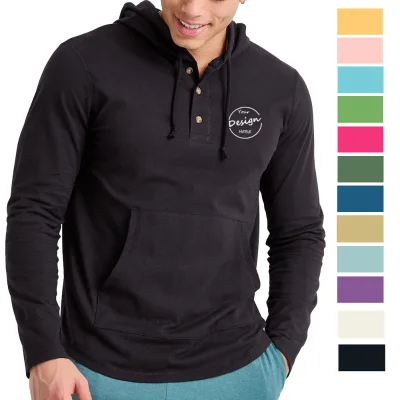


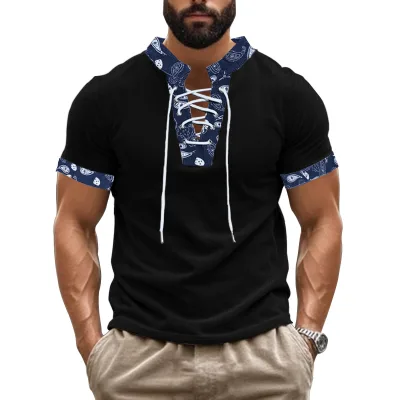
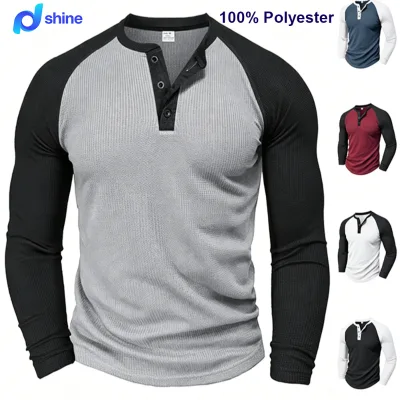
Comprehensive Sourcing Guide
Loose Fit Henley Shirt Supplier Concentration and Factory Types
The supplier base for Loose Fit Henley Shirt production in this category sits heavily in China, with results pointing to Guangdong province as a core manufacturing location for knit and woven apparel, including shirts, polo shirts, hooded sweatshirts and workwear. Shanghai also appears as a sourcing base, though the companies there lean toward trading operations that bundle shirts with neckwear, ties, scarves and accessories. Guangdong's ecosystem typically covers knitting, dyeing, cutting and garment assembly within a compact radius, which matters when you need tie-dye, plain-dyed or fabric-blend development in short iterations. Where a listing does not state a location, treat the region as unknown and ask the supplier directly rather than assuming a cluster.
Factory types split into three broad groups. Combined manufacturer-trading companies list broad product lines spanning uniforms, suits and casual shirts, and often hold in-house design capability such as ODM services and own-brand programs. Pure trading companies, more common in Shanghai-style profiles, coordinate multiple garment factories and add accessorized ranges, which suits buyers who want shirts packaged with ties or waistcoats. Manufacturer-plus-trading hybrids focused on T-shirts, hoodies and team uniforms frequently advertise customized-on-demand development. Match the type to your need: deep product development favors manufacturers with ODM or OEM capacity, while mixed assortments and consolidation favor trading operations.
How to Verify Loose Fit Henley Shirt Suppliers
Verification starts with third-party inspection status. Some listings in this category carry SGS or CTI verification, which indicates an external body has checked company registration or site information, but verification labels are not quality certifications of the garments themselves. System certifications such as BSCI, ISO 9001 and CE appear on certain supplier profiles, typically those producing T-shirts, hoodies and team uniforms. Confirm the certificate scope, validity date and whether it covers the specific facility that would sew your henley shirts, since a group certificate may not apply to every production line. Ask for the certificate number and cross-check it with the issuing body.
Beyond documents, verify operational substance. Request the factory's business license and check that the registered scope covers garment manufacturing if the profile claims manufacturing. For any supplier advertising ODM, OEM or own-brand capability, ask for two or three recent henley or similar knit-top projects, including fabric sourcing and sampling photos. Test responsiveness before committing: response times on listings in this category range from under two hours to more than a full day, so send a technical question, not a greeting, and measure reply quality and speed. Finally, verify the factory claims match reality by commissioning an independent on-site audit or requesting a live video walkthrough of cutting, sewing and finishing areas while your questions are answered in real time.
What to Compare Across Loose Fit Henley Shirt Suppliers
Build a comparison sheet from attributes actually shown on profiles, and never assume a missing attribute means a negative. Lead times in current results range widely, from about fifteen days for T-shirt and hoodie specialists to twenty-three days for a Shanghai trading company, thirty days for a Guangdong combined manufacturer, and up to sixty days for a suit and uniform producer. Response speed is another hard number: measured averages span roughly 1.6 hours to over 24 hours. For a seasonal henley program, a fast responder with a moderate lead time often beats a slow responder with a short quoted lead time, because sampling delays compound.
Compare product focus and development capability next. Main product lists tell you where each supplier's strengths lie: shirt-heavy catalogs with dress, casual and business shirts differ sharply from uniform, suit or teamwear specialists, even when both can quote a henley. Check RD capacity labels, where ODM, OEM, own-brand or customized-on-demand designations signal whether you can develop private patterns or only order from existing blocks. Verify SGS or CTI verification status, any BSCI, ISO 9001 or CE certifications, and company type, since a combined manufacturer and a trading company carry different accountability for defects. Price ranges, where shown, and quoted MOQs complete the sheet; a low headline MOQ means little if sampling and customization fees erase the advantage.
Common Loose Fit Henley Shirt Sourcing Risks
The most frequent risk is a fit specification mismatch. Loose fit is a subjective descriptor, and current listings show products ranging from relaxed-fit henley T-shirts to slim, regular and classic-fit casual shirts on the same supplier pages. Without a graded measurement chart specifying chest, body length, sleeve length and hem opening across all sizes, your interpretation of loose and the factory's will diverge. Free-size labeling, which appears on some shirt listings, is especially risky for a fit-sensitive style because it removes size accountability entirely. Anchor everything to a sealed sample and a written measurement tolerance.
Fabric and construction risks follow closely. Henley shirts in this category span cotton, cotton-linen blends, cotton-spandex, polyester and bamboo-hemp textures, and blend composition affects hand feel, shrinkage and pilling. A quoted fabric name is not a composition guarantee; require a fabric test report or composition certificate. Plain-dyed and tie-dye processes also carry shading risk across production lots. Further risks include customization scope ambiguity, where listings advertise customized labels, logos, tags and brands but do not define minimum quantities per design, and lead-time slippage, since quoted durations of fifteen to sixty days rarely include pre-production approval cycles. Trading companies add a transparency risk: confirm who legally manufactures the goods, who holds responsibility for defects, and whether the trading company will disclose or allow audits of its production partner.
Loose Fit Henley Shirt Regional Sourcing and Logistics
Region choice shapes both product capability and shipping math. Guangdong's coastal position and dense apparel supply chain support rapid fabric procurement and sample loops for knit tops, and its ports handle frequent sailings to major destinations, which helps when replenishing a henley program on short cycles. Shanghai-based suppliers, often trading companies pairing shirts with ties, scarves and accessories, offer consolidation value: if you source complementary accessories, one Shanghai consolidation point can reduce shipment fragmentation. Where a profile shows no location, ask for the factory address early, because inland factories may add domestic trucking legs and customs handoffs before export.
Logistics planning should map lead-time components rather than trusting a single number. Current listings quote lead times from roughly fifteen to sixty days, and one profile explicitly notes shipping by air or sea. Air freight compresses transit for samples and launch quantities, while sea freight protects margin on bulk but adds weeks of variability tied to sailing schedules and destination port congestion. Build a calendar that sequences fabric procurement, production, in-line inspection, final random inspection and booking, then add buffer for national holidays, which can suspend production for extended periods in Chinese manufacturing regions. Confirm which Incoterms each supplier quotes, since a fifteen-day production lead time means little if the price is ex-works and you must arrange inland pickup, export clearance and freight yourself.
Loose Fit Henley Shirt Commercial Terms and Order Planning
Commercial terms should be negotiated against verified capability, not listed prices alone. Current results show shirt products priced from under five dollars to twenty-eight dollars per unit, reflecting differences in fabric, construction and customization depth, and a listed MOQ as low as one hundred pieces on a cotton shirt listing. Treat quoted MOQs as starting points: henley programs with custom labels, logos, tags and branded packaging, which several listings advertise as available, may carry higher effective minimums per colorway or size run. Confirm what the price includes, such as sampling fees, customization charges, packaging and freight basis, before comparing suppliers on cost.
Order planning should stage commitments to limit exposure. A practical sequence is a paid sample, a pre-production sample in the correct fabric and fit, then a pilot order sized to test the supplier's consistency, followed by scale orders. For suppliers quoting lead times between fifteen and sixty days, plan inventory around the longer figure until two completed orders prove actual performance, and set payment terms that keep a meaningful balance withheld until post-inspection. Confirm acceptance of third-party inspection before shipment and agree on a defect classification standard in writing. Finally, define change-control rules: any fabric substitution, measurement change or label adjustment after pre-production approval should require a signed amendment, since silent substitutions are the most common source of disputes in fit-sensitive knitwear.
FAQs
What is a Loose Fit Henley Shirt and why do buyers source it?
A Loose Fit Henley Shirt is a collarless pullover with a buttoned placket, cut with a relaxed silhouette for comfort. Buyers source it for streetwear and casual apparel lines because the relaxed style suits both loungewear and everyday fashion markets, and the simple construction keeps sampling and bulk production relatively straightforward.
What fabrics are commonly used for loose fit henley shirts?
Cotton is the most common fabric, often blended with linen, spandex, or polyester for breathability, stretch, or durability. Heavier cotton suits premium streetwear, while cotton-linen blends work well for summer collections. Always confirm fabric weight, composition, and shrinkage behavior with the supplier before approving a bulk production sample.
What customization options are typically available for henley shirts?
Suppliers commonly offer customization of fabric, color, size grading, labels, logos, tags, and packaging. Many listings mark customization as available, but the scope varies by factory capability. Request a pre-production sample that reflects your exact branding requirements, and confirm in writing which elements are included in the quoted price.
What minimum order quantities apply to loose fit henley shirts?
Minimum order quantities vary widely by supplier and product. Some casual shirt listings show quantities as low as 100 pieces per style, especially when fabric and color are already available. Fully customized designs usually require higher volumes, so ask each supplier for MOQ on your specific specifications before requesting quotes.
How long does production usually take for henley shirts?
Lead times in current supplier listings range from about 15 days to 60 days depending on order size and customization level. Simple restock orders move faster, while custom fabrics, prints, or branding add sampling and setup time. Confirm the lead time in the purchase contract, including a buffer for inspection and shipping.
How can I verify a henley shirt supplier before ordering?
Check verification status from third parties such as SGS or CTI, review system certifications like ISO 9001 or BSCI, and assess whether the supplier is a manufacturer, trading company, or combined operation. Order samples, review response times, and use secure payment methods such as escrow to reduce risk on initial orders.
What price range should I expect for loose fit henley shirts?
Current listings for related men's shirts show unit prices ranging from roughly $4.98 to $28.00 depending on fabric, construction, and order volume. Cotton-linen and custom-branded styles generally sit higher than basic cotton designs. Treat listed prices as reference points and request formal quotations based on your exact specifications and volumes.
Should I work with a manufacturer or a trading company for henley shirts?
Manufacturers typically offer better pricing and direct control over production, while trading companies provide broader product ranges and easier communication. Combined manufacturer-trading companies offer a middle ground. Evaluate each supplier's main products, response speed, and capacity for ODM or OEM work, then match the choice to your order size and customization needs.