Hip Circle Resistance Bands Suppliers and Manufacturers
Compare 22 verified suppliers of Hip Circle Resistance Bands across locations like Zhejiang and Jiangsu, response times, lead times, and certifications. Review product specs and pricing to select a factory or trading company for your order; review the available evidence before requesting comparable quotations from suitable candidates.
Suppliers List

Hangzhou Sprocare Med Medical Supplies Co., Ltd.
- Manufacturer/Factory
- China Zhejiang
- Lead time45 days
- Avg. response≤ 17h
Main productsKinesiology Tape, Jump Rope, Resistance Rubber Bands, Sport Tape, Gymnastic Rings, Weightlifting Belt, Hook Grip Tape, Elastic Wrist Wraps, Cork Yoga Ball, Yoga Mat
Main marketsSouth America,Eastern Europe,Mid East,North America,Southeast Asia,Eastern Asia,Oceania,Western Europe,Africa

Yangzhou Goldenwell Import&Export Co., Ltd.
- Verified by BV
- Trading Company,Manufacturer/Factory
- China Jiangsu
- Lead time23 days
- Avg. response≤ 5h
Main productsMedical Devices, Syringe, Medical Tape, Medical Bandage
Main marketsSouth America,Eastern Europe,Mid East,North America,Southeast Asia,Eastern Asia,Oceania,Western Europe,Africa


a Band for Legs Butt Hip Booty Anti Slip Circle Fitness Resistance Exercise Bands
$0.92 - $1.60
MOQ: 1 Pieces

Customized Fabric Exercise Bands Adjustable Hip Circle Band Resistance Booty Bands
$0.92 - $1.60
MOQ: 1 Pieces

XIAMEN POPTRIMS TEXTILE CO.,LTD.
- Verified by BV
- Trading Company
- China Fujian
- Lead time15 days
- Avg. response≤ 6h
Main productsElastic Webbing, Elastic Suspender, Custom Lanyard, Garment Label, Rubber Patch, Shoelace, Strings & Drawcords, Fancy Satin Grosgrain Ribbon, Jacquard Ribbon, Custom Print Ribbon
Main marketsSouth America,Africa,Southeast Asia/ Mideast,East Asia(Japan/ South Korea),Europe,Australia,North America

Exercise Bands Fitness Polyester Cotton Hip Circle Band Custom Fabric Resistance Band
$1.20 - $2.90
MOQ: 50 Pieces

Custom Heavy Duty Gym Elastic Fitness Strength Yoga Band Fabric Hip Booty Resistance Bands
$1.20 - $2.90
MOQ: 50 Pieces

Rizhao Shangshuo International Trading Co., Ltd.
- Trading Company
- China Shandong
- Lead time30 days
- Avg. response≤ 18h
Main productsFitness, Crossfit, Gym, Sports, Home Gym, Racks, Plate, Dumbells, Bentch, Kettlebell
Main marketsEurope

Resistance Bands Loop Exercise Bands Booty Bands /Fitness Loop Circle/ Hip Circle Resistance Band
$1.30 - $1.35
MOQ: 1000 Pieces


Shanghai Beone Industrial Co., Ltd.
- Trading Company
- Shanghai, China
- Lead time30 days
- Avg. response≤ 9h
Main productsSports protective gear,knee sleeve,slimming belt,arm trimmer,armband
Main marketsNorth America(20.00%), Central America(19.00%), South America(10.00%), Southern Europe(8.00%), Eastern Europe(8.00%), Western Europe(8.00%), Northern Europe(8.00%), Mid East(5.00%), Africa(5.00%), South Asia(3.00%), Eastern Asia(3.00%), Southeast Asia(3.00%)
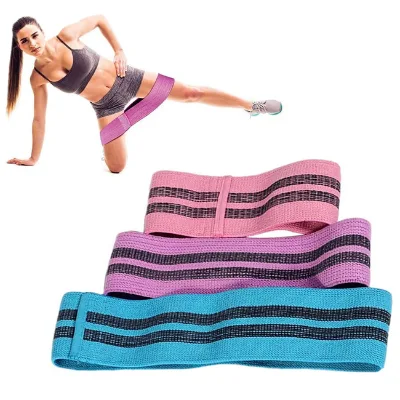
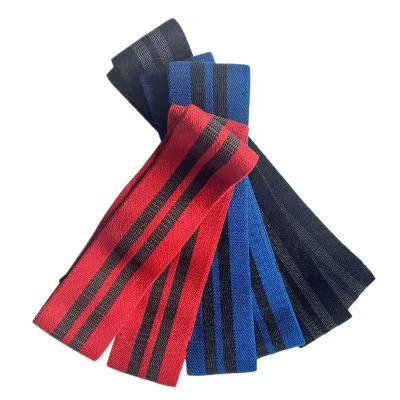
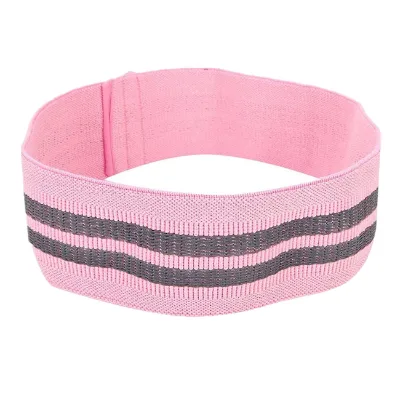
Wholesale Custom Colorful Fitness Elastic Belt Hip Trainer Band Yoga Resistance Band
$1.60 - $2.63
MOQ: 500 pieces

UNIQUE ROYAL INDUSTRIES LIMITED
- Trading Company
- China Jiangsu
- Lead time23 days
- Avg. response≤ 7h
Main productsPet Tennis Balls Pet Toys, Drink Ware Mugs Bottle Opener, Apparel and T Shirt Apron, Children Toys, Backpack Lunch Bag Tote Pouch, Lanyards Keychain Luggage Strap, Advertising Products, Caps Hats Sunglasses, Kitchen Ware Home Products, Promotional Products
Main marketsEurope,North America

Nantong Ironman Sporting Industrial Co., Ltd.
- Verified by BV
- Trading Company,Manufacturer/Factory
- China Jiangsu
- Lead time60 days
- Avg. response≤ 8h
Main productsDumbbell Set, Yoga Accessories, Barbell Set, Home Equipment, Gym Equipment, Jump Rope, Kettlebells, Plates, Weightlifiting Set, Bars
Main marketsSouth America,Eastern Europe,Mid East,North America,Southeast Asia,Eastern Asia,Oceania,Western Europe,Africa

Wholesale Anti Slip Hip Circle Exercise Fitness Band, Gym Resistant Bands Fitness Resistance Bands
$2.09 - $2.57
MOQ: 200 Pieces


Nanjing Tropical International Co., Ltd.
- Trading Company
- China Jiangsu
- Lead time30 days
- Avg. response≤ 14h
Main productsYoga Block, Yoga Mat, Yoga Wheel, Foam Roller, Yoga Bolster, Yoga Towel, Yoga Ball, Yoga Bag, Pilates Ring, Resistance Band
Main marketsEurope,North America

Nantong Gympro Sports Co., Ltd.
- Verified by CTI
- Trading Company
- China Jiangsu
- Lead time23 days
- Avg. response≤ 2h
Main productsTraining Gear, Free Weight, Fitness Equipment, Yoga&Pilate, Exercise Accessories, Professional Training, Boxing
Main marketsSouth America,Africa,Southeast Asia/ Mideast,East Asia(Japan/ South Korea),Europe,Australia,North America

Resistance Bands Set Durable Colourful Elastic Fabric Fitness Exercise Hip Circle Bands
$2.20 - $2.30
MOQ: 200 Sets

High Quality Leg Booty Resistance Bands Loop Resistance Booty Bands Exercise Bands
$4.57 - $5.04
MOQ: 500 Sets

New Hot Selling Home Exercise Hip Thrust Training Logo Adjustable Size Hip Band with Buckle
$2.36 - $2.62
MOQ: 500 Pieces

Shanghai Ritmark Sports Co., Ltd.
- Verified by BV
- Trading Company,Manufacturer/Factory
- China Shanghai
- Lead time23 days
- Avg. response≤ 4h
Main productsPVC Boat Fender, Fitness Ball, Fitness Sandbag, Waist Belt, Massage Tools, Acupressure Mat, Buoys, Dock Bumper, Yoga Items, Fitness Products
Main marketsSouth America,Eastern Europe,Mid East,North America,Southeast Asia,Eastern Asia,Oceania,Western Europe,Africa
Nanjing Xiangye Sports Technology Co., Ltd
- Verified by SGS
- Trading Company,Manufacturer/Factory
- China Jiangsu
- Lead time45 days
- Avg. response≤ 2h
Main productsSoccer Ball, Football, Basketball, Volleyball, Futsall Ball, Playground Ball, Futsal Ball, Baseball, Beach Ball, Gym
Main marketsSouth America,Eastern Europe,Mid East,North America,Southeast Asia,Eastern Asia,Western Europe,Africa


Home Sport Yoga Stretch Hip Exercise Booty Bands Fabric Fitness Gym Loop Resistance Bands
$1.50 - $4.50
MOQ: 200 Pieces

Xy-Gy-002 Yoga Gym Equipment Exercise Fitness for Legs Glutes Booty Hip Fabric Resistance Bands
$1.50 - $4.50
MOQ: 200 Pieces

$1.50 - $4.50
MOQ: 200 Pieces


Shenzhen Villsun Sports Technology Co., Ltd
- Verified by SGS
- Trading Company
- China Guangdong
- Lead time23 days
- Avg. response≤ 3h
Main productsFitness Equipment, Yoga Mats, Resistance Bands, Yoga Ball, Shin Guards, Knee Pads, Elbow Pads, Strength Fitness Equipment, Hand Grip, Yoga Wear
Main marketsSouth America,Southeast Asia/ Mideast,Europe,Australia,North America

HEFEI MERRYBODY SPORTS CO., LTD.
- Verified by TUVRHEINLAND
- Trading Company
- China Anhui
- Lead time30 days
- Avg. response≤ 6h
Main productsDumbbell, Gym Ball, Exercise Mat, Boules Set, Bench, Foam Roller, Barbell, Pilate Ring, Pilate Products
Main marketsSouth America,Southeast Asia/ Mideast,East Asia(Japan/ South Korea),Europe,Australia,North America


Customized OEM Exercise Wholesale Fitness Band Resistance Loop Stretch Hip Fitness Resistance Band
$2.25 - $2.65
MOQ: 500 Sets


Nantong Enerize Sporting Goods Co., Ltd.
- Trading Company,Manufacturer/Factory
- China Jiangsu
- Lead time0 days
- Avg. response≤ 13h
Main productsBarbells, Weight Plates, Bumper Plate, Dumbbell, Adjustable Bench, Rig and Rack, Power Rack, Kettlebell, Crossfit, Jump Ropes
Main marketsSouth America,Eastern Europe,Mid East,North America,Africa

Bands Yoga Resistance Loops Gym/Home Strength Hip Training Rubber Loops Band
$1.07 - $1.15
MOQ: 50 Pieces

Yangzhou Weller Sports Goods Co., Ltd
- Verified by SGS
- Trading Company,Manufacturer/Factory
- China Jiangsu
- Lead time23 days
- Avg. response≤ 5h
Main productsKnee Brace, Posture Corrector, Sports Protection, Shin Guards, Knee Pad, Knee Support, Waist Trainer, Elbow Brace, Orthopedic Products, Kinesiology Tape
Main marketsSouth America,Eastern Europe,Mid East,North America,Southeast Asia,Eastern Asia,Oceania,Western Europe,Africa

Low MOQ Workout Exercise Fitness Band Marble Hip Resistance Bands Booty Bands
$2.80 - $3.00
MOQ: 200 Sets

High Elastic Booty Bands Set of 3 Hip Resistance Bands for Leg Butt Workout Hip Band for Men Women
$2.80 - $3.00
MOQ: 200 Sets

Dingzhou Ruichuang Metal Products Co., Ltd.
- Verified by TUVRHEINLAND
- Trading Company
- China Hebei
- Lead time30 days
- Avg. response≤ 1h
Main productsBarbell, Fitness Equipment, Gym Equipment, Dumbbell, Stair Master, Fitness Accessories, Track and Field Equipment, Strength Machine, Fitness Machine, Gym Machine
Main marketsNorth America


Resistance Bands for Legs and Butt - Exercise Bands Set Hip Bands Wide Workout Band
$4.50 - $5.00
MOQ: 1 Sets


Fitness Equipment Suqat Training Resistance Band for Body Muscles Building Workout Exercise
$4.50 - $5.00
MOQ: 30 Pieces

Danyang Sunmed Healthcare Co., Ltd.
- Verified by TUVRHEINLAND
- Manufacturer/Factory
- China Jiangsu
- Lead time45 days
- Avg. response≤ 8h
Main productsFirst Aid Kit, Support, Woundcare
Main marketsSouth America,Eastern Europe,North America,Western Europe

- Verified by SGS
- Trading Company,Manufacturer/Factory
- China Zhejiang
- Lead time23 days
- Avg. response≤ 6h
Main productsTent, Project Screen, Bicycle, Trampoline, Backpack, Kitchenware, Hammock, Pet Accessories, Garden Products
Main marketsSouth America,Eastern Europe,Mid East,North America,Southeast Asia,Eastern Asia,Oceania,Western Europe,Africa
- Verified by SGS
- Trading Company
- China Zhejiang
- Lead time15 days
- Avg. response≤ 24h
Main productsFitness Equipment, Trampoline, Treadmill, Dumbbell, Yoga Mat, Spinning Bike, Jump Rope, Pull up Bar, Gym Rack, Leg Press
Main marketsEurope,Australia

Multiple Exercise Fitness Sport Core Training Body Elastic Resistance Band
$2.00 - $2.05
MOQ: 487 Pieces

Unisex Physical Conditioning Train Legs Arms Back Shoulders Abdomen Resistance Band
$3.00 - $5.00
MOQ: 200 Pieces

Exercise Multiple Training Wholesale Safe Sport Body Gym Resistance Band
$1.00 - $3.00
MOQ: 333 Pieces

High Hip Activate Power Lifting Body Build Yoga Training Resistance Band
$2.00 - $4.00
MOQ: 250 Pieces

Yangjiang New Sports Technology Products Co., Ltd.
- Verified by SGS
- Combined
- China Guangdong
- Lead time30 days
- Avg. response≤ 7h
Main productsResistance Bands, Resistance Tubes, Pull up Bands, Loop Bands, Yoga Bands, One Runner Trainer, High Jump Trainer, Bungee Cord, Expandable Garden Hose, Yoga Mat
Main marketsSouth America,Southeast Asia/ Mideast,Domestic,Europe,Australia,North America

Beijing Set Sail Sports Co., Ltd
- Verified by BV
- Manufacturer/Factory
- China Beijing
- Lead time15 days
- Avg. response≤ 7h
Main productsFitness Equipment, Boxing Goods, Camping Products, Gym Mat, Table Tennis Table, Track and Field Equipment, Gym Equipment, Basketball Stands
Main marketsSouth America,Eastern Europe,Mid East,North America,Southeast Asia,Eastern Asia,Oceania,Western Europe,Africa


Rubber Resistance Bands, Booty Bands for Legs and Butt, Exercise Bands Set
$2.00 - $5.00
MOQ: 100 Sets

- Verified by BV
- Trading Company
- China Anhui
- Lead time30 days
- Avg. response≤ 11h
Main productsDumbbell, Cast Iron Plate, Chrome Bar, Fitness Equipment, Traing Set
Main marketsSouth America,Africa,Southeast Asia/ Mideast,East Asia(Japan/ South Korea),Europe,Australia,North America


Comprehensive Sourcing Guide
Hip Circle Resistance Bands Supplier Concentration and Factory Types
The current supplier landscape for Hip Circle Resistance Bands shows a distinct concentration of manufacturing activity within China, specifically in the Zhejiang and Jiangsu provinces. Factories in Zhejiang are identified as primary manufacturers producing a wide array of fitness accessories, including kinesiology tape, gymnastic rings, and the specific fabric bands used for hip circles. These facilities often list main products that span from resistance rubber bands to cork yoga balls, indicating a specialized focus on body-building and fitness equipment. In contrast, suppliers located in Jiangsu demonstrate a mixed operational model, functioning as both trading companies and manufacturers. These entities often diversify their portfolios to include medical devices and syringes alongside fitness gear, suggesting a broader industrial base that can pivot between medical-grade and consumer-grade production lines.
When evaluating factory types, buyers must distinguish between pure manufacturers and trading companies based on the provided company type data. The Zhejiang-based entities are explicitly classified as manufacturers, which typically implies direct control over the production process for items like the Spandex and Polyester fabric bands. Conversely, the Jiangsu suppliers are listed as trading companies or a hybrid of trading and manufacturing, which may affect the depth of customization available for specific models like the JLY-EB series. It is crucial to verify if a supplier claims to be a factory by checking their main product list against the specific materials required, such as the Spandex/Polyester blend or the Polyester Cotton with Latex Wire construction found in the current results. This distinction helps buyers understand whether they are dealing with the source of production or an intermediary.
How to Verify Hip Circle Resistance Bands Suppliers
Verification of Hip Circle Resistance Bands suppliers requires a rigorous check of their stated certifications and business credentials, as these factors directly impact product safety and reliability. Some suppliers in the dataset have obtained ISO 13485 and GMP certifications, which are critical for entities producing medical-grade or high-safety fitness equipment. These certifications indicate that the facility adheres to strict quality management systems, particularly relevant for manufacturers dealing with materials that come into direct contact with skin during intense exercise. Additionally, verification badges such as BV (Bureau Veritas) provide an external layer of trust, confirming that the company's business license and operational capacity have been audited by a third party. Buyers should prioritize suppliers displaying these specific credentials to mitigate the risk of sourcing from unverified entities.
Beyond certifications, buyers must validate the supplier's response time and production capacity to ensure they can meet project timelines. The data indicates significant variance in response speeds, with some suppliers responding in approximately 4.28 hours while others take over 16 hours. A faster response time often correlates with a more active sales team and better communication channels, which is essential for resolving issues regarding custom logos or specific resistance levels. Furthermore, checking the stated response time alongside the lead time provides a clearer picture of operational efficiency. For instance, a supplier with a short lead time of 15 days but a slow response time might struggle with urgent order modifications. Buyers should request proof of these metrics and confirm that the supplier's claimed capacity, such as OEM or ODM capabilities, aligns with their specific volume requirements before proceeding.
What to Compare Across Hip Circle Resistance Bands Suppliers
Comparing suppliers requires a detailed analysis of key operational metrics, including lead times, minimum order quantities (MOQ), and pricing structures, which vary significantly across the available results. Lead times for Hip Circle Resistance Bands range from as low as 15 days to as high as 45 days, depending on the supplier's location and current production load. A supplier in Fujian might offer a 15-day lead time, whereas a manufacturer in Zhejiang could require 45 days. Similarly, MOQs differ drastically; some suppliers accept orders as low as one piece, which is ideal for sampling or small boutique orders, while others enforce a minimum of 50 units. Buyers must align these constraints with their inventory strategy, ensuring that the MOQ does not exceed their budget or storage capacity while the lead time fits their sales cycle.
Pricing and product specifications are equally critical dimensions for comparison, as they directly influence the final cost of goods sold. The price range for these bands spans from approximately $0.92 to $3.00 per unit, with variations driven by material composition, such as Spandex/Polyester blends versus Polyester Cotton with Latex Wire. Buyers should compare the specific attributes of the bands, such as resistance levels, which are often standardized at three levels, and color options like the Sunset Glow or Marbling Print series. Additionally, the packing standards, whether in OPP bags or cartons, affect shipping costs and product protection. By creating a side-by-side comparison of these factors, buyers can identify which suppliers offer the best value proposition without compromising on the required quality standards or customization features like silk screen or heat transfer logos.
Common Hip Circle Resistance Bands Sourcing Risks
One of the primary risks in sourcing Hip Circle Resistance Bands is the inconsistency in product materials and construction quality, which can lead to premature failure during use. The current data shows variations in material composition, with some products using Spandex and Polyester while others incorporate Latex Wire. If a buyer does not explicitly verify the material specifications against their quality requirements, they may receive bands that lack the necessary elasticity or durability for heavy-duty training. Furthermore, the absence of standardized testing results in the general supplier data means that buyers cannot assume all products meet specific safety or performance benchmarks without requesting independent test reports. This uncertainty is particularly risky when sourcing for commercial gyms or fitness programs where equipment failure could lead to liability issues.
Another significant risk involves the reliability of the supply chain and the potential for delays in production or shipping. While some suppliers list lead times as short as 15 days, others indicate a 45-day window, creating a wide variance that can disrupt inventory planning. If a buyer relies on a supplier with a longer lead time without a buffer, they risk stockouts during peak seasons. Additionally, the distinction between trading companies and manufacturers can introduce communication gaps or quality control issues if the trading company does not have direct oversight of the factory floor. Buyers must be vigilant about verifying the actual production location and the supplier's ability to handle custom orders, as some listings suggest customization is available while others do not explicitly confirm this capability.
Hip Circle Resistance Bands Regional Sourcing and Logistics
Sourcing Hip Circle Resistance Bands from China involves navigating distinct regional logistics advantages and challenges based on the supplier's location. The Zhejiang province is a known hub for fitness equipment manufacturing, offering a concentrated ecosystem of factories that specialize in items like resistance bands and gymnastic rings. This concentration can streamline the sourcing process by allowing buyers to visit multiple factories in a single trip or to leverage local logistics networks that are optimized for exporting fitness gear. However, the Jiangsu province, which hosts a mix of trading companies and manufacturers, may offer different logistical benefits, particularly for buyers seeking a blend of medical and fitness products. Understanding these regional clusters helps buyers estimate shipping times and costs more accurately, as proximity to major ports can reduce freight expenses.
Logistics planning must also account for the specific packaging requirements of the products, which vary by supplier and region. Some suppliers pack bands in simple OPP bags, while others use cartons for bulk shipments, impacting the volume and weight of the cargo. For instance, a supplier in Shandong might use plastic bags and carton packing for their crossfit equipment, whereas a Fujian supplier might utilize OPP bags combined with cartons. Buyers need to calculate the total shipping volume based on these packing standards to optimize container space and reduce per-unit shipping costs. Additionally, the origin of the product, whether from Jiangsu, Zhejiang, or Fujian, can influence customs clearance times and the availability of specific freight forwarders familiar with the region's export procedures.
Hip Circle Resistance Bands Commercial Terms and Order Planning
Commercial terms for Hip Circle Resistance Bands must be carefully negotiated to align with the supplier's specific production capabilities and the buyer's financial constraints. The data indicates that some suppliers offer OEM and ODM services, allowing for custom branding and design modifications, while others may have stricter limitations on customization. Buyers should clarify the terms for logo application, such as silk screen, heat transfer, or embroidery, and confirm if these services incur additional costs. Furthermore, the minimum order quantity (MOQ) is a critical commercial term; while some suppliers accept orders as low as one piece, others require a minimum of 50 units. Understanding these thresholds is essential for planning initial orders and scaling up production without incurring unnecessary costs or facing stock shortages.
Order planning should also incorporate the supplier's response time and lead time to ensure timely delivery and inventory management. A supplier with a response time of 4.28 hours and a lead time of 23 days offers a different operational rhythm compared to one with a 16-hour response and a 45-day lead time. Buyers must factor these timelines into their production schedules, allowing sufficient buffer for potential delays or quality checks. Additionally, the pricing structure, which ranges from $0.92 to $3.00, should be evaluated in the context of the total landed cost, including shipping and duties. By integrating these commercial terms into a comprehensive order plan, buyers can mitigate risks and ensure a smooth procurement process that meets their business objectives.
FAQs
What materials are Hip Circle Resistance Bands typically made from?
Most fabric Hip Circle Resistance Bands in these results are made from spandex or polyester blends, sometimes combined with polyester cotton and latex wire. Fabric construction helps the bands stay in place during squats and glute training instead of rolling or pinching skin. Before ordering, confirm the exact fabric composition, elasticity, and whether the inner grip surface is suitable for your target market.
What is the typical minimum order quantity for hip circle bands?
Minimum order quantities vary significantly by supplier. Some listings for hip resistance bands advertise an MOQ as low as 1 piece, which suits sampling and small test orders, while other fabric hip circle band listings list an MOQ of 50 pieces. Ask each supplier to confirm the current MOQ, as it often differs between stock designs and fully customized patterns or colors.
How much do fabric Hip Circle Resistance Bands cost per unit?
Observed price ranges for fabric hip circle bands run roughly from under one US dollar to around three US dollars per piece, depending on material, print, and order volume. Simpler polyester cotton designs sit at the lower end, while multi-level fabric bands with printed patterns cost more. Request quotations at your target quantity, since unit pricing usually improves with larger production runs.
How many resistance levels do hip circle bands come in?
Several fabric hip circle band listings offer three resistance levels within one set, letting users progress from light to heavy tension. Sets usually share a 76 cm standard circumference, so verify sizing carefully before ordering. Confirm whether resistance levels are distinguished by color, thickness, or fabric weave, and whether the supplier can label each level clearly for retail packaging.
Can suppliers customize the design and logo of hip circle bands?
Yes, customization is widely offered. Listings indicate available options such as custom patterns, solid color series like sunset glow, marbling, pink, or blue, and logo application through silk screen, heat transfer, embroidery, or rubber badges. Suppliers may also accept OEM and ODM projects. Provide your artwork early and request a pre-production sample to check print quality and band tension.
What lead times should I expect when sourcing hip circle bands from China?
Reported lead times among these suppliers range from about 15 days to 45 days. Shorter lead times are associated with trading companies in Fujian and manufacturers in Jiangsu and Shandong, while the Zhejiang listing shows the longest at 45 days. Treat these as reference points only, and confirm production and shipping schedules in writing for your specific quantity, customization level, and season.
Which regions in China produce Hip Circle Resistance Bands?
The suppliers in these results are located in Zhejiang, Jiangsu, Fujian, and Shandong. Jiangsu and Zhejiang suppliers focus on fitness accessories including exercise bands, while Fujian specializes in elastic webbing products, and Shandong covers broader gym and fitness equipment. Region can influence lead time, freight options, and access to related products, so consider location when shortlisting partners.
What packaging options are available for wholesale hip circle bands?
Listings show cartons as standard outer packing, with individual units packed in OPP bags or net bags, at ratios such as 200 pieces per carton. Printed color boxes or custom inserts may be negotiable for retail programs. Confirm carton dimensions, gross weight, and whether individual polybags carry warning labels required in your market before finalizing the packing specification with the supplier.