Hip Abduction Orthosis Suppliers and Manufacturers in China
Compare 10 verified suppliers of Hip Abduction Orthosis based on location, lead time, and certifications like CE and ISO. Review product specifications and pricing to select the right partner for your medical equipment needs; review the available evidence before requesting comparable quotations from suitable candidates.
Updated
Suppliers List

Shijiazhuang New Aosuo Medical Equipment Co., Ltd.
- Verified by TUVRHEINLAND
- Trading Company
- China Hebei
- Lead time15 days
- Avg. response≤ 5h
Main productsProsthetic Foot, Prosthetic Equipment, Orthopedic, Knee Joint, Leg Prosthesis, Sach Foot, Artificial Limbs Foot, Orthosis, Prosthetic Leg, Artificial Limbs Knee
Main marketsSouth America,Africa


Custom Prosthetic Leg Orthotics Hip Orthopedic Children's Hip Abduction Hinge
$18.00 - $20.00
MOQ: 10 Pairs


XIAMEN DORRELLA HEALTH TECHNOLOGY CO.,LTD
- Verified by SGS
- Trading Company,Manufacturer/Factory,Group Corporation
- China Fujian
- Lead time23 days
- Avg. response≤ 6h
Main productsOrthotic Brace, Ankle Brace, Arm Brace, Back Brace, Cervical Collar, Finger Splint, Hip Abduction Braces, Hand and Wrist Brace, Post-Op Shoes, Orthopedic Waiking Boot
Main marketsSouth America,Eastern Europe,Mid East,North America,Southeast Asia,Eastern Asia,Oceania,Western Europe,Africa

Post-Op Hip Fracture Orthosis Orthopedic Adult Hinged Hip Abduction Orthosis Hip Support
$16.90 - $20.90
MOQ: 10 Sets


Children Hinged Hip Abduction Brace Orthopedic Hip Support Adjustable Fixed Waist Brace
$39.90 - $50.30
MOQ: 10 Sets

Angle Adjustable Telescoping Hinged Hip Knee Ankle Foot Abduction Orthosis Fixed Hip Abduction Brace
$28.00 - $35.00
MOQ: 10 Sets
SHIJIAZHUANG AOSUO INTERNATIONAL TRADE CO., LTD.
- Verified by Intertek
- Manufacturer, Trading Company
- Lead time3 days
- Avg. response≤ 2h
Main productsProsthetic Foot, Prosthetic Leg, Prosthetic Arm, Prosthetic Equipment, Prosthetic and Orthopedic
Main marketsEastern Asia(20%), South America(19%), Africa(18%)
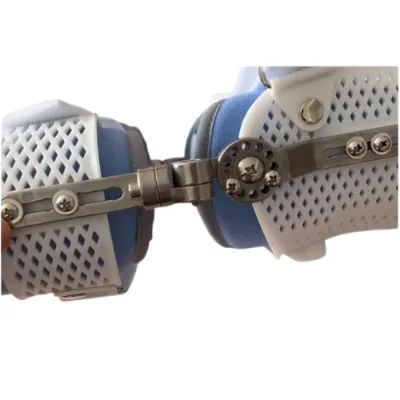
Physiotherapy Equipment Fixation Hip, Orthopedic Hip Adjustment Support Hip Fracture Fixation
$41.44 - $71.4832
MOQ: 5 Minimum
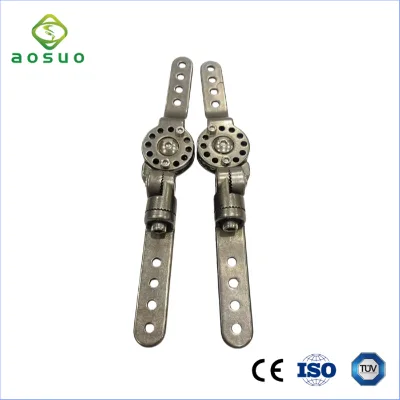
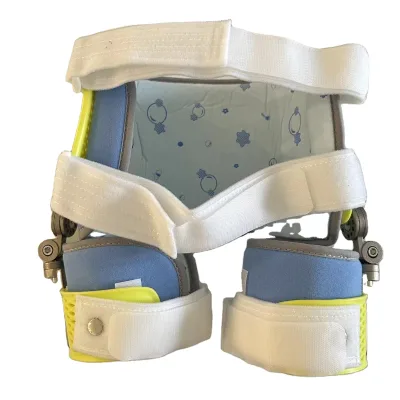
Rehabilitation Equipment Adjustable Fixation Hip (double Hip), Hip Abduction Fixator Support
$40.00 - $69.00
MOQ: 5 Minimum
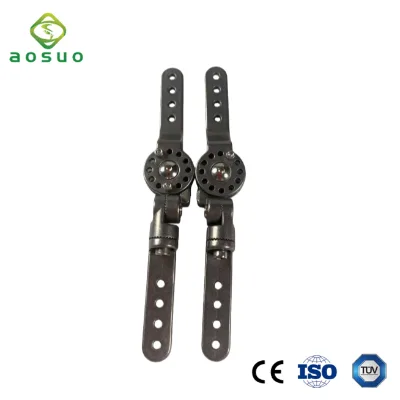
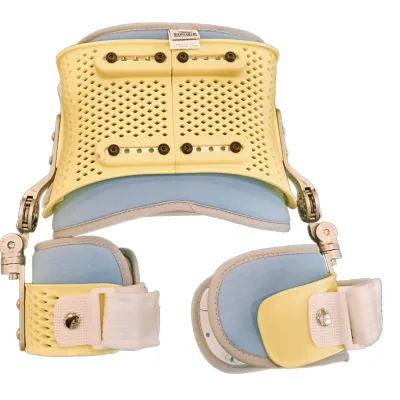
$70.00 - $72.50
MOQ: 10 pieces
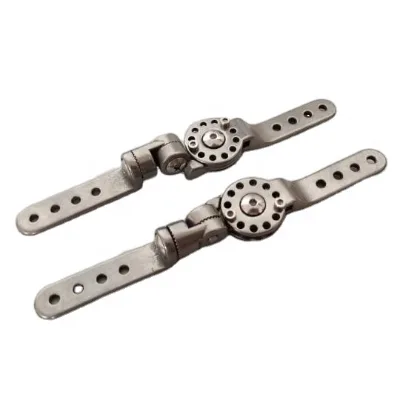
$20.00 - $33.00
MOQ: 1 Minimum

Xiamen Huakang Orthopedic Co., Ltd.
- Verified by TUVRHEINLAND
- Combined
- China Fujian
- Lead time30 days
- Avg. response≤ 8h
Main productsKnee Support, Back Support., Walker Boot, Ankle Brace, Shoulder Brace, Elbow Brace, Wrist Brace, Neck Brace, Finger Splint
Main marketsSoutheast Asia/ Mideast,Europe,North America


$44.00 - $59.40
MOQ: 150 Pieces


Xiamen Dorrella Health Technology Co., Ltd.
- Verified by TüVRheinland
- Trading Company
- Lead time15 days
- Avg. response≤ 1h
Main productsRehabilitation Orthotics, Rehabilitation Equipment, Sports Braces
Main marketsMid East(45%), Eastern Europe(25%), North America(15%)
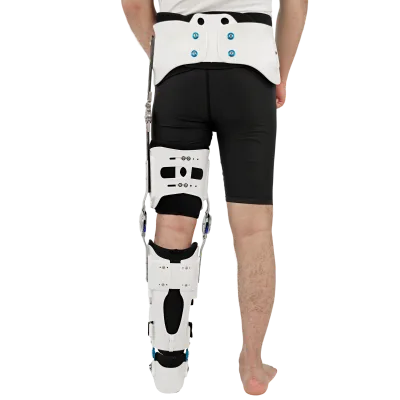
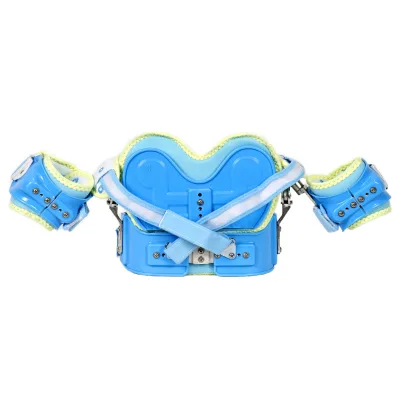
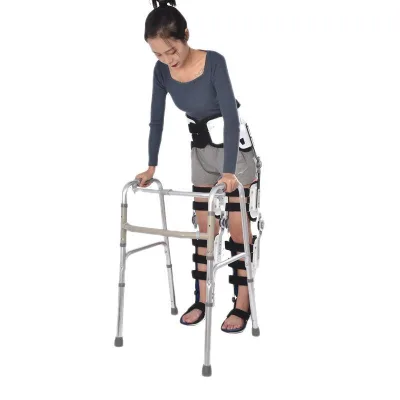
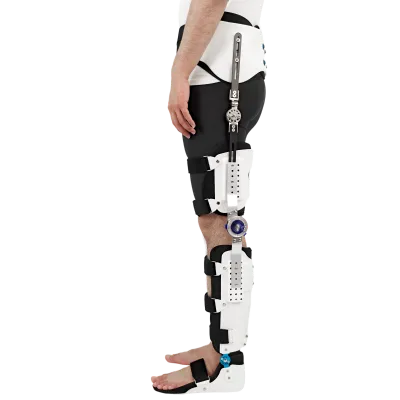
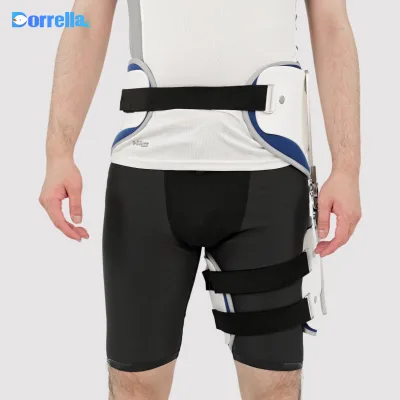
Orthopedic Children Hinged Hip Abduction Brace for Children
$40.00 - $50.00
Dongguan Taijie Rehabilitation Equipment Co., Ltd.
- Verified by SGS Group
- Manufacturer, Trading Company
- Lead time0 days
- Avg. response≤ 2h
Main productsRehabilitation Robot Gloves, Lower Limb Fixation Brace, Foot Fixation Brace, Lumbar Fixation Brace, Medical Hinge Support
Main marketsMid East(25%), North America(20%), Eastern Europe(12%)
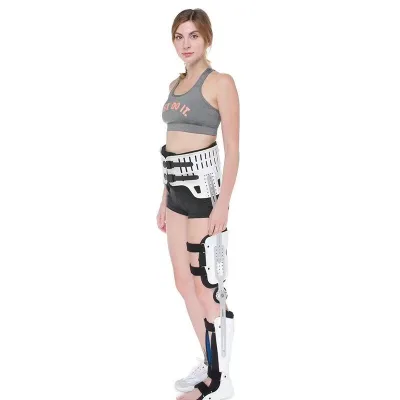
Adjustable Hip Knee Ankle Dislocate Hip Brace Orthosis for Lower Limb Orthosis
$68.6988 - $87.1553
MOQ: 1 sets
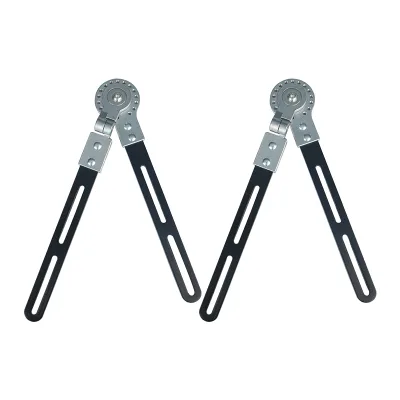
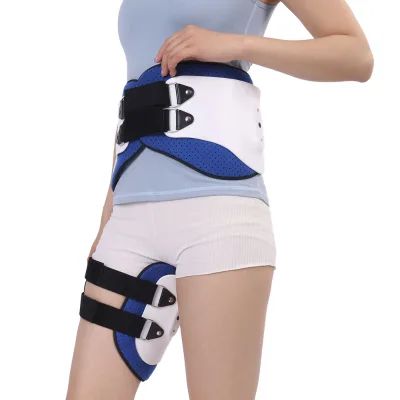
Orthosis Hip Leg Joint Brace Adult Hip Abduction Fixator Singe Hip Support Belt for Disabled People
$21.4311 - $25.5313
MOQ: 2 pieces
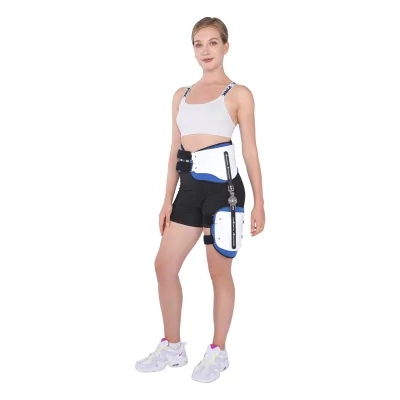
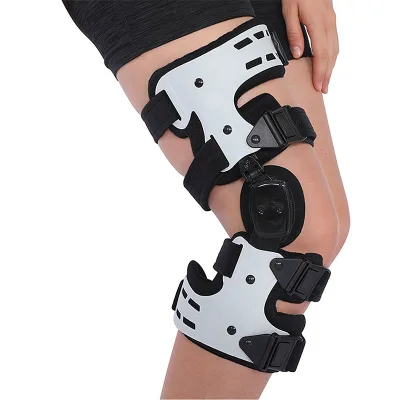
$13.2275 - $16.3038
MOQ: 10 sets
Jiangsu Xiangyou Medical Instrument Co., Ltd.
- Manufacturer, Trading Company
- Jiangsu, China
- Lead time30 days
- Avg. response≤ 1h
Main productsdoll,sex toy,shockwave therapy,X-ray machine,Beauty machine
Main marketsMid East(30.00%), North America(10.00%), Domestic Market(5.00%), South Asia(5.00%), Southern Europe(5.00%), Northern Europe(5.00%), Central America(5.00%), Western Europe(5.00%), Eastern Asia(5.00%), South America(5.00%), Oceania(5.00%), Africa(5.00%), Southeast Asia(5.00%), Eastern Europe(5.00%)
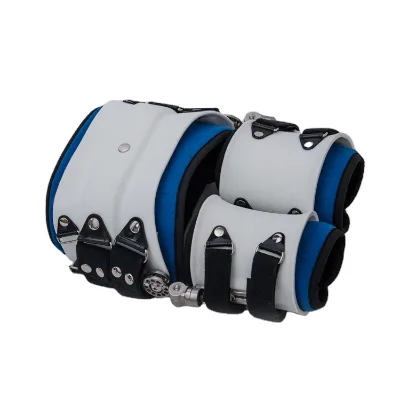
High Quality Class I Orthopedic Orthosis Hinged Hip Abduction Brace for Lower Limb
$81.50 - $83.00
MOQ: 100 pieces
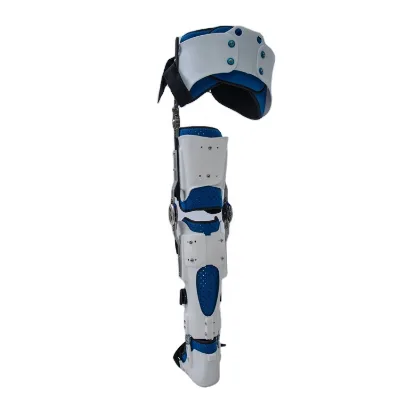
Factory Priced Orthosis of Good Quality Class I Hip Abduction Extension Appliance
$64.60 - $66.00
MOQ: 10 pieces
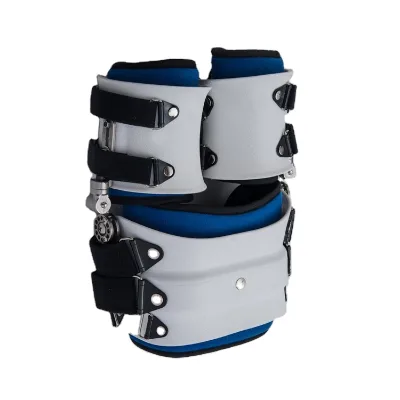
Wholesale Factory Price Class I Hip & Knee Foot Orthosis Dislocation Instrument for Orthopedic Care
$83.9563 - $85.3979
MOQ: 10 pieces
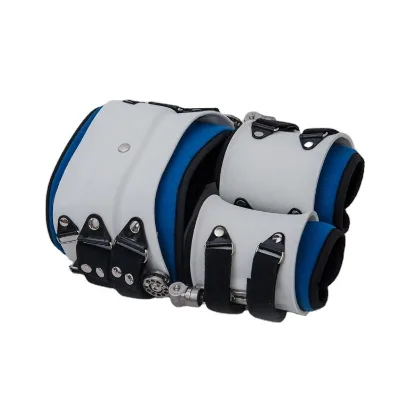
$84.2003 - $85.7497
MOQ: 10 pieces
Hebei Jiewo Medical Instrument Co., Ltd.
- Trading Company
- Hebei, China
- Lead time5 days
- Avg. response≤ 3h
Main productsmaternity support,lumbar support,tourmaline magnetic,crutch,arm sling
Main marketsNorth America(40.00%), South America(20.00%), Eastern Europe(15.00%), Domestic Market(5.00%)

Hangzhou Kebo Orthopedic Rehabilitation Equipment Co.,Ltd
- Verified by SGS
- Combined
- China Zhejiang
- Lead time30 days
- Avg. response≤ 9h
Main productsSpine Orthosis, Orthosis Accessories, Upper Limb Orthosis, Lower Limbs Orthosis
Main marketsSoutheast Asia/ Mideast,Europe

Orthoease Pediatric Hip Abduction Support Brace with Extended Warranty Protection
$39.00 - $52.00
MOQ: 1 Pieces


Adjustable Pediatric Orthosis for Hip Joint Dislocation Recovery Have CE
$16.50 - $22.00
MOQ: 1 Pieces

Xiamen Huakang Orthopedic Co., Ltd.
- Verified by TüVRheinland
- Manufacturer, Trading Company
- Lead time45 days
- Avg. response≤ 1h
Main productsOrthopedic Braces
Main marketsNorth America(84%), Western Europe(12%), Africa(2%)
Comprehensive Sourcing Guide
Hip Abduction Orthosis Supplier Concentration and Factory Types
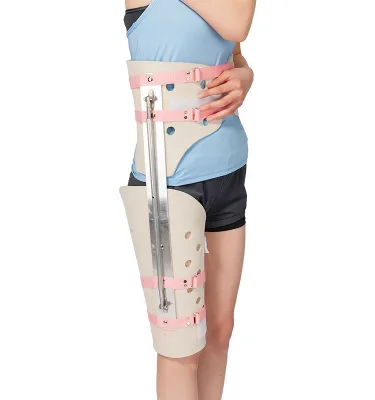
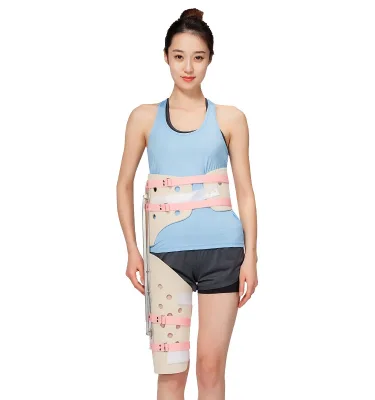
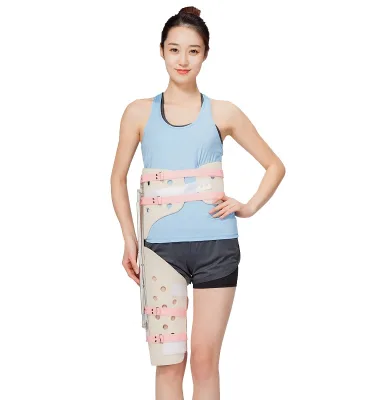
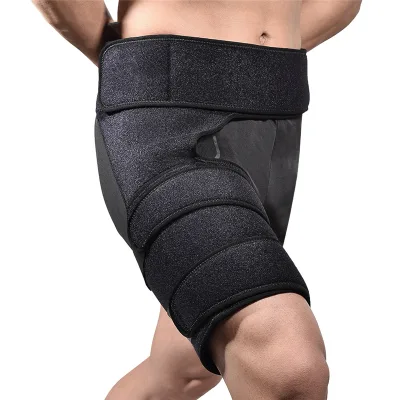
Suppliers of the Hip Abduction Orthosis category visible in current results cluster in China, with Hebei and Fujian provinces both represented. Hebei-based companies in this listing present as trading companies specializing in prosthetic feet, knee joints, orthoses and artificial limbs, alongside hip orthosis products such as children's hip abduction hinges and orthopedic hip joints. Fujian-based entries combine trading company, manufacturer/factory and group corporation designations, with a main-product line centered on orthotic braces including hip abduction braces, cervical collars and post-op shoes. A third entry positions itself as both manufacturer and trading company focused on prosthetic legs, arms and prosthetic equipment, holding ISO 13485 as a system certification.
This mix matters when you shortlist. Pure trading companies in this category may broker across prosthetic and orthotic product families, while manufacturer-designated entries may offer OEM and ODM capability and in-house tooling for hinged abduction mechanisms, adjustable telescoping joints and pediatric sizing. Note that a single supplier can hold multiple designations, so treat company type as a starting signal rather than proof. Because a search page only shows the suppliers returned at that moment, do not assume cluster composition is fixed. To identify clusters yourself, filter search results by location, group suppliers by main-product keywords such as orthosis, brace and prosthetic parts, then compare how many entries per region carry factory designations and verifiable certifications before committing to a region-specific sourcing strategy.
How to Verify Hip Abduction Orthosis Suppliers
Verification signals displayed in this category include third-party audit badges and management-system certifications. Examples from the current results: one Hebei supplier shows TÜV Rheinland verification, a Fujian supplier shows SGS verification with ISO 13485 among multiple listed system certifications (including OHSAS 18001, GMP and HACCP), and another entry shows Intertek verification with ISO 13485. Product-level certification claims such as CE and ISO appear on individual listings. Treat all of these as claims to confirm: request the certificate numbers, check issuing bodies, and verify scope actually covers orthopedic orthoses rather than unrelated product lines.
Beyond badges, verify operational substance. Ask each candidate how the Hip Abduction Orthosis is produced — in-house assembly, outsourced hinges, or finished-goods trading — and request documentation matching the listing attributes, such as the material specifications (aluminum or stainless steel joints) and stated usage (correcting deformities or fracture fixation). Confirm whether customization is genuinely available, since several listings advertise it, by requesting a modified sample or drawing-based quotation. Test responsiveness before ordering: response times in these results range from about two hours to roughly five hours, and slow pre-sale replies usually predict slower production issue resolution. Finally, verify regulatory fit for your destination market — pediatric versus adult sizing, one-size-fits-all versus S/M/L standards — and ask for declarations of conformity. Any supplier unwilling to document certification, materials or origin should be excluded before pricing discussions begin.
What to Compare Across Hip Abduction Orthosis Suppliers
Build a comparison table using the dimensions these listings actually display. Lead times differ sharply here: one entry quotes around three days, another around fifteen days, and a Fujian supplier around twenty-three days — a spread that can decide your reorder cycle. Response speed varies from roughly two hours to just over five, which affects how quickly drawings, complaints and shipment changes get answered. MOQs range from as low as two units on an adjustable hip orthosis to ten pairs on hip joint fixator models, so match MOQ to your clinic, distributor or retail volumes.
Compare product coverage as well. Some suppliers focus on hip abduction hinges and hip braces in child and adult sizes, while Fujian entries also list post-op shoes, walking boots and spinal braces — useful if you want consolidated orthopedic sourcing. Note price bands where displayed, such as roughly eighteen to twenty-seven dollars on Hebei hinge models and roughly seventeen to fifty dollars on Fujian braces, but treat listed ranges as quotations subject to specification and quantity. Company type, verification badge (TÜV Rheinland, SGS, Intertek), system certification (ISO 13485) and customization capability (OEM/ODM availability) complete the label set. Not every supplier displays every attribute; when a field is missing, request it directly rather than assuming parity. Weight, packing method, model numbers and origin fields on listings are additional data points worth capturing in your comparison sheet.
Common Hip Abduction Orthosis Sourcing Risks
The most frequent risk is certification mismatch. Listings advertise CE, ISO and even ISO 13485, but these may cover the company's quality system rather than each specific Hip Abduction Orthosis SKU. Because this product contacts patients post-surgery or during fracture recovery, importing under an invalid or out-of-scope certificate can block customs clearance or trigger regulatory penalties. Request SKU-level declarations and confirm hinge mechanisms, straps and padding materials against your market's requirements.
Second is sizing and specification risk. This category spans child and adult sizes, one-size-fits-all designs, S/M/L graduated models and adjustable telescoping hip-knee-ankle-foot configurations. Ordering a pediatric abduction hinge when your channel needs adult hip braces — or vice versa — creates dead stock. Weight differences (roughly 460 g for a stainless steel hip joint versus 800 g for an aluminum fixator, or about 1 kg for fabric hip braces) also affect freight costs. Third is design variation risk: externally similar listings may use aluminum versus stainless steel joints, different abduction angle ranges, or different adjustment hardware, so always approve a physical sample with the actual model number. Fourth is supplier-type risk: trading companies may not control hinge production or repair-parts availability. Finally, low MOQs can tempt small trial orders that skip verification entirely. Confirm origin, packing (polybag and carton versus plastic bag), and after-sales support commitments in writing before any deposit.
Hip Abduction Orthosis Regional Sourcing and Logistics
The results here point to two Chinese provinces. Hebei entries emphasize prosthetic components — hip hinges, orthopedic hip joints, external fixators — in metal construction, positioned within a broader prosthetics and artificial limbs product family. Fujian entries emphasize soft-goods orthopedic braces, including hinged hip abduction orthoses for adults and children, post-op shoes and walking boots, with factory and group-corporation structures and OEM/ODM programs. If your evidence supports a cluster, use it: sourcing metal hinges and soft brace assemblies from the same region can simplify consolidated shipping. If your search returns no location data, build the cluster picture yourself by filtering by province, then grouping suppliers by main-product keywords.
Logistically, plan around the stated lead times: approximately three days, fifteen days and twenty-three days appear in these results, and the longest quoted time still allows room for sample approval if you order early. Confirm packing formats — polybag plus safe carton box, plain carton, or plastic bag — since brace products are bulky relative to value and carton choice affects container utilization. Weights between roughly 0.46 kg and 1 kg per unit make air freight feasible for samples and sea freight sensible for volume. Verify the origin field on each listing matches the supplier's stated location, ask whether customization adds lead time beyond the standard quote, and confirm who books freight, handles export documentation and provides packing lists aligned to your SKU-level size breakdown.
Hip Abduction Orthosis Commercial Terms and Order Planning
Commercial terms on these listings give you negotiation anchors. Displayed price bands include roughly $18–20, $20–22, $22–27, $16.90–20.90, $28–35, $30.43–36.52 and $39.90–50.30 depending on model, material and size range — a reminder that aluminum and stainless steel joints, pediatric hinges and fabric hip braces occupy different price tiers. MOQs of two units and ten pairs both appear, so plan first orders at the supplier's stated minimum, then negotiate volume breaks for repeat programs. Several listings state customization is available; expect custom hinges, logos or packaging to carry tooling or setup costs and longer lead times than the standard fifteen to twenty-three days quoted here.
Structure payments defensively regardless of escrow claims: use staged payments tied to sample approval, production completion and pre-shipment inspection, and never release the balance before inspecting hinge function, strap quality and size labeling. Plan orders backward from stated lead times, adding buffer for pediatric size splits (child/adult or S/M/L) that fragment quantities and can extend production. Confirm what "You Can Find Us Any Time" style service promises mean in practice — named contacts, defined response windows and warranty handling for joint failures. For ongoing programs, lock model numbers, materials, packing and origin in a specification annex, and schedule reorders against measured sell-through rather than the supplier's minimum, since abduction orthosis demand is clinical and seasonal patterns vary by market.
Word count check: each section ~228-232; total ≈ 1390 words.
FAQs
What is a Hip Abduction Orthosis used for?
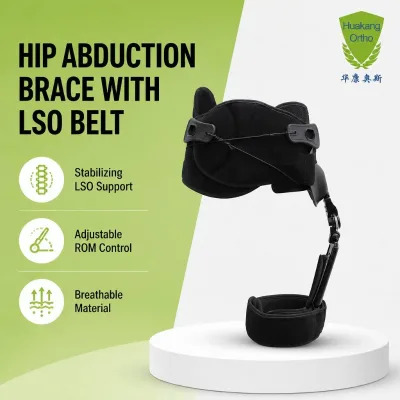
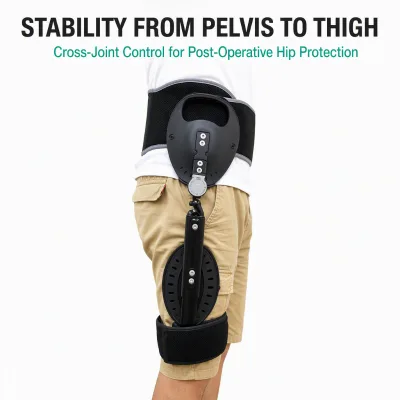
A Hip Abduction Orthosis limits hip movement to keep the joint properly positioned during recovery. Listings on this page describe uses such as fracture fixation, dislocation injury recovery, and correcting deformities in children and adults. Designs range from simple abduction hinges to hinged hip-knee-ankle-foot orthoses. Always confirm the intended medical use with a qualified clinician before purchasing for patient care.
What is the typical minimum order quantity for hip abduction orthoses?
Minimum order quantities vary by product and supplier. Some aluminum and stainless steel orthotic hip joints and hinges on this page list an MOQ of 10 pairs, while one adjustable hip abduction brace lists an MOQ of 2 units. Children's and adult sizes are commonly available. Request the specific MOQ for the exact model you need before ordering, since it can differ between product lines.
How much does a Hip Abduction Orthosis cost?
Listed unit prices on this page range roughly from 18 to 20 US dollars for children's stainless steel hip abduction hinges, 20 to 27 dollars for orthotic hip joints and fixators, 16.90 to 20.90 dollars for adult hinged hip braces, and up to about 50 dollars for adjustable children's braces. Price depends on material, certification, and customization, so request current quotations.
Which materials are commonly used in hip abduction orthoses?
The products shown here are mainly made of stainless steel or aluminum for the joint and hinge components. One aluminum hip orthosis weighs 800 grams, while a stainless steel orthotic hip joint weighs 460 grams. Stainless steel offers corrosion resistance and strength for indoor and outdoor use, while aluminum reduces weight. Ask suppliers for material specifications and biocompatibility details for the exact model.
Can hip abduction orthoses be customized for different patients?
Yes, customization is listed as available on the hip orthosis products in these results. Sizes commonly cover child and adult fittings, and some children's hinges come in S, M, and L sizes, with one adult brace listed as one-size-fits-all. Custom prosthetic and orthopedic configurations are also offered. Confirm adjustable range, sizing charts, and any customization lead time directly with the supplier before ordering.
What certifications should I verify before ordering these devices?
Several products on this page list CE and ISO certification, and some braces list CE, RoHS, and ISO marks. Supplier-level system certifications shown include ISO 13485 and GMP, and third-party verification from bodies such as TUV Rheinland, SGS, and Intertek appears in supplier profiles. Certificates should be current and cover the specific model, so request certificate copies and scope documents before placing an order.
How long does production and delivery take?
Lead times shown in the supplier results range from about 3 days to 15 days and up to 23 days depending on the supplier. Faster turnaround typically applies to standard stocked items, while customized or larger orders may take longer. Response times among listed suppliers range from roughly 2 to 5 hours. Confirm the exact production schedule and shipping method for your order quantity before committing.
What packaging can I expect for shipped hip orthoses?
The product listings describe polybag and safe carton box packing for metal hip joints and hinges, plain cartons for stainless steel abduction hinges, and plastic bag packing for fabric hip braces. Packaging protects hinges and adjustable mechanisms during transit. If you need retail packaging, labeling, or export-grade cartons, discuss those requirements with suppliers early, since packing specifications can affect cost and lead time.