Hip Seat Front And Back Baby Carrier Suppliers and Manufacturers
Source 29 verified suppliers for Hip Seat Front And Back Baby Carrier products. Compare key dimensions including lead times, MOQs, certifications, and response rates. Contact suppliers directly to request quotes and samples for your specific requirements; review the available evidence before requesting comparable quotations from suitable candidates.
Suppliers List

PUYANG SELFAIDING INDUSTRIAL CO., LTD.
- Verified by SGS
- Manufacturer
- China Henan
- Lead time15 days
- Avg. response≤ 3h
Main productsAdult Bib, Pet Pad, Underpad, Baby Bib, Protective Panties, Washable Sanitary Pad, Compression Stockings, Patient Care Clothing, Pet Nest, Pet Toy
Wuhan Huixin Yuzhe Trading Co., Ltd.
- Trading Company
- Hubei, China
- Lead time0 days
- Avg. response≤ 1h
Main productsDolls & Accessories,Doll Accessories,sporting equipment
Main marketsEastern Asia(50.00%), Southern Europe(10.00%), Western Europe(10.00%), Mid East(10.00%)
Tianjin Hifelty Technology Co., Ltd.
- Verified by SGS Group
- Manufacturer, Trading Company
- Lead time15 days
- Avg. response≤ 2h
Main productsStorage Baskets, Other Storage Baskets, Baby Diaper Bags, Laundry Bags & Baskets, Kids' Diaper Bags
Main marketsNorth America(38%), Western Europe(20%), Mid East(10%)
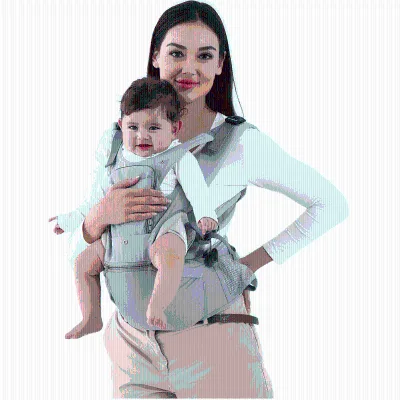
$10.90 - $12.10
MOQ: 100 pieces
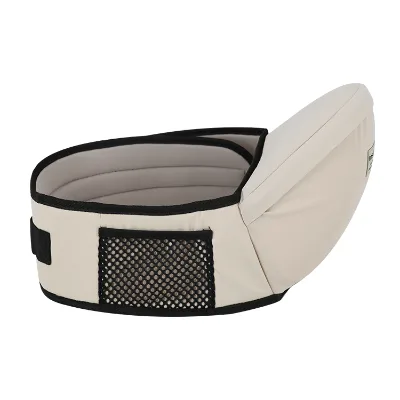
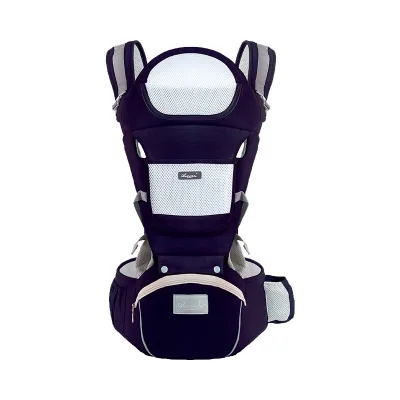
Shenzhen Kayee Fashion Products Co., Ltd.
- Manufacturer, Distributor/Wholesaler
- Guangdong, China
- Lead time0 days
- Avg. response≤ 1h
Main productsMommy Bag,Diaper Backpack Bag,Baby Bag,Baby Carrier,Clutch Changing Pad Mat
Main marketsNorth America(40.00%), Western Europe(15.00%), South America(10.00%), Northern Europe(6.00%), Eastern Europe(5.00%), Central America(5.00%), Oceania(5.00%), Southern Europe(5.00%), Eastern Asia(2.00%), Domestic Market(2.00%), Africa(2.00%), Mid East(1.00%), South Asia(1.00%), Southeast Asia(1.00%)

Cixi Saiturn Leisure Products Co., Ltd.
- Verified by SGS
- Trading Company,Manufacturer/Factory
- China Zhejiang
- Lead time60 days
- Avg. response≤ 3h
Main productsBaby Car Seat, Casino Products, Poker Chip, Poker Table, Bath Tub, Baby Feeding Chair, Poker Chip Set, Baby High Chair, Game Table, Game Set
Main marketsSouth America,Eastern Europe,Mid East,Southeast Asia,Eastern Asia,Western Europe,Africa

Fuzhou Haomin Imp. & Exp. Co., Ltd.
- Verified by SGS
- Manufacturer/Factory
- China Fujian
- Lead time23 days
- Avg. response≤ 4h
Main productsBackpacks, Beach Bags, School Bags, Shopping Bags, Canvas Bags, Sports Bags, Cosmetic Bags, Pet Bags, Cotton Bag, Travel Bag
Main marketsSouth America,Eastern Europe,Mid East,North America,Southeast Asia,Eastern Asia,Oceania,Western Europe,Africa

2-in-1 Convertible Baby Hip Seat Carrier with Removable Support Belt, Baby Carrier
$7.10 - $8.59
MOQ: 500 Pieces


Multi-Position Breathable Baby Carrier with Large Capacity Waist Stool, Baby Carrier
$9.65 - $11.20
MOQ: 500 Pieces

Adjustable Infant Carrier with Waist Stool for Newborn to Toddler, Baby Carrier
$13.55 - $15.40
MOQ: 500 Pieces

Lightweight Hands-Free Baby Carrier with Multiple Carrying Positions, Baby Carrier
$25.49 - $27.99
MOQ: 500 Pieces

Lightweight Cotton Baby Carrier with Multi-Carry Positions for Everyday Use, Baby Carrier
$11.99 - $13.75
MOQ: 500 Pieces

Qinhuangdao Aolai Trading Company
- Trading Company
- China Hebei
- Lead time0 days
- Avg. response≤ 3h
Main productsPackaging Bag, Accessory, Craft, Sporting and Outdoor Equipment, Fishing Gear
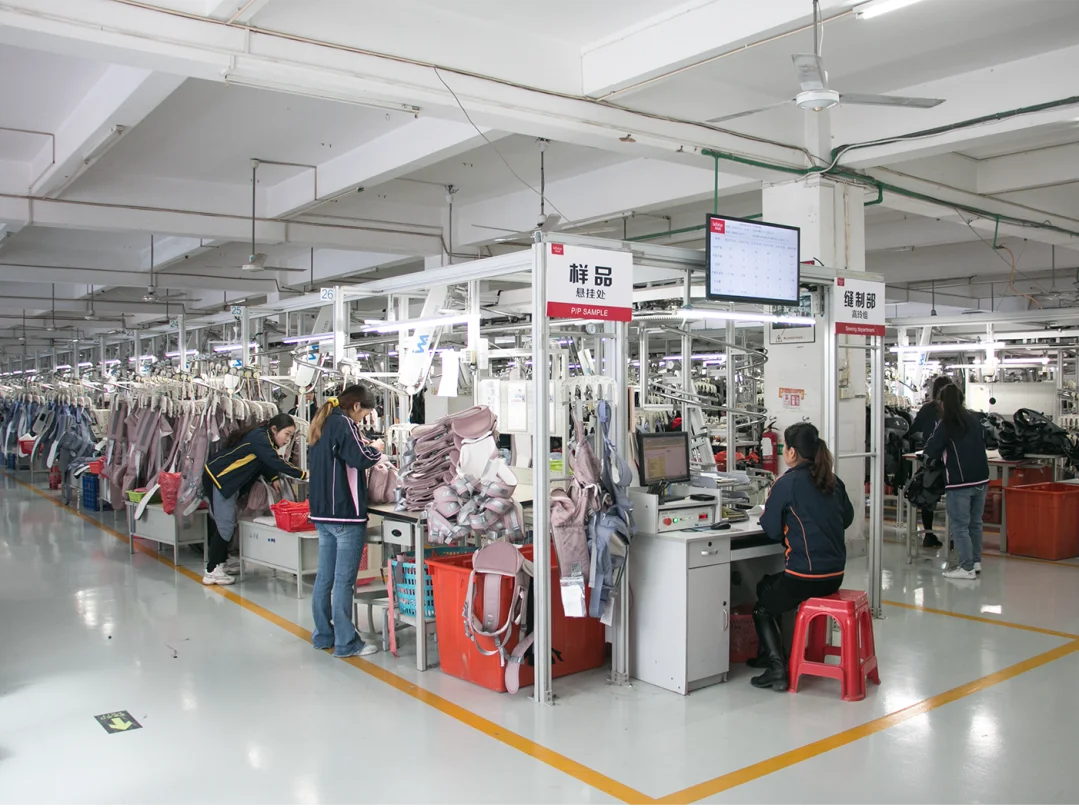
Jinjiang Carnival Baby Products Co., Ltd.
- Manufacturer, Trading Company
- Fujian, China
- Lead time35 days
- Avg. response≤ 13h
Main productsBaby Carrier,Baby Wrap,Baby Hipseat Carrier,Baby Bed,Diaper Bag
Main marketsDomestic Market(66.85%), Southern Europe(10.99%), Northern Europe(9.16%), Southeast Asia(5.95%), South America(4.58%), Eastern Asia(0.92%), Eastern Europe(0.37%), North America(0.28%), Western Europe(0.27%), Mid East(0.27%), South Asia(0.18%), Oceania(0.09%), Africa(0.09%)
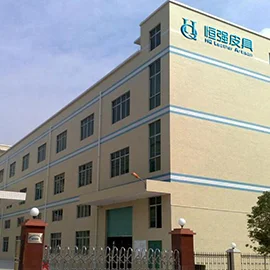
Dongguan Hengqiang Leather Goods Co., Ltd.
- Manufacturer, Trading Company
- Guangdong, China
- Lead time35 days
- Avg. response≤ 5h
Main productsBackpack; Handbag; Garment Bag; Apron; Play Mat
Main marketsNorth America(60.00%), Oceania(15.00%), Western Europe(5.00%), South America(5.00%), Eastern Asia(5.00%), Mid East(5.00%), Eastern Europe(5.00%)
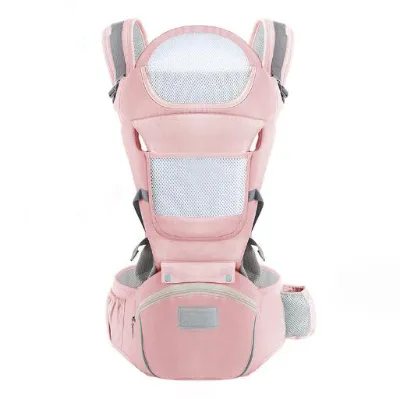
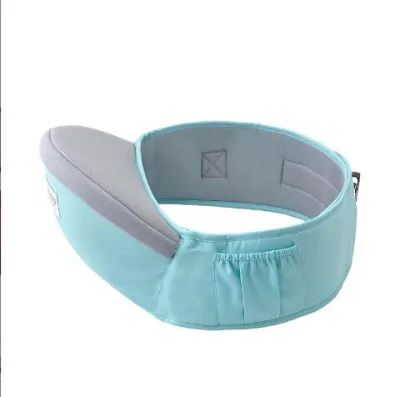
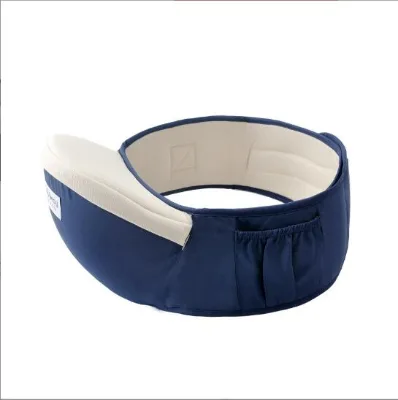
$6.91 - $7.22
MOQ: 10 pieces
Jinhua Ivy Home Textile Co., Ltd.
- Manufacturer, Trading Company
- Lead time旺季: "1 - 1000":35,"> 1000":"To be negotiated", 淡季: "1 - 1000":35,"> 1000":"To be negotiated"
- Avg. response≤ 2h
Main productsBaby Products

Ningbo Jiangbei Ringlong Import & Export Co., Ltd.
- Verified by BV
- Combined
- China Zhejiang
- Lead time23 days
- Avg. response≤ 2h
Main productsKitchenware, Textile, Memory Foam Series, Household Items, Outdoor Products, Packing Box, Air Conditioning System, TV Products, Fitness, Baby Products
Main marketsEurope

Handan Wuxin Medical Devices Co., Ltd.
- Verified by TUVRHEINLAND
- Trading Company
- China Fujian
- Lead time15 days
- Avg. response≤ 2h
Main productsKnee Brace, Back Brace, Neck Brace, Waist Trainer, Body Shaper, Sportswear, Posture Corrector, Sexy Lingerie, Orthopedic Products, Gym Equipment
Main marketsEurope

Breathable and Comfortable Baby Backpack Soft Hip Seat Safe and Cheap Baby Carrier
$7.99 - $8.99
MOQ: 50 Pieces

Multi-Functional Four Seasons Universal Baby Sling Wrap Baby Hip Seat Carrier Baby Carrier
$2.99 - $8.99
MOQ: 50 Pieces
Shijiazhuang Youqihui Import And Export Trading Co., Ltd.
- Verified by SGS Group
- Trading Company
- Lead time7 days
- Avg. response≤ 1h
Main productsLumbar Support Belt, Knee Brace
Main marketsNorth America(40%), Eastern Asia(15%), Oceania(15%)

Hengshui Jingkang Medical Device Co., Ltd.
- Manufacturer, Trading Company
- Hebei, China
- Lead time5 days
- Avg. response≤ 5h
Main productsmaternity support,lumbar support,tourmaline magnetic,crutch,arm sling
Main marketsNorth America(40.00%), South America(20.00%), Eastern Europe(15.00%), Domestic Market(5.00%)
Hebei Jiewo Medical Instrument Co., Ltd.
- Trading Company
- Hebei, China
- Lead time5 days
- Avg. response≤ 2h
Main productsmaternity support,lumbar support,tourmaline magnetic,crutch,arm sling
Main marketsNorth America(40.00%), South America(20.00%), Eastern Europe(15.00%), Domestic Market(5.00%)
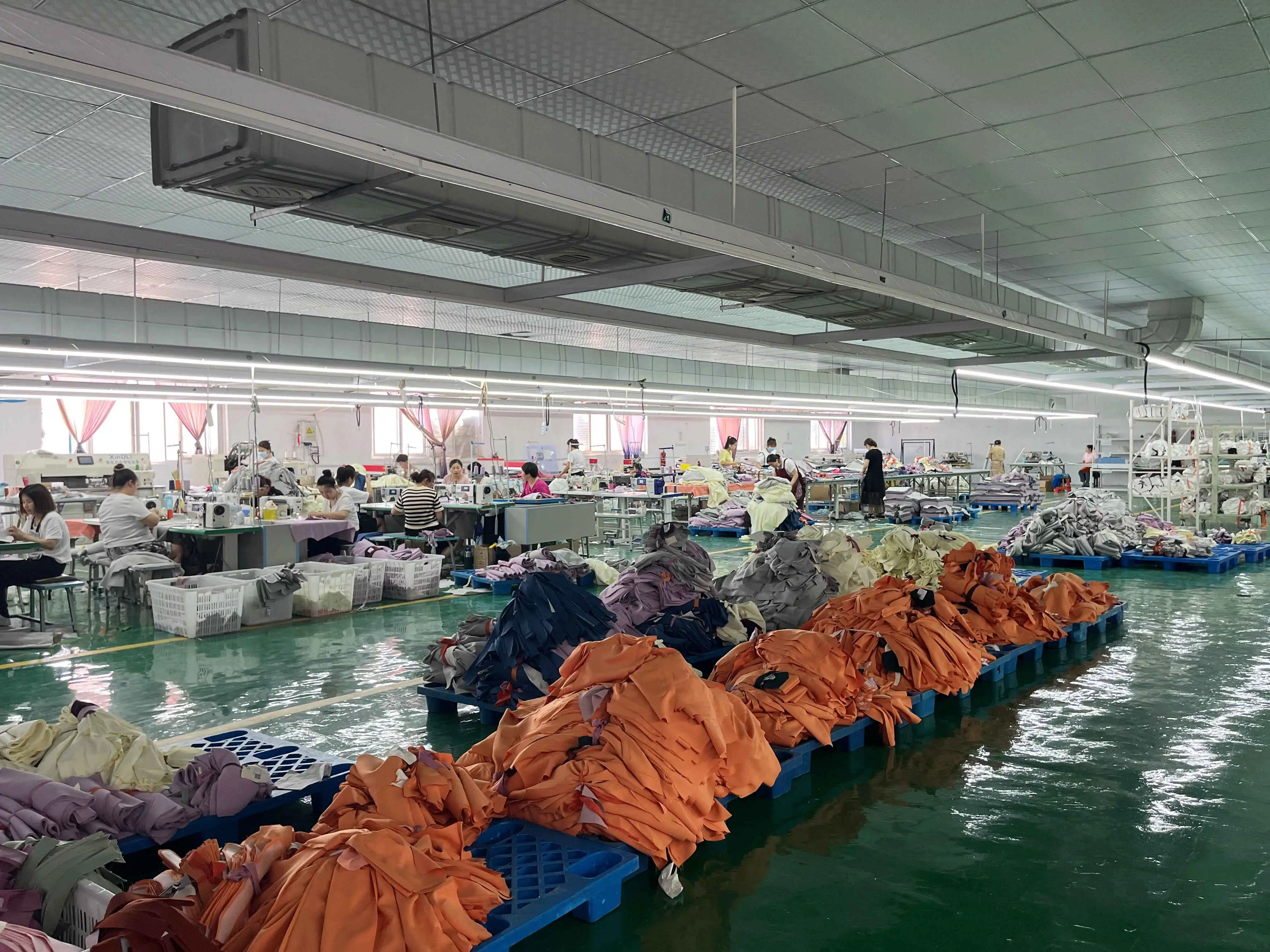
Yiwu Keqin Baby Products Factory
- Manufacturer, Trading Company
- Zhejiang, China
- Lead time0 days
- Avg. response≤ 2h
Main productsbaby carrier,baby walking assistant,Mommy bag,Children's anti-lost rope,Baby sleeping bag
Main marketsSoutheast Asia(10.00%), Domestic Market(5.00%), South Asia(5.00%), Southern Europe(5.00%), Northern Europe(5.00%), Central America(5.00%), Western Europe(5.00%), Eastern Asia(5.00%), Mid East(5.00%), Oceania(5.00%), Africa(5.00%), North America(5.00%), Eastern Europe(5.00%), South America(5.00%)
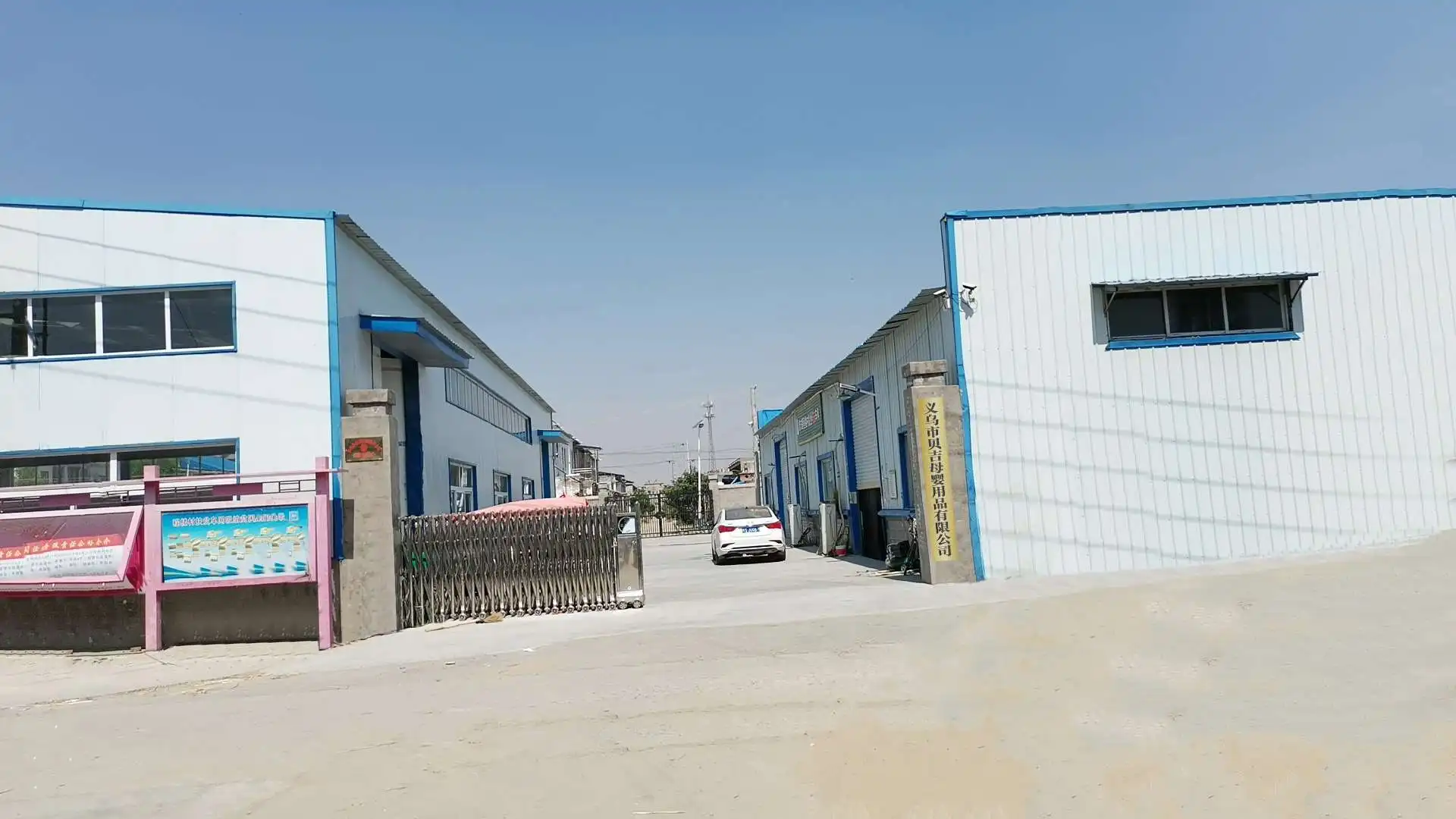
Yiwu Beiji Maternal And Child Products Co., Ltd.
- Manufacturer, Trading Company
- Zhejiang, China
- Lead time25 days
- Avg. response≤ 5h
Main productsDiaper Bag,Mommy Bag,Baby Carrier
Main marketsAfrica(40.00%), North America(15.00%), South America(15.00%), Western Europe(10.00%), Eastern Europe(10.00%), Southeast Asia(10.00%)
Jinhua Ivy Home Textile Co., Ltd.
- Manufacturer, Trading Company
- Lead time旺季: "1 - 2":15,"3 - 20000":30,"> 20000":"To be negotiated", 淡季: "1 - 2":15,"3 - 20000":30,"> 20000":"To be negotiated"
- Avg. response≤ 2h
Main productsBaby Products

Jinjiang Jiaxing Import and Export Co., Ltd.
- Verified by CTI
- Manufacturer/Factory
- China Fujian
- Lead time120 days
- Avg. response≤ 1h
Main productsShoes, Slipper, Clothes, Promotion Gifts, Silicone Products, Outdoor Sports Products, Bags, Fashion Accessories, Consumer Electronics
Main marketsSouth America,Eastern Europe,Mid East,North America,Southeast Asia,Eastern Asia,Oceania,Western Europe,Africa
Henan Le Shu Electronic Commerce Limited
- Verified by TüVRheinland
- Trading Company
- Lead time25 days
- Avg. response≤ 1h
Main productsBaby Stroller, Baby Crib, Baby Dining Chair, Baby Rocker, Pet Stroller
Main marketsWestern Europe(35%), North America(31%), Southeast Asia(10%)
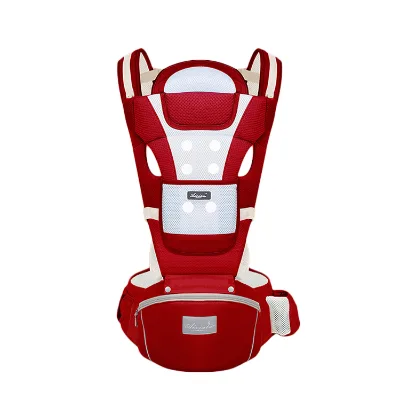
$5.50 - $15.00
MOQ: 500 Minimum
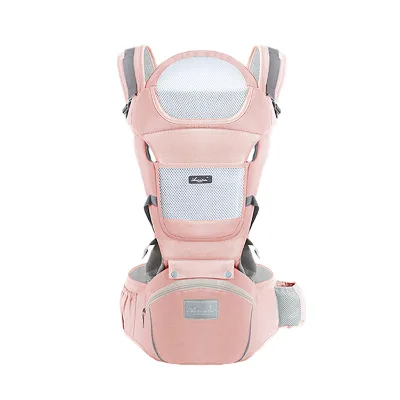
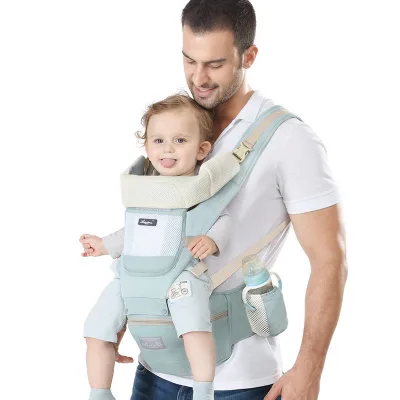
- Verified by Intertek
- Manufacturer, Trading Company
- Guangdong, China
- Lead time30 days
- Avg. response≤ 8h
Main productsSolar Bag, Led Signal Bag , Diaper Bag, Baby Carrier, Bag
Main marketsNorth America(62%), Western Europe(21%), Domestic Market(7%)
Yiwu Comeon Household Goods Co., Ltd.
- Verified by SGS Group
- Trading Company
- Lead time0 days
- Avg. response≤ 7h
Main productsDiaper Bag Backpack/ Pet Backpack/ Pet Bed
Main marketsNorth America(50%), Western Europe(30%), Eastern Asia(20%)
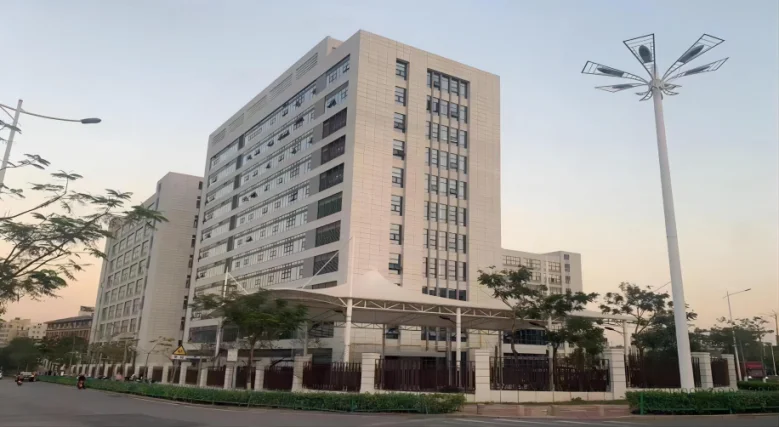
Xiamen Denzo Industrial Co.,ltd.
- Manufacturer
- Fujian, China
- Lead time45 days
- Avg. response≤ 4h
Main productsbaby carrier,baby wrap,hip seat carrier,diaper bag,babynest
Main marketsNorth America(70.00%), Northern Europe(20.00%), Domestic Market(10.00%)

Kunshan Cool Kids Business Co., Ltd.
- Trading Company
- China Jiangsu
- Lead time45 days
- Avg. response≤ 25h
Main productsBaby Stroller, Playard, Car Seat, Baby Buggy, Travel System, Baby Bed, Baby Dinner Chair, Cradle
Main marketsSouth America,Africa,Southeast Asia/ Mideast,East Asia(Japan/ South Korea),Domestic,Europe


Portable Foldable Canopy Infant Baby Car Seat Baby Carrier Baby System
$16.90 - $17.90
MOQ: 100 Pieces
Henan Ibel Mum & Baby Products Co., Ltd.
- Trading Company
- Henan, China
- Lead time15 days
- Avg. response≤ 2h
Main productsBaby Nest,Baby Pillow,Baby Play Mat,Baby Mosquito Net,Baby Sofa Chair
Main marketsNorth America(30.00%), Eastern Europe(15.00%), Southeast Asia(10.00%), South America(10.00%), Africa(7.00%), Southern Europe(5.00%), Northern Europe(5.00%), Western Europe(5.00%), Mid East(5.00%), Oceania(5.00%), South Asia(2.00%), Eastern Asia(1.00%)

Zhongshan Evaster Children's Products Co., Ltd
- Verified by SGS
- Combined
- China Guangdong
- Lead time30 days
- Avg. response≤ 3h
Main productsBaby Stroller/Buncer/Rocker/Swing/Highchair, Kids' and Adults' Scooters/Stunt Scooter, Pet Stroller, Hook on Chair, Stroller Rain Covers Foot Muffs Mommy Bags Cu, Indoor Kids' Play Trampoline, Baby Multi-Functional Activity Gym, Nursing Pillow, Kids' Pogo Stick
Main marketsEast Asia(Japan/ South Korea),Europe,North America


$8.90 - $11.90
MOQ: 1000 Pieces

Factory High Quality Newest Type Seasons with Hip Seat Baby Backpack Carrier
$9.00 - $10.50
MOQ: 500 Pieces


Factorybaby Wrap Carriers Waist Stool Walker Hipseat with Lumbar Support
$9.00 - $10.50
MOQ: 500 Pieces

- Trading Company
- China Zhejiang
- Lead time30 days
- Avg. response≤ 11h
Main productsHome Appliance, Cookware Set, Thermos, Home Storage, Furniture, Pet Supplies, Garden Tools, Outdoor Supplies, Baby Supplies, Houesehold Items
Main marketsSouth America,Africa,Southeast Asia/ Mideast,East Asia(Japan/ South Korea),Domestic,Europe,Australia,North America


Baby Hip Seat Carrier Baby Waist Stool for Child Infant Toddler with Adjustable Strap
$5.30 - $5.45
MOQ: 1000


Shijiazhuang Cearth Imp & Exp Co., Ltd.
- Trading Company
- Hebei, China
- Lead time15 days
- Avg. response≤ 3h
Main productsSport Protective Gear,Bodyshaper,Socks,Waist Trainer,Belly Belt
Main marketsNorth America(30.00%), Eastern Europe(20.00%), South America(20.00%), Southeast Asia(10.00%), Western Europe(8.00%), Eastern Asia(3.00%), Africa(3.00%), Oceania(2.00%), South Asia(1.00%), Mid East(1.00%), Southern Europe(1.00%), Central America(1.00%)

Jinjiang Jiaxing Supply Management Co., Ltd.
- Verified by TUVRHEINLAND
- Trading Company
- China Fujian
- Lead time30 days
- Avg. response≤ 1h
Main productsEVA Clogs, Flip Flop, Shoe Charms, Shopping Bags, Wristbands, Gifts, Promotional Gifts, Slipper, Sport Cap, Ball
Main marketsNorth America


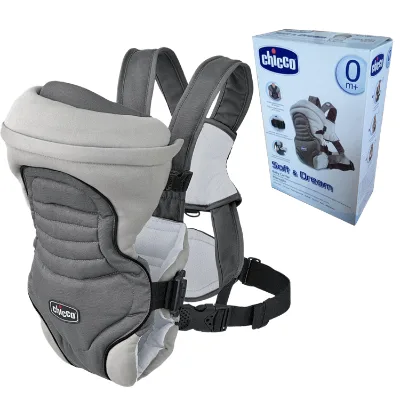
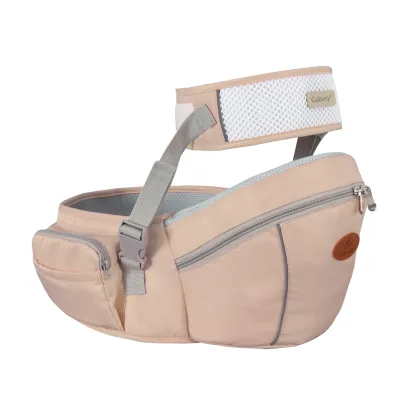
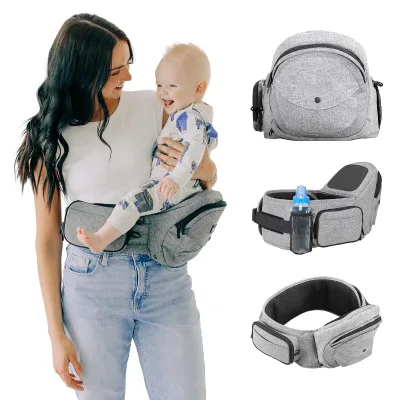
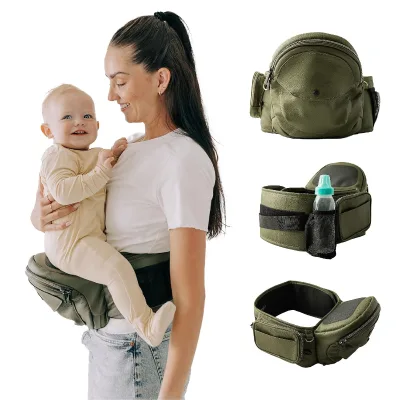
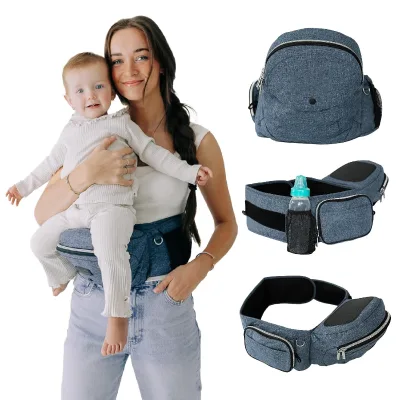


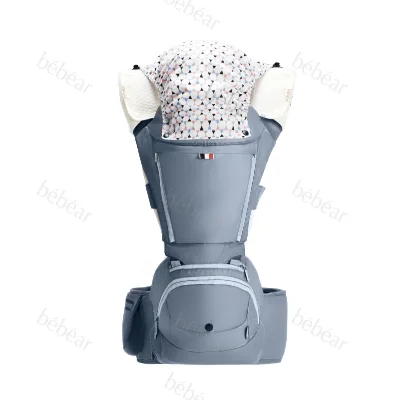
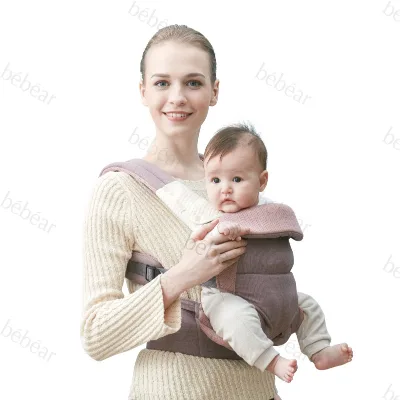
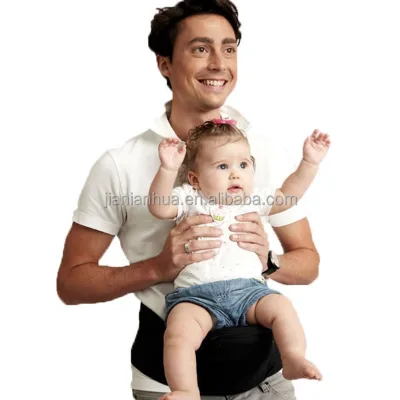
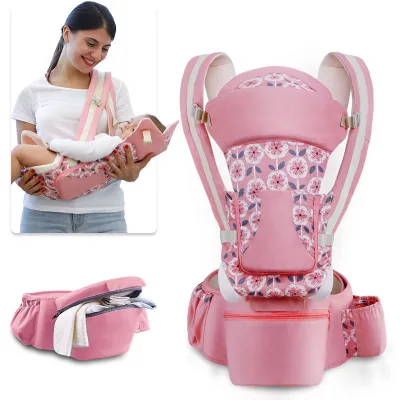
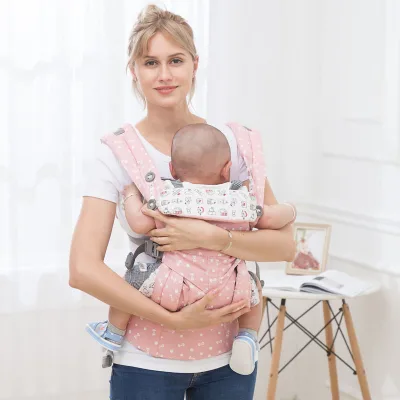
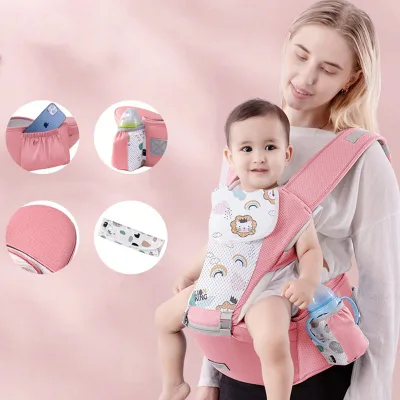
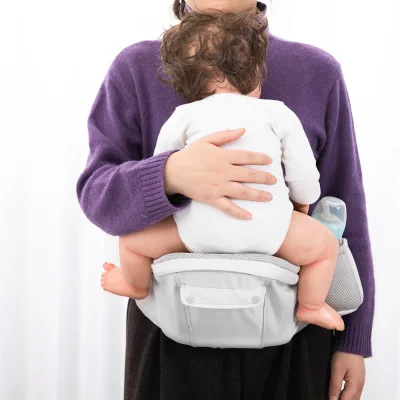
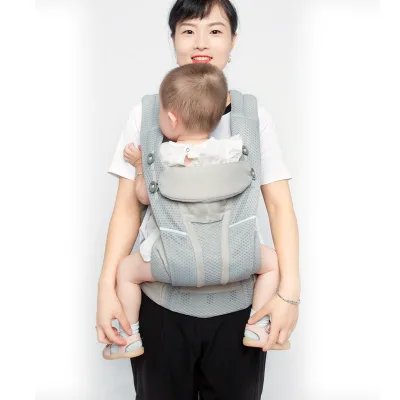


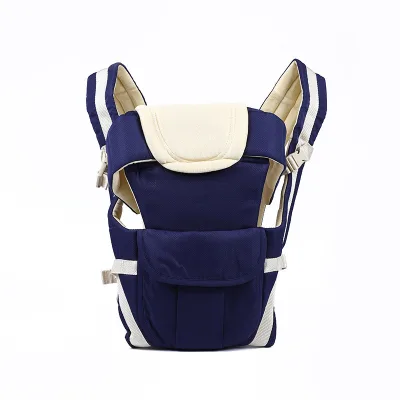
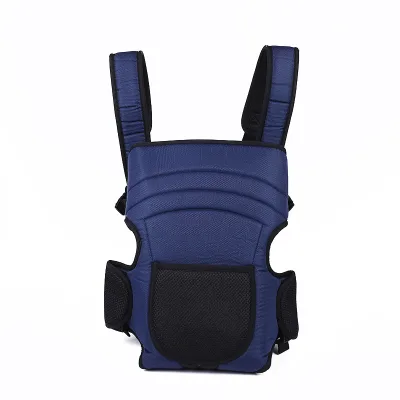
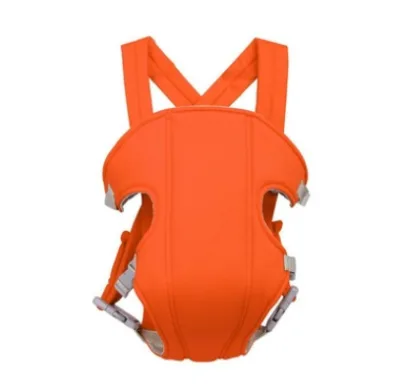
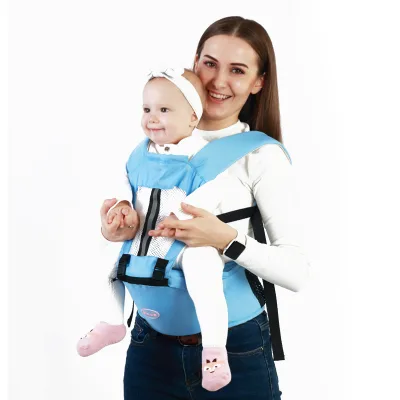
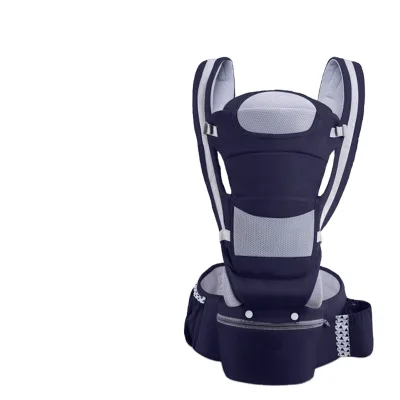
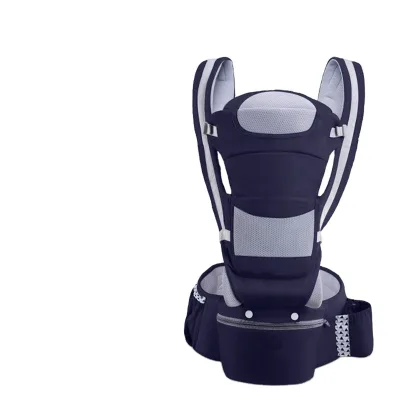
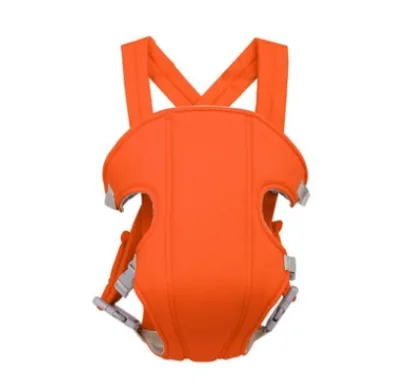
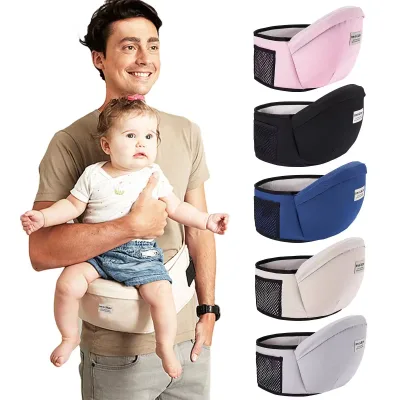
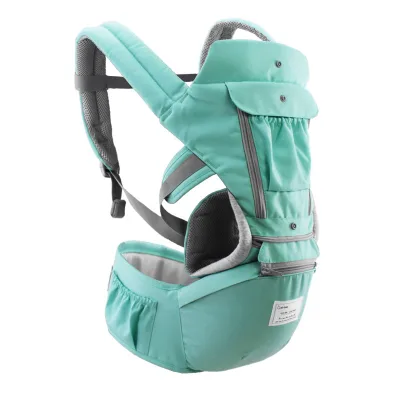
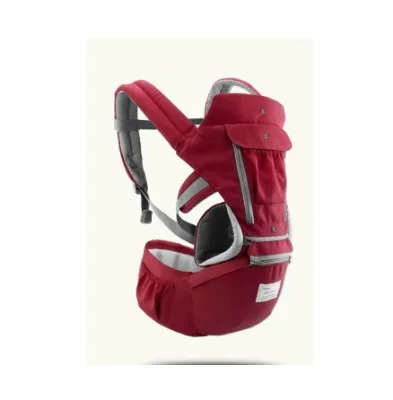
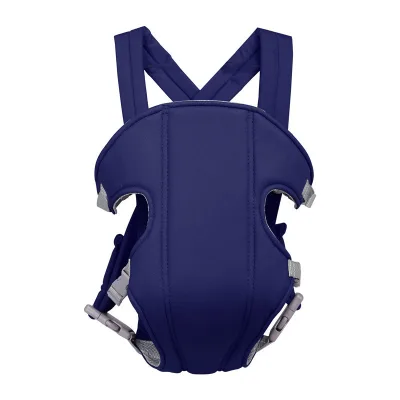
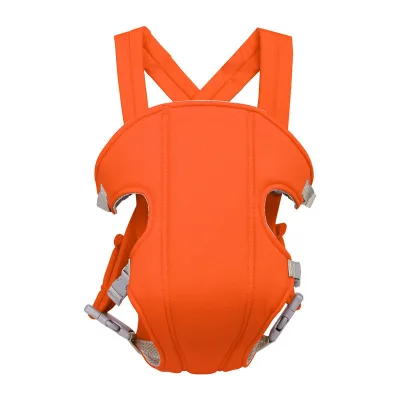
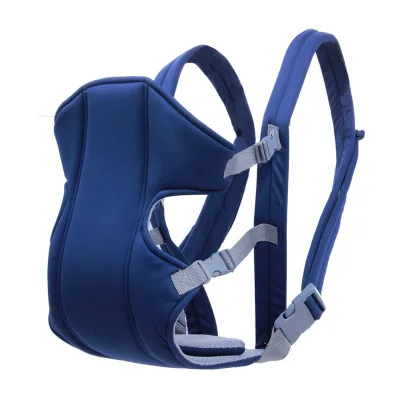
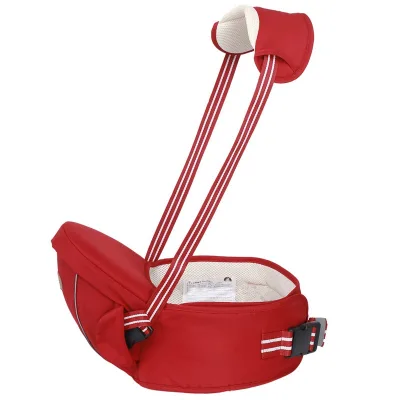
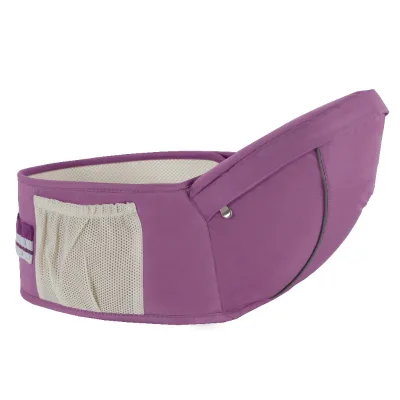


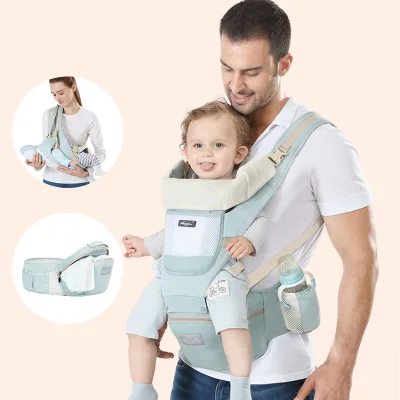
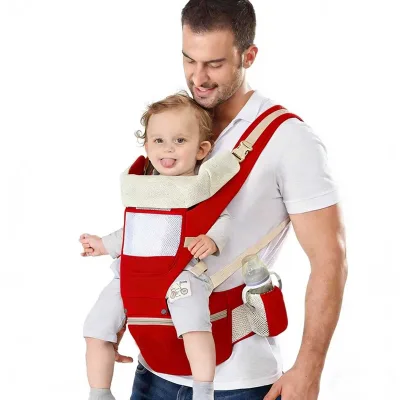
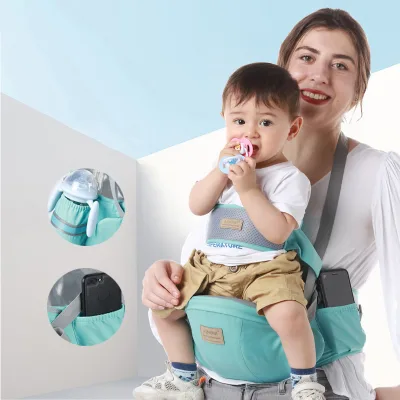
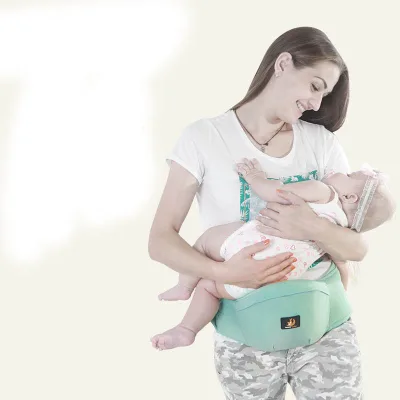
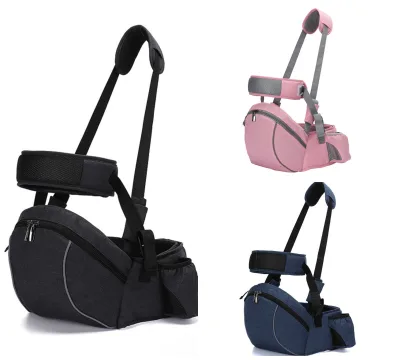
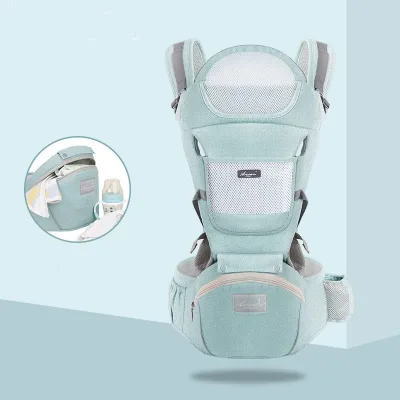
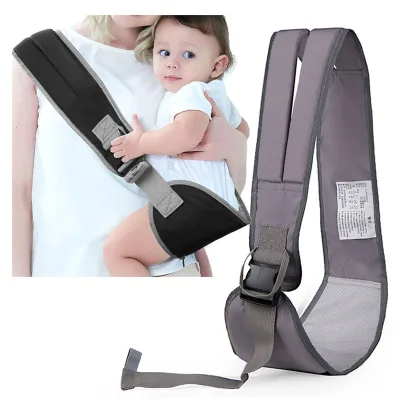
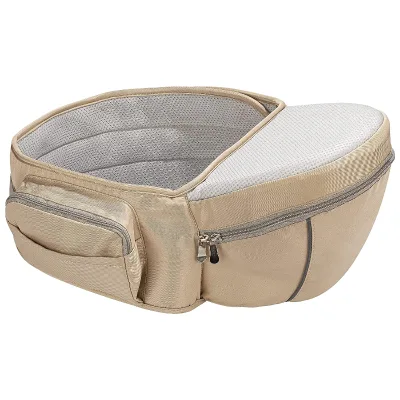
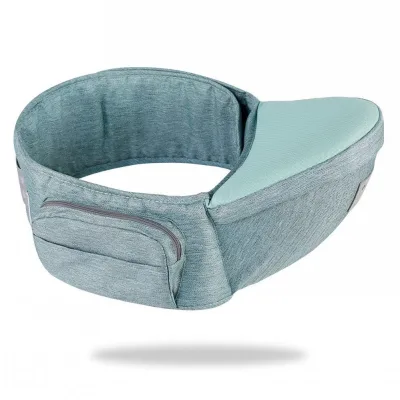
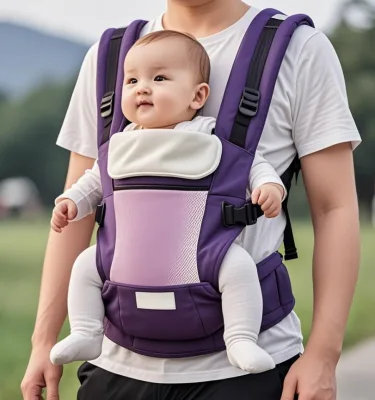
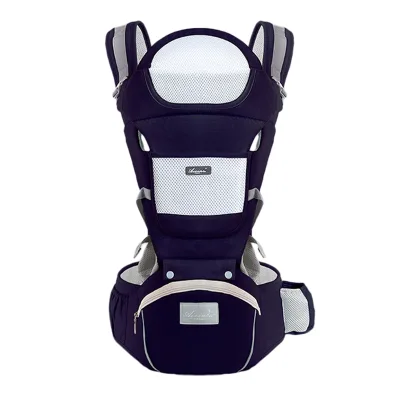
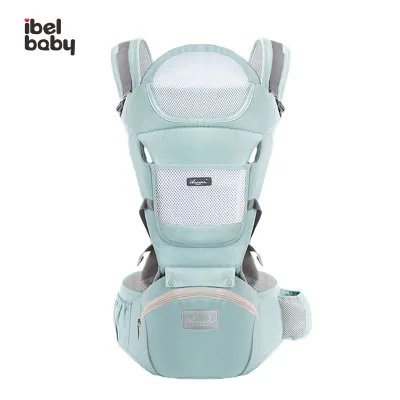
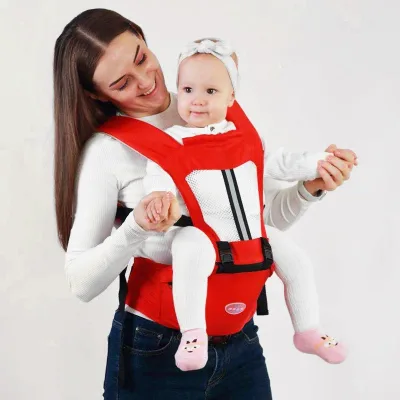
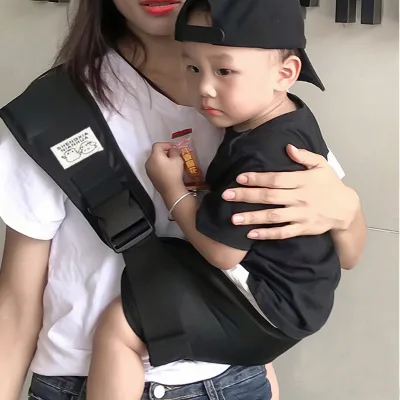


Comprehensive Sourcing Guide
Hip Seat Front And Back Baby Carrier Supplier Concentration and Factory Types
Current data indicates a concentration of manufacturing activity in Henan, China, where suppliers list main products including adult bibs, pet pads, and protective clothing alongside baby carriers. These entities are identified as manufacturers with ODM and OEM capabilities, suggesting they possess the internal capacity to customize designs for specific market needs. The presence of ISO9001:2015 certification and SGS verification among these suppliers provides a baseline for quality management systems, though buyers must confirm if these certifications specifically cover the baby carrier production lines.
In contrast, other regions such as Hubei and Hebei host a mix of trading companies and manufacturers. Suppliers in these areas may offer different product portfolios, such as dolls, sporting equipment, or storage baskets, alongside baby carriers. Some listings indicate a trading company structure, which can affect the directness of communication and the ability to inspect the factory floor. Buyers should verify whether a supplier is a direct manufacturer or a trading intermediary, as this distinction impacts the control over production schedules and the ability to negotiate custom specifications for the hip seat mechanism.
How to Verify Hip Seat Front And Back Baby Carrier Suppliers
Verification processes should prioritize checking for third-party audit reports like SGS, which appears in the current supplier data as a verification status for certain manufacturers. Buyers must request current certificates to ensure that ISO9001:2015 or specific product safety standards like CPC are active and valid for the specific models being sourced. It is critical to confirm that the certification covers the specific materials used, such as polyester, cotton, or aluminum alloy frames, rather than just a general company-level approval.
Response time is another critical metric for verification, with observed data showing response times ranging from 1 to 2.72 hours. A faster response time often correlates with a more active sales team and better communication channels, which is essential for resolving technical queries about the hip seat design or load-bearing capacity. Buyers should test communication channels before placing orders to ensure that the supplier can provide detailed product attributes, such as the specific model numbers like BC-6703 or BW-2117, and confirm the origin of the goods, which may vary between Zhejiang, Shaanxi, or Hebei.
What to Compare Across Hip Seat Front And Back Baby Carrier Suppliers
When comparing suppliers, lead time is a primary differentiator, with observed data showing a standard lead time of 15 days for some manufacturers, while others list zero days, which may indicate stock availability or a specific fulfillment model. Buyers must clarify if the zero-day lead time applies to ready-to-ship items or if it represents a processing time that excludes shipping. Additionally, Minimum Order Quantity (MOQ) varies significantly, ranging from as low as 2 pieces for certain trading companies to 300 pieces for manufacturers, requiring buyers to align their order volume with the supplier's production capacity.
Product specifications and pricing structures also require detailed comparison across the supplier base. Prices for similar hip seat carriers can range from approximately $4.52 to over $13.13, depending on materials like 100% cotton versus polyester blends and features such as aluminum alloy frames. Buyers should compare the material composition, load-bearing limits, and age group suitability, as some products support up to 20kg while others are rated for 15kg. The packaging standards, such as 1 PCS/OPP Polybag, should also be verified to ensure they meet the buyer's retail requirements.
Common Hip Seat Front And Back Baby Carrier Sourcing Risks
One significant risk involves the discrepancy between the claimed place of origin and the actual manufacturing location. While some products list Zhejiang as the origin, others specify Shaanxi or Hebei, and the main product lists for suppliers may include unrelated categories like dolls or storage baskets. This diversification can indicate a trading company rather than a specialized factory, potentially leading to inconsistencies in quality control for the baby carrier line. Buyers must ensure that the specific factory producing the carrier is the same entity providing the certification and verification documents.
Another risk relates to the accuracy of product attributes and safety standards. Some listings show generic model numbers like "no" or "001," which may suggest a lack of standardized production tracking. Furthermore, while certifications like CPC and REACH are listed, buyers must verify if these apply to the specific hip seat model or if they are general company credentials. The variation in load-bearing claims, from 15kg to 20kg, requires independent testing to ensure the hip seat mechanism and frame materials can safely support the stated weight without failure during use.
Hip Seat Front And Back Baby Carrier Regional Sourcing and Logistics
Regional sourcing strategies must account for the specific locations identified in the supplier data, such as Henan, Hubei, and Hebei, which may have different logistical advantages depending on the buyer's destination. Suppliers in Henan are noted for their manufacturing capabilities, while those in Hebei and Hubei may offer different product mixes including storage baskets or dolls. Buyers should assess the proximity of the factory to major shipping ports to estimate transit times and freight costs, as the origin location directly influences the supply chain efficiency.
Logistics planning should also consider the packaging specifications provided in the product evidence, such as single package sizes of 50X55X50 cm or 30X25X20 cm. These dimensions affect the number of units that can be loaded into a container, impacting the overall cost per unit. Buyers need to calculate the volume based on the specific model's packaging, whether it is a single OPP polybag or a larger carton, to optimize shipping. Additionally, the weight of the product, ranging from 0.650 kg to 4.000 kg per unit, must be factored into freight calculations to avoid unexpected surcharges.
Hip Seat Front And Back Baby Carrier Commercial Terms and Order Planning
Commercial terms should be negotiated with a clear understanding of the MOQ and pricing tiers observed in the data. With MOQs ranging from 2 to 300 pieces, buyers must determine if they can meet the minimum threshold or if they need to consolidate orders with other buyers to access lower price points. The price range of $4.52 to $13.13 suggests that material quality and feature complexity drive costs, so buyers should request detailed breakdowns to understand the value proposition of higher-priced models with aluminum frames or specific cotton blends.
Order planning must incorporate the lead times and response times to ensure timely delivery. A lead time of 15 days is standard for some manufacturers, but buyers should confirm if this includes production and packaging or just the manufacturing phase. Response times of 1 to 2.72 hours indicate the level of service, but buyers should establish clear communication protocols for order updates and quality inspections. It is also essential to verify if the supplier offers escrow services or other payment protections to mitigate risks associated with large orders or custom production runs.
FAQs
What is the typical lead time for baby carriers?
The typical lead time for these products is 15 days based on available manufacturer data. Some suppliers may offer faster turnaround times, but 15 days is the standard duration observed for production and shipping preparation in the current results.
What are the minimum order quantities for these carriers?
Minimum order quantities vary significantly by supplier and product model. Some listings require as few as 2 units, while others set the threshold at 300 pieces. Buyers should verify the specific MOQ for their chosen model before placing an order.
Which materials are commonly used for these carriers?
Common materials include polyester, cotton, and blends of both. Some models feature aluminum alloy frames while others use plastic frames. The specific material composition depends on the product model and the manufacturer's design specifications for durability and comfort.
Are these suppliers verified by third-party agencies?
Yes, several suppliers in the results are verified by SGS or SGS Group. This verification adds a layer of trust regarding their business operations and product quality standards, ensuring they meet specific industry requirements for manufacturing and trading companies.
What certifications do these baby carriers hold?
Certifications include ISO9001:2015 for quality management and CPC for children's products. Some suppliers also hold CE, REACH, and specific safety standards like 16 CFR 1501. Buyers should confirm which certifications apply to their specific product requirements.
Where are these manufacturers located?
Manufacturers are located in various regions including Henan, Hubei, Zhejiang, Hebei, and Shaanxi in China. The specific location affects shipping logistics and lead times, so buyers should check the origin details for each supplier to plan their supply chain effectively.
What is the price range for these carriers?
Prices range from approximately 4.52 to 13.14 USD per unit depending on the model and material. Factors like load-bearing capacity, frame material, and customization options influence the final cost. Buyers should compare specific listings for accurate pricing.
How quickly do suppliers respond to inquiries?
Response times vary, with some suppliers responding within 1 hour and others taking around 2.72 hours. Fast response times indicate active sales teams ready to assist with customization requests and order processing, ensuring smoother communication throughout the sourcing process.