Infant Care Baby Potty Suppliers and Manufacturers
Explore 27 verified options for Infant Care Baby Potty products from manufacturers and trading companies in Zhejiang, China. Compare certifications like EN 71, response times, lead times, and pricing to find suitable suppliers. Contact suppliers directly to request samples or customizations.
Suppliers List
Taizhou Eiffel Mould & Plastic Co., Ltd.
- Verified by SGS Group
- Manufacturer, Trading Company
- Lead time45 days
- Avg. response≤ 4h
Main productsBaby Chair, Bath Tub/Baby Potty/Baby Products
Main marketsSouth America(25%), Southeast Asia(20%), Mid East(15%)
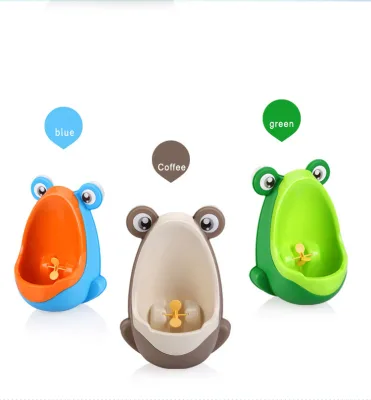
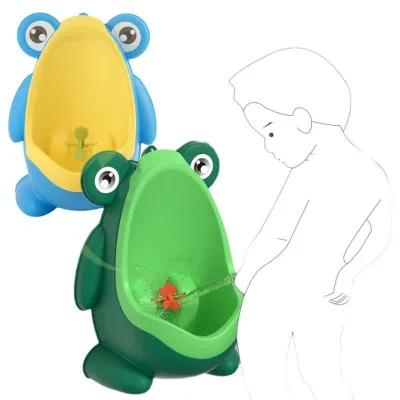
Multifunctional Cute Frog Shape 0-6 Year Infant Potty Training Portable Baby Potty
$2.71 - $2.95
MOQ: 10 pieces


- Verified by SGS
- Trading Company
- China Zhejiang
- Lead time15 days
Main productsFan, Heater Fan, Air Fryer, Toaster, Rice Cooker, Vacuum Cleaner, Coffee Machine, Hairdressing Appliance, Electric Toothbrush, Steam Iron
Main marketsEurope,Australia

Anhui Talent Baby Products Co., Ltd.
- Verified by TUVRHEINLAND
- Trading Company
- China Anhui
- Lead time23 days
Main productsBaby Stroller, Baby Side Rails, Corset Belt, Meternity Bra, Baby Walker, Baby Tricycle, Baby Play Pen, Baby Chair, Baby Car Seat, Baby Cot
Main marketsOthers(foreignTradeCapacity.exportBusinessCapacityMarketOther),Southeast Asia/ Mideast,Domestic

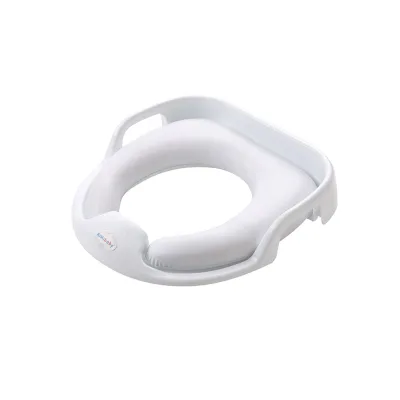
Baby Products Simple Infant Soft Cushion Baby Toilet Training Plastic Potty
$6.00 - $10.00
MOQ: 200 Pieces

Wholesale Durable Infant Children Home Baby Seat Urinal Toilet Training Potty
$7.00 - $10.00
MOQ: 200 Pieces

Plastic Baby Potty Toilet Sturdy Baby Training Potty for Early Learners
$9.00 - $10.00
MOQ: 200 Pieces

Cute Cartoon Rabbit Baby Potty Potties Children Urinal Plastic Potties for Boy Wall Mounted
$3.00 - $10.00
MOQ: 200 Pieces

Customized Baby Care Toilet Training Folding Portable Removable Safe Potty
$4.00 - $10.00
MOQ: 200 Pieces

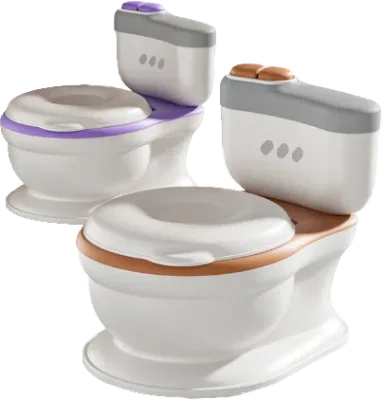
Multi Functional Baby Potty/Used for Baby Training and Children′ S Pottys
$6.00 - $10.00
MOQ: 200 Pieces

Jinjiang Jiaxing Import and Export Co., Ltd.
- Verified by CTI
- Manufacturer/Factory
- China Fujian
- Lead time120 days
Main productsShoes, Slipper, Clothes, Promotion Gifts, Silicone Products, Outdoor Sports Products, Bags, Fashion Accessories, Consumer Electronics
Main marketsSouth America,Eastern Europe,Mid East,North America,Southeast Asia,Eastern Asia,Oceania,Western Europe,Africa
Ningbo Jintong Baby Products Co., Ltd.
- Trading Company
- Zhejiang, China
- Lead time30 days
- Avg. response≤ 2h
Main productsBaby Products
Main marketsNorth America(21.00%), Western Europe(16.00%), South America(10.00%), Mid East(9.00%), Southeast Asia(9.00%), Eastern Europe(8.00%), Eastern Asia(7.00%), Southern Europe(6.00%), Northern Europe(5.00%), Africa(3.00%), South Asia(2.00%), Oceania(2.00%), Central America(2.00%)
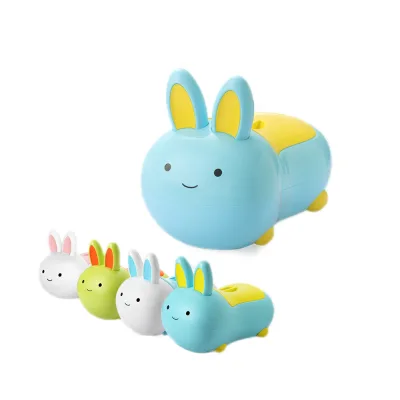


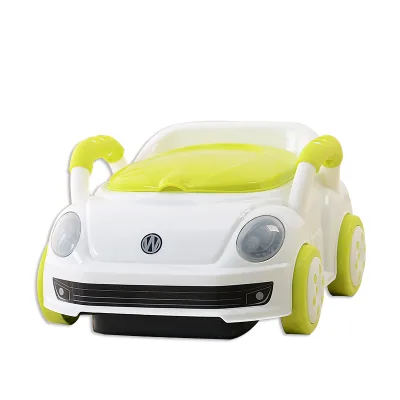
$6.13 - $6.64
MOQ: 100 cartons


- Manufacturer
- China Fujian
- Lead time23 days
Main productsBaby Diaper, Adult Diaper, Incontinent Pad, Adult Nappy, Diaper, Sanitary Napkin, Baby Nappy, Nursing Pad, Underpad, Baby Wipe
Main marketsSoutheast Asia/ Mideast
ZHEJIANG HOWAWA BABY PRODUCTS CO., LTD.
- Verified by Intertek
- Manufacturer, Trading Company
- Lead time30 days
- Avg. response≤ 7h
Main productsTwist Car, Scooter, Baby Bath, Baby Dinging Chair, Baby Potty
Main marketsDomestic Market(40%), South Asia(15%), North America(10%)
Jinhua Gica Baby Products Co., Ltd.
- Verified by TüVRheinland
- Manufacturer, Trading Company
- Lead time0 days
- Avg. response≤ 15h
Main productsBaby Bath Tub, Baby Potty, Baby Washing Support, Baby Bath Seat, Baby Cushion
Main marketsWestern Europe(35%), Eastern Asia(32%), Domestic Market(12%)
NANTONG TIANLAN COSMETICS CO., LTD.
- Combined
- China Jiangsu
- Lead time30 days
Main productsSkin Whitening Cream, Toothpaste, Shampoo, Essential Balm, Balm, Cosmetics, Cream, Baby Powder, Inhaler, Hair Relaxer
Main marketsSouth America,Africa,Southeast Asia/ Mideast

MOQ: 30000 Pieces

MOQ: 30000 Pieces
Yiwu Doublecare Baby Products Co., Ltd.
- Verified by SGS Group
- Trading Company
- Lead time7 days
- Avg. response≤ 2h
Main productsBaby Products, Baby Bathtubs, Baby Potty Toilets , Baby Feeding Chairs, Baby bottle brushes
Main marketsNorth America(20%), Eastern Europe(20%), Western Europe(15%)
Taizhou Beihao Baby Products Co., Ltd.
- Manufacturer
- Zhejiang, China
- Lead time30 days
- Avg. response≤ 4h
Main productsBaby potty,Baby bathtub,Baby dinning chair
Main marketsDomestic Market(65.00%), Southeast Asia(17.00%), Southern Europe(4.00%), Eastern Europe(4.00%), South America(3.00%), North America(2.00%), Northern Europe(2.00%), Western Europe(2.00%), Oceania(1.00%)

Quanzhou Tianjiao Lady & Baby's Hygiene Supply Co., Ltd.
- Verified by TUVRHEINLAND
- Combined
- China Fujian
- Lead time30 days
Main productsBaby Diapers, Diaper, Baby Pants, Diapers, Baby Products, Adult Diapers, Sanitary Napkin, Wet Wipes, Paper Towel, Cotton Towel
Main marketsSoutheast Asia/ Mideast
Dongguan Julisheng New Material Technology Co., Ltd.
- Verified by BV
- Combined
- China Guangdong
- Lead time30 days
Main productsPU Foam, PU Corner Guard, Accessories PU Armrest, PU Self-Skinning, PU High Rebound, PU Slow Rebound, PU Imitation Wood Hard Foam, PU Foam Rugby, PU Traction Pillow, PU Foam Wheel
Main marketsDomestic
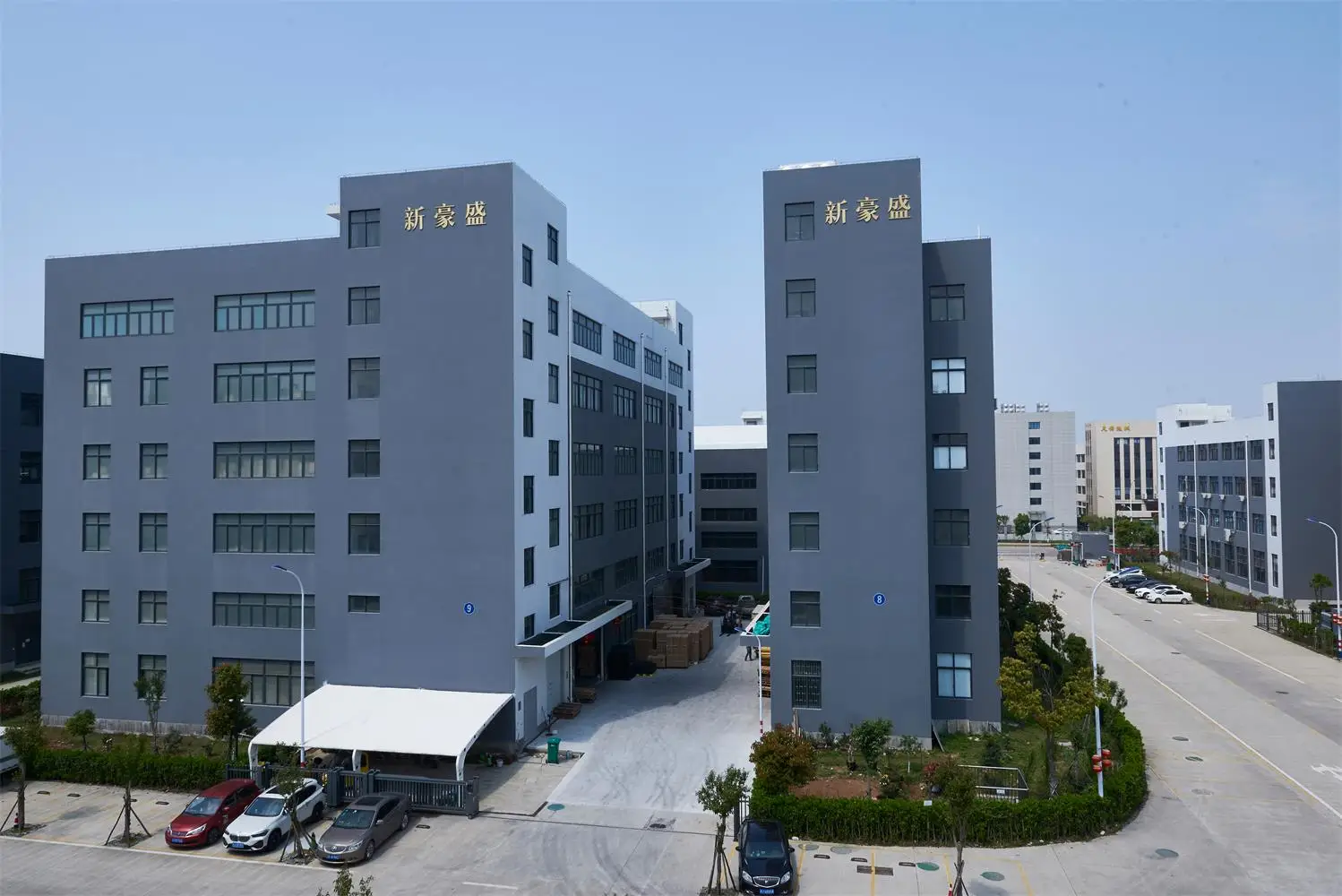
Taizhou Xinhaosheng Plastic Industry Co.,ltd
- Manufacturer
- Zhejiang, China
- Lead time28 days
- Avg. response≤ 23h
Main productsBaby Potty System,baby chair,plastic shelf,baby bath tub,Plastic Stool & Table Sets System
Main marketsOceania(30.00%), Eastern Asia(10.00%), Mid East(10.00%), South Asia(5.00%), Southern Europe(5.00%), Northern Europe(5.00%), Central America(5.00%), Western Europe(5.00%), Eastern Europe(5.00%), South America(5.00%), North America(5.00%), Africa(5.00%), Southeast Asia(5.00%)

PUYANG SELFAIDING INDUSTRIAL CO., LTD.
- Verified by SGS
- Manufacturer
- China Henan
- Lead time15 days
Main productsAdult Bib, Pet Pad, Underpad, Baby Bib, Protective Panties, Washable Sanitary Pad, Compression Stockings, Patient Care Clothing, Pet Nest, Pet Toy
Taizhou Fenglilai Technology Co., Ltd.
- Manufacturer
- Zhejiang, China
- Lead time30 days
- Avg. response≤ 5h
Main productsBaby Feeding Chair,Baby High Chair,Baby Potty,Baby Bathtub,Bebe Product
Main marketsWestern Europe(29.47%), Southern Europe(10.65%), Eastern Europe(10.21%), Domestic Market(8.77%), South Asia(8.15%), Oceania(5.98%), Eastern Asia(4.87%), Southeast Asia(4.22%), North America(4.19%), South America(3.28%), Mid East(3.15%), Central America(2.67%), Northern Europe(2.61%), Africa(1.78%)
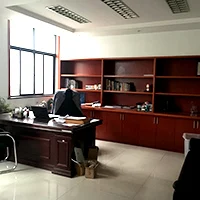
Taizhou Lebixiong Baby Product Co., Ltd.
- Trading Company
- Zhejiang, China
- Lead time10 days
- Avg. response≤ 5h
Main productsbaby potty,baby bathtub,baby high chair,baby bath cushion,step stool
Main marketsDomestic Market(50.00%), South America(30.00%), South Asia(5.00%), Eastern Asia(5.00%), North America(1.00%), Southeast Asia(1.00%), Southern Europe(1.00%), Northern Europe(1.00%), Central America(1.00%), Western Europe(1.00%), Eastern Europe(1.00%), Mid East(1.00%), Oceania(1.00%), Africa(1.00%)
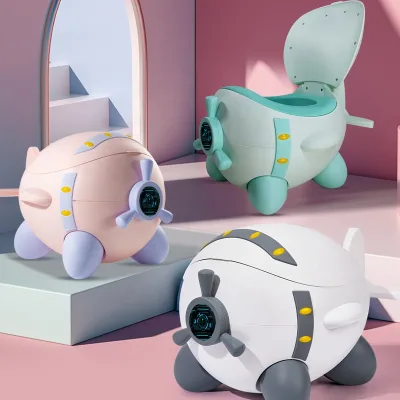
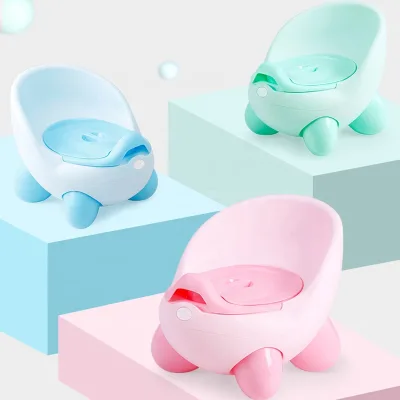
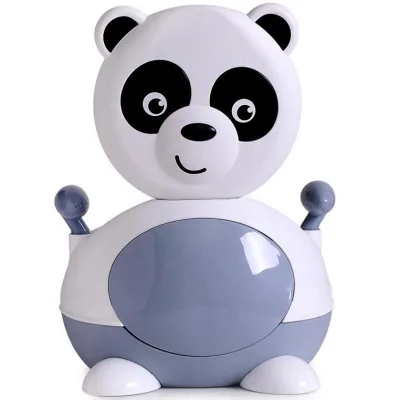
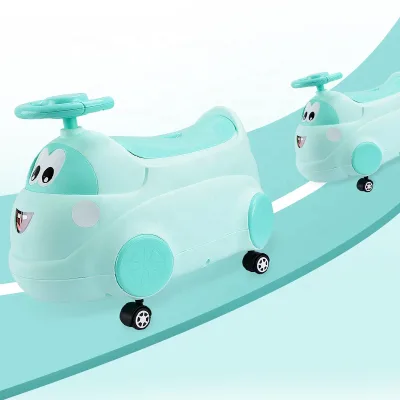
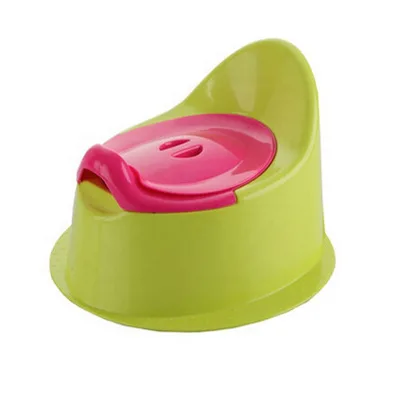
Factory Sale Baby Close-stool Pot Training Candy Color Safety Kids Toilet
$2.40 - $3.00
MOQ: 100 pieces
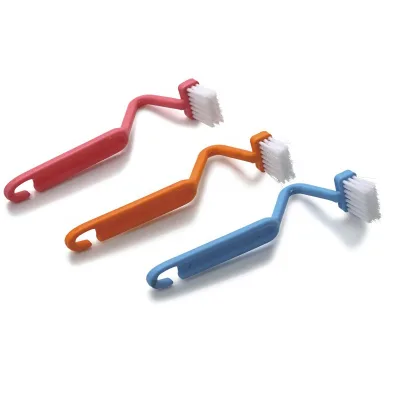
Xiamen Baby Pretty Products Co., Ltd.
- Verified by TüVRheinland
- Manufacturer, Trading Company
- Lead time45 days
- Avg. response≤ 5h
Main productsBaby Playpen, Baby Cribs
Main marketsWestern Europe(30%), Southeast Asia(15%), North America(10%)
Shantou Hongxing Commodity Co., Ltd.
- Verified by Intertek
- Manufacturer, Trading Company
- Lead time25 days
- Avg. response≤ 4h
Main productsPlastic Daily-Used Household Products
Main marketsSouth Asia(20%), South America(19%), Mid East(18%)

Fujian Yifa Healthcare Products Co., Ltd.
- Verified by TUVRHEINLAND
- Combined
- China Fujian
- Lead time30 days
Main productsBaby Diaper, Face Mask, Wet Wipes, Adult Diaper, Underpad, Paper, 3D Mask, Chird Mask, Nursing Pads, Baby Pants
Main marketsAfrica,Europe,North America


Healthy Baby Wet Wipes for Cleaning
MOQ: 30000 Bags
Jiaxing Mike Household Products Co., Ltd.
- Trading Company
- Zhejiang, China
- Lead time0 days
- Avg. response≤ 9h
Main productsStorage,Kitchen,Home,Bathroom,Baby
Main marketsEastern Europe(50.00%), North America(25.00%), South America(25.00%)

Quanzhou Jiamei Hygiene Co., Ltd.
- Verified by SGS
- Combined
- China Fujian
- Lead time15 days
Main productsBaby Diapers, Disposable Baby Diapers, Diapers, Sanitary Napkins, Materity Pads, Adult Diapers, Disposable Diapers, Baby Pull up Diaper, Baby Pants Diaper, Disposable Adult Diapers
Main marketsAfrica

QINGDAO KINGSOO GARMENT CO., LTD.
- Verified by SGS
- Trading Company,Manufacturer/Factory
- China Shandong
- Lead time30 days
Main productsCloth Diaper, Cloth Nappy, Baby Diaper, Baby Nappy, Wet Bag, Sanitary Pads, Pet Diaper, Pet Nappy
Main marketsSouth America,Eastern Europe,North America,Southeast Asia,Western Europe
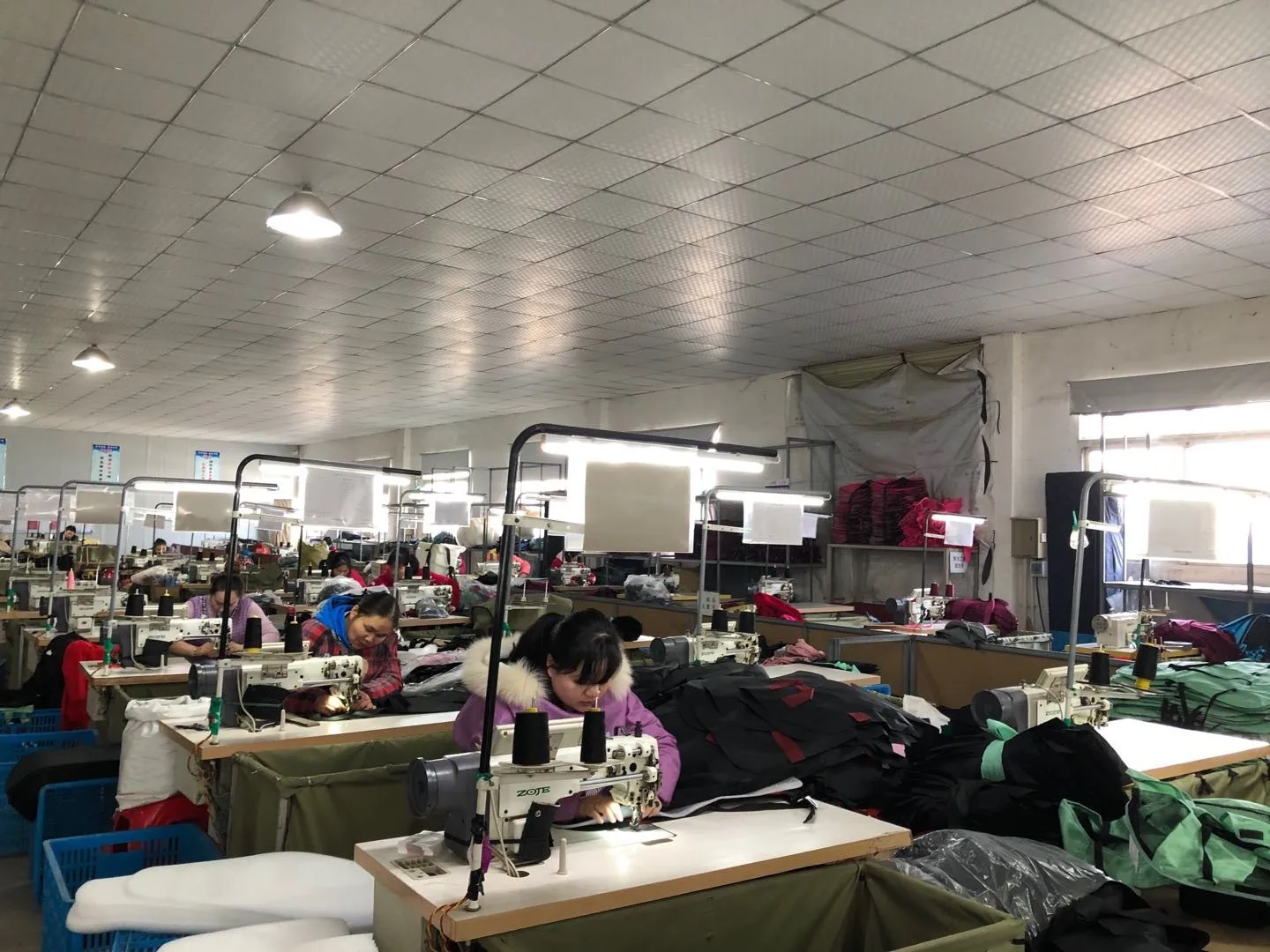
Agape (Tianjin) Baby Products Co., Ltd.
- Trading Company
- Tianjin, China
- Lead time15 days
- Avg. response≤ 6h
Main productsBaby Stroller & Car Seat,Kids Bicycle,Toy car,Ride-on Car,Dining Chair
Main marketsEastern Asia(28.00%), Eastern Europe(28.00%), Western Europe(15.00%), Mid East(10.00%), Oceania(5.00%), North America(5.00%), Northern Europe(2.00%), Africa(2.00%), Domestic Market(1.00%), South Asia(1.00%), Southern Europe(1.00%), South America(1.00%), Southeast Asia(1.00%)

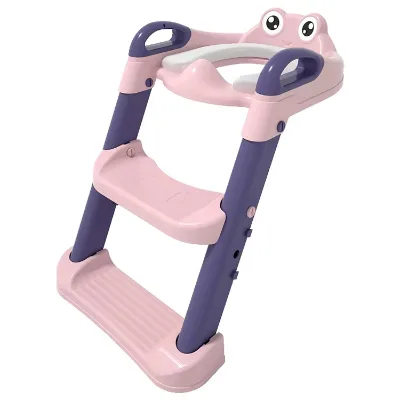
Adjustable Baby Potty Training Seat New Products Baby Potty Training Toilet
$10.78 - $14.78
MOQ: 20 pieces


Ningbo Riway Industrial Co., Ltd.
- Verified by TUVRHEINLAND
- Combined
- China Zhejiang
- Lead time30 days
Main productsWet Wipes, Nonwoven Folding Machines, Nonwoven Wet Machines, Towel Rolls
Main marketsDomestic

Fujian Xinrun Sanitary Products Co., Ltd
- Verified by TUVRHEINLAND
- Combined
- China Fujian
- Lead time15 days
Main productsBaby Diaper, Adult Diaper, Sanitary Napkin, Baby Pull up, Wet Wipes, Panty Liner, Under Pads
Main marketsDomestic

Quanzhou ERA Sanitary Products Co., Ltd.
- Verified by SGS
- Manufacturer
- China Fujian
- Lead time30 days
Main productsBaby Diaper, Adult Diaper, Sanitary Pad, Baby Wipe, Baby Pant Diaper, Adult Pant Diaper, Tissue Paper, Disposable Protective Mask
Main marketsSouth America,Africa,Southeast Asia/ Mideast,Europe




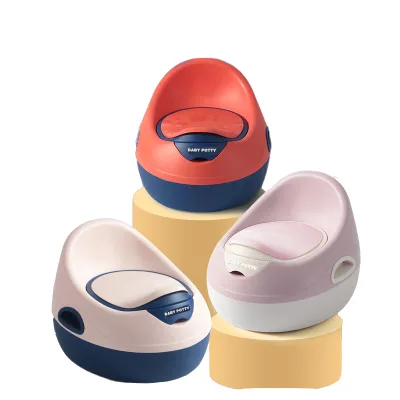
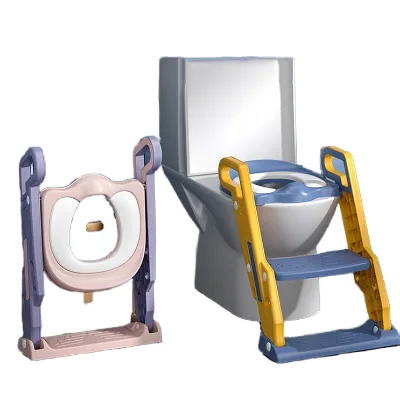
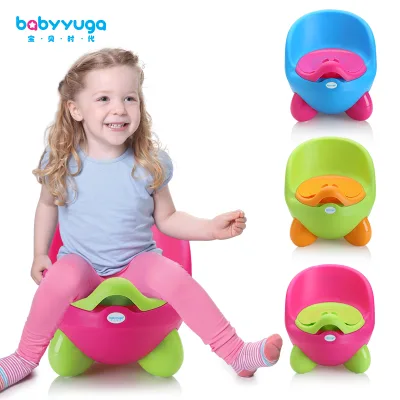




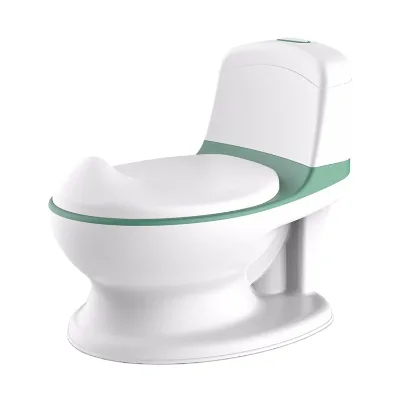
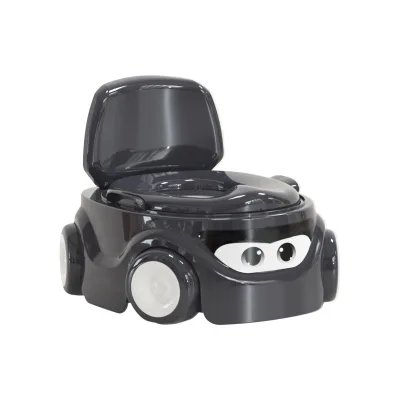
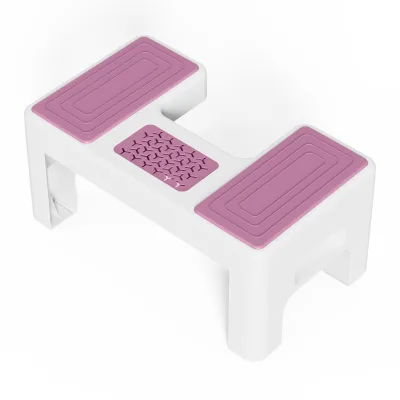


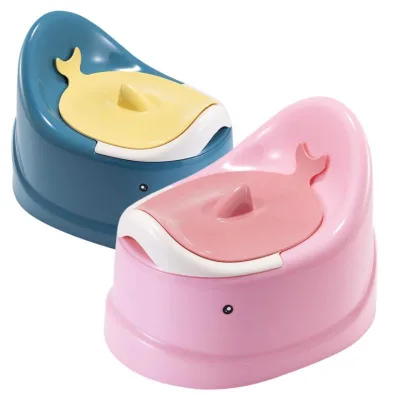


Comprehensive Sourcing Guide
Infant Care Baby Potty Supplier Concentration and Factory Types
The current search results indicate a concentration of manufacturers and trading companies operating within specific regions, with Zhejiang, China, appearing as a documented place of origin for multiple product listings. This geographic clustering suggests a specialized industrial ecosystem where suppliers may share supply chains for raw materials like plastic and possess established logistics networks for exporting infant care items. Buyers should verify if a supplier's stated location matches their actual factory address, as some trading companies may list a regional hub while sourcing from different facilities. The presence of both manufacturer and trading company types in the results highlights a diverse market structure where direct factory access and intermediary services are both available options for procurement.
When evaluating the type of entity, buyers must distinguish between a manufacturer who controls the production line and a trading company that aggregates products from various sources. The observed data shows suppliers offering capabilities such as light customization, graphic processing, and sample processing, which are often hallmarks of manufacturers with flexible production lines. However, some entities listed as trading companies also display ODM and OEM capacities, indicating they may have deep partnerships with factories rather than owning the machinery themselves. It is crucial to confirm the specific nature of the business relationship to understand who holds responsibility for quality control and production timelines. This distinction directly impacts the ability to request custom molds or specific material adjustments for infant potty products.
How to Verify Infant Care Baby Potty Suppliers
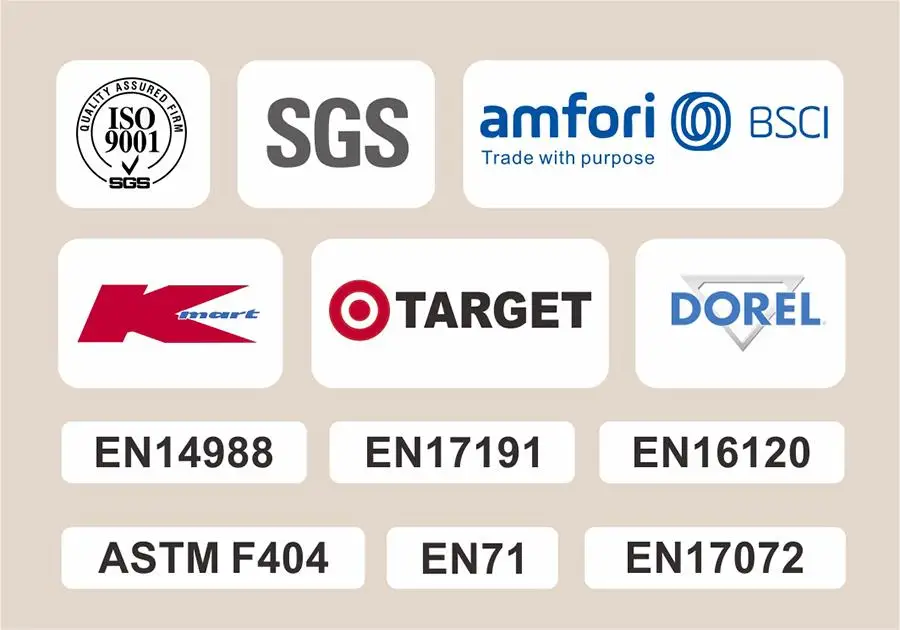
Verification of supplier credibility relies heavily on third-party audit reports and platform-specific trust badges rather than self-declared claims. The available data confirms that some suppliers have undergone verification by SGS Group, a recognized international inspection and certification body. Buyers should prioritize suppliers displaying this specific verification status, as it provides an external validation of the company's business license and operational capabilities. It is essential to request the full verification report to understand the scope of the audit, ensuring it covers the specific facilities where infant potties are manufactured. Relying solely on a platform badge without reviewing the underlying audit details can lead to gaps in understanding the supplier's actual compliance with safety and labor standards.
Beyond third-party verification, buyers must scrutinize the product evidence provided to ensure it aligns with safety requirements for infant care items. The search results include specific product attributes such as EN 71 certification, which is a critical standard for toys and children's products in many markets. Buyers should ask suppliers to provide the actual certificate documents for EN 71 or other relevant safety standards like ASTM or CPSIA, rather than accepting a generic claim. Additionally, the presence of Trade Assurance payment terms offers a layer of financial protection, but it does not replace the need for physical product testing. Confirming that the specific model numbers listed in the search results match the physical samples received is a vital step in the verification process to prevent counterfeit or substandard goods.
What to Compare Across Infant Care Baby Potty Suppliers
Comparing suppliers requires a systematic analysis of key operational metrics such as minimum order quantities, lead times, and response speeds to determine fit for the buyer's specific needs. The data reveals a wide range in minimum order quantities, with some listings showing an MOQ of just one piece while others require ten pieces or more. This variation allows buyers to select partners based on their inventory strategy, whether they need small batches for testing or larger volumes for immediate stock. Lead times also vary significantly, with observed figures ranging from 15 days to 45 days, which directly impacts the buyer's ability to meet market demand and manage cash flow. A shorter lead time might be preferable for urgent orders, while a longer lead time could indicate a more complex customization process or higher production capacity.
Response time and customization capabilities are equally critical factors when comparing potential partners in the infant care sector. The results indicate a response time of four hours for some suppliers, suggesting a high level of availability for communication and issue resolution. Buyers should compare this against their own time zone and project deadlines to ensure timely collaboration. Furthermore, the capacity for customization varies, with some suppliers offering light customization and graphic processing, while others provide full ODM and OEM services. Evaluating these capabilities helps determine if a supplier can adapt the product design, such as changing the color or adding a specific logo, to match the buyer's brand identity. A supplier with limited customization options may not be suitable for brands seeking unique product differentiation in the competitive baby potty market.
Common Infant Care Baby Potty Sourcing Risks
One significant risk in sourcing infant potties involves the discrepancy between claimed material safety and actual product composition. While many listings specify plastic as the material and claim eco-friendly features, the specific type of plastic and its toxicity levels are not always detailed in the initial product attributes. Buyers face the risk of receiving products that do not meet the rigorous safety standards required for items used by infants, potentially leading to regulatory non-compliance or health hazards. It is imperative to request detailed material safety data sheets and independent test reports for every batch, rather than relying on the general "Eco-friendly" or "Plastic" labels found in the search results. Without this verification, the risk of sourcing non-compliant goods remains high.
Another critical risk is the inconsistency in packaging and shipping specifications, which can lead to product damage or increased logistics costs. The observed data shows varying single package sizes and weights, ranging from 0.5 kg to 1.8 kg, with different packing methods like "1pc/ctn" or "Carton." These variations can complicate freight calculations and increase the likelihood of damage during transit if the packaging is not robust enough for the specific product shape. Additionally, the lack of standardized model numbers across different suppliers can cause confusion in order processing and inventory management. Buyers must clearly define packaging requirements and ensure the supplier's packing method aligns with their shipping constraints to mitigate the risk of receiving damaged or incorrectly labeled goods.
Infant Care Baby Potty Regional Sourcing and Logistics
The geographic concentration of suppliers in Zhejiang, China, offers distinct logistical advantages for international buyers, including established port infrastructure and specialized freight forwarders. This region is known for its efficient export processes, which can streamline the shipping of infant care products to global markets. However, buyers must verify the specific port of loading for each supplier, as different factories may utilize different ports, affecting transit times and shipping costs. Understanding the local logistics landscape is essential for accurate freight estimation and delivery scheduling. Buyers should also consider the impact of regional holidays and production cycles on the supply chain, as these factors can cause delays in the manufacturing and shipping phases.
Logistics planning must also account for the varying dimensions and weights of the products, which influence container loading efficiency and overall shipping expenses. The data indicates that single package sizes can range significantly, from compact dimensions to larger units, which affects how many units fit into a standard shipping container. Buyers should calculate the optimal container load based on the specific product dimensions provided by the supplier to maximize shipping efficiency and minimize costs. Additionally, the choice between air freight and sea freight will depend on the urgency of the order and the total volume being shipped. For large orders, sea freight is typically more cost-effective, while smaller, urgent orders might require air freight despite the higher cost. Proper logistics planning ensures that the product arrives on time and within budget.
Infant Care Baby Potty Commercial Terms and Order Planning
Commercial terms and payment structures play a pivotal role in managing financial risk and ensuring smooth transaction execution. The search results indicate that Trade Assurance is a common payment method, providing a safeguard for buyers by holding funds until the order is completed satisfactorily. Buyers should leverage this feature to negotiate favorable terms, such as partial payments upon order placement and the remainder upon shipment or delivery. It is also important to clarify the payment currency and any applicable bank fees to avoid unexpected costs. Understanding the specific payment terms offered by each supplier helps in planning cash flow and managing financial exposure throughout the procurement cycle.
Order planning must be aligned with the supplier's production capacity and lead times to prevent stockouts or overstocking situations. The observed lead times of 15 to 45 days require buyers to plan their orders well in advance, especially during peak seasons when demand for infant care products may surge. Buyers should establish a clear production schedule with the supplier, including milestones for sample approval, mass production, and quality inspection. Additionally, the minimum order quantity constraints must be factored into the planning process to ensure that the order volume is economically viable. By carefully coordinating commercial terms with production timelines, buyers can optimize their inventory levels and maintain a steady supply of infant potties to meet market demands.
FAQs
What is the typical lead time for baby potty orders?
Manufacturers generally require 45 days for production, while trading companies can deliver in 15 days. Buyers should confirm specific timelines based on order volume and customization needs before finalizing contracts to ensure timely delivery.
What is the minimum order quantity for these products?
Minimum order quantities vary significantly by supplier. Some manufacturers accept orders as low as one piece, while others require a minimum of 10 pieces. Buyers must check individual product listings to determine the exact MOQ applicable to their purchase.
Are these baby potties certified for safety?
Suppliers listed on this page hold EN 71 system certification and undergo SGS Group verification. These credentials indicate adherence to specific safety and quality standards, providing buyers with assurance regarding the regulatory compliance of the infant care products.
What materials are used to make these potties?
The primary material used across the listed products is plastic. This durable material is chosen for its ease of cleaning and safety for infants. Buyers can expect products to be made from high-quality plastic suitable for daily bathroom use.
Can I customize the logo or design of the potty?
Yes, many suppliers offer OEM and ODM services, allowing for logo customization and design changes. Some manufacturers also provide graphic processing and sample processing capabilities. Buyers should verify specific customization options and associated costs with the supplier directly.
Where are these baby potties manufactured?
The products are manufactured in Zhejiang, China. This region is a known hub for plastic goods and baby supplies. Buyers sourcing from this location can expect efficient logistics and a wide variety of product options available from local suppliers.
What is the price range for these items?
Prices range from approximately $2.71 to $7.90 per unit depending on the model and features. Basic portable potties start at the lower end, while more complex or durable models command higher prices. Buyers should request quotes for accurate pricing.