Home Use Skin Hydration Analyzer Suppliers and Manufacturers
Source 25 verified Home Use Skin Hydration Analyzer suppliers from China. Compare response times, lead times, certifications, and pricing to find the right partner. Contact suppliers directly to request quotes and verify specifications; review the available evidence before requesting comparable quotations from suitable candidates.
Suppliers List

- Verified by SGS
- Trading Company,Manufacturer/Factory
- China Guangdong
- Lead time23 days
- Avg. response≤ 3h
Main productsBeauty Devices, Skin Care Instrument, LED Face Masks, Makeup Tools, Beauty Instrument (OEM/ODM), OEM / ODM Electronics, Beauty Device, Home Air Care Appliances, Furniture, Electric Bakhoor Burners
Main marketsSouth America,Eastern Europe,Mid East,North America,Southeast Asia,Eastern Asia,Oceania,Western Europe,Africa
Beijing Sleeper Beauty Technology Co., Ltd.
- Verified by SGS
- Trading Company
- China Beijing
- Lead time15 days
- Avg. response≤ 2h
Main productsDiode Laser Hair Removal Machine, Hydra Skin Clean Machine, Hifu Machine, ND YAG Laser Machine, CO2 Fractional Laser Machine, EMS Slimming Machine, Cryolipolisys Machine, IPL Opt Machine, Picosecond Laser, Skin Zimmer Cooling Machine
Main marketsNorth America


Mirror Digital Skin Analyzer Facial Skin Scanner Diagnostic Analyzer Machine
$850.00 - $950.00
MOQ: 1 Set


Foshan City DaiNi Electronic Technology Co., Ltd.
- Verified by SGS
- Combined
- China Guangdong
- Lead time15 days
- Avg. response≤ 12h
Main productsBeauty Machine, Beauty Equipment, Dermabrasion Machine, Breast &Butt Enlargement, Oxygen Machine, Haire &Tattoo Removal, Skin Care, Slimming Machine, PDT & LED, Hifu
Main marketsSoutheast Asia/ Mideast

Hebei Tuosite Import & Export Trade Co., Ltd.
- Verified by CTI
- Trading Company
- China Hebei
- Lead time15 days
- Avg. response≤ 5h
Main productsBeauty Equipment, Medical Equipment, Skin Care Equipment, Diode Laser Equipment, Hair Removal Equipment, Muscle Building Equipment, Cryolipolysis Equipment, Cavitation Vacuum Equipment, Roller Infrared Massage Cellulite Equipment
Main marketsEurope

3D Skin Body Facial Analysis Pigmentation Skin Analysis Pigmentation Analyzer
$1100.00 - $1600.00
MOQ: 1 Pieces


Advanced 3D Portable Skin Analyzer for Comprehensive Skin Assessment
$1100.00 - $1600.00
MOQ: 1 Pieces


- Verified by SGS
- Trading Company
- China Zhejiang
- Lead time15 days
- Avg. response≤ 17h
Main productsFan, Heater Fan, Air Fryer, Toaster, Rice Cooker, Vacuum Cleaner, Coffee Machine, Hairdressing Appliance, Electric Toothbrush, Steam Iron
Main marketsEurope,Australia


Smart Digital Skin Analyzer Device Portable Water Oil Tester Home Use Beauty Instrument
$3.57 - $4.29
MOQ: 2 Pieces


Quality Guaranteed Adjustable Mini Facial Skin Analyser Moisture Tester
$4.80 - $5.30
MOQ: 1000 Pieces
Amy Beauty Equipment Manufacture
- Verified by SGS
- Trading Company
- China Shaanxi
- Lead time15 days
- Avg. response≤ 7h
Main productsHifu, Cryolipolysis, Hair Removal Machine, CO2 Fractional Laser Machine, Shockwave, Injection, Body Slimming Machine, Body Facial Analyzer, PDT Machine
Main marketsSouth America


$389.00 - $645.00
MOQ: 1 Pieces

$900.00 - $1190.00
MOQ: 1 Pieces

$900.00 - $1190.00
MOQ: 1 Pieces

GUANGDONG HONGYANG MEDICAL EQUIPMENT LIMITED
- Verified by BV
- Trading Company,Manufacturer/Factory
- China Guangdong
- Lead time38 days
- Avg. response≤ 8h
Main productsDialysis Center Solution, Operating Room Equipment Solution, Ophthalmology Department Solution, Medical Ventilator Machine, Medical Anesthesia Machine, Medical Furniture, Physical Therapy Products Series, Wheelchair, Robotic Rehabilitation, Rehabilitation Equipments
Main marketsSouth America,Eastern Europe,Mid East,North America,Southeast Asia,Eastern Asia,Oceania,Western Europe,Africa
Shenzhen Belen Electronic Technology Co., Ltd.
- Verified by TüVRheinland
- Manufacturer, Trading Company
- Lead time5 days
- Avg. response≤ 2h
Main productsMassage Scraper, Muscle Scraping Tool, Massage Gun, Beauty Device, Skin Scrubber
Main marketsEastern Asia(60%), North America(30%), South America(3%)

Beijing ADSS Development Co., Ltd.
- Verified by TUVRHEINLAND
- Combined
- China Beijing
- Lead time15 days
- Avg. response≤ 4h
Main productsHifu, Laser Vaginal Tightening, Digital Syringe Injector, 808nm Diode Laser Hair Remvoal, Fractional RF & Thermal RF, Vacuum Shape, 20MHz RF Thermal, Cryolipolysis Slimming Machine, Cavitation Slimming Machine, Fractional CO2 Laser
Main marketsSouth America,East Asia(Japan/ South Korea),Europe,Australia,North America


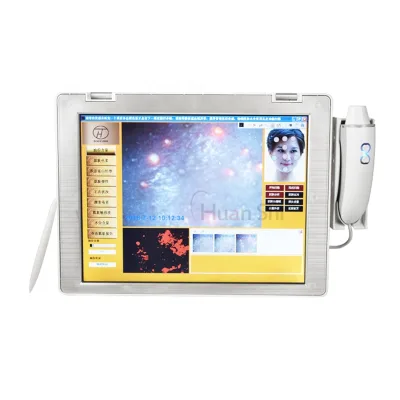
Facial Imaging Analysis Skincare System Medical Grade 3D Skin Analyzer
$1000.00 - $10000.00
MOQ: 1 Pieces


Best Quality Portable Skin Analyzer Mirror Beauty Machine Facial Skin Testing Analysis
$1000.00 - $10000.00
MOQ: 1 Pieces

Professional 3D Skin Analysis Machine Analyzer
MOQ: 1 Pieces
Guangzhou Cosnext Technology Co., Ltd.
- Manufacturer, Trading Company
- Guangdong, China
- Lead time7 days
- Avg. response≤ 3h
Main productsskin analyzer,mesogun,dermashine pro,hair analyzer,scalp analyzer
Main marketsNorth America(41.00%), Western Europe(32.00%), Mid East(11.00%), Eastern Europe(8.00%), Eastern Asia(5.00%), South Asia(2.00%), South America(1.00%)
$88.00 - $98.00
MOQ: 1 sets

Guangzhou Qili Technology Co., Ltd.
- Verified by SGS
- Trading Company
- China Guangdong
- Lead time23 days
- Avg. response≤ 8h
Main productsSkin Analyzer Machine, Hifu Machine, EMS Pelvic Floor Chair, Microneedle Machine, Diode Laser Hair Removal Machine, Solarium Tanning Machine, Tattoo Removal Machine, RF Equipment, Cryo Slimming Machine, CO2 Fractional Laser Machine
Main marketsSouth America,Eastern Europe,North America,Southeast Asia


Skin Analyzer Facial Skin Diagnosis System Face Analyzer Machine Skin Analyzer
$1250.00 - $1350.00
MOQ: 1


- Verified by BV
- Combined
- China Guangdong
- Lead time15 days
- Avg. response≤ 7h
Main productsUltrasound Machine, X-ray Machine, Blood Analyzer, ECG, Radiation Protection
Main marketsSouth America,Africa,Southeast Asia/ Mideast,East Asia(Japan/ South Korea),Europe,Australia,North America


Intelligent Skin Analyzer Real-Time Online Skin Analysis with Diagnosis Report
$1375.00 - $1560.00
MOQ: 1 Pieces

- Verified by SGS
- Manufacturer/Factory
- China Beijing
- Lead time0 days
- Avg. response≤ 8h
Main productsDiode Laser 808nm/810nm, IPL E-Light, Picolaser Q-Switched ND: YAG Laser, CO2 Fractional Laser, Liposonix System Ultrashape System, Vacuum+RF Body Slimming, Cryolipolysis System, Skin Analyser System, Messotherapy System, Relevant Systems


$850.00 - $1250.00
MOQ: 1 Pieces

$850.00 - $1250.00
MOQ: 1 Pieces

$850.00 - $1250.00
MOQ: 1 Pieces

2026 Ai Skin Analysis Report Generator Skin Analyzer for Beauty Clinic Professional Use
$850.00 - $1250.00
MOQ: 1 Pieces


Foshan Lizhi Technology Co., Ltd.
- Manufacturer, Trading Company, Distributor/Wholesaler
- Guangdong, China
- Lead time7 days
- Avg. response≤ 2h
Main productsHIFU,Plasma Skin Machines,Slimming machine,Hydra Dermabrasion,Hair Care Machine
Main marketsDomestic Market(60.00%), North America(8.00%), Mid East(8.00%), Eastern Asia(6.00%), Northern Europe(5.00%), Western Europe(5.00%), Eastern Europe(5.00%), Africa(3.00%)
Guangzhou Newbelle Technology Co., Ltd.
- Verified by BV
- Trading Company
- China Guangdong
- Lead time15 days
- Avg. response≤ 2h
Main productsShockwave Therapy, Hydro Facial Machine, Pressotherapy Machine, Cryotherapy Machine, Cryoskin Machine, Microcurrent RF Machine
Main marketsSouth America,Africa,Southeast Asia/ Mideast,Europe

$699.00 - $1199.00
MOQ: 1 Pieces

Guangzhou Huanshi Electronic Technology Co., Ltd.
- Verified by SGS Group
- Manufacturer, Trading Company
- Lead time7 days
- Avg. response≤ 3h
Main productsEMS Sculpting Machine, Cryolipolysis Slimming Machine, Hifu Face Lift, IPL Diode Laser, Shockwave Therapy
Main marketsNorth America(15%), South America(10%), Eastern Europe(10%)

Shenzhen Fitconn Technology Co., Ltd.
- Verified by SGS
- Trading Company,Manufacturer/Factory
- China Guangdong
- Lead time23 days
- Avg. response≤ 8h
Main productsCompressor Nebulizer, Mesh Nebulizer, Anti Decubitus Air Mattress, Blood Pressure Monitor, Pulse Oximeter, Fetal Doppler, Themometer, DC Compressor Nebulizer, Glucose Meter, Mini Masager
Main marketsSouth America,Eastern Europe,Mid East,Eastern Asia,Oceania,Western Europe


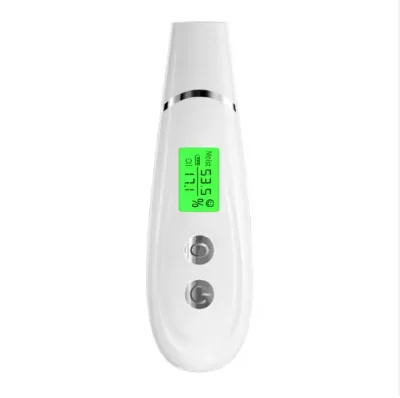
Digital Moisture Monitor for Skin and Oil Analyzer LCD Display Screen Skin Detector Skin Tester
$4.80 - $5.30
MOQ: 1000 Pieces

Guangzhou Shangpinjiayuan Cosmetics Co., Ltd.
- Verified by SGS Group
- Manufacturer, Trading Company
- Lead time7 days
- Avg. response≤ 5h
Main productsShampoo, Anti-Hair Loss Products, Tattoo Repair Products, Temporary Tattoo Pigments, Tattoo Pigments
Main marketsNorth America(45%), Western Europe(25%), Eastern Europe(10%)

Beijing HYE Technology Co., Ltd.
- Trading Company,Manufacturer/Factory,Other
- China Beijing
- Lead time0 days
- Avg. response≤ 5h
Main productsHair Removal, Diode Laser, Slimming Machine, Teeth Whitening, Derma Roller, Skin Care Products, LED Face Mask, Skin Analyzer, Hifu, Lipo Laser


$1399.00 - $1899.00
MOQ: 1 Pieces
Beijing Jingxiang Environmental Technology Co., Ltd.
- Verified by SGS
- Combined
- China Beijing
- Lead time15 days
- Avg. response≤ 1h
Main productsWater Quality Analyzer, pH Sensor, Flowmeter
Main marketsSoutheast Asia/ Mideast

Zhengzhou Hepo International Trading Co., Ltd.
- Verified by TUVRHEINLAND
- Trading Company,Manufacturer/Factory,Group Corporation
- China Henan
- Lead time98 days
- Avg. response≤ 3h
Main productsMedical Refrigerator, Deep Freezer, Cooler Box, Auto Biochemistry Analyzer, Auto Hematology Analyzer, Ultrasound Scanner, Laminar Air Flow Cabinet, Incubator, Class II Biological Safety Cabinet, Digital X Ray Machine
Main marketsSouth America,Eastern Europe,Mid East,North America,Southeast Asia,Eastern Asia,Oceania,Western Europe,Africa

Automatic Medical Equipment Electrolyte Analyzer
MOQ: 1 Pieces

High End Electrolyte Analyzer Medical Equipment
MOQ: 1 Pieces
Guangzhou Shenghuan Environmental Technology Co., Ltd.
- Verified by SGS
- Combined
- China Guangdong
- Lead time15 days
- Avg. response≤ 3h
Main productsOzone Generator, Ozone Disinfection Machine, Ozone Water Generator, Oxygen Concentrator, Ozone Water System, Ozone Generator Accessories
Main marketsEast Asia(Japan/ South Korea),Europe,Australia,North America


Portable Ultrasonic Oxygen Concentration Analyzer High-Precision Oxygen Concentration Analyzer
$170.00 - $199.00
MOQ: 1 pieces

Yangzhou Kindsway Biotech Co., Ltd.
- Trading Company,Manufacturer/Factory
- China Jiangsu
- Lead time15 days
- Avg. response≤ 4h
Main productsVentilator, X-ray, Ultrasound, C-Arm, Slippers, Dr System, Cr System, Test Kit, Medical Equipment, Ambulance
Main marketsSouth America,Eastern Europe,Mid East,North America,Southeast Asia,Eastern Asia,Oceania,Western Europe,Africa
Xuzhou Rongfu Health Industry Co., Ltd.
- Verified by CTI
- Combined
- China Jiangsu
- Lead time15 days
- Avg. response≤ 2h
Main productsfoot therapy machine
Main marketsDomestic
Jiangmen Faling Electronic Technology Co., Ltd.
- Manufacturer, Trading Company
- Guangdong, China
- Lead time15 days
- Avg. response≤ 1h
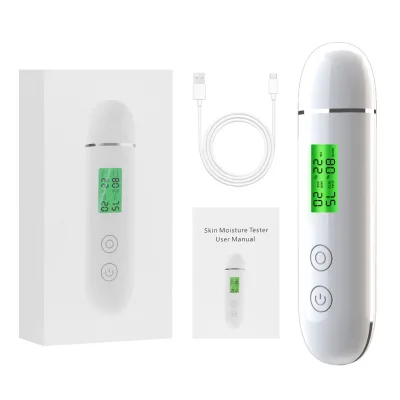
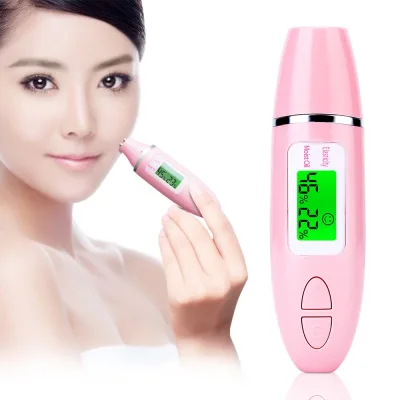
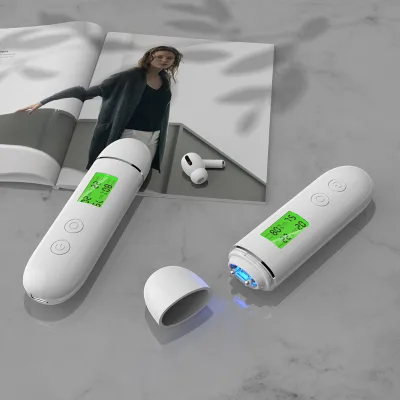
Main productsSkin Analyzer Machine, Cold Hammer, LED Facial Machine, Hair Growth Helmet
Main marketsNorth America(50.00%), Western Europe(30.00%), Mid East(20.00%)




Comprehensive Sourcing Guide
Home Use Skin Hydration Analyzer Supplier Concentration and Factory Types
Suppliers of the Home Use Skin Hydration Analyzer category on this page cluster heavily in Guangdong, with several listings tied to Shenzhen specifically, which is a common origin for handheld electronics and beauty instruments. Listings also show a Beijing presence, though the Beijing supplier there is oriented toward larger salon machines rather than pocket-sized moisture testers. Guangdong's density of component vendors for LCD modules, sensor tips, and ABS housings makes it a practical starting point for small-volume testing devices, while Beijing-area sources may suit buyers who want higher-specification diagnostic hardware. Treat these locations as evidence of where current listings sit, not as a guarantee that every supplier in the region manufactures in-house.
The supplier types on this page split between manufacturers or factories, trading companies, and combined operations. Some suppliers list skin analyzers alongside broader beauty devices, LED face masks, makeup tools, and home air care appliances; others focus on larger beauty machines such as laser and HIFU equipment. Trading companies can aggregate options across factories, which helps when you need both a digital moisture tester and a salon-scale analyzer with a screen. Manufacturer-direct relationships usually offer better customization control, and several listings explicitly state OEM/ODM capability, with some advertising their own brands. Before assuming a factory role, ask each supplier whether the specific tester model is produced on their own line or sourced from a partner.
How to Verify Home Use Skin Hydration Analyzer Suppliers
Verification starts with the credentials actually displayed on the supplier card rather than assumptions. On this page, some suppliers carry system certifications such as BSCI and ISO 9001 and hold SGS verification status, while others show no listed system certification at all. That gap matters: a missing certification label is not proof of a poor supplier, but it tells you what you must request directly. Ask for copies of the quality management certificate, confirm the certificate scope covers electronic beauty instruments, and validate the certificate number against the issuing body. For any supplier whose profile lacks third-party verification, request a video walkthrough of the production floor for the specific skin tester model you intend to order.
Beyond paperwork, verification should confirm the supplier actually controls the product. Many listings on this page show customization marked as available, so send a technical question—such as how the moisture sensor reads skin impedance or how the LCD reading is calibrated—and judge whether the reply is product-specific or generic sales language. Check that the physical attributes in the listing, for example ABS housing, battery type, and stated power ratings, survive scrutiny in a sample unit. Note the stated response times on this page, which range from roughly two hours to over eleven; a slow response during sourcing usually worsens after an order is placed. Finally, confirm business registration details and whether the company name on the proforma invoice matches the profile.
What to Compare Across Home Use Skin Hydration Analyzer Suppliers
Build a comparison sheet using the dimensions suppliers actually display. On this page, lead times vary from about fifteen days to twenty-three, which is meaningful when you have a retail launch window. Listed response times also differ considerably, so record each supplier's speed alongside your experience in actual messaging. Main product lines matter too: a supplier dedicated to skin analyzers and beauty instruments will generally answer technical questions faster than one whose catalog spans slimming machines, tattoo removal, and furniture. Company type—factory, trading company, or combined—should sit next to each lead time, since a factory-direct source can sometimes compress production but may have higher structural minimums.
Product-level comparisons should draw on the attributes shown in individual listings. One Shenzhen moisture tester here is priced from roughly four dollars ninety to seven dollars fifty with a minimum order of fifty units, while a scalp and hair detector from the same region sits in the sixty-to-eighty-eight dollar range with a five-hundred-unit minimum. A Beijing 3D facial analyzer is listed near eight hundred fifty to nine hundred fifty dollars at a single-unit MOQ. Spec sheets also diverge: pixel counts, screen sizes, power sources ranging from AAA batteries to USB rechargeable packs, and warranty statements of two years appear in some listings only. Capture the attribute that drives your purchase decision—portability, diagnostic depth, or price—and compare suppliers on that axis rather than on profile decoration.
Common Home Use Skin Hydration Analyzer Sourcing Risks
The most frequent risk in this category is specification drift between the listing and the shipped unit. Several products here are marketed interchangeably as skin analyzers, moisture testers, or hair detectors, and keywords are sometimes stretched across very different devices. A buyer searching for a two-button moisture pen can receive a salon monitor, so lock the exact model number, dimensions such as the fourteen by thirteen point eight by seven centimeter format shown in one listing, power configuration, and screen type into the proforma invoice. Battery-operated units also invite quality risk: contacts, sensor tips, and LCD clarity degrade quickly in cheap builds, so test multiple samples from a pilot batch rather than the single golden sample.
Ambiguity around the seller's role is the second cluster of risk. A combined or trading company may forward your customization request to a factory you never speak with, delaying engineering changes to the sensor or firmware. Suppliers showing no system certification on the platform require extra diligence, since you cannot lean on a displayed ISO 9001 or BSCI label. Warranty claims are another pressure point: one listing promises a two-year warranty, but many others state nothing, so define in writing what repair, replacement, or spare-parts support applies after shipment. Finally, treat displayed prices as negotiation anchors, not commitments; a single-unit listed price for a large analyzer will not survive a quotation request with customization.
Home Use Skin Hydration Analyzer Regional Sourcing and Logistics
Guangdong remains the dominant shipping origin among the listings on this page, with Shenzhen named explicitly as the origin of multiple skin analyzer products, and one listing citing a Guangzhou origin. This concentration simplifies logistics planning: coastal consolidation, frequent container departures, and mature freight-forwarder networks mean a pocket moisture tester can move by air or express easily, while bulkier salon analyzers need carton-level planning. One larger analyzer on this page lists a packing size of fifty-six by forty-two by twenty-eight centimeters, which is still manageable, but Beijing-origin shipments add inland transport before any port handoff, so budget that leg when comparing a Beijing quote against a Shenzhen quote.
Packaging choices in the listings also affect landed cost. Gift-box packing is standard across most home-use testers here, while the Beijing 3D analyzer specifies aviation aluminum box packaging, which protects a high-value machine but raises weight and dimensional charges. When requesting quotations, ask each supplier for packed weight and carton dimensions, not just the product standard, because dimensional weight can double express freight on bulky retail boxes. Confirm the origin marking that must appear on the carton and the unit; the listings point to China, but your destination market's labeling rules determine what else is required. For mixed orders, one container can combine pocket testers and larger analyzers if the suppliers can consolidate at a Guangdong warehouse before export.
Home Use Skin Hydration Analyzer Commercial Terms and Order Planning
Commercial terms on this page already span a wide range, so plan your order structure around them. The small digital moisture tester carries a listed MOQ of fifty units, the scalp detector five hundred, and the 3D analyzer just one, which means you can pilot a premium unit cheaply before committing to volume on the low-cost items. Price bands also differ sharply—roughly five to seven and a half dollars for the pocket tester against hundreds of dollars for screen-based analyzers—so segment your order: a small trial batch of entry testers plus one or two reference units of a diagnostic device lets you validate both retail and demonstration needs with limited capital.
Negotiate payment structure, lead time, and customization scope together, since suppliers offering OEM/ODM will price tooling and branding changes into the unit cost. Stated lead times here run from about fifteen to twenty-three days, but customization such as logo printing, custom gift boxes, or firmware tweaks typically extends that, so get a written production schedule keyed to deposit receipt. Ask which parties handle payment protection—some suppliers on the page participate in platform escrow-type arrangements while others operate direct invoicing—and match your payment method to the risk level of the supplier's verification status. For reorders, lock unit prices and tooling ownership in the contract so a second batch cannot be re-quoted from scratch, and set inspection rights before balance payment.
word count check: sections ~230+228+232+229+229+231 ≈ 1379 ✓
FAQs
What is the price range for home use skin hydration analyzers?
Prices for home use skin hydration analyzers typically range from $4.90 to $7.50 for basic digital moisture testers. Higher-end models with advanced features like scalp detection or HD LCD magnification can cost between $62.23 and $88.00. Professional salon-grade machines with industrial-grade pixels may reach up to $950.00. Buyers should verify specific pricing based on order quantity and customization needs.
What is the minimum order quantity for these devices?
The minimum order quantity varies significantly by product type. Basic digital skin moisture testers usually require a minimum order of 50 units. More complex devices, such as portable skin and hair detector analyzers, often have a higher minimum order requirement of 500 units. Some professional facial scanner machines may accept orders as low as one unit. Always confirm the specific MOQ with the supplier before placing an order.
How long does delivery take for these skin analyzers?
Lead times for home use skin hydration analyzers generally range from 15 to 23 days depending on the supplier and product complexity. Some manufacturers offer faster turnaround times of around 15 days for standard models. Others may require up to 23 days for production and shipping. Buyers should check the specific lead time provided by the supplier to ensure timely delivery for their business needs.
Are these skin analyzers suitable for both home and salon use?
Yes, many home use skin hydration analyzers are designed for dual application in both home and professional salon settings. Products often specify applications for Salon and Home use, featuring portable designs and customizable options. Some advanced models include HD LCD magnification for detailed analysis, making them versatile for various beauty care environments. Buyers should verify the specific application settings listed for each device.
What certifications do these suppliers typically hold?
Suppliers offering home use skin hydration analyzers often hold ISO 9001 and BSCI system certifications. Some manufacturers are verified by SGS for quality assurance. However, not all suppliers provide certification details, with some listing none. Buyers should request specific certification documents from the supplier to ensure compliance with international standards and quality requirements for their market.
Where are these skin analyzer manufacturers located?
Manufacturers of home use skin hydration analyzers are primarily located in China, with significant presence in Guangdong and Beijing regions. Specific products often originate from Shenzhen, China, known for electronics and beauty device manufacturing. Buyers can source from trading companies or manufacturers in these areas. Location details help in assessing shipping logistics and supplier reliability for international orders.