Home Use Fitness Stepper Suppliers and Manufacturers
Compare 29 verified Home Use Fitness Stepper suppliers in China Zhejiang by response time, lead time, and certifications like CE and RoHS. Review product specs including weight and dimensions to source the right equipment for your needs; review the available evidence before requesting comparable quotations from suitable candidates.
Suppliers List

- Verified by SGS
- Trading Company
- China Zhejiang
- Lead time15 days
- Avg. response≤ 23h
Main productsFitness Equipment, Trampoline, Treadmill, Dumbbell, Yoga Mat, Spinning Bike, Jump Rope, Pull up Bar, Gym Rack, Leg Press
Main marketsEurope,Australia


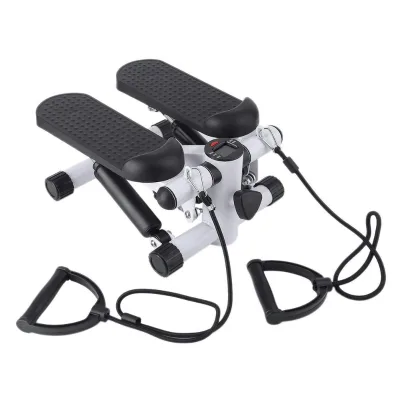
Walking Fitness Machine up Down Training Home Fitness Equipment Exercise Stepper
$12.00 - $12.50
MOQ: 80 Pieces

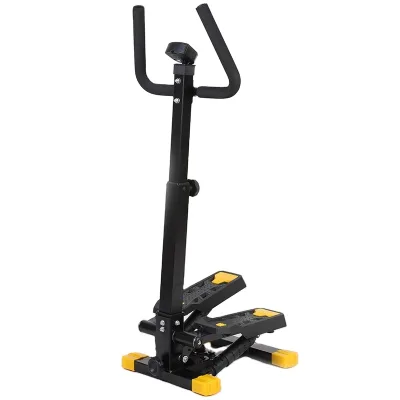
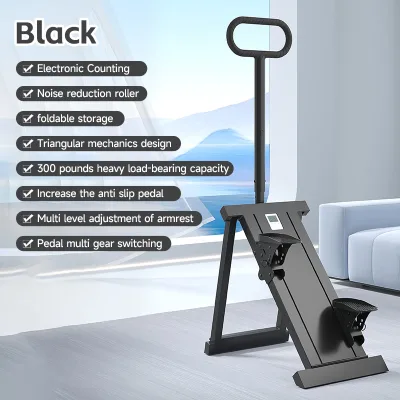
Vertical Stepper for Home Gym Fitness Exercise Cardio Workout Stair Stepper
$30.00 - $32.00
MOQ: 31 Pieces


$23.65 - $24.35
MOQ: 41 Pieces
- Verified by TüVRheinland
- Trading Company
- Lead time20 days
- Avg. response≤ 2h
Main productsPilates Reformers, Treadmill, Exercise Bike, Dumbbell, Massage Guns
Main marketsWestern Europe(20%), North America(18%), Domestic Market(15%)
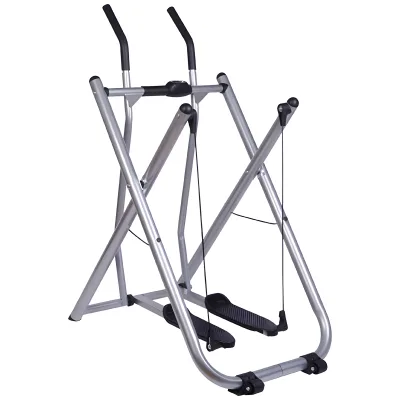
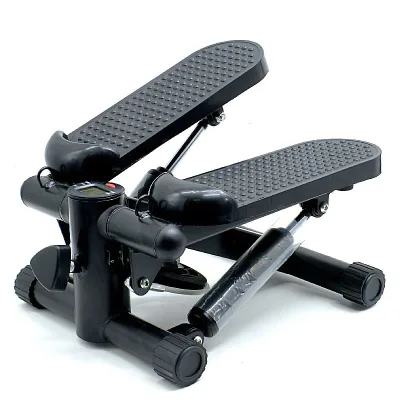
Fitness Equipment Home Gym Machine Mini Stepper
$13.80 - $14.60
Yiwu Jianyu Imp & Exp Co., Ltd.
- Trading Company
- Zhejiang, China
- Lead time30 days
- Avg. response≤ 4h
Main productsmartial arts mat,yoga mat,gym ball,judo mat,fitness items
Main marketsMid East(7.72%), South Asia(7.69%), Southern Europe(7.69%), Northern Europe(7.69%), Central America(7.69%), Western Europe(7.69%), Eastern Asia(7.69%), North America(7.69%), Oceania(7.69%), Africa(7.69%), Southeast Asia(7.69%), Eastern Europe(7.69%), South America(7.69%)

Hangzhou Tingjian Sporting Goods Co. Ltd.
- Verified by BV
- Trading Company
- China Zhejiang
- Lead time30 days
- Avg. response≤ 2h
Main productsMini Bike/Mini Stepper/Orbitrack Bike, Belt Bike, Spin Bike, Magnetic Bike/Elliptical Trainer/Recumbent Bike, Rowing Machine, Exercise Bench, Treadmill, Home Gym, Exercise Bike, Roman Chair
Main marketsSouth America


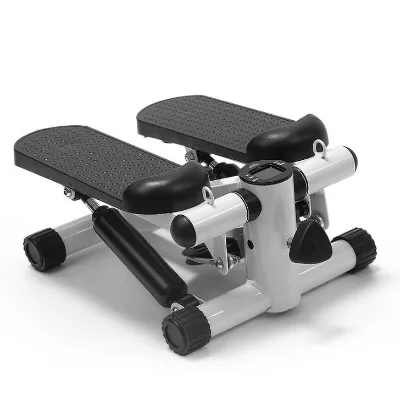
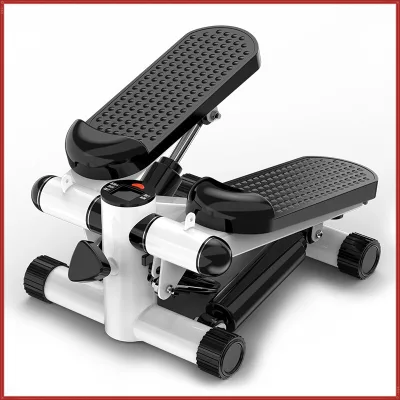
Household Fitness Stepper Indoor Fitness Cycling Mini Exercise Stepper
$12.80 - $14.70
MOQ: 100 Pieces

$20.50 - $22.50
MOQ: 500 Pieces

Multifunction Exercise Stepper Hydraulic Pressure Home Use Stepper Exercise Machine
$12.50 - $14.50
MOQ: 100 Pieces

Home Indoor Gym Equipment Weight Fitness Exercise Aerobic Mini Stepper
$12.50 - $14.50
MOQ: 100 Pieces
Yongkang City Hecheng industry and trade Co., LTD
- Manufacturer, Trading Company
- Zhejiang Province, China
- Lead time15 days
- Avg. response≤ 1h
Main productsSPINNING,treadmill,dumbbell bench,rowing machine,Mini stepper
Main marketsNorth America(40.00%), Southeast Asia(34.00%), Africa(5.00%), Mid East(5.00%), Central America(3.00%), South Asia(3.00%), South America(2.00%), Eastern Europe(2.00%), Oceania(1.00%), Eastern Asia(1.00%), Western Europe(1.00%), Northern Europe(1.00%), Southern Europe(1.00%), Domestic Market(1.00%)
Zhejiang Fanpao Intelligent Technology Co., Ltd.
- Verified by SGS Group
- Manufacturer, Trading Company
- Lead time30 days
- Avg. response≤ 3h
Main productsTreadmill, Walking Pad, Vibration Plate, Gym Equipment , Elliptical Machine
Main marketsWestern Europe(60%), North America(40%)
- Verified by TüVRheinland
- Trading Company
- Zhejiang, China
- Lead time30 days
- Avg. response≤ 2h
Main productsPilates Reformers, Treadmill, Exercise Bike, Dumbbell, Massage Guns
Main marketsNorth America(30%), South America(20%), Mid East(15%)
Dingzhou Shuangcai Sporting Goods Co., Ltd.
- Verified by TüVRheinland
- Manufacturer, Trading Company
- Lead time10 days
- Avg. response≤ 8h
Main productsSports Goods, Dumbbell, Barbell Plate, Barbell Bar, Fitness Machine
Main marketsNorth America(30%), South America(10%), Southeast Asia(10%)
Nantong Get Power Fitness Equipment Co., Ltd.
- Verified by TüVRheinland
- Trading Company
- Lead time30 days
- Avg. response≤ 2h
Main productsDumbbell, Barbell, Weight Plate, Power Rack, Bench
Main marketsNorthern Europe(40%), North America(20%), Southeast Asia(20%)

Shenzhen Villsun Sports Technology Co., Ltd
- Verified by SGS
- Trading Company
- China Guangdong
- Lead time23 days
- Avg. response≤ 2h
Main productsFitness Equipment, Yoga Mats, Resistance Bands, Yoga Ball, Shin Guards, Knee Pads, Elbow Pads, Strength Fitness Equipment, Hand Grip, Yoga Wear
Main marketsSouth America,Southeast Asia/ Mideast,Europe,Australia,North America

Zhejiang Fenglang Mechanical and Electrical Equipment Co., Ltd.
- Verified by SGS
- Combined
- China Zhejiang
- Lead time15 days
- Avg. response≤ 25h
Main productsStand up Paddle Board, Aquabike, Inflatable Bathtub
Main marketsDomestic,Europe,North America

Shanghai Brother Medical Manufacturer Co., Ltd.
- Verified by CTI
- Manufacturer/Factory
- China Shanghai
- Lead time23 days
- Avg. response≤ 21h
Main productsWheelchair, Hearing Aid, Mobility Scooter, Commode Chair, Shower Chair, Crutch, Walking Stick
Main marketsSouth America,Eastern Europe,Mid East,North America,Southeast Asia,Eastern Asia,Oceania,Western Europe,Africa


ISO9001 Approved Home Brother Medical Indoor Fitness Exercise Stepper with Low Price
$9.95 - $18.55
MOQ: 50 Pieces

High Quality Solid Comfortable Customized Fine Workmanship Fitness Stepper
$7.85 - $15.55
MOQ: 100 Pieces
Yongkang Mstar Industry And Trade Co., Ltd.
- Manufacturer
- Zhejiang, China
- Lead time25 days
- Avg. response≤ 2h
Main productsSpinning Bike,Vibration plate,Massage Machine,Treadmill,Home Gym
Main marketsNorth America(28.00%), Eastern Europe(20.00%), South America(10.00%), Domestic Market(8.00%), Southeast Asia(5.00%), Mid East(5.00%), Western Europe(5.00%), Africa(5.00%), Southern Europe(3.00%), Northern Europe(3.00%), Central America(3.00%), South Asia(3.00%), Eastern Asia(1.00%), Oceania(1.00%)
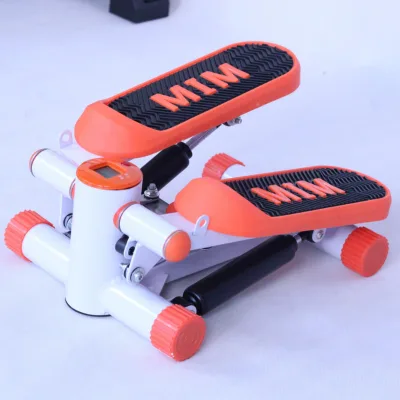
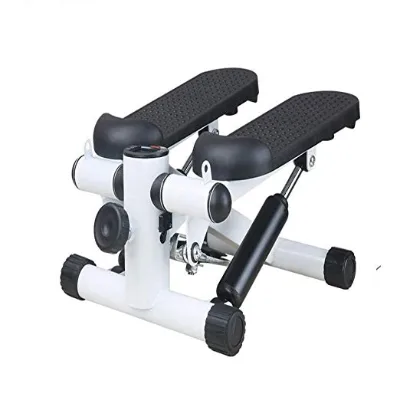
New Home Use Fitness Gym Machine Designated Pin Load Selection Equipment-Stepper with Rope
$16.00 - $19.00
MOQ: 500 pieces
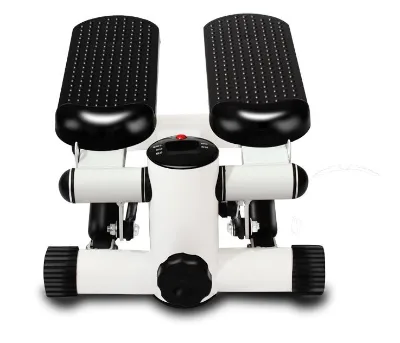
High Quality Mini Home Exercise Fitness Machine Stepper with Elastic Rope Pin Load Selection
$16.55 - $20.68
MOQ: 300 pieces
Zhejiang Jinyuan Machinery Co., Ltd.
- Verified by SGS Group
- Manufacturer, Trading Company
- Lead time30 days
- Avg. response≤ 2h
Main productsRowing Machine, Fan Bike, Abdomen Fitness, Elliptical Bike, Spin Bike
Main marketsSoutheast Asia(20%), North America(15%), South America(15%)
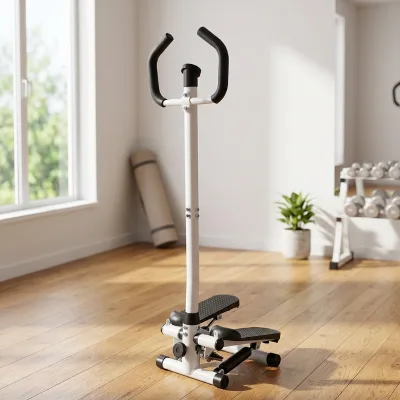
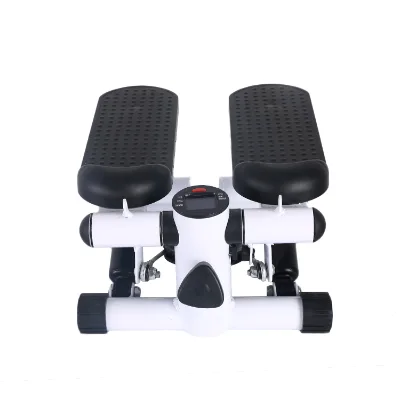
$12.74 - $14.27
MOQ: 500 pieces
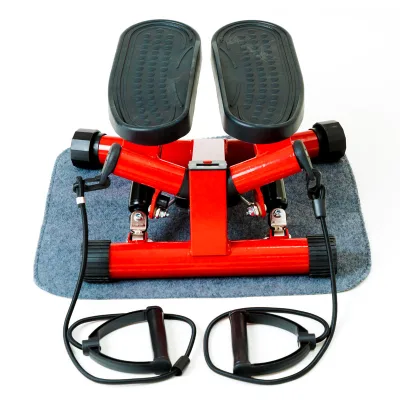
Newly Developed High-Quality Hydraulic Portable Household Fitness Stepper With Pull Rope
$21.99 - $23.99
MOQ: 200
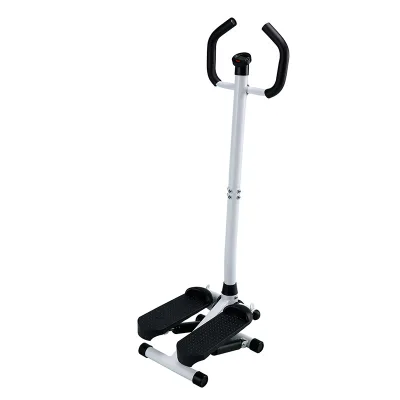
Multi Functional Mini Exercise Stepper With Handle Bar
$25.00 - $27.00
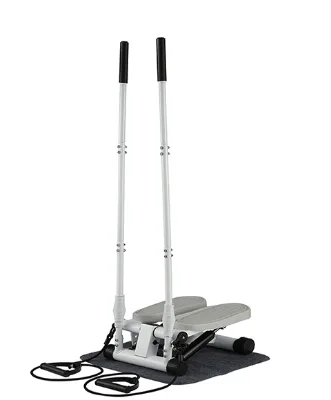
Zhejiang Baishite Industry And Trade Co., Ltd.
- Manufacturer, Trading Company
- Zhejiang, China
- Lead time25 days
- Avg. response≤ 7h
Main productsPower Tower, Sit Up Bench, Leg Trainer, Dumbbell Bench
Main marketsNorth America(40.00%), Western Europe(30.00%), Eastern Asia(15.00%), Domestic Market(15.00%)
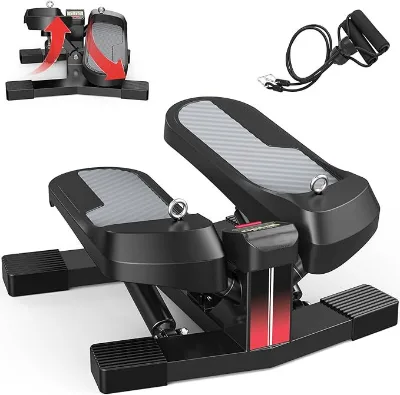
Hot Sales Gym Equipment Stair Stepper LCD Screen Home Use Quiet Used for Fitness and Weight Loss
$29.18 - $30.64
MOQ: 500 pieces
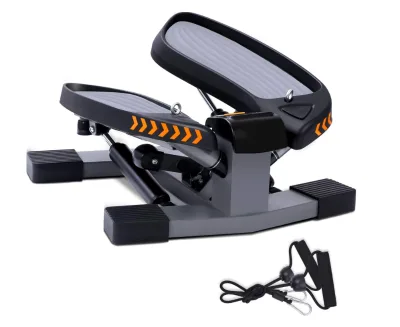
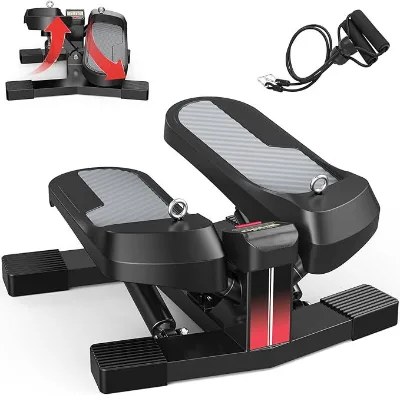
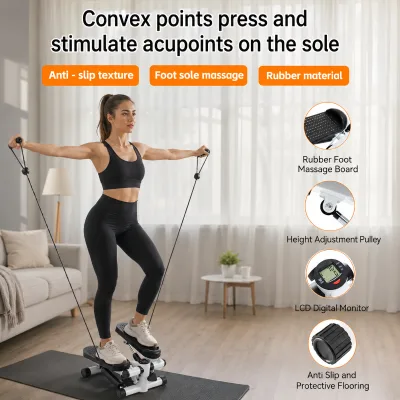
Hot Sell High Quality Stepper Exercise Machine Home Gym Stepper With Registance Band
$33.50 - $35.00
MOQ: 300 pieces
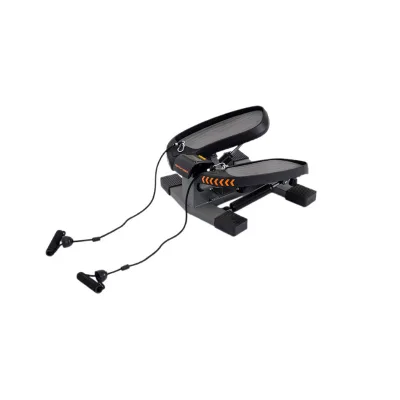
Manufacturer Wholesale Save space Lightweight exercise stepper with handlebar
$31.23 - $33.08
MOQ: 200 pieces
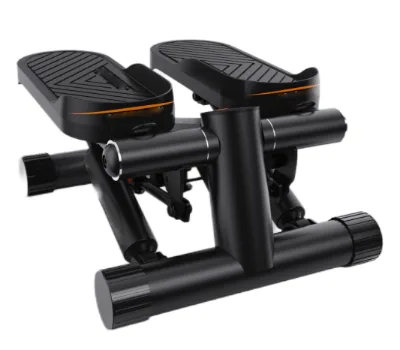
Boutique Hot Selling Fitness Equipment, Household Small Stepper for Fitness Shaping
$20.00 - $21.43
MOQ: 500 cartons
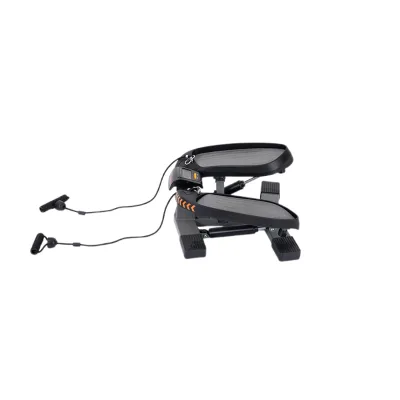
Popular Selling Long Lasting Easy to Use Fitness Equipment Angel Stepper for Home Exercise Equipment
$29.74 - $31.18
MOQ: 200 pieces

Nantong Get-Fit Sports Co., Ltd.
- Verified by TUVRHEINLAND
- Combined
- China Jiangsu
- Lead time30 days
- Avg. response≤ 5h
Main productsDumbbell, Weight Plate, Barbell, Power Rack, Weightlifting Bar, Yoga Pilates, Kettlebell, Gym Equipment, Fitness Equipment, Outdoor Exercise
Main marketsSouth America,Southeast Asia/ Mideast,East Asia(Japan/ South Korea),Europe,Australia,North America

Home Fitness Stepper Machine - Sports Pedal Stair Stepper for Shaping Cardio Exercise
$29.00 - $35.00
MOQ: 100 pieces


- Verified by SGS
- Trading Company
- China Zhejiang
- Lead time15 days
- Avg. response≤ 15h
Main productsBike, Bicycle
Main marketsEurope,Australia

Manufacturers Wholesale Fitness Equipment Indoor Home Space Walking Fitness Stepper
$23.10 - $24.60
MOQ: 80 Boxes

Cross-Border Wholesale Household Quiet Slimming Fitness Exercise Mini Stepper
$5.00 - $5.30
MOQ: 400 Boxes
Yongkang King Sports Industry & Trade Co., Ltd.
- Manufacturer, Trading Company
- Zhejiang, China
- Lead time10 days
- Avg. response≤ 13h
Main productsDumbbell
Main marketsNorth America(32.00%), Eastern Europe(15.00%), Domestic Market(10.00%), Western Europe(9.00%), Northern Europe(9.00%), Southeast Asia(9.00%), South America(8.00%), South Asia(4.00%), Africa(4.00%)

Nantong Qimai Sports Technology Co., Ltd.
- Verified by BV
- Trading Company
- China Jiangsu
- Lead time15 days
- Avg. response≤ 7h
Main productsSports Goods, Gym Goods, Dumbbell Plates Racks, Boxing Yoga
Main marketsSouth America,Europe

Compact Home Fitness Stepper with Digital Monitor and Workout Programs
$35.50 - $36.70
MOQ: 100 Pieces


- Verified by Intertek
- Trading Company
- Shanghai, China
- Lead time0 days
- Avg. response≤ 4h
Main productsDumbbell, Plate, Yoga Mat, Olympic Bar, Cos Function Station
Main marketsMid East(65%), Southeast Asia(15%), Western Europe(12%)
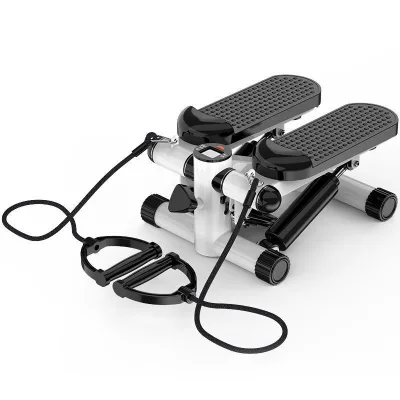
$14.01 - $14.82
MOQ: 10 pieces
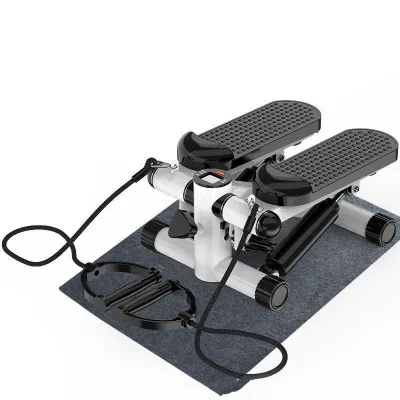
High Quality Adjustable Mini Stair Stepper Exercise Equipment Home Fitness Step Machine
$14.01 - $14.72
MOQ: 10 pieces
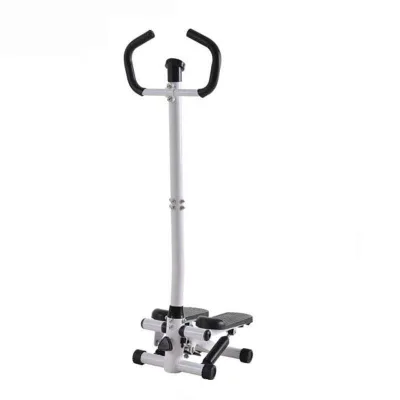
$25.38 - $28.42
MOQ: 10 pieces

Zhejiang Todo Hardware Manufacture Co., Ltd.
- Verified by BV
- Manufacturer/Factory
- China Zhejiang
- Lead time120 days
- Avg. response≤ 4h
Main productsIndoor Fitness Equipment, Body Massager, Sports Equipment, Outdoor Fitness Equipment, Massage Tools, Slimming Equipment, Health & Care Equipment, Rehabilization Equipment, Electric & Electronics
Main marketsSouth America,Eastern Europe,Mid East,North America,Southeast Asia,Eastern Asia,Oceania,Western Europe,Africa

Home Gym Fitness Equipment Mini Fitness Stepper Home with Factory Price
$17.00 - $17.50
MOQ: 670 Pieces


Home Fitness up-Down Mini Exercise Stepper with Resistance Band and LCD Display
$10.00 - $12.00
MOQ: 923 Pieces

New Health & Fitness Advanced Mini Home Steppers with Resistance Bands
$24.50 - $25.50
MOQ: 100 Pieces

Zhangjiagang Kingholy Machinery Co., Ltd.
- Trading Company
- Jiangshu, China
- Lead time0 days
- Avg. response≤ 7h
Main productsDumbbell,Yoga Mat,Resistance Bandsnd,Jump Rope,Yoga Ball
Main marketsWestern Europe(25.00%), North America(25.00%), Northern Europe(11.00%), Eastern Europe(10.00%), Southern Europe(9.00%), Central America(8.00%), South America(5.00%), Domestic Market(1.00%), South Asia(1.00%), Africa(1.00%), Southeast Asia(1.00%), Oceania(1.00%), Mid East(1.00%), Eastern Asia(1.00%)

- Verified by BV
- Trading Company
- China Anhui
- Lead time30 days
- Avg. response≤ 13h
Main productsDumbbell, Cast Iron Plate, Chrome Bar, Fitness Equipment, Traing Set
Main marketsSouth America,Africa,Southeast Asia/ Mideast,East Asia(Japan/ South Korea),Europe,Australia,North America

Nantong Gympro Sports Co., Ltd.
- Verified by CTI
- Trading Company
- China Jiangsu
- Lead time23 days
- Avg. response≤ 2h
Main productsTraining Gear, Free Weight, Fitness Equipment, Yoga&Pilate, Exercise Accessories, Professional Training, Boxing
Main marketsSouth America,Africa,Southeast Asia/ Mideast,East Asia(Japan/ South Korea),Europe,Australia,North America

Portable Stepper Fitness Machine Exercise Indoor Mini Stepper with Resistance Band
$26.43 - $29.13
MOQ: 50 Pieces


WNQ (Shanghai) Body-Building Equipment Co., Ltd.
- Verified by BV
- Combined
- China Shanghai
- Lead time30 days
- Avg. response≤ 19h
Main productsSports Equipment, Gym Equipment, Treadmill, Exercise Bike, Elliptical, Home Gym, Stepper, Rowing Mache, Exercise Bench, Free Weight
Main marketsSouth America,Africa,Southeast Asia/ Mideast,East Asia(Japan/ South Korea),Europe,Australia,North America


Home Use Treadmill Folded Fitness Equipment Sports Goods
MOQ: 100 Pieces
Yongkang Certainly Hardware Co., Ltd.
- Trading Company
- Zhejiang, China
- Lead time10 days
- Avg. response≤ 2h
Main productsyoga swing,pull up bar,ab wheel,resistance band,door gym
Main marketsNorth America(60.00%), Western Europe(20.00%), Southeast Asia(10.00%), Domestic Market(5.00%), South America(5.00%)
Yongkang Baotai Hardware Products Co., Ltd.
- Trading Company
- Zhejiang, China
- Lead time30 days
- Avg. response≤ 4h
Main productspower tower,sit up bench,pull up station,stepper,x-bike
Main marketsEastern Europe(20.00%), North America(20.00%), Western Europe(15.00%), Domestic Market(5.00%), South America(5.00%), Eastern Asia(5.00%), Northern Europe(5.00%), South Asia(5.00%), Africa(5.00%), Southeast Asia(5.00%), Southern Europe(3.00%), Mid East(3.00%), Central America(2.00%), Oceania(2.00%)
Hangzhou Uniwise International Co., Ltd.
- Manufacturer, Trading Company
- Lead time旺季: "1 - 100":7,"> 100":"To be negotiated", 淡季: "1 - 100":7,"> 100":"To be negotiated"
- Avg. response≤ 8h
Main productsRideable Smart Suitcase,Fitness Equipment,CNC Machining,CNC Milling

Sanhe City Guiyuxing Sporting Goods Co., Ltd.
- Verified by TUVRHEINLAND
- Combined
- China Hebei
- Lead time15 days
- Avg. response≤ 1h
Main productsFitness Equipment, Outdoor Fitness Equipment, Outdoor Fitness, Rock Climbing Treadwalls, Outdoor Playground Equipment, Outdoor Gym, Outdoor Sports Equipment, Outdoor Fitness Goods, Park Bench, Playground
Main marketsAfrica,Southeast Asia/ Mideast,Domestic,Europe
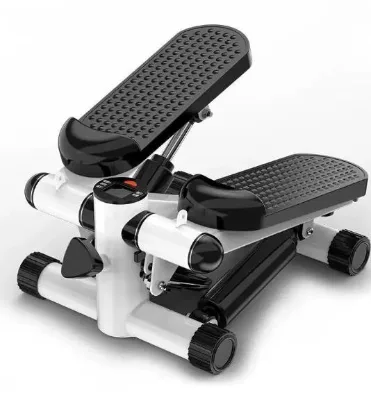
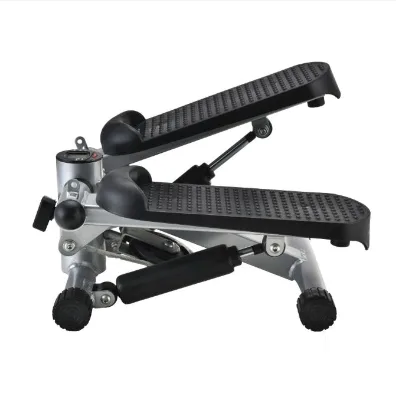
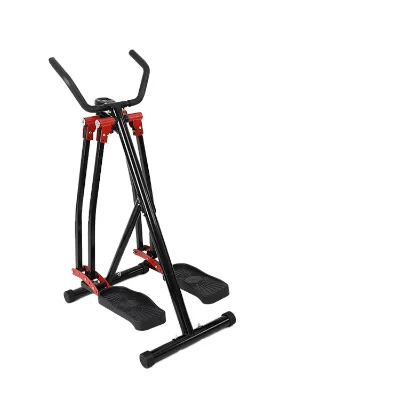
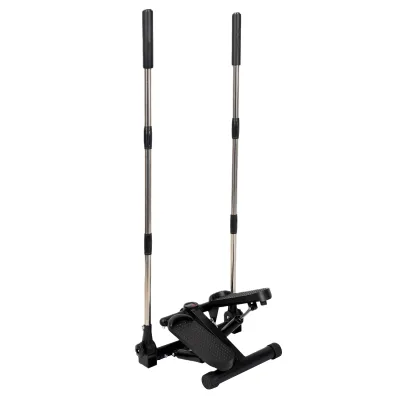
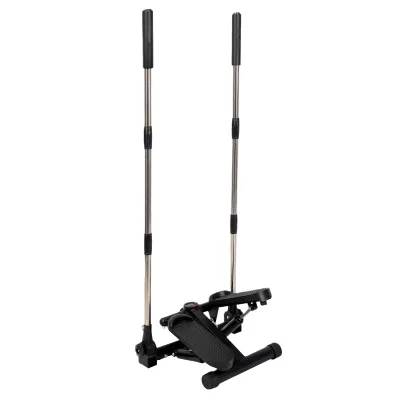
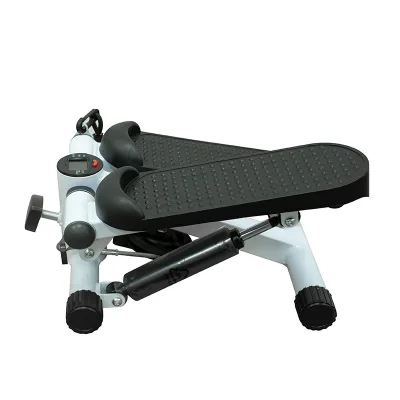
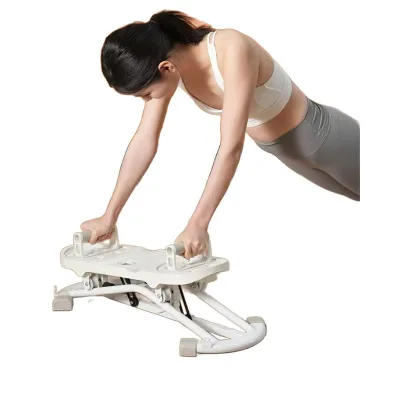
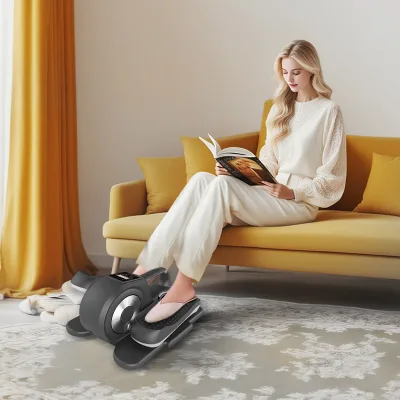
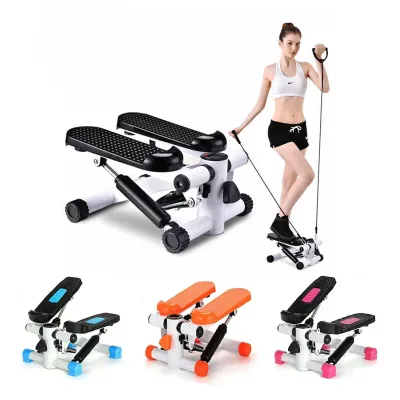
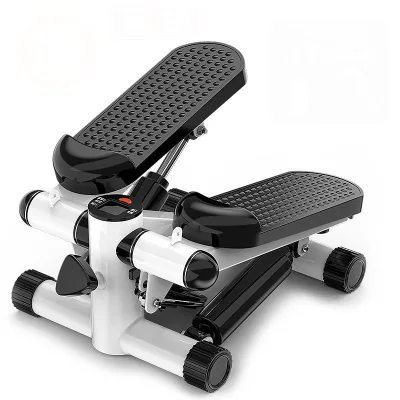
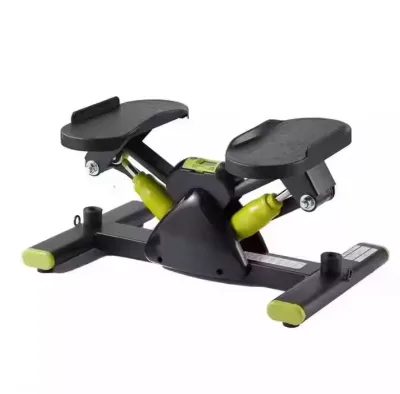
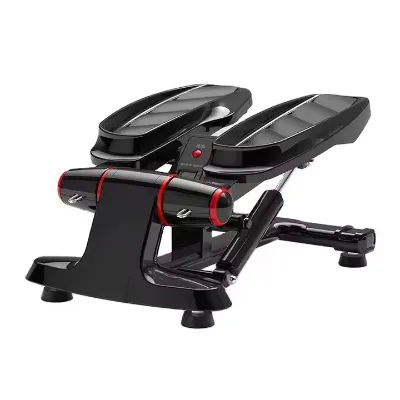


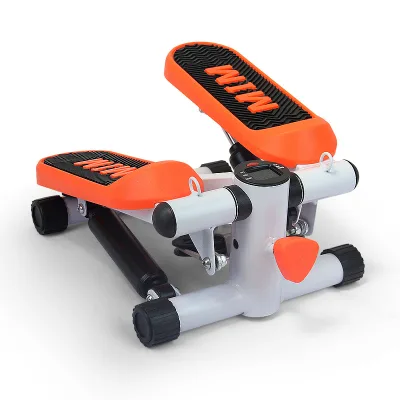
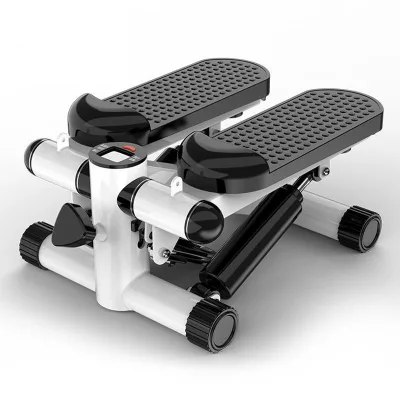


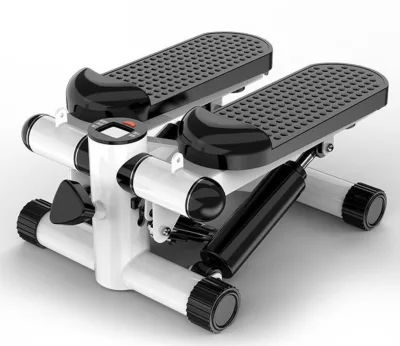
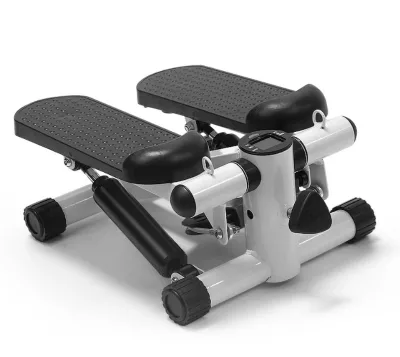


Comprehensive Sourcing Guide
Home Use Fitness Stepper Supplier Concentration and Factory Types
The available data indicates a concentration of suppliers in China, specifically within the Zhejiang province, which serves as a primary manufacturing hub for this category. This region hosts a mix of trading companies and factories capable of producing fitness equipment such as stair steppers, treadmills, and dumbbells. When evaluating potential partners, buyers should look for suppliers listing Zhejiang as their origin point, as this suggests proximity to established supply chains for steel components and assembly. The presence of multiple product lines, including yoga mats and spinning bikes, often signals a facility with broader manufacturing capabilities rather than a niche single-product operation.
Factory types vary significantly among the results, with trading companies appearing frequently alongside manufacturers offering ODM and OEM services. A trading company may streamline communication but might lack direct control over the production floor, whereas a factory with ODM capacity can customize designs and handle graphic processing on demand. Buyers must distinguish between these models by reviewing the company type field and the stated research and development capacity. Some suppliers explicitly list sample processing and customized on-demand services, which are critical for brands seeking unique product specifications rather than standard catalog items.
How to Verify Home Use Fitness Stepper Suppliers
Verification is a critical step when sourcing fitness equipment, as the market contains both verified and unverified entities. The provided facts show that some suppliers hold SGS verification status, while others possess TüVRheinland certification. These third-party validations provide a baseline of trust regarding the supplier's business legitimacy and operational stability. Buyers should prioritize suppliers displaying these specific verification badges, as they indicate that an independent agency has reviewed the company's credentials. However, the absence of a visible badge does not automatically disqualify a supplier, but it necessitates a more rigorous due diligence process before proceeding.
Beyond general business verification, product-specific certifications are essential for ensuring safety and compliance. The observed product attributes frequently list CE, ISO, and RoHS certifications, which are standard for fitness equipment sold in international markets. Buyers must confirm that the specific stepper model they intend to purchase carries these certifications, as they validate that the product meets electrical safety and environmental standards. Additionally, checking for PSE and FCC certifications can be relevant depending on the target market, particularly for regions with strict electronic or safety regulations. Always request the actual certification documents to ensure they correspond to the specific model number and production batch.
What to Compare Across Home Use Fitness Stepper Suppliers
When comparing suppliers, response time is a key metric for assessing communication efficiency and potential service quality. The data reveals a wide variance in response speeds, with some suppliers responding in approximately two hours while others take over twenty-two hours. A faster response time often correlates with better customer service and a more agile supply chain, which is vital for resolving issues quickly during the sourcing process. Buyers should factor this into their selection criteria, especially if they require rapid prototyping or urgent order adjustments. Consistent and quick communication is often a leading indicator of a supplier's reliability and professionalism.
Lead time and minimum order quantity (MOQ) are equally critical factors that define the feasibility of an order. The observed lead times range from fifteen to twenty days, indicating the typical production window for these items. Buyers must align these timelines with their inventory planning and sales forecasts to avoid stockouts or excess inventory. Furthermore, MOQs vary significantly, with some suppliers requiring as few as thirty sets while others demand over one hundred eighty units. This disparity allows buyers to choose partners that match their order volume, whether they are testing the market with a small batch or committing to a large-scale distribution run.
Common Home Use Fitness Stepper Sourcing Risks
One significant risk involves the discrepancy between advertised product attributes and the actual delivered goods. While product listings often specify materials like steel and dimensions such as 42 by 42 by 38 centimeters, the final product may differ if quality control is not enforced. Buyers should be wary of suppliers who do not provide detailed product evidence or who list vague specifications. The weight of the equipment, ranging from three kilograms to fifteen kilograms, is a critical specification that affects shipping costs and user experience. Ensuring that the delivered weight matches the listing is essential to avoid unexpected logistics charges or customer dissatisfaction.
Another risk pertains to the customization capabilities and the actual ability of the supplier to execute them. Although many suppliers claim ODM and OEM capacity, the extent of this capability varies. Some list specific services like graphic processing, while others may only offer limited customization. Buyers must verify that the supplier can actually produce the requested customizations, such as specific colors or branding, before placing a large order. Relying solely on the "Customization: Available" label without confirming the technical feasibility can lead to delays and additional costs. It is crucial to request samples or detailed production plans to validate these claims before committing to a contract.
Home Use Fitness Stepper Regional Sourcing and Logistics
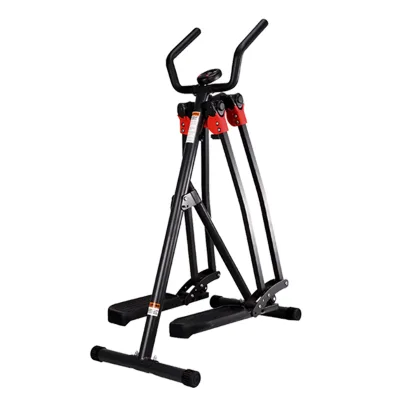
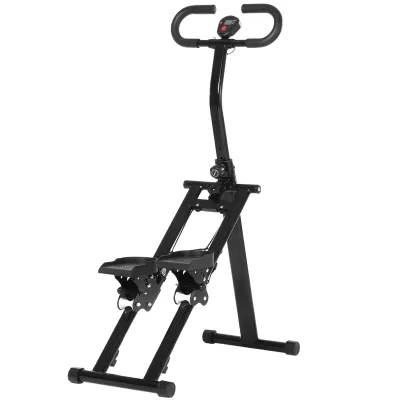
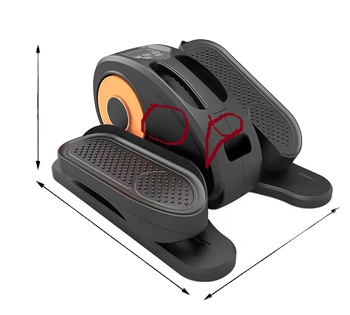
Sourcing from the identified region of Zhejiang, China, offers logistical advantages due to established export infrastructure, but it also presents specific challenges regarding shipping and customs. The product dimensions and weights, such as a 133 by 109 by 72 centimeter air walker or a compact 39.5 by 24.5 by 51 centimeter stepper, directly impact freight costs and container utilization. Buyers must calculate the volumetric weight of their orders to optimize shipping expenses, as larger units like the 135-centimeter vertical stepper will consume more space than smaller models. Understanding these physical constraints is vital for accurate cost estimation and efficient logistics planning.
Packaging standards also play a crucial role in the logistics chain, as they determine the protection of goods during transit. The observed data indicates that products are typically packed in paper boxes, with specific single package sizes listed for various models. Buyers should verify that the packaging is robust enough to prevent damage, especially for heavier units weighing up to fifteen kilograms. Additionally, the net and gross weight information provided, such as 16.0/18.0 kilograms for certain models, is essential for calculating freight charges and ensuring compliance with carrier weight limits. Proper packaging not only protects the product but also simplifies the unloading and storage process at the destination.
Home Use Fitness Stepper Commercial Terms and Order Planning
Commercial terms, particularly pricing and payment structures, vary widely among suppliers and must be carefully evaluated. The price range for the observed products spans from approximately five dollars to thirty-two dollars per unit, depending on the model and features. Buyers should note that the minimum price often corresponds to the lowest specification, while higher prices reflect added features like monitors or larger dimensions. It is imperative to confirm whether the quoted price includes all necessary certifications and packaging costs, as hidden fees can significantly alter the total landed cost. Clear communication regarding price inclusions is necessary to avoid disputes later in the transaction.
Order planning requires a strategic approach to managing MOQs and lead times effectively. With MOQs ranging from thirty sets to over one hundred eighty units, buyers must balance their inventory needs with the supplier's production constraints. For smaller orders, selecting a supplier with a lower MOQ can reduce financial risk, while larger orders may benefit from the economies of scale offered by suppliers with higher thresholds. Additionally, the lead time of fifteen to twenty days must be integrated into the production schedule to ensure timely delivery. Buyers should plan for potential delays by ordering well in advance and maintaining open communication with the supplier throughout the production cycle.
FAQs
What is the price range for home fitness steppers?
Prices for home fitness steppers typically range from $5.20 to $32.00 per unit. The cost varies based on product weight, dimensions, and included features like monitors. Buyers should check specific model listings for exact pricing tiers and bulk discounts.
What certifications do these steppers have?
Most listed steppers carry CE, ISO, and RoHS certifications. These standards ensure compliance with safety and environmental regulations for home and gym use. Buyers should verify specific certification documents for each model to confirm regulatory adherence for their target market.
What is the minimum order quantity for steppers?
Minimum order quantities vary significantly, ranging from 30 sets to 185 units. Lower MOQs are available for heavier or more complex models, while lighter units may require higher volumes. Buyers should confirm the exact MOQ for their desired model and specifications.
How long does production take?
Lead times for these steppers generally range from 15 to 20 days. This timeframe covers manufacturing and preparation for shipment. Buyers should confirm specific lead times with suppliers, as production schedules may vary based on order volume and customization requirements.
Where are these steppers manufactured?
These steppers are manufactured in Zhejiang, China. This region is a known hub for fitness equipment production. Buyers should verify the specific factory location and origin details for each supplier to ensure alignment with their sourcing preferences and logistics planning.
Can steppers be customized?
Customization is available for many stepper models, including OEM and ODM services. Buyers can request specific colors, materials, or branding. Suppliers offer graphic processing and customized designs on demand. Buyers should discuss specific customization needs directly with suppliers to confirm feasibility.