Instantly Whiter Teeth Whitening Toothpaste Suppliers and Manufacturers
Find 24 verified suppliers offering Instantly Whiter Teeth Whitening Toothpaste with OEM and ODM capabilities. Compare locations in China Jiangsu, response times, lead times, and MOQs to select the right partner for your oral care needs; review the available evidence before requesting comparable quotations from suitable candidates.
Updated
Suppliers List

Yangzhou Top Daily Chemical Co., Ltd.
- Verified by SGS
- Trading Company
- China Jiangsu
- Lead time30 days
- Avg. response≤ 3h
Main marketsSoutheast Asia/ Mideast,East Asia(Japan/ South Korea),Domestic,Europe,Australia

Refreshing Fast Whitening Toothpaste Smokers Stains Remove Whitening Teeth White Toothpaste
$0.15 - $0.20
MOQ: 720 Pieces

OEM Mint Basic Cleaning Instant Stain Remover Custom Whitens Teeth Toothpaste
$0.36 - $0.40
MOQ: 50000 Pieces

OEM Toothpaste Fresh Mint for Maximum Protection Teeth Whitening Toothpaste
$0.13 - $0.14
MOQ: 20000 Pieces

OEM Whitening Toothpaste Teeth Stain Removal Mouth Breathing Tooth Cleaning Care Toothpaste
$0.29 - $0.31
MOQ: 50000 Pieces

Quality Toothpaste Max White Protect 100 Ml Teeth Whitening Toothpaste for Wholesale
$0.37 - $0.38
MOQ: 30000 Pieces

Factory Supply Teeth Whitening Toothpaste Fresh Mint Flavor 180g Toothpaste
$0.32 - $0.37
MOQ: 720 Pieces

Yangzhou Tracey Daily Chemical Plastic Co., Ltd.
- Verified by BV
- Trading Company
- China Jiangsu
- Lead time30 days
- Avg. response≤ 5h
Main productsToothpaste, Soap Bar, Toothbrush, Bamboo Toothbrush, Hotel Amenities, Hotel Slipper, Jail Prison Supply, Personal Care Hygiene Produts, Toliet Bathroom Supply
Main marketsSouth America,Africa,Southeast Asia/ Mideast,East Asia(Japan/ South Korea),Domestic,Europe,Australia,North America
Nanchang Smile Technology Co., Ltd.
- Manufacturer, Trading Company
- Lead time旺季: "1 - 100000":31,"> 100000":"To be negotiated", 淡季: "1 - 100000":31,"> 100000":"To be negotiated"
- Avg. response≤ 2h
Main productsTeeth whitening kit, Teeth whitening strips, Electric toothbrush, Teeth whitening gel, Water flosser
- Manufacturer, Trading Company
- Guangdong, China
- Lead time10 days
- Avg. response≤ 7h
Main productswashing powder,toothpaste,soap,detergent,washing liquid
Main marketsAfrica(80.00%), South Asia(10.00%), Southeast Asia(10.00%)
Henan Xinyongtai Medical Technology Co., Ltd.
- Manufacturer, Trading Company
- Henan, China
- Lead time20 days
- Avg. response≤ 5h
Main productsHealthcare Products,Beauty Care Products,Foot Patch,Functional Patch,Medical Gauze
Main marketsNorth America(20.00%), Southern Europe(10.00%), Eastern Europe(10.00%), Western Europe(10.00%), Domestic Market(5.00%), South Asia(5.00%), Southeast Asia(5.00%), Northern Europe(5.00%), Central America(5.00%), South America(5.00%), Eastern Asia(5.00%), Mid East(5.00%), Oceania(5.00%), Africa(5.00%)
Heyuan Hey White Technology Co, Ltd.
- Verified by SGS Group
- Manufacturer, Trading Company
- Lead time5 days
- Avg. response≤ 5h
Main productsTeeth Whitening Device, LED Toothbrush and Toothpaste, Red Light Oral Device, Gum Care Product, Teeth Whitening Gel
Main marketsOceania(30%), Eastern Europe(20%), Eastern Asia(20%)
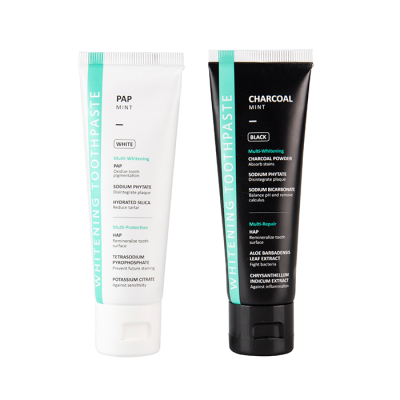
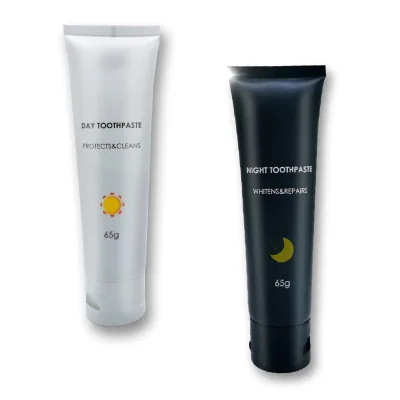
Hot Selling Private Label Day and Night Toothpaste Teeth Whitening Toothpaste
$0.6153
MOQ: 500 Minimum
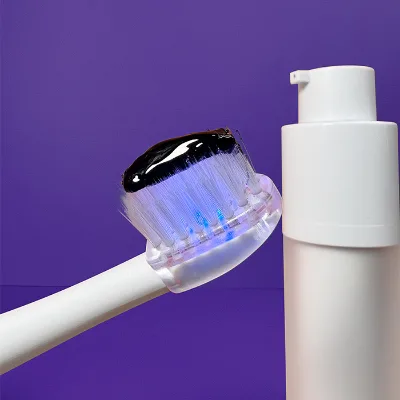
Tooth Whitening Paste Remove Yellow Teeth Stains Oral Cleaning Care Bad Breath White Toothpaste
$3.3069 - $4.3398
MOQ: 500 boxes
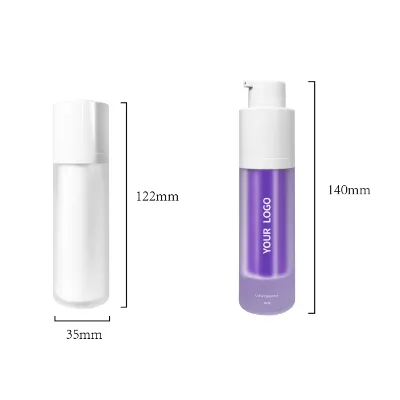
Hot Selling Professional Brighten Teeth Purple Toothpaste V34 Color Corrector Teeth Whitening
$3.3069 - $4.3398
MOQ: 1000 pieces

Guangzhou Mebamy Cosmetics Co., Ltd.
- Verified by TUVRHEINLAND
- Manufacturer/Factory
- China Guangdong
- Lead time15 days
- Avg. response≤ 2h
Main productsFace Serum, Soap, Face Cream, Sunscreen, Eyelash Growth Serum, Teeth Whitening, Face Mask, Facial Cleanser, Essential Oil, Hair Care Series
Main marketsNorth America,Western Europe

- Verified by SGS
- Trading Company
- China Zhejiang
- Lead time15 days
- Avg. response≤ 12h
Main productsFan, Heater Fan, Air Fryer, Toaster, Rice Cooker, Vacuum Cleaner, Coffee Machine, Hairdressing Appliance, Electric Toothbrush, Steam Iron
Main marketsEurope,Australia


New Multi Effective Anti Bad Breath Whitening Teeth Strengthening Toothpaste
$8.57 - $9.39
MOQ: 150 Pieces


Guangzhou Honghui Daily Technology Co., Ltd.
- Verified by SGS Group
- Trading Company
- Guangdong, China
- Lead time25 days
- Avg. response≤ 8h
Main productsToothpaste Tablets, Tooth Powder, Mouth Wash, Toothbrush, Toothpaste
Main marketsSouth America(40%), Oceania(18%), North America(12%)

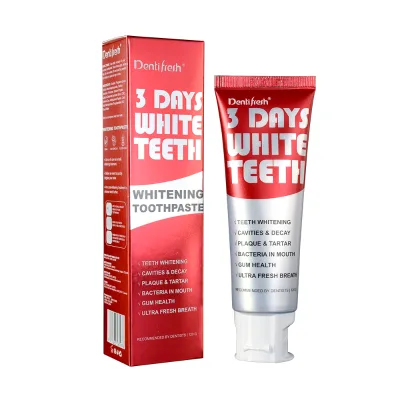
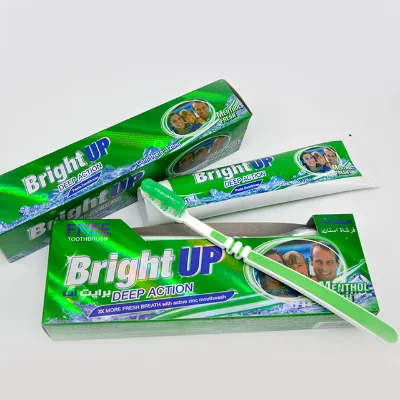
Hot Sale Oral Cleaning Flouride Stain Removing Professional Teeth Whitening Mint Toothpaste
$0.3114
MOQ: 10000 Minimum

Plant Acid Toothpaste for Adult Teeth Whitening Daily Use Oral Care Stain Removal
$0.57 - $0.78
MOQ: 10000

Smoke Stain Removal Toothpaste Professional Teeth Whitening Anti Bacteria White Paste
$0.50 - $0.58
MOQ: 10000
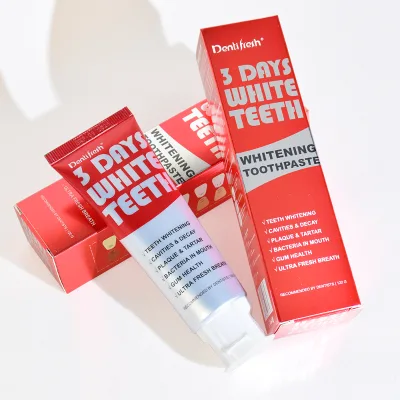
OEM OBM Harmful Free Mild 3 Day Fast Teeth Whitening Toothpaste for Smoker Remove Stains
$0.57 - $0.78
MOQ: 10000

Yangzhou Nano Aviation Technology Co., Ltd.
- Verified by SGS
- Combined
- China Jiangsu
- Lead time15 days
- Avg. response≤ 2h
Main marketsSoutheast Asia/ Mideast,Domestic

Fast Acting Customizable Teeth Whitening Toothpaste for Before Appointment
$0.30 - $0.80
MOQ: 5000 Pieces

Prevents Yellowing Customization Sensitive Teeth Whitening Toothpaste for Gum Care
$0.30 - $0.80
MOQ: 5000 Pieces

Non Irritating Customizable Teeth Whitening Toothpaste for Improving Yellowing
$0.30 - $0.80
MOQ: 5000 Pieces
Nanchang Smile Technology Co., Ltd.
- Verified by SGS Group
- Manufacturer, Trading Company
- Lead time20 days
- Avg. response≤ 3h
Main productsTeeth whitening kit, Teeth whitening strips, Electric toothbrush, Teeth whitening gel, Water flosser
Main marketsNorth America(50%), Domestic Market(20%), Oceania(8%)
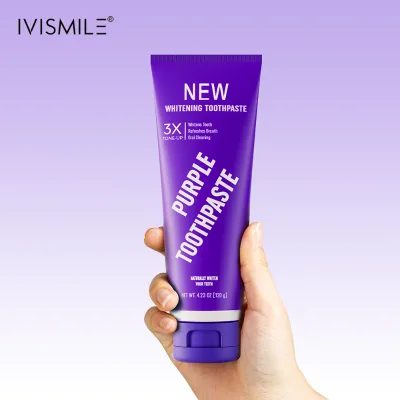
$0.7769 - $0.9117
MOQ: 100 boxes
Tianjin Jikang Pharmaceutical Co., Ltd.
- Verified by TüVRheinland
- Manufacturer, Trading Company
- Lead time20 days
- Avg. response≤ 1h
Main productsToothpaste, Mouthwash, Teeth Cleaning Mousse, Breath Fresheners, Pet Toothpaste
Main marketsAfrica(25%), North America(20%), Southeast Asia(15%)

Stains Removal Toothpaste Hydrated Silica Teeth Whitening Cavity Prevention Toothpaste
$0.26 - $0.30
MOQ: 10000
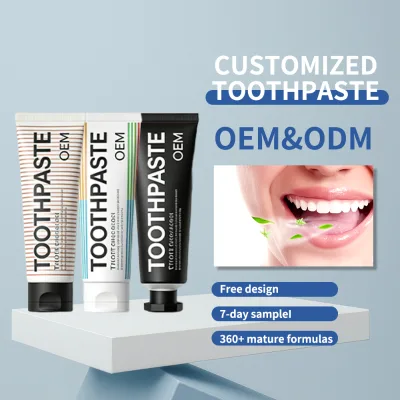
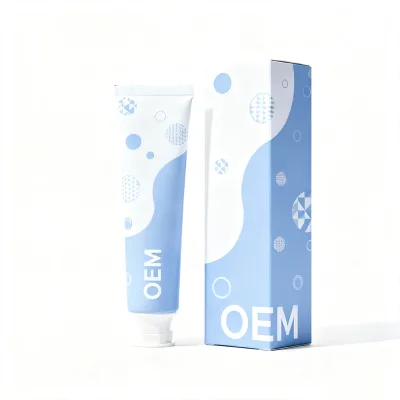
Source Factory Customized Hot-selling Activated Tooth Whitening Deep Cleaning Toothpaste
$0.36 - $0.38
MOQ: 10000
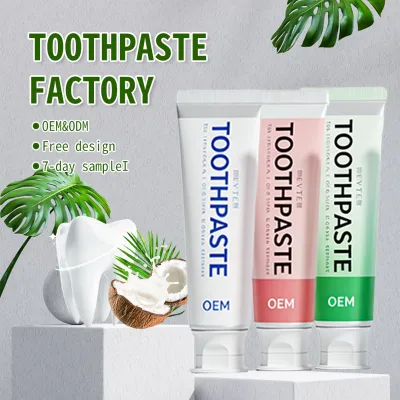


Jiangxi Dentalbright Technology Co., Ltd.
- Verified by BV
- Combined
- China Jiangxi
- Lead time15 days
- Avg. response≤ 4h
Main productsTeeth Whitening Kit, Teeth Whitening Pen, Tooth Whitening Gel, Teeth Whitening Strips, Teeth Whitening Powder, Teeth Whitening Light, Toothpaste, Teeth Whitening Bamboo Brush, Anti Snore Collections
Main marketsEurope,Australia,North America
Jiangxi Ivismile Technology Co., Ltd.
- Verified by SGS Group
- Manufacturer, Trading Company
- Lead time20 days
- Avg. response≤ 3h
Main productsTeeth whitening strips, Teeth whitening kit, Teeth whitening pen
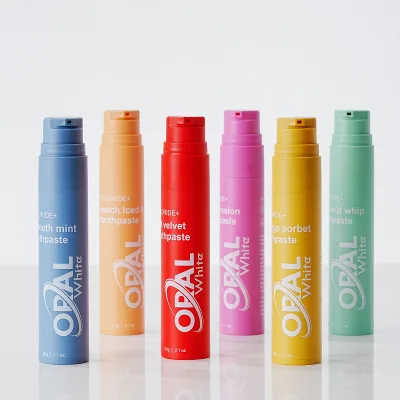
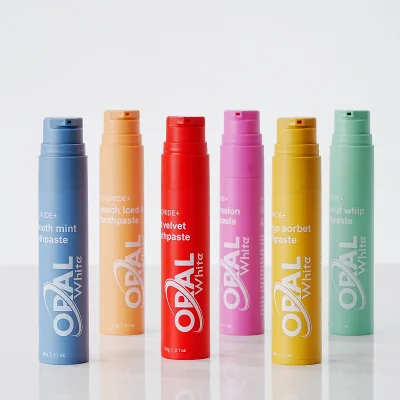
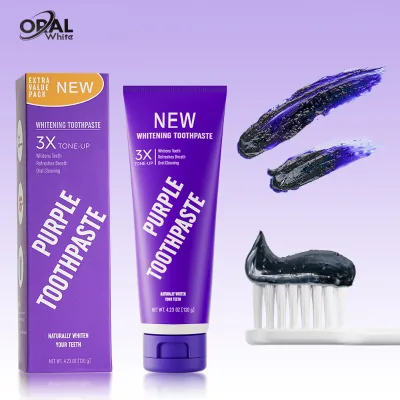
New Arrivals Travel Size Oem Fruit Flavoured Anti-cavity Oral Refreshing Whitening Toothpaste
$1.62 - $2.24
MOQ: 1 boxes

Foshan SCS Medical Instrument Co., Ltd.
- Verified by BV
- Manufacturer/Factory
- China Guangdong
- Lead time15 days
- Avg. response≤ 4h
Main productsDental Unit / Dental Chair, Ent Unit, Dental Handpiece, Curing Light, Autoclave, Air Compressor, Scaler, Oral Camera / Monitor, X-ray Equipment, Diamond Burs / Files
Main marketsSouth America,Eastern Europe,Mid East,North America,Southeast Asia,Eastern Asia,Oceania,Western Europe,Africa

Oral Care Eco Friendly Toothpaste Teeth Brightening Whitening Portable Toothpaste
$1.40 - $1.80
MOQ: 5 Pieces

Dental Care Oral Refreshing Cleaning Teeth Whitening Dentifrice Organic Toothpaste
$1.40 - $1.80
MOQ: 5 Pieces

Teeth Whitening Cleaning Toothpaste Private Label Wholesale Mint Brightening Toothpaste
$1.40 - $1.80
MOQ: 5 Pieces

Teeth Cleaning Remove Yellow Stains Toothpaste Effective Purple Toothpaste
$1.40 - $1.80
MOQ: 5 Pieces
- Verified by SGS Group
- Trading Company
- Lead time15 days
- Avg. response≤ 4h
Main productsToothbrush, Toothpaste, Package Bottle, Teeth Whitening Product, Skin Care Product
Main marketsNorth America(30%), Southeast Asia(20%), Africa(15%)
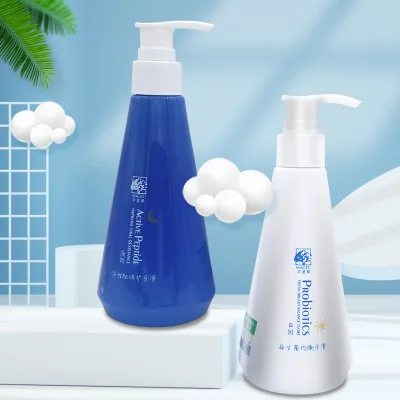
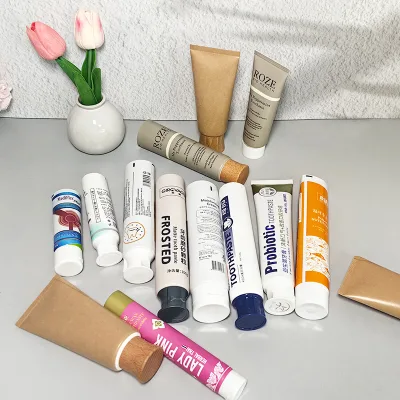
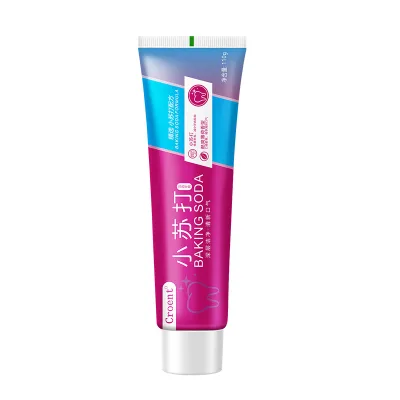
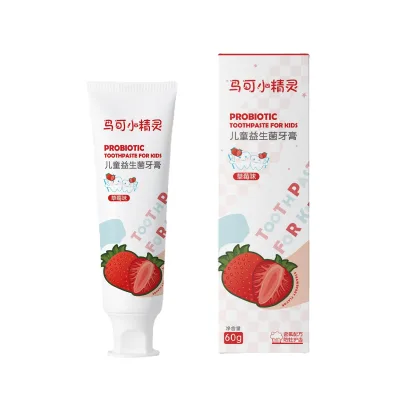
$1.012 - $1.3638
MOQ: 100 boxes
Hebei Houde Hanfang Medical Devices Group Co., Ltd.
- Trading Company
- Lead time旺季: "1 - 1000":31,"> 1000":"To be negotiated", 淡季: "1 - 1000":31,"> 1000":"To be negotiated"
- Avg. response≤ 1h
Main productsFoot Patch, Hydrogel Patch, Scar Removal Patch, Non Woven Fabric Patch, Beauty Personal Care Products
Guangzhou Bell Oral Cleaning Products Ltd
- Verified by TüVRheinland
- Manufacturer, Trading Company
- Lead time20 days
- Avg. response≤ 1h
Main productsToothpaste, Mouthwash, Breath Spray
Main marketsNorth America(10%), South America(10%), Eastern Europe(10%)
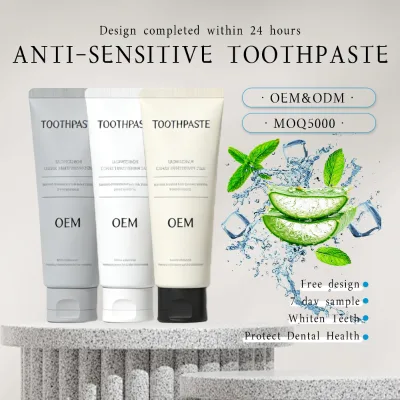
Factory Direct Custom Hot Selling Deep Whitening New Shiny Purple Whitening Toothpaste
$0.25 - $0.30
MOQ: 30000
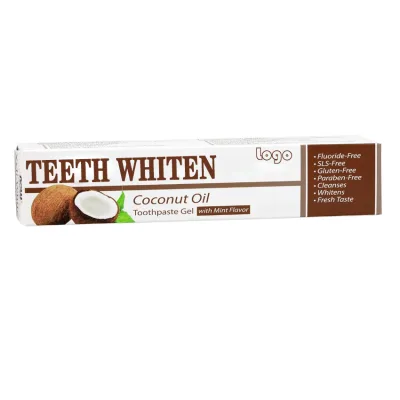
$0.25 - $0.30
MOQ: 30000 pieces
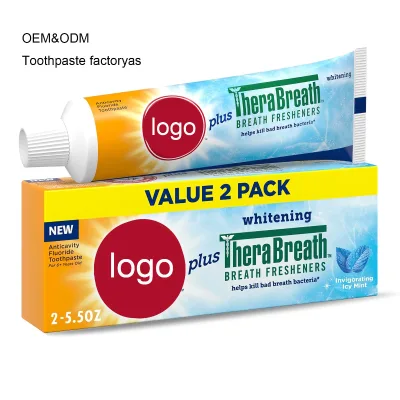
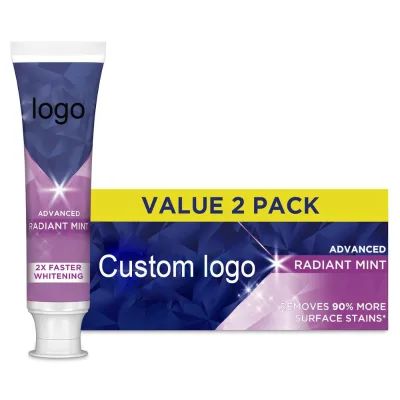
$0.25 - $0.30
MOQ: 30000 pieces
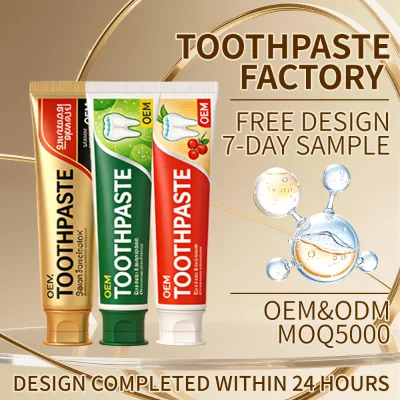
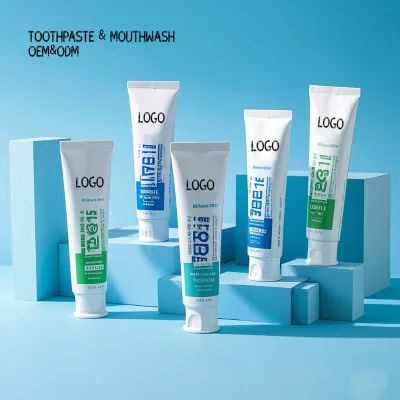
Hangzhou Shuchi Yan Oral Care Products Co., Ltd.
- Verified by Intertek
- Trading Company
- Zhejiang, China
- Lead time30 days
- Avg. response≤ 2h
Main productsToothpaste,OEM & ODM Toothpaste,Toothbrushes,oral care sets,mouth sprays
Main marketsNorth America(50%), Western Europe(30%), Southern Europe(20%)
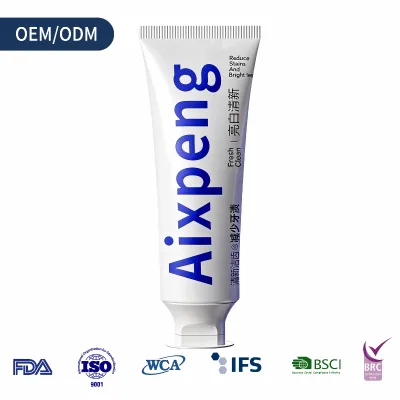
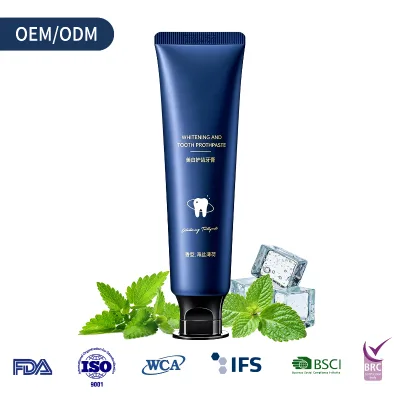
OEM/ODM Bright White Teeth Repair Toothpaste with Enamel Protection for a Radiant Confident Smile
$0.6722
MOQ: 10000 Minimum
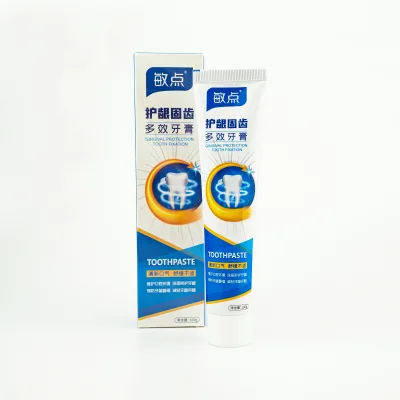
$0.36 - $0.50
MOQ: 20 pieces

Shandong Vianor Pharma Co., Ltd.
- Verified by BV
- Combined
- China Shandong
- Lead time30 days
- Avg. response≤ 3h
Main productsNasal Inhaler Vaporub Stick Aromatherapy Refesh, Pet Care Shampoo Paw Balm Oral Care, Personal Care Household Toothpaste Mouth Wash, Cosmetic Factory Body Care Lotion Hair, Sport Care Pain Relief Muscle Care Spray, Healthy Care Natural Essential Oil Embrocation, Aromatic Stick Medicated Essential Oil Vapo Pad, Healthy Nutrition and Dietary Supplements, Daily Beauty Care Skin Care Body Oil Lube Oil, Patches Pain Relief Blister Plaster Bandage
Main marketsSoutheast Asia/ Mideast,North America

Bulk Quantity Available White Toothpaste Strong Teeth Toothpaste for Sale
$0.12 - $0.29
MOQ: 10000 Pieces

OEM Adult Toothpaste Best Whitening Teeth Anti Sensitive Mint Formula Gel
$0.20 - $0.45
MOQ: 10000 Pieces

New Product Formula Teeth Whitening Cheap Price Toothpaste High Quality Good Manufacturing
$0.15 - $0.45
MOQ: 10000 Pieces

Natural Whitening Mouth Toothpaste Sensitive Teeth Extral Cooling High Quality
$0.12 - $0.28
MOQ: 10000 Pieces
Henan Dailygreen Trade Co., Ltd.
- Verified by Intertek
- Trading Company
- Lead time12 days
- Avg. response≤ 5h
Main productsToothpaste, Mouthwash, Toothpaste Tablets, Mouthwash Tablets, Teeth Whitening Gel

Asterism Technology (Baoding) Co., Ltd.
- Verified by SGS
- Trading Company
- China Hebei
- Lead time30 days
- Avg. response≤ 1h
Main productsToothpaste, Mouthwash, Teeth Powder, Teeth Whitening Stickers, Oral Spray, Foam Toothpaste, Pets Toothpaste
Main marketsNorth America

Refreshing Mint Flavor Probiotics Whitening Toothpaste for Bright Teeth
$0.26 - $0.28
MOQ: 5000 Pieces


$0.20 - $0.25
MOQ: 10000 Pieces

Yangzhou New Century Tourism Chemical Factory
- Manufacturer, Trading Company
- Jiangsu, China
- Lead time30 days
- Avg. response≤ 2h
Main productsToothpaste,Toothbrush,Shampoo,shower gel,Soap
Main marketsWestern Europe(30.00%), Domestic Market(20.00%), Eastern Europe(15.00%), Eastern Asia(15.00%), Africa(15.00%), Mid East(5.00%)

- Verified by BV
- Combined
- China Guangxi
- Lead time30 days
- Avg. response≤ 10h
Main productsToothpaste, Toothbrush, Mouthwash
Main marketsAfrica









Comprehensive Sourcing Guide
Instantly Whiter Teeth Whitening Toothpaste Supplier Concentration and Factory Types
When sourcing Instantly Whiter Teeth Whitening Toothpaste, buyers encounter a supplier base that mixes manufacturers with trading companies, and the distinction matters for pricing, customization depth, and accountability. Some of the suppliers visible in current results are explicitly labeled as trading companies, which means they broker production from third-party factories rather than running their own toothpaste lines. One listed supplier is located in Jiangsu, China, giving buyers at least one confirmed regional anchor point. Beyond that single confirmed location, buyers should not assume a specific cluster; instead, they should identify concentration by filtering search results by province, comparing factory audits, and asking each candidate which plant actually fills and packages the toothpaste.
Product listings in this category show a wide formulation range, including chemical-based and herbal-based whitening pastes, with attributes such as tartar elimination, mint flavor, and adult age targeting. Many suppliers advertise ODM and OEM capability, customized colors, and private-label logos, which is typical for whitening toothpaste sold under buyer brands. Main product portfolios often extend beyond toothpaste into soap bars, toothbrushes, bamboo toothbrushes, hotel amenities, slippers, and other personal care and hygiene items, signaling that some suppliers serve hospitality or institutional channels rather than pure retail brands. Buyers should weigh whether a specialist toothpaste manufacturer or a broader personal-care trading company better fits their volume, compliance requirements, and branding ambitions before requesting samples.
How to Verify Instantly Whiter Teeth Whitening Toothpaste Suppliers
Verification for whitening toothpaste suppliers should start with the credentials displayed on the platform and continue with documentation the buyer requests directly. Current results show some suppliers carrying third-party verification badges from inspection firms such as SGS or BV, while system certification fields range from nil to other designations, which is a meaningful spread. A supplier with no listed system certification should be asked directly for ISO or GMP evidence appropriate to oral care production, and buyers should treat any certificate as unconfirmed until the issuing body or an audit report verifies its scope covers the actual filling plant.
Response speed offers a practical early signal: displayed response times in current results range from roughly 2.95 to 4.15 hours, and buyers can test whether quoted responsiveness holds during technical discussions about whitening agents, fluoride content, and packaging artwork. Buyers should also verify the entity behind the listing by matching the company name on invoices, export licenses, and the platform profile, particularly when a trading company is involved, because the contracting party may differ from the manufacturing site. Request the toothpaste formula's ingredient declarations, safety data sheets, and destination-market compliance statements for whitening claims. Finally, order production samples and third-party lab tests before any deposit, since listing attributes such as herbal or chemical ingredients cannot substitute for tested product.
What to Compare Across Instantly Whiter Teeth Whitening Toothpaste Suppliers
Build a side-by-side comparison table using the attributes suppliers actually display, without assuming every listing carries the same data. Lead times in current results range from 30 days to 25 workdays depending on the product, which affects launch calendars significantly. Minimum order quantities vary widely, from 720 pieces on a 105g whitening toothpaste, to 7,200 pieces on a 100ml wholesale line, 20,000 pieces on a 63g mint formula, and up to 50,000 pieces on customized herbal pastes. Unit prices in the results cluster roughly between $0.10 and $0.40, so buyers should normalize quotes to a per-milliliter or per-gram basis before comparing.
Beyond commercial numbers, compare capability dimensions: ODM and OEM availability, customized flavor and color options, logo printing, packing formats such as paper boxes versus cartons, and model identifiers that anchor future reorder consistency. Response time, verification badge, stated location, and main product breadth round out the table; some suppliers also display establishment year and escrow payment support, but these fields are not present on every listing, so mark gaps as "verify" rather than assuming a value. Also compare whether usage positioning targets home, hotel, or both, since hospitality-oriented suppliers may have different packaging standards and smaller tube formats. Rank candidates on the combination of MOQ fit, price normalized to format, and demonstrated whitening-formulation depth rather than any single attribute.
Common Instantly Whiter Teeth Whitening Toothpaste Sourcing Risks
The most common risk in this category is claim-versus-evidence mismatch: listings promise instant whitening, stain removal for smokers, or tartar elimination, but none of the displayed attributes constitute a tested result. Buyers who market aggressive whitening claims in regulated markets can face customs, advertising, or product-safety problems if the formula does not support the wording. Mitigate this by requiring ingredient declarations, abrasive and whitening-agent specifications, and independent lab testing on samples from the exact production run, not showroom samples, before committing to label copy.
Other recurring risks include certification gaps, since some suppliers in current results show nil system certification, meaning quality systems are unverified; formulation drift, where a supplier quietly changes the herbal or chemical base between the approved sample and mass production; and hidden sub-tier manufacturing, especially when a trading company is listed, since the buyer may not know which factory fills the tubes. MOQ and pricing traps also appear: a low entry MOQ of 720 pieces may carry a higher unit price, while 50,000-piece customized runs require confidence in demand. Packaging discrepancies between paper box and carton descriptions should be confirmed in writing with dieline approvals. Finally, longer stated delivery windows, such as 30 days or 25 workdays, can stretch during peak seasons, so build buffer time into launch plans.
Instantly Whiter Teeth Whitening Toothpaste Regional Sourcing and Logistics
Regional sourcing decisions should rest on confirmed facts rather than assumptions about oral-care geography. Current results confirm one supplier located in Jiangsu, China, which gives buyers a documented reference point for that province's toothpaste capability, but other visible listings do not display a confirmed location, so buyers should query each candidate for factory province and address before comparing freight. When cluster information is unavailable, buyers can approximate it by filtering search results by province, requesting factory audit reports that name the production site, and asking which industrial zone the filling plant occupies; suppliers reluctant to disclose the physical plant warrant extra scrutiny.
Logistics planning for toothpaste has category-specific constraints worth building into quotes. Whitening toothpaste is dense, tube-based, and usually boxed, so freight cost per unit depends heavily on packing format, with carton packing and paper box configurations affecting container utilization differently. Most suppliers quote ex-works or FOB terms, so buyers should calculate landed cost including inland haulage, ocean freight, and destination duties before ranking suppliers on unit price. Confirm whether the supplier has export experience with oral care products in the buyer's destination market, since customs documentation for cosmetic or pharmaceutical-adjacent goods varies. For time-sensitive launches, compare stated delivery times, such as 30 days or 25 workdays, against port proximity and peak-season vessel schedules, and lock production slots early.
Instantly Whiter Teeth Whitening Toothpaste Commercial Terms and Order Planning
Commercial terms for whitening toothpaste should be negotiated around the MOQ and payment structures visible in supplier listings. Current results show payment terms stated as T/T on several customized products, and some profiles indicate escrow support while others do not, so buyers should confirm the payment channel per supplier and avoid wiring deposits outside protected arrangements. Deposit structures typically follow negotiation, but the buyer should tie final payment to passed inspection of the actual goods. Price quotes spanning roughly $0.10 to $0.40 per unit should be compared at the same tube size, ingredient base, and packaging, since a 63g mint paste and a 180g whitening paste are not interchangeable benchmarks.
Order planning should match MOQ tiers to demand forecasts. Trial or channel-test orders align with low-tier MOQs such as 720 pieces on a 105g chemical-based whitening paste, while private-label herbal lines at 50,000 pieces demand firm sell-through data. Confirm in writing whether MOQ applies per SKU, per flavor, or per order, because customized colors and logos can trigger separate minimums. Lock lead times, whether 30 days or 25 workdays, with a production start date and a late-delivery remedy clause. Agree on artwork approval stages, tube and carton dielines, and retention samples from the production run, then schedule reorders against observed response-time performance rather than initial quotations alone.
(ea23bd76)
FAQs
What is the price range for whitening toothpaste?
Whitening toothpaste prices typically range from $0.10 to $0.40 per unit. Costs vary based on ingredient type, such as herbal or chemical formulations, and packaging options like paper boxes or cartons. Buyers should verify specific unit costs against order volume and customization requirements to ensure accurate budgeting for their procurement needs.
What are the minimum order quantities for OEM toothpaste?
Minimum order quantities vary significantly by supplier and product model. Some suppliers require as few as 720 pieces, while others mandate 50,000 pieces for specific herbal formulations. Buyers must check individual product listings to confirm the exact MOQ applicable to their desired customization level and production timeline.
How long does production take for custom toothpaste?
Standard production lead times are generally around 25 to 30 workdays. Some suppliers offer faster turnaround times, while others may require longer periods depending on the complexity of the custom formula or packaging. Buyers should confirm the specific delivery time with the supplier before finalizing orders to avoid delays.
Can I customize the flavor and packaging of toothpaste?
Yes, customization is widely available for both flavor and packaging. Suppliers offer options for mint, herbal, or custom flavors, along with packaging choices like paper boxes, cartons, or customized colors. Buyers can request specific logos and designs to align with their brand identity and market positioning.
Are these suppliers verified for quality assurance?
Many suppliers undergo verification processes such as SGS or BV audits to ensure product quality and manufacturing standards. Buyers should look for verified badges on supplier profiles to confirm that the company has met specific quality and operational criteria. This verification helps mitigate risks associated with sourcing from overseas manufacturers.
What ingredients are used in whitening toothpaste?
Whitening toothpaste formulations typically use either chemical or herbal ingredients. Chemical options may focus on stain removal and tartar elimination, while herbal variants often emphasize natural cleaning and oral refreshing properties. Buyers should review product specifications to select the ingredient profile that best suits their target audience's preferences.