Wireless Mini Tattoo Printer Suppliers and Manufacturers
Source 21 verified Wireless Mini Tattoo Printer suppliers from Guangdong and Hunan, China. Compare key dimensions including CE certification, ISO 9001 standards, response times, and price ranges from $35.99 to $116.00. Review product specifications and lead times to identify the right partner for your business needs.
Suppliers List
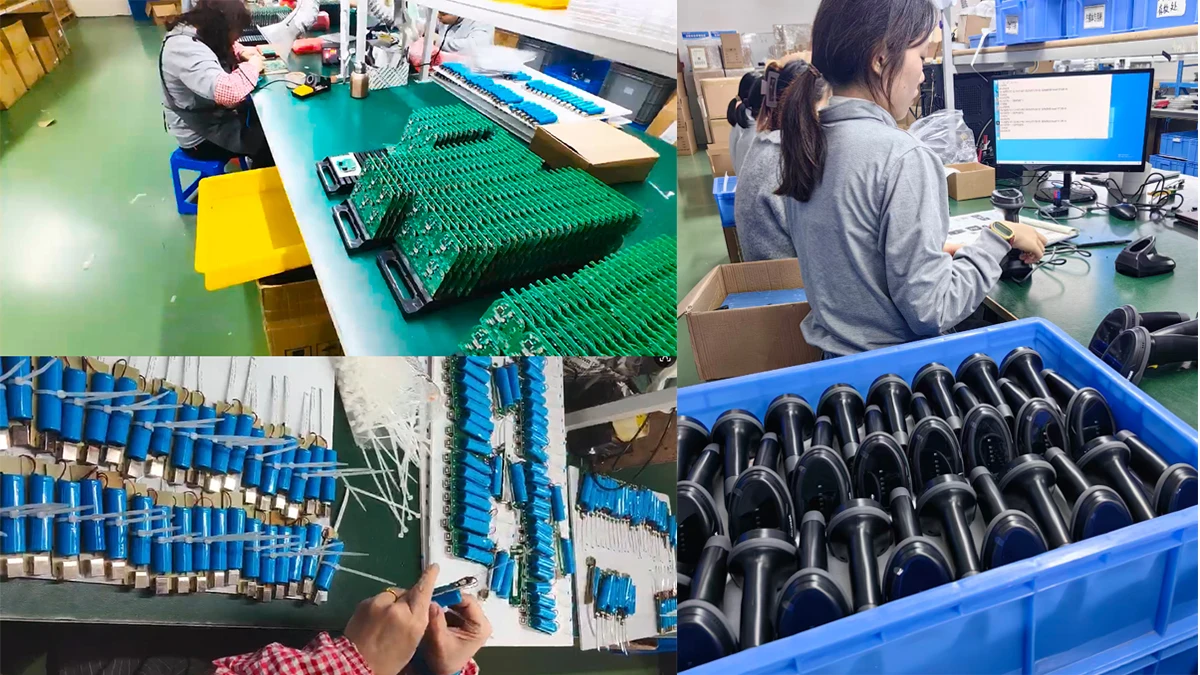
Guangzhou Holyhah Intelligent Technology Co., Ltd.
- Manufacturer, Trading Company
- Guangdong, China
- Lead time0 days
- Avg. response≤ 3h
Main productsbarcode scanenr,receipt printer,barcode printer,label paper,attendance machine
Main marketsSoutheast Asia(15.00%), Oceania(10.00%), South America(10.00%)
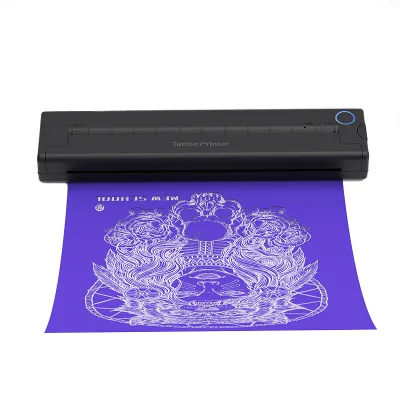
Wholesale Portable A4 Inkless Wireless Bluetooth Tiny Tattoo Transfer Printer for Home Use
$44.34 - $50.53
MOQ: 1 pieces


Hunan Biomaser Technology Co.,Ltd.
- Verified by TüVRheinland
- Manufacturer, Trading Company
- Lead time30 days
Main productsPermanent Makeup Machine Kit, Wireless Permanent Makeup Machine, Permanent Makeup Needles, Tattoo Pen, Tattoo Cartridge Needle
Main marketsSouth Asia(40%), North America(9%), South America(9%)


Cheap Printer Machine Thermal Tattoo Temporary Printer Portable A4
$110.00 - $199.00


YIWU CITY SOLONG IMP. & EXP. CO., LTD.
- Verified by BV
- Combined
- China Zhejiang
- Lead time30 days
- Avg. response≤ 2h
Main productsTattoo Needle Cartridge, Tattoo Needle, Tattoo Machine, Tattoo Pen, Tattoo Kit, Tattoo Ink
Main marketsEurope


$106.00 - $116.00
MOQ: 50 Pieces

$106.00 - $116.00
MOQ: 50 Boxes

Anhui JM Healthcare Products Co., Ltd.
- Verified by TüVRheinland
- Manufacturer, Trading Company
- Lead time15 days
Main productsDisposable Bed Sheet, Apron, Dental Bib, Examination Table Roll, Disposable Toilet Seat Cover
Main marketsDomestic Market(60%), North America(12%), Oceania(10%)
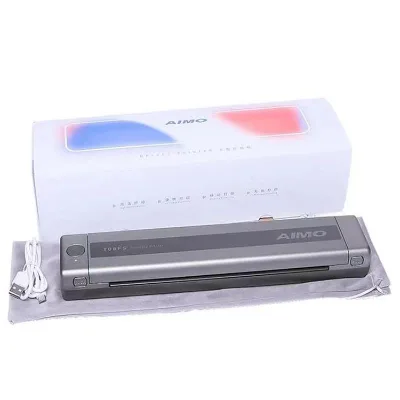
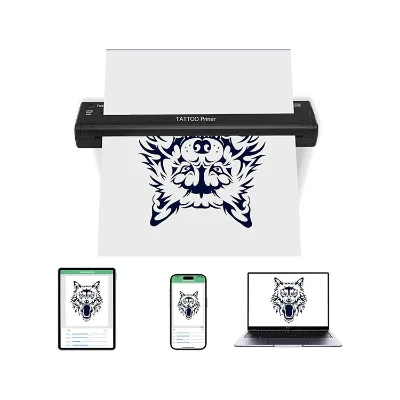

Wholesale Handheld Bluetooth Thermal Tattoo Printer Eco-Friendly Black and White
$59.95 - $70.00
MOQ: 1


Wujiang Dinglong Medical Instrument Co., Ltd.
- Combined
- China Jiangsu
- Lead time15 days
- Avg. response≤ 7h
Main productsTattoo Needle, Tattoo Cartridge Needle, Piercing Needles, Moxa Products, Tattoo Supplies, Tattoo Products, Acupuncture Products, Tattoo Grips, Tattoo Tubes, Eyebrow Tattoo Needle
Main marketsSouth America,Europe,North America

Wireless Tattoo Transfer Printer Quiet Tattoo Thermal Stencil Transfer Printer
$39.90 - $58.90
MOQ: 1 Pieces

A4 Wireless Tattoo Thermal Transfer Printer Efficient Tattoo Transfer Printer for Artists
$39.90 - $58.90
MOQ: 1 Pieces


Portable Mini Tattoo Thermal Copier Transfer Printer Machine for Tattoo Stencil Paper
$59.00 - $70.00
MOQ: 1 Pieces

Portable Wireless Tattoo Transfer Printer Tattoo Thermal Transfer Printer
$39.90 - $58.90
MOQ: 1 Pieces

Wireless Tattoo Transfer Printer Clean Tattoo Thermal Transfer Printer for A4 Sheets
$39.90 - $58.90
MOQ: 1 Pieces

Xiamen Orange Sun Electronic Technology Co., Ltd.
- Verified by SGS
- Combined
- China Fujian
- Lead time15 days
- Avg. response≤ 4h
Main marketsDomestic

- Verified by SGS
- Manufacturer
- China Fujian
- Lead time30 days
- Avg. response≤ 8h
Main productsThermal Printer Mechanism, Thermal POS Printer, Portable Printer, Photo Printer, Label Printer, Barcode Printer, Barcode Scanner, Tt0 Printer, Digital Textile Printing Printer Machine, Label Printer Ai Weighing Scale
Main marketsSouth America,Others(foreignTradeCapacity.exportBusinessCapacityMarketOther),Southeast Asia/ Mideast,East Asia(Japan/ South Korea),Domestic,Europe,North America


HPRT MT866 Thermal Tattoo Stencil Printer Bt Thermal Printer for Tattoo and Photo
$139.99
MOQ: 10 Pieces
Yiwu Yilong Tattoo Equipment Co., Ltd.
- Verified by SGS Group
- Manufacturer, Trading Company
- Lead time0 days
Main productsTattoo Machine, Tattoo Cartridge Needle, Tattoo Power Supply, Tattoo Auxiliary Consumables, Tattoo Inks
Main marketsNorth America(25%), South America(25%), Eastern Europe(10%)

$60.00 - $78.00
MOQ: 3 pieces


Yiwu Limem Tattoo Equipment Co., Ltd.
- Verified by SGS
- Combined
- China Zhejiang
- Lead time23 days
- Avg. response≤ 8h
Main productsTattoo Needle, Tattoo Cartridge, Tattoo Cartridge Needle, Tattoo Machine, Wireless Tattoo Pen, Tattoo Power Supply, Tattoo Needle Cartridge, Permanent Makeup Pen, Permanent Makeup Cartrdige
Main marketsDomestic


Wireless Tattoo Machine Pen with Battery Rotary Tattoo Pen Machine Wireless
$82.00 - $89.00
MOQ: 10 Pieces


Yiwu Yaba Tattoo Equipment Co., Ltd.
- Verified by SGS
- Trading Company
- China Zhejiang
- Lead time15 days
- Avg. response≤ 10h
Main productsTattoo Needle, Tattoo Cartridge, Tattoo Machine, Tattoo Grip, Tattoo Transfer Machine, Tattoo Stencil, Tattoo Aftercare, Pmu Tattoo, Tattoo Furniture
Main marketsAfrica,Southeast Asia/ Mideast,Europe,Australia,North America


Yaba Newest Wireless Bluetooth Mini Tp31 Tattoo Stencil Printer for Artists & Beginners
$36.90 - $45.00
MOQ: 1 Pieces


Changsha Haili Electronic Technology Development Co., Ltd.
- Trading Company
- Hunan, China
- Lead time7 days
- Avg. response≤ 6h
Main productslanguage lab,language laboratory,3D printer,3D pen,3d printing pen
Main marketsNorth America(25.00%), Western Europe(12.00%), Central America(8.00%), Southern Europe(8.00%), Eastern Europe(8.00%), Southeast Asia(7.00%), Africa(5.00%), Northern Europe(5.00%), Domestic Market(5.00%), South Asia(4.00%), South America(3.00%), Oceania(3.00%), Eastern Asia(3.00%), Mid East(2.00%)

Yongkang HOBO Tattoo Equipment Manufactory
- Verified by TUVRHEINLAND
- Combined
- China Zhejiang
- Lead time30 days
- Avg. response≤ 18h
Main productsTattoo Tube, Tattoo Needle, Tattoo Cartridges, Tattoo Power Supply, Tattoo Machine, Tattoo Kit, Tattoo Needle Cartridges, Tattooo Grips, Tattoo Supplies, Piercing Supplies
Main marketsNorth America


Rotary Tattoo Cartridge Pen Power Supply Professional Wireless Tattoo Machine
$145.00 - $155.00
MOQ: 1 Pieces

$85.00 - $109.00
MOQ: 1 Pieces

Wireless Tattoo Printer Stencil Thermal Transfer Machine Copier for Wholesale
$88.00 - $99.00
MOQ: 20 Pieces

Portable A4 Size Thermal Printer Tattoo Wireless Bluetooth Printer with Battery
$75.00 - $108.00
MOQ: 1 piece

Spacedragon Tattoo Needle Co., Ltd
- Manufacturer/Factory
- China Jiangsu
- Lead time0 days
- Avg. response≤ 4h
Main productsCartridge Tattoo Needle, Tattoo Machine Needles, Tattoo Machine Pen, Permanent Makeup Needle, Pmu Tattoo Needle, Tattoo Machine, Tattoo Machine Gun, Sterilized Universal Needles, Microblading Cartridge Needles, Disposable Tattoo Needles

Wireless Tattoo Pen Machine Battery Wireless Tattoo Machine for Body Art
$69.99 - $88.99
MOQ: 1 Pieces


Shenzhen Tuofengda Digital Technology Co., Ltd.
- Verified by SGS
- Combined
- China Guangdong
- Lead time15 days
- Avg. response≤ 3h
Main productsLabel Printer, Thermal Printer, Mini Printer, Inkless Printer, Mini Photo Printer, Barcode Printer, Mini Barcode Printer, Cameral Printer, Mini Label Printer, Mini Cameral Printer
Main marketsDomestic

Hangzhou Solong Technology Co., Ltd.
- Verified by BV
- Trading Company,Manufacturer/Factory,Group Corporation
- China Zhejiang
- Lead time23 days
- Avg. response≤ 7h
Main productsTattoo Machine, Tattoo Needle, Tattoo Cartridge, Tattoo Ink, Pmu Machine, Tattoo Power Supply, Tattoo Grip, Tattoo Needle Tip, Tattoo Pigments, Tattoo Kits
Main marketsSouth America,Eastern Europe,Mid East,North America,Southeast Asia,Eastern Asia,Oceania,Western Europe,Africa

$49.50 - $169.00
MOQ: 1 Pieces


$72.00 - $169.00
MOQ: 1 Pieces

$72.00 - $169.00
MOQ: 1 Pieces

Guangzhou Xiufangyuan Beauty Equipment Co., Ltd.
- Verified by BV
- Manufacturer/Factory
- China Guangdong
- Lead time23 days
- Avg. response≤ 4h
Main productsPermanent Makeup Pigment, Tattoo Ink, Hair Growth, Tattoo Pigment
Main marketsSouth America,Eastern Europe,Mid East,North America,Southeast Asia,Eastern Asia,Western Europe

Hefei Baikuo Machinery Equipment Co., Ltd.
- Verified by TUVRHEINLAND
- Manufacturer/Factory
- China Anhui
- Lead time15 days
- Avg. response≤ 3h
Main productsInkjet Printer, Laser Printer, Handheld Strapping Tools, Ink Cartridge, Date Printer, Laser Marking Machine, Food Printer, Online Inkjet Printer
Main marketsMid East,North America,Eastern Asia,Africa


Mini Handheld Portable Multi-Function Inkjet Mobile WiFi Printer for DIY Tattoo Logo Label
$58.00 - $70.00
MOQ: 1 Pieces

Baidangui Zhuji Import and Export Trading Co., Ltd
- Verified by SGS
- Combined
- China Zhejiang
- Lead time23 days
- Avg. response≤ 7h
Main productsTattoo Needle Cartridges, Tattoo Needle, Tattoo Machine, Tattoo Ink, Tattoo Accessories
Main marketsEurope,North America

Professional High Quality Tattoo Printer Wireless Bluetooth Tattoo Transfer Machine
$58.00 - $65.00
MOQ: 10


- Verified by SGS Group
- Manufacturer, Trading Company
- Lead time30 days
Main productsThermal Printer, TTO Printer, Barcode Label Scale, Barcode Printer, Barcode Scanner
Main marketsDomestic Market(60%), South America(10%), North America(8%)

Lu'an Miluo Tattoo Equipment Co., Ltd.
- Manufacturer, Trading Company
- Anhui, China
- Lead time10 days
- Avg. response≤ 6h
Main productsTattoo Needle,Eyebrow Needle,Tattoo machine,Tattoo Cartridges,Tattooen hair needle
Main marketsSoutheast Asia(22.00%), Western Europe(15.00%), Southern Europe(15.00%), Eastern Europe(15.00%), Northern Europe(15.00%), North America(9.00%), South America(9.00%)
Lishui Dragon Artist Equipment Co., Ltd.
- Manufacturer, Trading Company
- Zhejiang, China
- Lead time0 days
- Avg. response≤ 4h
Main productsTattoo Machine, Tattoo Power Supply, Tattoo Needle, Tattoo Accessories
Main marketsNorth America(30.00%), South America(20.00%), Western Europe(10.00%), Eastern Europe(10.00%), Domestic Market(10.00%), Southeast Asia(10.00%), South Asia(3.00%), Oceania(3.00%), Eastern Asia(3.00%), Southern Europe(1.00%)


Comprehensive Sourcing Guide
Wireless Mini Tattoo Printer Supplier Concentration and Factory Types
The current supplier landscape for wireless mini tattoo printers reveals a distinct concentration of manufacturing activity within Guangdong, China, a region widely recognized for its robust electronics supply chain. This geographic clustering suggests that many vendors offering these specific thermal printing devices benefit from proximity to component suppliers, assembly lines, and logistics networks optimized for consumer electronics. When evaluating potential partners, buyers should note that the company types listed often include both Manufacturers and Trading Companies. This distinction is critical because a manufacturer may offer greater control over production schedules and customization options, whereas a trading company might provide a broader portfolio of related items such as barcode scanners or receipt printers. Understanding this structural dynamic helps in determining whether a supplier is primarily focused on the core technology of thermal printing or if they are aggregating products from various sources to meet diverse client needs.
In addition to the primary manufacturing hubs, some results indicate origins in Hunan, China, suggesting a secondary cluster of suppliers who may specialize in different aspects of body art equipment. These suppliers often list main products that extend beyond simple printers to include permanent makeup machines, wireless tattoo pens, and associated needles. This diversification implies that some factories have evolved to serve the broader tattoo and permanent makeup industry rather than focusing solely on stencil printing technology. Buyers should carefully review the main products listed for each supplier to determine if their operational focus aligns with their specific procurement goals. A supplier listing both tattoo printers and permanent makeup kits may have established relationships with different regulatory bodies or testing facilities, potentially affecting the certification process for the final products. Recognizing these variations in factory type and product focus allows for more accurate assessment of a supplier’s capability to deliver consistent quality and reliable after-sales support for wireless mini tattoo printers.
How to Verify Wireless Mini Tattoo Printer Suppliers
Verification of suppliers requires a multi-layered approach that goes beyond simple profile reviews, focusing on tangible evidence of operational legitimacy and product compliance. One of the most critical steps is to check for third-party verification badges, such as those provided by TüVRheinland, which indicate that an independent auditor has inspected the supplier’s facilities and business practices. This verification adds a layer of trust that is essential when dealing with electronic devices that will be used in close contact with human skin. Buyers should also scrutinize the certifications listed in the product attributes, specifically looking for CE marks, which are mandatory for many international markets. The presence of ISO 9001 and ISO 13485 certifications in some supplier profiles suggests a commitment to quality management systems and medical device standards, which can be indicative of higher manufacturing rigor. However, buyers must verify that these certifications are current and applicable to the specific Wireless Mini Tattoo Printer models they intend to purchase, as certifications can sometimes be listed broadly across a company’s entire portfolio rather than for individual items.
Another vital aspect of verification involves assessing the supplier’s response time and communication efficiency, which serves as a proxy for their operational reliability. A response time of three days or less is a positive indicator, suggesting that the supplier has dedicated customer service teams capable of addressing inquiries promptly. Buyers should initiate contact with potential suppliers to test this responsiveness, asking specific technical questions about the printer’s interface types, such as USB or Bluetooth connectivity, and inquiring about the availability of software development kits for custom applications. Additionally, checking the warranty terms is crucial; a one-year warranty is commonly listed, but buyers should clarify what this coverage entails, including whether it includes call center support or online technical assistance. It is also important to verify the after-sales service options, as some suppliers may list generic terms like "Others" which require further clarification. By combining verification of physical credentials with tests of communication and support structures, buyers can build a more comprehensive picture of a supplier’s reliability and suitability for long-term partnership.
What to Compare Across Wireless Mini Tattoo Printer Suppliers
When comparing suppliers, buyers must evaluate a range of technical specifications and commercial terms to ensure the selected product meets their operational requirements. Key technical attributes to compare include the black print speed, which can vary significantly between models, with some suppliers offering speeds of 100mm/s while others provide slower rates like 15mm/s. The maximum resolution is another critical differentiator, with options ranging from 200 DPI to 300 DPI, directly impacting the clarity and detail of tattoo stencils. Buyers should also examine the interface types, noting whether a supplier offers wireless Bluetooth connectivity, USB connections, or both, as this affects compatibility with various mobile devices and computers. The battery capacity, listed as 2000 mAh in some profiles, is essential for portable units, ensuring sufficient power for extended use without frequent recharging. Additionally, the max paper size, often A4 or 216mm, must align with the buyer’s stencil size preferences. Comparing these technical details side-by-side allows buyers to identify the most suitable hardware for their specific workflow and client expectations.
Beyond technical specs, commercial terms such as price, minimum order quantity, and lead time are pivotal in the decision-making process. Price ranges for wireless mini tattoo printers can vary, with some models starting around $35 and others reaching up to $116, reflecting differences in build quality, features, and brand positioning. The minimum order quantity is often low, with some suppliers accepting orders of just one unit, which is beneficial for testing or small-scale operations. However, buyers should also consider the lead time, which can range from immediate stock availability to thirty days for production runs. Suppliers with a lead time of zero may have products ready for immediate shipment, while those with longer lead times might require advance planning. The single gross weight and package dimensions are also important for calculating shipping costs, with weights ranging from 0.8 kg to 2.0 kg. By systematically comparing these technical and commercial factors, buyers can make informed decisions that balance cost, performance, and logistical efficiency.
Common Wireless Mini Tattoo Printer Sourcing Risks
Sourcing wireless mini tattoo printers involves several inherent risks that buyers must proactively manage to avoid operational disruptions and financial losses. One significant risk is the variability in product quality and performance, particularly regarding print speed and resolution. Suppliers may list different specifications for similar-looking devices, leading to discrepancies between expected and actual performance. For instance, a printer advertised with a high print speed might deliver subpar results in real-world conditions, causing delays in tattoo procedures and customer dissatisfaction. Another risk is the lack of standardized after-sales support, as some suppliers list vague terms like "Others" for service options. This ambiguity can leave buyers without adequate technical assistance when issues arise, such as software compatibility problems or hardware failures. Buyers should seek suppliers with clear, documented support channels, including call centers and online technical support, to mitigate these risks.
Regulatory compliance and certification validity present another major risk area. While some suppliers display CE certifications or ISO standards, buyers must verify that these credentials are legitimate and applicable to the specific products being purchased. Counterfeit or expired certifications can lead to customs delays, product seizures, or legal liabilities in target markets. Additionally, the risk of intellectual property infringement exists, especially when dealing with suppliers who offer private mold services or custom branding. Buyers should ensure that the suppliers have the legal right to produce and sell the designs and technologies they offer. Furthermore, the reliance on third-party logistics for shipping can introduce risks related to damage or loss during transit, particularly for electronic devices with sensitive components. Buyers should confirm shipping methods and insurance options to protect their investments. By identifying and addressing these risks early in the sourcing process, buyers can establish more secure and reliable supply chains for their Wireless Mini Tattoo Printer needs.
Wireless Mini Tattoo Printer Regional Sourcing and Logistics
Regional sourcing decisions significantly impact the logistics and overall cost structure for wireless mini tattoo printers, with Guangdong, China, emerging as a primary hub for these electronics. Suppliers located in this region benefit from established infrastructure for manufacturing and exporting consumer electronics, which often translates to more efficient production cycles and competitive shipping rates. Buyers sourcing from Guangdong should consider the proximity to major ports, which can facilitate faster export processes and reduce transit times to international destinations. However, it is also important to note that some suppliers are located in Hunan, China, which may have different logistical advantages depending on the buyer’s location and preferred shipping routes. Understanding the geographic distribution of suppliers allows buyers to optimize their logistics strategy, potentially reducing freight costs and lead times by selecting suppliers with favorable shipping connections.
Logistics planning must also account for the physical characteristics of the products, such as weight and package dimensions, which directly influence shipping costs. Wireless mini tattoo printers typically have single gross weights ranging from 0.8 kg to 2.0 kg, with package sizes varying based on the model and included accessories. Buyers should request detailed packing information from suppliers to accurately calculate freight charges, especially when ordering in bulk. Additionally, the choice of shipping method, such as DHL, FedEx, UPS, or EMS, can affect delivery speed and reliability. Suppliers often list multiple shipping options, allowing buyers to choose based on their urgency and budget constraints. It is crucial to verify that the supplier has experience in international shipping and can provide necessary documentation, such as commercial invoices and packing lists, to ensure smooth customs clearance. By carefully managing regional sourcing and logistics, buyers can enhance the efficiency and cost-effectiveness of their supply chain for wireless mini tattoo printers.
Wireless Mini Tattoo Printer Commercial Terms and Order Planning
Effective order planning for wireless mini tattoo printers requires a thorough understanding of commercial terms, including pricing structures, payment conditions, and warranty policies. Prices for these devices can vary widely, with some models starting at approximately $35 and others reaching up to $116, depending on features such as print speed, resolution, and connectivity options. Buyers should negotiate pricing based on order volume, as suppliers may offer discounts for larger quantities. It is also important to clarify the minimum order quantity, which is often low, allowing for flexible ordering strategies. Payment terms should be discussed upfront to ensure they align with the buyer’s financial policies, with options such as escrow services providing an additional layer of security for transactions. Understanding these commercial terms helps buyers budget accurately and avoid unexpected costs during the procurement process.
Warranty and after-sales support are critical components of the commercial agreement, as they protect the buyer’s investment in the long term. Most suppliers offer a one-year warranty, but the specifics of this coverage, including what is included and excluded, must be clearly defined. Buyers should inquire about the availability of spare parts and the process for returning defective units. Additionally, the software development kit (SDK) availability is an important consideration for buyers who may need to customize the printer’s functionality. Some suppliers provide SDKs, while others do not, which can impact the buyer’s ability to integrate the printer into their existing systems. By carefully reviewing and negotiating these commercial terms, buyers can establish a solid foundation for a successful partnership with their Wireless Mini Tattoo Printer suppliers, ensuring that both parties have clear expectations and responsibilities.
FAQs
What is the price range for wireless mini tattoo printers?
Prices for wireless mini tattoo printers typically range from approximately $35.99 to $116.00 per unit. The cost varies based on specifications such as print speed, resolution, and included features like SDK support. Buyers should check specific product listings for exact pricing tiers and bulk discounts.
What is the minimum order quantity for these printers?
The minimum order quantity is often just one unit, allowing buyers to test samples before committing to larger orders. This low MOQ supports small businesses and individual tattoo artists who need to evaluate print quality and device reliability without significant upfront inventory investment.
Where are these printers manufactured?
Manufacturing locations for these devices are primarily in Guangdong and Hunan, China. These regions are known for their electronics and printing hardware supply chains. Buyers should verify the specific place of origin on individual product pages to ensure alignment with their sourcing preferences.
What certifications do these printers have?
Many models carry CE certification, ensuring compliance with European health, safety, and environmental protection standards. Some manufacturers also hold ISO 9001 and ISO 13485 certifications, indicating robust quality management systems. Buyers should verify specific certification documents provided by the supplier for each model.
What is the typical lead time for orders?
Lead times vary significantly, with some suppliers offering immediate stock availability while others require up to 30 days for production. Buyers should confirm the current stock status and production schedule with the supplier. Fast delivery options may be available for items marked as stock.
What warranty and after-sales support are provided?
Most printers include a one-year warranty covering manufacturing defects. After-sales support typically includes call center assistance and online technical support. Some suppliers offer additional services, so buyers should review the specific support terms listed for each product to ensure adequate coverage for their operations.