Light Weight Video Switcher Module Suppliers and Manufacturers
Explore 10 verified suppliers offering Light Weight Video Switcher Module solutions with varying lead times, response speeds, and certifications. Compare dimensions like location, capacity, and product specs to find the right partner. Contact suppliers directly to request quotes; review the available evidence before requesting comparable quotations from suitable candidates.
Updated
Suppliers List

- Manufacturer/Factory,Group Corporation
- China Guangdong
- Lead time15 days
- Avg. response≤ 9h
Main productsConference System, Conference Microphone, Matrix Switcher, Signal Management, IR Interpretation, Translation, Discussion Vote
Main marketsSouth America,Eastern Europe,Mid East,North America,Southeast Asia,Eastern Asia,Oceania,Western Europe


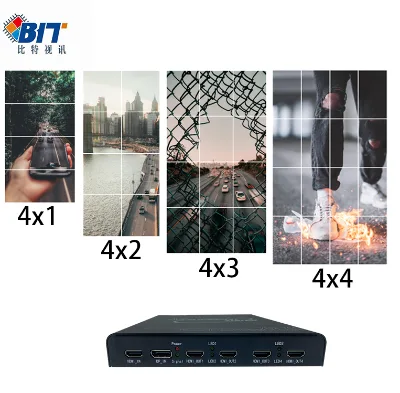
4X1 Multi Viewer Video Scaler Switcher with Kvm Control for Video / Animation
$10.00 - $9999.00
MOQ: 1 Pieces


GUANGZHOU CREATOR CORPORATION(CHINA)
- Verified by BV
- Combined
- China Guangdong
- Lead time15 days
- Avg. response≤ 2h
Main productsConference System, Central Controller, Matrix Switcher, Video Wall Processor, Extender
Main marketsOthers(foreignTradeCapacity.exportBusinessCapacityMarketOther),Southeast Asia/ Mideast,Europe,North America

Video Conferencing Multimedia Controller with Matrix Switcher and Switch Function
$100.00 - $9999.00
MOQ: 1 Pieces


Camera Tracking Modular Multimedia Controller with Built-in Matrix Switcher and Switch
$100.00 - $9999.00
MOQ: 1 Pieces

Hybrid Seamless Switching Matrix Switcher High-Performance Video Wall Display Controller
$100.00 - $9999.00
MOQ: 1 Pieces

Hybrid Seamless Switching Matrix Switcher High-Reliability LED Video Wall Controller
$100.00 - $9999.00
MOQ: 1 Pieces

High-Reliability LED Video Wall Display Controller Seamless Switching Matrix Switcher
$100.00 - $9999.00
MOQ: 1 Pieces

Elandphone Electronic Co., Ltd.
- Verified by TUVRHEINLAND
- Trading Company
- China Guangdong
- Lead time15 days
- Avg. response≤ 5h
Main productsHDMI Splitter, HDMI Switch, HDMI Extender, HDMI Cable, HDMI Converter, USB Hub, Type C Items, USB LAN, WiFi Repeater, Type C Hub
Main marketsEurope
Shenzhen Bitvisus Technology Limited
- Verified by SGS Group
- Trading Company
- Lead time0 days
- Avg. response≤ 2h
Main productsVideo Wall Controller, HDMI Matrix, HDMI Extender, Multi-viewer, HDMI Fiber Extender
Main marketsNorth America(30%), Southeast Asia(20%), Domestic Market(15%)

Shenzhen Caratar Technology Co., Ltd.
- Verified by BV
- Combined
- China Guangdong
- Lead time23 days
- Avg. response≤ 5h
Main productsWiFi Module, WiFi USB in Wall Ap Router, Portable WiFi Power Bank Router
Main marketsSouth America,Africa,Southeast Asia/ Mideast,East Asia(Japan/ South Korea),Europe,Australia,North America

Shenzhen Bitvisus Technology Limited
- Verified by BV
- Trading Company
- China Guangdong
- Lead time15 days
- Avg. response≤ 3h
Main productsTV Video Wall Controller, HDMI Extender, HDMI Matrix Switcher, Multi Viewer, HDMI Fiber Cable, Multi Screen Expansion
Main marketsSoutheast Asia/ Mideast,East Asia(Japan/ South Korea),Domestic,Europe,Australia,North America


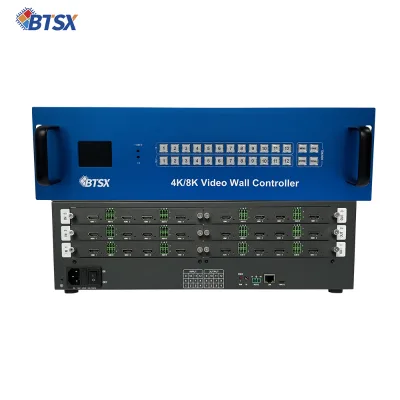
3X3 1X6 1X7 Video Processor 4X2 1X9 2X3 4K TV Video Wall Controller Switcher
$315.00 - $432.00
MOQ: 1 Pieces


Beijing Yite Video Technology Co., Ltd.
- Manufacturer, Trading Company
- Beijing, China
- Lead time0 days
- Avg. response≤ 6h
Main productsVideo Fiber Optic Transmission,Audio Fiber Optic Transmission,LED Screen Display,Video Wall Controller,Interactive Boards
Main marketsSouthern Europe(10.00%), Northern Europe(10.00%), Western Europe(10.00%), North America(10.00%)
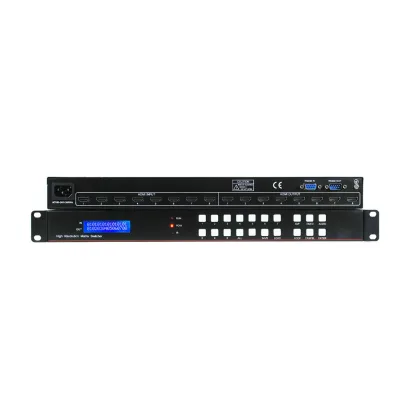
8x8 matrix Switcher 3D Av matrix Video Switcher Supports Multiple Control Panel
$554.8241
MOQ: 1 Minimum
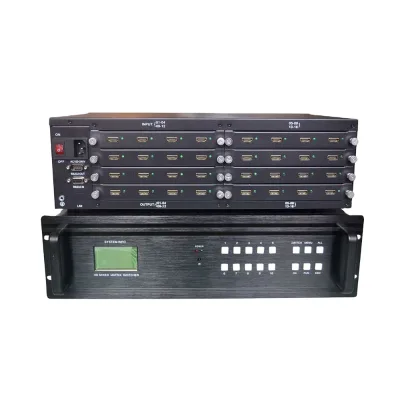
16 Channel Video Matrix Switcher 4k 16x16 matrix Switcher
$2700.00 - $2800.00

Shenzhen Dowdon Technology Co., Ltd.
- Manufacturer, Trading Company
- Guandong, China
- Lead time3 days
- Avg. response≤ 10h
Main productsPhone & Computer Accessories,Consumer Electronic Products,Security & Protection,Electrical Equipment & Supplies,Lights & Lighting
Main marketsWestern Europe(20.00%), North America(20.00%), Oceania(10.00%), Southern Europe(5.00%), Northern Europe(5.00%), Central America(5.00%), South America(5.00%), Eastern Asia(5.00%), Mid East(5.00%), Eastern Europe(5.00%), Africa(5.00%), Southeast Asia(5.00%), South Asia(3.00%), Domestic Market(2.00%)

Ningbo Weidan Electronics Co., Ltd.
- Verified by BV
- Manufacturer/Factory
- China Zhejiang
- Lead time75 days
- Avg. response≤ 24h
Main productsAV Cable, Network Cable, Power Cord, Network Accessories, WiFi Products, Computer Cable, Wires & Harness, Sensor Cable, Waterproof Cable, Auto Wiring Kit
Main marketsSouth America,Eastern Europe,Mid East,North America,Southeast Asia,Eastern Asia,Oceania,Western Europe,Africa

Shanghai Yongjia International Trading Co., Ltd.
- Trading Company
- China Shanghai
- Lead time30 days
- Avg. response≤ 13h
Main productsExhibition Booth, Light Box, Glasses, Trade Show Stands, Tent, Pop up Stands
Main marketsSouth America,Africa,Southeast Asia/ Mideast,East Asia(Japan/ South Korea),Domestic,Europe,Australia,North America






Comprehensive Sourcing Guide
Light Weight Video Switcher Module Supplier Concentration and Factory Types
The current search results indicate a concentration of manufacturing capabilities within China, specifically in the Guangdong region. This area hosts a mix of manufacturer factories and group corporations that specialize in signal management, matrix switchers, and video wall processors. These entities often list main products including conference systems, central controllers, and various HDMI or video switching solutions. The presence of Own Brand, OEM, and ODM capabilities suggests that many suppliers in this cluster can customize modules for specific weight or performance requirements. Buyers should look for suppliers explicitly stating "Manufacturer/Factory" or "Group Corporation" status to ensure direct access to production lines rather than intermediaries.
In contrast, some results identify trading companies that aggregate products like HDMI splitters, USB hubs, and AV switchers. These trading entities may offer a broader range of peripheral items but often lack the deep engineering capacity for custom light-weight module development found in factories. The distinction is critical because factory types typically provide more robust R&D support for scaling production and modifying product attributes like resolution or interface types. When evaluating the supplier base, buyers must verify if the entity is a direct producer of the core switching technology or a reseller of generic components. This verification ensures that the supply chain can support complex requirements for video wall processors and seamless switching matrices without relying on third-party logistics for core manufacturing.
How to Verify Light Weight Video Switcher Module Suppliers
Verification begins with checking for recognized system certifications such as ISO 9001, ISO 14001, and OHSAS 18001, which appear in the profiles of several manufacturers. These documents indicate adherence to quality management and environmental standards, which are essential for consistent production of electronic switching modules. Some suppliers also hold GMP or specific product certifications like RoHS and CCC, which validate compliance with safety and material regulations. Buyers should request current copies of these certificates to confirm that the supplier maintains active compliance rather than relying on expired or generic documentation. The presence of third-party verification badges, such as BV or TÜV Rheinland, further strengthens the credibility of the supplier's operational claims.
Response time and verification status are also key indicators of supplier reliability. Data shows response times varying significantly, with some suppliers responding in under two hours while others take over eight hours. A faster response time often correlates with a more active sales team and better communication channels for resolving technical queries about module specifications. Buyers should prioritize suppliers with verified badges and rapid response metrics to ensure timely support during the sourcing process. Additionally, checking the "is_verified" status provides a layer of trust regarding the company's legal existence and business practices. It is crucial to confirm that the supplier's claimed capabilities, such as OEM or ODM services, align with their actual verification status before proceeding with any order.
What to Compare Across Light Weight Video Switcher Module Suppliers
When comparing suppliers, lead time and minimum order quantity (MOQ) are primary differentiators. Available data indicates lead times can be as short as 15 days, while MOQs may start as low as one unit for certain products. This flexibility allows buyers to test prototypes or order small batches without significant capital commitment. However, buyers must verify if these low MOQs apply to custom light-weight modules or only to standard off-the-shelf items. Comparing the specific lead times for custom orders is essential, as customization often extends production schedules beyond the standard 15-day window. Suppliers offering lower MOQs may have higher per-unit costs, so buyers should calculate the total cost of ownership rather than focusing solely on the entry price.
Product attributes and main product focus also require careful comparison. Some suppliers specialize in conference systems and matrix switchers, while others focus on HDMI extenders or USB hubs. Buyers should match their specific needs for video wall processors or seamless switching with the supplier's core competencies. Attributes like camera resolution, communication type (wired vs. wireless), and interface support (HDMI, DVI, VGA) vary significantly across the supplier base. A supplier listing "4K Multiviewer" capabilities may not be the best fit for a project requiring specific low-latency switching. Buyers must cross-reference the product keywords and technical specifications against their project requirements to ensure the supplier can deliver the exact performance metrics needed for the application.
Common Light Weight Video Switcher Module Sourcing Risks
One significant risk involves the discrepancy between claimed capabilities and actual product specifications. While some suppliers list advanced features like 4K resolution and seamless switching, others may only offer basic AV switching functions. Buyers must verify that the product attributes, such as input/output connectors and signal types, match the technical requirements of the project. Relying on generic product descriptions without confirming specific model numbers can lead to receiving hardware that lacks necessary features like KVM control or specific video wall processing capabilities. This mismatch often results in additional costs for retrofitting or replacing equipment, delaying project timelines and increasing overall expenses.
Another risk is the variability in response times and communication quality among different supplier types. Trading companies may have slower response times compared to direct manufacturers, potentially hindering quick decision-making during the sourcing phase. If a supplier takes over eight hours to respond, it may indicate a lack of dedicated technical support or a high volume of inquiries that dilutes service quality. Furthermore, the absence of specific certifications like ISO 9001 in some profiles suggests a potential gap in quality control processes. Buyers should be cautious of suppliers with "NIL" certification status, as this may indicate a lack of formal quality management systems. Ensuring that the supplier has a proven track record of meeting deadlines and maintaining product standards is vital to mitigating these operational risks.
Light Weight Video Switcher Module Regional Sourcing and Logistics
The primary sourcing hub identified in the results is China, specifically the Guangdong region, which serves as a major manufacturing cluster for electronic components. This concentration offers logistical advantages due to established supply chains and proximity to major shipping ports. Buyers sourcing from this region can expect efficient logistics for exporting video switcher modules and related accessories. However, the specific origin of products, such as Shenzhen or other cities within Guangdong, may impact shipping costs and transit times. Buyers should verify the exact production location to estimate freight charges accurately and plan for potential customs delays. Understanding the regional logistics network helps in optimizing the supply chain for timely delivery of critical switching modules.
For buyers outside of China, regional sourcing may involve navigating complex international shipping regulations and tariffs. While the data confirms products originate from China, buyers must consider the implications of importing electronic goods from this region. Logistics partners should be selected based on their experience with handling sensitive electronic equipment and ensuring proper packaging to prevent damage during transit. The use of carton packing, as noted in product attributes, is standard but may require additional reinforcement for heavy or fragile modules. Buyers should also evaluate the supplier's ability to handle export documentation and compliance with destination country regulations. A clear understanding of the regional logistics landscape ensures that the supply chain remains resilient and cost-effective throughout the procurement process.
Light Weight Video Switcher Module Commercial Terms and Order Planning
Commercial terms such as pricing and payment structures vary widely among suppliers, with price ranges spanning from $10 to nearly $10,000 depending on the product complexity. Buyers must carefully analyze the price range to understand the cost implications of different module configurations. Low-priced items may be standard components, while higher-priced units likely include advanced features like 4K resolution or seamless switching capabilities. It is essential to request detailed quotes that break down costs for customization, tooling, and shipping to avoid hidden expenses. Buyers should also inquire about volume discounts and payment terms, as these can significantly impact the overall budget and cash flow management for the project.
Order planning requires a clear understanding of the supplier's capacity and production capabilities. Suppliers offering OEM and ODM services can accommodate custom orders, but buyers must confirm the lead time for these specialized requests. The standard lead time of 15 days may not apply to custom designs, which could require additional time for prototyping and testing. Buyers should plan their order timeline to account for potential delays in the production cycle, especially if the project involves multiple modules or complex integration requirements. Establishing a clear communication channel with the supplier to track production progress is crucial for ensuring on-time delivery. By aligning commercial terms with realistic order planning, buyers can mitigate risks and ensure a smooth procurement experience.
FAQs
What is the typical lead time for video switcher modules?
The typical lead time for these modules is 15 days. This duration allows for manufacturing and quality checks before shipment. Buyers should confirm specific timelines with suppliers, as rush orders may incur additional costs or require alternative production schedules to meet urgent project deadlines.
Do suppliers offer OEM and ODM services for switchers?
Yes, many manufacturers provide both OEM and ODM services. This allows buyers to customize branding, specifications, and packaging. Some suppliers also support own-brand development. Buyers should verify the minimum order quantities and design requirements for custom solutions to ensure alignment with their product strategy.
What certifications are standard for these video switcher modules?
Standard certifications often include ISO 9001, ISO 14001, and RoHS. Some manufacturers also hold OHSAS 18001 or GMP credentials. These certifications ensure quality management and environmental compliance. Buyers should request valid certificates to verify that the products meet international safety and manufacturing standards.
What is the minimum order quantity for video switchers?
The minimum order quantity can be as low as one unit for some suppliers. This flexibility supports sampling and small-scale testing. However, bulk pricing usually applies to larger orders. Buyers should check specific MOQs with suppliers to understand cost implications for their required volume.
Where are these video switcher modules typically manufactured?
These modules are typically manufactured in China, specifically in Guangdong province. This region is a major hub for electronics production. Buyers should verify the exact factory location to assess logistics costs and shipping times. Origin details are crucial for import duty calculations and supply chain planning.
How quickly do suppliers typically respond to inquiries?
Response times vary, with some suppliers replying within 1.21 hours. Others may take up to 8.55 hours. Faster response times indicate active sales teams and efficient communication channels. Buyers should prioritize suppliers with quick response rates to ensure smooth negotiation and order processing.
What price range applies to video switcher modules?
Prices range from $10 to $9,999 depending on specifications. Basic models are affordable, while high-end processors cost more. Factors like resolution, input/output count, and features affect pricing. Buyers should request detailed quotes to compare value and ensure the product fits their budget constraints.