Industrial Mini PC Motherboard Suppliers and Manufacturers
Source 14 verified Industrial Mini PC Motherboard suppliers in Guangdong, China. Compare response times, lead times, certifications, and pricing to find the right partner. Review product specs and request quotes today; review the available evidence before requesting comparable quotations from suitable candidates.
Suppliers List
Shenzhen Baijie Technology Co., Ltd.
- Manufacturer, Trading Company
- Guangdong, China
- Lead time15 days
- Avg. response≤ 2h
Main productsDevelopment board,hardware customize,software service,embedded development board,core board
Main marketsNorth America(20.00%), Western Europe(10.00%), Domestic Market(10.00%), Mid East(10.00%), Oceania(10.00%), Southeast Asia(10.00%), Eastern Europe(10.00%), Eastern Asia(5.00%), South Asia(5.00%), Southern Europe(5.00%), Central America(5.00%)

R&O Industrial Technology Co., Limited
- Manufacturer/Factory,Group Corporation
- China Guangdong
- Lead time23 days
- Avg. response≤ 6h
Main productsMotherboard, Firewall Motherboard, Electronic Components, IC, Network Security Appliance, Mini PC, Chipset, Industrial Embedded Computer, OEM, Mainboard
Main marketsSouth America,Eastern Europe,Mid East,North America,Southeast Asia,Eastern Asia,Oceania,Western Europe,Africa


Nano Itx Motherboard Mini Motherboard
MOQ: 1 Pieces


Industrial Motherboard DDR3l J1900 Small Motherboard
MOQ: 1 Pieces


Shenzhen Sy Smartlink Technology Co., Ltd.
- Verified by SGS
- Trading Company
- China Guangdong
- Lead time30 days
- Avg. response≤ 5h
Main productsMotherboard, Notebook, Laptop, All-in-One PC, Tablet, Smart Industry, Desktop, Others
Main marketsEurope

Mini-Itx Mini PC Motherboard Intel Core 4/5th POS Dedicated Industrial Motherboard
$50.00 - $200.00
MOQ: 100 Pieces

Industrial Motherboard Processor Intel 2/3th I3/I5/I7 Lvds HDMI Mini-Itx Motherboard
$50.00 - $200.00
MOQ: 100 Pieces

Intel Core 12/13th I3/I5/I7 Industrial Mini-Itx PC Motherboard for Mini Computer
$69.00 - $200.00
MOQ: 100 Pieces

Computer PC Mini-Itx Industrial Motherboard with Intel 4/5th I3/I5/I7 LGA1150 DDR4
$62.00 - $200.00
MOQ: 100 Pieces

Shenzhen Piesia Electronic Technology Co., Ltd.
- Manufacturer/Factory
- China Guangdong
- Lead time15 days
- Avg. response≤ 9h
Main productsMotherboard, Mini Itx Motherboard, 3.5 Inch Embedded Motherboard, Industrial Motherboard, Industrial PC Parts, Main Board, Industrial PC, Network Motherboard, X86 Motherboard, Sbc Motherboard
Main marketsSouth America,Eastern Europe,Mid East,North America,Southeast Asia,Eastern Asia,Oceania,Western Europe,Africa


$94.00 - $103.00
MOQ: 1 Pieces
Shenzhen Gowin Industrial Control System Co., Ltd.
- Manufacturer, Trading Company
- Guangdong, China
- Lead time0 days
- Avg. response≤ 7h
Main productsMINI PC,industrial PC,industrial motherboard,industrial Panle PC,Fanless PC
Main marketsDomestic Market(26.00%), North America(10.00%), South America(10.00%), Northern Europe(8.00%), Western Europe(7.00%), Eastern Europe(5.00%), Southeast Asia(5.00%), Central America(5.00%), South Asia(5.00%), Southern Europe(5.00%), Oceania(5.00%), Africa(3.00%), Eastern Asia(3.00%), Mid East(3.00%)

Shenzhen Elsky Technology Co., Ltd.
- Verified by SGS
- Combined
- China Guangdong
- Lead time30 days
- Avg. response≤ 8h
Main productsMotherboard, Mini PC, OPS Mini PC, Industrial PC
Main marketsDomestic

Mini PC Board J1800 Dual Cores 1COM USB3.0 LAN Fanless Mini Motherboard /Industrial Motherboard
$50.00 - $53.00
MOQ: 1 Pieces

OEM Industrial 6 COM Ports Mini Itx Motherboard for Factory Automation Control
$130.00 - $135.00
MOQ: 1 Pieces


High Performance Chipset Mini Intel 1155 LGA Motherboard Motherboard for Desktop Computer
$54.00 - $58.00
MOQ: 2 Pieces

Wholesale Mini-Itx Motherboard for IoT - Dual LAN, 6X USB, M. 2 Nvme Support
$189.00 - $194.00
MOQ: 1 Pieces

Wholesale Mini-Itx Motherboard with 13th Gen I3 & LAN - OEM/ODM Supported
$140.00 - $145.00
MOQ: 1 Pieces

Shenzhen Grandtop Electronics Co., Ltd.
- Trading Company,Manufacturer/Factory
- China Guangdong
- Lead time30 days
- Avg. response≤ 13h
Main productsPCB Assembly, Robotic Control PCB Assembly, Industrial Control PCBA, Medical PCBA, Financial PCBA, Contract Manufacturer, Automatic Control PCB Assembly, OEM &ODM PCBA, Turnkey Service PCBA, One Stop PCB Assembly
Main marketsSouth America,Eastern Europe,Mid East,North America,Southeast Asia,Eastern Asia,Western Europe,Africa

Intel Core Industrial Mainboard Mini Itx Motherboard with Immersion Gold Embedded Board
$102.90 - $149.90
MOQ: 2 Pieces


Manufacturer Embedded Intel Mini Itx Motherboard for X86 Industrial Grade PC Mainboard
$79.90 - $99.90
MOQ: 10 Pieces

Mini Itx I3 Motherboard for Industrial Computer with Processor 12th Generation
$131.90 - $149.90
MOQ: 10 Pieces

Factory Embedded Industrial Mini Itx PC Motherboard with Intel Celeron Processor J6412
$79.90 - $99.90
MOQ: 10 Pieces

Shenzhen Jiexingtong Technology Co., Ltd.
- Manufacturer
- Guangdong, China
- Lead time7 days
- Avg. response≤ 1h
Main productsindustrial computer,Mini pc,Network server,Industrial panel pc,industrial mainboard
Main marketsNorth America(30.00%), South America(20.00%), Western Europe(14.00%), Eastern Europe(11.00%), Northern Europe(5.00%), Southern Europe(4.00%), Oceania(3.00%), Southeast Asia(3.00%), Eastern Asia(2.00%), Domestic Market(2.00%), Central America(2.00%), South Asia(2.00%), Africa(1.00%), Mid East(1.00%)
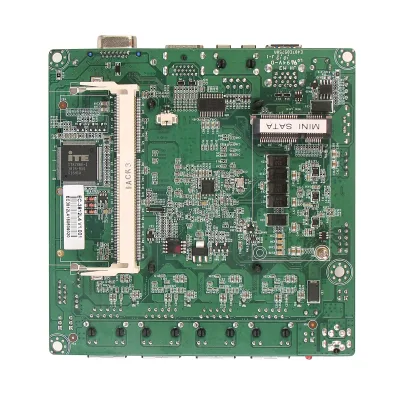
Industrial Motherboard for Automation High Speed, Robust Design, Supports Windows Linux
$233.55 - $304.94
MOQ: 1 pieces
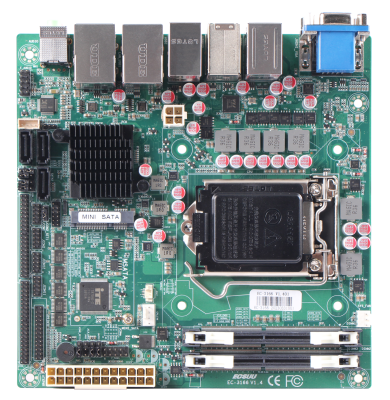
$194.22 - $307.25
MOQ: 1 pieces
Shenzhen Dongdayang Industrial Co., Ltd.
- Verified by Intertek
- Trading Company
- Lead time15 days
- Avg. response≤ 3h
Main productsProcurement Agent For Handicrafts, Procurement Agent For Hardware Tools, Procurement Agent For Furniture And Home Decor, Procurement Agent For Electronic Products
Main marketsNorth America(51%), South America(10%), Mid East(10%)

Foshan Lineng Electronic Equipment Co., Ltd.
- Verified by SGS
- Trading Company
- China Guangdong
- Lead time15 days
- Avg. response≤ 3h
Main marketsDomestic
Shenzhen Qianbao Technology Co., Ltd.
- Trading Company
- Guangzhou, China
- Lead time7 days
- Avg. response≤ 12h
Main productsGraphic card,CPU,Motherboard,Cooling plate,Fans
Main marketsNorth America(20.00%), Northern Europe(10.00%), Domestic Market(10.00%), Eastern Europe(10.00%), Mid East(10.00%), Western Europe(8.00%), Southern Europe(8.00%), Southeast Asia(5.00%), South America(5.00%), Eastern Asia(5.00%), Central America(3.00%), Africa(2.00%), South Asia(2.00%), Oceania(2.00%)
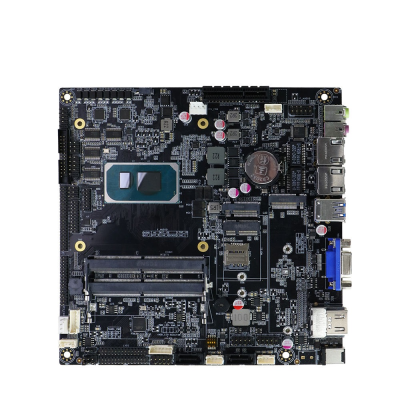
$130.00 - $270.00
MOQ: 2 pieces
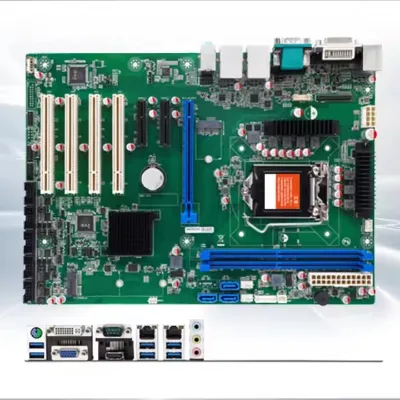
DC 12V Industrial Mini ITX Motherboard with I3-7100U 2*RJ45 8*USB 5*RS-232+1*RS-485/232 Ports
$88.79 - $130.00
MOQ: 1 pieces
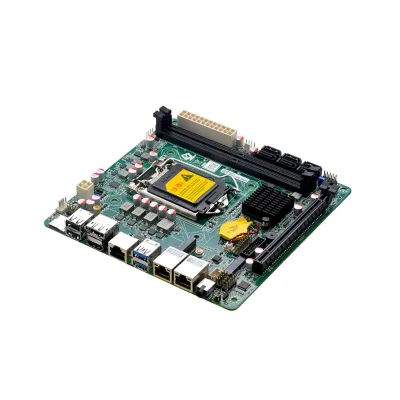

ShenZhen Nova Semiconductor Co., Ltd.
- Verified by TUVRHEINLAND
- Trading Company
- China Guangdong
- Lead time15 days
- Avg. response≤ 6h
Main productsIC, Resistor, Capacitor, Sensor, Transistor, Diode, Triode, Passive Components, Drive IC, PCBA
Main marketsSouth America,Southeast Asia/ Mideast,East Asia(Japan/ South Korea),Europe,Australia,North America

Shenzhen ITZR Technology Co., Ltd.
- Verified by TUVRHEINLAND
- Combined
- China Guangdong
- Lead time15 days
- Avg. response≤ 10h
Main productsLaptop, Motherboard, Tablet PC, All in One PC, Mobile, Graphics Cards, Mini PC, VGA Card, Ipc, Mainboard
Main marketsSouth America,Southeast Asia/ Mideast

H81 Mini Industrial Motherboard Support I3 / I5 / I7 LG1150 CPU 17X17 Computer Motherboard
$49.00 - $56.00
MOQ: 1 Pieces

Industrial Mainboard Industrial Motherboard Five PCI Slot Two Isa Slot Img31isa
$99.00 - $107.00
MOQ: 20 Pieces

Zhengzhou Qiyang Technology Co., Ltd.
- Verified by SGS
- Combined
- China Henan
- Lead time15 days
- Avg. response≤ 2h
Main productsIndustrial PC, Industrial Panel PC, Industrial Monitor, Industrial Motherboard, Fanless Mini PC, Embedded Box PC
Main marketsSouth America,Others(foreignTradeCapacity.exportBusinessCapacityMarketOther),Southeast Asia/ Mideast,Europe,North America

High Quality DC 12V Industrial Mini Itx Computer Motherboard with I5-1235u 2*RJ45 9*USB 6*COM Ports
$181.80 - $203.40
MOQ: 1 pieces

Customizable DC12V Industrial Mini Itx Motherboard with I3-8130u CPU 8*USB 2*RJ45
$96.00 - $114.00
MOQ: 1 pieces

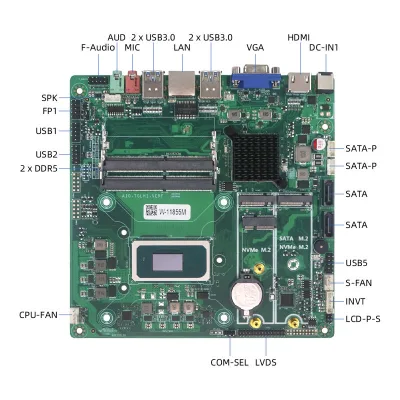


Comprehensive Sourcing Guide
Industrial Mini PC Motherboard Supplier Concentration and Factory Types
The available data indicates a significant concentration of Industrial Mini PC Motherboard manufacturers and trading companies within Guangdong, China. This region serves as a primary hub for electronic component assembly, offering a dense ecosystem of suppliers capable of handling complex embedded development tasks. When evaluating potential partners, buyers should look for entities explicitly listing Guangdong as their operational base, as this location often correlates with established supply chains for core boards and industrial motherboards. The presence of both manufacturers and trading companies in this cluster suggests a market where direct factory engagement is possible alongside flexible sourcing through intermediaries.
Supplier types observed in this sector vary from original manufacturers to agencies and retailers, with some entities offering a blend of ODM and OEM services. This diversity allows buyers to select partners based on their specific need for customization or standard product procurement. While some suppliers focus on development boards and hardware customization, others specialize in complete embedded systems and network security appliances. It is crucial to verify the specific company type listed in the supplier profile, as a trading company may offer broader product ranges but less direct control over the manufacturing process compared to a dedicated factory. Understanding this distinction helps in aligning the supplier's capabilities with the buyer's project requirements for industrial-grade hardware.
How to Verify Industrial Mini PC Motherboard Suppliers
Verification of Industrial Mini PC Motherboard suppliers requires a rigorous check of their operational credentials and product specifications. Buyers should prioritize suppliers who provide detailed product attributes, such as specific processor models like Intel Celeron J1900 or Alder Lake-N N100, and confirm the presence of essential interfaces like SATA, DDR3/DDR4 memory slots, and multiple LAN ports. The availability of datasheets, EDA/CAD models, and photos is a strong indicator of a supplier's technical maturity and transparency. Additionally, checking for system certifications like ISO 9001 can provide assurance regarding the quality management systems in place, although buyers must confirm if these certifications are current and applicable to the specific product line being sourced.
Response time and lead time are critical metrics for assessing supplier reliability and operational efficiency. Data suggests that response times can vary significantly, with some suppliers responding within two hours while others may take over five hours. Similarly, lead times for production and delivery can range from 15 days to 23 days or more, depending on the complexity of the order and the supplier's current capacity. Buyers should explicitly request these timelines during the initial inquiry phase to ensure they align with their project schedules. Furthermore, verifying the supplier's ability to handle customization requests, such as specific form factors or operating temperature ranges, is essential for ensuring the final product meets the rigorous demands of industrial applications.
What to Compare Across Industrial Mini PC Motherboard Suppliers
When comparing suppliers, buyers must evaluate a range of commercial and technical dimensions to identify the most suitable partner. Key factors include the minimum order quantity (MOQ), which can vary from single units to larger batches, and the price range, which may span from approximately $45 to $385 depending on the processor and feature set. Lead times and response speeds are also vital for planning production cycles, as delays can impact the entire supply chain. Buyers should also consider the supplier's main product focus, ensuring they specialize in the specific type of motherboard required, whether it is a fanless design, a specific form factor like Mini ITX, or a board with integrated graphics and multiple display outputs.
Technical specifications and customization capabilities form another critical layer of comparison. Suppliers may offer varying levels of support for memory capacity, storage interfaces, and operating temperatures, with some boards supporting up to 16GB of RAM and others limited to 8GB. The availability of customization options, such as specific power supply types or unique connector configurations, can significantly influence the final product's suitability for the intended application. Buyers should also assess the supplier's capacity for OEM and ODM services, as this determines their ability to tailor the motherboard to specific branding or functional requirements. By systematically comparing these attributes, buyers can make informed decisions that balance cost, performance, and delivery timelines.
Common Industrial Mini PC Motherboard Sourcing Risks
One of the primary risks in sourcing industrial mini PC motherboards is the potential mismatch between advertised specifications and actual product performance. Suppliers may list generic attributes without providing detailed test results or compliance data for specific environmental conditions, such as extreme operating temperatures or vibration resistance. This lack of transparency can lead to product failures in harsh industrial environments where reliability is paramount. Buyers must demand concrete evidence of product testing, including thermal performance data and durability reports, to mitigate the risk of deploying hardware that cannot withstand the intended operational conditions.
Another significant risk involves the variability in lead times and the potential for supply chain disruptions. While some suppliers may quote short lead times, external factors such as component shortages or production bottlenecks can cause delays that are not immediately apparent. Additionally, the reliance on third-party trading companies can introduce communication gaps and reduce visibility into the manufacturing process. Buyers should establish clear contractual terms regarding delivery schedules and penalties for delays to protect their interests. It is also essential to verify the authenticity of certifications and the stability of the supplier's financial position to ensure they can fulfill large orders without interruption.
Industrial Mini PC Motherboard Regional Sourcing and Logistics
Sourcing from the Guangdong region in China offers logistical advantages due to its status as a major manufacturing hub, but it also presents specific challenges regarding shipping and customs. The proximity of suppliers to major ports facilitates efficient export, yet buyers must account for the time required for international freight and potential customs clearance procedures. Understanding the specific logistics capabilities of each supplier is crucial, as some may offer more streamlined shipping solutions than others. Buyers should inquire about the supplier's experience with international shipping, including their ability to handle packaging requirements and documentation for industrial electronics.
Regional sourcing also impacts the overall cost structure, as proximity to the manufacturing base can reduce transportation expenses and lead times. However, buyers must consider the potential for currency fluctuations and import duties that could affect the final landed cost. It is advisable to work with suppliers who have established relationships with reliable freight forwarders to ensure smooth transit. Additionally, buyers should verify the supplier's ability to provide accurate shipping estimates and track shipments in real-time. By carefully planning the logistics strategy, buyers can minimize delays and ensure that their industrial mini PC motherboards arrive on schedule and in optimal condition.
Industrial Mini PC Motherboard Commercial Terms and Order Planning
Commercial terms for industrial mini PC motherboards often include specific requirements regarding payment methods, escrow services, and warranty provisions. Buyers should negotiate clear terms that protect their financial interests, such as using secure payment platforms that offer buyer protection. It is also important to clarify the warranty period and the process for handling defective units, as industrial applications often require long-term support and quick replacement of faulty components. Understanding the supplier's return policy and their ability to provide technical support post-delivery is essential for maintaining operational continuity.
Order planning must account for the supplier's production capacity and the potential need for customization. Buyers should provide detailed specifications early in the process to avoid delays caused by design changes or clarification requests. Establishing a clear timeline for prototype development, testing, and mass production is critical for managing expectations and ensuring timely delivery. Additionally, buyers should consider the scalability of the supplier's operations to accommodate future order volume increases. By developing a comprehensive order plan that addresses these commercial and operational aspects, buyers can secure a reliable supply chain for their Industrial Mini PC Motherboard needs.
FAQs
What is the typical lead time for industrial mini PC motherboards?
The typical lead time ranges from 15 to 23 days depending on the specific supplier and order volume. Some manufacturers offer faster delivery within 15 days, while others may require up to 23 days for production and shipping. Buyers should confirm exact timelines before placing orders.
What is the minimum order quantity for these motherboards?
The minimum order quantity is often as low as one unit for many industrial mini PC motherboards. This allows buyers to test products without large commitments. However, bulk pricing may apply for larger orders, so checking specific supplier terms is recommended for cost efficiency.
Which processors are commonly used in these industrial motherboards?
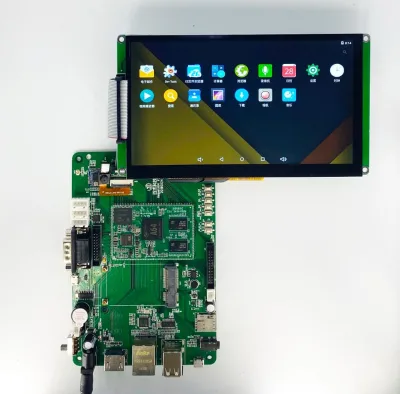
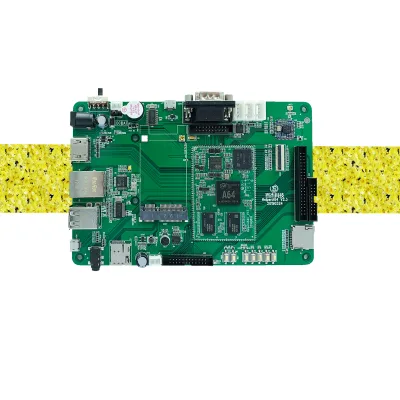
Common processors include Intel Celeron J1900, Intel Core i5-7200U, and Intel Alder Lake-N N100. Some models also support Android systems with A64 processors. These chips provide varying performance levels suitable for different industrial applications ranging from basic control to high-performance computing tasks.
Are customization options available for industrial mini PC motherboards?
Yes, customization is available for many industrial mini PC motherboards to meet specific project requirements. Suppliers offer options for custom PCB layouts, specific interface configurations, and tailored power supply types. Buyers should discuss their unique needs directly with the manufacturer to ensure compatibility.
What certifications do these suppliers typically hold?
Many suppliers hold ISO 9001 certification, indicating adherence to quality management standards. This ensures consistent product quality and reliable manufacturing processes. Buyers should verify specific certifications for their chosen supplier to confirm compliance with industry standards and safety requirements for their specific applications.
What is the price range for industrial mini PC motherboards?
Prices typically range from 45 to 385 USD depending on the processor and features. Basic models with older processors start around 45 USD, while high-performance boards with advanced chips can cost up to 385 USD. The final price depends on the specific configuration and order quantity selected.
Where are these industrial motherboards manufactured?
These industrial motherboards are primarily manufactured in Guangdong, China. This region is known for its robust electronics manufacturing ecosystem and supply chain. Buyers can expect products to originate from this location, which often influences shipping times and logistics planning for international orders.