Industrial Grade Cryolite Flux Suppliers and Manufacturers
Compare 16 verified suppliers offering Industrial Grade Cryolite Flux with varying lead times, prices, and certifications. Review product purity, origin, and response times to select the right partner for your aluminum smelting needs; review the available evidence before requesting comparable quotations from suitable candidates.
Suppliers List
Shandong Jinqi Chemical Co., Ltd.
- Verified by SGS Group
- Trading Company
- Lead time10 days
- Avg. response≤ 7h
Main productsPVC Resin, MDI, Caustic Soda, Paraffin Wax, Calcium Carbide

Tai an Xinrui Fertilizer Co., Ltd.
- Verified by SGS
- Combined
- China Shandong
- Lead time23 days
- Avg. response≤ 7h
Main productsFertilizer Urea Chemical Materials
Main marketsDomestic

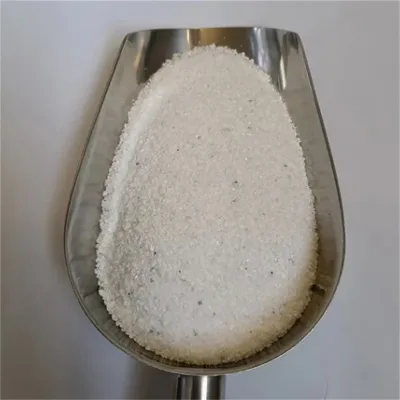
Industrial Grade Cryolite 98% White Powder Aluminum Fluoride Halide for Aluminum Smelting Flux
$800.00 - $1000.00
MOQ: 5 Tons

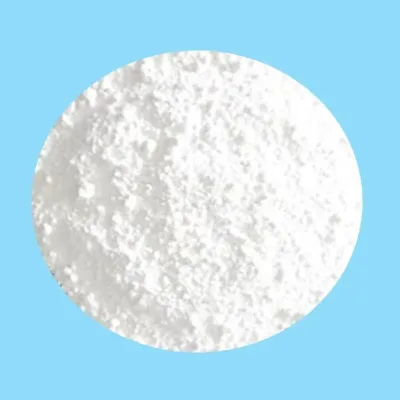
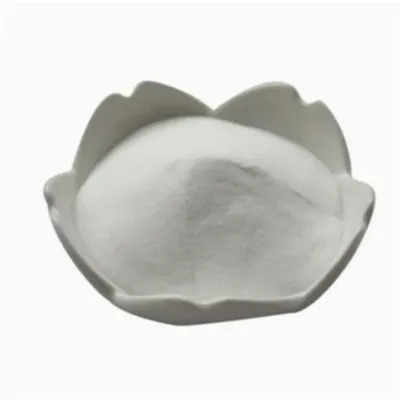
Industrial Grade Synthetic Cryolite White Powder 15096-52-3 Aluminum Electrolysis Flux
$800.00 - $1000.00
MOQ: 5 Tons

$800.00 - $1000.00
MOQ: 5 Tons


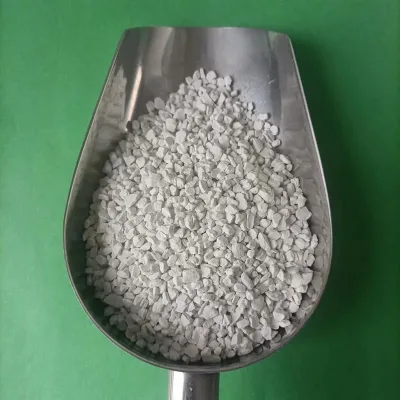
Customizable Granularity Potassium Cryolite for Universal Industrial Flux Use
$800.00 - $1000.00
MOQ: 5 Tons

Tianjin Sino Chemical Co., Ltd
- Verified by TUVRHEINLAND
- Trading Company,Manufacturer/Factory
- China Tianjin
- Lead time15 days
- Avg. response≤ 7h
Main productsTCCA/SDIC, Calcium Hypochlorite, Monosodium Glutamate Msg, Titanium Dioxide TiO2, Sodium Carboxymethyl Cellulose CMC, Sodium Chlorite, Hydroxy Propyl Methyl Cellulose HPMC, Polyaluminium Chloride PAC, PVC Resin, Dioctyl-Phthalate DOP
Main marketsSouth America,Eastern Europe,Mid East,North America,Southeast Asia,Eastern Asia,Oceania,Western Europe,Africa

Factory Industrial Grade Synthetic Cryolite Powder for Aluminium Smelting
$800.00 - $950.00
MOQ: 20 Tons

Industrial Grade Synthetic Cryolite Na3alf6 Powder Cryolite Price for Sale
$800.00 - $950.00
MOQ: 20 Tons

Hebei Hezhen Industrial Co., Ltd.
- Verified by SGS
- Combined
- China Hebei
- Lead time15 days
- Avg. response≤ 2h
Main productsIron Oxide Pigment, Diatomite, Silica Powder, Bentonite Powder, Talc Powder, Kaolin Clay, Tourmaline Powder
Main marketsSouth America,Southeast Asia/ Mideast,Europe

Dalian Gaoteng International Trading Co., Ltd.
- Verified by TUVRHEINLAND
- Trading Company,Manufacturer/Factory
- China Liaoning
- Lead time23 days
- Avg. response≤ 3h
Main productsPebble, Silica Sand, Natural Pebble, Flint Pebble, Oblong Stone, Silica Lining Bricks, Silex Blocks, Alumina Ball, Ceramic Ball, Alumina Lining Brick
Main marketsSouth America,Eastern Europe,Mid East,North America,Southeast Asia,Eastern Asia,Oceania,Western Europe,Africa

Industrial Grade 99.9% Sodium Aluminum Fluoride Na3alf6 Synthetic Cryolite
$850.00 - $950.00
MOQ: 5 Tons

Excellent Chemical Properties Premium Corrosion-Resistant Cryolite for Industrial Ceramics & Glass
$850.00 - $1100.00
MOQ: 5 Tons


Sodium Fluoride Aluminate Cryolite Used in Electrolytic Smelting of Aluminum Flux
$1250.00 - $1300.00
MOQ: 5 Tons


High-Purity Synthetic Cryolite: 200/325 Mesh for Enhanced Grinding and Aluminum Processing
$1250.00 - $1300.00
MOQ: 5 Tons

LUOYANG FRERE IMPORT AND EXPORT TRADING CO., LTD.
- Verified by TUVRHEINLAND
- Trading Company,Manufacturer/Factory
- China Henan
- Lead time0 days
- Avg. response≤ 9h
Main productsBrown Fused Alumina, Refractory Lining Mass, Glass Beads/Glass Sand, Steel Shot/Steel Grit, Abrasive Cutting/Grinding Wheel, Abrasive Cutting/Grinding Disc, Abrasive Press Machine and Related, Iron Pyrite, Cryolite, Garnet Sand
Main marketsSouth America,Eastern Europe,Mid East,North America,Southeast Asia,Eastern Asia,Oceania,Western Europe,Africa
Gongyi City Meiqi Industry & Trade Co., Ltd.
- Verified by TüVRheinland
- Manufacturer, Trading Company
- Lead time15 days
- Avg. response≤ 2h
Main productsIron Powder, Copper Powder, Cryolite, Boron Carbide, Aluminium Oxide Powder
Main marketsDomestic Market(32%), Southeast Asia(15%), North America(5%)

Zibo Jiulong Chemical Co., Ltd.
- Verified by TUVRHEINLAND
- Trading Company,Manufacturer/Factory
- China Shandong
- Lead time23 days
- Avg. response≤ 3h
Main productsAluminium Oxide, Alumina Ball, Alumina Carrier, Molecular Sieve, Zsm-5, Ts-1 Zeolite, Y-Type Molecular Sieve, Beta Molecular Sieve, Pseudoboehmite, Catalyst Carrier
Main marketsSouth America,Eastern Europe,Mid East,North America,Southeast Asia,Eastern Asia,Oceania,Western Europe,Africa
Jinan Future Chemical Co., Ltd.
- Verified by TüVRheinland
- Trading Company
- Lead time7 days
- Avg. response≤ 7h
Main productsSolid Etherifying Agents, Lithium Chloride, Flame Retardants, Water Treatment Agents, Daily Chemicals
Main marketsMid East(24%), South America(16%), Southeast Asia(15%)
Henan Hongtai Kiln Refractory Co., Ltd.
- Manufacturer, Trading Company
- Henan, China
- Lead time20 days
- Avg. response≤ 2h
Main productsRefractory Brick,Calcined bauxite,Fire brick,Castable,Refractory ball
Main marketsDomestic Market(42.80%), Southeast Asia(12.60%), South Asia(8.80%), Africa(7.70%), South America(7.20%), Mid East(6.50%), Eastern Asia(5.50%), Central America(3.10%), North America(2.60%), Southern Europe(1.50%), Eastern Europe(0.60%), Western Europe(0.60%), Oceania(0.30%), Northern Europe(0.20%)

Shijiazhuang Chuimou Trade Co., Ltd.
- Verified by SGS
- Trading Company
- China Hebei
- Lead time15 days
- Avg. response≤ 6h
Main productsSmelling Salt, Sport Gym Chalk, Full Cassette Awning, Tourmaline Powder, Diatomaceous Earth
Main marketsAfrica,Domestic,Europe

Glacier Coolant Technology (Beijing) Co., Ltd
- Verified by SGS
- Manufacturer/Factory
- China Beijing
- Lead time0 days
- Avg. response≤ 2h
Main productsRefrigeration Equipment, Cold Room, Heat Exchanger, Heat Transfer Fluids, Evaporator, Compressor, Air Cooler, Chiller
Main marketsSouth America,Eastern Europe,Mid East,North America,Southeast Asia,Eastern Asia,Oceania,Western Europe,Africa


High Thermal Conductivity Fluids for Optimal Cooling in Industrial Settings
$2350.00 - $3050.00
MOQ: 1 Tons


QINGDAO PENGFENG NEW MATERIAL TECHNOLOGY CO., LTD.
- Verified by CTI
- Trading Company,Manufacturer/Factory
- China Shandong
- Lead time15 days
- Avg. response≤ 3h
Main productsAluminum Hydroxide, Ath, Mdh, Acrylic Impact Modifer Aim, Processing Aids, Melamine, Ammonium Polyphosphate
Main marketsSouth America,Eastern Europe,Mid East,North America,Southeast Asia,Eastern Asia,Oceania,Western Europe,Africa

Henan Rongxing Carbon Products Co., Ltd.
- Trading Company
- China Henan
- Lead time15 days
- Avg. response≤ 1h
Main productsGraphite Electrode, Electrode Paste, Calcined Petroleum Coke (CPC), Graphitized Petroleum Coke (GPC), Carbon Graphite Block, Cold Ramming Paste, Semi Coke, Silicon Carbide, Brown Fused Alumina, Tabular Alumina
Main marketsSouth America,Southeast Asia/ Mideast,Europe

Shanghai Sinomac Machinery Industrial Co., Ltd.
- Trading Company
- China Shanghai
- Lead time30 days
- Avg. response≤ 12h
Main productsLiquid Oxygen Cryogenic Pump, Liquid Nitrogen Cryogenic Pump, Liquid Argon Cryogenic Pump, LNG Cryogenic Pump, Air Separation Plant, Liquid Oxygen Gas Generator, Liquid Nitrogen Gas Making Plant, Oxygen Gas Making Plant, Liquid Oxygen Filling Skid, Liquid Nitrogen Filling Skid
Main marketsSoutheast Asia/ Mideast,Europe,North America

GUANGZHOU CHUANKONG GENERAL EQUIPMENT CO., LTD.
- Verified by SGS
- Trading Company
- China Guangdong
- Lead time23 days
- Avg. response≤ 5h
Main productsAir Separation Plant Unit, Cryogenic Storage Tank, Semi Trailer Tanker, Vaporizer, Psa Plant&CO2 Recovery Plant, Gas Cylinder&Dewar, Dry Ice Machine, Compressor, LNG Plant, Cylinder Filling Pump
Main marketsSouth America,Africa,Southeast Asia/ Mideast,East Asia(Japan/ South Korea),Europe,Australia,North America






Comprehensive Sourcing Guide
Industrial Grade Cryolite Flux Supplier Concentration and Factory Types
The current supplier landscape for Industrial Grade Cryolite Flux reveals a mix of trading companies and combined entities operating primarily within China. Specific data points indicate that many suppliers are located in Shandong, China, which serves as a documented origin for products such as white powder cryolite and aluminum fluoride. This regional concentration suggests a cluster of manufacturers and traders specializing in inorganic salts and halides, particularly those supplying the aluminum smelting and abrasive industries. Buyers should note that while some listings explicitly state Shandong as the place of origin, others may not provide specific city-level details, requiring verification of the actual manufacturing base before committing to large orders.
Factory types vary significantly among the available options, with some suppliers identified as trading companies and others as combined entities capable of offering ODM and OEM services. The main products listed for these suppliers often include PVC resin, MDI, and caustic soda alongside cryolite, indicating a broad chemical portfolio rather than a single-product specialization. This diversity can be advantageous for buyers seeking bundled procurement but may also imply that cryolite is a secondary offering for some vendors. It is essential to distinguish between pure manufacturers and trading firms, as the latter may not have direct control over production quality or lead times, potentially affecting the consistency of the industrial grade flux required for aluminum electrolysis processes.
How to Verify Industrial Grade Cryolite Flux Suppliers
Verification of suppliers for Industrial Grade Cryolite Flux relies heavily on third-party certifications and platform-specific trust signals. Several suppliers in the current results have been verified by SGS Group, a recognized entity that provides credibility to the supplier's operational status. Additionally, product listings often display certifications such as ISO, RoHS, and CIQ, which are critical for ensuring that the chemical products meet international safety and quality standards. Buyers must cross-reference these claims with the specific product attributes, such as the CAS number 7758-29-4 or 14484-69-6, to confirm that the certified entity is indeed the source of the specific cryolite grade being purchased.
Beyond external verification, buyers should scrutinize the detailed product attributes provided in the listings to ensure they match the required specifications. Key verification points include the purity levels, which range from 90% to 99% across different suppliers, and the classification as a halide except chloride. The presence of specific model numbers like "98" or "YD55" and the EINECS number 239-148-8 serves as a unique identifier for the chemical composition. It is crucial to confirm that the supplier's stated purity, such as 98% minimum or 90%-99%, aligns with the technical requirements of the buyer's aluminum smelting or welding flux applications, as discrepancies here can lead to production inefficiencies or product failure.
What to Compare Across Industrial Grade Cryolite Flux Suppliers
When evaluating multiple suppliers, the primary comparison points should include lead times, minimum order quantities, and response speeds, as these factors directly impact supply chain reliability. Current data shows lead times varying from 10 days to 23 days, with response times recorded as low as 6.84 hours and up to 7 hours. These metrics are vital for planning production schedules, especially when dealing with just-in-time manufacturing processes in the aluminum industry. Buyers should prioritize suppliers with shorter lead times and faster response rates to mitigate the risk of delays, while also considering the trade-off between speed and the potential for higher costs associated with expedited services.
Minimum order quantities (MOQ) and pricing structures also require careful comparison to ensure economic viability. The observed MOQs range from 5 units to 25 units, with prices fluctuating between 400 and 1000 per unit depending on the purity and grade. For instance, some listings offer industrial grade cryolite at a price range of 410 to 630 with an MOQ of 5, while others with higher purity or specific certifications may require an MOQ of 20 and command prices up to 1000. Buyers must calculate the total cost of ownership, including shipping and potential customs duties, to determine the most cost-effective option. It is also important to verify if the supplier offers customization or if the product is strictly standard grade, as this can influence the flexibility of the order and the ability to meet specific technical requirements.
Common Industrial Grade Cryolite Flux Sourcing Risks
One significant risk in sourcing Industrial Grade Cryolite Flux is the potential mismatch between the advertised purity and the actual product quality. While listings claim purity levels of 98% or 90%-99%, the actual chemical composition can vary, especially if the supplier is a trading company rather than a direct manufacturer. The presence of other names like "sodium tripolyphosphate" in some product attributes suggests a potential confusion in product categorization or labeling, which could lead to receiving the wrong chemical substance. Buyers must insist on independent third-party testing reports to verify the Na3AlF6 content and ensure that the product meets the strict standards required for aluminum electrolysis flux applications.
Another critical risk involves the inconsistency in packaging and shipping standards, which can affect the integrity of the chemical product during transit. Some suppliers specify packaging as "Jumbo Bags" or "25kg Kraft Paper Bag," while others provide vague descriptions like "Single item" or "XX cm" for package size. Inadequate packaging can lead to moisture absorption or contamination, particularly for hygroscopic materials like cryolite. Furthermore, the lack of detailed information on the melting point, loss on ignition (Loi), and particle size distribution in some listings creates uncertainty about the product's performance in high-temperature industrial processes. Buyers should request detailed technical data sheets and confirm that the packaging is suitable for long-distance shipping to prevent degradation of the flux quality.
Industrial Grade Cryolite Flux Regional Sourcing and Logistics
The regional sourcing of Industrial Grade Cryolite Flux is heavily concentrated in Shandong, China, as evidenced by multiple product listings specifying this location as the place of origin. This concentration offers logistical advantages, such as proximity to major ports and established supply chains for inorganic chemicals. However, buyers must verify the specific port of loading and the shipping terms to ensure that the logistics costs are accurately calculated. The distance from the factory to the port can vary, and some suppliers may not provide clear information on their shipping capabilities, which could lead to unexpected delays or increased freight costs.
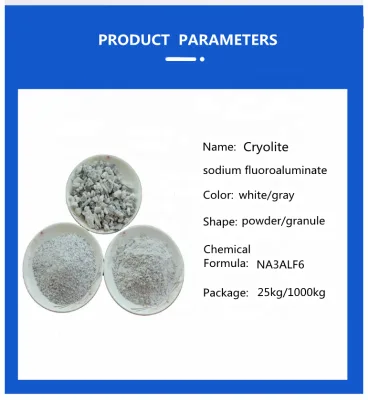
Logistics planning should also account for the specific handling requirements of chemical products like cryolite, which may need special storage conditions to maintain their purity and physical properties. The particle size, ranging from 20 to 400 meshes, and the melting point of about 1000 degrees Celsius are critical factors that influence how the product should be transported and stored. Buyers should confirm that the supplier has experience in handling hazardous or regulated chemicals and that they can provide the necessary documentation for customs clearance. Additionally, the availability of escrow services or secure payment methods can provide an extra layer of protection against fraud or non-delivery, ensuring that the financial transaction is secure until the goods are received and verified.
Industrial Grade Cryolite Flux Commercial Terms and Order Planning
Commercial terms for Industrial Grade Cryolite Flux often include specific payment structures and delivery conditions that must be clearly defined before placing an order. The observed price ranges, from 400 to 1000 per unit, suggest that buyers should negotiate based on volume and long-term partnership potential. It is essential to clarify whether the quoted price includes packaging, insurance, and freight, or if these are separate charges. The presence of customization options, such as available branding or specific particle sizes, may also influence the final commercial terms, potentially adding costs or extending the lead time for production.
Order planning should be aligned with the supplier's production capacity and lead time to avoid disruptions in the buyer's supply chain. With lead times ranging from 10 to 23 days, buyers need to factor in this duration when scheduling their production runs and inventory replenishment. The ability of the supplier to offer ODM and OEM services can be a significant advantage for buyers looking to customize the product for their specific needs. However, this customization may require additional time for development and testing, which should be accounted for in the overall project timeline. Buyers should also verify the supplier's capacity to handle large orders and their ability to scale production if demand increases, ensuring a stable and reliable supply of Industrial Grade Cryolite Flux.
FAQs
What is the typical price range for industrial grade cryolite?
Industrial grade cryolite prices generally range from $410 to $1000 per metric ton depending on purity and specifications. Buyers should expect variations based on the specific grade required, such as 98% purity versus 90-99% purity. Market fluctuations and order volume also influence the final negotiated cost for these inorganic chemical salts.
What is the minimum order quantity for cryolite suppliers?
Minimum order quantities for industrial grade cryolite typically start at 5 metric tons for some suppliers, while others require a minimum of 20 or 25 metric tons. Buyers must verify the specific MOQ with each supplier before placing an order, as requirements vary significantly based on packaging and production capacity.
How long does it take to produce and ship cryolite?
Lead times for industrial grade cryolite generally range from 10 to 23 days after order confirmation. This timeframe covers production and preparation for shipment. Buyers should confirm specific delivery schedules with suppliers, as production capacity and current order backlogs can impact the exact turnaround time for bulk chemical orders.
Where are industrial grade cryolite suppliers located?
Most industrial grade cryolite suppliers are located in Shandong, China. This region is a major hub for inorganic chemical production. Buyers sourcing from this area should verify specific factory addresses and logistics capabilities to ensure efficient transportation and compliance with international shipping regulations for chemical materials.
What certifications are available for industrial grade cryolite?
Suppliers often provide ISO, RoHS, and CIQ certifications for industrial grade cryolite. These documents verify product quality and safety standards. Buyers should request valid certification copies to ensure compliance with their local regulations and industry requirements, especially when using the material for aluminum smelting or other sensitive industrial applications.
What is the typical response time for cryolite suppliers?
Supplier response times for industrial grade cryolite inquiries typically average between 6.84 and 7 hours. Prompt communication is essential for negotiating terms and clarifying specifications. Buyers should expect timely replies during business hours, though response speeds may vary depending on the supplier's current workload and communication channels.