Industrial Polyurethane Caster Wheel Suppliers and Manufacturers
Compare 25 verified suppliers of industrial polyurethane caster wheels based on location, lead times, certifications, and pricing. Review product specifications like wheel size and load capacity to source the right caster for your needs; review the available evidence before requesting comparable quotations from suitable candidates.
Updated
Suppliers List

Benyu Casters & Wheels Co., Ltd.
- Combined
- China Guangdong
- Lead time30 days
- Avg. response≤ 6h
Main productsCaster, Cargo Trolley, PU Caster, Nylon Caster, Cast Iron Caster, TPR Caster, Furniture Caster, Scaffold Caster, Swivel Caster, Brake Caster
Main marketsNorth America

- Verified by SGS
- Manufacturer/Factory
- China Guangdong
- Lead time15 days
- Avg. response≤ 2h
Main productsCastor, Wheels, Caster, Truckle, Castor&Wheels, Caster Wheels, Trolley Casters, PU Casters, Rubber Casters, Globe Castors
Main marketsSouth America,Eastern Europe,Mid East,North America,Southeast Asia,Eastern Asia,Oceania,Western Europe,Africa

Industrial Caster Manufacturer Polyurethane PU Wheel Rotating Caster Wheels
$14.38 - $15.09
MOQ: 500 Pieces


Platform Caster Wheel Polyurethane PU Wheels Medium Duty Casters with Dust Cover
$2.95 - $3.10
MOQ: 200 Pieces
Shenzhou City Sanshi Rubber Co., Ltd.
- Verified by TüVRheinland
- Manufacturer, Trading Company
- Lead time15 days
- Avg. response≤ 2h
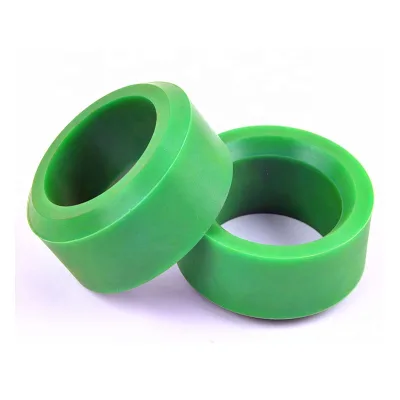
Main productsOil Seal, Seal Ring, Custom Rubber Parts, Rubber Bellow, Plastic Parts
Main marketsNorth America(10%), Eastern Europe(10%), Africa(10%)
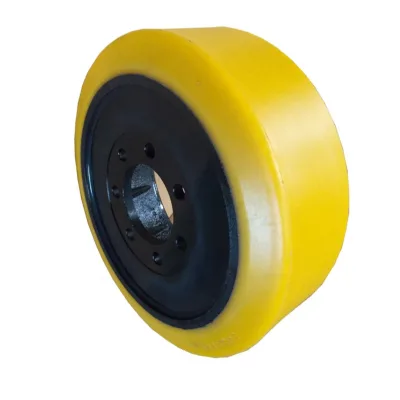
Industrial Shock Absorbing Urethane Caster Polyurethane PU Wheel PU Coated Roller
$0.9401 - $1.0434
MOQ: 10

Hangzhou Disheng Technology Co., Ltd.
- Verified by TUVRHEINLAND
- Trading Company
- China Zhejiang
- Lead time30 days
- Avg. response≤ 6h
Main marketsAustralia


Hot Sale Caster 6in Polyurethane Heavy Duty PU Castors Wheels Machine Casters
$1.00 - $10.00
MOQ: 100 Pieces

Dongguan Carsun Caster Co., Ltd.
- Verified by BV
- Combined
- China Guangdong
- Lead time15 days
- Avg. response≤ 4h
Main productsCasters, Caster Wheels, Industrial Casters, Swivel Caster, Heavy Duty Caster Wheel, Conductive Antistatic Casters, Thermo Casters, Agv Robot Casters, Stainless Steel Caster Wheels, Shipping Container Caster Wheels
Main marketsEurope,North America

125mm Middle Duty Industrial Polyurethane Wheel 5inch PU Wheel with Bearing
$2.25 - $2.99
MOQ: 100 Pieces

China Heavy Duty 8 Inch Polyurethane Industry Caster Wheel with PU Material Wheel
$6.00 - $6.62
MOQ: 100 Pieces

Good Quality Heavy Duty 6" 8" Inch Polyurethane PU Industry Caster Wheel
$5.30 - $6.62
MOQ: 500 Pieces

3 Inch Polyurethane Wheel Medium Duty Casters PU Wheel Casters with Brake
$3.05 - $3.56
MOQ: 10 Pieces


Heavy Duty 6" 8" Inch Polyurethane PU Industry Caster Wheel with PU Material
$5.30 - $6.62
MOQ: 500 Pieces

Zhongshan Augus Hardware Products Co., Ltd
- Verified by TUVRHEINLAND
- Combined
- China Guangdong
- Lead time15 days
- Avg. response≤ 14h
Main productsCaster, Castor, Wheel, Industry Castor, PU Wheel, Medium Duty Caster
Main marketsSouth America,Domestic

Galvanized Elastic Rubber Black Polyurethane Caster Wheel Industrial Caster
$3.48 - $3.62
MOQ: 500 pieces


Hot Sales 4/5/6/8in Polyurethane Rubber Caster Wheel 1 Buyer with Double Bearing
$5.90 - $6.25
MOQ: 200 pieces


Jiaxing Xingjie Machinery Co., Ltd.
- Verified by BV
- Trading Company
- China Zhejiang
- Lead time30 days
- Avg. response≤ 3h
Main productsCaster Wheel, Castor, Wheel, PU Foam Wheel, Shopping Cart, Shopping Basket, Foldable Trolley, Rack, Medical Equipment, Customized Products
Main marketsSouth America,Africa,Southeast Asia/ Mideast,Domestic,Europe,North America


Industry High Quality 5inch Polyurethane Casters with Plastic Center Caster PU Wheel
$2.10 - $2.40
MOQ: 1000 Pieces
Shanghai Bingshuo Hardware Machinery Co., Ltd
- Verified by SGS Group
- Trading Company
- Lead time30 days
- Avg. response≤ 3h
Main productsToggle Clamp, Toggle Latch, Butterfly Latch, Caster Wheel, F clamp
Main marketsDomestic Market(60%), North America(10%), South America(10%)
Nanjing Mutual Sheng Hardware Products Co., Ltd.
- Trading Company
- Jiangsu, China
- Lead time15 days
- Avg. response≤ 4h
Main products304 Stainless Steel Casters; Container Wheel; Inflatable Casters Wheel; Rubber Silent Wheel; Forklift Wheels
Main marketsDomestic Market(80.00%), North America(7.00%), Western Europe(7.00%), Eastern Asia(3.00%), Eastern Europe(3.00%), South Asia(0.00%), South America(0.00%), Oceania(0.00%), Southern Europe(0.00%), Central America(0.00%), Northern Europe(0.00%), Africa(0.00%), Mid East(0.00%), Southeast Asia(0.00%)
- Manufacturer
- Guangdong, China
- Lead time20 days
- Avg. response≤ 6h
Main productscaster,castor,furniture caster,medical caster,industry caster
Main marketsSouthern Europe(10.00%), Northern Europe(10.00%), Western Europe(10.00%), Eastern Europe(10.00%), South America(10.00%), North America(10.00%), Domestic Market(5.00%), South Asia(5.00%), Oceania(5.00%), Africa(5.00%), Central America(5.00%), Southeast Asia(5.00%), Eastern Asia(5.00%), Mid East(5.00%)

$1.0419 - $1.5629
MOQ: 10 pieces
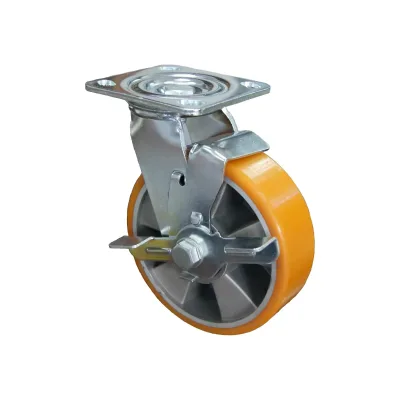
$5.29 - $7.72
MOQ: 10 Minimum
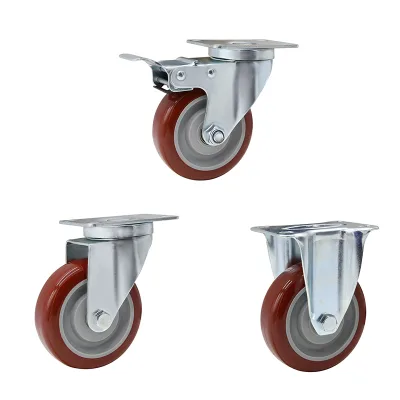
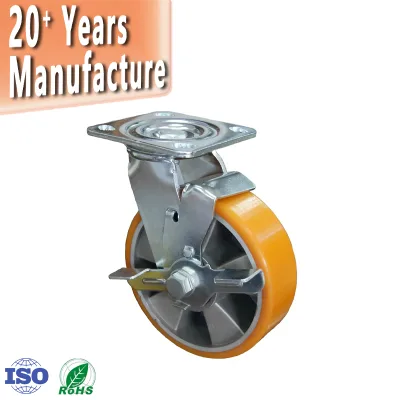
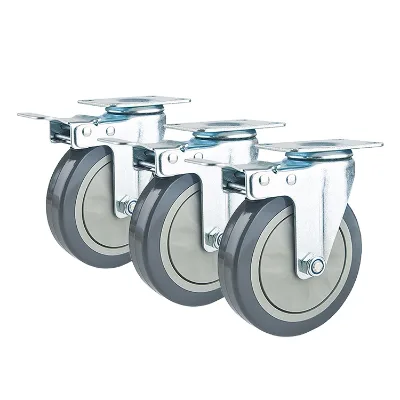
4-Inch Medium-Sized Polyurethane Flat Wheel with Universal Brake Customizable OEM Support
$1.2919 - $1.3952
MOQ: 2000 pieces
Guangzhou Baishun Caster Co., Ltd.
- Manufacturer, Trading Company, Distributor/Wholesaler
- Guangdong, China
- Lead time0 days
- Avg. response≤ 1h
Main productsCasters,foot cup,Stainless steel casters,Rubber casters
Main marketsNorth America(20.00%)

Stardrawing International Trading (Shanghai) Co., Ltd.
- Verified by BV
- Trading Company
- China Shanghai
- Lead time30 days
- Avg. response≤ 4h
Main productsCaster Wheel, Wheel, Lifting Jack, Agv and Other Industrial Equipments and Parts
Main marketsSouth America,Africa,Southeast Asia/ Mideast,East Asia(Japan/ South Korea),Domestic,Europe,Australia,North America

Stardrawing 4568 Inch Polyurethane Caster Wheel Industrial PU Casters
$10.00 - $100.00
MOQ: 300 Pieces

Stardrawing 4/5/6/8inch 100/125/150/200mm Polyurethane Caster Wheel Industrial PU Cast Iron Wheel
$5.00 - $100.00
MOQ: 500 Pieces

$5.00 - $150.00
MOQ: 1000 Pieces

Stardrawing 100/125mm 4/5inch Dual Polyurethane Wheels Industrial PU Caster with Dust Cover
$1.00 - $50.00
MOQ: 1000 Pieces

Stardrawing 125/150/200mm Heavy Duty Polyurethane Castor Wheel PU Caster
$20.00 - $300.00
MOQ: 300 Pieces

$5.00 - $50.00
MOQ: 500 Pieces
Jiaxing Xingjie Machinery Co., Ltd.
- Trading Company
- Zhejiang, China
- Lead time30 days
- Avg. response≤ 3h
Main productsCaster,Trolley,Luggage wheel,Handle,Shopping basket
Main marketsDomestic Market(50.00%), Eastern Europe(15.00%), North America(9.00%), Mid East(6.00%), Southeast Asia(5.00%), South Asia(5.00%), Western Europe(5.00%), Africa(5.00%)
Suzhou Fancini Logistics Technology Co., Ltd.
- Manufacturer, Trading Company
- Jinagsu, China
- Lead time15 days
- Avg. response≤ 1h
Main productsCaster,Trolley,Handcart,Dolly,Rack
Main marketsSoutheast Asia(30.00%), North America(30.00%), South America(20.00%), Eastern Europe(20.00%)

Yantai Wonray Rubber Tire Co., Ltd.
- Verified by BV
- Combined
- China Shandong
- Lead time15 days
- Avg. response≤ 6h
Main productsSolid Tire
Main marketsSoutheast Asia/ Mideast,East Asia(Japan/ South Korea),Europe,Australia,North America

Factory Customize Durable Industrial PU Load Roller Coating Polyurethane Solid Casters Wheels
$15.00 - $25.00
MOQ: 1 pieces

Factory Customize Durable Industrial PU Load Roller Wheel Coating Polyurethane Solid Casters
$80.00 - $85.00
MOQ: 50 pieces

High Quality Customized Polyurethane Caster Wheel Heavy Duty PU Rubber Wheel
$40.00 - $50.00
MOQ: 50 pieces
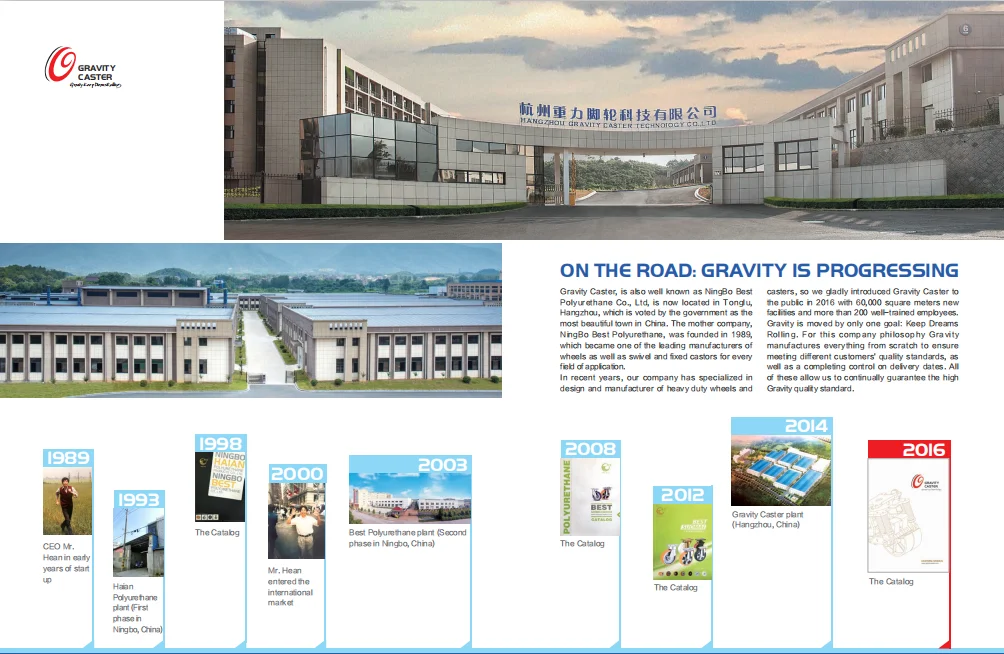
Hangzhou Gravity Caster Technology Co., Ltd.
- Manufacturer, Trading Company
- Zhejiang, China
- Lead time30 days
- Avg. response≤ 3h
Main productsCasters,Wheels
Main marketsNorth America(35.00%), Domestic Market(15.00%), Western Europe(15.00%), Eastern Europe(15.00%), Northern Europe(10.00%), Southern Europe(5.00%), Southeast Asia(4.00%), South America(1.00%)

Foshan Michwheel Hardware Products Co., Ltd.
- Verified by BV
- Trading Company,Manufacturer/Factory
- China Guangdong
- Lead time23 days
- Avg. response≤ 2h
Main productsCaster Castor, Caster Wheel, Industrial Caster, Medical Caster Wheels, Extra Heavy Duty Casters, Stainless Steel Casters, Heat Resistant Casters, Heavy Duty Casters, Leveling Caster Wheels, Puneumatic Rubber Wheels
Main marketsSouth America,Eastern Europe,Mid East,North America,Southeast Asia,Eastern Asia,Oceania,Western Europe,Africa

3''4''5'' Medium Duty Industrial Gray Polyurethane Castor PU Trolley Wheels Casters
$0.80 - $1.86
MOQ: 100 Pieces

3inch4inch5inch Medium Duty Industrial Polyurethane Castor PU Trolley Wheels Casters
$0.80 - $1.86
MOQ: 100 Pieces

Xiangshan Tongzhou Plastic Products Co., Ltd.
- Verified by BV
- Combined
- China Zhejiang
- Lead time30 days
- Avg. response≤ 22h
Main productsCaster, PU Wheel, Rubber Wheel, Nylon Wheel, PU Roller, PU Products, Rubbber Products
Main marketsSouth America,Southeast Asia/ Mideast,Europe,North America


$2.00 - $6.00
MOQ: 1000 Pieces
HENGSHUI JIAPENG RUBBER PRODUCTS CO., LTD.
- Verified by SGS Group
- Manufacturer, Trading Company
- Lead time5 days
- Avg. response≤ 2h
Main productsCaster, Trolley
Main marketsEastern Asia(70%), Mid East(20%), Southeast Asia(10%)
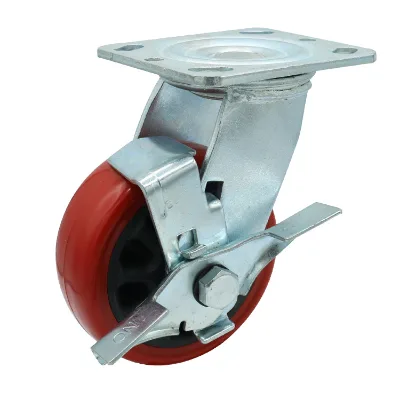
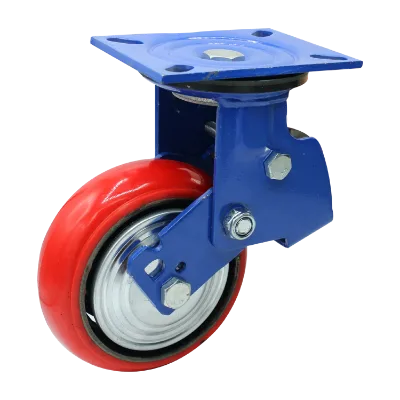
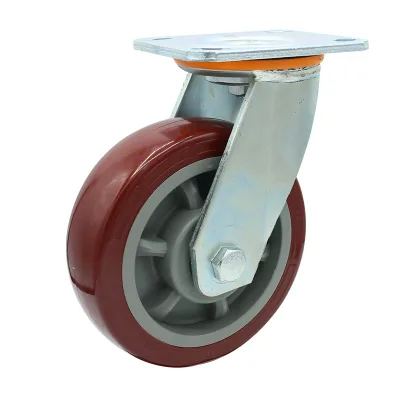
4 5 6 8 Inch Casters and Wheels Industrial Castor Wheel Heavy Duty Pu Caster with Top Brake
$1.90 - $3.67
MOQ: 200 pieces
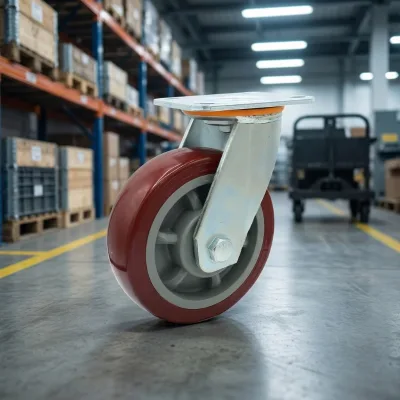

Guangzhou Ylcaster Metal Co., Ltd.
- Trading Company,Manufacturer/Factory
- China Guangdong
- Lead time60 days
- Avg. response≤ 7h
Main productsCaster, Caster Wheel, Trolley Wheel, Heavy Duty Trolley Wheels, Rubber Wheels, Industrial Caster, Hospital Bed Caster, Steel Caster Wheel, Pneumatic Caster Wheels, Central Lock Caster
Main marketsSouth America,Eastern Europe,Mid East,North America,Southeast Asia,Eastern Asia,Oceania,Western Europe,Africa

$6.94 - $7.57
MOQ: 200 Pieces

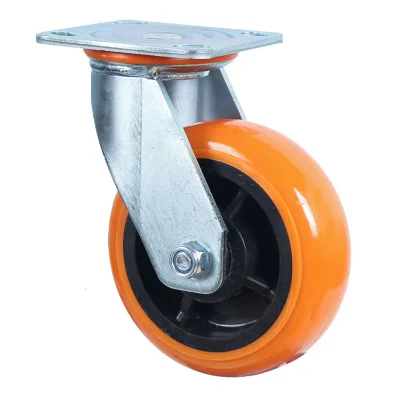
4 5 6 8 Inch Orange Industrial Caster Heavy Duty Trolley Wheels Polyurethane Wheel Without Brake
$4.34 - $4.73
MOQ: 200 Pieces


OEM Heavy Duty Trolley Wheels Polyurethane Wheel 4 5 6 8 Inch Wheel Orange Industrial Caster
$4.34 - $4.73
MOQ: 200 Pieces

$4.34 - $4.73
MOQ: 200 Pieces


QINGDAO WANSHISHUN SPECIAL VEHICLES CO.,LTD
- Verified by SGS
- Combined
- China Shandong
- Lead time15 days
- Avg. response≤ 11h
Main productsTyre and Tube Pneumatic Wheel PU Foam Wheel, Wheelbarrow Tyre Wheelbarrow Motorcycle Tire, Wheel Rim Lawn Mower Tire Solid Wheel, Agricultural Tire Motorcycle Tire Inner Tube, Wheelbarrow Wheel
Main marketsSouth America,Southeast Asia/ Mideast,Domestic,Europe,North America
Zhejiang Rollyeek Machinery Co., Ltd.
- Manufacturer, Trading Company
- Zhejiang, China
- Lead time0 days
- Avg. response≤ 4h
Main productsCaster Wheels,Metal Wheels,Plastic Wheels,Foam Wheels,Needle Roller Bearings
Main marketsSouth Asia(30.00%), North America(30.00%), Domestic Market(20.00%), Western Europe(20.00%)
Guangzhou Huarui Plastics Co., Ltd.
- Manufacturer
- Guangdong, China
- Lead time10 days
- Avg. response≤ 5h
Main productsCaster Wheel,Trolley,Pallet Wheel,Industrial Caster,caster
Main marketsNorth America(25.00%), Eastern Europe(12.00%), Western Europe(12.00%), South America(8.00%), Northern Europe(8.00%), Oceania(7.00%), Southern Europe(5.00%), South Asia(5.00%), Southeast Asia(5.00%), Domestic Market(4.00%), Eastern Asia(3.00%), Central America(3.00%), Africa(2.00%), Mid East(1.00%)
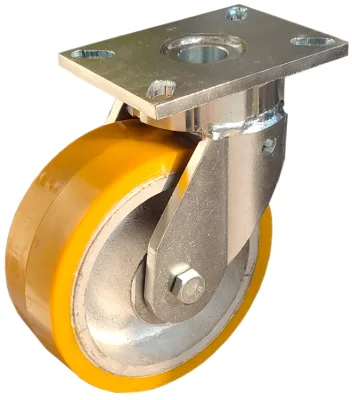
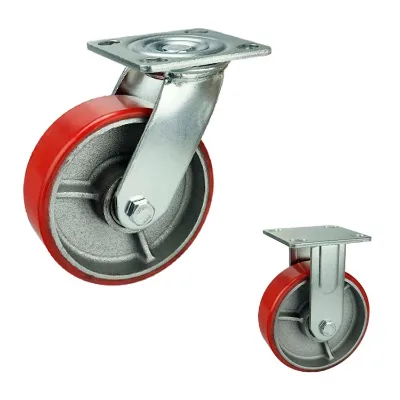
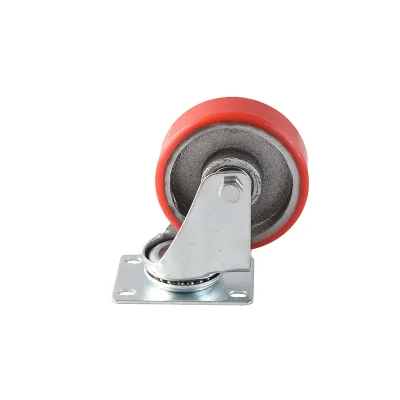
1500kgs Cast Iron Polyurethane Caster Wheel Super Heavy Duty Caster Castor Wheel
$8.00 - $17.00
MOQ: 500 pieces
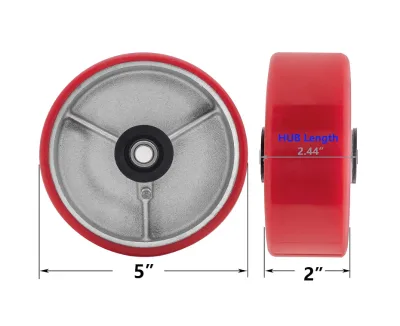
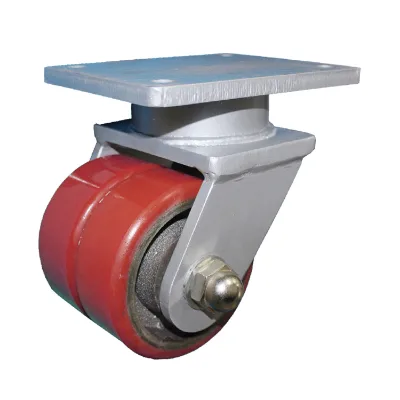
Huarui Industrial Pu Medium Duty 3 Inch Fixed Castor Wheel Polyurethane Medium Duty Cast Iron Caster
$1.79 - $3.09
MOQ: 100 pieces
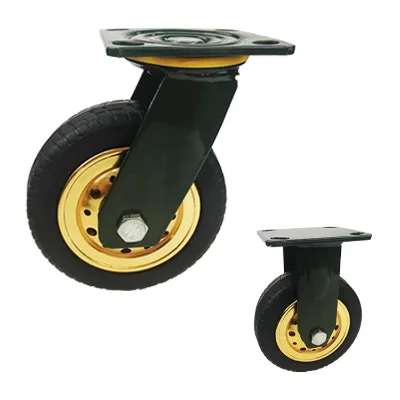
High-Load, High-Quality Black Elastic Rubber Wheels for Industrial Trolley Castors
$2.99 - $7.99
MOQ: 1 pieces
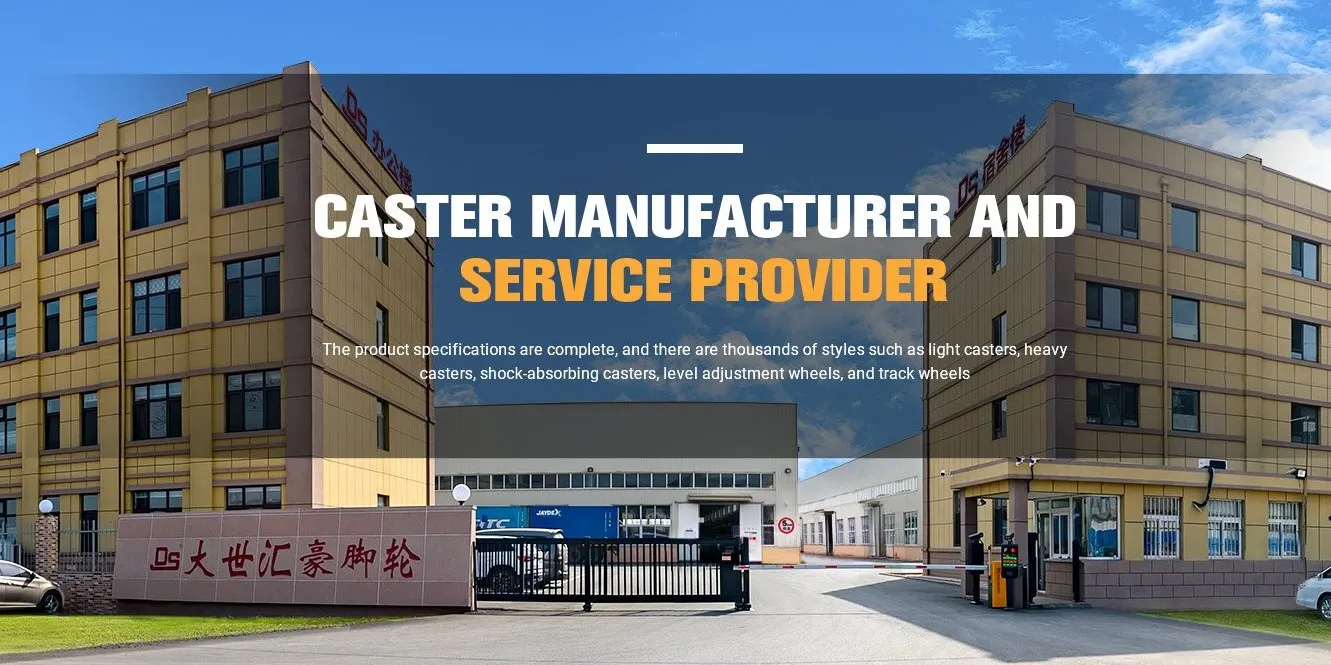
Qingdao Dashi Huihao Caster Co., Ltd
- Manufacturer, Trading Company
- Shandong, China
- Lead time10 days
- Avg. response≤ 15h
Main productsindustrial castor,heavy duty caster,shock absorbing caster,leveling adjustable caster,casters
Main marketsEastern Asia(80.00%), Domestic Market(15.00%), North America(5.00%)
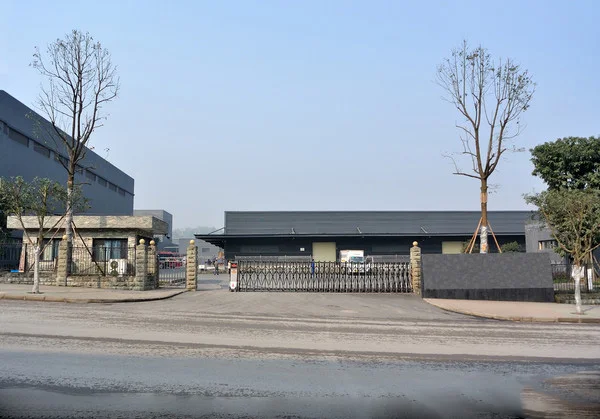
Tangshan Hardware Trading Co., Ltd.
- Trading Company
- Hebei, China
- Lead time30 days
- Avg. response≤ 3h
Main productscaster wheel,hand pallet truck,plastic pallet,material handling equipment,hand truck
Main marketsSoutheast Asia(30.00%), North America(20.00%), Mid East(20.00%), Western Europe(10.00%), South America(10.00%), Africa(10.00%)


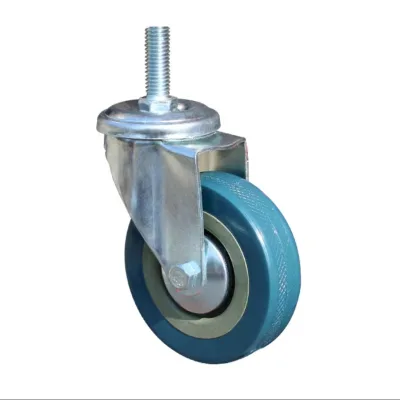
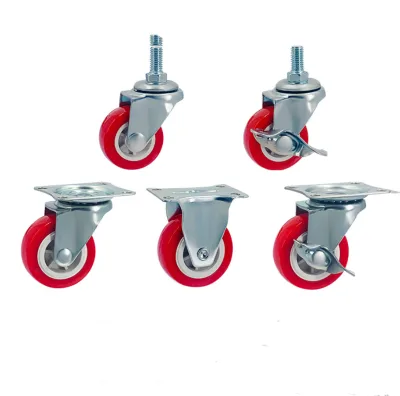
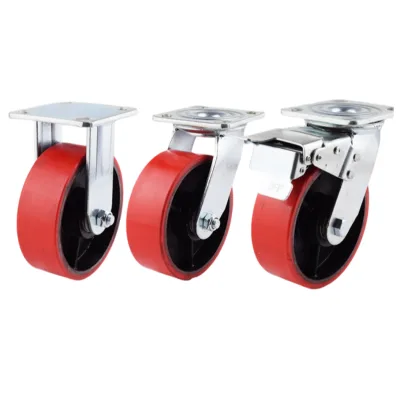
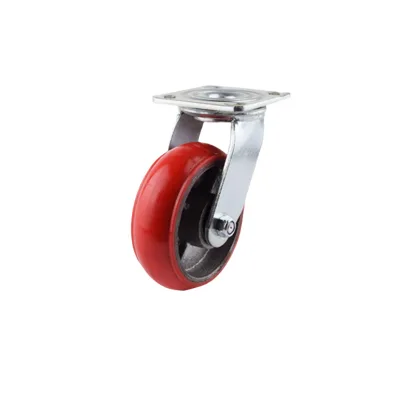
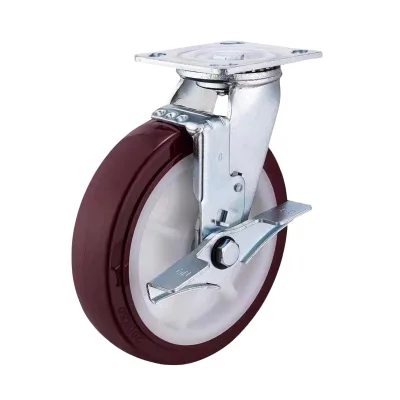
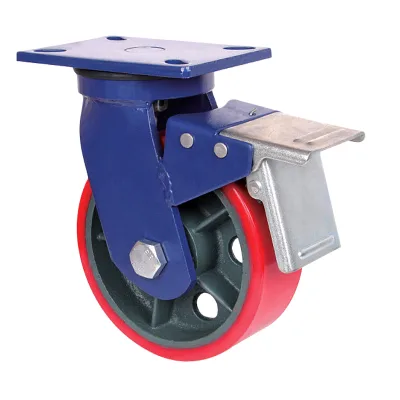
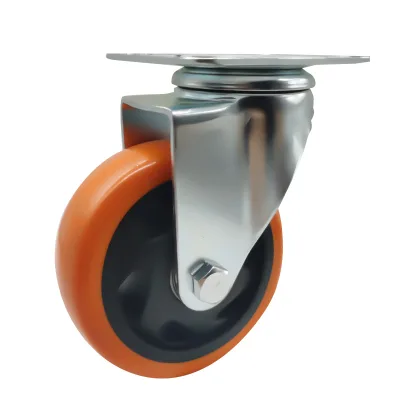
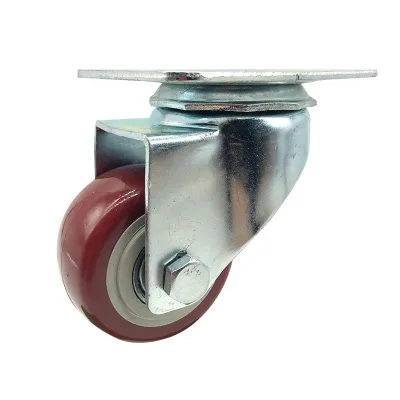
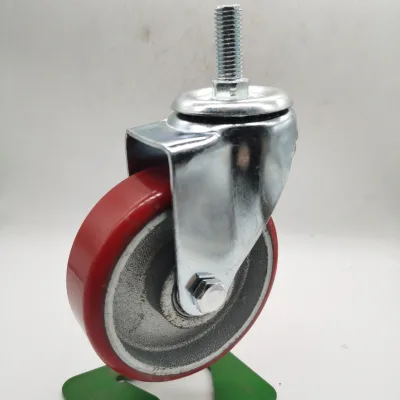
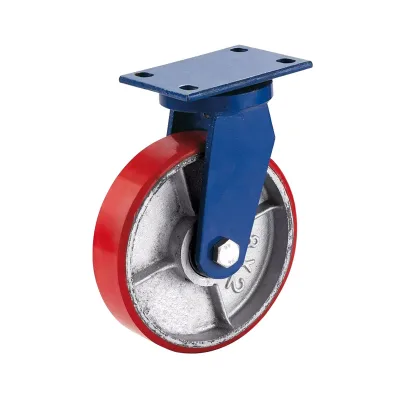
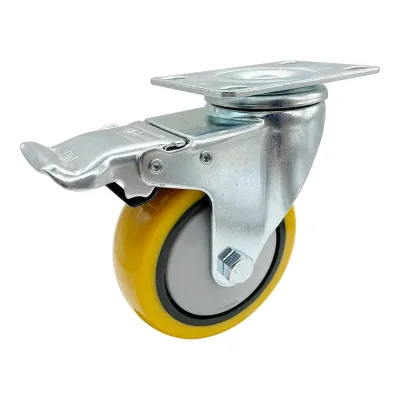
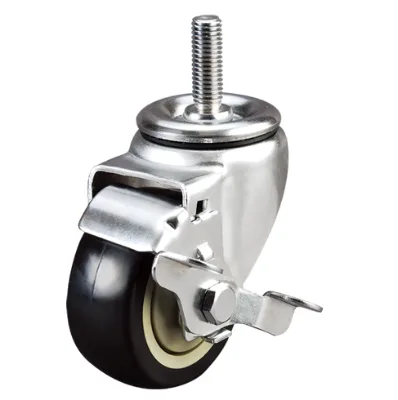
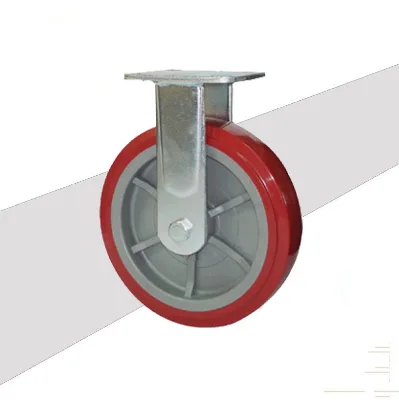
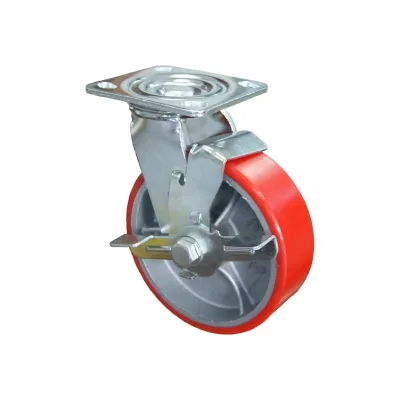
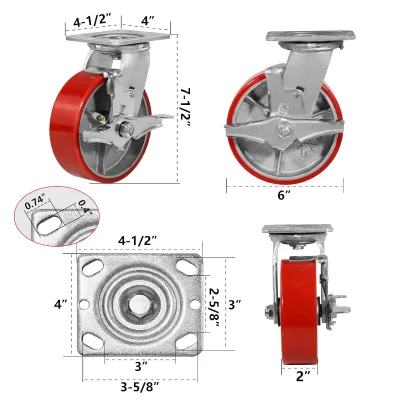
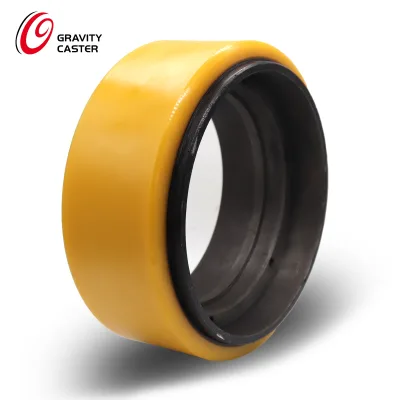
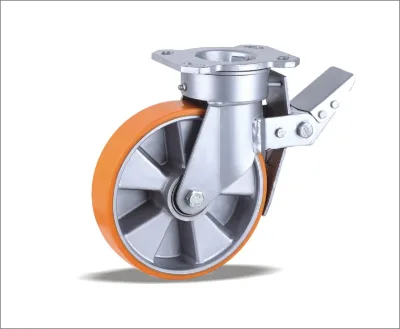
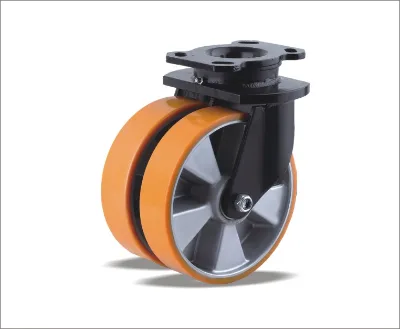


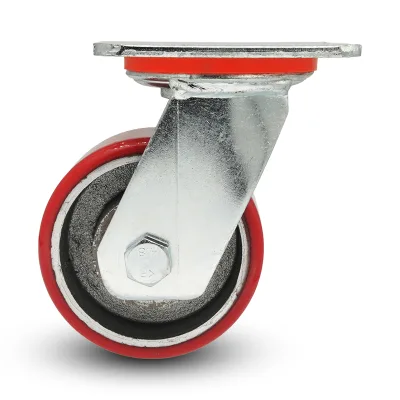
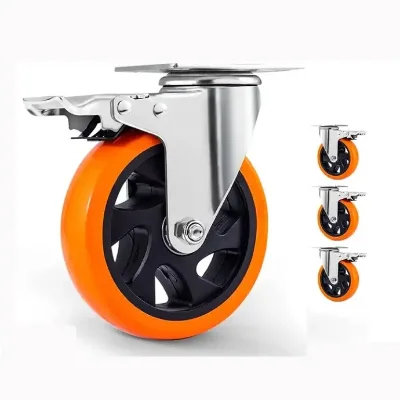
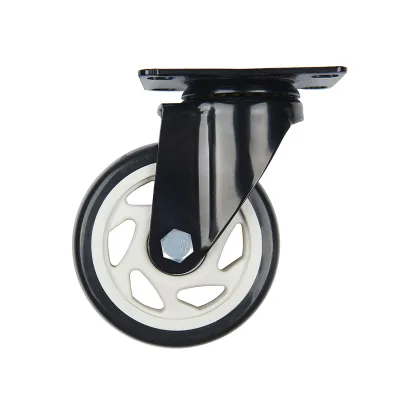
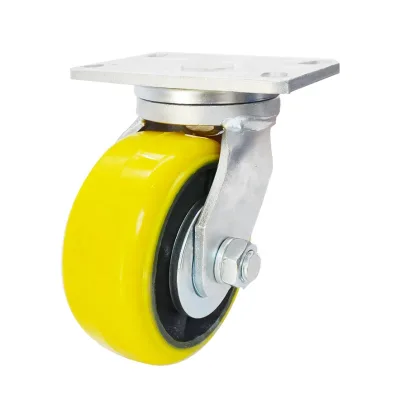
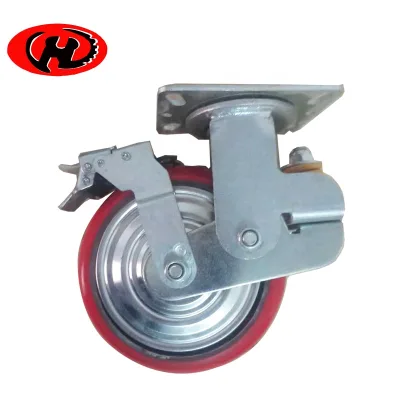
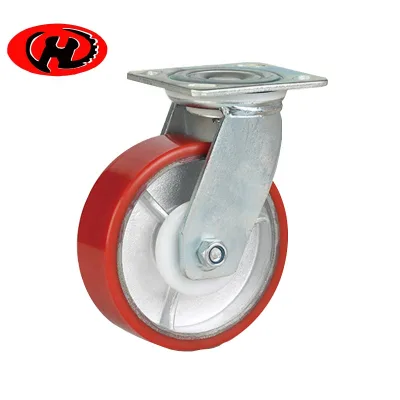
Comprehensive Sourcing Guide
Industrial Polyurethane Caster Wheel Supplier Concentration and Factory Types
Current data indicates a significant concentration of Industrial Polyurethane Caster Wheel manufacturers within China Guangdong, specifically in the Foshan region. This area serves as a primary manufacturing cluster where combined entities and dedicated factories produce a wide array of products including swivel casters, brake casters, and scaffold wheels. The presence of these facilities suggests a mature supply chain capable of handling both standard and customized orders for heavy-duty applications. Buyers should prioritize regions with verified factory outputs to ensure consistent quality and logistical efficiency when sourcing these specific components.
The supplier landscape in this sector includes a mix of combined trading companies and direct manufacturers. Some entities operate under their own brands, such as Globe, while others offer extensive OEM and ODM services to meet specific client requirements. These organizations often list diverse product lines ranging from light-duty furniture casters to super heavy-duty industrial wheels with varying wheel materials like PU and nylon. Understanding whether a supplier is a manufacturer or a trading company is critical, as it influences pricing structures, customization capabilities, and direct communication channels regarding technical specifications and production timelines.
How to Verify Industrial Polyurethane Caster Wheel Suppliers
Verification begins with checking for recognized system certifications such as ISO9001:2015 and ISO 14001, which are explicitly listed for several suppliers in the current results. These documents confirm that the facility adheres to international quality management and environmental standards, providing a baseline assurance of operational reliability. Buyers must request current certificates directly from the supplier rather than relying on unverified claims, as the presence of these standards often correlates with consistent product performance and rigorous internal controls during the manufacturing process.
Beyond certifications, third-party verification services like SGS provide an additional layer of trust regarding the supplier's business legitimacy and product capabilities. The data shows that some suppliers have undergone such verification, which helps distinguish established factories from less reliable entities. Buyers should also examine the supplier's response time, with some entities demonstrating rapid engagement metrics around 1.55 hours, indicating a high level of operational readiness. Confirming these details through direct inquiry ensures that the selected partner possesses the necessary infrastructure and commitment to fulfill orders efficiently and transparently.
What to Compare Across Industrial Polyurethane Caster Wheel Suppliers
When evaluating potential partners, buyers should compare key operational metrics such as lead times, minimum order quantities, and response speeds to determine fit for their specific project needs. Current observations reveal lead times ranging from 15 to 30 days, while minimum order quantities vary significantly, with some suppliers requiring 500 pieces and others setting thresholds at 1000 pieces for production runs. These variations directly impact inventory planning and cash flow, making it essential to align supplier capabilities with the buyer's volume requirements and delivery schedules before committing to an order.
Product specifications and customization options also serve as critical comparison points across different suppliers. The available data highlights diverse attributes including wheel sizes from 2 inches to 12 inches, load capacities ranging from 75kg to over 400kg, and various surface treatments like zinc plating or paint spraying. Some suppliers offer fixed wheels while others specialize in swivel or brake-equipped models, with customization availability explicitly noted for many. Buyers must carefully match these technical parameters to their application requirements, ensuring that the selected caster wheel meets the specific environmental and load demands of their intended use case.
Common Industrial Polyurethane Caster Wheel Sourcing Risks
One significant risk involves the variability in product specifications and the potential for mismatched expectations regarding load capacity and durability. While some listings indicate heavy-duty capabilities with specific load ratings, others may lack detailed technical data, leading to potential failures in demanding industrial environments. Buyers must rigorously verify the actual loading capacity and material composition, such as the distinction between high-class polyurethane and standard rubber, to prevent premature wear or structural failure during operation. Relying solely on marketing keywords without confirming technical data sheets can result in costly replacements and operational downtime.
Another risk pertains to the inconsistency in response times and communication reliability among different suppliers. Although some entities demonstrate rapid response times, others may have slower engagement rates, which can delay critical project timelines. This variability can be exacerbated by language barriers or complex supply chain logistics, particularly when dealing with international shipping and customs clearance. Buyers should establish clear communication protocols and set realistic expectations for updates to mitigate the risk of delays. Ensuring that the supplier has a proven track record of timely responses is essential for maintaining project momentum and managing unforeseen challenges effectively.
Industrial Polyurethane Caster Wheel Regional Sourcing and Logistics
Sourcing from the identified cluster in China Guangdong offers logistical advantages due to the region's established infrastructure and proximity to major shipping ports. The concentration of manufacturers in Foshan and surrounding areas facilitates efficient coordination between production and export processes, potentially reducing lead times and shipping costs. Buyers should leverage this geographic advantage by selecting suppliers with strong export experience and reliable logistics partners to ensure timely delivery of goods to their destination. Understanding the specific shipping routes and transit times from this region is crucial for accurate delivery planning.
However, buyers must also consider the complexities of international shipping, including customs regulations and potential tariffs that may apply to industrial components. The origin of the product, explicitly stated as China in the data, means that import duties and compliance requirements must be carefully managed to avoid unexpected costs. It is advisable to work with suppliers who have experience in handling export documentation and can provide accurate HS codes for classification. Proper planning for these logistical elements ensures a smooth transition from order placement to final delivery, minimizing disruptions to the supply chain.
Industrial Polyurethane Caster Wheel Commercial Terms and Order Planning
Commercial terms regarding pricing and payment structures vary significantly across suppliers, with unit prices ranging from as low as $0.10 to over $15.00 depending on the specific model and customization level. Buyers should analyze the total cost of ownership, including shipping, duties, and potential volume discounts, rather than focusing solely on the unit price. Some suppliers offer competitive pricing for stock items with lower minimums, while others require higher volumes for production runs, which impacts the overall budget and financial planning for the procurement project.
Order planning must account for the specific production lead times and customization requirements to ensure timely delivery. With lead times ranging from 15 to 30 days, buyers need to factor in these durations when scheduling production or restocking cycles. Additionally, the availability of customization options allows for tailored solutions but may extend the production timeline. Buyers should confirm the exact delivery schedule and any potential penalties for delays before finalizing the order. Clear communication regarding these terms helps align expectations and ensures that the procurement process runs smoothly from initial inquiry to final receipt of goods.
FAQs
What is the price range for industrial polyurethane caster wheels?
Prices typically range from $0.10 to $8.99 per unit depending on specifications. Medium duty options start around $0.50, while heavy-duty variants can reach nearly $9.00. Final costs depend on wheel size, load capacity, and customization requirements.
What is the minimum order quantity for these casters?
MOQs vary by supplier and product type. Standard stock items may require as few as 500 pieces, while custom production runs often demand 1,000 pieces. Some suppliers accept one carton for immediate stock availability, reducing initial commitment significantly.
How long does production take for these wheels?
Lead times generally span 15 to 30 days. Faster turnaround options exist for specific stock items, while complex custom orders may require the full month. Buyers should confirm exact schedules with suppliers before finalizing purchase agreements to ensure timely delivery.
Are these casters certified for industrial use?
Many suppliers hold ISO9001:2015 and ISO 14001 certifications. These credentials verify quality management and environmental standards. Buyers should request valid certificates to ensure compliance with international industrial safety and manufacturing requirements for their specific operational environments.
What wheel sizes are available for these casters?
Common sizes include 2 to 12 inches in diameter. Specific options range from 3 to 5 inches for light duty, up to 6 to 12 inches for heavy loads. Custom diameters are also available upon request for specialized applications.
Can I customize the brake and bearing types?
Customization is widely available for brakes and bearings. Options include braking or non-braking configurations with ball bearings. Suppliers support OEM and ODM services, allowing buyers to tailor wheel materials, colors, and mounting types to specific equipment needs.