Industrial Grade Talcum Powder Suppliers and Manufacturers
Compare 19 verified suppliers of Industrial Grade Talcum Powder across location, factory type, third-party verification, response time, lead time, mesh size, whiteness, and packing options. Request quotes and samples from shortlisted manufacturers to confirm specifications before ordering; review the available evidence before requesting comparable quotations from suitable candidates.
Updated
Suppliers List

GUANGDONG XIMI NEW MATERIAL TECHNOLOGY CO., LTD.
- Verified by TUVRHEINLAND
- Combined
- China Guangdong
- Lead time15 days
- Avg. response≤ 4h
Main productsBarium Sulfate/ Baso4/ Barite, Precipitated Barium Sulphate/Blanc Fixe, Titanium Dioxide/ TiO2, Filler Masterbatch, Calcium Carbonate, Talc Powder, Silica Powder, Kaolin
Main marketsSouth America,Africa,Southeast Asia/ Mideast,East Asia(Japan/ South Korea),Europe,Australia,North America

AMANDA INTERNATIONAL PRIVATE LIMITED
- Verified by SGS
- Trading Company,Manufacturer/Factory
- China Liaoning
- Lead time15 days
- Avg. response≤ 10h
Main productsWollastonite, Talc, Calcined Talc, Dolomite, Diopside, Bentonite, Zirconium Replacement Ceramic Brightener, Kaolin, Dead Burned Magnesite, Caustic Calcined Magnesite
Main marketsSouth America,Eastern Europe,Mid East,North America,Southeast Asia,Eastern Asia,Oceania,Western Europe,Africa
Hebei Jinshi New Materials Technology Co., Ltd.
- Verified by TüVRheinland
- Manufacturer, Trading Company
- Lead time7 days
- Avg. response≤ 1h
Main productsActivated Clay, Perlite, Zeolite, Bentonite, Silica Fume
Main marketsSouth America(10%), Mid East(10%), Eastern Europe(8%)
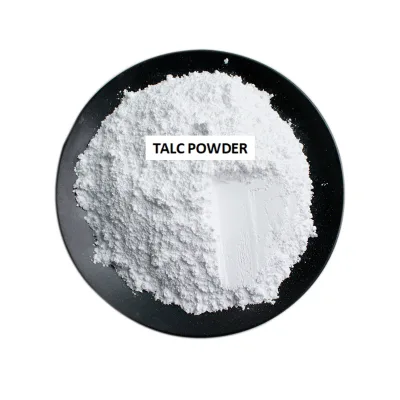
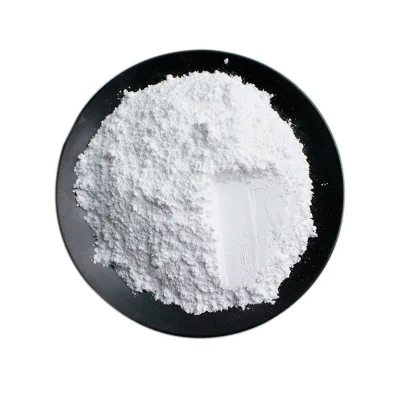
Paper Soap Stone Talc Talcum Powder Pharmaceutical Transparent Talc Powder
$125.0983 - $208.4962
MOQ: 1 tons
Lingshou County Fangzhishun Mineral Products Co., Ltd.
- Trading Company
- Hebei Province, China
- Lead time3 days
- Avg. response≤ 9h
Main productsVolcanic rock,Quartz sand,Fly ash,Silica fume,Calcium carbonate
Main marketsDomestic Market(60.00%), North America(7.00%), Eastern Asia(7.00%), Eastern Europe(5.00%), Africa(5.00%), Central America(5.00%), South Asia(5.00%), Southeast Asia(2.00%), Oceania(2.00%), Western Europe(2.00%)

Shenyang Taiouke Chemical Co., Ltd.
- Manufacturer, Trading Company
- Liaoning, China
- Lead time10 days
- Avg. response≤ 1h
Main productsMagnesium Oxide,Light Magnesium Oxide,Bentonite,Bleaching Clay,Rare Earth
Main marketsSoutheast Asia(30.00%), Domestic Market(27.50%), North America(10.00%), Western Europe(5.00%), Eastern Asia(5.00%), Central America(5.00%), South Asia(5.00%), Southern Europe(5.00%), Northern Europe(2.00%), South America(2.00%), Eastern Europe(1.50%), Mid East(1.00%), Africa(1.00%)
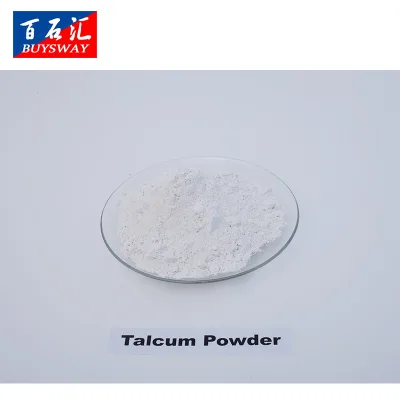
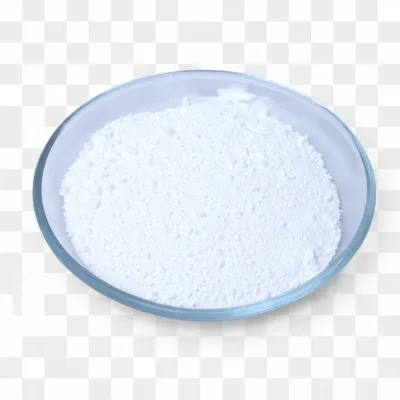
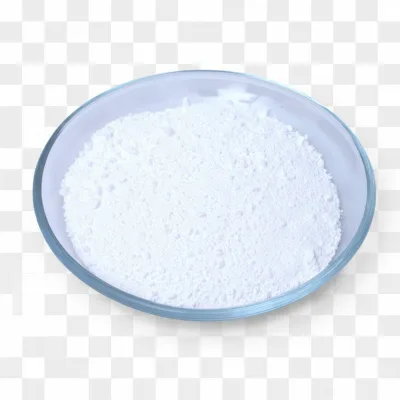
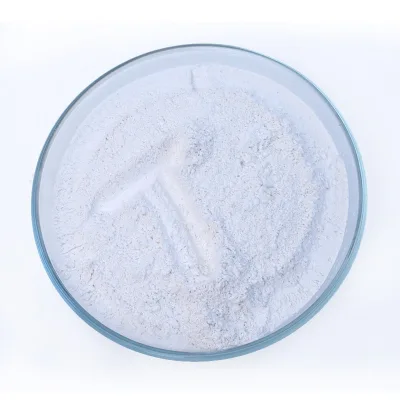
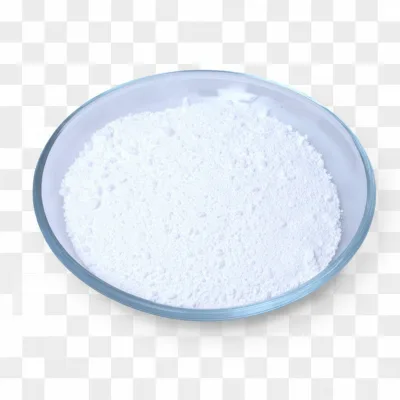
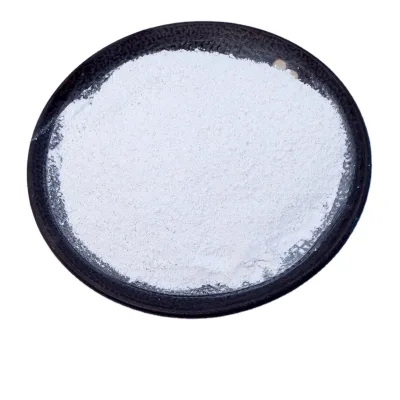
Talc Powder: High - Quality Filler for Cost - Reduction at Competitive Prices
$312.5242 - $395.8652
MOQ: 1 tons

Beijing TDD E-Commerce Co., Ltd.
- Other
- China Beijing
- Lead time23 days
- Avg. response≤ 24h
Main productsPVC Resin, PP, PE, Pet, Titanium Dioxide, Pigment, Car Tire, Yarn, Fabric
Main marketsMid East,Southeast Asia,Africa


Chemical Grade Talcum Powder for Plastic, Paints, Coatings, Rubber and Cable
$155.00 - $250.00
MOQ: 25 Tons


Shijiazhuang Huabang Mineral Products Co., Ltd.
- Verified by BV
- Combined
- China Hebei
- Lead time15 days
- Avg. response≤ 2h
Main productsMica, Kaolin, Bentonite, Talc, Graphite Powder, Iron Oxide Pigment, Cenosphere, Diatomite Powder, Calcium Carbonate
Main marketsSouth America,Africa,Others(foreignTradeCapacity.exportBusinessCapacityMarketOther),Southeast Asia/ Mideast,East Asia(Japan/ South Korea),Domestic,Europe,Australia,North America


Industrial Grade Calcined Talcum Powder Chemical Product Filled Fine Talcum Powder
$110.00 - $130.00
MOQ: 1 Tons


Lingshou Jiaqi Mineral Processing Factory
- Manufacturer
- Hebei, China
- Lead time10 days
- Avg. response≤ 2h
Main productsTourmaline Powder/Ball,Diatomite,Gypsum Powder,Hydrated Lime,Ceramic Ball
Main marketsEastern Asia(50.00%), Africa(20.00%), Southeast Asia(20.00%), Eastern Europe(10.00%)
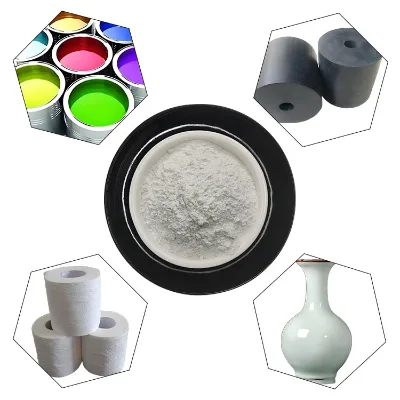
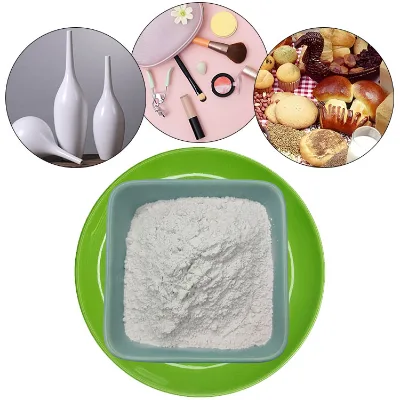
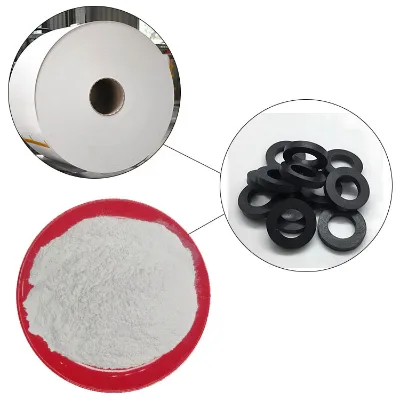
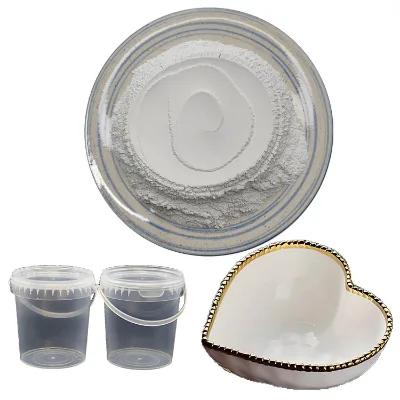
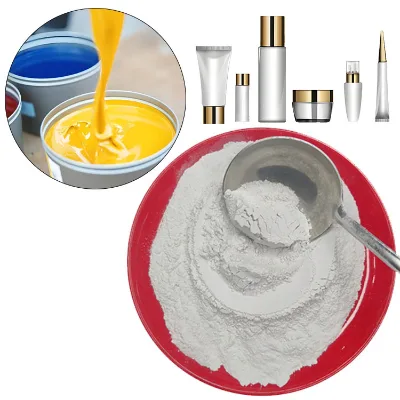
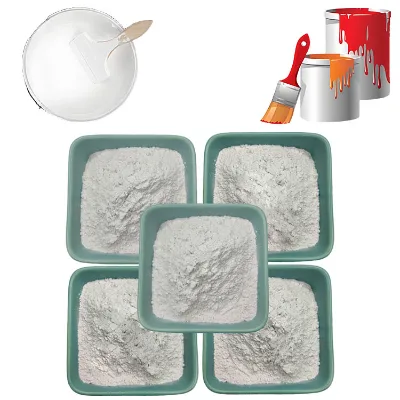
Talc for EVA Shoe Materials 1250-mesh Industrial Talc Liaoning Origin Talcum Powder
$130.00 - $160.00
MOQ: 1
Lingshou Chuangwei Mineral Products Processing Factory
- Verified by Intertek
- Manufacturer, Trading Company
- Lead time20 days
- Avg. response≤ 3h
Main productsBentonite, Iron Oxide, Zeolite, Vermiculite Mica, Color Sand& Colored Stone
Main marketsSoutheast Asia(30%), North America(20%), Eastern Europe(20%)
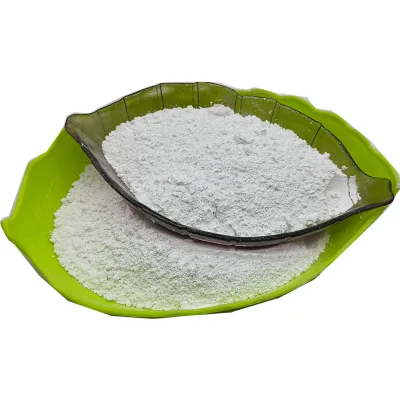
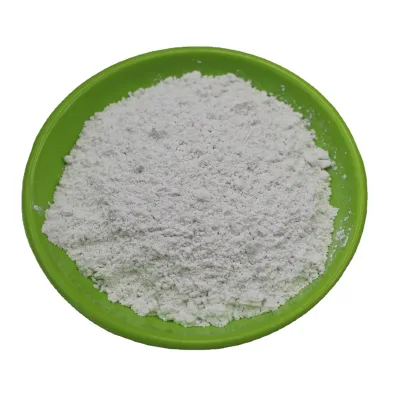
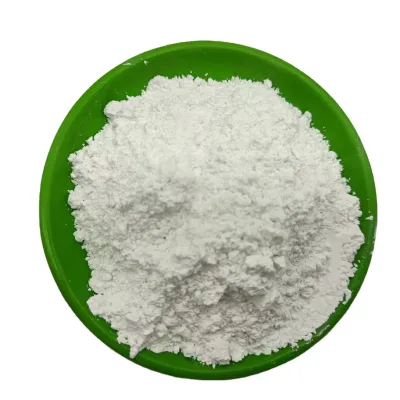
High Whiteness Chinese Industrial Grades Talcum Powder for Ceramic Industry Usage
$195.00 - $199.00
MOQ: 1
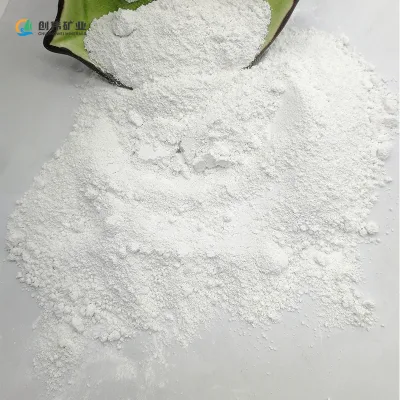
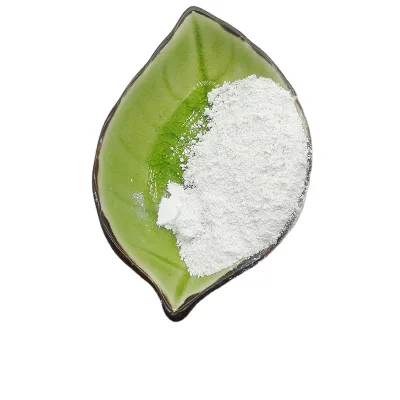
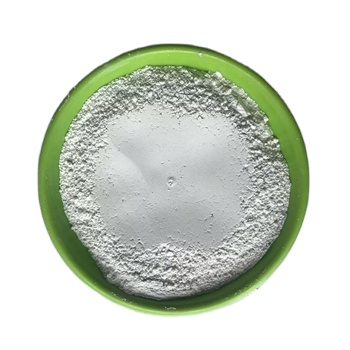
High Quality Talc Industrial Talc Manufacturers Direct Sales Of High Quality Raw Talc Powder
$158.00 - $168.00
MOQ: 35

Liaoning Metals and Minerals Enterprise Co., Ltd.
- Verified by SGS
- Trading Company
- China Liaoning
- Lead time15 days
- Avg. response≤ 17h
Main productsTalc, Magnesium Oxide, Refractory Materials, Ceramic Materials, Feeding Additives, Chemicals, Construction Materials, Non-Metallic Minerals, Agricultural Additives, Water Treatment
Main marketsSouth America,Africa,Southeast Asia/ Mideast,East Asia(Japan/ South Korea),Europe,Australia,North America


$120.00 - $230.00
MOQ: 1 Tons

Competitive Price Talcum Powder with High Purity for Industrial Applications
$120.00 - $230.00
MOQ: 1 Tons

General Industrial Use Talcum Powder with Reliable Performance Characteristics
$120.00 - $230.00
MOQ: 1 Tons


Qingdao Sincere Chemical Co., Ltd.
- Trading Company
- Shandong, China
- Lead time10 days
- Avg. response≤ 3h
Main productsGlacial Acetic Acid,Formic Acid,Phosphoric Acid,Formalin,Paraformaldehyde
Main marketsAfrica(20.00%), Oceania(15.00%), South America(15.00%), Eastern Asia(10.00%), Mid East(10.00%), Southeast Asia(10.00%), Central America(10.00%), Domestic Market(5.00%), North America(5.00%)
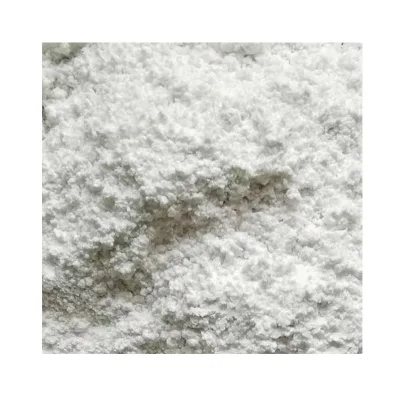
High Pruit Talcum Powder Industrial Grade Material Coating Talc Powder for Plastic
$174.00 - $274.00
MOQ: 10 Minimum

Hebei Yingrui Imp&Exp Trade Co., Ltd.
- Verified by TUVRHEINLAND
- Trading Company
- China Hebei
- Lead time15 days
- Avg. response≤ 3h
Main productsVermiculite, Mica Powder, Perlite, Bentonite, Sepiolite, Fireproof Coating, Insulation Materials, Horticlture Merterials, Vermiculite Concrete Materials, Color Sand Minerals
Main marketsAfrica,Southeast Asia/ Mideast,East Asia(Japan/ South Korea),Europe,Australia


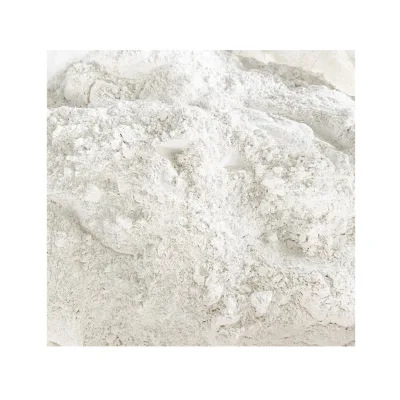
Talcum Powder Industrial Grade Building Materials Coating Rubber Ceramic Additive
$198.00 - $590.00
MOQ: 20 Tons


Hebei Hezhen Industrial Co., Ltd.
- Verified by Intertek
- Manufacturer, Trading Company
- Lead time10 days
- Avg. response≤ 1h
Main productsIron Oxide Pigment, Sepiolite Fiber, Mica, Carbon Black, Diatomite Powder
Main marketsDomestic Market(20%), Southeast Asia(20%), Oceania(20%)
$0.2081 - $0.2485
MOQ: 2 kilograms
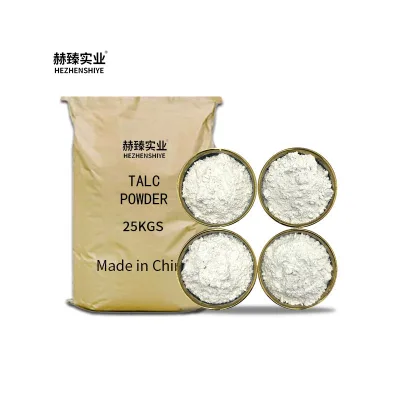
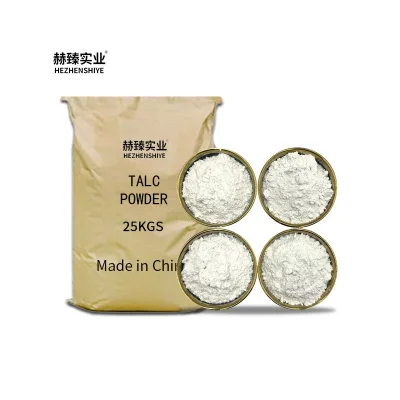
Industrial Grade Superfine Talcum Powder for Textile Coatings Impact-Resistant and Wear-Resistant
$0.15 - $0.30
MOQ: 1 kilograms
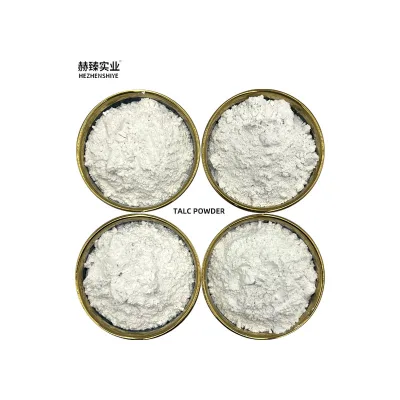
$0.2784 - $0.3084
MOQ: 1 kilograms
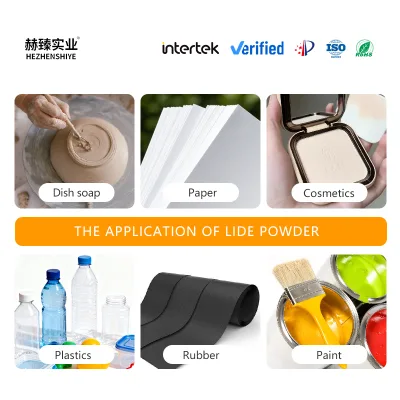
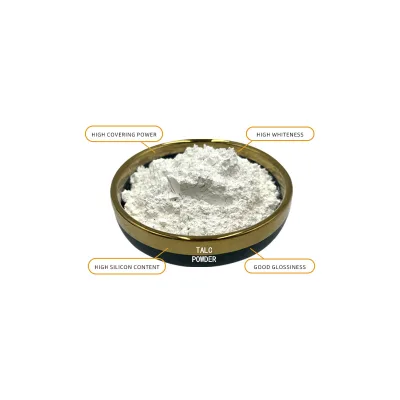
Talcum Powder for Multiple Applications Aluminum Melting Cosmetics Ceramics Plastics Coatings Paints
$225.00 - $245.00
MOQ: 2 tons

Guangxi Longsheng Bangding Talc Co., Ltd.
- Verified by TUVRHEINLAND
- Combined
- China Guangxi
- Lead time15 days
- Avg. response≤ 7h
Main productsTalc, Soapstone, Talc Chalk, Talcum Powder, Round Slate Pencil, Slate Chalk, Seal Stone, Whisky Stone, Carving Stone, Slatepencil
Main marketsEast Asia(Japan/ South Korea)

Shijiazhuang Chuimou Trade Co., Ltd.
- Verified by SGS
- Trading Company
- China Hebei
- Lead time15 days
- Avg. response≤ 6h
Main productsSmelling Salt, Sport Gym Chalk, Full Cassette Awning, Tourmaline Powder, Diatomaceous Earth
Main marketsAfrica,Domestic,Europe
Shijiazhuang Huabang Mineral Products Co., Ltd.
- Verified by TüVRheinland
- Manufacturer, Trading Company
- Lead time10 days
- Avg. response≤ 1h
Main productsKaolin, Iron Oxide Pigments, Tourmaline, Silica, Colored Sand
Main marketsDomestic Market(30%), North America(20%), Southeast Asia(20%)
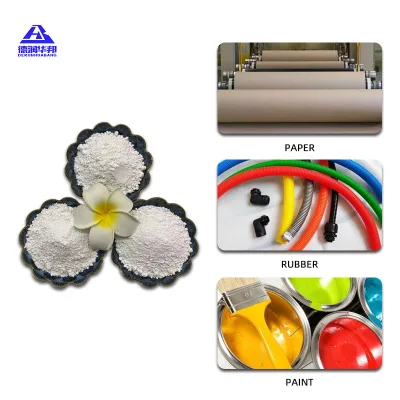
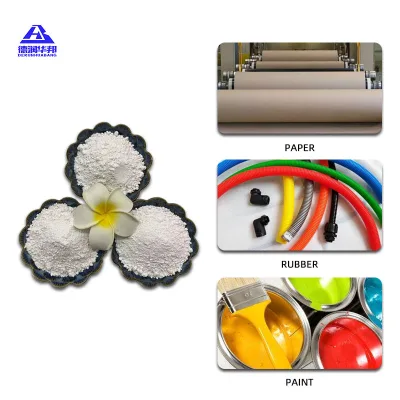
Quality White Calcined Talc Powder Price Made in China Painting Industrial Lubrication Usage
$100.00 - $300.00
MOQ: 1 kilograms
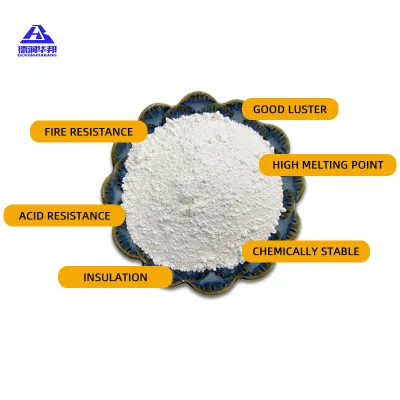
$0.2275 - $0.2695
MOQ: 1 kilograms
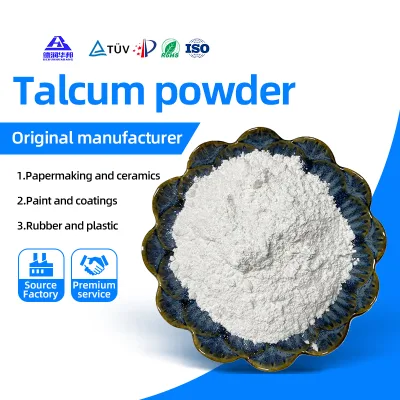
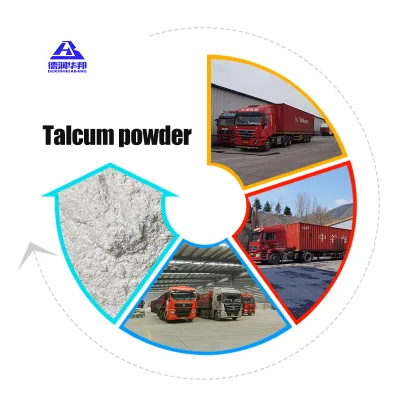
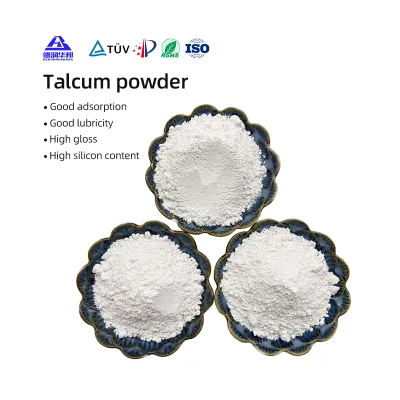
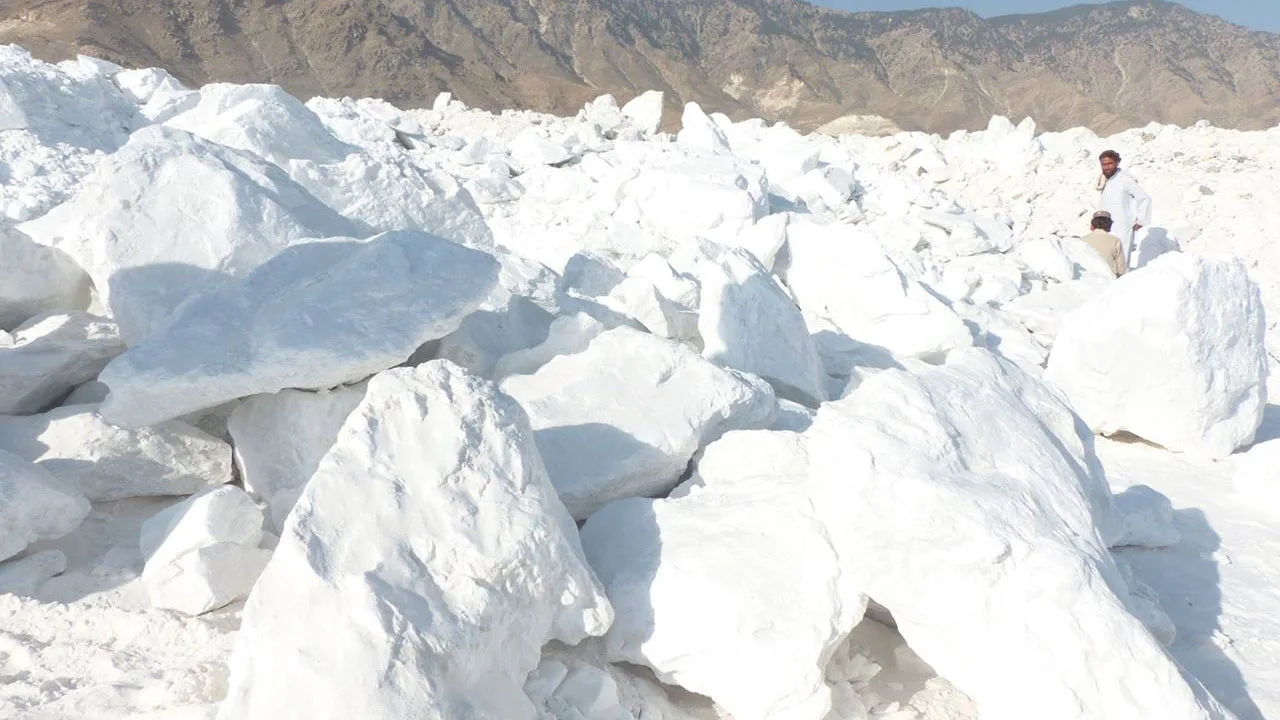
Dandong Tianci Fire-Retardant Material Technology Co., Ltd.
- Manufacturer, Trading Company
- Liaoning, China
- Lead time15 days
- Avg. response≤ 8h
Main productsFlame Retardant Materials,Inorganic Non-metallic Minerals,Plastics & Rubber Additives,Rubber & Plastics > Plastic Auxiliary Agents,Coatings & Paint > Paint Auxiliary Agents
Main marketsDomestic Market(34.00%), Mid East(21.00%), Western Europe(19.00%), Southern Europe(11.00%), Southeast Asia(6.00%), Eastern Europe(5.00%), Eastern Asia(4.00%)
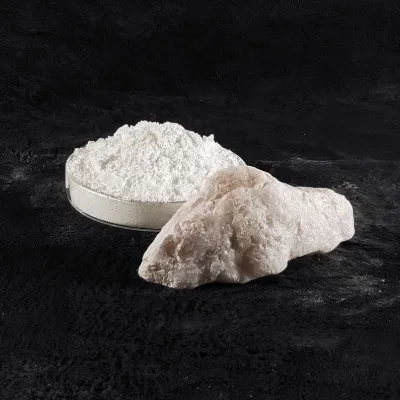
Industrial Grade High Whiteness Factory Direct Selling Talc/Talcum Power for Coating/Ceramic Paint
$130.00 - $150.00
MOQ: 1 tons
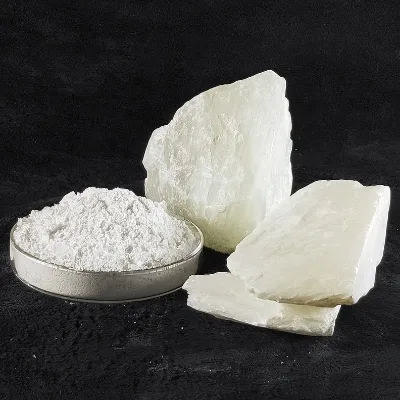
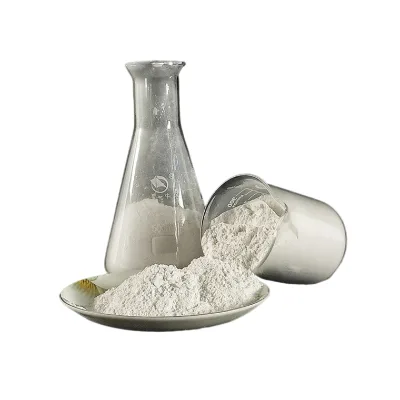
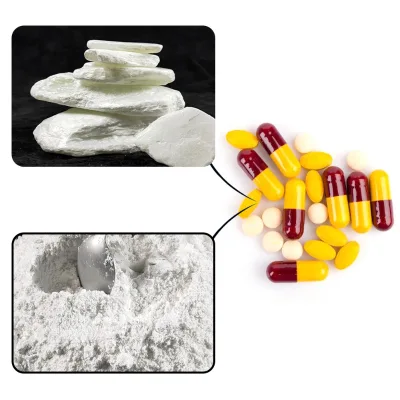
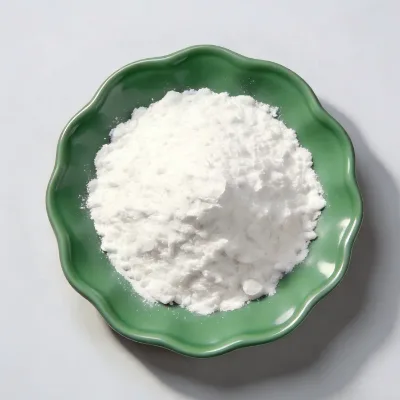
Nano Ultra Fine and Smooth Talc Powder Talcum Powder for Plastic Tubes CAS NO.14807-96-6
$143.8437 - $154.1176
MOQ: 1 tons
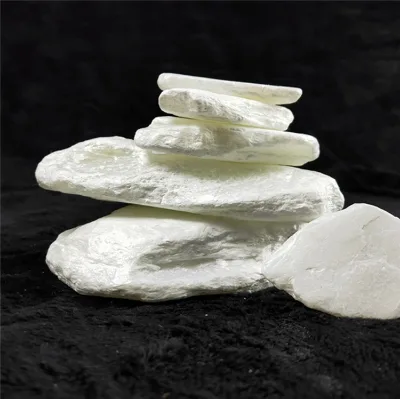

Hebei Hezhen Industrial Co., Ltd.
- Verified by SGS
- Combined
- China Hebei
- Lead time15 days
- Avg. response≤ 1h
Main productsIron Oxide Pigment, Diatomite, Silica Powder, Bentonite Powder, Talc Powder, Kaolin Clay, Tourmaline Powder
Main marketsSouth America,Southeast Asia/ Mideast,Europe


Talcum Powder with High Acid Resistance Suitable for Special Industrial Environments
$250.00 - $259.00
MOQ: 5 Tons


- Verified by SGS
- Trading Company,Manufacturer/Factory
- China Jiangsu
- Lead time15 days
- Avg. response≤ 11h
Main productsSodium Lauryl Ether Sulfate (SLES), Linear Alkyl Benzene Sulphonic Acid (LABSA), Sodium Polyacrylate, Ethylene Diamine Tetraacetic Acid (EDTA), Modified Sodium Disilicate (Msd), Active Poly Sodium Metasilicate (Apsm), Sodium Silicate Powder/ Lumps, Potassium Silicate Powder, Mono Penta-Erythritol, Detergent Beads (Laundry Pods)
Main marketsSouth America,Eastern Europe,Mid East,North America,Southeast Asia,Eastern Asia,Oceania,Western Europe,Africa





Comprehensive Sourcing Guide
Industrial Grade Talcum Powder Supplier Concentration and Factory Types
Industrial Grade Talcum Powder supply is concentrated among Chinese producers, and the supplier results on this page reflect that pattern. Suppliers listed here are located in Guangdong and Liaoning, and these two provinces represent different sourcing profiles. Liaoning-based companies typically combine manufacturing with trading operations and list talc alongside related minerals such as wollastonite, calcined talc, dolomite, diopside, bentonite, kaolin, and magnesite products. Guangdong-based suppliers tend to present talc within a broader industrial minerals portfolio that also includes barium sulfate, titanium dioxide, calcium carbonate, filler masterbatch, and silica powder. This matters because a supplier whose catalog spans several minerals may be a processor or distributor rather than a mine operator, which affects traceability of ore source and consistency between batches.
Supplier types on this page include combined manufacturer-trader entities, trading companies that also operate factories, and multi-product chemical distributors. Each structure carries different implications. A factory-first supplier usually controls milling, classification, and packaging directly, which supports tighter control over mesh size and whiteness. A trading company may aggregate material from several sources, offering flexibility on grade and volume but adding a layer between you and the processing plant. The product listings here confirm this range: one Guangdong listing is explicitly branded under a group name, while Liaoning listings emphasize calcined and superfine grades. When you shortlist, classify each supplier by type before comparing anything else, because price and capability claims are only comparable within the same structure.
How to Verify Industrial Grade Talcum Powder Suppliers
Verification starts with the credentials displayed on the platform, then moves to evidence you request directly. On this page, supplier verification status is shown through third-party inspection marks: one supplier displays TÜV Rheinland verification and another displays SGS verification. These marks confirm that a company's legal identity and premises were inspected at a point in time, not that product quality is certified. Note also that one supplier's system certification field is listed as NIL, which is a meaningful signal: an absent management-system certificate means you must ask directly whether ISO 9001 or equivalent systems exist and request the certificate number and issuing body for independent confirmation.
Product-level claims deserve equal scrutiny. Listings here state ISO certification and, in one case, ISO and CE, on the product attribute level rather than as verified company credentials, so treat these as claims to verify, not facts. Request a recent certificate of analysis for the specific grade you need, covering silica dioxide content, loss on ignition, iron oxide, moisture, whiteness, and asbestos status, since one listing here explicitly declares asbestos at zero and you should require documentation supporting that. Ask for chemical composition data matching what the listing advertises, then compare against the physical sample you receive. Finally, confirm the production relationship: ask whether the company mills its own talc, which mine or ore body it sources from, and whether it can name the processing facility. A supplier unwilling to answer basic traceability questions should be removed from consideration regardless of verification badges.
What to Compare Across Industrial Grade Talcum Powder Suppliers
Build a comparison table using the attributes actually displayed on supplier pages, and record blanks rather than assuming values. On this page you can compare: location (Guangdong versus Liaoning), company type (combined, trading company with factory, or distributor), third-party verification mark (TÜV Rheinland or SGS), response time, lead time, main products, and per-listing MOQ and price range. Response times shown here differ materially, with one supplier averaging roughly three hours and another roughly nine, which matters when you need rapid answers on specifications or claims. One supplier displays a fifteen-day lead time; others show none, so treat lead time as a required quote item rather than an assumption.
Product specifications offer a second comparison layer. Listings on this page span 325-mesh industrial talc for rubber applications, multi-mesh talc graded from 325 up to 5000 for coatings, paints, and plastics, and calcined talc with stated fired whiteness figures. Compare the attributes that match your application: mesh or size distribution, whiteness (one listing states 88 to 99 percent), silica content ranges, oil absorption, pH, moisture ceiling, and declared asbestos status. MOQs on this page range from very small quantities to 1000-unit minimums, and unit prices vary accordingly, so compare price at equivalent quality and pack format, not headline numbers. Also weigh portfolio breadth: a Liaoning supplier listing calcined talc, wollastonite, and ceramic brighteners may serve a ceramics buyer better than a broad chemical distributor, even at a higher unit price.
Common Industrial Grade Talcum Powder Sourcing Risks
The most serious risk in this category is undisclosed asbestos contamination, because talc deposits can occur alongside asbestiform minerals and industrial grades are not always tested to cosmetic-grade protocols. One listing on this page declares asbestos at zero, which is reassuring but must be backed by test documentation from an independent laboratory using a recognized method for the specific batch, not a generic certificate. The second major risk is specification drift: listings here advertise whiteness ranges as wide as 88 to 99 percent and mesh sizes from 325 to 5000, and a shipment at the bottom of a range can still be technically compliant while failing your process. Define acceptance limits in a signed specification sheet with agreed test methods before any deposit changes hands.
Additional risks are commercial and structural. A broad-catalog supplier listing talc alongside titanium dioxide, barium sulfate, and masterbatch may be reselling rather than processing, which can mean longer, less controllable supply chains and inconsistent ore sources between orders. MOQ structures also create risk in both directions: very low minimums on this page enable sampling but may reflect distributor stock with unknown storage age, while 1000-unit minimums raise the cost of a first-order mistake. Finally, verification badges have limits. TÜV Rheinland and SGS marks confirm company identity checks, and one supplier shows no system certification at all. Never treat a badge as a product warranty; every lot should arrive with a certificate of analysis you can independently verify.
Industrial Grade Talcum Powder Regional Sourcing and Logistics
The two sourcing regions represented on this page, Guangdong and Liaoning, differ in ways that affect logistics. Liaoning, in northeast China, is associated with domestic talc deposits and processing, and suppliers there list calcined talc and related non-metallic minerals, suggesting proximity to raw material. Guangdong, in the south, hosts chemical distributors whose talc listings originate from China but may be processed elsewhere, so ask where milling and classification occur relative to the port of exit. Proximity of the processing plant to the loading port affects inland freight cost and handling, and every extra transfer point increases contamination and moisture exposure risks for a powder product.
Packaging and lead-time details in the listings shape your logistics plan. Stated packing formats here include 25 kg woven bags, 25 kg plastic woven bags or customized packing, 50 kg woven plastic bags, and one-ton jumbo bags; packing is also listed as per customer request in some cases. Match pack format to your discharge and storage setup, and confirm palletization, container loading quantities, and moisture protection liners in writing. One supplier displays a fifteen-day lead time, which is a useful benchmark, but others show none, so obtain confirmed production plus vessel-availability timelines for your destination. Because talc is a mineral powder, check whether your destination market requires documentation such as a non-asbestos declaration, and confirm the supplier can issue certificates of origin and analysis consistent with your customs requirements before booking.
Industrial Grade Talcum Powder Commercial Terms and Order Planning
Plan your commercial terms around the asymmetries visible in current listings. MOQs on this page range from five units on one 325-mesh rubber-grade listing to 1000 on another, and price bands differ just as widely, so structure your first engagement as a paid sample plus a small pilot order against your written specification, then scale. Use a payment method that keeps funds protected until inspection, such as escrow or a letter of credit for larger volumes, and avoid full prepayment to an unverified entity regardless of how complete its product data appears. Request quotations on identical specifications, packing, and Incoterms from several suppliers so the comparison is genuine.
Order planning should account for the realities shown here. Lead time is only displayed for one supplier at fifteen days, so build confirmation steps into your timeline: sample approval, pre-production lot approval, and shipment booking. Negotiate retention of rights to independent pre-shipment inspection, especially for asbestos testing and whiteness verification, and define what happens on failure, including replacement or refund terms. Clarify customization early; several listings on this page state customization is available and packing can be customer-specified, which affects both price and lead time. Finally, budget for requalification: talc from the same supplier can vary between ore batches, so agree in advance on a periodic retesting schedule and on whether the supplier must notify you when the ore source or processing site changes.
Word count check: sections approximately 231, 231, 231, 229, 229, 226 = 1377 words total. Within range.
FAQs
What is the price range for Industrial Grade Talcum Powder?
Industrial Grade Talcum Powder prices typically range from $0.13 to $300 per unit depending on specifications. Lower-cost options around $0.13 to $0.80 are available for bulk purchases with higher minimum order quantities. Premium grades with specific certifications or custom packaging may cost between $180 and $300. Buyers should verify exact pricing based on required mesh size and application needs.
What are the minimum order quantities for talcum powder?
Minimum order quantities vary significantly by supplier and product grade. Some suppliers require a minimum of 5 units for specific industrial models, while others set the threshold at 1000 units for standard bulk powder. Calcined talc options may have minimums around 27 units. Buyers must check individual product listings to confirm the exact MOQ applicable to their desired quantity and packaging requirements.
Where are industrial talcum powder suppliers located?
Major suppliers of industrial talcum powder are located in China, specifically in the Guangdong and Liaoning provinces. Guangdong suppliers often offer combined manufacturing and trading services with verified certifications. Liaoning-based suppliers frequently specialize in calcined talc and wollastonite products. Buyers can filter results by these regions to find manufacturers with established production capabilities and verified operational status.
What certifications are available for talcum powder products?
Many industrial talcum powder products carry ISO certification, ensuring adherence to quality management standards. Some high-purity grades also include CE certification for specific regulatory compliance. Supplier verification services like TÜV Rheinland and SGS are available to confirm company legitimacy. Buyers should request specific certification documents for their intended application, such as cosmetic or pharmaceutical grades, to ensure full compliance.
What are the typical lead times for talcum powder orders?
Typical lead times for industrial talcum powder orders are approximately 15 days from order confirmation. Response times for supplier inquiries average around 3 to 9 hours, facilitating quick communication. Actual delivery schedules depend on the supplier's current production capacity and the specific customization requirements of the order. Buyers should confirm lead times directly with suppliers to account for potential variations based on order volume.
What are the key chemical properties of industrial talcum powder?
Industrial talcum powder typically contains silica levels between 55% and 65.38%, with magnesium oxide content around 30% to 31.93%. Whiteness after burning ranges from 92.2% to 95.1%, indicating high purity. Moisture content is generally kept below 0.5%, and asbestos content is reported as zero. These chemical indicators ensure the powder meets strict industrial standards for rubber, plastic, and ceramic applications.