Interactive AR Projection Sand Table Suppliers and Manufacturers
Source 21 verified suppliers for Interactive AR Projection Sand Table systems. Compare response times, lead times, certifications, and MOQs to find the right partner. Contact suppliers directly to request quotes and samples; review the available evidence before requesting comparable quotations from suitable candidates.
Suppliers List
Nantong Chariot Information Tech Co., Ltd.
- Verified by TüVRheinland
- Manufacturer, Trading Company
- Lead time7 days
- Avg. response≤ 4h
Main productsInteractive Floor Projection System, Interactive Projection Smash Wall, Interactive Darwing Wall System, Interactive Projection Sand Table, Interactive Multi Touch System
Main marketsDomestic Market(40%), Southeast Asia(30%), Mid East(10%)
Guangzhou Movie Power Technology Co., Ltd.
- Verified by Intertek
- Manufacturer, Trading Company
- Lead time10 days
- Avg. response≤ 3h
Main productsVR Game Machine, VR Simulator, VR Machine, Arcade Game Machine, Flying Cinema Equipment
Main marketsNorth America(26%), Mid East(23%), Eastern Europe(15%)

Jamma Amusement Technology Co., Ltd
- Combined
- China Guangdong
- Lead time23 days
- Avg. response≤ 9h
Main productsVr Simulator
Main marketsAfrica,Southeast Asia/ Mideast,North America


Ar Interactive Sandbox Interactive Projection Game Magic Sand Table for Kids
$2500.00 - $2800.00
MOQ: 1 Sets


Sand Table Kindergarten Ar Interactive Projection Projector Kiddie Ar Sand-Box Game
$2500.00 - $2800.00
MOQ: 1 Sets

Guangzhou Dreamer Visual Technology Co., Ltd.
- Verified by TüVRheinland
- Manufacturer, Trading Company
- Lead time7 days
- Avg. response≤ 1h
Main productsAR Arena, AR Motion All-In-One, AR Somatosensory Game Projection, Interactive Cycling Projection, Magic Smash Ball Projection
Main marketsNorth America(20%), South America(10%), Eastern Europe(10%)
Guangzhou Chuangyi Network Media Co., Ltd.
- Verified by TüVRheinland
- Trading Company
- Lead time5 days
- Avg. response≤ 2h
Main productsInteractive Projector, AR Products, All-In-One Projector Interactive Machine, Interactive Floor Projector, 3D 5D 7D Motion Cinema
Main marketsNorth America(30%), Southeast Asia(20%), Mid East(20%)
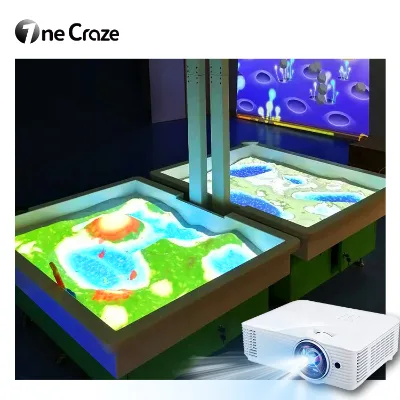
OneCraze Interactive Sand Play Interactive Sandbox Software Projection System Sand Table
$2800.00 - $3000.00
MOQ: 1 units
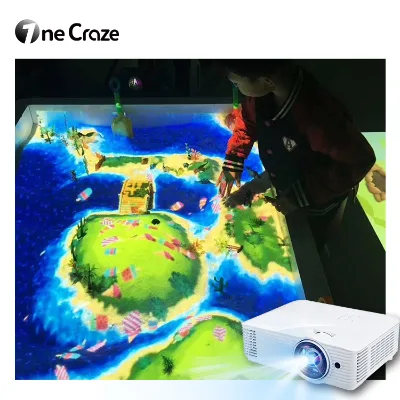
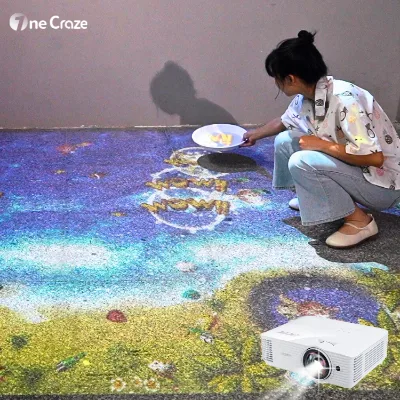
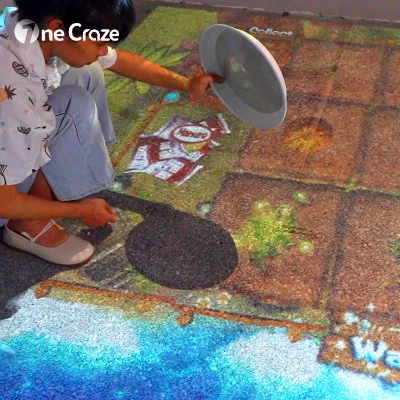
Guangzhou EPARK Electronic Technology Co., Ltd.
- Manufacturer, Trading Company
- Lead time旺季: "1 - 20":7,"> 20":"To be negotiated", 淡季: "1 - 20":7,"> 20":"To be negotiated"
- Avg. response≤ 1h
Main productsGame Machines, Arcade Game Machines, Shooting Game Machines, Kids Game Machines, Virtual Reality Simulators
Guangzhou Juchuang Intelligent Technology Co., Ltd.
- Verified by SGS Group
- Manufacturer, Trading Company
- Lead time7 days
- Avg. response≤ 1h
Main productsVR Products, AR Interactive Projection Games, 5D Dynamic Cinema
Main marketsNorth America(20%), Mid East(18%), Domestic Market(13%)
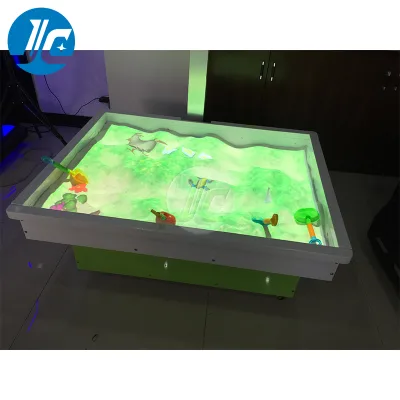
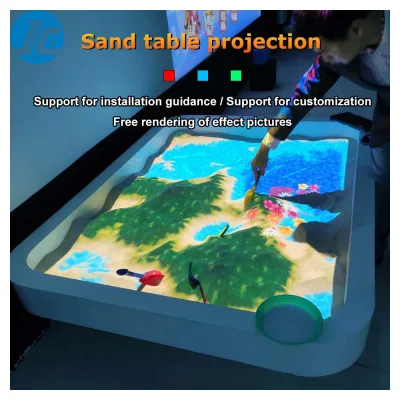
Kids Interactive AR Sand Table Game Interactive Projection System for Amusement Park
$3163.64 - $3571.85
MOQ: 1 sets
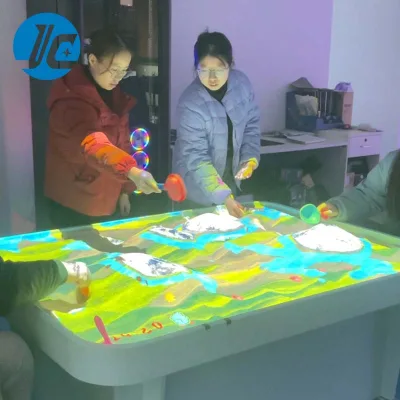
Sand Table Interactive Projection Game Real-Time Topography Science Museum Tool Dynamic Light System
$2041.06 - $3878.01
MOQ: 1 sets
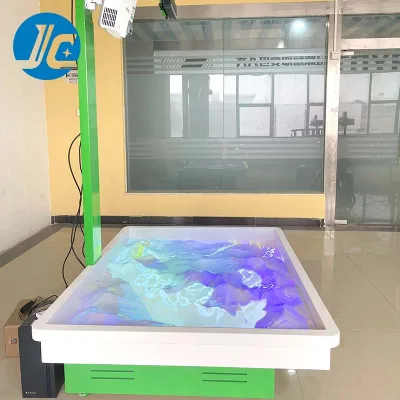
Erosion Simulation School Classroom Multi-Touch Projection Sand Table Interactive Projection Game
$2067.96 - $3929.12
MOQ: 1 sets
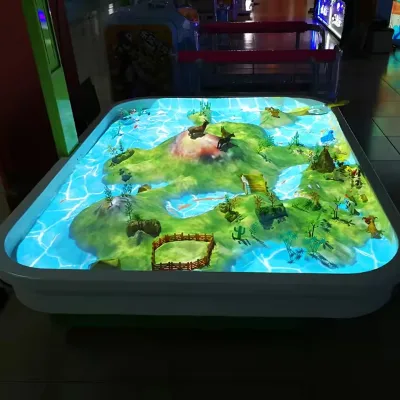
$3100.00 - $3500.00
MOQ: 1 sets
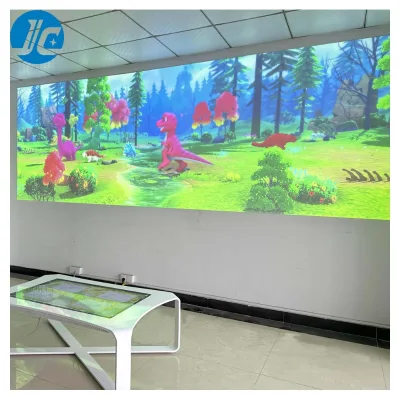
$3571.85 - $3878.01
MOQ: 1 sets
Guangzhou Imyjoy Electronic Technology Co., Ltd.
- Manufacturer
- Guangdong, China
- Lead time7 days
- Avg. response≤ 2h
Main productsLotto machine,Marble Race Track,Interactive Games,Activate Game,Carnival Game
Main marketsDomestic Market(20.0%), Eastern Europe(20.0%), Southern Europe(10.0%), Western Europe(10.0%), Northern Europe(10.0%), Mid East(8.0%), North America(6.0%), Eastern Asia(5.0%), South Asia(3.0%), South America(2.0%), Oceania(2.0%), Central America(2.0%), Africa(1.0%), Southeast Asia(1.0%)
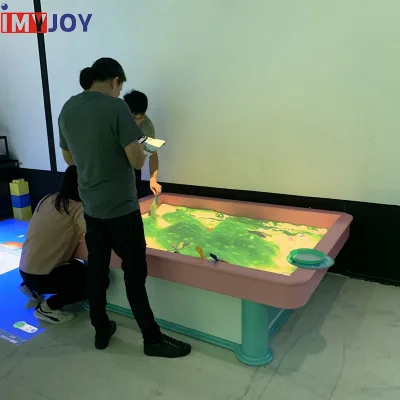
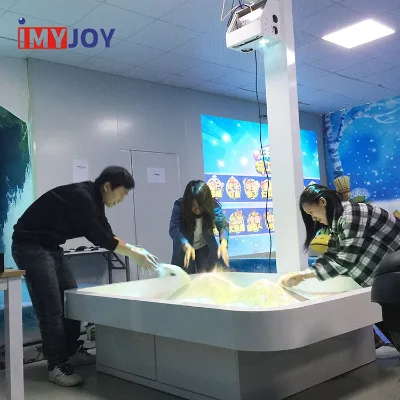
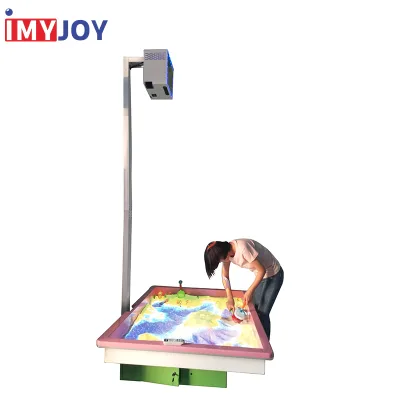
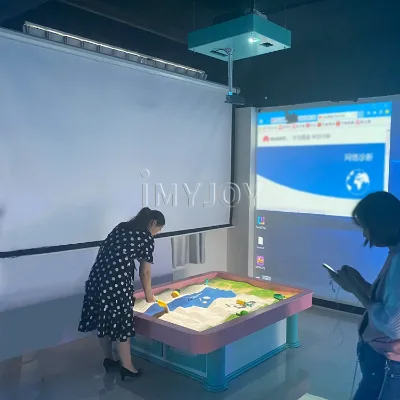
$3574.31 - $3880.68
MOQ: 1 sets
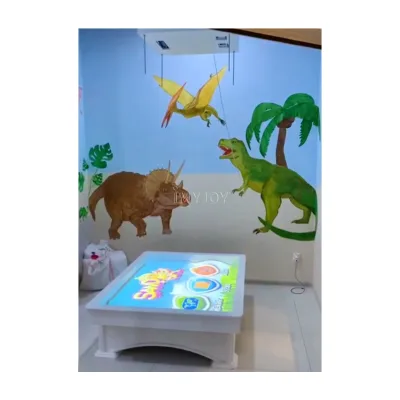
Interactive Sandbox Kids Gaming Short Throw Projector 4k System 1080p Sand Table Projector Game
$3787.90 - $3890.31
MOQ: 1 pieces
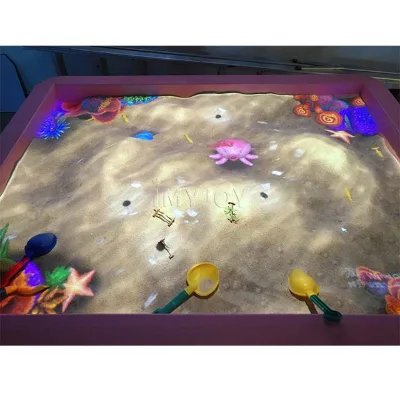
Update Play Fun Games Kids Activity Sand Table Gaming Hologram Interactive Projection Game
$3785.31 - $3887.64
MOQ: 1 pieces
Northern Lights (guangzhou) Digital Technology Co., Ltd.
- Verified by TüVRheinland
- Manufacturer, Trading Company
- Lead time10 days
- Avg. response≤ 3h
Main productsInteractive Projection, Game Machine
Main marketsNorth America(30%), Western Europe(30%), Mid East(20%)
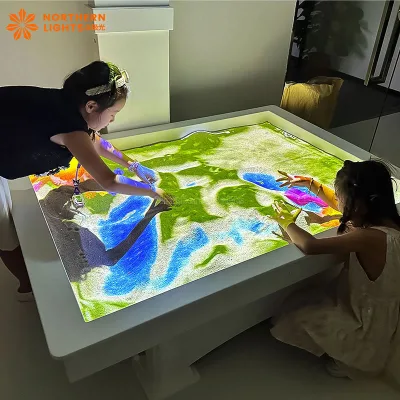
$2049.88 - $2357.51
MOQ: 1 pieces
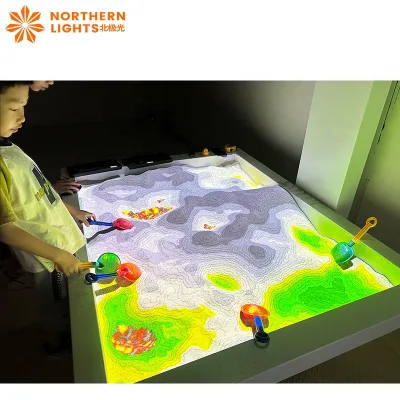
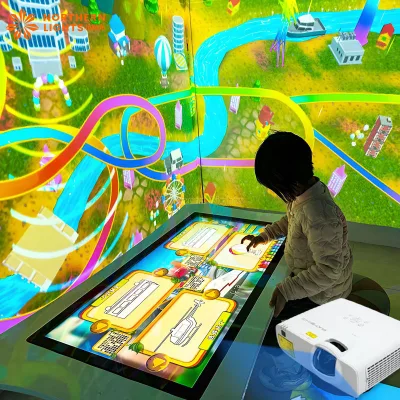
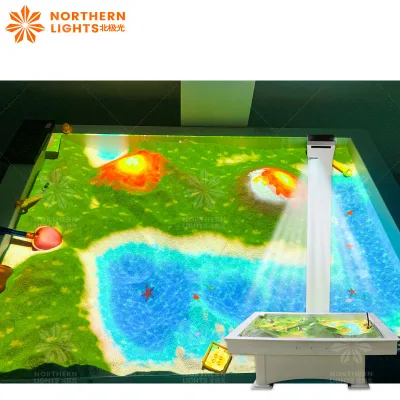
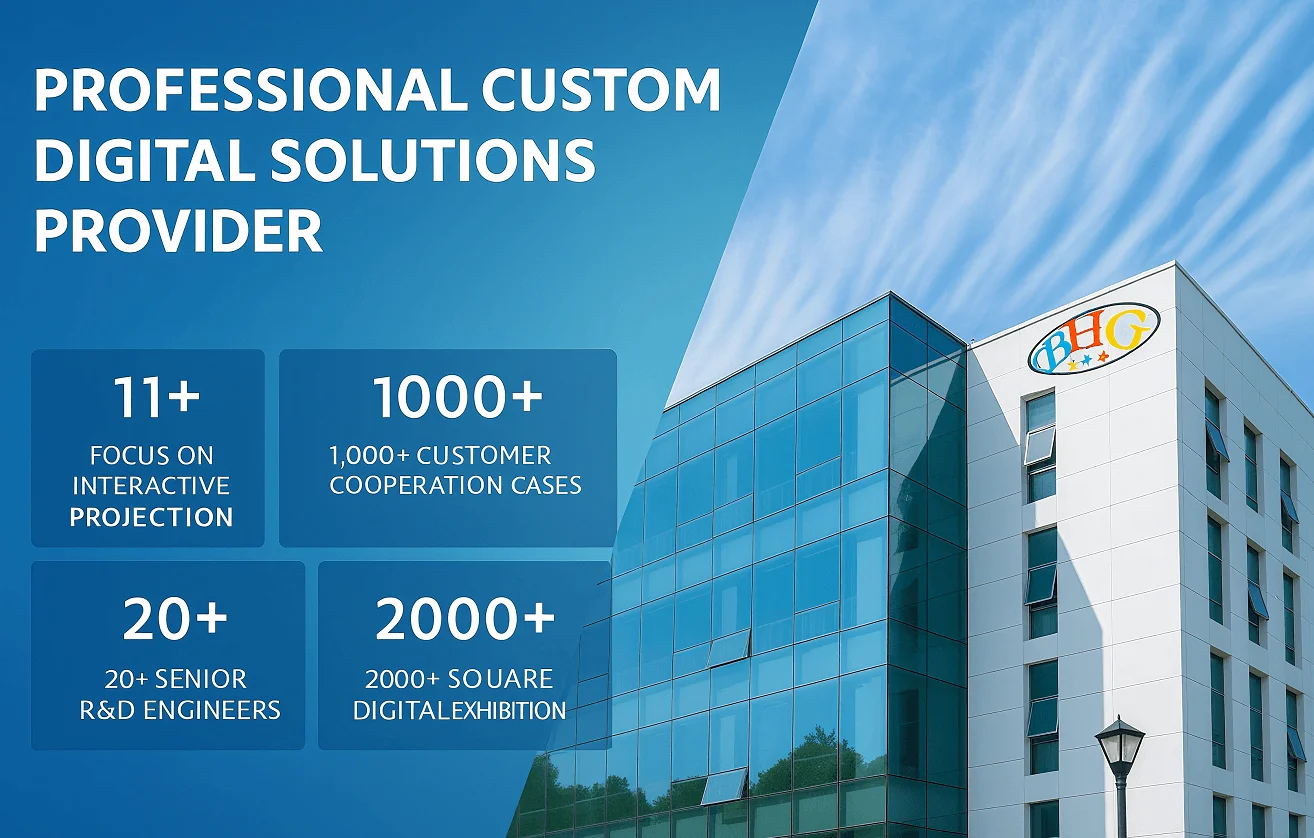
Guangzhou Brother Heart Technology Co., Ltd.
- Manufacturer
- Guangdong, China
- Lead time5 days
- Avg. response≤ 2h
Main productsInteractive Projection,AR Projection Game,Immersive Projection,Projection Mapping
Main marketsNorth America(30.0%), Mid East(25.0%), Southeast Asia(20.0%), Domestic Market(10.0%), Eastern Europe(10.0%), Western Europe(5.0%)
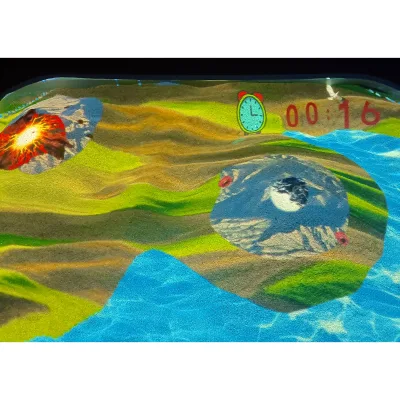
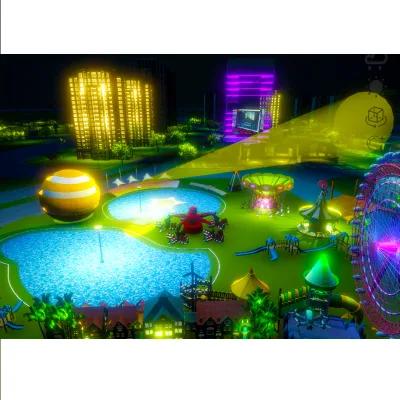
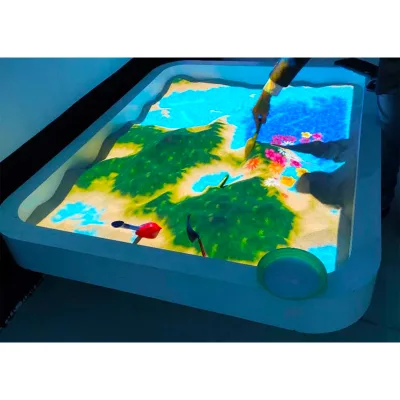
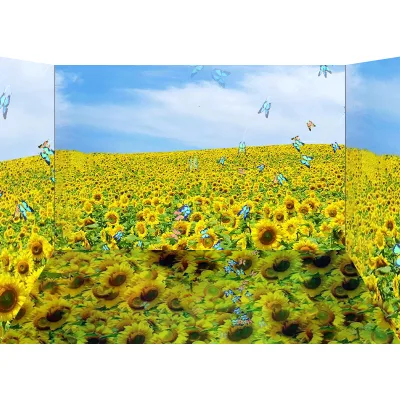
. fantastic immersive Interactive magic sand table smart sand box in theme park and amusement park
$1500.00 - $4500.00
MOQ: 1 sets
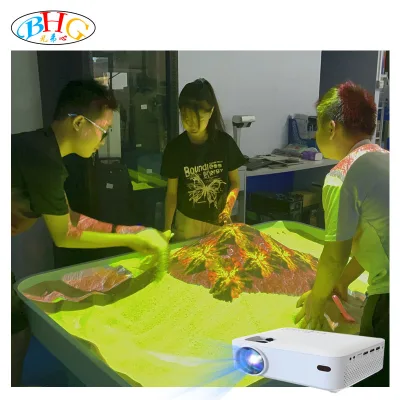
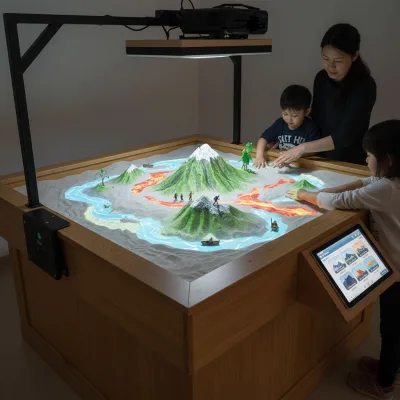
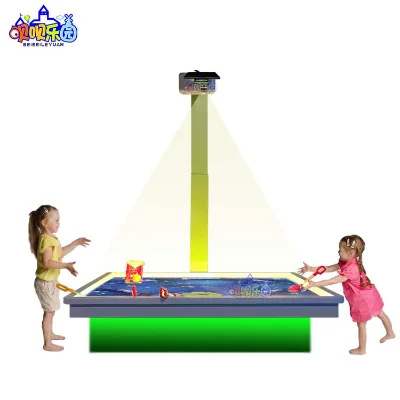
Guangzhou Beibeileyuan Electronic Technology Co., Ltd.
- Manufacturer, Trading Company
- Guangdong, China
- Lead time30 days
- Avg. response≤ 2h
Main productsIndoor Playground, Interactive Projector, Outdoor amusement parks
Main marketsSoutheast Asia(50.0%), North America(20.0%), South America(10.0%), Mid East(10.0%), Northern Europe(5.0%), Eastern Europe(5.0%)
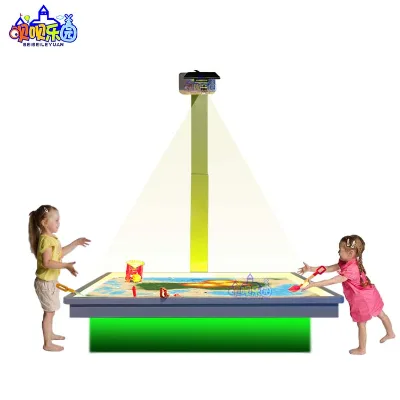
$1040.48 - $2809.29
MOQ: 1 Minimum
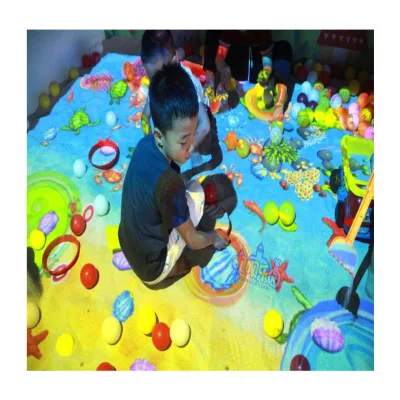
$1040.48 - $1768.82
MOQ: 1 Minimum
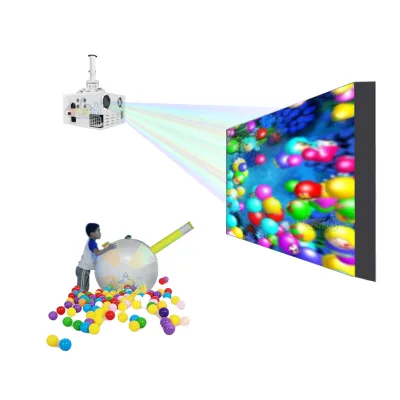
$880.00 - $900.00
MOQ: 1 pieces
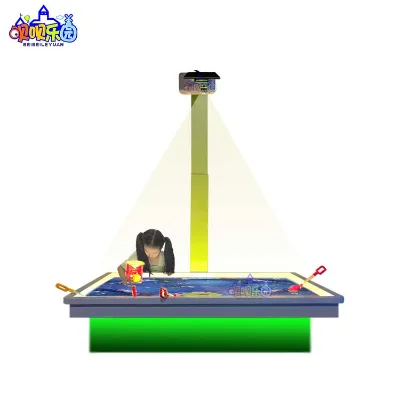
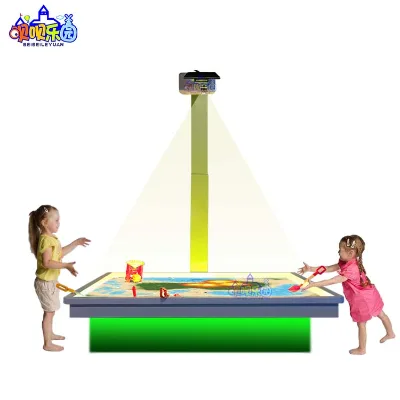
Gooest Media Technologydaqing Co., Ltd.
- Verified by TüVRheinland
- Manufacturer, Trading Company
- Lead time10 days
Main productsDigital Technology Parks, Interactive Projection Games, Pi Sport, Go Kart, Bumper Car
Main marketsDomestic Market(50%), Southeast Asia(15%), Mid East(15%)

Guangzhou EPARK Electronic Technology Co., Ltd.
- Verified by SGS
- Combined
- China Guangdong
- Lead time15 days
- Avg. response≤ 3h
Main products9d Vr, Racing Game Machines, Boxing Machine, Kids Game Machine, Claw Machine, Arcade Game Machine, Vr Simulator Series, Kiddie Ride, Basketball Game Machine, Amusement Game Machine
Main marketsSouth America,Africa,Southeast Asia/ Mideast


High-Quality Projection Sand Pool Interactive Projection Sand Table 1 Games
$2300.00 - $2600.00
MOQ: 1 set


Guangzhou Kuermai Industrial Co., Ltd.
- Verified by SGS Group
- Manufacturer, Trading Company
- Lead time7 days
- Avg. response≤ 2h
Main productsClaw Machine, Kids Game Machine, Arcade Machine, Sports Game Machine, Amusement Park Interactive Projection
Main marketsNorth America(30%), Southeast Asia(30%), Mid East(20%)

- Verified by SGS
- Combined
- China Guangdong
- Lead time30 days
- Avg. response≤ 1h
Main productsSand Table Model, Industrial Model, Equipment Model
Main marketsDomestic
Guangzhou Jinchuang Health Technology CO., LTD
- Verified by SGS Group
- Manufacturer, Trading Company
- Lead time15 days
- Avg. response≤ 2h
Main productsGo-Kart, Bumper Cars, Carnival Games Booth, Outdoor amusement equipment, Flying Cinema
Main marketsMid East(20%), North America(10%), Southeast Asia(10%)

Guangzhou Movie Power Technology Co., Ltd
- Verified by BV
- Combined
- China Guangdong
- Lead time15 days
- Avg. response≤ 3h
Main productsVr Simulator, Vr Equipment, Vr Game Machine, Vr Arcade Machine, Vr Machine, Naked-Eye 3D Flying Cinema, Arcade Game Machine, Dome Flying Cinema, 5D/9d Cinema, Vr Game Simulator
Main marketsSouth America,Africa,Others(foreignTradeCapacity.exportBusinessCapacityMarketOther),Southeast Asia/ Mideast,East Asia(Japan/ South Korea),Europe,Australia,North America

Interactive Game Touch Screen Table Interactive Wall Projection System
$4599.00 - $5799.00
MOQ: 1 sets

Education Interactive Game Touch Screen Table Interactive Projection System
$4599.00 - $5799.00
MOQ: 1 sets

Interactive Game Touch Screen Table Kids Painting Interactive Projection
$4599.00 - $5799.00
MOQ: 1 sets
- Trading Company
- JiangSu, China
- Lead time5 days
- Avg. response≤ 2h
Main productsInteractive floor system,interactive wall system,smart watch,rear projection film,interactive android box
Main marketsDomestic Market(30.0%), Eastern Asia(7.5%), Northern Europe(7.5%), Mid East(7.000000000000001%), Western Europe(7.000000000000001%), Southern Europe(7.000000000000001%), Central America(7.000000000000001%), Oceania(6.0%), Eastern Europe(5.0%), North America(4.0%), Southeast Asia(4.0%), South Asia(3.0%), South America(3.0%), Africa(2.0%)
$180.00 - $200.00
MOQ: 1 pieces

- Verified by TUVRHEINLAND
- Trading Company
- China Zhejiang
- Lead time15 days
- Avg. response≤ 8h
Main marketsEurope

Liangjia Sports Technology (Guangzhou) Co., Ltd.
- Verified by SGS
- Combined
- China Guangdong
- Lead time15 days
- Avg. response≤ 3h
Main productsAr Sports Equipment, Sport Simulator
Main marketsDomestic

Interactive Active LED Screen Floor Super Grid Projection Equipment Game Machine
$15.00 - $20.00
MOQ: 50 Pieces


Guangzhou Funspace Technology Co., Ltd.
- Verified by SGS
- Combined
- China Guangdong
- Lead time30 days
- Avg. response≤ 7h
Main productsArcade Game Machine, Boxing Game Machine, Virtual Reality, Video Game, Gaming, Game Machine, Claw Machine, Arcade Machine, Coin Operated Kiddie Ride, Photo Booth
Main marketsSouth America,Africa,Southeast Asia/ Mideast,East Asia(Japan/ South Korea),Europe,Australia,North America

$3500.00 - $3800.00
MOQ: 1 pieces

Hot Sale Virtual Reality Kids Interactive Game Ar Virtual Reality Floor for Children
$2150.00
MOQ: 1 pieces
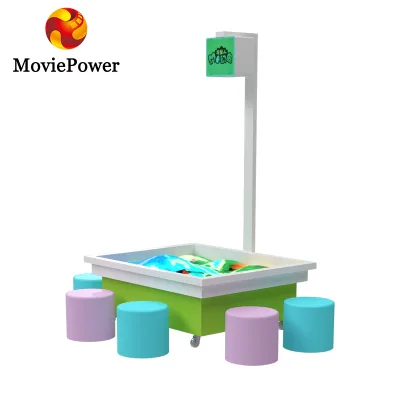
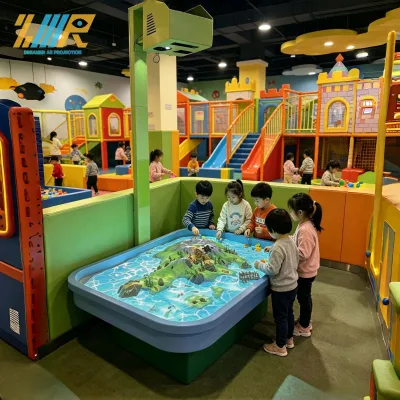
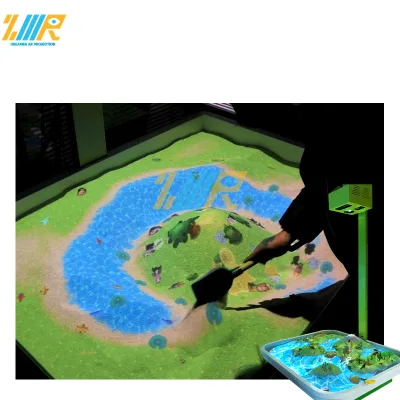
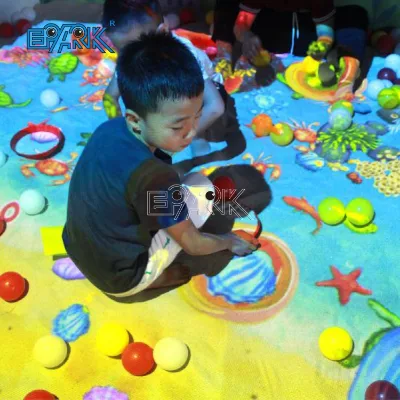
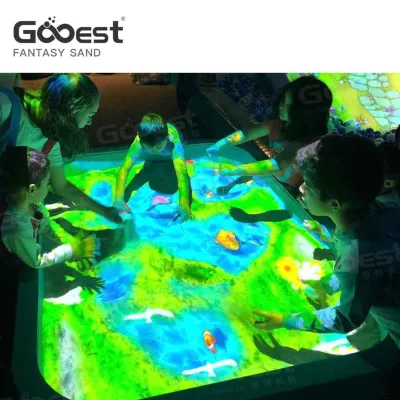
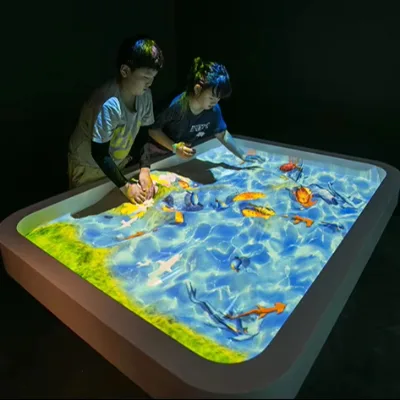
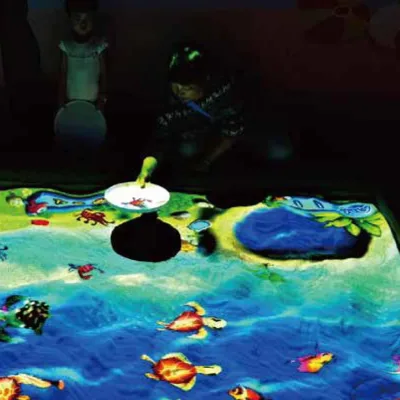




Comprehensive Sourcing Guide
Interactive AR Projection Sand Table Supplier Concentration and Factory Types
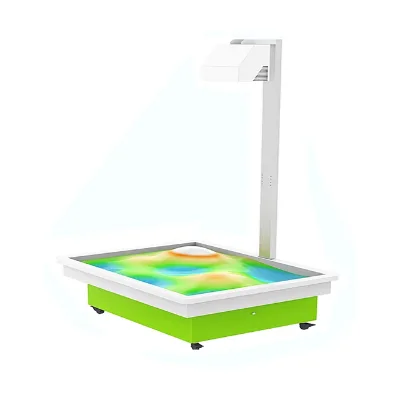
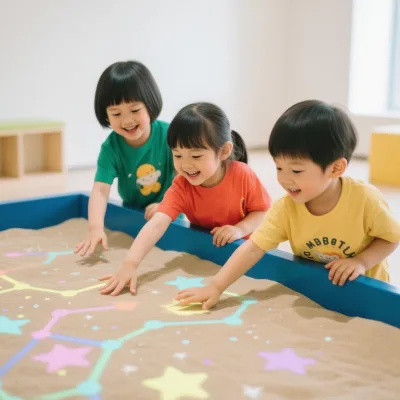
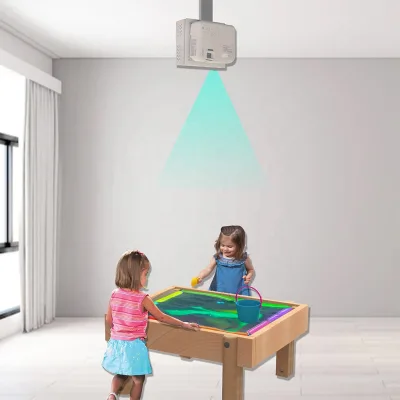
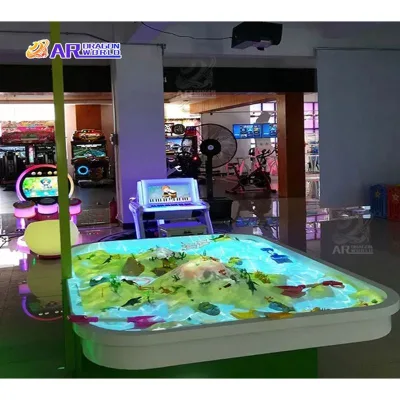
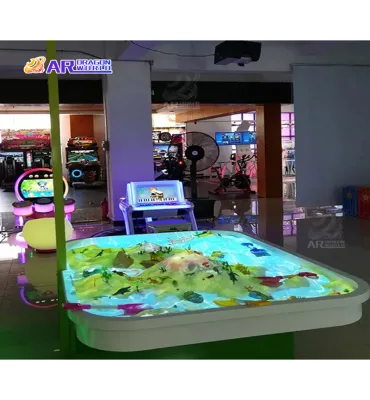
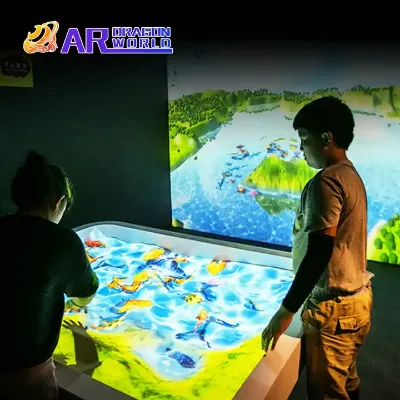
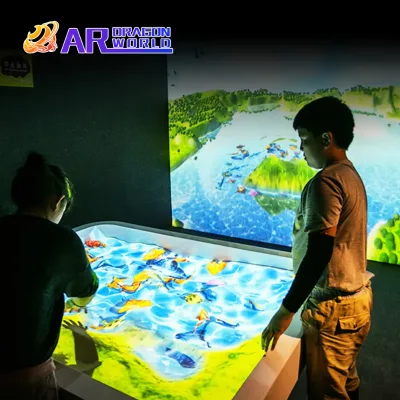
The current market landscape for interactive AR projection sand tables reveals a mix of manufacturers and trading companies operating within the commercial equipment sector. Evidence indicates that production capabilities often include sample processing, graphic processing, and customized on-demand solutions, suggesting a flexible manufacturing base. Some suppliers list specific product lines such as interactive projection smash walls and multi-touch systems alongside the sand tables, indicating a broader focus on interactive entertainment hardware. This diversity in main products suggests that buyers may encounter factories that specialize in projection technology while others might focus on the structural components like aluminum or ABS materials.
When assessing the concentration of these suppliers, it is important to note that specific factory locations are not universally confirmed in the available data, though some product attributes reference origins in Jiangsu and Guangdong provinces. Buyers should verify the actual factory location by requesting a business license or a video tour, as trading companies may list different origins than their manufacturing partners. The presence of both manufacturer and trading company types implies that buyers must distinguish between direct factory pricing and intermediary markups. Understanding this distinction is critical when evaluating the supply chain structure, as it directly impacts the ability to customize designs and the transparency of the production process.
How to Verify Interactive AR Projection Sand Table Suppliers
Verification of suppliers for interactive AR projection sand tables requires a rigorous check of third-party credentials and system certifications. Available data points to specific verification bodies such as TÜV Rheinland and Intertek, which serve as indicators of a supplier's commitment to quality and safety standards. Buyers should confirm that the supplier holds valid certifications like EMC, LVD, RoHS, and CE, which are essential for electronic projection equipment sold in international markets. These certifications ensure that the electrical components, such as the 110-240V power supplies and 3600 lumen projectors, meet international safety requirements. Without these verified credentials, the risk of non-compliance with local regulations increases significantly.
Beyond certifications, buyers must validate the supplier's response time and production capacity to ensure they can meet project deadlines. The observed response times of three to four hours suggest a level of operational readiness, but this should be confirmed through direct communication before placing an order. Additionally, the verification of the company type as either a manufacturer or a trading company is essential for understanding the depth of technical support available. Buyers should request proof of these verifications, such as a valid certificate number, to ensure the claims are current and not expired. Relying solely on platform badges without independent verification can lead to sourcing from entities that no longer meet the required standards.
What to Compare Across Interactive AR Projection Sand Table Suppliers
Comparing suppliers requires a detailed analysis of key operational metrics such as lead time, minimum order quantity, and warranty terms. The data shows lead times ranging from seven to ten days, which indicates a relatively quick turnaround for standard orders, though customization may extend this period. Minimum order quantities vary, with some suppliers offering a single set as the entry point, while others may require larger volumes for specific configurations. Buyers should compare these thresholds against their budget and inventory needs to determine the most cost-effective partner. Warranty periods are consistently listed as one year or twelve months, providing a baseline for after-sales support expectations across different vendors.
Product specifications and material composition are another critical area for comparison. Some units are constructed from aluminum, while others utilize ABS plastic or FRP combined with steel, affecting durability and weight. Resolution capabilities also differ, with options ranging from 1024768 to 19201080, which impacts the visual quality of the projection on the sand surface. Buyers must align these technical specifications with their intended application, whether for a resort hotel, shopping mall, or educational institution. Additionally, the number of included games and the availability of software customization should be evaluated, as some suppliers offer free special effects while others charge for additional content.
Common Interactive AR Projection Sand Table Sourcing Risks
One significant risk in sourcing interactive AR projection sand tables is the potential mismatch between advertised specifications and actual product performance. While suppliers list attributes like brightness and resolution, the real-world application in environments like museums or playgrounds may reveal limitations not apparent in the initial product description. For instance, the single package size and gross weight can vary significantly between models, affecting shipping costs and installation logistics. Buyers must verify these physical dimensions and weights to ensure the equipment fits the designated space and can be transported without damage. Failure to confirm these details can lead to unexpected logistical challenges and additional expenses.
Another risk involves the reliability of after-sales service and the availability of replacement parts. Although many suppliers promise online service and easy installation, the actual response to technical issues can vary widely. The distinction between a manufacturer and a trading company is crucial here, as manufacturers are often better equipped to handle hardware repairs and software updates. Buyers should explicitly ask about the scope of the warranty and whether it covers labor costs or only parts. Without clear terms, a malfunctioning projector or sensor could result in prolonged downtime, disrupting the customer experience in commercial venues.
Interactive AR Projection Sand Table Regional Sourcing and Logistics
Regional sourcing strategies must account for the specific origins of the equipment, which are often cited as Jiangsu or Guangdong in China. These regions are known for their manufacturing clusters in electronic and amusement equipment, but buyers should verify the exact factory address to assess proximity to major shipping ports. The packaging details, such as carton or wooden crates, play a vital role in protecting the delicate projection systems during transit. For example, some units are shipped in wooden packaging to prevent damage, while others use standard cartons, which may require additional reinforcement for long-distance shipping. Understanding the packaging requirements helps in calculating accurate freight costs and insurance needs.
Logistics planning also involves considering the voltage and power supply requirements of the equipment. While many units support 110-240V, some specific models may require 220V, necessitating voltage converters or local electrical adjustments. Buyers must ensure that the power infrastructure at the installation site matches the supplier's specifications to avoid equipment failure. Additionally, the single gross weight of the units, ranging from 6.0 kg to 7.5 kg, influences the number of pallets required and the overall shipping volume. Accurate logistics planning ensures that the equipment arrives on time and in perfect condition, ready for immediate installation and operation.
Interactive AR Projection Sand Table Commercial Terms and Order Planning
Commercial terms for interactive AR projection sand tables often include specific pricing structures and payment conditions that vary by supplier. The observed price points range from 480.00 to 1080.00, though these figures may represent different configurations or bundle options. Buyers should clarify whether the price includes software licenses, installation guides, or additional accessories like the 11 free games mentioned in some listings. Understanding the full scope of the offer is essential to avoid hidden costs that could inflate the total project budget. It is also important to confirm if the price is per unit or for a combo set, as some suppliers offer discounts for bulk orders.
Order planning should begin with a clear definition of the required specifications, including resolution, material, and intended usage scenarios. Suppliers may offer customized solutions, but these often come with longer lead times and higher minimum order quantities. Buyers should establish a timeline that accounts for production, shipping, and installation, ensuring that the equipment is ready for the target opening date. Communication regarding the supply ability, such as 100 pieces per week, helps in scaling orders for larger projects. By aligning commercial terms with operational needs, buyers can secure a reliable supply chain that supports their business goals without compromising on quality or delivery schedules.
FAQs
What is the typical lead time for interactive sand tables?
The typical lead time for these units is seven days. Some suppliers offer a ten-day window for customized orders. Buyers should confirm specific timelines based on their order volume and customization needs before finalizing purchases.
What certifications do these interactive sand tables hold?
Common certifications include EMC, LVD, RoHS, and CE. Some models also carry ISO 9001 standards. Verification by TüVRheinland or Intertek is available for certain suppliers to ensure product safety and compliance with international regulations.
What is the minimum order quantity for these systems?
The minimum order quantity is often one set for individual buyers. Some suppliers require a minimum of six units for combo sets. Buyers must check specific product listings to confirm the exact MOQ required for their desired configuration.
Where are these interactive sand tables manufactured?
Manufacturing locations include Jiangsu and Guangdong provinces in China. Specific models originate from these regions with varying package sizes. Buyers should verify the place of origin on the product page to ensure it meets their logistical requirements.
What warranty is provided for the interactive sand table?
Most units come with a one-year warranty covering defects. Some listings specify a twelve-month warranty period. Buyers should review the specific product details to confirm the exact duration and scope of the warranty provided by the manufacturer.
What is the response time for supplier inquiries?
Suppliers typically respond within three to four hours. This ensures quick communication regarding product specifications and pricing. Buyers can expect timely updates on order status and technical questions when contacting verified manufacturers directly.
What materials are used to construct these sand tables?
Materials vary between aluminum, ABS plastic, and FRP with steel reinforcement. The choice depends on the specific model and intended application. Buyers should check product attributes to select the material that best suits their durability and safety needs.